- +86 (0) 20-86655668
- info@gionar.com

English


English
June 18 , 2026
Coffee Leather is a new type of plant-based eco-friendly material developed using coffee industry waste such as coffee grounds as the main raw material. It belongs to a type of vegan leather.
The most commonly used material is coffee grounds water-based PU leather, which is also one of the vegan leather materials that our factory uses. Regarding terms such as coffee leather, coffee grounds leather and coffee grounds water-based PU leather, we will uniformly use the abbreviation Coffee Leather in this article.
In terms of sensory and performance, coffee leather has significant advantages. It retains the natural aroma of coffee or caramel, has no pungent chemical odor, and has a soft and skin-friendly touch. Its appearance and texture are highly similar to genuine leather, without any animal components.
At the same time, it has excellent tear resistance, wear resistance, and water resistance, making it suitable for making bags, clothing, and the shells of 3C electronic products.
Its unique coffee recycling concept also provides brands with a good sustainable development story and market selling point.
This post will explore the characteristics of Coffee Leather and its applicability in making bags.
Coffee leather is an innovative process that transforms discarded coffee grounds into high-performance bio-based materials. It is a new member of the vegan leather family and offers new options for sustainable fashion and product design.
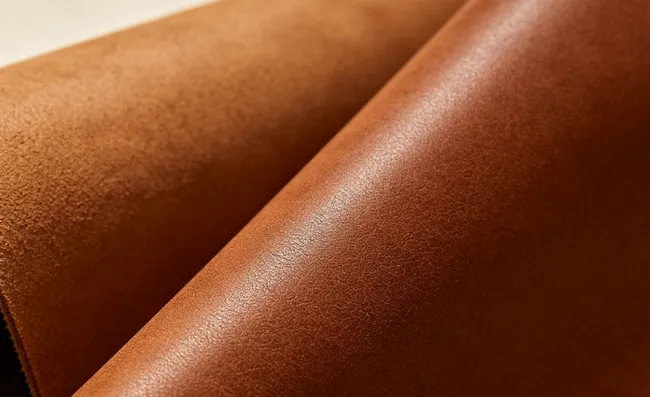
Coffee leather is a sustainable material that turns waste into treasure.
Imagine that the waste residue from the coffee you drink every morning could actually be transformed into materials for making bags or shoes. This is the “magic” behind coffee leather.
Every year, the global coffee industry generates hundreds of thousands of tons of waste coffee grounds. If directly buried, it would release a large amount of greenhouse gases. The coffee leather technology collects these waste materials, processes them through drying, grinding, etc. into fine powder, and then mixes it with eco-friendly adhesives such as plant oil and natural resin.
Eventually, it forms a composite material with unique texture and natural color, ingeniously solving the problem of waste disposal and giving them “a second life”. For every approximately 1 square meter of coffee leather produced, about 18 cups of coffee’s waste grounds can be consumed.
| Aspect | Info |
| Main producer | Organoid GmbH (Austria) — product name: Organoid® Coffee Leather |
| Base material | Spent coffee grounds (waste from coffee shops) + bio-polymers |
| Finish | Rich, leather-like texture with the distinct scent of freshly roasted coffee |
| Properties | Flexible, partially biodegradable, can be water-resistant |
| Thickness | ~0.2 mm |
| Weight | ~670 g/m² |
| Applications | Upholstery, wall coverings, décor veneer, fashion accessories, sewing |
| Step | Technical Description |
| Core technology | Proprietary “deep eutectic solvent technology platform” that efficiently and cleanly extracts cellulose from coffee grounds and other plant waste. |
| Manufacturing process | The extracted cellulose is mixed with bio-based polyurethane resin to form a slurry, which is then coated onto a fabric backing. |
| Key composition | Primarily plant fibres (e.g., coffee grounds) and bio-based binders. |
| Environmental certification | Certified TÜV OK BIOBASED at the highest level (4 stars), meaning over 80% bio-based content. |
| Feature | Description |
| Eco-friendly | Made from renewable agricultural waste, significantly reducing petroleum dependence and carbon footprint. Some products (e.g., PEELSPHERE®) are 100% bio-based and biodegradable, eliminating microplastic pollution. |
| High performance | Abrasion resistance, tensile strength, and durability are proven to rival traditional leather. In some cases, it even outperforms conventional leather in shape recovery and elasticity. |
| Unique aesthetic | Carries a subtle natural coffee scent – a distinctive characteristic, not an added fragrance. The surface has a matt texture with natural brown tones. |
| Cost-effective | As the technology matures and scales up, production costs are expected to become competitive. |
| Wide applications | Fashion (handbags, footwear, apparel), upholstery, automotive interiors, electronic accessories, etc. |
| Brand / Company | Highlights |
| PEELSPHERE® (Super-Cute) | A technology leader based in Shenzhen, China. Has entered the supply chains of global luxury brands such as Balenciaga and Boucheron. |
| B-Green (by BADER) | A German leather manufacturer using chrome-free tanning and incorporating coffee by-products into leather production. |
| Tômtex | A Vietnamese designer brand that uses food waste (shrimp shells, coffee grounds) to make biodegradable leather. |
| skai VyP Coffee (by Continental) | An innovative synthetic leather from the German automotive supplier Continental, based on coffee grounds, used for car interiors. |
| Other producers | Factories in Huadu, Guangdong Province (China) have also achieved mass production of coffee leather, with retail prices around 200-300 RMB (approx. $28-$42 USD). |
| Feature | Coffee Leather | Apple Leather | Cactus Leather |
| Main raw material | Spent coffee grounds | Apple peels and pomace (juice industry by-product) | Mature cactus leaves |
| Key advantage | Distinctive coffee scent, waste reduction | Soft hand feel, close to genuine leather | Extremely water-efficient, low land use |
| Performance & texture | Durable, abrasion-resistant, matt natural look | Soft, fine, breathable | Supple, durable, unique texture |
| Representative brand | PEELSPHERE® | AppleSkin | Desserto® |
The production of Coffee Leather mainly involves two approaches: industrial large-scale production and laboratory/home experimental production. Industrialization focuses on performance and stability, while DIY emphasizes exploration and experience.
| Step | Key Operation | Technical Note |
| 1. Raw material preparation | Collect, dry, and grind spent coffee grounds | Dry the grounds and grind them into micrometre-scale powder for better mixing. |
| 2. Material compounding | Mix coffee ground powder with bio-based polymers (e.g., natural rubber, PU, sodium alginate) and plasticisers in precise ratios | Example formulation: coffee grounds 8g, sodium alginate 8g, glycerol 20g, olive oil 8g, water 132ml. |
| 3. Forming / processing | – Wet process: dry and calender the mixture – Coating process: spread the slurry onto a fabric backing – Compounding & pelletising: make masterbatch then cast into film |
Different processes produce sheet leather. |
| 4. Finishing | Embossing, dyeing, etc. | Gives the material its final texture, colour, and functional properties. |
If you just want to make an interesting science experiment by yourself, you can try to do it in your home kitchen. Through simple chemical reactions, you can turn coffee grounds into a soft “leather”. Here are the simple and understandable steps for the process:
Materials needed: You need to prepare coffee grounds, sodium alginate (a food thickener available online), glycerin, water, calcium chloride, and olive oil. You can refer to this recipe:
Mix into a paste: Put the above coffee grounds, sodium alginate, glycerin, olive oil, and about 1/3 of the distilled water in a container, and vigorously stir until it becomes a thick paste similar to peanut butter.
Smooth and cure: Thinly and evenly spread the mixed paste on a smooth and flat glass plate or silicone mold. Also, dissolve 7 grams of calcium chloride in 100 grams of water to prepare the curing solution, and set it aside in a spray bottle. Then, evenly spray the calcium chloride solution on the surface of the spread paste, and let it stand for 5 minutes. Carefully turn the entire sheet over and spray the other side as well.
Wash and dry: Rinse off the chemical residues on the cured leather with clean water. Finally, lay the leather flat in a well-ventilated area to dry naturally. A coffee leather is ready!
The homemade coffee paper usually has the following characteristics:
No, coffee leather is not real leather.
Coffee leather is a vegan, biodegradable material. It is made from discarded coffee grounds (a by-product of the coffee industry) and is processed to create sheet materials with an appearance and texture similar to traditional leather.
Coffee leather is a flexible composite material made by reusing discarded coffee grounds (sometimes including coffee fruits) and mixing them with biopolymers, natural resins, or recycled polyester fibers. This product contains absolutely no animal products.
Under a microscope, genuine leather has continuous, naturally interwoven collagen fibers. In contrast, bio-based materials such as coffee leather are composed of tiny particles or fibers from plant sources and are bound together by resins or adhesives.
| Aspect | Coffee Leather | Real Leather (e.g., cowhide, goatskin) |
| Source | Plant waste (coffee grounds) + synthetic/bio-binders | Animal hides (by-product of the meat industry) |
| Composition | Cellulose fibres + polymers (e.g., PU, rubber) | Animal collagen fibres |
| Tanning | No tanning – the material is formed by mixing and coating | Requires tanning (vegetable or chrome) to stabilise the hide |
| Breathability | Lower (depending on the binder) | High (natural fibre structure) |
| Biodegradability | Varies – some are fully bio-based and biodegradable; others contain PU and are not | Vegetable-tanned is biodegradable; chrome-tanned is slower |
| Odour | May have a slight coffee scent | Natural leather smell (animal origin) |
| Vegan | Yes | No |
In the marketing field, the term “leather” is often used casually to describe any material with a traditional leather appearance and texture, such as “coffee leather”, “apple leather”, “cactus leather”. However, from a strict definition and in many legal contexts (such as the EU labelling regulations), “leather” only refers to materials made from animal skins. Therefore, coffee leather is more accurately described as a vegan/plant-based/biodegradable leather alternative.
Ask two questions:
The durability of coffee leather varies depending on the production process and the brand, and cannot be simply described as “durable” or “not durable”.
Service life: varies from a few weeks to several years.
Its estimated lifespan is quite wide, ranging from a few weeks to several years.
Basic model possibility: An analysis once pointed out that the durability of certain coffee pulp leather samples might only be about three months.
High-quality can last for several years: While some commercial products, such as apple leather, using better production processes and ingredients, are expected to have a high-quality material lifespan of 2 to 5 years, the expected lifespan of high-quality coffee leather should also reach a similar level, with durability comparable to high-quality synthetic leather.
| Grade | Binder | Expected Lifespan | Where it’s used |
| Automotive (VW, etc.) | TPU + ~35% micro-powder coffee grounds | 8–10+ years (meets VW’s ~40-test approval process) | Car seats, armrests |
| Commercial (KFC FLORACAFE®, Guangzhou bags) | Water-based PU / bio-polymers | ~5 years | Bags, fashion accessories |
| DIY / Small-batch | PVA glue or latex | Weeks to months | Crafts, prototypes |
The coffee grounds themselves are not the main component; they are merely the filler. Durability comes from the binder matrix:
| Binder | Durability | Notes |
| TPU | ★★★★★ | Used by VW; micro-powder coffee grounds actually improve toughness, flexibility, and anti-odor |
| Water-based PU | ★★★★ | Used by KFC FLORACAFE®; zero-water production process |
| Natural rubber + coffee | ★★★★ | Lightweight, high strength |
| PVA / latex (DIY) | ★★ | Degrades fast, poor water resistance |
In practical applications, its potential has also been recognized.
| Material | Durability |
| High-quality animal leather | Excellent (often 10–30+ years) |
| Premium synthetic leather (PU) | Good to very good |
| Commercial coffee leather | Moderate to good |
| DIY coffee leather | Low to moderate |
| Real Leather (full-grain) | Coffee Leather (commercial) | |
| Lifespan | 10–20+ years | ~5 years |
| Develops patina? | Yes, gets better | No, degrades uniformly |
| Water damage | Can recover with conditioning | Permanent if unsealed |
| Repairable? | Yes, professional restoration | Difficult, usually replace |
Yes, coffee leather is generally biodegradable, but this depends on the specific formula.
There are mainly two technological routes on the market, and the core difference between them lies in the material composition, which directly determines their final environmental performance.
| Feature | Pure Bio-Based Route (e.g., PEELSPHERE®) | Synthetic Route (e.g., Zha Zha Ge) |
| Core ingredients | Coffee grounds, seaweed, plant fibres + bio-based polymers | Coffee grounds + recycled polyester (PET) / other resins |
| Key claim | 100% bio-based; biodegradable in natural soil | Reduces petroleum use; some products claim biodegradability |
| Environmental focus | Full degradation loop – returns to nature completely from raw material to disposal | Waste utilisation, reducing dependence on fossil fuels |
| Representative brands | PEELSPHERE® | Zha Zha Ge, Jia Ke New Materials, etc. |
Coffee leather is usually made by mixing coffee grounds (waste from the coffee production process) with bio-based polymers such as PLA, PBAT, or cellulose. Since its main raw materials are organic waste and the adhesives mostly come from plant sources, the final product can naturally decompose.
| Product / Company | Composition | Biodegradability Claim |
| TômTex (NY designer brand) | Shrimp shells + coffee grounds + mushroom waste | 100% biodegradable |
| PiaoFei biological (Shenzhen) | Coffee grounds, fruit peels, seaweed — broken to nano-scale and restructured | Bio-tech leather, fully degradable |
| Biosyness (Milan startup) | TPU (~35%) + cellulose + recycled coffee grounds | Targeting 100% biodegradable with PLA/PBAT blends |
| Kaffeeform cups | Coffee grounds + bio-polymers | Biodegradable, reusable |
| Volkswagen “coffee leather” | Coffee silver skin + bio-polymers | Designed for a biological cycle (compostable end-of-life) |
| Ukrainian Ochis | Coffee grounds → eyeglass frames | Degrades 100× faster than standard plastic |
Not all “coffee leather” has the same level of biodegradability:
Yes, coffee leather is usually more expensive than ordinary synthetic leather, but the price can vary depending on the manufacturer and the application.
Coffee leather is not necessarily “expensive”, but the price range is quite wide – it is more of a “mid-range to mid-high” vegan leather, only approaching the price of genuine leather in very few “environmental narrative premium” high-end scenarios.
The price of coffee leather falls within a relatively broad range, which depends on the bio-based content of the material, the brand positioning, and the type of finished product. Currently, the retail price of a basic process coffee waste leather (such as a material sample or a cap) is usually between 30 and 50 US dollars, which mainly reflects the current market benchmark.
Coffee leather is mainly promoted as an innovative, environmentally friendly, and animal-free alternative material. As it caters to the growing sustainable luxury market, products made from this material are usually more expensive than traditional synthetic leathers (such as standard PVC or PU). Major luxury fashion brands and high-end car brands have begun to incorporate it into their supply chains, further strengthening their high-end market positioning.
The production of coffee leather is not a simple process. It requires collecting discarded coffee grounds and undergoing special treatments such as sugar removal, oil removal, and mixing with biopolymers or natural resins. This advanced processing technology, along with the research conducted to ensure the material meets strict durability and performance standards, leads to its higher cost.
Although coffee leather is positioned as high-end, it is still a more cost-effective alternative to genuine animal leather. Traditional leather requires expensive animal skins and undergoes resource-intensive and chemically complex tanning processes. In contrast, coffee leather avoids these costs by using recycled waste, making it an attractive economic choice for brands that want to launch sustainable products but do not want to bear the high prices of traditional high-end leather.
Coffee leather is a relatively new material, so its production scale is not as large as traditional leather or polyurethane (PU) leather.
Sustainable brands that emphasize ethical production or have third-party certifications (such as B Corp, GOTS) usually charge higher prices for coffee leather products. Ordinary or unbranded coffee leather is usually cheaper.
| Material | Price (USD/sqm) | Notes |
| Coffee leather (M-Tex) | ~22–48 | Made from coffee waste + solid waste binders |
| Bell Society (Indonesia) | ~$32 | 90×90 cm sheet; pays farmers $140/ton for pulp |
| Goat leather (animal) | ~26–59 | Traditional animal leather |
| Synthetic leather (PU/PVC) | ~$142 | Petroleum-based |
| Luxury nappa (Miu Miu jacket) | ~$7,200+ | Brand markup, not material cost |
| Tier | Approximate Price (fabric/sq ft or finished bag) | Reason |
| Mass-market / Fast-fashion tier | On the lower side (slightly higher than standard PU faux leather or on par)
≈ $3–$8 / sq ft for the sheet material |
Binder is standard water-based PU/acrylic; backing is cheap rPET/non-woven; “coffee” is more of a visual filler + story. |
| Designer / Sustainable brand tier | Mid-range
≈ $10–$25+ / sq ft, or finished bags $80–$350 |
Coffee waste %, GRS/OEKO-TEX certifications, better folding-resistance coatings, better backing fabric → premium comes from brand + certification + narrative. |
| Experimental / Frontier bio-based tier | Could be more expensive (R&D / small batch)
Still rarely reaches full-grain cowhide pricing |
Because even with bio-resin, it’s still a “composite sheet”—hand feel and longevity can’t easily match top-tier genuine leather. |
Vegan Leather (purely vegan/ synthetic leather) is a “collection”, while Coffee Leather is one of the “members (and more narrative-oriented)”.
Vegan leather = All “skin-like/imitation leather materials” that do not contain animal skin.
Old-fashioned: PU / PVC (plastic-based)
Recycling system: rPET (recycled polyester) imitation leather fabric
Plant/biobased: Pineapple (Piñatex), cactus, apple, banana, coffee…
Coffee leather = Among vegan leather, using coffee waste (coffee grounds/fiber powder/fiber) as the main “natural filler/visual feature”, and then using polymer adhesives + backing to make a sewable imitation leather sheet material.
So if we say “PU is an gasoline car, Coffee leather is a special model in a hybrid vehicle” – it is still “a vehicle (vegan leather)”, not “another mode of transportation”.
| Category | Definition | Examples |
| Vegan leather | Any leather-like material with no animal components | PU, PVC, polyurethane, coffee leather, apple leather, mushroom leather, cactus leather, pineapple leather, cork leather |
| Coffee leather | A specific vegan leather made from waste coffee grounds + binders | MOICvegan (Italy), Organoid (Germany), DIY agar/starch recipes |
| Aspect | Coffee Leather | Traditional Vegan Leather (PU/PVC) |
| Main raw material | Spent coffee grounds + bio-based polymers | Petroleum-based polyurethane (PU), PVC |
| Bio-based content | High – some brands reach 40–100% | Zero or very low |
| Production process | Waste upcycling, reduces landfill carbon emissions | Relies on fossil fuels, high carbon footprint |
| Biodegradability | Some products biodegradable (e.g., PEELSPHERE® claims 100% soil degradation) | Non-biodegradable – becomes microplastic waste |
| Texture & appearance | Unique matt finish, natural grain, subtle coffee scent | Smooth, vibrant colours, can mimic various textures |
| Durability | Depends on process – high-quality options outperform PU | Moderate – prone to ageing and cracking |
| Breathability | Good – natural fibres allow airflow | Poor – can feel clammy |
| Price positioning | Mid-to-high (technology & brand premium) | Low to mid – inexpensive |
| Coffee Leather | Most “Vegan Leather” | |
| What people think it is | Eco-friendly waste-upcycled material | Eco-friendly alternative to animal leather |
| What it actually is | ✅ Genuinely sustainable | ❌ Usually just plastic with a green name |
| You want… | Choose |
| True biodegradability | Coffee leather |
| Waterproof / easy to clean | PU/PVC vegan leather |
| Closest feel to real leather | Cactus leather (Desserto) or Coffee leather |
| Lowest price | PU/PVC vegan leather |
| Antibacterial (bags, car seats, shoes) | Coffee leather |
| Lowest carbon footprint | Coffee leather ≈ Cactus leather |
| Type | Main feedstock |
| Coffee leather | Waste coffee grounds (brewing residue) |
| Apple leather | Apple pomace/pulp from juice production |
| Mushroom leather | Mycelium (mushroom root structure) |
| Cactus leather | Robust cactus plant (Nopal) |
| PU/PVC vegan leather | Synthetic polymers from petroleum |
| Property | Coffee leather | Synthetic vegan leather (PU/PVC) | Plant-based vegan leather (apple, mushroom, cactus) |
| Vegan/animal-free | Yes | Yes | Yes |
| Biodegradable | Potentially, if all ingredients are natural | No (not biodegradable, hard to recycle) | Varies; some designed to be biodegradable |
| 100% compostable | Yes, if only natural ingredients used | No | Some claim compostability |
| Carbon footprint | Low (waste-stream feedstock) | Higher (petroleum-based) | Generally lower than synthetics |
| Property | Coffee leather | Synthetic vegan leather | Premium plant-based vegan leather |
| Wear resistance | Reported as high (manufacturer claims) | Can be durable but tends to peel/crack over time | Improving; some last years |
| Water resistance | Low by default; needs coating | Good (PU/PVC are water-resistant) | Varies; often better than coffee leather |
| Longevity | Still being optimized | Moderate to good, but not as long-lasting as real leather | Improving, some competitive with leather |
| Type | Price range (approx.) |
| Coffee leather | ~$32–$39/m² (Indonesia); ~half the price of animal leather in some cases |
| PU/PVC vegan leather | Typically cheaper than plant-based; mass-produced, low-cost |
| Premium plant-based (cactus, mushroom, apple) | Often hella expensive (premium pricing) |
| Type | Price Range (Examples) |
| Coffee-Dyed Real Leather | 90–1,000+ (e.g., Loeffler Randall boots at $1,099). |
| Recycled Coffee Leather | 20–100 (e.g., phone cases, small accessories). |
| Plastic-Based Vegan Leather | 10–200 (fast fashion to mid-range designer). |
| Plant-Based Vegan Leather | 30–300+ (e.g., Stella McCartney’s mushroom-leather Falabella bag at $1,500+). |
| Type | Appearance & feel |
| Coffee leather | Dark brown, subtly shimmering natural surface; pleasant coffee aroma |
| Synthetic PU/PVC | Very uniform, can look plastic-like; no natural aroma |
| Plant-based | Varies by material; often more “natural” texture than synthetics |
| Issue | Coffee Leather | Vegan Leather |
| Animal Welfare | Real: Involves livestock; look for cruelty-free tanneries. | Always cruelty-free; ideal for strict vegans. |
| Labor Practices | Real: Risk of exploitative labor in tanneries; choose fair-trade certified. | Plastic-based: Labor risks in manufacturing hubs; plant-based: Fair-labor co-ops. |
| Circular Economy | Recycled: Promotes waste valorization; supports coffee industry circularity. | Plant-based: Encourages agricultural waste reuse (e.g., pineapple leaves). |
| Material | Ideal For | Not Recommended For |
| Coffee-Dyed Real Leather | Luxury goods (bags, jackets, wallets) where durability and patina matter. | Vegan lifestyle; large-scale production due to resource intensity. |
| Recycled Coffee Leather | Small accessories (cardholders, phone cases), promotional items, eco-branding. | Heavy-duty applications (furniture, machinery). |
| Plastic-Based Vegan Leather | Fast-fashion clothing, temporary decor, budget-friendly alternatives. | Long-term investments; sensitive skin (chemical irritants). |
| Plant-Based Vegan Leather | Designer handbags, footwear, automotive interiors (e.g., Tesla uses mushroom leather). | Industrial settings requiring extreme abrasion resistance. |
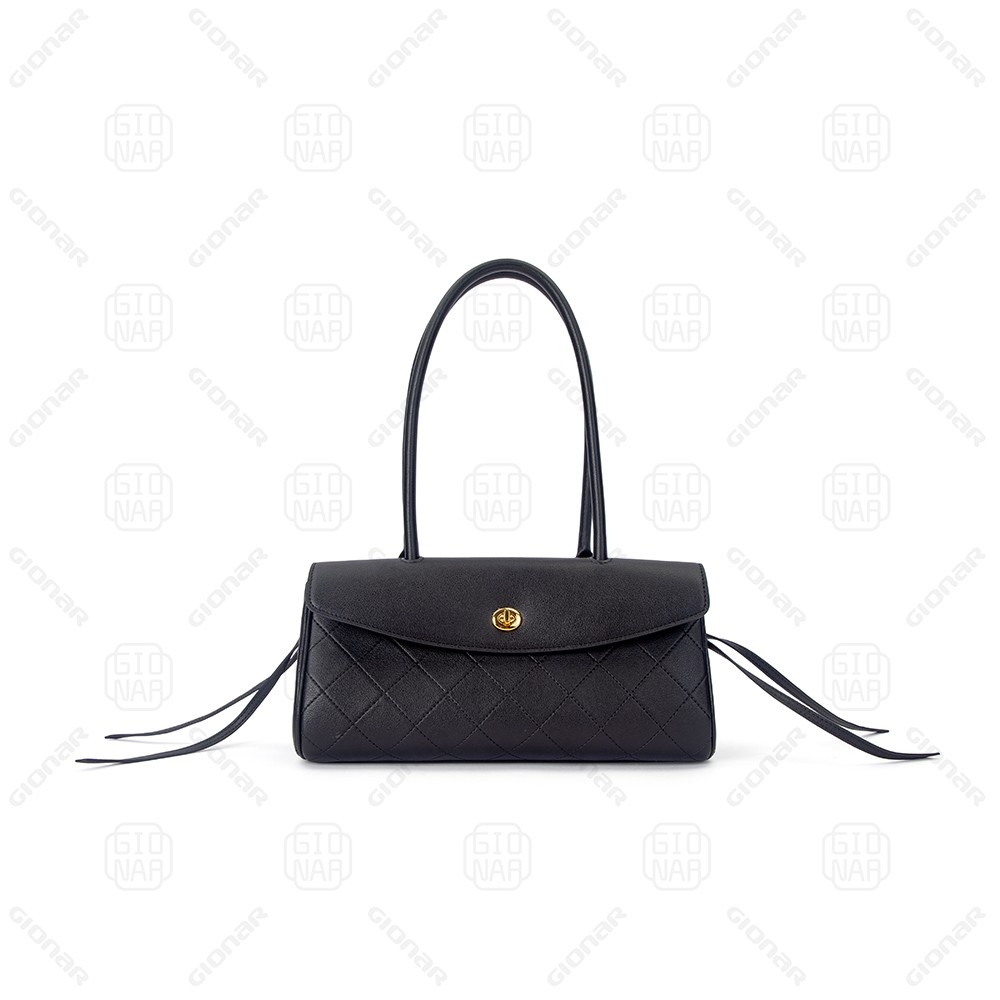
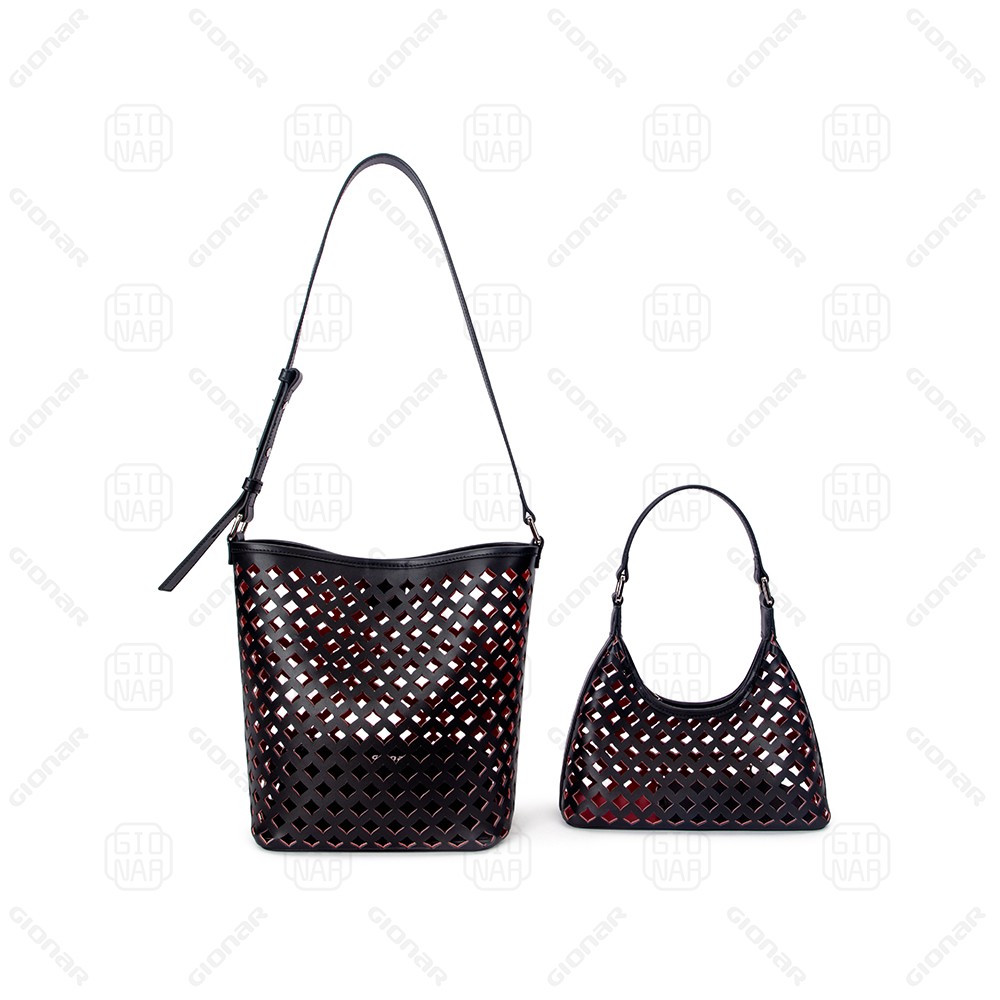
Yes, coffee leather is extremely suitable for making bags. It is not only environmentally friendly and durable, but also emits a faint aroma of coffee, providing a unique experience that traditional materials cannot replicate.
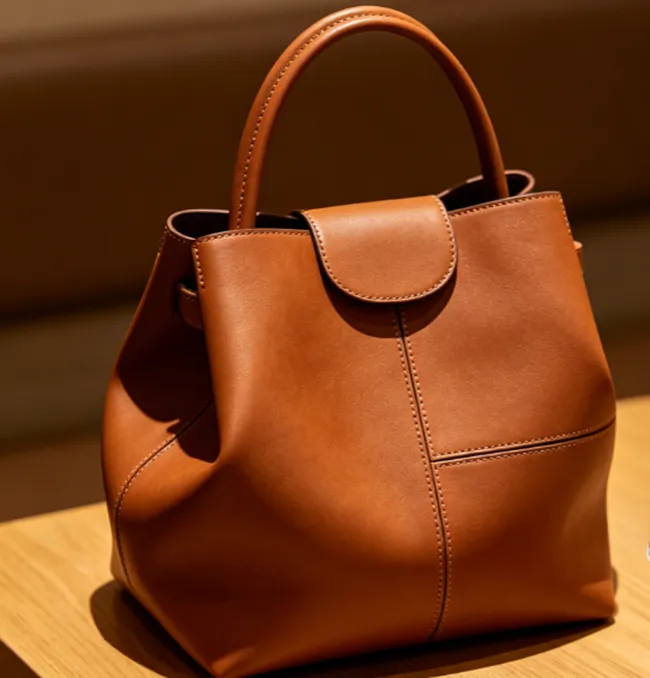
The core raw material of coffee leather is coffee residue, which is a by-product of the coffee industry. Using it for leather production can significantly reduce the consumption of carbon dioxide, water and land, and transform waste into valuable fashion materials. Some products have also passed strict certifications such as GRS (Global Recycled Standard) and PETA vegan.
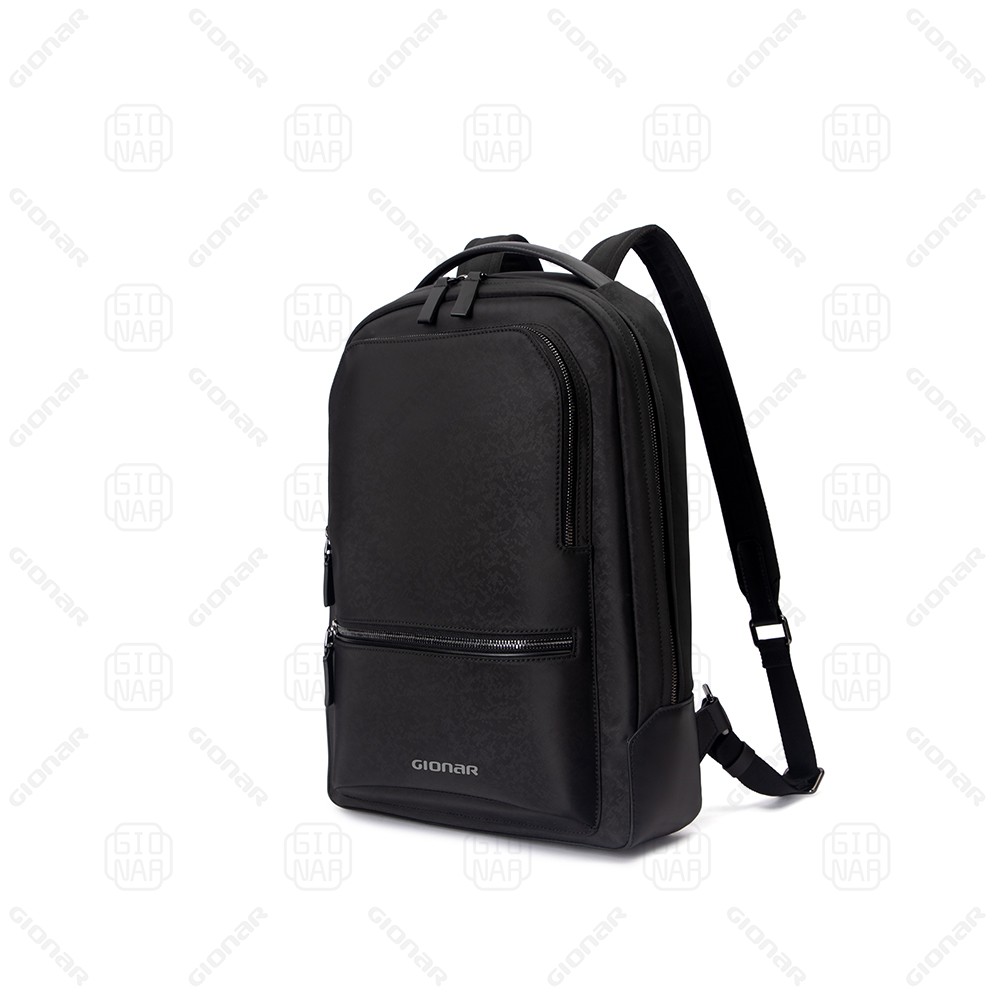
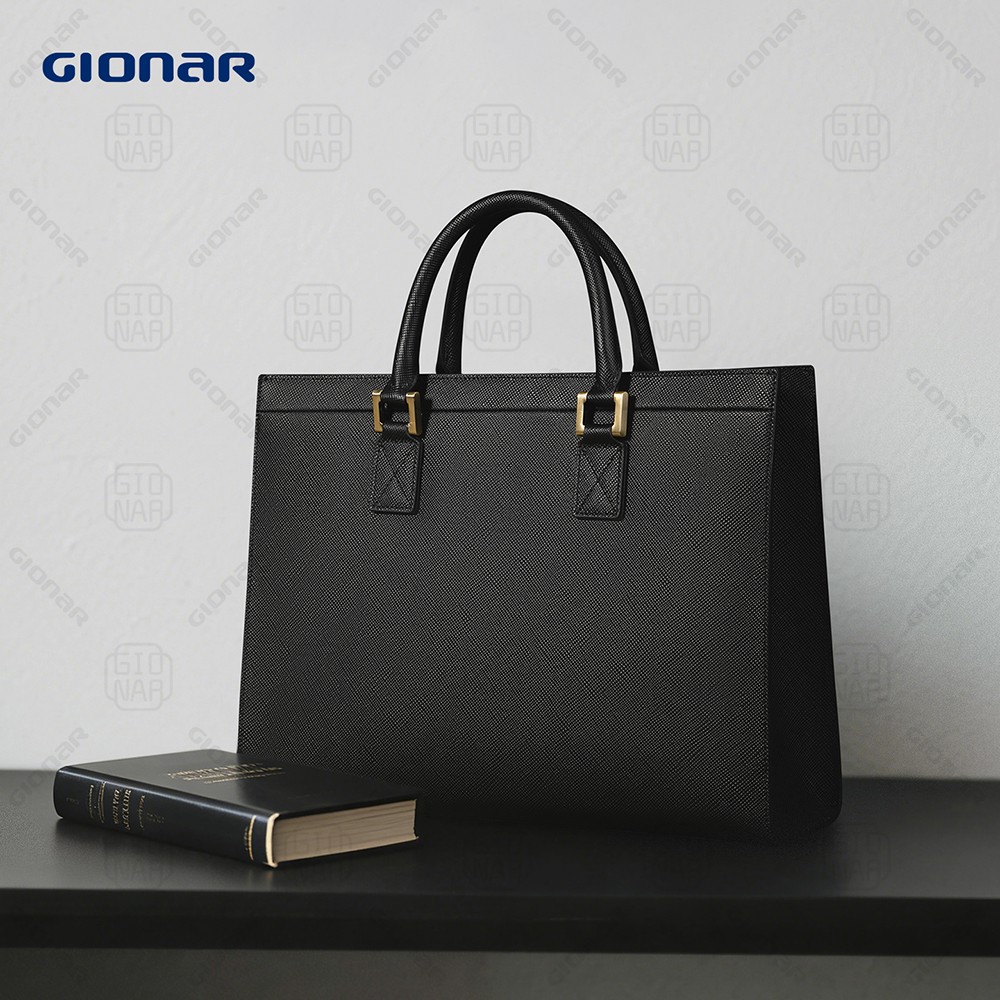
Many brands of coffee leather performs equally well as genuine leather in terms of physical properties such as wear resistance and tear resistance. Due to its excellent durability, it has been widely used in high-wear areas such as car interiors and furniture. It is also very suitable for frequently used bags, such as backpacks, tote bags or briefcases. As long as it is properly maintained, it will naturally age and form a unique texture and luster.
High-quality coffee leather retains a faint and natural coffee aroma and does not dissipate over time. Its texture can also be as soft and smooth as genuine leather.
Compared to the need for meticulous care of ordinary leather, coffee leather is usually more waterproof and easier to clean, suitable for high-frequency used bags.
Natural coffee-dyed leather presents a rich and warm brown tone with natural color variations, giving it a unique personality. Recycled materials have fine spots formed by coffee residue, presenting a distinct “upcycling” style, which is very suitable for people who pursue environmentally friendly fashion.
Unlike thick cowhide leather, recycled coffee leather is thinner and more flexible, making it easy to be sewn into structured or casual bag designs. Leather requires professional tools, but can perfectly maintain its shape.
The performance of coffee leather largely depends on its formula and manufacturing process. The technical levels and quality control of different brands vary, and you may encounter products that claim to contain coffee components but whose environmental friendliness is questionable.
As an innovative technological material, the price of coffee leather is usually not lower than that of ordinary PU synthetic leather. Some products even reach the level comparable to mid-range genuine leather.
It should be noted that some coffee leather products are essentially “plastic containing coffee grounds”, and their production process may still use petroleum-based materials, which will have a significant impact on their ultimate environmental friendliness.
Although laboratory data support its durability, as an emerging material, its natural aging performance over a period of 10 years or more needs time to be verified.
| Brand / Product | What they made | Verdict |
| Mingke | Coffee grounds + bio-polymer leather — sold by the meter for bag/shoe production | Claims: waterproof, wear-resistant, stain-resistant |
| Manner Coffee | Redeemable recycled leather tote bag (2024) | User review: “slight leather smell, slightly smaller than expected, bottom compartment rough — needs a divider” |
| Miu Miu | “Coffee nappa” leather backpack (~¥30,700) | Luxury-grade finish, proves the material can look premium |
| CASETiFY × Camel Coffee | Coffee leather phone cases | Shows the material works for small accessories too |
| Ukrainian startup (Ochis) | Coffee grounds + linen → eyewear, 100% biodegradable, 100× lighter than plastic | Proves the material scales beyond bags |
| Bag type | Coffee leather rating |
| Tote / everyday bag | ✅ Excellent — light, durable, stylish, eco-friendly |
| Backpack | ✅ Good — Mingke and Miu Miu both use it; just ensure structural support |
| Clutch / pouch | ✅ Great — antibacterial + soft feel is ideal |
| Heavy-duty work bag | ⚠️ Okay — may sag under very heavy loads; consider a hybrid with canvas backing |
| Rainy-city daily carry | ⚠️ Check the formulation — go with Mingke-type (waterproof) not basic PLA-only |
Coffee Leather is a plant-based vegan leather made from recycled coffee grounds, representing a new trend in sustainable materials.
Coffee Leathe has a subtle coffee fragrance and its surface features a unique matte texture and natural granular pattern. The material is flexible, durable and has good tear resistance. Some high-quality products have better wear resistance than ordinary PU leather. It has good breathability and can be cleaned with a damp cloth daily. Its price is higher than that of ordinary PU leather, but it is cheaper than animal leather.
It is suitable for making light-duty items such as structured tote bags, handbags, and inner lining patches. If used for bags, it is recommended to pair with canvas straps, strengthen the stress points, and use coffee leather as the “panel” rather than the “structural component”.
Coffee Leather is an advanced choice among vegan leathers that is closer to “true environmental protection”. It transforms waste into fashionable materials through the concept of circular economy.
If you are considering using eco-friendly materials to make bags and are looking for a reliable bag manufacturer, please feel free to contact us.


Mobile Website

Inquires Whatsapp