- +86 13922774531
- info@gionar.com

English


English
March 18 , 2025
Leather has long been a staple of fashion and design. However, there are plenty of alternatives to traditional leather. Vegan leather and faux leather – These two materials aim to replicate the look and feel of leather without the use of animal products. What is Vegan Leather vs Faux Leather? This paper discusses the origin, production process and characteristics of vegan leather and artificial leather, as well as their advantages, disadvantages and applications.
In the early days, leather was king. It was strong, durable, and had a certain rugged charm. But as the world grew more conscious of its impact on animals and the environment, alternatives began to emerge. Vegan leather and faux leather were born out of necessity, a response to the growing demand for cruelty-free and sustainable options.
Vegan leather is a material designed to mimic the look and feel of traditional leather without using any animal products. It is a statement, a declaration that one can enjoy the aesthetics of leather without contributing to the suffering of animals. It is made from a variety of materials, both natural and synthetic, each with its own story.
Faux leather, on the other hand, is a broader term that encompasses any material designed to look like leather, whether it is vegan or not. It is often made from synthetic materials like polyurethane (PU) or polyvinyl chloride (PVC). Faux leather is the chameleon of fabrics, adapting to the needs of fashion and function.
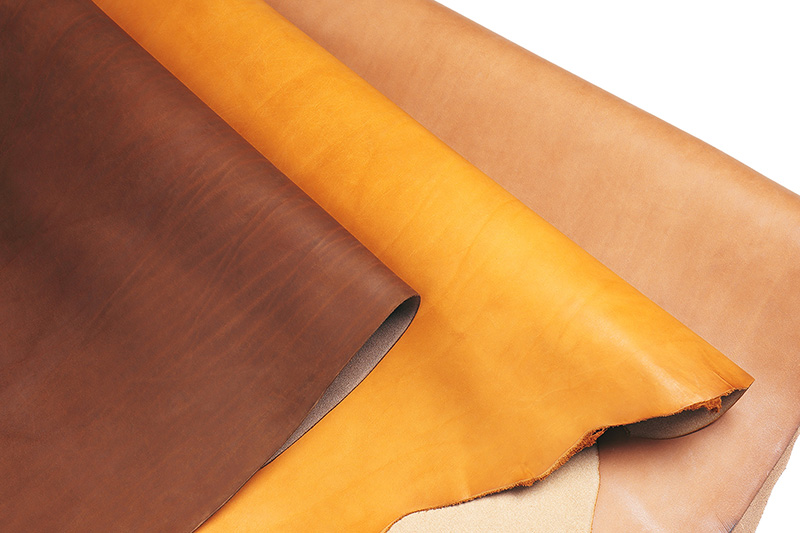
The process of creating vegan leather is as varied as the materials used to make it. Each type has its own journey, from raw material to finished product.
Pineapple Leather (Piñatex): Made from the fibers of pineapple leaves, Piñatex is a byproduct of the pineapple harvest. The leaves are collected, cleaned, and processed into a fibrous mat, which is then treated with natural binders and dyes to create a leather-like material.
Mushroom Leather (Mylo): Mylo is made from mycelium, the root structure of mushrooms. It is grown in labs using agricultural waste, making it a sustainable and cruelty-free option.
Apple Leather: Made from the waste of the apple juice industry, apple leather is created by processing apple peels and cores into a durable material.
Polyurethane (PU): PU leather is made by coating a fabric base with a layer of polyurethane. It is durable, flexible, and can closely resemble real leather.
Polyvinyl Chloride (PVC): PVC leather is made by coating a fabric base with a layer of PVC. It is less eco-friendly than PU due to the chemicals used in its production.
Recycled Plastics: Some vegan leathers are made from recycled plastic bottles, giving a second life to materials that would otherwise end up in landfills.
Faux leather is a broader category that includes both vegan and non-vegan options. The process of making faux leather varies depending on the materials used.
Material Selection: The base material, usually a fabric like polyester, is selected and prepared.
Coating and Embossing: The base material is coated with a layer of polyurethane to create a leather-like texture. The material is then embossed to mimic the grain of traditional leather.
Finishing: The final product is dyed and treated to achieve the desired appearance and durability.
Material Selection: The base material, usually a fabric like polyester, is selected and prepared.
Coating and Embossing: The base material is coated with a layer of PVC to create a leather-like texture. The material is then embossed to mimic the grain of traditional leather.
Finishing: The final product is dyed and treated to achieve the desired appearance and durability.
Cruelty-Free: No animals are harmed in the making of vegan leather.
Eco-Friendly Options: Many vegan leathers are made from sustainable materials, like pineapple leaves or recycled plastics.
Variety: Vegan leather comes in a wide range of colors, textures, and finishes, making it super versatile.
Durability: High-quality vegan leather can be just as durable as traditional leather.
Cost: Vegan leather is often more affordable than traditional leather.
Environmental Impact: Some vegan leathers, especially those made from PVC, can have a significant environmental impact due to the chemicals used in their production.
Durability: Not all vegan leathers are created equal. Some may not be as durable as traditional leather.
Breathability: Vegan leather is generally less breathable than traditional leather, which can make it less comfortable in hot weather.
Biodegradability: Many vegan leathers are not biodegradable, which can be a concern for those looking to reduce their environmental footprint.
Affordable: Faux leather is generally cheaper than real leather.
Durable: High-quality faux leather can be very durable and resistant to wear and tear.
Variety: Faux leather comes in a wide range of colors, textures, and finishes.
Easy to Clean: Faux leather is often easier to clean and maintain than real leather.
Environmental Impact: Faux leather, especially PVC, can have a significant environmental impact due to the chemicals used in its production.
Breathability: Faux leather is generally less breathable than real leather, which can make it less comfortable in hot weather.
Durability: Not all faux leathers are created equal. Some may not be as durable as real leather.
Biodegradability: Most faux leathers are not biodegradable, which can be a concern for those looking to reduce their environmental footprint.
Vegan leather can feel soft and cozy, almost like real leather. However, it doesn’t have the same natural texture, so some people find it a bit “plasticky.” It’s not as breathable as real leather, so it can feel a bit clammy if you’re wearing it for a long time.
Faux leather can vary widely in texture and feel. High-quality faux leather can feel very similar to real leather, while lower-quality options can feel stiff and plasticky. It’s generally less breathable than real leather, which can make it less comfortable in hot weather.
The environmental impact of vegan leather varies depending on the materials used. Plant-based vegan leathers, like Piñatex and Mylo, are generally more sustainable than synthetic options. However, synthetic vegan leathers, especially those made from PVC, can have a significant environmental impact due to the chemicals used in their production.
Faux leather, especially PVC, can have a environmental impact due to the chemicals used in its production. However, some faux leathers are made from more sustainable materials, like recycled plastics, which can help reduce their environmental footprint.
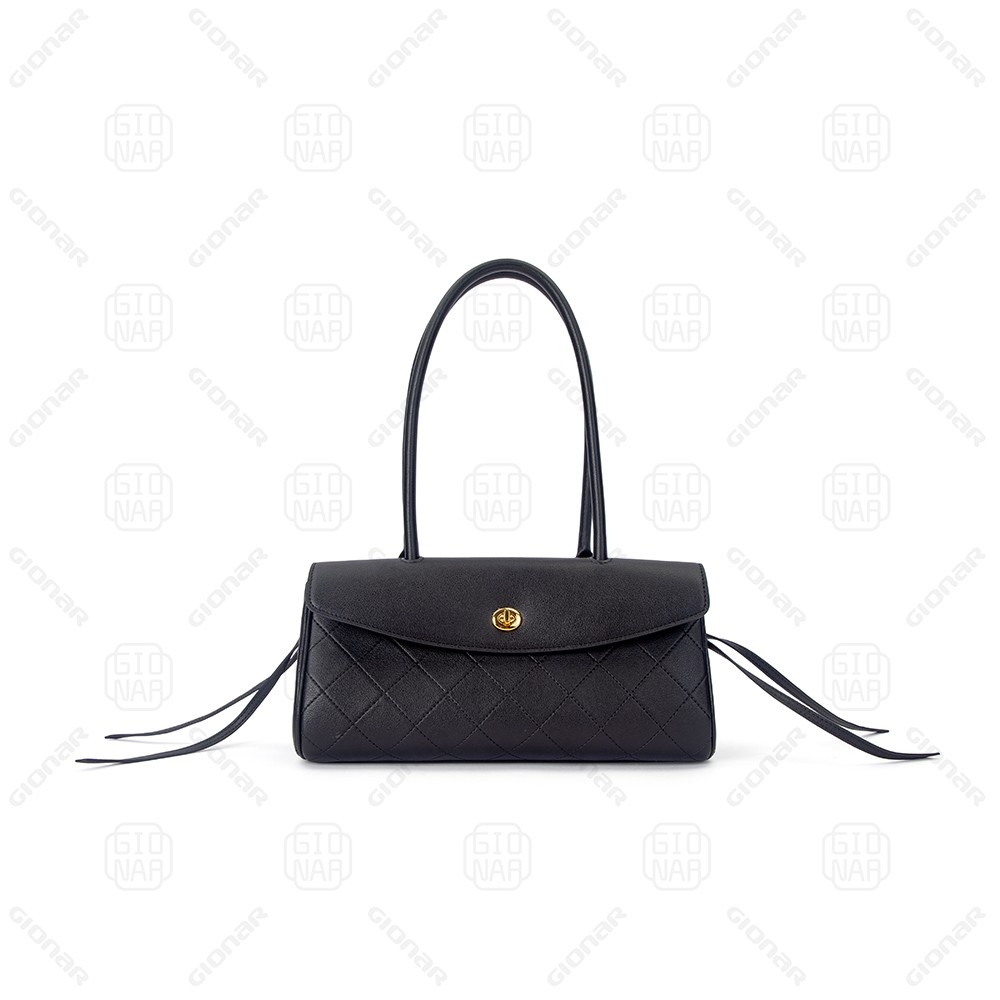
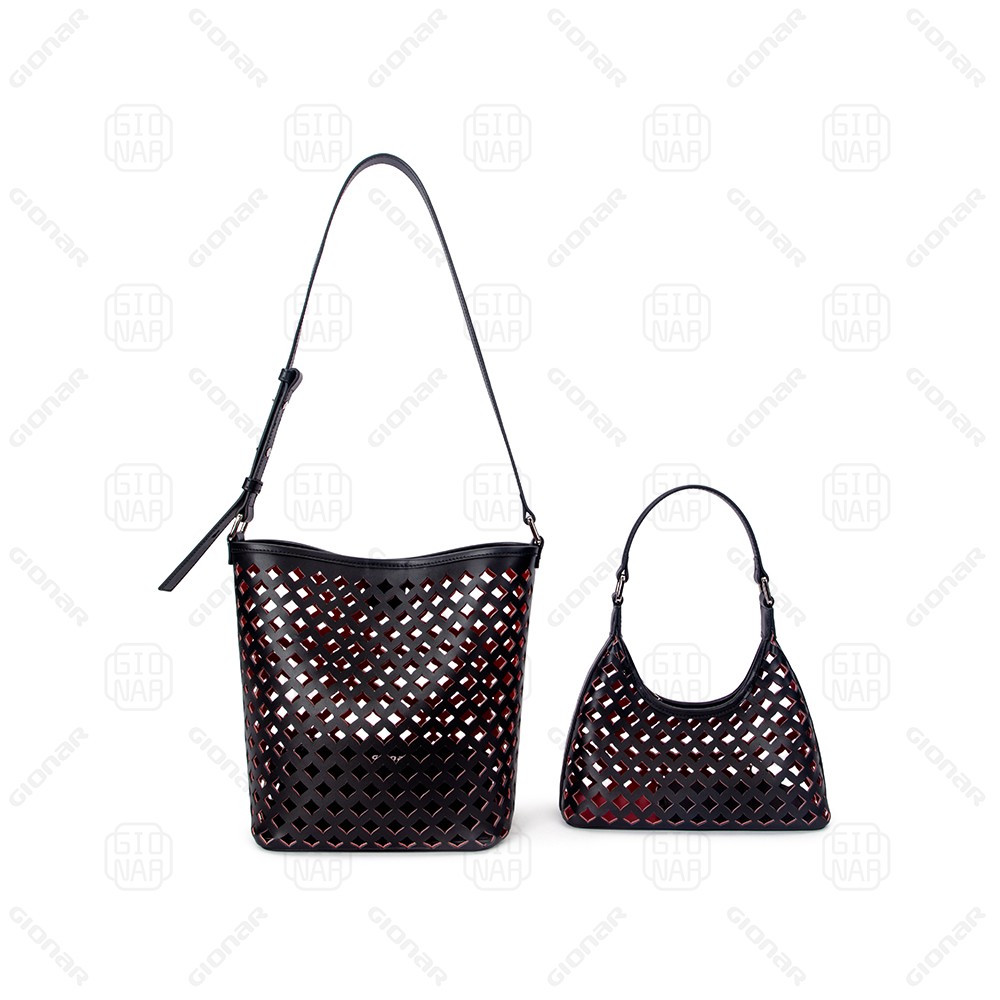
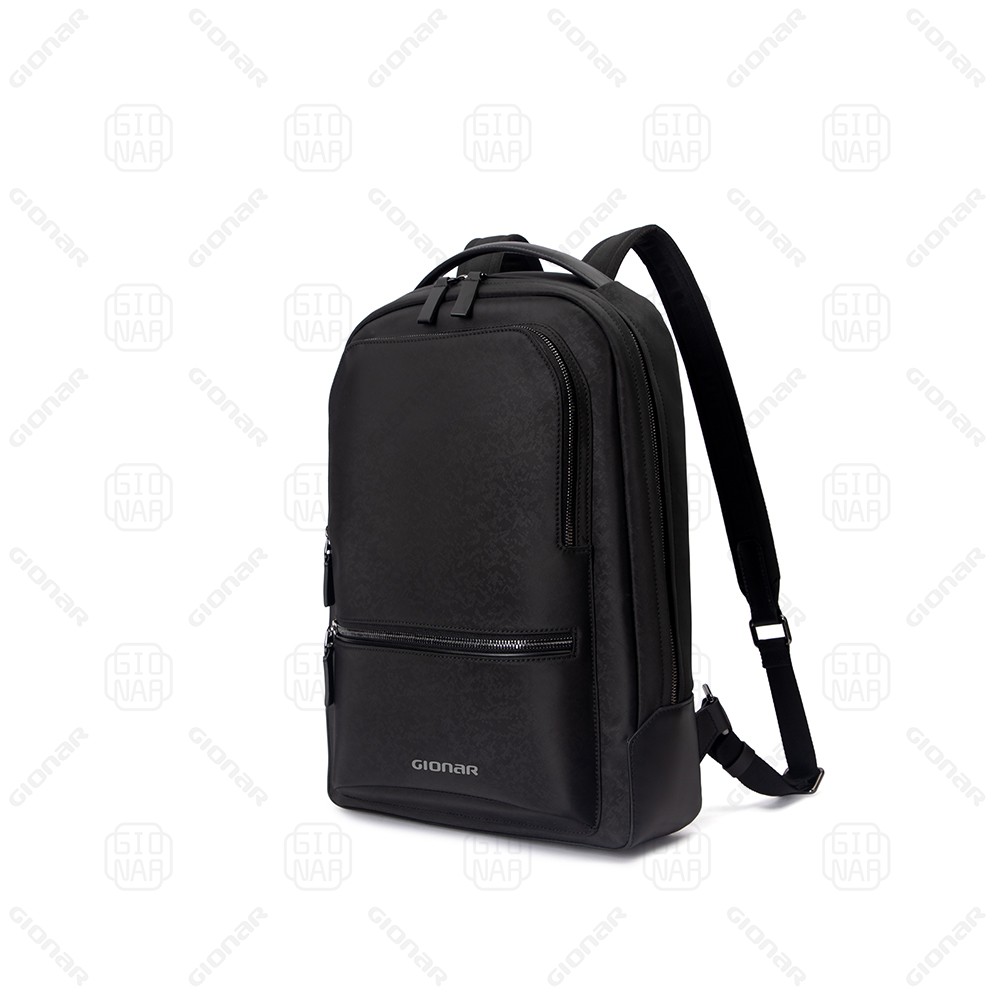
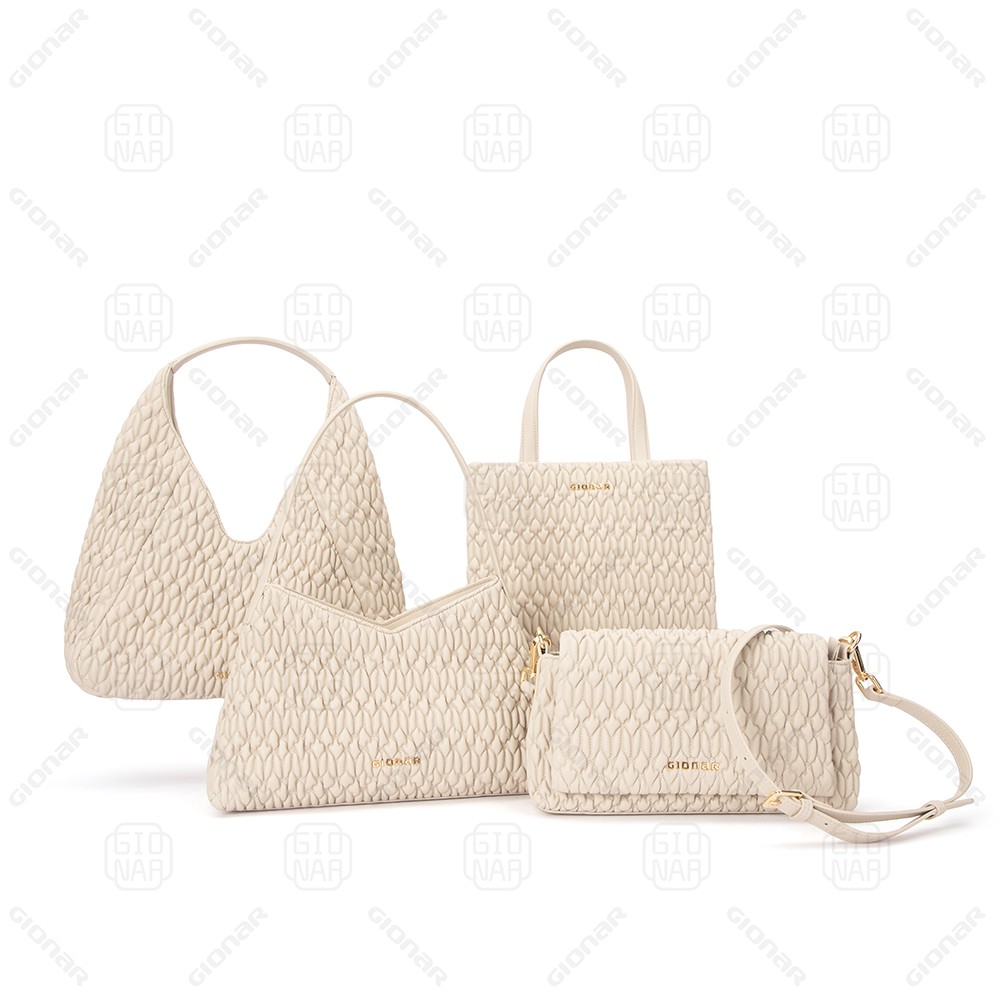
When it comes to making bags, both vegan leather and faux leather have their own unique characteristics, advantages, and drawbacks. The choice between the two often depends on your priorities—whether you value sustainability, durability, aesthetics, or cost. Let’s break it down.
Vegan leather, particularly plant-based options like Piñatex (made from pineapple leaves) or Mylo (made from mushrooms), offers a more sustainable and ethical choice for bags. These materials are cruelty-free and often have a lower environmental impact compared to traditional leather or synthetic alternatives. Vegan leather can mimic the texture and appearance of real leather quite well, making it a stylish option for eco-conscious consumers.
However, the quality and durability of vegan leather can vary. High-quality plant-based vegan leathers are durable and can last for years, but some lower-quality options may not hold up as well under heavy use. Additionally, vegan leather bags maybe come with a little high price tag due to the more complex production processes involved.
Faux leather, typically made from synthetic materials like polyurethane (PU) or polyvinyl chloride (PVC), is a more affordable and versatile option for bags. PU leather, in particular, is known for its durability and ability to closely resemble real leather, making it a popular choice for both casual and high-end bags. Faux leather bags are generally easier to clean and maintain, and they come in a wide range of colors and finishes.
However, faux leather, especially PVC, can have an impact on environmental due to the chemicals used in its production. It’s also less breathable than real leather, which can make it less comfortable for long-term use. Over time, lower-quality faux leather may crack or peel, reducing its lifespan.
The answer depends on what you’re looking for. If sustainability and ethical production are your top priorities, vegan leather is the better choice. It offers a cruelty-free, eco-friendly alternative that aligns with modern values. However, if affordability and versatility are more important, faux leather might be the way to go. It’s durable, easy to maintain, and available in a wide variety of styles.
Ultimately, both materials have their place in the world of bags. By understanding their pros and cons, you can make an informed decision that best suits your needs and values. Whether you choose vegan leather for its ethical appeal or faux leather for its practicality, both options offer a way to enjoy stylish, functional bags without the use of animal products.
The future of leather alternatives looks promising, driven by advancements in technology and a growing demand for sustainable and ethical materials. Innovations in plant-based and bio-fabricated leathers, such as those made from mushrooms, pineapple leaves, and lab-grown cells, are paving the way for more eco-friendly options.Additionally, the development of recycled and biodegradable synthetic materials is helping to reduce the environmental impact of faux leather.
As consumer awareness continues to rise, brands and manufacturers are increasingly investing in research and development to create high-quality, sustainable alternatives that meet both ethical and aesthetic standards. While challenges remain, particularly in scaling production and reducing costs, the ongoing evolution of leather alternatives suggests a future where fashion and functionality can coexist with environmental responsibility and animal welfare.
In summary, vegan leather and faux leather offer practical and ethical alternatives to traditional leather, each with its own unique characteristics and applications. Vegan leather, made from plant-based or synthetic materials, provides a cruelty-free option that aligns with animal welfare and sustainability goals. Faux leather, a broader category that includes both vegan and non-vegan options, is often more affordable and versatile, though its environmental impact can vary depending on the materials used. While neither material is without its drawbacks, both represent significant steps toward a more sustainable and compassionate future in fashion and design.


Mobile Website

Inquires Whatsapp