- +86 13922774531
- info@gionar.com

English


English
September 17 , 2025
In recent years, many new types of materials have emerged, suitable for manufacturing bags of various qualities. If you are making a high-quality bag that is waterproof, durable and flexible, and you are willing to invest in more advanced materials, TPU coated fabric is a great choice. TPU has the advantages of being non-toxic, environmentally friendly, free of plasticizers and recyclable.
This article will explore the advantages and applicability of TPU material. Understanding the characteristics of this new type of material can give you more options when choosing materials for designing and making bags.
TPU (Thermoplastic Polyurethane) is a multifunctional elastomer (elastic polymer) that combines the properties of rubber and plastic. It is part of the thermoplastic elastomer (TPE) family, which means it can melt and reshape when heated (like plastic), while still maintaining flexibility and durability (like rubber).
| Property | Description |
| Elasticity | Stretches like rubber and returns to shape |
| Durability | Highly resistant to wear, tear, abrasion, and impact |
| Flexibility | Remains flexible even at low temperatures |
| Chemical Resistance | Resists oils, greases, solvents, and many chemicals |
| Transparency | Often naturally clear or translucent |
| Biocompatibility | Safe for use in medical and wearable applications |
| Processability | Can be injection molded, 3D printed, extruded, or used as a film or coating |
| Property | TPU | PVC | Silicone | Rubber |
| Flexibility | ✅ High | ❌ Stiff | ✅ Very High | ✅ High |
| Durability | ✅ Excellent | ✅ Good | ✅ Excellent | ✅ Good |
| Eco-Friendly | ✅ Yes (no phthalates) | ❌ No (contains plasticizers) | ✅ Yes | ✅ Natural rubber is eco-friendly |
| Cost | 💲 Moderate | 💲 Low | 💲 High | 💲 Varies |
Tpu-coated fabric is a textile material laminated or coated with thermoplastic polyurethane (TPU), which is a multifunctional polymer. Tpu coated fabrics are a family of Erez textiles that utilize breakthrough polymer blends to create a unique strong thermoplastic polyurethane (TPU) coating, which is then applied to various high-quality polyester and nylon base fabrics using hot-melt or coating on complementary production lines.
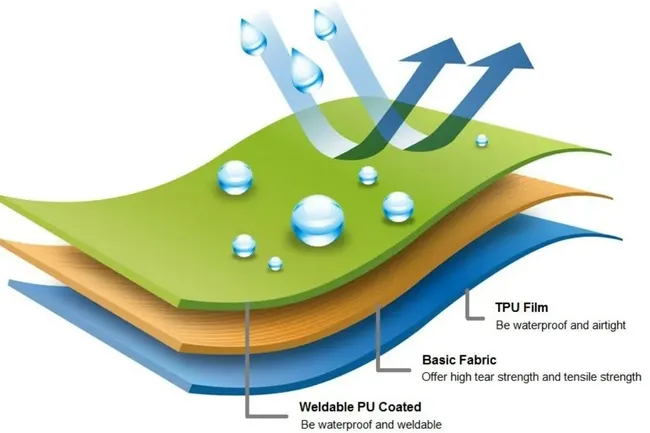
Tpu-coated fabrics feature excellent resistance to extreme weather conditions, chemicals, wear and tear, and puncture, as well as high UV stability. This coating enhances the fabric’s performance, making it suitable for a wide range of industrial and consumer applications.
| Feature | TPU-Coated Fabric | PVC-Coated Fabric | Silicone-Coated Fabric |
| Flexibility | High | Moderate | Very High |
| Eco-Friendliness | Recyclable, non-toxic | Contains plasticizers | Highly eco-friendly |
| Durability | Excellent | Good | Excellent |
| Breathability | Possible | Rare | Possible |
| Cost | Moderate | Low | High |
Yes, non-toxic. TPU (thermoplastic Polyurethane) coatings are generally regarded as safe for most applications, including those involving direct human contact. TPU does not contain bisphenol a, phthalates or other common harmful plasticizers. It is usually used in food safety and medical-grade applications.
| Coating Type | Contains Phthalates? | Contains BPA? | Recyclable? | Common Safety Concerns |
| TPU | ❌ No | ❌ No | ✅ Yes | Minimal (safe for skin contact) |
| PVC | ✅ Yes (often) | ❌ No | ❌ Rarely | Phthalates may leach, harmful fumes when burned |
| Silicone | ❌ No | ❌ No | ✅ Yes | Generally safest, but some cheap grades may have fillers |
| Latex (Natural Rubber) | ❌ No | ❌ No | ✅ Yes | Can trigger allergies |
Non-toxic. In most cases, it is non-toxic. TPU does not contain phthalates (unlike PVC) and does not contain harmful plasticizers that will leach out over time. For end consumers, TPU coating is a safe, non-toxic and reliable material.
| Question | Answer |
| Is TPU toxic? | ❌ No, it’s generally non-toxic |
| Safe for skin contact? | ✅ Yes, commonly used in wearables |
| Safe when burned? | ⚠️ No — fumes can be harmful |
| Safe for food use? | ✅ Yes, if food-grade certified |
Some TPU may contain stabilizers, flame retardants or dyes, which may be harmful if not properly adjusted.
Low-quality TPU from unregulated manufacturers may contain impurities.
New TPU products (such as inflatable or coated fabrics) may release a slight odor, but these odors are usually harmless and will dissipate over time.
In very rare cases, skin irritation may occur, especially after prolonged contact (for example, watch straps or clothing coated with tpu).
Yes, TPU (thermoplastic Polyurethane) coating is completely waterproof and offers excellent moisture-proof performance, making it an ideal choice for applications where waterproof protection is indispensable.
| Coating Type | Waterproof? | Breathable? | Flexibility | Durability |
| TPU | ✅ Excellent | ❌ No (unless laminated) | ✅ High | ✅ Very durable |
| PVC | ✅ Excellent | ❌ No | ❌ Stiff (cracks over time) | ✅ Good |
| Silicone | ✅ Excellent | ❌ No | ✅ Very high | ✅ Excellent |
| PU (Polyurethane) | ✅ Good | ✅ Yes (if microporous) | ✅ Moderate | ❌ Less durable than TPU |
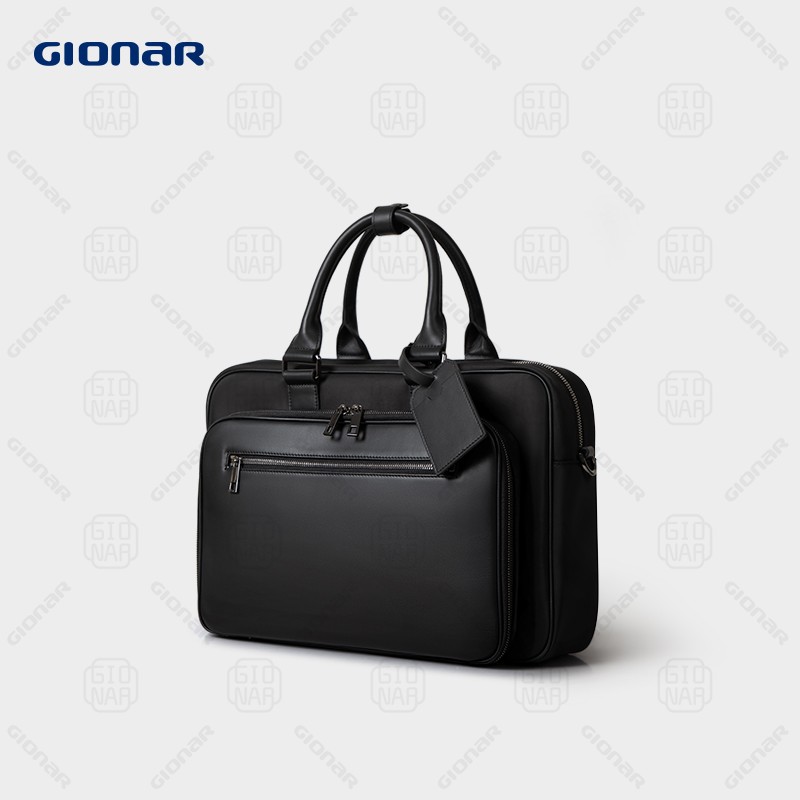
Yes, TPU-coated fabric is an excellent material for making bags because it combines durability, flexibility, water resistance and environmental benefits.
TPU (Thermoplastic Polyurethane) is a high-performance elastomer material with excellent wear resistance, tear resistance, oil resistance and low-temperature toughness. It is widely used in the production of bags, shoe materials, medical devices and other fields. TPU coated fabric has outstanding comprehensive performance and is an excellent material for making bags. If you are considering using this material to custom bags, please feel free to contact us for customization.
Tags :


Mobile Website

Inquires Whatsapp