- +86 13922774531
- info@gionar.com

English


English
March 21 , 2025
If your favorite leather jacket or handbag didn’t come from a cow but from a cactus. That sounds like something out of a sci-fi movie, right? Cactus leather as a sustainable, cruelty-free alternative to traditional animal leather. But what exactly is cactus leather material, how to make cactus leather, and how does it stack up against the real deal?
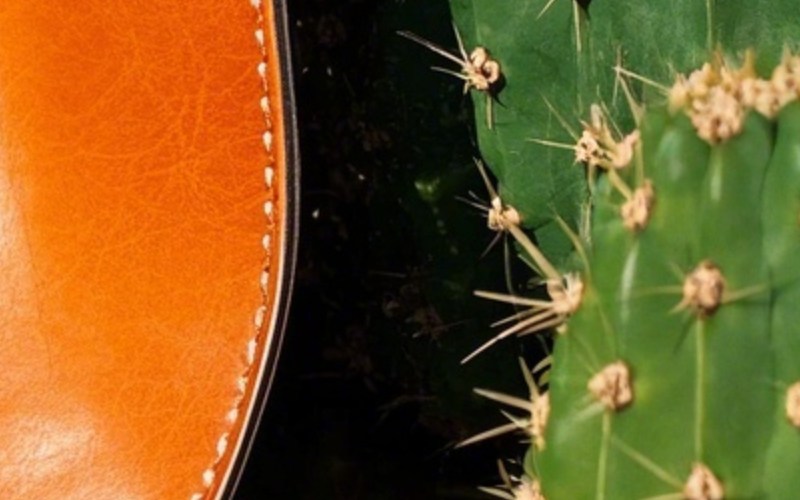
Cactus leather is a plant-based leather alternative made from the leaves of the nopal cactus. Cactus leather is soft, durable, and surprisingly leather-like in texture, making it a viable option for everything from handbags to car seats.
Cactus leather made its debut in 2019, but its journey began long before that. The founders spent two years researching and developing the material, aiming to create a sustainable alternative to animal and synthetic leathers. Their hard work paid off, and Desserto was launched at the International Leather Fair in Milan, where it turned heads and sparked a revolution in the fashion industry.
Cactus leather is made from the mature leaves of the nopal cactus, which are harvested, cleaned, mashed, and dried. The dried cactus fibers are then mixed with non-toxic chemicals and a bio-based polyurethane coating to create a durable, flexible material. The result? A leather-like fabric that’s not only eco-friendly but also cruelty-free.
How to Make Leather from Cactus Plant? The process of making leather with cactus is generally the following steps:
The process begins with harvesting mature cactus leaves. Only the mature leaves are used, and the plant itself is left intact to regrow, making the process sustainable.
The leaves are cleaned to remove thorns and dirt, then mashed into a pulp.
The pulp is dried under the sun for several days, turning it into a fine powder.
The dried cactus fibers are mixed with non-toxic chemicals and a bio-based polyurethane coating to create the final leather-like material.
While making cactus leather at home isn’t exactly a weekend DIY project, it’s not impossible. Here’s a simplified version of the process:
Harvest Cactus Leaves: Use mature leaves from a nopal cactus.
Clean and Mash: Remove thorns and dirt, then mash the leaves into a pulp.
Dry: Spread the pulp out to dry in the sun.
Mix with Binder: Combine the dried pulp with a natural binder (like cornstarch or agar) to create a leather-like material.
Press and Dry: Press the mixture into a thin sheet and let it dry completely.
Yes, cactus leather is biodegradable! Unlike synthetic leathers, which can take hundreds of years to break down, cactus leather decomposes naturally over time. This makes it a much more environmentally friendly option.
Is cactus leather really biodegradable? Yes. Cactus leather (similar to vegan leather) is biodegradable under the right conditions, but its breakdown depends on its specific composition.
If made entirely from cactus fibers and natural adhesives, it can decompose in an industrial composting facility for 3-12 months.
But some mixtures may not fully biodegrade, and if mixed with synthetic materials such as PU coatings, decomposition can slow down or leave microplastics behind.
How does cactus leather break down? Cactus leather base material is made from cactus pulp, naturally biodegradable. Biodegradable conditions require oxygen, moisture and microorganisms (preferably compost, not landfill).
Does cactus leather last? Cactus leather is surprisingly durable. It’s resistant to abrasion, tearing, and UV rays, making it suitable for a wide range of applications, from fashion to furniture. While it may not last as long as high-quality animal leather, it’s still a strong and resilient material.
Cactus leather is an alternative to animal leather and synthetic leather, how durable is cactus leather? Cactus leather is also durable – stronger than some vegan leathers, such as PU, but not as tough as high-quality animal skins. Cactus leather bags, if properly used, can be used for about 6-7 years, more durable than PU leather.
Thickness (thicker = more durable)
Coating (waxing or bio-PU to improve water resistance)
How to use (Gentle operation to extend service life)
Cactus leather is more expensive than synthetic leather but comparable in price to mid-range animal leather. The higher cost is due to the sustainable and labor-intensive production process. However, with the innovation of technology, the growth of demand and the expansion of production scale, the price will fall.
Absolutely! Cactus leather is made from renewable resources, requires minimal water, and doesn’t involve harmful chemicals. Plus, the cactus plants used in production are grown without pesticides or herbicides, making it one of the most sustainable leather alternatives available.
Cactus leather is water-resistant but not fully waterproof. The bio-based polyurethane coating provides some protection against moisture, but prolonged exposure to water can damage the material. For best results, avoid getting your cactus leather products soaking wet.
The short answer is: No, cactus leather is not purely plastic, but it does contain a small amount of plastic-like material. In the process of making cactus leather, a small amount of bio-based polyurethane (PU), a biodegradable plastic derived from natural raw materials such as corn or sugar cane, is added. PU acts as an adhesive and coating, giving the material a leather-like texture, durability and flexibility.
The bio-based polyurethane is added to improve the material’s strength, water resistance, and overall usability. Without it, cactus leather would be more like a brittle, fibrous sheet rather than a flexible, durable material suitable for bags, shoes, or furniture. The good news is that the PU used in cactus leather is biodegradable and made from renewable resources, unlike traditional petroleum-based plastics.
Is it as durable as traditional leather, or will it fall apart after a few months of use? With proper care, you can expect your cactus leather bag, wallet, or accessory to last 5 to 10 years.
Like any material, the lifespan of cactus leather depends on how it’s used and cared for. Here are some key factors to consider:
If you use your cactus leather bag or wallet every single day, it will naturally wear out faster than if you only use it occasionally. Rotating your accessories can help extend their lifespan.
Cactus leather is water-resistant but not fully waterproof. Prolonged exposure to water, extreme heat, or direct sunlight can damage the material over time. To keep your cactus leather items in good condition, avoid leaving them in hot cars or out in the rain.
Proper care can significantly extend the life of cactus leather. Regularly wiping it down with a damp cloth, storing it in a cool, dry place, and avoiding harsh chemicals will help maintain its appearance and durability.
Animal Leather: High-quality animal leather (like full-grain leather) can last 20+ years with proper care, but it comes with ethical and environmental concerns.
Cactus Leather: While not as long-lasting as top-tier animal leather, cactus leather offers a comparable lifespan to mid-range leather (5–10 years) and is a more sustainable, cruelty-free option.
Synthetic Leather (PVC/PU): Synthetic leathers are often less durable than cactus leather and can crack or peel over time. They also take hundreds of years to decompose, making them less eco-friendly.
Cactus Leather: More durable than most synthetic leathers and biodegradable, making it a better long-term choice for both durability and sustainability.
Want to make your cactus leather items last as long as possible? Follow these tips:
Clean Regularly: Wipe your cactus leather items with a damp cloth to remove dirt and dust.
Avoid Water Exposure: While it’s water-resistant, try to keep your cactus leather items dry to prevent damage.
Store Properly: Keep your cactus leather bags or accessories in a cool, dry place, away from direct sunlight.
Rotate Use: If you have multiple bags or wallets, rotate them to reduce wear and tear on any single item.
Eco-Friendly: Made from renewable resources and biodegradable.
Cruelty-Free: No animals are harmed in its production.
Sustainable: Requires minimal water and no harmful chemicals.
Cost: A little more expensive than synthetic leather.
Durability: Not as long-lasting as high-quality animal leather.
Durability: Can last for decades with proper care.
Aesthetic: Natural texture and patina that develops over time.
Environmental Impact: Resource-intensive and involves animal cruelty.
Non-Biodegradable: Takes a long time to decompose.
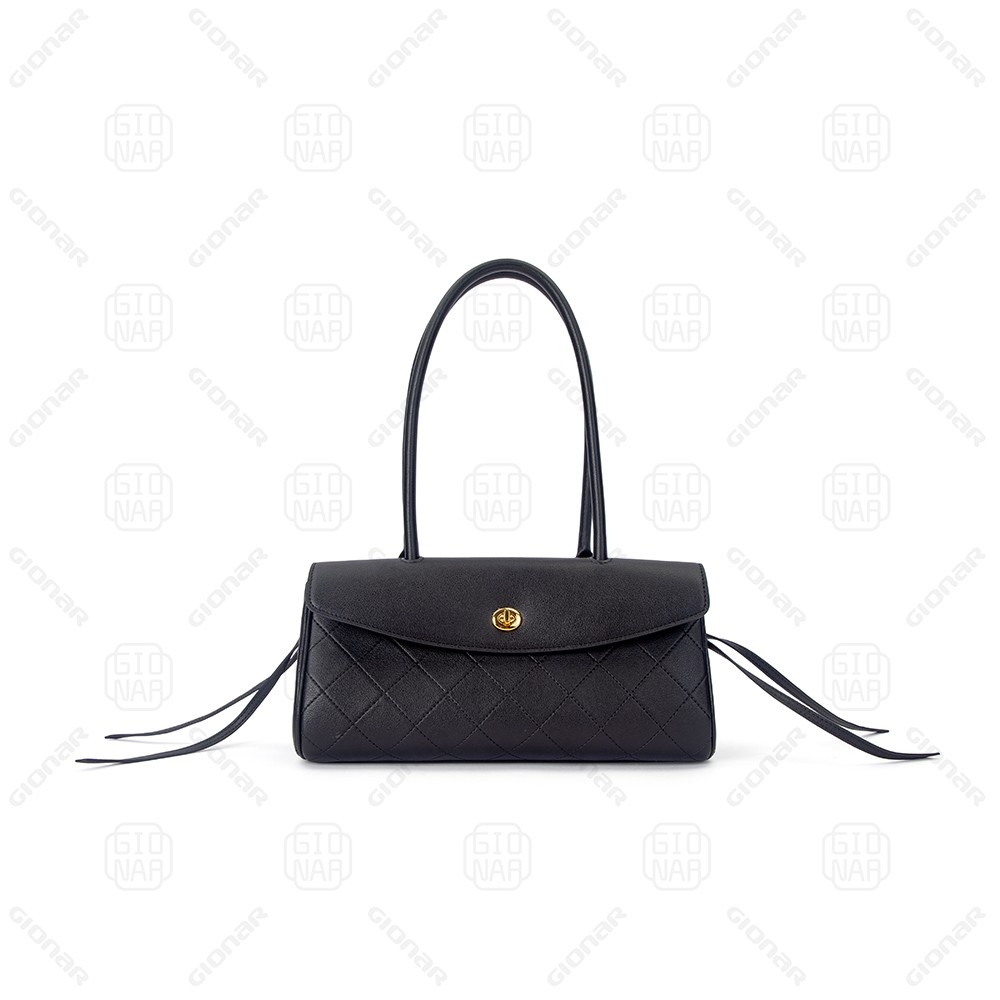
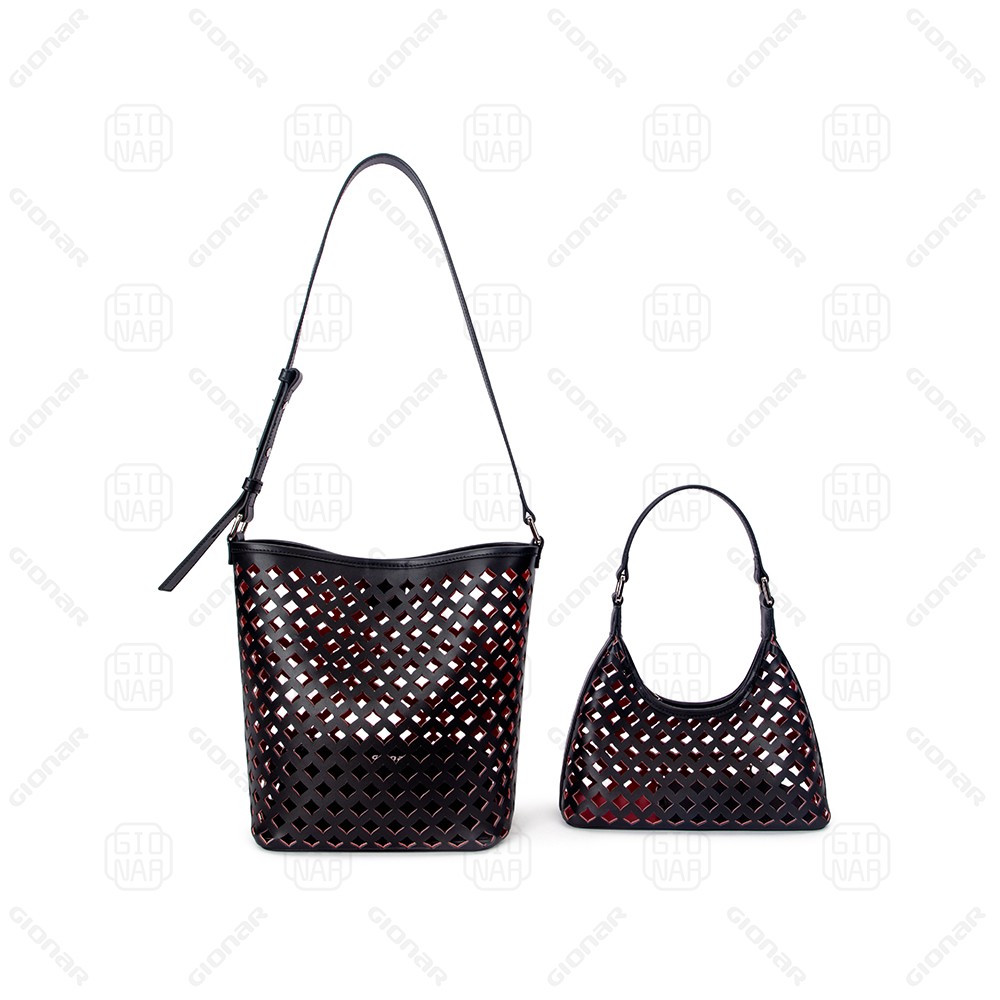
Absolutely, cactus leather is suitable for making bags! This innovative material, made from the nopal cactus, is a sustainable and cruelty-free alternative to traditional leather.
First off, cactus leather is surprisingly durable. It’s resistant to abrasion, tearing, and even UV rays, which means it can handle the wear and tear of daily use. Whether you’re carrying a laptop, books, or just your everyday essentials, a cactus leather bag is built to last. While it may not be as indestructible as high-quality animal leather, it’s still a strong and resilient material that can stand up to the rigors of daily life.
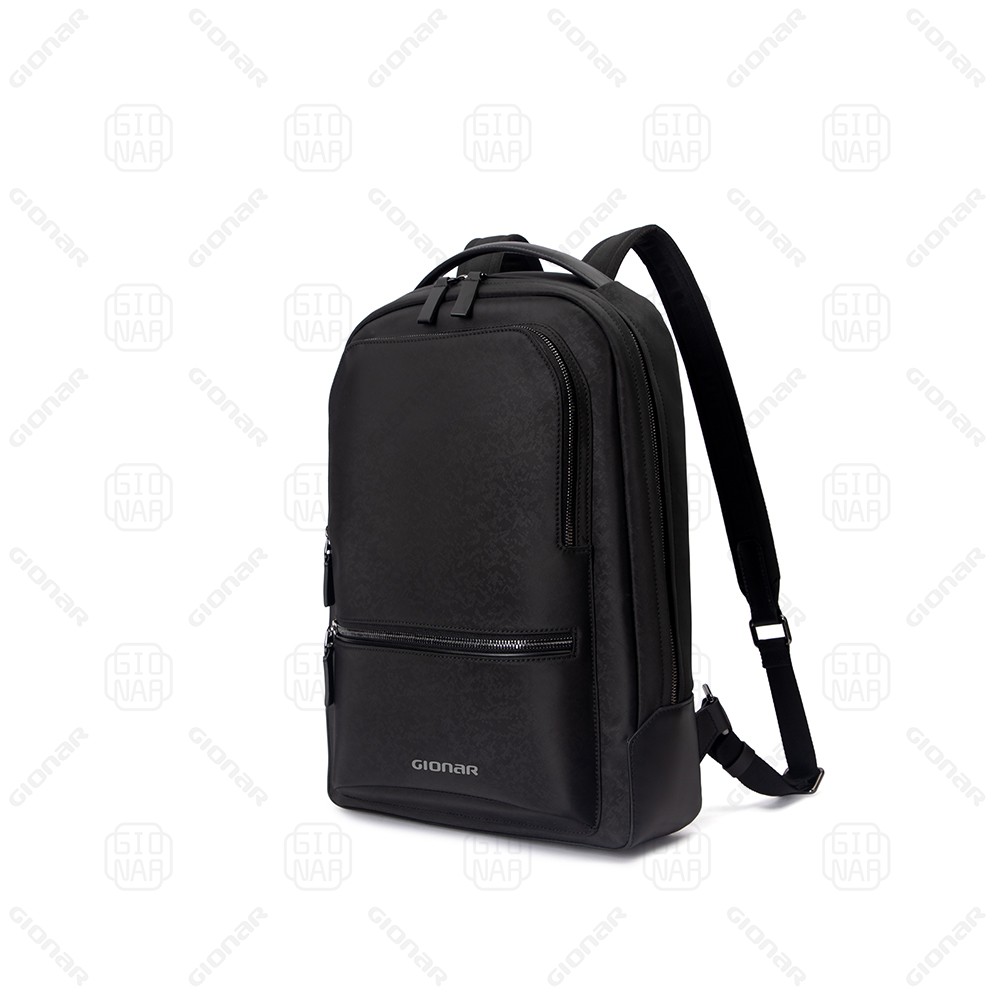
Cactus leather has a unique texture that closely resembles traditional leather, making it a stylish choice for bags. It can be dyed, embossed, and finished in a variety of ways, allowing for a wide range of designs—from sleek and modern to rugged and outdoorsy. Whether you’re looking for a chic handbag, a functional backpack, or a trendy crossbody, cactus leather offers plenty of aesthetic options.
One of the biggest selling points of cactus leather is its eco-friendliness. The nopal cactus requires minimal water to grow and doesn’t need pesticides or herbicides, making it a highly sustainable resource. Additionally, cactus leather is biodegradable, meaning it won’t contribute to the growing problem of plastic pollution. For eco-conscious consumers, a cactus leather bag is a guilt-free way to stay stylish.
Cactus leather is 100% cruelty-free, as no animals are harmed in its production. This makes it an excellent choice for vegans and animal rights advocates who want to enjoy the look and feel of leather without the ethical concerns.
Cactus leather is highly customizable, making it a favorite among designers and brands. Whether you want a specific color, texture, or design, cactus leather can be tailored to meet your needs. This flexibility allows for a wide range of bag styles, from minimalist totes to elaborate designer handbags.
While cactus leather is more expensive than synthetic leather, it’s comparable in price to mid-range animal leather. The higher cost is due to the sustainable and labor-intensive production process. However, as demand grows and production scales up, prices are expected to decrease, making cactus leather bags more accessible.
Cactus leather bags are relatively easy to care for. They’re water-resistant (though not fully waterproof), so a quick wipe with a damp cloth is usually enough to keep them clean. Store your bag in a cool, dry place, and avoid prolonged exposure to direct sunlight to maintain its quality.
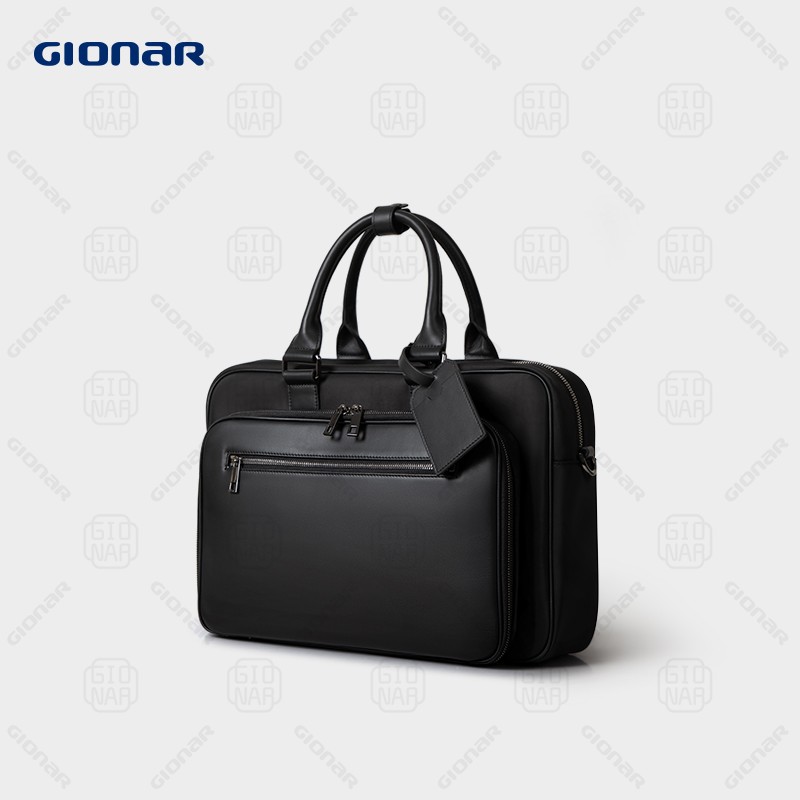
If you are looking for a custom cactus leather bag, purse, handbag, backpack or belt manufacturer, please contact Gionar, we can customize your product according to your needs. We are a professional leather bag manufacturer and have been serving many well-known high-end bag brands around the world for over 19 years.
Some customized services:
Cactus leather is more than just a fashion; it’s a step toward a more sustainable and ethical future. Whether you’re an eco-warrior, or just someone who loves a good story, cactus leather is worth exploring. After all, who wouldn’t want to have something that’s as cool as it is kind to the planet?


Mobile Website

Inquires Whatsapp