- +86 13922774531
- info@gionar.com

English


English
May 13 , 2026
Among the animal-based leathers used in the luxury goods industry, there are three types: lambskin leather, goatskin leather, and hybrid sheep leather. These leathers are often compared with each other and can be easily confused, and they are frequently used to manufacture high-end fashion products.
Lambskin leather has the ultimate softness and luxurious feel, as smooth as silk, with a lightweight texture and excellent draping properties, and the coloring is bright and rich.
Goatskin leather is known for its durability, with tightly woven fibers, excellent resistance to scratches and tears.
Hybrid sheep leather aims to balance softness and toughness: it has a hand feel similar to that of lambskin leather, while improving the wear resistance and tear resistance through the fiber structure, which is better than ordinary sheepskin but still not as good as goatskin leather.
This post will explore the characteristics, advantages and disadvantages of lambskin leather, goatskin leather and hybrid sheep leather, as well as the types of bags they are suitable for manufacturing.
Lambskin leather is the natural leather obtained from newborn lambs. It is renowned for its extreme softness, delicacy and lightness, and is widely regarded as a luxurious material. Unlike Sheepskin, the fiber structure of lambskin is finer and softer, giving it an unparalleled skin-like feel and touch. It is widely used in high-end fashion, handbags, shoes and other luxury items, and is a signature choice for those seeking the ultimate touch experience.
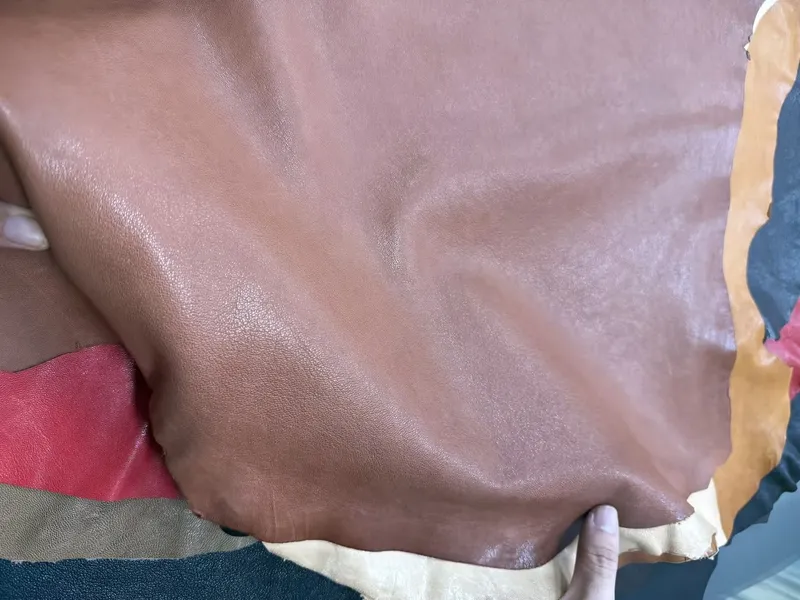
Lambskin can be divided into two main forms based on whether the wool is retained. They have different application scenarios:
| Pros ✅ | Details | Cons ❌ | Details |
| Extremely Soft | Buttery, silky, and velvety to the touch — softer than cowhide or goatskin | Fragile & Easily Damaged | Thin grain is prone to scratches, scuffs, and tears |
| Lightweight | Significantly lighter than cowhide or sheepskin — barely feels like you’re wearing anything | Poor Water Resistance | Absorbs moisture quickly; rain or spills can stain or warp it |
| Excellent Flexibility & Drape | Conforms to body contours, creating a flattering, elegant silhouette | High Maintenance | Requires regular conditioning with specialized leather care products |
| Warm Yet Breathable | Provides natural insulation while allowing air circulation — never stuffy | Expensive | Limited supply (only lambs qualify), complex tanning process, premium pricing |
| Luxurious Appearance | Fine grain and natural luster give a polished, high-fashion look | Difficult to Maintain Shape | Too soft to hold rigid structure — bags and jackets may lose form over time |
| Rich in Collagen | May help with skin moisture and elasticity when in direct contact | Low Tear & Abrasion Resistance | Weaker tensile strength than goatskin or cowhide; stretches out of shape with repeated use |
| Biodegradable | Natural animal byproduct — more sustainable than synthetics when sourced responsibly | Environmental Concerns in Processing | Traditional chrome tanning produces polluted wastewater |
| Versatile Uses | Haute couture accessories, gloves, shoes, upholstery, rugs, bookbinding, medical products | Allergy Risk | Some individuals may experience skin irritation or allergic reactions |
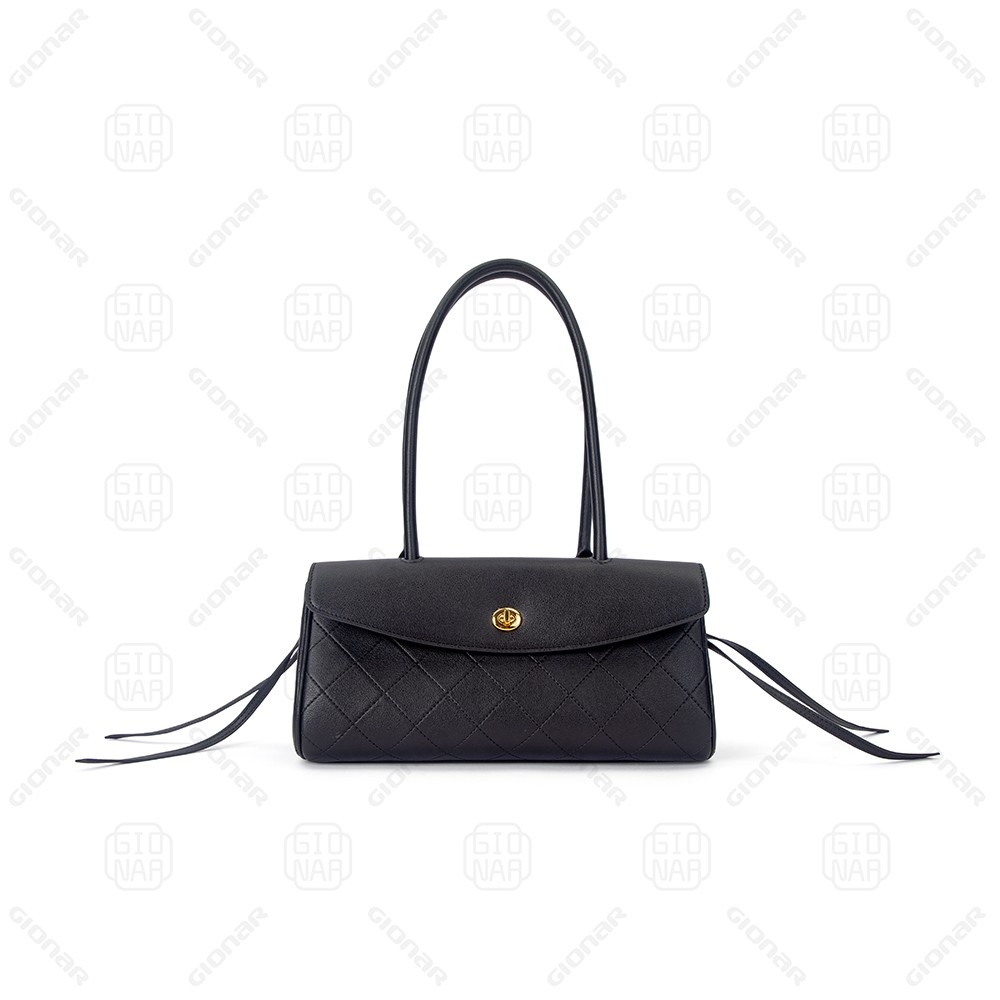
Lambskin is one of the most popular and luxurious materials used in high-end fashion bags, renowned for its supreme softness and luxurious feel. However, it compromises in terms of durability. Lambskin is more suitable for specific occasions that require the ultimate touch, rather than being a “durable item” that can withstand daily wear and tear.
| Advantage | Explanation |
| Soft & Luxurious Feel | The buttery, velvety texture makes the bag feel premium every time you touch it |
| Elegant Drape | Bags made from lambskin drape beautifully — no stiff, boxy look |
| Lightweight | Carrying a lambskin bag all day is comfortable — it won’t weigh you down |
| Sleek Appearance | The fine grain and natural sheen give a polished, high-fashion look |
| Fashion Favorite | Used by top luxury brands: Chanel, Louis Vuitton, Celine, Dior, Prada |
| Colors & Finishes | Takes dye exceptionally well — available in a wide range of vibrant and neutral colors |
| Versatile Styles | Works for clutches, shoulder bags, totes, crossbody, and pouches |
| Disadvantage | Explanation |
| Prone to Scratches | Daily use (keys, phones, zippers) can easily scratch the surface |
| No Structure | Soft bags sag and lose shape over time — not great for structured totes |
| Water Sensitivity | Rain or spills can cause permanent stains if not treated immediately |
| Wears Faster | Corners, bottom, and handles show wear much sooner than cowhide or Saffiano leather |
| Expensive to Replace | A damaged lambskin bag is costly to repair or replace |
| Not for Heavy Loads | Can stretch or tear if overloaded |
| Bag Type | Why Lambskin Works |
| ✅ Clutches | Light use, no heavy items — perfect for lambskin |
| ✅ Evening Bags | Aesthetic-focused, carried occasionally — ideal |
| ✅ Small Shoulder Bags | Minimal wear, lightweight carry — great choice |
| ✅ Fashion Totes (light use) | Luxurious look with occasional use |
| ❌ Work/Laptop Bags | Too delicate for daily rough use |
| ❌ Diaper/Travel Bags | Not durable or water-resistant enough |
| ❌ Heavy-Duty Totes | Will stretch, tear, and lose shape |
| Brand | Iconic Lambskin Bag |
| Chanel | Classic Flap Bag (often lambskin) |
| Louis Vuitton | Alma BB, Speedy (lambskin options) |
| Celine | Luggage Bag, Classic Box |
| Dior | Lady Dior (cannage lambskin) |
| Bottega Veneta | Intrecciato woven lambskin |
| YSL | Sac de Jour (lambskin version) |
Goatskin leather is a type of leather that is highly regarded for its excellent strength, unique grain texture, and lightweight yet soft and flexible properties. It is hailed as the “all-rounder” in the leather industry.
Goatskin is a type of leather made from the skin of goat (scientific name: Capra hircus). Its history is very long. The “Morocco leather” made by the Moors in the 11th century has been renowned worldwide and has been a traditional material for making high-quality book bindings, gloves and shoes. Physically, goatskin has a lower fat content but its fiber structure is dense and full, which lays the foundation for its durability.
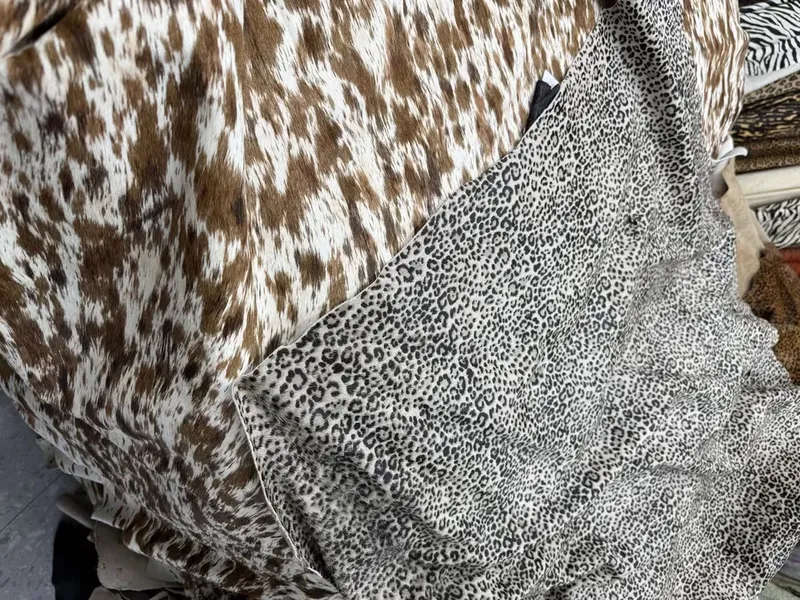
The value of goatskin lies in its ability to combine multiple seemingly contradictory excellent properties, allowing it to shine brightly in various fields.
| Type | Description | Common Uses |
| Full-Grain Goatskin | Top layer intact — most durable, natural grain preserved | High-end gloves, shoes, jackets |
| Top-Grain Goatskin | Slightly sanded/corrected for uniform appearance | Bags, wallets, upholstery |
| Suede Goatskin | Inner side of the hide — soft, napped texture | Fashion jackets, gloves, shoes |
| Nappa Goatskin | Soft-tanned, smooth finish — very supple | Luxury gloves, linings, clothing |
| Patent Goatskin | Glossy, coated finish | Evening bags, shoes, accessories |
| Chamois Goatskin | Extremely soft, buffed to velvet-like finish | Cleaning cloths, polishing, delicate leather care |
Due to its excellent overall performance, goatskin leather has a wide range of applications:
Regarding maintenance, although goatskin leather is relatively durable, it still requires careful care to extend its lifespan:
| Feature | Goatskin | Lambskin |
| Durability | High. It is tough, resilient, and hard to tear. | Low. It is delicate and tears easily. |
| Texture | Pebbled/Bumpy. Distinctive grain pattern. | Smooth/Silky. Very fine grain, almost pore-less. |
| Softness | Firm but Supple. Soft, but has some structure. | Buttery. Extremely soft and floppy. |
| Scratch Resistance | Excellent. The texture hides scratches well. | Poor. Scratches appear easily. |
| Best Use | Daily bags, travel gear, gloves, shoes. | Luxury fashion bags, delicate jackets. |
Yes, goatskin leather is generally regarded as highly suitable for making bags because it is durable, soft, lightweight, and has a luxurious appearance.
Many leather manufacturers and high-end brands prefer to use goatskin leather to make bags that require both an elegant appearance and the ability to meet daily usage needs.
| Advantage | Details |
| Strong Yet Supple | Tighter fiber structure than lambskin — resists tearing and stretching far better |
| Naturally Water-Resistant | Contains natural lanolin oils — repels moisture better than lambskin or cowhide |
| Lightweight | Significantly lighter than cowhide — comfortable for all-day carry |
| Scratch-Resistant | The natural pebbled grain hides minor scuffs and wear far better than smooth lambskin |
| Ages Beautifully | Develops a rich patina over time — gets better with age |
| Breathable | Porous structure prevents that “stuffy bag” feeling |
| Holds Shape Better | Firmer than lambskin — bags maintain structure without sagging |
| Luxurious Feel | Nappa goatskin is incredibly soft — nearly as buttery as lambskin |
| Versatile Finishes | Works in pebbled, smooth (Nappa), suede, and patent finishes |
| Disadvantage | Details |
| Not as Silky as Lambskin | If you want that ultra-luxe, buttery feel — lambskin wins |
| Grain Can Be Uneven | Natural pebbled pattern isn’t uniform — some prefer the consistency of Saffiano or patent leather |
| Smaller Hide Size | Goat hides are smaller than cow hides — large bags may need piecing |
| Can Stiffen When Wet | Prolonged water exposure temporarily stiffens the leather |
| Less “High Fashion” Cachet | Lambskin carries more luxury brand prestige (Chanel Classic Flap, Dior Lady Dior) |
| Lanolin Allergy Risk | Natural oils may irritate sensitive skin |
| Bag Type | Why Goatskin Works |
| ✅ Everyday Crossbody/Shoulder Bag | Durable enough for daily use, soft enough to feel luxurious |
| ✅ Tote Bags | Lightweight + strong — carries weight without tearing |
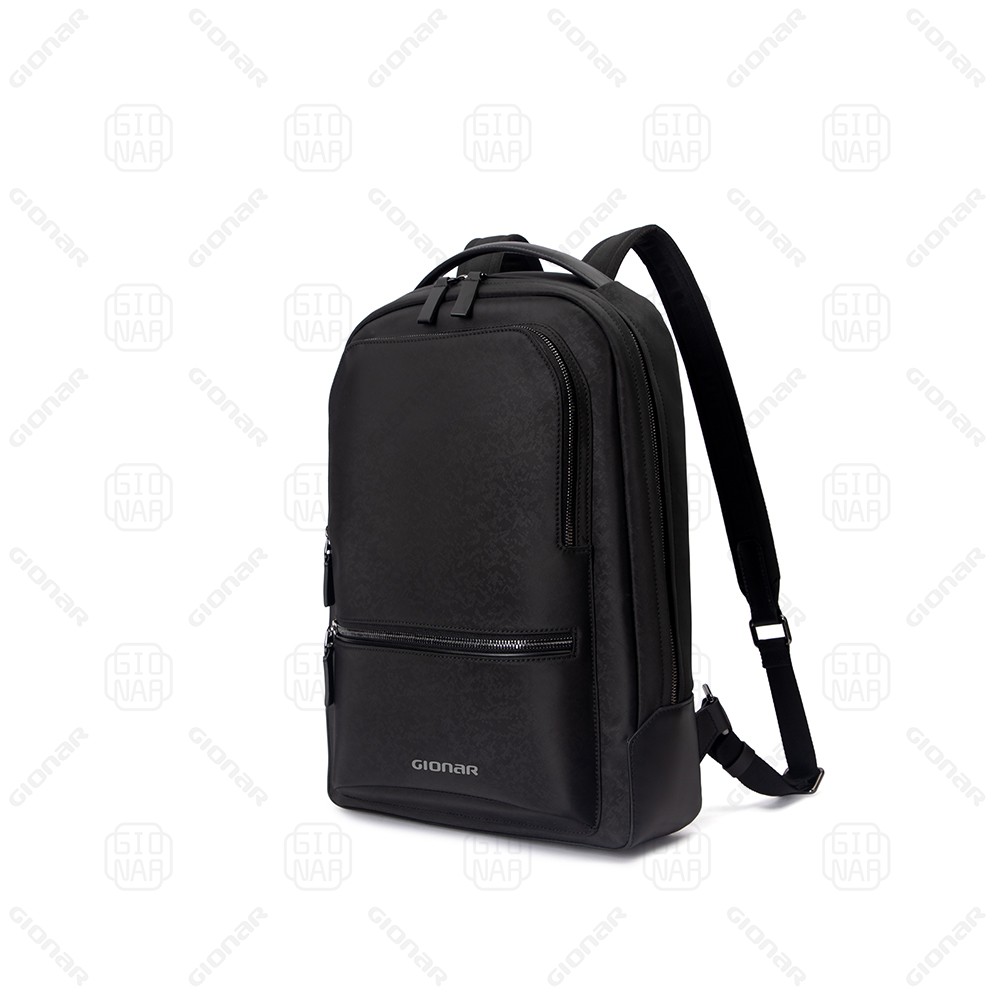
| ✅ Backpacks | Scratch-resistant pebbled grain handles rough use |
| ✅ Weekend/Travel Bags | Water-resistant + lightweight = perfect travel companion |
| ✅ Structured Handbags | Holds shape better than lambskin — looks polished |
| ✅ Wallets & Small Leather Goods | Thin goatskin is ideal — durable yet supple |
| ❌ Evening/Clutch Bags | Lambskin or satin is more appropriate for formal events |
| ❌ Heavy-Duty Work Bags | Cowhide or ballistic nylon is tougher |
| Brand | Iconic Goatskin Bag |
| Chanel | Chanel 19 (signature goatskin — soft + durable) |
| Hermès | Some Herbag and Lindy variations |
| Prada | Nappa goatskin handbags |
| Coach | Many signature bags use goatskin |
| Bottega Veneta | Woven intrecciato often in goatskin |
| Celine | Select styles in pebbled goatskin |
| Longchamp | Le Pliage custom and some premium lines |
| Feature | Goatskin | Lambskin |
| Durability | High. Resistant to tears and scratches. | Low. Scratches and tears easily. |
| Texture | Pebbled/Grainy. Hides wear well. | Smooth/Silky. Shows every mark. |
| Maintenance | Low. Easy to care for; forgiving. | High. Requires constant protection. |
| Best For | Everyday bags, travel, work totes. | Evening bags, special occasions. |
Hybrid sheep are bred by mating two different sheep breeds. The aim is to combine the superior traits of each parent breed.
In the leather industry, “hybrid sheepskin” usually refers to the leather made by processing the skins of sheep bred through hybridization of different breeds, in order to integrate the advantages of different breeds of sheep.
Yes, and it can be said that this type of leather is one of the best materials for making bags. Hybrid sheep leather (crossbred wool-sheep × hair-sheep) achieves what the industry calls “the perfect balance”: it is soft and suitable for luxury products, yet tough and suitable for daily use. For this reason, it dominates the high-end footwear market and is increasingly favored by high-end handbags.
| Advantage | Details |
| Soft + Strong Combo | Wool-sheep softness + hair-sheep durability = resists tearing far better than lambskin while still feeling buttery |
| Lightweight | Significantly lighter than cowhide — all-day carry without fatigue |
| Natural Water Resistance | Lanolin oils from the hair-sheep parent repel moisture better than pure lambskin |
| Scratch-Resistant Grain | Natural pebbled/irregular grain hides everyday scuffs — far better than smooth lambskin |
| Holds Shape Better | Firmer than lambskin — bags maintain structure without sagging or deforming |
| Ages Beautifully | Develops a rich patina over time — gets more attractive with use |
| Breathable | Porous fiber structure prevents that “stuffy bag” feeling |
| Versatile Finishes | Available in Nappa (smooth), pebbled, suede, and patent — suits any bag style |
| Excellent Dye Absorption | Takes vibrant, long-lasting colors — wide palette for fashion brands |
| Disadvantage | Details |
| Not as Silky as Pure Lambskin | If ultra-luxe, buttery feel is your #1 priority — lambskin still wins |
| Smaller Hide Size | Goat/sheep hybrids produce smaller hides than cows — very large bags may need paneling |
| Grain Variation | Natural irregular pattern isn’t uniform — some buyers prefer the consistency of Saffiano or embossed leather |
| Can Stiffen When Wet | Prolonged water exposure temporarily reduces suppleness |
| Less “Iconic” Cachet | Lambskin carries more luxury brand prestige (Chanel Classic Flap, Lady Dior) |
| Moderate Price | More expensive than basic cowhide, though cheaper than pure lambskin |
| Bag Type | Why It Works |
| ✅ Everyday Tote | Light + strong + spacious — the ultimate daily bag |
| ✅ Crossbody / Shoulder Bag | Soft drape + durability = perfect commuter companion |
| ✅ Weekend / Travel Bag | Water-resistant + lightweight = ideal travel material |
| ✅ Structured Handbag | Holds shape better than lambskin — looks polished all day |
| ✅ Backpack | Scratch-resistant grain handles rough daily use |
| ✅ Clutch (casual/daytime) | Works beautifully for day events — not just evening |
| ✅ Wallets & SLGs | Thin, supple, yet won’t tear like lambskin |
| ❌ Heavy-Duty Laptop Bag | Cowhide or ballistic nylon is tougher |
| ❌ Formal Evening Clutch | Lambskin or satin is more appropriate |
Lambskin: Derived from the skin of young lambs under one year old, the fibrous tissue is extremely fine, thus giving it a unique softness and delicacy.
Goatskin: The raw material is the skin of adult goats. Goats spend their entire lives climbing and moving through bushes, making their texture extremely dense and strong. The natural and unique lotus-pattern on the surface is their distinctive feature.
Hybrid Sheep Leather: This is a type of leather made from the skins of offspring resulting from the crossbreeding of different breeds of sheep. It combines the softness of sheepskin with some of the strength of goat skin.
| Feature / Dimension | Lambskin | Goatskin | Hybrid Sheep Leather |
| Core Characteristic | Extreme softness, luxury feel | Tough, durable, naturally water-resistant | Balance of softness and strength |
| Hand Feel | Extremely smooth, buttery or silky | Supple, slightly textured, natural pebbled grain | Soft yet resilient; high-quality Nappa can feel close to lambskin |
| Weight | Very light | Light | Light to medium |
| Surface Grain | Very smooth, almost no natural grain | Distinct natural pebbled (goat grain) | Usually smooth; can be finished as smooth or fine-grained |
| Abrasion / Scratch Resistance | Very poor – nails, jewelry leave permanent marks | Excellent – dense fibers resist scratches well | Above average – better than ordinary sheepskin, but still less than goatskin |
| Tear Resistance | Very low – loose fiber structure, small tears enlarge easily | Very high – tightly interwoven fibers | Above average – improved fiber interlocking |
| Water Resistance | Very poor – water stains, oil spots remain | Naturally good – lanolin provides water repellency | Moderate – usually requires a top coating |
| Maintenance Difficulty | Extremely high – professional cleaning only, avoid water/oil | Low – wipe with a damp cloth | Moderate – recommend special leather conditioners |
| Elasticity & Shape Retention | Good elasticity but unstructured, easily collapses | Good elasticity, supportive, holds shape well | Good elasticity; premium versions resist creasing |
| Drape (Flexibility) | Excellent – soft and supple | Fair – somewhat firm | Good – between the two |
| Tensile Strength (kg/cm²) | Lower (approx. 100–150) | Higher (approx. 200–300) | Medium (approx. 150–220) |
| Flex Resistance | Excellent – withstands repeated bending | Excellent | Excellent – close to lambskin |
| Color Fastness | Excellent – vibrant, saturated colors | Excellent – holds dye well, resists fading | Good – depends on tanning process |
| Natural Pore Characteristics | Fine, sparse, not visible to naked eye | Clear, round or crescent-shaped patterns | Fine, relatively uniform arrangement |
| Smell (Natural leather odor) | Mild, soft after tanning | Slightly stronger (typical goat odor), reduced by tanning | Moderate, generally acceptable |
| Cold Temperature Flexibility | Remains soft in winter | Becomes slightly stiff in winter but recovers quickly | Moderate softness in winter |
| Average Hide Area per Animal (sq.ft) | Approx. 4–6 sq ft | Approx. 6–9 sq ft | Approx. 5–8 sq ft (depends on breed) |
| Resource Utilization (By product) | Primarily meat by product | Primarily meat by product | Combined wool/meat/leather |
| Environmental / Ethical Considerations | Young lamb slaughter, slightly higher concern | Adult goat, generally more acceptable | Crossbred sheep, no special controversy |
| Common Luxury Brand Examples | Chanel, YSL, Loewe | Hermès, Bottega Veneta, Longchamp | Some contemporary brands (e.g., Mansur Gavriel, APC, COS Nappa lines) |
| Market Availability | Abundant, but high-quality raw material is scarce | Widely available, especially from Africa/Middle East | Less common, often sold as a variant of sheepskin |
| Typical Bag Price Range (USD) | 300–1,200 (luxury can be 3k–8k) | 150–600 | 120–500 |
| Bag Type | Winner | Runner-Up | ❌ Avoid |
| Evening Clutch | Lambskin | Hybrid Sheep | Goatskin |
| Designer Tote (light use) | Lambskin | Goatskin | Cowhide |
| Everyday Crossbody | Goatskin | Hybrid Sheep | Lambskin |
| Structured Handbag | Goatskin | Hybrid Sheep | Lambskin |
| Travel/Weekend Bag | Hybrid Sheep | Goatskin | Lambskin |
| Backpack | Goatskin | Hybrid Sheep | Lambskin |
| Wallet/Cardholder | Hybrid Sheep | Goatskin | Lambskin |
| Laptop/Work Bag | Cowhide (not listed) | Goatskin | Lambskin |
| Luxury Shoes | Hybrid Sheep | Goatskin | Lambskin |
| Brand | Lambskin Bag | Goatskin Bag | Hybrid Sheep Bag |
| Chanel | Classic Flap ✅ | Chanel 19 ✅ | — |
| Louis Vuitton | Alma BB (lambskin option) | Speedy (some) | Alma (hybrid) |
| Dior | Lady Dior ✅ | Saddle (some) | — |
| Hermès | Birkin/Kelly (rare lambskin) | Herbag lining | Picotin (hybrid) |
| Prada | Nappa lambskin | — | Nappa hybrid ✅ |
| Celine | — | Luggage (goatskin) | Classic Box (hybrid) |
| Bottega Veneta | — | — | Intrecciato (hybrid/goat) ✅ |
| Coach | Some SLGs | Tabby (goatskin) | Signature (hybrid) |
Lambskin: Suitable for manufacturing luxury handbags and accessories, but not for daily carry items. Otherwise, it is not suitable for use as a handbag.
Goatskin: Overall performance is the best. Natural leather, highly durable, with a natural aging aesthetic.
Hybrid sheep leather: Smoothness is better than goatskin, and strength is stronger than pure sheepskin. It is an acceptable choice for budget-friendly products, but quality control and transparency are crucial.
If you are running your own bag business and want to customize your own sheepskin leather bags, but don’t know which material to use, please feel free to contact us. We will provide you with appropriate suggestions based on our 20 years of production experience.



Mobile Website

Inquires Whatsapp