- +86 13922774531
- info@gionar.com

English


English
December 31 , 2025
Plant Leather is an artificial leather made from plant resources. Its appearance and texture can highly simulate genuine leather. It is soft and has a sense of luxury, and is suitable for fashionable products such as handbags, shoes, wallets and clothing.
With the advancement of technology and large-scale production, plant-based leather is becoming an important innovative material for promoting the green transformation of the fashion industry, demonstrating great potential in balancing aesthetics, functionality and ecological responsibility.
This post will explore the characteristics and classification of plant-based leather, its various properties, and the advantages and disadvantages of using it to make bags.
Plant leather (also known as vegan leather, bio-based leather or plant-based leather) is a material made from plant fibers and materials, and it is an alternative to animal leather and plastic leather. Its design imitates the appearance, feel and durability of genuine animal leather, while aiming to be more sustainable and ethical without involving any animal leather or by-products.
Compared with traditional leather, the core appeal of plant-based leather lies in ethical production (no animal harm) and lower environmental impact.
Plant leather has the advantages of biodegradability (in some types), reduced carbon emissions and multi-purpose design (dyeing or embossing). However, durability varies – some versions are not as wear-resistant as genuine leather, and the production cost of niche materials may be higher. It is widely used in fashion (bags, shoes), furniture and accessories, in line with the consumption trend of environmental awareness.
| Feature | Plant Leather | Animal Leather | PU/PVC Leather |
| Source | Plants, fruits, fungi | Animal hides | Petroleum |
| Eco-Impact | Lower (resource-light, uses waste) | High (ranching, tanning) | High (fossil fuels, non-biodegradable) |
| Durability | Moderate (improving) | Very High (decades) | Low (peels in 1-2 years) |
| Price | Moderate to High | High | Low |
Plant leather comes from a wide variety of natural sources. Common ones include:
| Plant Source | Description |
| Pineapple (Piñatex) | Made from pineapple leaf fibers – durable and breathable. |
| Cactus (Desserto) | From nopal cactus – soft, flexible, and water-efficient. |
| Apple | Made from leftover apple peels and cores from juice production. |
| Mushroom (Mylo) | Created from mycelium (fungal roots) – soft and leather-like. |
| Cork | Harvested from the bark of cork oak trees – naturally textured. |
| Grape | Made from grape skin and seeds discarded in wine production. |
Plant-based leather is being used in an increasing number of products, including
Compared with traditional animal leather, plant leather has several advantages:
| Pros ✅ | Cons ❌ |
| More Sustainable: Uses renewable resources, often from waste. | Varying Durability: Generally less proven than top-quality animal leather; some may be less durable. |
| Animal-Friendly: Cruelty-free and vegan. | Synthetic Content: Many still contain some PU binders, reducing biodegradability. |
| Innovative & Diverse: Wide range of unique textures and sources. | Cost: Often more expensive than PU/PVC due to smaller-scale production. |
| Lower Carbon Footprint: Production typically uses less water and energy than animal leather. | Scalability: Current production volumes are low compared to demand. |
It is made of pineapple leaf fiber, which is a by-product of pineapple harvest. Pineapple leather is made by extracting long fibers through semi-automatic machines, followed by washing, drying and purification, and then mixed with corn-based polylactic acid (PLA). It is lightweight, durable and sustainable, waterproof and breathable, and much lighter than ordinary leather.
Its production process is environmentally friendly and is becoming increasingly popular in the fashion and automotive industries. For instance, Gucci once launched vegan bags made of Demetra material (containing Pinatex components). However, due to the limited supply of raw materials, scalability is facing challenges.
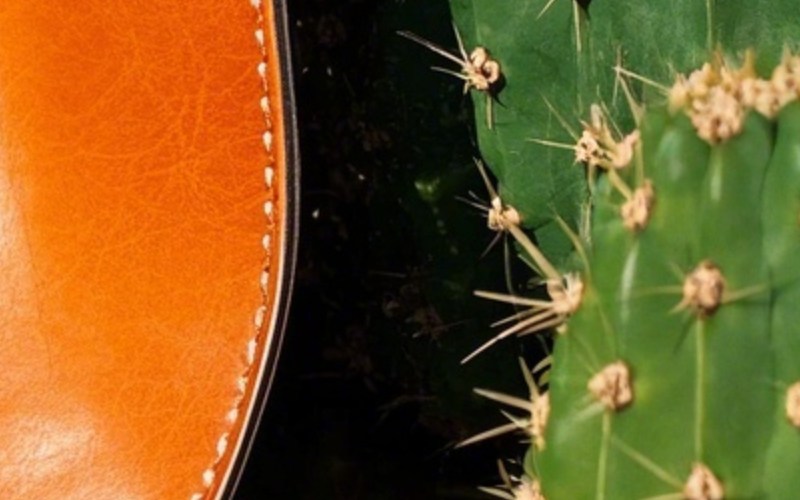
The mature leaves of the Nopal cactus are mainly used. This cactus grows naturally in Mexico and does not require artificial irrigation. Without killing the cactus, choose mature leaves for cutting. New leaves grow every 6 to 8 months and can be harvested frequently. After cutting, wash, crush and dry in the sun for three days to reach the perfect moisture level.
Its final product is composed of up to 68% natural and organic ingredients, with the rest made up of recycled polyester and cotton to enhance strength and durability. Cactus leather is soft, flexible and durable. It uses very little water in the production process and is increasingly used in fashion, footwear and accessories.
It is made from the structure of the fungal root (mycelium). Mycelium leather is biodegradable and highly customizable. By controlling the conditions during the mycelium growth process, designers can adjust its properties such as thickness, strength, texture, and flexibility to create new types of leather materials that meet different needs.
It features outstanding strength and durability. The interlocking honeycomb structure formed by mycelium enhances the strength of the leather. Mushroom leather has been favored by brands such as Stella McCartney and Adidas for making high-end fashion and sports shoes, etc.
It is made from the waste produced in apple juice production and is an innovative and environmentally friendly material. It is regarded as an environmentally friendly alternative to traditional leather, featuring a similar texture and appearance. Apple leather has achieved the recycling of resources. However, its current market share is limited. But with the increasing demand for sustainable fashion materials, it has considerable growth potential. Many brands such as Sylven New York and SAMARA have Apple leather products, which are used to make bags, shoes, etc.
It is made from waste materials during the wine-making process, mainly grape seeds and grape skin fibers. The grape pomace left over from the wine production process is dried and combined with vegetable oil and waterborne polyurethane (PUD) to form an ecological composite material, which is then applied to some fabrics to make leather.
Grape leather is soft in texture and light in weight. For every 10 liters of wine produced, about 2.5 liters of waste are generated, which can be used to make 1 square meter of grape leather. However, due to the addition of polyurethane (PUD), it cannot be completely degraded.
The raw materials mainly come from the bark of softwood oak trees in the Mediterranean. Cork is air-dried for six months after harvest, then boiled and steamed to give it extra elasticity. It is then formed into blocks through heating and pressure, and cut into thin layers according to different applications to form a leather-like material.
Cork leather is extremely light, with over 50% of its volume being air. It has excellent water resistance. The waterproof waxy substance in the cell wall makes it almost impermeable to liquids and gases. It has strong wear resistance and tear resistance due to the honeycomb structure of its cells. It burns slowly and has a good flame retardant effect. The touch is smooth and flexible, the color is beautiful, and the special texture combined with fashionable colors makes it more distinctive.
Cork leather is widely used in fields such as fashion accessories, home goods and automotive interiors.
Made from banana crop waste and recycled banana fibers through upgrading. Banana leather has a unique texture and feel, and can be used to make fashionable accessories and eco-friendly packaging materials. Although its application in the market is relatively limited at present, with the increasing attention paid to sustainable materials, banana leather is expected to be more widely used.
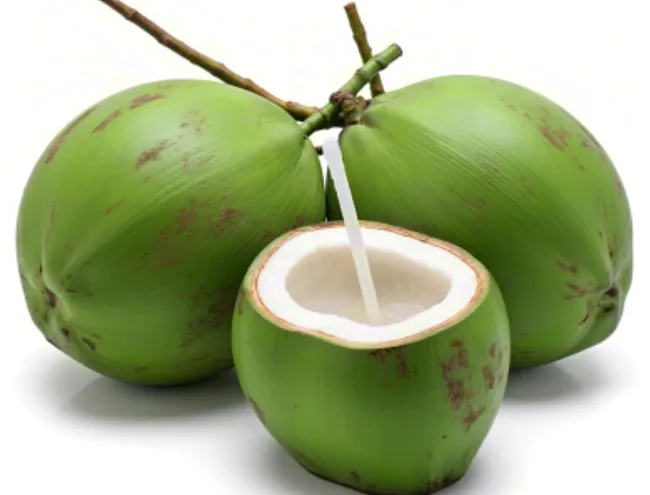
It is made from fibrous bacteriocin in coconut water, which is biodegradable and environmentally friendly. Coconut leather has a unique natural texture, giving people a natural and simple feeling. It can be used to make fashionable accessories and household items, adding a unique touch to the products.
It is made by mixing waste coffee grounds with bio-based polyurethane. Coffee grounds leather does not release harmful substances during degradation, and some can even decompose in the soil within 90 days. It realizes the reuse of waste, reduces environmental pollution, and at the same time provides a new sustainable option for the leather industry. It can be used to make fashionable accessories and some small household items.
It is made by imitating the flexibility of leather through a special process. Corn leather is a renewable resource, and corn protein fiber leather has good biodegradability. It can be used to make clothing, shoes and household items, etc., providing consumers with an environmentally friendly and sustainable option.
Made from bamboo, which grows fast, it is a sustainable resource. Bamboo leather has natural antibacterial properties and good breathability, while being tough in texture. It can be used to make clothing, shoes and household items, etc., providing consumers with an environmentally friendly and healthy option.
Making plant-based leather is an innovative process that transforms natural and renewable resources into leather-like materials. The specific methods vary depending on the basic plants (such as pineapples, cacti, and mushrooms), but the general principles include harvesting, processing, and combining plant fibers.
The first step is to harvest plant resources. One major sustainability advantage is that many sources are agricultural waste, such as:
Clean and process the biomass raw materials to extract usable fibers. This usually includes:
This is the most crucial step. Plant fibers alone are not sufficient to produce durable and flexible thin plates. They mix with adhesives to form liquid or dough-like mixtures. The type of adhesive used is a key distinction:
Spread the mixture on a large and flat surface to form a thin and even sheet. This can be accomplished using industrial rollers or coaters.
Then the thin sheet is “cured” or dried to cure. Finally, after the sorting process:
Which is better, plant leather or animal leather? How should you choose? Plant-based leather is accelerating its penetration in the fast fashion sector, while animal leather still dominates in high-end luxury goods. The following is a detailed comparison between plant leather and animal leather:
Plant leather
Using plant extracts (such as tannic acid) or agricultural waste (such as pineapple leaves, apple peels, and mushroom roots) as raw materials, the production process reduces chemical pollution, has low carbon emissions, and some materials are biodegradable.
Advantages: It conforms to the concept of sustainable development and reduces reliance on animal resources.
Animal leather
Relying on animal husbandry, the breeding process consumes a large amount of water resources and feed, and the tanning process may use harmful chemicals such as chromium, imposing a burden on the environment.
Disadvantages: The production chain is relatively long and the environmental cost is relatively high.
Plant leather
Traditional vegetable-tanned leather (such as top-grain cowhide), after long-term soaking in vegetable-tanning agents, has tight fibers, good formability, is suitable for engraving and leather modeling, and its durability is close to that of animal leather.
However, some new types of plant-based leathers (such as Pinatex based on pineapple leaves) may have slightly weaker wear resistance and need to be enhanced through coatings or composite materials.
Animal leather
Take cowhide as an example. It has fine pores and is evenly distributed. The leather surface is full, the leather board is strong, and the hand feel is elastic. High-end products can be passed down for generations.
Advantages: After long-term use, it is easy to form a unique luster (” skin-nourishing “effect), but regular maintenance is required to prevent cracking.
Plant leather
Animal leather
Plant leather
It is easy to maintain, usually only requiring wiping and cleaning, and no special care is needed.
Advantages: Suitable for a fast-paced life and reduces long-term usage costs.
Animal leather
Special care products (such as shoe polish and leather care agents) should be used regularly, especially in damp environments to prevent mold.
Disadvantage: Maintenance is cumbersome, but proper care can significantly extend its lifespan.
Plant leather
It has rapidly risen among urban consumer groups, especially favored by the younger generation and environmentalists.
Challenge: It is necessary to break through the label of “cheap substitute” and prove its performance and aesthetic value.
Animal leather
It still holds a dominant position in traditional leather production areas such as Kampur in India and Wenzhou in China, with a profound inheritance of craftsmanship.
Transformation pressure: Facing ethical criticism and environmental regulations restrictions, some brands have begun to explore hybrid materials (such as plant-based tanning + recycled fibers).
| Feature | Plant Leather | Animal Leather |
| Source | Fruits (pineapple, apple), cactus, mushrooms, cork | Animal hides (cows, goats, alligators) |
| Sustainability | ✅ Generally higher (uses waste, less water/land) | ❌ Lower (resource-intensive farming) |
| Animal Welfare | ✅ Vegan & cruelty-free | ❌ Uses animal products |
| Durability | ⚠️ Moderate (2-5 years; varies by type) | ✅ High (decades if maintained) |
| Biodegradability | ⚠️ Partial (often contains PU coatings) | ✅ Fully biodegradable (if naturally tanned) |
| Cost | Moderate to high (new technology) | High (premium quality) |
| Appearance | Uniform, customizable textures | Unique, natural grain, develops patina |
| Maintenance | Easy to clean (often water-resistant) | Requires conditioning, prone to staining |
| Category | Winner |
| Sustainability | ✅ Plant Leather |
| Durability | ✅ Animal Leather |
| Ethics | ✅ Plant Leather |
| Tradition & Luxury | ✅ Animal Leather |
| Innovation Potential | ✅ Plant Leather |
| Biodegradability (if plastic-free) | ✅ Plant Leather |
Is plant-based leather durable? Yes, some plant-based leathers are very durable, but most are not as durable as traditional animal leathers. The durability of plant-based leathers is limited to short-term to medium-term use. Well-made plant-based leather products can last for 2 to 5 years.
| Plant Leather Type | Durability Level | Key Considerations |
| Mushroom Leather (Mycelium) | Promising (High Potential) | Early versions show good strength and flexibility; rapidly improving with R&D. Not yet proven over decades. |
| Cactus Leather (e.g., Desserto) | Good to Moderate | More resistant to abrasion and tearing than some fruit-based options. Still contains PU for durability. |
| Pineapple Leather (Piñatex) | Moderate | The pineapple leaf fiber base is strong, but the PLA and coating can be prone to scuffing and wear over time. |
| Apple Leather | Moderate | Can be susceptible to peeling or cracking along creases with heavy use due to the PU content. |
| Simple Fruit Pulp Leathers | Low to Moderate | Homemade or early-stage versions can be brittle and have a shorter lifespan. |
| Feature | Plant Leather | Animal Leather |
| Lifespan | 2–5+ years (avg) | 10–30+ years |
| Resistance to wear | Medium | High |
| Water resistance | Varies (cactus is good) | High (if treated) |
| Flexibility | Medium–High | High |
| Aging/patina | Rare | Common & often desired |
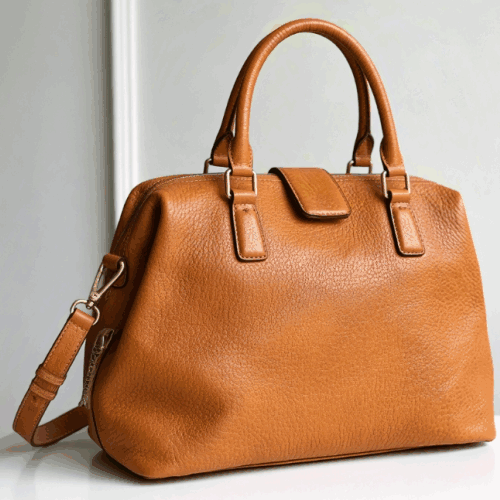
Plant leather is usually very suitable for making bags because it balances sustainability, aesthetics and functionality, is ethically produced and suitable for most casual and semi-structured styles, although it is inferior to animal leather in terms of long-term durability and extensive use.
Plant leather is made from renewable resources such as pineapple leaves (Pinatex), cacti, mushrooms, apples or corks. These materials reduce waste by reusing agricultural by-products such as pineapple peels and coffee grounds or by using fast-growing plants like bamboo and cacti.
Compared with traditional tanning, they usually require less chemicals and water, thereby reducing their impact on the environment.
Many plant-based leathers are biodegradable or compostable, further reducing their carbon footprint.
Unlike animal leather, plant-based alternatives do not involve raising livestock, which is related to deforestation, greenhouse gas emissions and animal welfare issues.
This makes plant-based leather a popular choice for vegetarian and ethical fashion brands.
Many plant leathers (such as Pinatex, cactus leather) are light in weight but strong, making them ideal choices for bags that need to be carried every day.
Some leathers, such as Mylo, are very durable and can withstand wear and tear just like traditional leathers.
Plant leather usually features unique textures and natural patterns (for instance, the fibrous appearance of Pinatex or the marble-like effect of mushroom leather), giving handbags a distinctive handcrafted appeal.
They can be dyed in a wide variety of colors, providing designers with creative flexibility
Some plant leathers (such as cactus leather) are naturally waterproof or can be treated to repel water, making them practical materials for everyday bags.
Others, such as apple leather, may require an additional waterproof coating but still offer good performance.
Although many plant leathers are durable, some may not be as durable as high-quality animal leathers when used in large quantities. However, technological advancements are extending their lifespan.
Proper care (for example, avoiding prolonged exposure to moisture) can extend the lifespan of plant skin bags.
Due to its sustainable production methods and limited scalability, plant-based leather may be more expensive than synthetic alternatives such as PU or PVC.
However, with the growth of demand and the optimization of the production process, costs are expected to decrease.
The market for plant-based leather is still developing, so the options may be more limited compared to traditional leather.
However, an increasing number of brands are adopting plant-based materials, expanding the range of available styles and designs.
Some plant leathers may perform worse than animal leathers in extremely hot or cold conditions, which may affect their adaptability to certain climates.
Testing and appropriate material selection can alleviate this problem.
| Bag Style | Recommended Plant Leather | Why It Works |
| Daily Totes/Crossbodies | Desserto (cactus), Bananatex | Durable, water-resistant, holds shape; handles well with light-to-moderate loads |
| Structured Bags (Satchels, Laptop Sleeves) | Cork leather, Terratan | Rigid, scratch-resistant; protects devices; easy to clean |
| Luxury/Casual Clutches | Mylo (mycelium), Piñatex | Soft texture, suede-like finish; customizable colors for fashion-forward designs |
| Outdoor/Heavy-Use Bags | Bananatex, cork | Tear-resistant, water-repellent; ideal for farmers’ markets, travel |
| Small Accessories (Wallets, Cardholders) | Apple leather, coffee leather | Thin, smooth, and eco-chic; good for low-stress use |
Although plant-based leather is relatively expensive and lags behind traditional animal-based leather in terms of durability and other properties, it is an excellent emerging material for making fashionable and eco-friendly bags. It is very suitable for creating lightweight and fashionable bag styles with storylines and represents an important innovative direction for the fashion industry to move towards sustainable development.
If you are running your own bag business and want to create a series of plant-based leather bags, welcome to contact Gionar to explore together which type of plant-based leather to use to make your brand’s bags.



Mobile Website

Inquires Whatsapp