- +86 13922774531
- info@gionar.com

English


English
March 14 , 2025
Vegan leather is a versatile, cruelty-free alternative to traditional leather that’s gaining traction in the fashion and design industries. Whether you’re drawn to its ethical appeal, environmental benefits, or stylish options, vegan leather offers something for everyone. By choosing high-quality, sustainable vegan leather, you can enjoy the look and feel of leather without compromising your values. Here’s more about Vegan Leather.
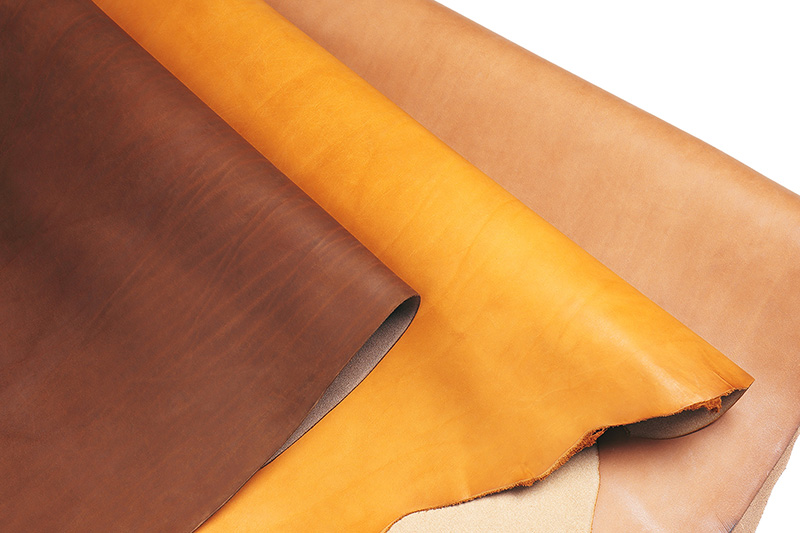
Vegan leather, also known as artificial leather or leather substitute, is a leather-like fabric that is not made from real leather but from a variety of artificial chemical materials plastic or plant-based materials.
Vegan leather is a type of material designed to mimic the look, feel, and functionality of traditional leather without using any animal products. It’s a cruelty-free alternative that has gained popularity in recent years, especially among eco-conscious consumers and those who prioritize ethical fashion. But what exactly is vegan leather, and how is it different from traditional leather? Let’s break it down.
Vegan leather is not a single material but rather a category that includes a variety of synthetic and plant-based options. Unlike traditional leather, which is made from animal hides, vegan leather is crafted from materials like polyurethane (PU), polyvinyl chloride (PVC), or natural resources such as pineapple leaves, mushrooms, cork, and even apple peels. These materials are processed and treated to create a leather-like texture that can be used in everything from handbags and shoes to furniture and car interiors.
Vegan leather offers several advantages over traditional leather. First and foremost, it’s cruelty-free, meaning no animals are harmed in its production. This makes it a great choice for vegans and animal rights advocates. Additionally, many vegan leathers are more environmentally friendly, especially those made from plant-based or recycled materials. They often require fewer resources to produce and can be manufactured without the harmful chemicals used in traditional leather tanning.
However, it’s important to note that not all vegan leathers are created equal. Some, particularly those made from PVC, can have a significant environmental impact due to the chemicals used in their production. So, if sustainability is a priority, it’s worth looking for vegan leathers made from natural or recycled materials.
It is reported that more than 90% of the development potential of sustainable fashion is in the supply chain. Textile fabrics, as the most important part of the fashion supply chain, have an indelible negative impact on the environment, so more and more innovation around environmentally friendly materials has been proposed and practiced by the industry.
As the demand for sustainable fashion continues to increase, brands are looking for vegan alternatives in order to meet this demand.
What is vegan leather made from? Alright, let’s start with the basics. Vegan leather is a material designed to mimic the look and feel of traditional leather without using any animal products. But what’s it actually made of? Well, it can be made from a variety of materials, both natural and synthetic. Here’s a quick rundown:
Cork: Yes, cork! It’s harvested from the bark of cork oak trees and is both sustainable and biodegradable.
Pineapple Leaves: Known as Piñatex, this material is made from the fibers of pineapple leaves and is a byproduct of the fruit industry.
Mushrooms: Mycelium, the root structure of mushrooms, can be grown into a leather-like material called Mylo.
Apple Peels: Apple leather is made from the waste of the apple juice industry, turning peels and cores into a durable material.
Polyurethane (PU): A type of plastic that’s often used to create a leather-like texture.
Polyvinyl Chloride (PVC): Another type of plastic, though less eco-friendly due to its production process.
Recycled Plastics: Some vegan leathers are made from recycled plastic bottles, giving a second life to materials that would otherwise end up in landfills.
Now that we know what vegan leather is made of and where it comes from, let’s talk about how it’s actually made. The process varies depending on the type of vegan leather, but here’s a general overview.
Material Sourcing: The raw materials, like pineapple leaves or apple peels, are collected as byproducts from other industries.
Processing: The materials are cleaned, dried, and processed into a fibrous mat. This mat is then treated with natural binders and dyes to create a leather-like material.
Finishing: The final product is coated with a water-based polyurethane layer to make it more durable and water-resistant.
Material Selection: The base material, like PU or PVC, is selected and prepared.
Coating and Embossing: The base material is coated with a layer of polyurethane or another synthetic polymer to create a leather-like texture. The material is then embossed to mimic the grain of traditional leather.
Finishing: The final product is dyed and treated to achieve the desired appearance and durability.
Wait a minute, what’s veg tan leather? Isn’t that a type of traditional leather? Well, yes, but it’s worth mentioning because it’s often confused with vegan leather. Veg tan leather is a type of traditional leather that’s tanned using vegetable-based materials, like tree bark, instead of chemicals. While it’s more eco-friendly than chrome-tanned leather, it’s still made from animal hides, so it’s not vegan.
First off, the smell. If you’ve ever picked up a vegan leather item made from PVC or PU, you might have noticed a bit of a funky odor. Some people describe it as a fishy smell, and yeah, it can be pretty strong, especially when the item is brand new. This smell comes from the chemicals used in the production process, particularly with PVC, which can release toxins as it “outgasses.” It’s not the most pleasant scent, but the good news is that it usually fades over time. Just make sure to air out your new vegan leather bag or jacket before using it—no one wants to walk around smelling like a fish market!
Now, let’s talk about the look. Vegan leather comes in a ton of different forms and qualities, so it really depends on what you’re buying. Some vegan leathers are super high-quality and can look almost identical to real leather. Others might have a more synthetic appearance, with a shinier or plasticky finish. But generally speaking, if you’re not a leather expert, you might not even notice the difference at first glance.
One thing to keep in mind, though, is that vegan leather doesn’t age the same way real leather does. Real leather develops a patina over time—a kind of natural sheen that adds character. Vegan leather, being synthetic, doesn’t do that. It stays looking pretty much the same, which can be a good thing if you like consistency, but it might lack that “lived-in” look that some people love about real leather.
Alright, let’s get into the nitty-gritty. What are the pros and cons of vegan leather?
Cruelty-Free: No animals are harmed in the making of vegan leather.
Eco-Friendly Options: Many vegan leathers are made from sustainable materials, like pineapple leaves or recycled plastics.
Variety: Vegan leather comes in a wide range of colors, textures, and finishes, making it super versatile.
Durability: High-quality vegan leather can be just as durable as traditional leather.
Cost: Vegan leather is often more affordable than traditional leather.
Environmental Impact: Some vegan leathers, especially those made from PVC, can have a significant environmental impact due to the chemicals used in their production.
Durability: Not all vegan leathers are created equal. Some may not be as durable as traditional leather.
Breathability: Vegan leather is generally less breathable than traditional leather, which can make it less comfortable in hot weather.
Biodegradability: Many vegan leathers are not biodegradable, which can be a concern for those looking to reduce their environmental footprint.
No, traditional leather is not vegan. It’s made from animal hides, usually from cows, but sometimes from other animals like goats or sheep. The process of making leather involves tanning the hides, which can involve harmful chemicals and a lot of water. So, if you’re looking for a cruelty-free option, vegan leather is the way to go.
Yes, PU leather is vegan! It’s made from polyurethane, a type of plastic, and doesn’t involve any animal products. However, it’s worth noting that while PU leather is vegan, it’s not always the most eco-friendly option due to the chemicals used in its production.
Yes, faux leather is vegan. The term “faux leather” is often used interchangeably with “vegan leather,” and it refers to any material that mimics the look and feel of traditional leather without using animal products. Faux leather can be made from a variety of materials, including PU, PVC, and plant-based options.
Yes, synthetic leather is vegan. It’s made from synthetic materials, like PU or PVC, and doesn’t involve any animal products. However, the environmental impact of synthetic leather can vary depending on the materials and production methods used.
No, vegan leather is not real leather. It’s a material designed to mimic the look and feel of traditional leather without using any animal products. While it can look and feel very similar to real leather, it’s made from different materials, like PU, PVC, or plant-based options.
Well, it depends. Some vegan leathers are made from plastic, like PU or PVC, while others are made from natural materials, like pineapple leaves or mushrooms. So, while some vegan leathers are plastic, not all of them are.
Yes, high-quality vegan leather can be very durable. In fact, some vegan leathers, like Piñatex (made from pineapple leaves), are known for their strength and longevity. However, not all vegan leathers are created equal, so it’s important to choose a high-quality option if durability is a concern.
Many vegan leathers are water-resistant, thanks to the polyurethane coating that’s often applied during the manufacturing process. However, not all vegan leathers are fully waterproof, so it’s important to check the specific product details if water resistance is a concern.
Yes, some vegan leathers can stretch, especially those made from softer materials, like PU. However, the amount of stretch can vary depending on the specific material and how it’s made. If you’re looking for a vegan leather product that won’t stretch, it’s best to choose a high-quality option with a sturdy backing.
This is a tricky one. While vegan leather is cruelty-free and doesn’t involve the use of animal products, its environmental impact can vary depending on the materials and production methods used. For example, vegan leathers made from PVC can have a significant environmental impact due to the chemicals used in their production. On the other hand, vegan leathers made from plant-based materials, like pineapple leaves or mushrooms, are generally more eco-friendly. So, if you’re concerned about the environment, it’s important to choose a vegan leather that’s made from sustainable materials.
Well, it depends on the type of vegan leather. Some vegan leathers, especially those made from PVC, can release harmful chemicals during production and use. However, many vegan leathers, particularly those made from plant-based materials or water-based PU, are non-toxic and safe to use. If you’re concerned about toxicity, it’s best to choose a vegan leather that’s certified non-toxic or made from natural materials.
The cost of a vegan leather bag can vary widely depending on the brand, materials, and quality. In general, vegan leather bags are often more affordable than traditional leather bags, but high-quality vegan leather bags made from sustainable materials can be just as expensive, if not more so. It’s all about finding the right balance between quality, sustainability, and price.
Cleaning a vegan leather bag is usually pretty straightforward. Here’s a quick guide:
Wipe Down: Use a soft, damp cloth to wipe down the surface of the bag. Avoid using harsh chemicals or abrasive materials, as these can damage the finish.
Spot Clean: For stubborn stains, use a mild soap solution and a soft cloth to gently spot clean the affected area.
Dry: Allow the bag to air dry completely before using it again. Avoid using heat, as this can cause the material to warp or crack.
If your vegan leather bag has wrinkles, don’t worry—there are a few ways to smooth them out:
Steam: Use a handheld steamer to gently steam the wrinkled area. Be sure to keep the steamer at a safe distance to avoid damaging the material.
Iron: Place a cloth over the wrinkled area and use a low-heat iron to gently press out the wrinkles. Again, be careful not to use too much heat, as this can damage the material.
Stuffing: Stuff the bag with soft materials, like towels or tissue paper, to help smooth out the wrinkles over time.
Consumer awareness of environmental protection is increasing year by year.
The high cost of products and the low demand for sustainable products in the market further increase the price of sustainable products. In the future, by promoting sustainable development to expand consumer demand and control costs, sustainable products will become more and more popular.
The unit price of vegan leather fabrics is generally high, and the price affects the purchase choice of consumers.
As many links are involved in the garment industry chain, it is difficult to ensure the unity of the parties’ awareness of sustainable development.
The lack of universal environmental awareness in China has led to consumers not taking the initiative to buy sustainable products.
Whether you’re looking for a cruelty-free alternative to traditional leather or just trying to make more sustainable choices, vegan leather offers a lot of great options. From plant-based materials like pineapple leaves and mushrooms to synthetic options like PU and PVC, there’s a vegan leather out there for everyone. Just remember to consider the environmental impact and choose high-quality options that align with your values.
Related customized services:


Mobile Website

Inquires Whatsapp