- +86 13922774531
- info@gionar.com

English


English
March 13 , 2025
Have you heard of the term “Eco-Friendly Leather”? What is it different from traditional leather? Leather, a material long cherished for its durability and aesthetic appeal. However, the production of conventional leather often involves harmful chemicals, significant water usage, and ethical concerns related to animal welfare. Enter eco-friendly leather—a sustainable alternative that aims to address these issues while maintaining the desirable qualities of traditional leather. But what exactly is eco-friendly leather, and how does it compare to other types of leather? This article delves into the world of eco-friendly leather, exploring its properties, production methods, and market applications.
Eco-friendly leather refers to leather or leather-like materials that are produced with minimal environmental impact. This can include a variety of materials and production methods, all aimed at reducing harm to the planet. Unlike conventional leather, which often involves toxic tanning processes and significant resource consumption, eco-friendly leather prioritizes sustainability at every stage of production.
Eco-friendly leather is a broad term that covers a bunch of different materials and processes, all aimed at reducing the environmental impact of traditional leather production.
You might be wondering, “Why should I care about eco-friendly leather?” Well, traditional leather production isn’t exactly a walk in the park for the planet. It involves a lot of water, chemicals (like chromium, which is pretty toxic), and, of course, animal hides. Eco-friendly leather, on the other hand, tries to tackle these issues by using sustainable materials, non-toxic processes, and sometimes even cutting out animals altogether.
Sustainable Sourcing: Eco-friendly leather often uses materials that are renewable, recycled, or ethically sourced.
Non-Toxic Production: The tanning and finishing processes avoid harmful chemicals, such as chromium, which is commonly used in conventional leather tanning.
Low Environmental Impact: Eco-friendly leather production aims to reduce water usage, energy consumption, and carbon emissions.
Biodegradability: Many eco-friendly leathers are designed to break down naturally at the end of their lifecycle, reducing landfill waste.
Eco-friendly leather comes in all shapes and sizes. Here are a few of the most common types:
Plant-Based Leather: Made from things like pineapple leaves, mushrooms, or even apple peels. Yep, you read that right—your next handbag could be made from fruit scraps!
Recycled Leather: This is leather made from scraps or old leather products. It’s like giving leather a second life.
Bio-Fabricated Leather: This one’s straight out of a sci-fi movie. It’s made using lab-grown cells, so no animals are harmed in the process.
Vegan Leather: This is a synthetic alternative that mimics leather without using any animal products. But not all vegan leather is eco-friendly—more on that later.
Okay, so eco-friendly leather sounds great and all, but what’s it actually like? Is it durable? Does it look good? Let’s break it down.
One of the biggest concerns people have about eco-friendly leather is whether it’s as tough as traditional leather. The good news? Many eco-friendly leathers are super durable. For example, pineapple leather (aka Piñatex) is known for being strong and long-lasting, making it perfect for things like bags and shoes.
Let’s be real—part of the reason we love leather is because it looks good. Eco-friendly leather doesn’t disappoint here either. Thanks to modern manufacturing techniques, it can look just as sleek and stylish as traditional leather. Whether you’re into smooth, polished finishes or something more textured, there’s an eco-friendly option for you.
Nobody wants a stiff, uncomfortable bag or jacket. Luckily, many eco-friendly leathers are designed to be soft and flexible. Mushroom leather (Mylo) is a great example—it’s super soft, making it ideal for clothing and accessories.
If you’ve ever worn a leather jacket on a hot day, you know how important breathability is. Some eco-friendly leathers, especially those made from natural fibers, are more breathable than synthetic alternatives. That means you can stay cool and comfortable, even in warmer weather.
Worried about your eco-friendly leather bag getting ruined in the rain? Don’t be! Many eco-friendly leathers are treated to be water-resistant, so they can handle a little splash here and there.
Here’s where eco-friendly leather really shines. Unlike synthetic leathers, which can take hundreds of years to break down, many eco-friendly leathers are biodegradable. That means they won’t stick around in landfills forever, which is a big win for the planet.
The production of eco-friendly leather involves a variety of methods, each tailored to the specific type of material being used. Here’s an overview of the most common production processes:
Material Sourcing: Plant-based leathers are made from natural materials like pineapple leaves (Piñatex), mushroom mycelium (Mylo), or apple peels. These materials are often byproducts of other industries, making them a sustainable choice.
Processing: The raw materials are cleaned, dried, and processed into a fibrous mat. This mat is then treated with natural binders and dyes to create a leather-like material.
Finishing: The final product is often coated with a water-based polyurethane layer to enhance durability and water resistance.
Material Collection: Recycled leather is made from leather scraps or other recycled materials. These scraps are collected from tanneries, factories, or post-consumer waste.
Shredding and Binding: The collected materials are shredded into small pieces and mixed with natural or synthetic binders.
Pressing and Finishing: The mixture is pressed into sheets and treated to achieve the desired texture and appearance.
Cell Culturing: Bio-fabricated leather is produced using lab-grown cells, often derived from animal or microbial sources. These cells are cultured in a controlled environment to form a leather-like material.
Harvesting and Processing: Once the cells have grown into a sufficient mass, they are harvested and processed into a usable material.
Finishing: The final product is treated with natural dyes and finishes to enhance its properties.
Material Selection: Vegan leather can be made from a variety of synthetic materials, such as polyurethane (PU) or polyvinyl chloride (PVC). However, eco-friendly vegan leathers often use plant-based or recycled materials.
Coating and Embossing: The base material is coated with a layer of polyurethane or another synthetic polymer to create a leather-like texture. The material is then embossed to mimic the grain of traditional leather.
Finishing: The final product is dyed and treated to achieve the desired appearance and durability.
Premium eco-friendly leather refers to high-quality sustainable leathers that offer superior durability, aesthetic appeal, and environmental benefits. These materials are often used in luxury fashion, high-end furniture, and other applications where quality is paramount.
Exceptional Durability: Premium eco-friendly leathers are designed to withstand heavy use without compromising on quality.
High Aesthetic Appeal: These materials often feature intricate textures, rich colors, and a luxurious feel.
Advanced Sustainability: Premium eco-friendly leathers are produced using cutting-edge sustainable practices, such as zero-waste manufacturing or carbon-neutral processes.
Ethical Sourcing: The materials used in premium eco-friendly leathers are often sourced from ethical and sustainable suppliers.
Piñatex: Made from pineapple leaf fibers, Piñatex is a premium eco-friendly leather known for its durability and unique texture.
Mylo: Produced from mushroom mycelium, Mylo is a soft and luxurious material that is gaining popularity in high-end fashion.
Apple Leather: Made from apple peels, this material offers a smooth and polished finish, making it ideal for luxury accessories.
Bonded leather is a type of leather product made from leftover leather scraps that are bonded together with adhesives. While traditional bonded leather is not considered eco-friendly due to the use of synthetic adhesives and chemicals, eco-friendly bonded leather uses sustainable practices and materials.
Material Collection: Leather scraps are collected from tanneries, factories, or post-consumer waste.
Shredding: The scraps are shredded into small pieces.
Binding: The shredded leather is mixed with natural or eco-friendly adhesives.
Pressing and Finishing: The mixture is pressed into sheets and treated to achieve the desired texture and appearance.
Waste Reduction: By using leather scraps, eco-friendly bonded leather helps reduce waste in the leather industry.
Cost-Effective: Bonded leather is generally more affordable than full-grain or top-grain leather.
Versatility: Eco-friendly bonded leather can be used in a variety of applications, from furniture to accessories.
Durability: Bonded leather is generally less durable than full-grain or top-grain leather.
Aesthetic Appeal: While eco-friendly bonded leather can mimic the look of traditional leather, it may lack the same level of texture and grain.
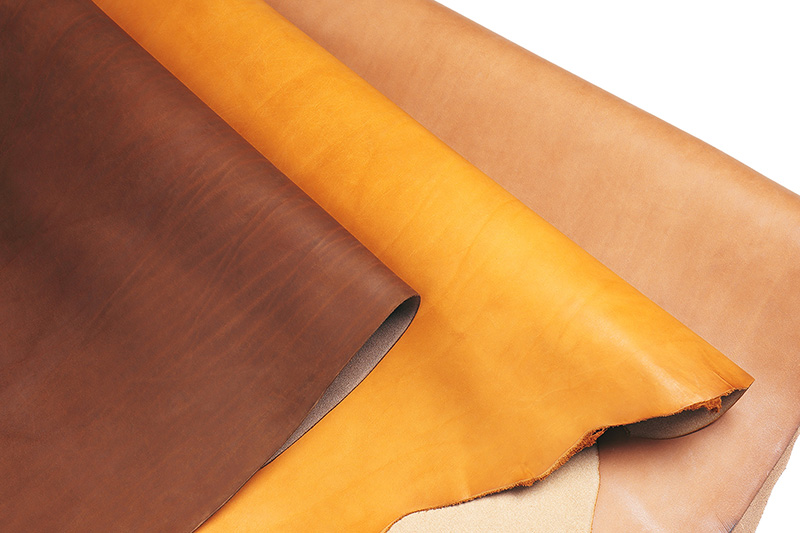
Eco-friendly vegan leather is a synthetic alternative to traditional leather that does not use any animal products. Unlike conventional vegan leather, which is often made from PVC or PU, eco-friendly vegan leather uses sustainable materials and production methods.
Made from natural materials like pineapple leaves, mushrooms, or apple peels.
Created from recycled materials, such as plastic bottles or old textiles.
Produced using lab-grown cells or microbial processes.
Cruelty-Free: Eco-friendly vegan leather does not involve the use of animal products, making it a suitable choice for vegans and animal rights advocates.
Sustainable: Many eco-friendly vegan leathers are made from renewable or recycled materials, reducing their environmental impact.
Versatility: Eco-friendly vegan leather can be used in a wide range of applications, from fashion to furniture.
Durability: Some eco-friendly vegan leathers may not be as durable as traditional leather.
Cost: High-quality eco-friendly vegan leather can be more expensive than conventional vegan leather.
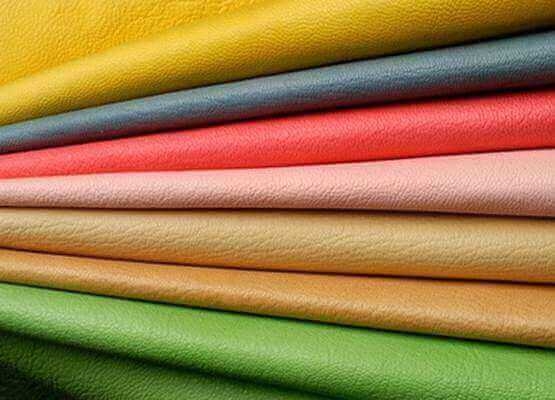
Polyurethane (PU) leather is a synthetic alternative to traditional leather that is often marketed as eco-friendly. However, the environmental impact of PU leather depends on the specific materials and production methods used.
Material Sourcing: PU leather is made from petrochemicals, which are derived from fossil fuels. This raises concerns about its carbon footprint and contribution to environmental degradation.
Production Process: The production of PU leather involves the use of chemicals and energy, which can generate waste and emissions.
Biodegradability: PU leather is not biodegradable and can persist in the environment for hundreds of years.
Some manufacturers are now producing PU leather using more sustainable practices, such as:
Recycled Materials: Using recycled polyurethane or other recycled materials to reduce the demand for virgin petrochemicals.
Water-Based Coatings: Using water-based polyurethane coatings instead of solvent-based coatings to reduce chemical emissions.
Low-Energy Production: Implementing energy-efficient production methods to reduce carbon emissions.
While conventional PU leather is not inherently eco-friendly, advancements in sustainable production methods are making it a more viable option. However, it’s important to carefully consider the specific materials and practices used by manufacturers when evaluating the environmental impact of PU leather.
Synthetic leather, also known as faux leather, is a man-made material designed to mimic the look and feel of genuine leather. While synthetic leather offers a cruelty-free alternative to traditional leather, its environmental impact varies depending on the materials and production methods used.
PVC Leather: Made from polyvinyl chloride, PVC leather is known for its durability and low cost. However, it is not biodegradable and can release harmful chemicals during production.
PU Leather: Made from polyurethane, PU leather is generally considered more eco-friendly than PVC leather, particularly when produced using sustainable practices.
Microfiber Leather: Made from ultra-fine fibers, microfiber leather is known for its durability and realistic texture. However, it is not biodegradable and can have a significant environmental impact.
Material Sourcing: Synthetic leather is made from petrochemicals, which are derived from fossil fuels. This raises concerns about its carbon footprint and contribution to environmental degradation.
Production Process: The production of synthetic leather involves the use of chemicals and energy, which can generate waste and emissions.
Biodegradability: Most synthetic leathers are not biodegradable and can persist in the environment for hundreds of years.
Some manufacturers are now producing synthetic leather using more sustainable practices, such as:
Recycled Materials: Using recycled plastics or other recycled materials to reduce the demand for virgin petrochemicals.
Water-Based Coatings: Using water-based polyurethane coatings instead of solvent-based coatings to reduce chemical emissions.
Low-Energy Production: Implementing energy-efficient production methods to reduce carbon emissions.
While conventional synthetic leather is not inherently eco-friendly, advancements in sustainable production methods are making it a more viable option. However, it’s important to carefully consider the specific materials and practices used by manufacturers when evaluating the environmental impact of synthetic leather.
Microfiber leather is a type of synthetic leather made from ultra-fine fibers, typically composed of polyester and polyurethane. While microfiber leather offers a durable and realistic alternative to genuine leather, its environmental impact is a subject of debate.
Material Sourcing: Microfiber leather is made from petrochemicals, which are derived from fossil fuels. This raises concerns about its carbon footprint and contribution to environmental degradation.
Production Process: The production of microfiber leather involves the use of chemicals and energy, which can generate waste and emissions.
Biodegradability: Microfiber leather is not biodegradable and can persist in the environment for hundreds of years.
Some manufacturers are now producing microfiber leather using more sustainable practices, such as:
Recycled Materials: Using recycled polyester or other recycled materials to reduce the demand for virgin petrochemicals.
Water-Based Coatings: Using water-based polyurethane coatings instead of solvent-based coatings to reduce chemical emissions.
Low-Energy Production: Implementing energy-efficient production methods to reduce carbon emissions.
While conventional microfiber leather is not inherently eco-friendly, advancements in sustainable production methods are making it a more viable option. However, it’s important to carefully consider the specific materials and practices used by manufacturers when evaluating the environmental impact of microfiber leather.
China is one of the world’s largest producers of leather goods, and in recent years, many Chinese manufacturers have embraced eco-friendly practices to meet the growing demand for sustainable products. Here are some key players in the eco-friendly leather bags industry in China:
Cost-Effective: Chinese manufacturers often offer competitive pricing, making eco-friendly leather bags more accessible to a wider audience.
Advanced Technology: Many Chinese manufacturers use cutting-edge technology to produce high-quality eco-friendly leather bags.
Scalability: China’s large-scale production capabilities make it easier to meet high demand for eco-friendly products.
Gionar is a pioneering manufacturer specializing in high-quality, eco-friendly leather products, with a strong commitment to sustainability and innovation. Based in Guangzhou, China. Gionar has established itself as a trusted name in the global market for its dedication to producing environmentally conscious leather goods that do not compromise on style or durability. The company’s mission is to redefine the leather industry by offering sustainable alternatives that align with the growing demand for ethical and eco-friendly products.
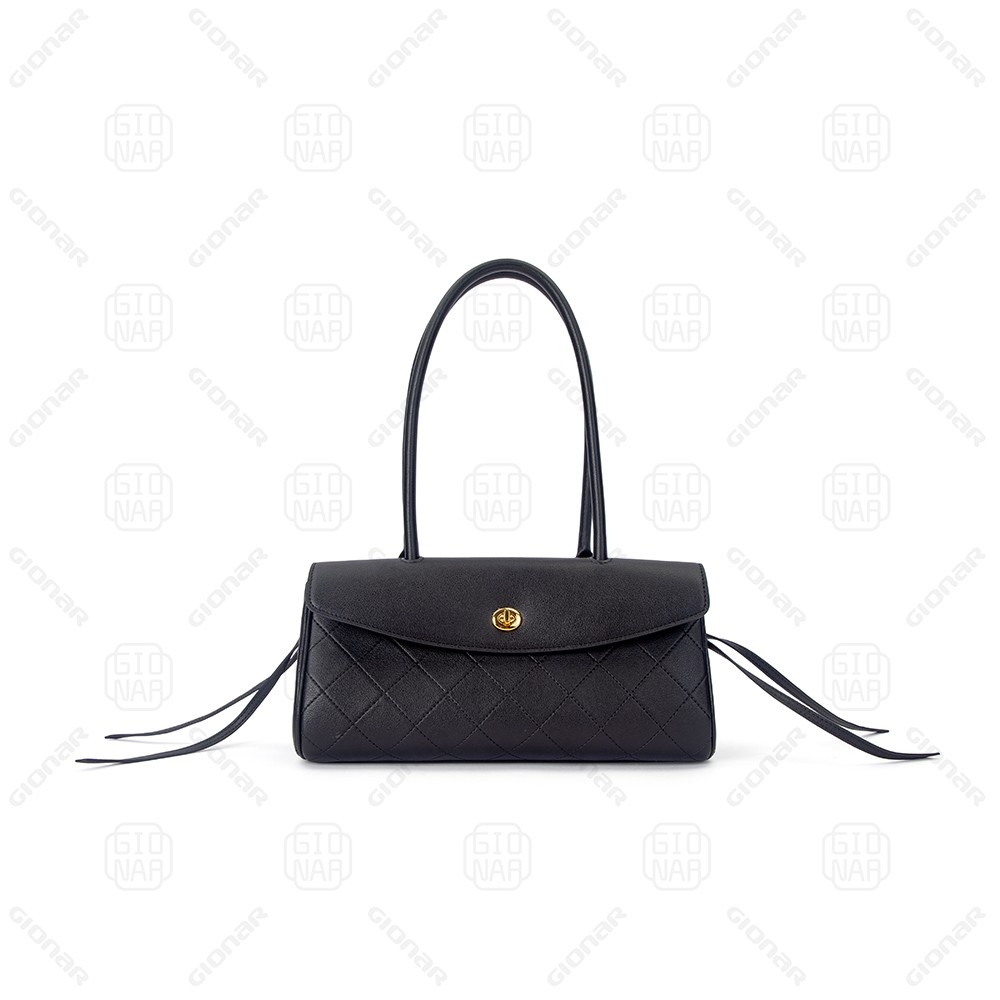
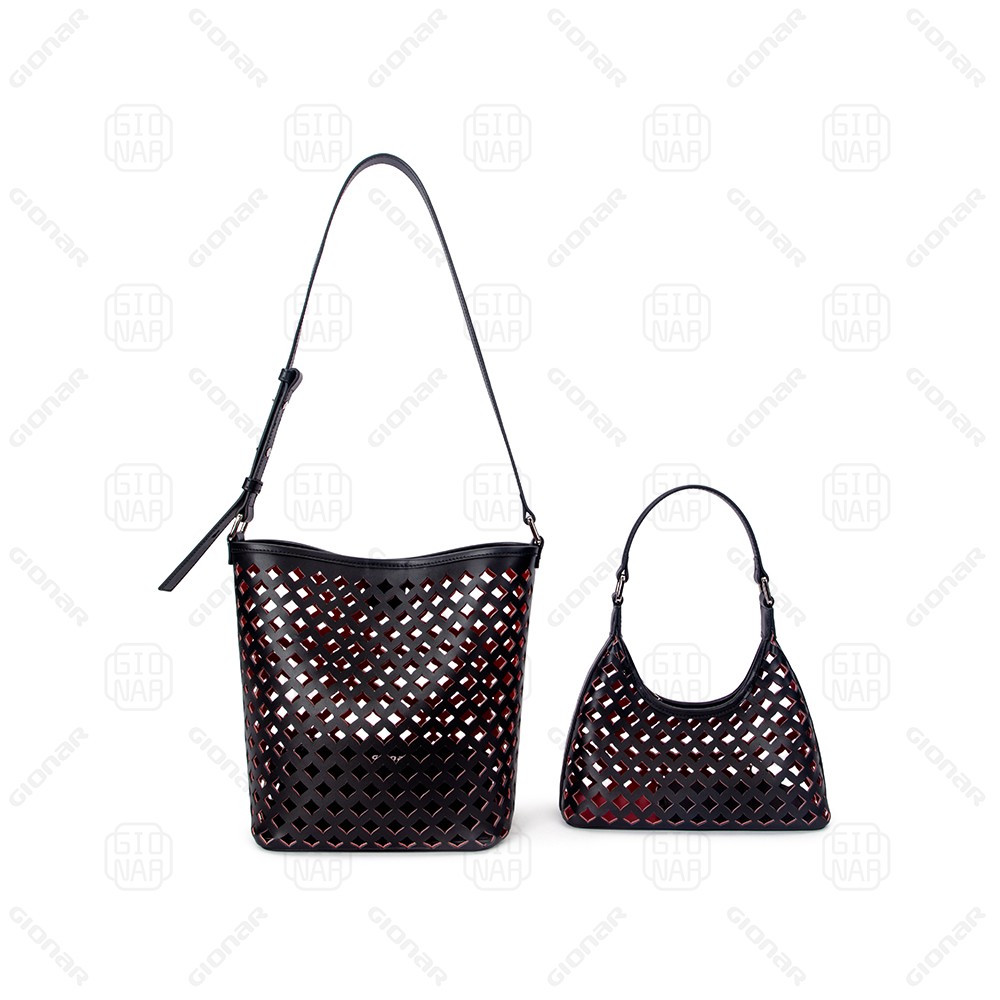
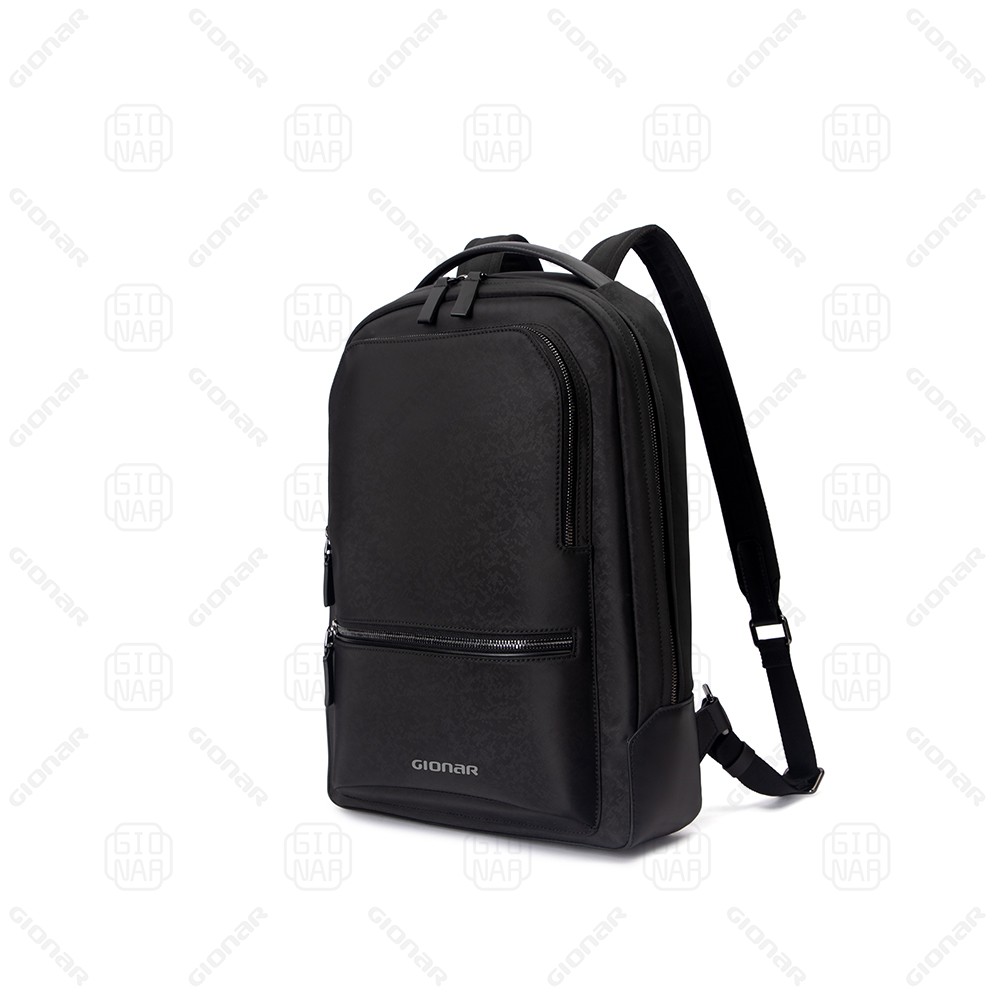
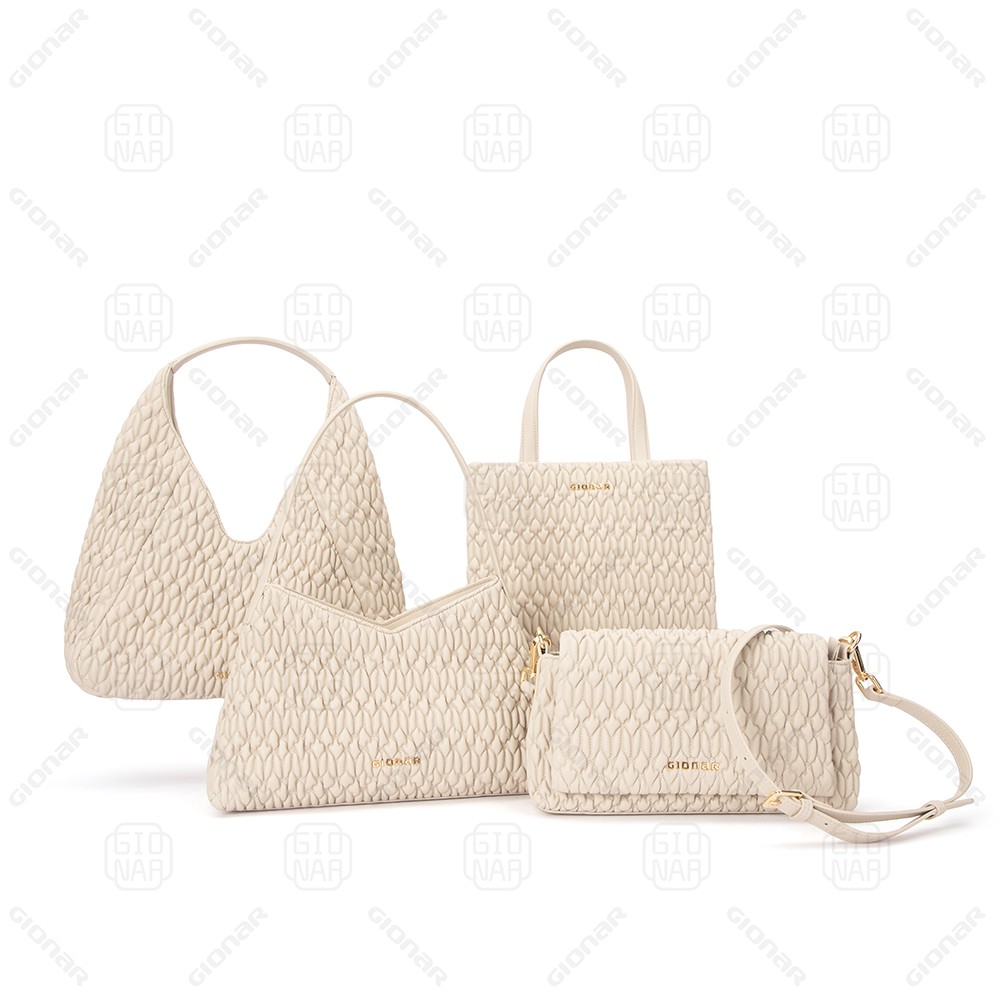
Gionar offers a diverse range of products, including bags, wallets and belts, all crafted with precision and attention to detail. Their eco-friendly leather is known for its durability, aesthetic appeal, and versatility, making it suitable for both fashion and functional applications. Whether it’s a sleek vegan leather handbag or a rugged recycled leather backpack, Gionar’s products cater to eco-conscious consumers who value quality and sustainability.
With a strong focus on ethical manufacturing, Gionar ensures fair labor practices and safe working conditions across its facilities. Gionar has built a reputation for high quality and reliability, serving clients worldwide. By combining cutting-edge technology with sustainable practices, Gionar is leading the way in creating a greener future for the leather industry. For those seeking stylish, durable, and planet-friendly leather goods, Gionar is a name you can trust.
Eco-friendly leather represents a significant step forward in the quest for sustainable and ethical fashion. By leveraging innovative materials and production methods, eco-friendly leather offers a viable alternative to traditional leather, addressing key concerns related to environmental impact and animal welfare. Whether you’re a consumer looking for a stylish and sustainable bag or a business seeking to align with eco-conscious values, eco-friendly leather provides a compelling option. As the industry continues to evolve, it’s likely that we’ll see even more advancements in sustainable leather production, making it an increasingly attractive choice for a wide range of applications.
Tags :


Mobile Website

Inquires Whatsapp