- +86 13922774531
- info@gionar.com

English


English
May 26 , 2025
PU leather is a synthetic leather that is suitable for fashionable, affordable and not harsh choices, especially for light to moderate use. pu leather is a common material for fast fashion bags, shoes and furniture.
Although PU leather is not as durable as natural leather and does not have the natural luster that develops over time, it is an environmentally friendly and animal-free alternative, especially suitable for those who pursue a fashionable appearance, value cost performance or adhere to a lifestyle free of animal products.
This article will provide a detailed introduction to the definition, composition, toxicity, and durability analysis of PU leather.
PU leather represents polyurethane leather, which is a synthetic leather made of thermoplastic polymers. PU leather is made by coating a layer of polyurethane resin on a base fabric such as cotton, polyester or blended fabric. The manufacturing process of PU leather mimics the appearance and feel of genuine leather, but it is completely artificial and does not use animal skins. PU leather is a cost-effective and cruelty-free alternative to natural leather, which is extracted from animal skins.
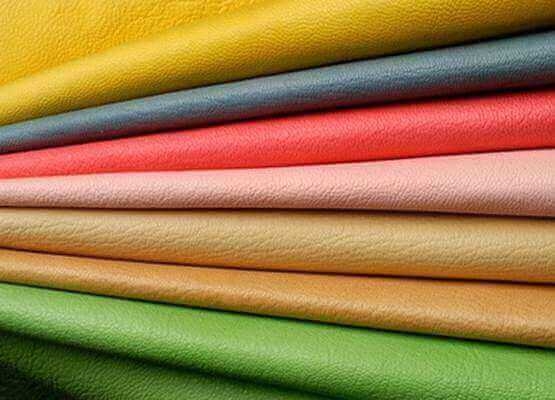
No, PU leather is not genuine leather. It is a synthetic alternative designed to imitate the appearance and feel of genuine leather. True leather comes from animal skins, usually cowhide, and undergoes a tanning process to make it durable and usable.
There is no animal skin: Genuine leather comes from animal skin, while PU leather is based on plastic.
Artificial texture: “Leather texture” is punched or printed on PU, rather than formed naturally.
Performance difference: Genuine leather is beautiful after aging; PU leather degrades (cracks/peeling).
PU leather (polyurethane leather) is a type of artificial leather mainly made of polyurethane (PU). PU is a plastic polymer that layers on the base material and is created by the combined action of several key components, resulting in a material similar to genuine leather.
PU leather requires a solid foundation, with the base fabric serving as the base or supporting structure for PU leather. It can be made of various materials, including polyester or cotton fabrics, rubber or recycled materials, polyester, or mixtures of these and other fibers. The choice of base fabric will affect the texture, strength and durability of PU leather products.
Polyurethane resin is the key component that gives PU leather the appearance and feel of leather. It is applied to the base fabric as a coating.
Polyurethane resin is a polymer that can be formulated into different textures, colors and patterns. It is usually treated for water resistance, scratch resistance and color retention.
Polyurethane resin is usually applied to base fabrics through processes such as coating, lamination or spraying. The thickness and quality of the polyurethane coating can vary according to the expected performance of the final product.
To enhance the performance, appearance or durability of PU leather, various additives and finishing agents can be used. These can include pigments for coloring, texturing agents for creating specific surface textures, and protective coatings for enhancing resistance to stains, scratches or ultraviolet rays.
Coating process: Liquid polyurethane is applied in layers onto the substrate.
Embossing: Pressing a texture pattern similar to leather on the PU layer.
Dyeing/treatment: Add color and protect the finish (e.g., matte, glossy).
Free of animal skin: Unlike genuine leather, PU leather does not use (or rarely uses) animal-derived materials.
Low porosity: PU leather is not as breathable as genuine leather.
Lighter and more uniform: Lack of natural defects, found in genuine leather.
Advantages: Reasonable price, vegan (if no cracked skin is used), easy to clean, and consistent appearance.
Disadvantages: Not durable (it will peel off/crack over time), not breathable, and not environmentally friendly (PU is based on plastic).
PU leather may be toxic, but generally speaking, PU products are safe. The new PU leather may release volatile organic compounds (VOCs), such as dimethylformamide (DMF), which can cause headaches or irritation in sensitive people. The risk of PU leather products is generally low. The polyurethane layer is stable and will not release harmful substances under normal use conditions, posing no direct harm to the human body.
In addition, PU leather is less toxic than PVC (which contains harmful phthalates and chlorine). Although it is usually safer than PVC leather, it may still contain related chemicals. The general solution is to blow out the air before using PU leather products. In many modern products, it is usually regarded as safe for consumers to use.
However, during the production process of PU leather, some chemical additives may be used, such as solvents, catalysts, plasticizers, polycyclic aromatic hydrocarbons, etc. If these chemicals do not react completely or remain in the finished products, they may pose potential risks to human health.
A strong chemical smell in new PU leather products may be a sign of inferior or toxic materials.
Cheap imported products without safety certification will bring higher risks.
Avoid burning PU leather as it releases toxic gases such as cyanide and carbon monoxide.
The main component of PU leather is polyurethane resin. Under normal usage conditions, polyurethane resin is stable and does not release harmful substances, posing no direct harm to the human body. However, during the production process of PU leather, some chemical additives may be used, such as solvents, catalysts, plasticizers, polycyclic aromatic hydrocarbons, etc. If these chemicals do not react completely or remain in the finished products, they may pose potential risks to human health.
For instance, when producing PU leather, if a solvent containing dimethylformamide (DMF) is used and DMF remains in the product, long-term exposure or inhalation of DMF may pose a threat to human health, such as causing liver damage, yellow urine, yellow scleral staining, indigestion, fatigue, headache, insomnia and other symptoms. In addition, toluene diisocyanate (TDI) is a chemical substance commonly used in the production of polyurethane and has been listed by the International Agency for Research on Cancer as a potentially carcinogenic substance to humans. If the production process is not properly controlled, the residual TDI may also pose a health threat to workers and consumers.
It is generally durable, but not as durable as genuine leather. PU leather can be used for 2 to 5 years with proper care, and some high-quality products can even last for more than 5 years. Genuine leather can usually be used for more than 10 years (or even several decades). However, the durability of PU leather depends on its quality, usage and maintenance.
High-quality PU leather is meticulously crafted with a thicker coating and reinforced backing, ensuring a longer service life.
Poor-quality polyurethane peeling, cracking or flaking off within a few months.
Suitable for: light items (handbags, jackets, decorative furniture).
Not suitable for: frequent use (car seats, shoes, heavy furniture).
High temperatures and sunlight: cause dryness, cracking and fading.
Moisture: If water seeps under the coating, it will cause the coating to peel off.
Regular cleaning and the use of dedicated care agents can extend the service life.
| Factor | PU Leather | Real Leather |
|---|---|---|
| Lifespan | 2–5 years | 10–50+ years |
| Aging | Cracks/peels | Develops a patina (softens beautifully) |
| Scratch Resistance | Moderate (can scuff) | Self-heals with conditioning |
| Water Resistance | Better initially (but fails if coating peels) | Needs waxing but lasts longer |
Stain resistance and water resistance: Unlike genuine leather, PU leather does not absorb liquids, which makes it easier to clean.
Fading resistance: It usually retains its color well and is not prone to discoloration even under sunlight.
Scratch-resistant: Some high-quality PU leather is coated to resist slight wear and tear.
Over time, it is prone to cracking and peeling, especially in high-usage areas.
It is not as breathable as genuine leather, dries out more easily and wears out faster.
It can usually be used for 2 to 5 years, while genuine leather can last for more than 10 to 20 years.
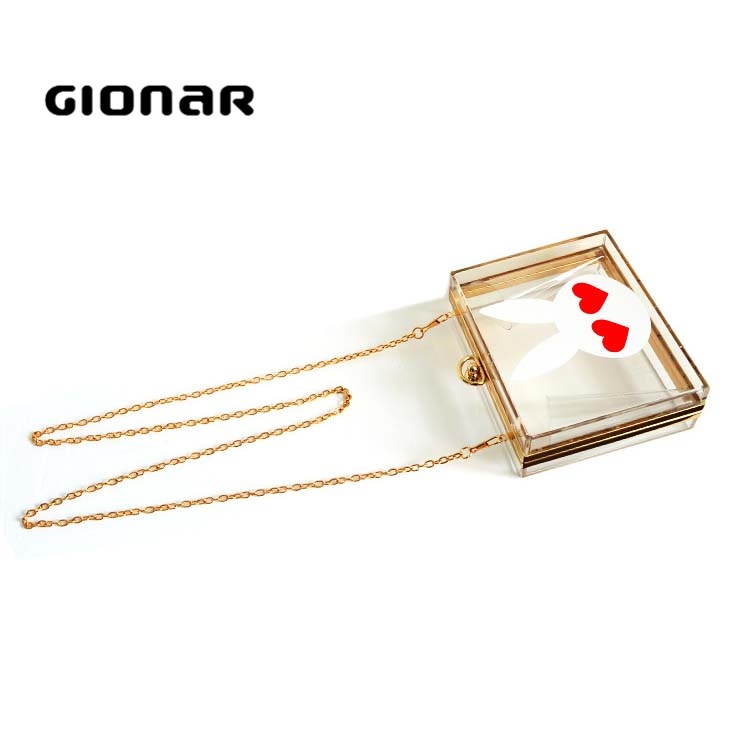
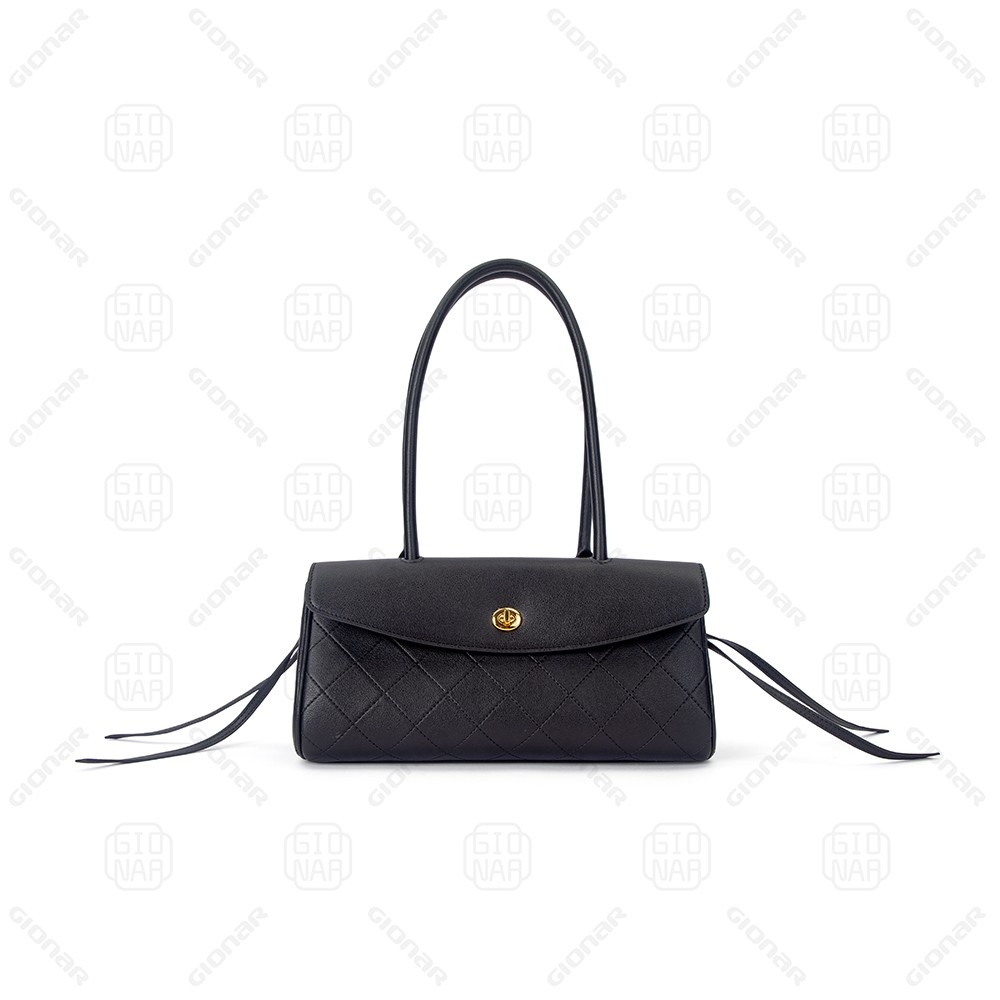
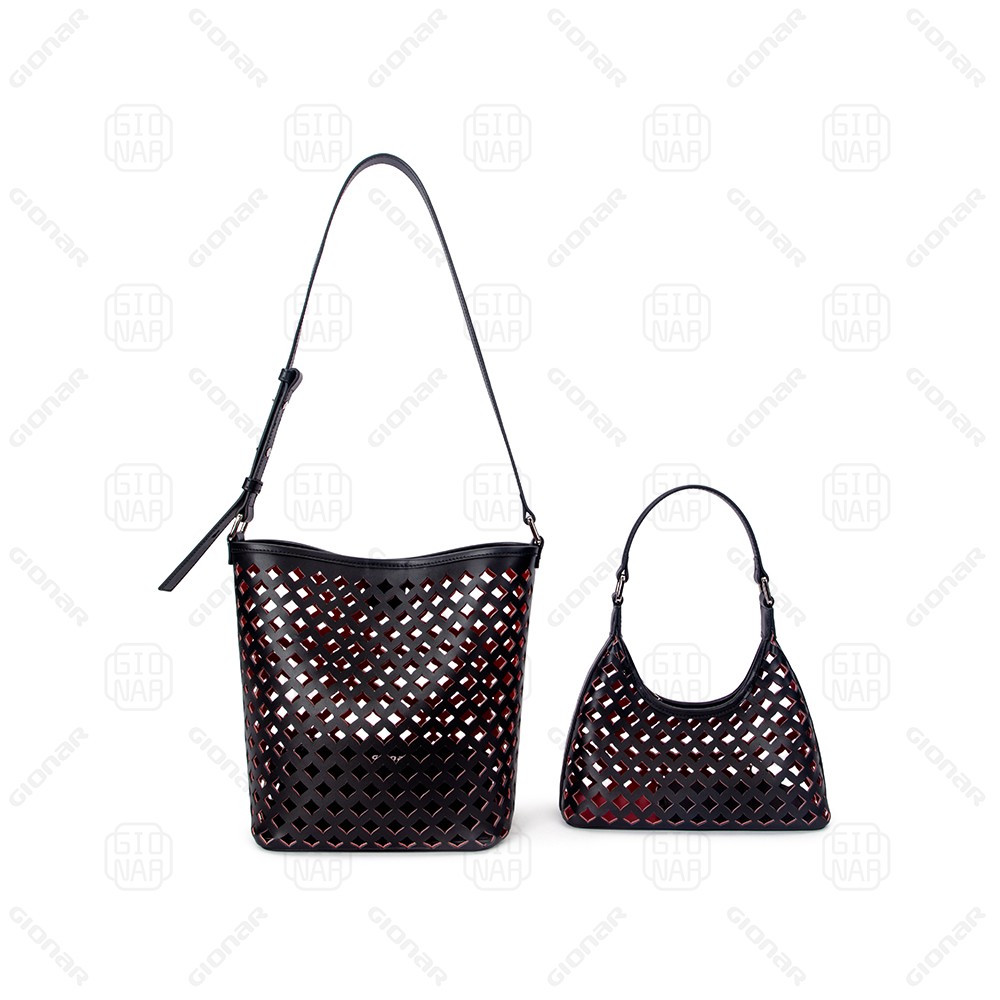
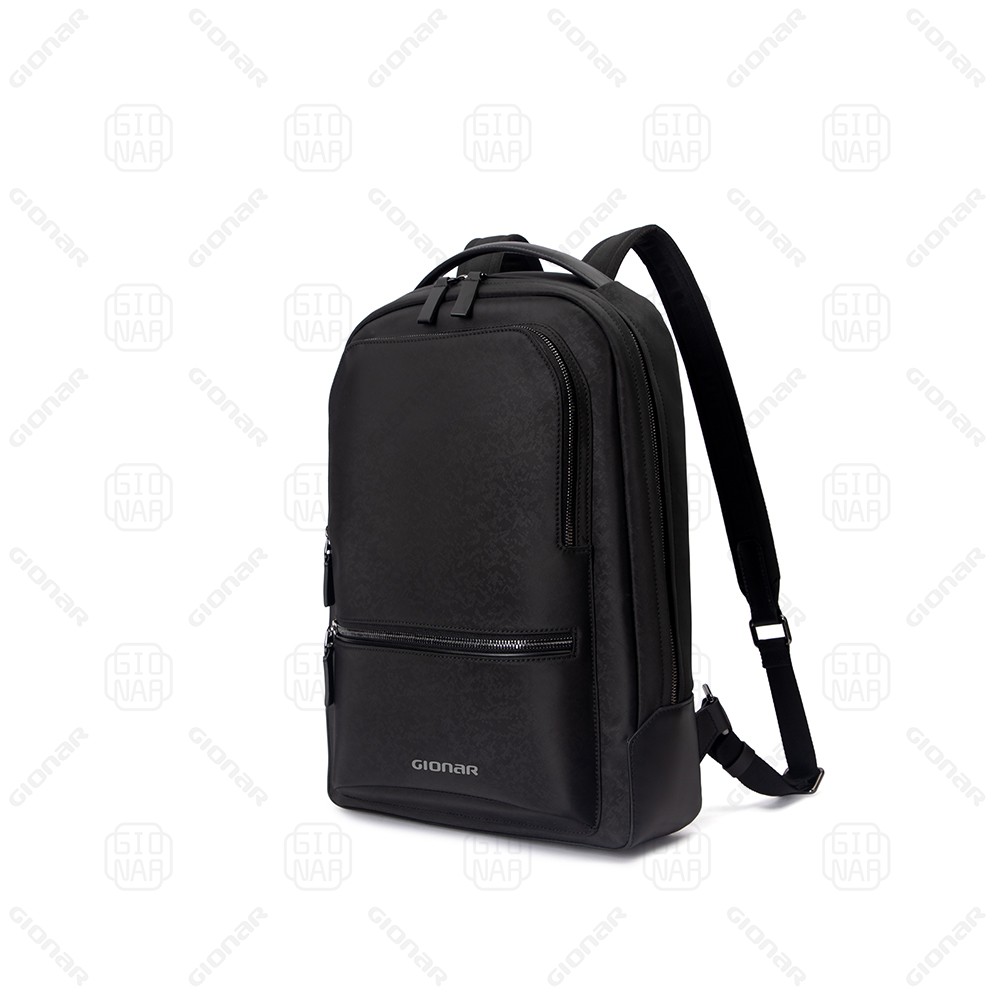
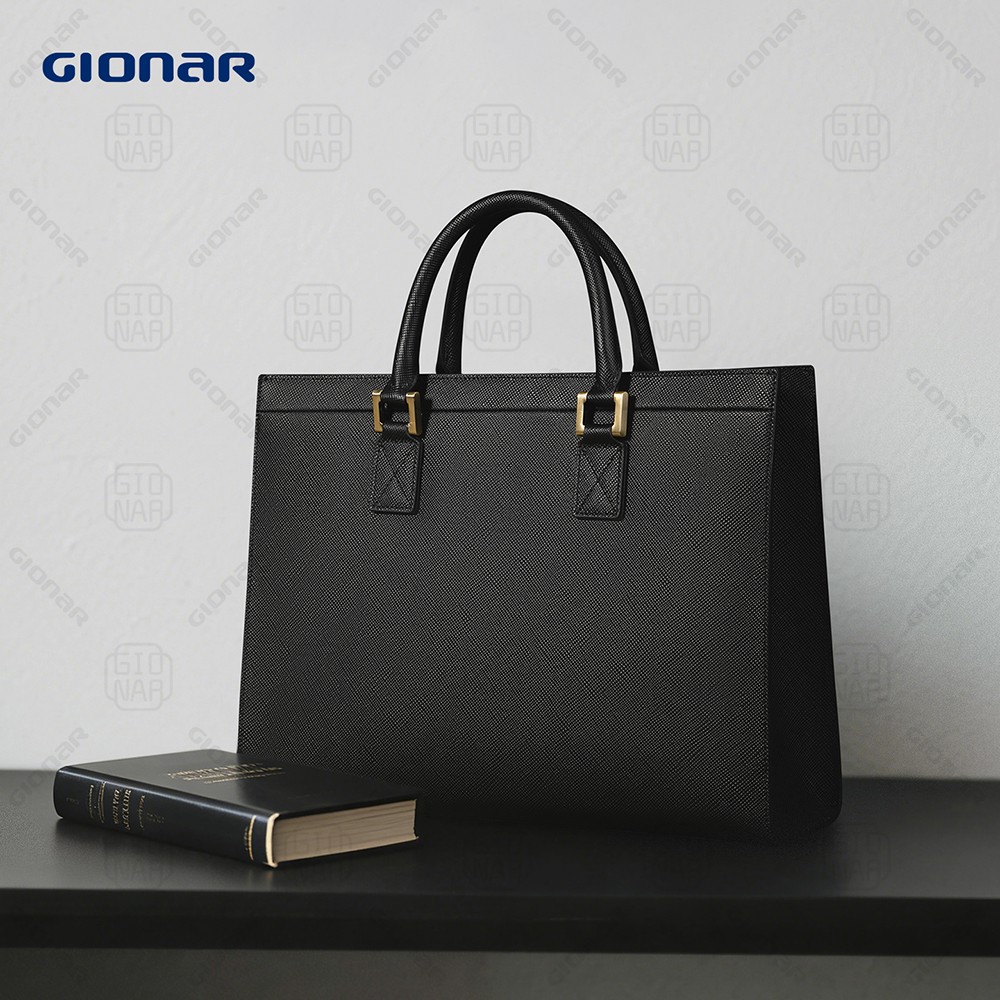
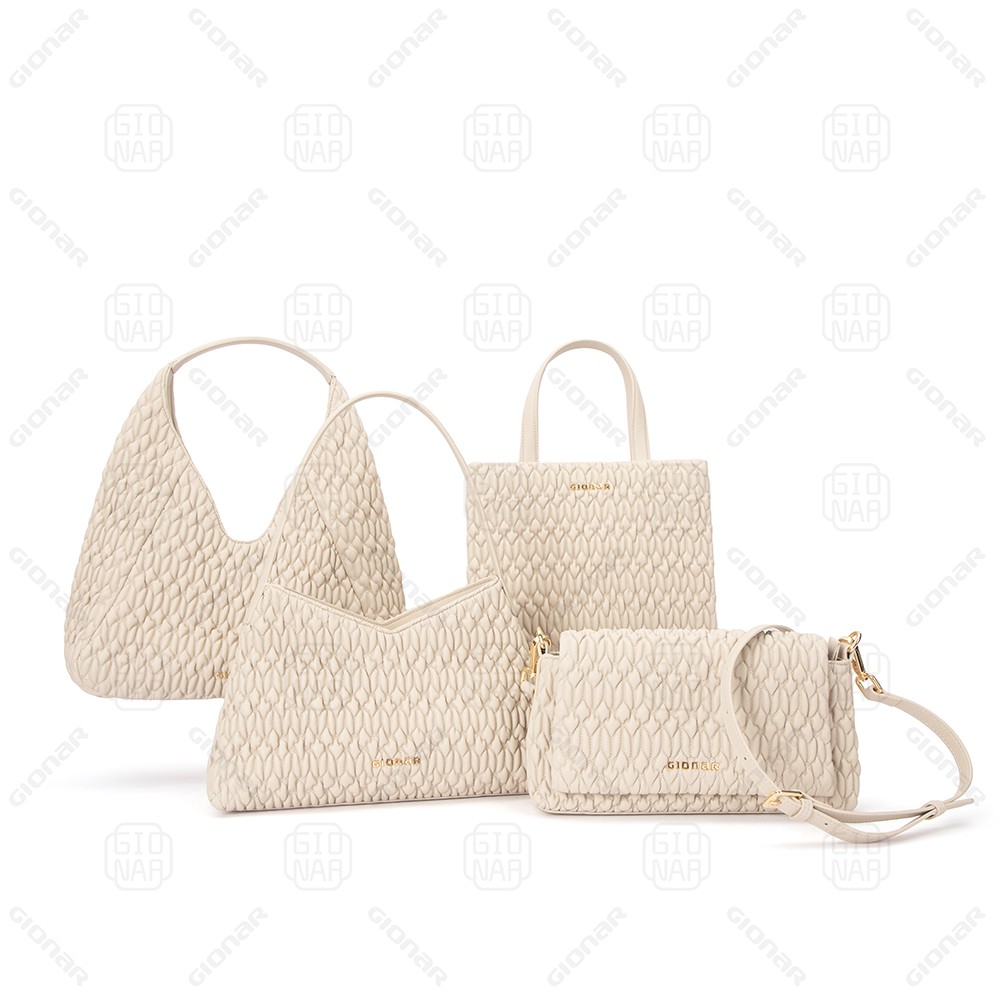
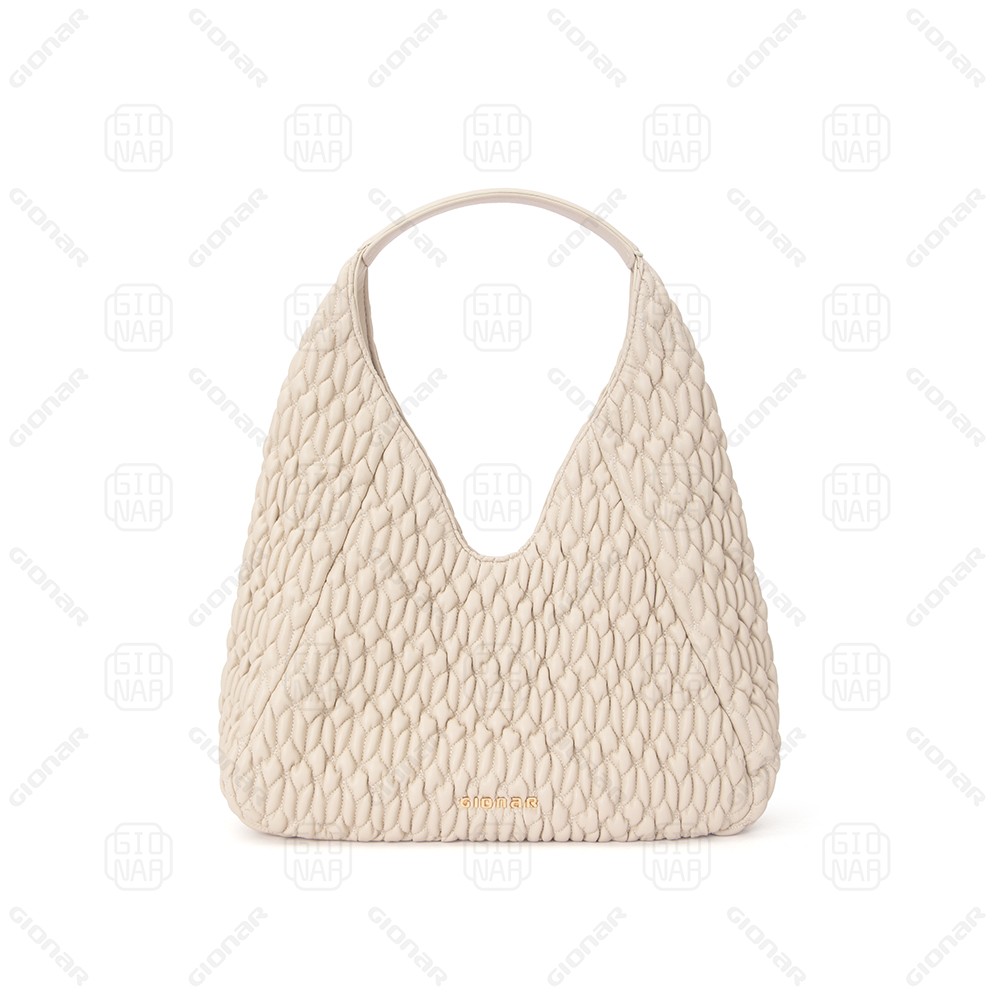
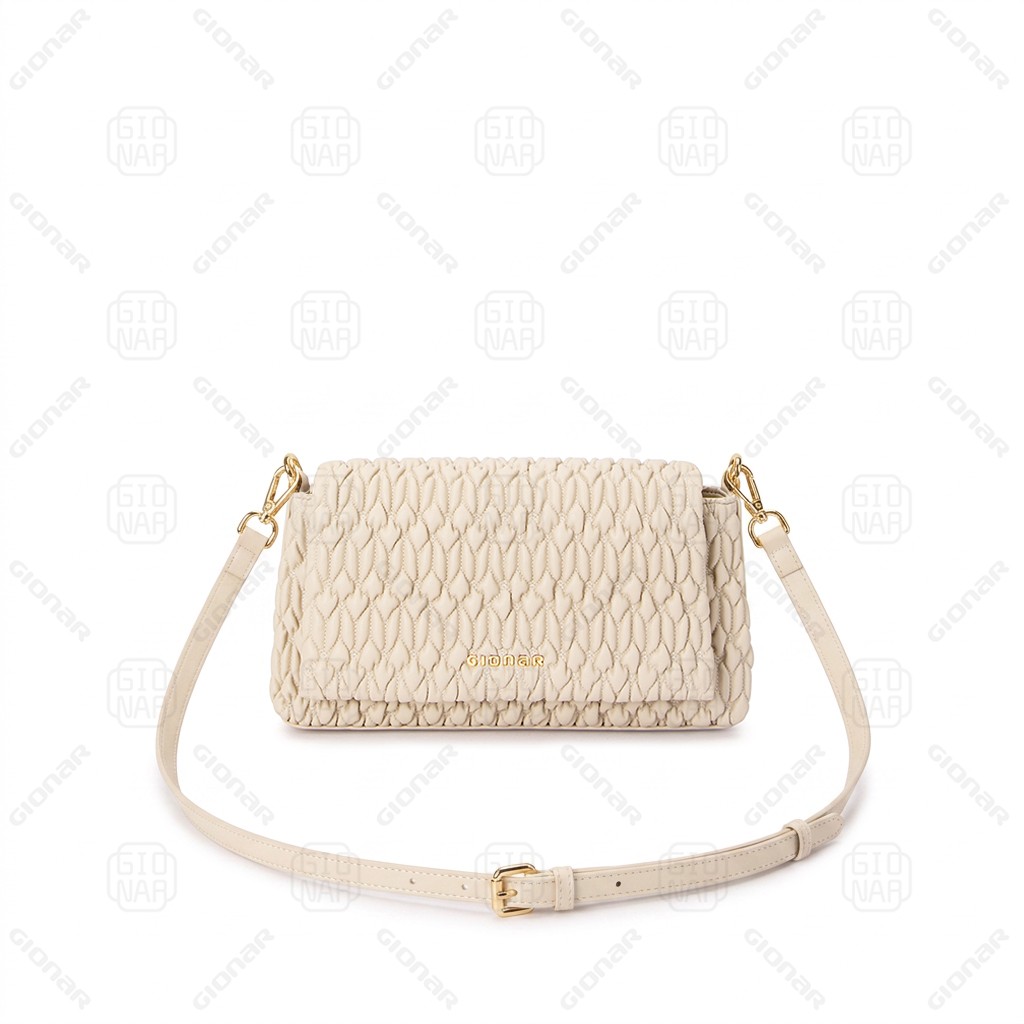
Yes, PU leather is typically used in handbags, backpacks and tote bags because it can offer a leather-like appearance at a relatively low cost. However, its durability and quality vary.
Affordability: The price of PU leather is much lower than that of genuine leather, making it suitable for a fashionable and avant-garde style.
Vegetarian and cruelty-free: No animal products are used. PU leather, as a synthetic leather, is more environmentally friendly compared to genuine leather, reducing harm to animals and aligning with modern consumers’ environmental protection concepts.
Light weight: Lighter than genuine leather, it can make larger bags more comfortable to carry.
Good water resistance: PU leather has excellent water resistance, which enables the bags made from it to withstand various weather conditions and be less prone to damage.
Easy to clean: PU leather bags are easier to clean and maintain than genuine leather bags. Just wipe them clean with a damp cloth.
Multiple styles: PU leather can be pressed into various patterns and textures, making the bags produced more diverse in style.
Not very durable: It will peel off, crack or wear out after 2 to 5 years of frequent use, and is not as long-lasting as genuine leather.
Non-breathable: It feels sticky in hot weather.
Prone to scratches: It shows that the wear is faster than that of genuine leather.
Non-biodegradable: Made of plastic (polyurethane), non-biodegradable.
Texture differences: Although PU leather strives to imitate genuine leather in appearance and feel, there are still certain differences and it cannot completely replace the noble texture of genuine leather.
| Factor | PU Leather Bags | Real Leather Bags |
|---|---|---|
| Durability | 1–5 years (depends on quality) | 10+ years (ages well) |
| Appearance | Looks new initially, but fades/cracks | Develops a rich patina over time |
| Maintenance | Easy to wipe clean | Needs conditioning to prevent drying |
| Price | Budget-friendly ($20–$100) | Expensive ($100–$1000+) |
| Eco-Impact | Plastic-based (not eco-friendly) | Natural but has ethical concerns |
Fashion/Trendy bag: A fashionable bag for occasional use, a good choice for short-term style.
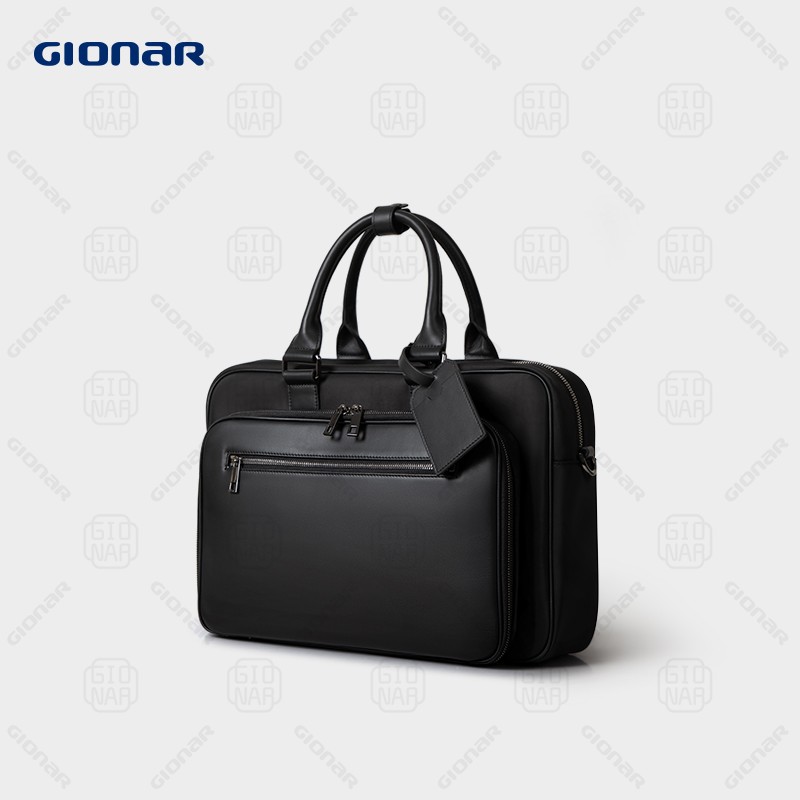
Work/office bag: An office bag that is not exposed to harsh environments, lightweight and professional.
Travel/Backpack: Affordable price, easy to replace.
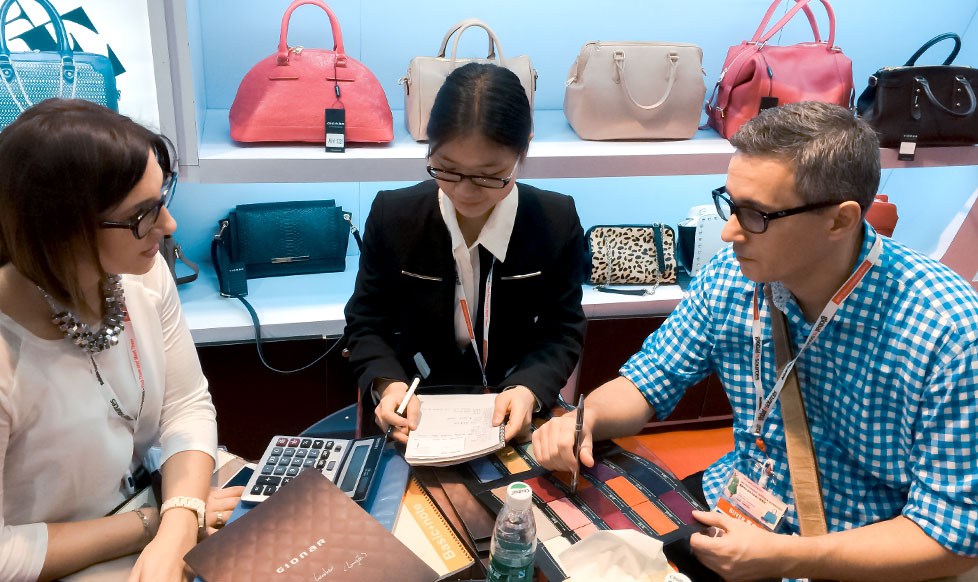
You can customize PU leather bags from manufacturer Gionar.
Gionar, a renowned leather handbag manufacturer headquartered in Guangzhou, China, offers customized PU leather bags. Gionar offers OEM and ODM services, allowing you to customize PU leather bags according to your specific requirements.
Materials: Genuine leather, PU leather, microfiber, etc.
Design: You can offer your own design or choose from Gionar’s existing styles.
Logo placement: Options include embossing, laser engraving and printing.
Hardware: Custom zippers, buckles and other metal components.
Packaging: Customized packaging solutions, such as dust-proof bags, gift boxes and thin paper.

Mobile Website

Inquires Whatsapp