- +86 13922774531
- info@gionar.com

English


English
November 11 , 2025
Cork leather is a natural, renewable, vegan and eco-friendly material derived from the bark of the cork oak tree (Quercus suber). It is light, soft and elastic in texture, with a unique natural texture and warm feel on the surface. At the same time, it has excellent wear resistance, water resistance, mold resistance and antibacterial properties. Cork leather is widely used in fashionable products such as handbags, wallets, shoes and watch straps, combining beauty and practicality.
Cork leather is not only 100% biodegradable, but also supports biodiversity and rural economies. It is an important material for sustainable fashion and is very suitable for making fashionable bags.
This post will explore the characteristics of cork leather and its performance in making bags.
Cork leather, also known as cork fabric or cork skin, is a natural, vegan and sustainable material made from the bark of cork oak trees. Its texture and appearance are similar to traditional leather, but it is lightweight, water resistance and durable, and is used as an environmentally friendly alternative to animal leather and synthetic (plastic-based) leather.
Cork leather, derived from the bark of the cork oak (Quercus suber), is mainly distributed in the Mediterranean region, including Portugal, Spain and Italy. This renewable resource has been harvested for centuries, providing bark to each tree every 9 to 12 years without harming its growth. The logging process is sustainable because the carbon dioxide absorbed by trees after being stripped can increase by up to five times, which helps with carbon sequestration and addressing climate change.
Cork leather is an innovative and eco-friendly material that offers a striking combination of sustainability, durability and unique beauty, making it a popular choice for ethical fashion and design.
Cork leather is a versatile material used for:
| ✅ Pros (Advantages) | ❌ Cons (Disadvantages) |
| Highly Sustainable & Renewable | Not as “Precious” as Full-Grain Leather (lacks the patina development) |
| Durable, Water-Resistant, & Lightweight | Can be Scratched (though minor scratches can often be smoothed out) |
| Vegan and Cruelty-Free | Limited Stretch compared to some leathers, which can affect complex designs. |
| Unique, Natural Look & Feel | Not as Widely Available as traditional leather, often at a higher price point. |
| Easy to Clean & Hypoallergenic | Not Biodegradable in Finished Form (due to the fabric backing and adhesive). |
Cork leather is a sustainable and environmentally friendly alternative to traditional leather, which is extracted from the bark of the cork oak. The production process of cork leather is both fascinating and environmentally friendly, involving several key steps that transform raw bark into a versatile and durable material.
The first step in making cork leather is to harvest the bark from the cork oak tree. This process takes place every 9 to 12 years to ensure that the trees are not damaged and can continue to grow and produce cork for centuries. Professional collectors carefully cut the bark into large pieces using traditional cutting methods, keeping the trees intact and preparing them for future harvests.
After harvest, the cork bark is peeled off to remove any remaining outer layers or impurities. Then piece the bark together into smaller parts and separate the usable cork from the useless ones. This step helps prepare the cork for further processing into thin, flexible boards.
Then, the assembled cork is boiled to soften the material and enhance its elasticity. After boiling, let the cork air dry naturally for several months. This drying stage is crucial as it can stabilize the cork and make it easier to work in the subsequent steps.
After drying, flatten the cork and press it into blocks. Then, use a special machine to cut these pieces into thin slices. The thickness of these thin sheets can vary according to the intended use of the cork leather, but usually ranges from 0.7 to 1mm.
To produce cork leather, a fabric substrate is attached to thin cork sheets. This kind of liner is usually made of cotton or polyester-cotton blend, providing additional strength and stability to the material. In some cases, the bonding process does not require the use of glue because cork stoppers contain lignin, a natural adhesive that helps bond the layers together. However, in other cases, special adhesives can be used to ensure a strong bond.
The final step in making cork leather is to complete the product. This may involve dyeing cork to achieve different colors, embossing patterns on the surface, or applying protective coatings to enhance its durability. Once completed, the cork leather is cut into various shapes and sizes, ready for a wide range of applications, from fashion accessories to home decoration items.
Essentially, cork leather is the result of a combination of traditional and natural harvesting methods with simple and clean manufacturing techniques, creating a unique and sustainable fabric.
Yes, cork leather is generally regarded as a durable material. Its unique cellular structure and the processing methods used in the manufacturing process contribute to its elasticity, making it suitable for various products such as bags, wallets and shoes.
Cork leather is made of densely filled air-filled cells, which makes it both lightweight and elastic.
It can be bent and twisted thousands of times without cracking, unlike some synthetic leathers that peel off or split over time.
It is tear-resistant and maintains its shape well.
Natural water resistance – Cork contains lignin, a waxy substance that prevents it from absorbing liquids.
This enables it to resist stains, mold and odors, thereby extending its service life.
Due to its elastic surface, it has astonishing scratch resistance.
Cork does not fade quickly because it is a natural material with stable pigments rather than surface dyes.
It requires very little care – usually just wiping with a damp cloth is enough.
With proper care, cork leather products can last for 10 years or longer.
Although it is not as durable as top-quality animal leather, it is more durable than most synthetic leathers (PU or PVC).
Because it is renewable and biodegradable, it can wear out gracefully instead of cracking or peeling off into microplastics like artificial leather.
| Durability Aspect | Description and Key Features |
| Abrasion & Wear Resistance | Performs well in friction tests (e.g., Crockmeter). Surface is waterproof, stain-resistant, and easy to clean |
| Structural Integrity | Flexible and not brittle; can be made into fabric that is soft, smooth, and pliable without cracking |
| Longevity | Known for long service life; used in flooring for over 70 years in some cases. |
The durability of cork leather comes from its natural components.
Cork leather may be more expensive than traditional synthetic leather, but it is usually not as expensive as high-end animal leather. Cork leather is usually positioned as a high-quality and professional material. It is usually not a low-cost option, but its price is influenced by factors such as quality, quantity, processing method and application.
According to market data, the price of cork leather varies significantly due to different thicknesses and processing techniques:
In the cost structure, raw material costs account for approximately 40% (cork raw materials need to go through processes such as peeling, drying, and slicing), processing costs (dyeing, embossing, and coating) make up 30%, and the remaining 30% is brand premium and logistics expenses.
| Context | Price Example | Key Details |
| Wholesale (Material/Unfinished Product) | $2.08 / piece | Sourced from a manufacturer; minimum order of 5,000 pieces is required. |
| Finished Consumer Goods (Footwear) | Approx. $150 – $250+ | Examples include Birkenstock clogs ($165), HOFF trainers (NT$2,565, approx. $80, on sale from NT$5,130), and Tory Burch sandals (¥826.98). |
The price of cork leather is determined by several key factors, which explains why it is at a premium level:
| Category | Cork Leather | Traditional Leather |
| Wholesale (per meter) | €10-50 | €15-60 (cowhide), €50-200+ (exotics) |
| Bags (retail) | $50-200 | $80-500+ |
| Environmental Cost | Low (renewable, minimal pollution) | High (water-intensive, toxic chemicals) |
| Longevity | 2-5 years (with care) | 5-15 years (heavy-duty leather) |
| Price Drivers | Limited supply, eco-process, vegan appeal | Animal welfare, tanning methods, rarity |
Yes, if you value:
Not necessarily. If you:
Yes, cork leather is widely regarded as an environmentally friendly material. Its sustainability stems from the renewable harvesting process and its natural and biodegradable characteristics.
The raw material of cork leather is taken from the bark of the cork oak tree (Quercus suber), which mainly grows in the Mediterranean region (such as Portugal and Spain). The bark of the cork oak tree has a unique regenerative ability: it can be peeled off every 9 to 12 years, and the tree will continue to grow after peeling, with a lifespan of over 200 years. This characteristic makes cork an inexhaustible and environmentally friendly resource.
Compared with traditional leather and synthetic leather, the production process of cork leather significantly reduces its impact on the environment:
The eco-friendly nature of cork leather runs through its entire life cycle:
| Feature | Description | Environmental Benefit |
| Renewable Harvesting | Bark is stripped from Cork Oak trees by skilled laborers every 7-9 years without cutting down the tree. | The trees continue to live and grow, making it a truly renewable resource. |
| Biodegradable & Non-Toxic | A natural material without containing toxic or harmful substances like some synthetic leathers. | Safer for the environment and consumers; reduces reliance on petrochemical-based alternatives. |
| Byproduct Utilization | Made from the bark, a byproduct of the cork industry (e.g., for wine stoppers). | Makes efficient use of agricultural material, contributing to a circular economy. |
| Aspect | Cork Leather | Traditional Animal Leather |
| Sourcing | Harmless to trees, renewable every 9-12 years | Requires animal slaughter |
| Carbon footprint | Negative (absorbs 3-5× more CO₂ than produced) | Positive (high emissions from farming and tanning) |
| Water usage | Minimal (harvesting and basic processing) | Extreme (15,000L+ per ton of leather) |
| Chemicals | None or minimal natural adhesives | Toxic cocktails (chromium, formaldehyde, etc.) |
| Waste | Biodegradable byproducts | Harmful effluents polluting waterways |
| Biodegradability | 100% natural breakdown | Yes, but tanning chemicals leach into soil |
| Animal welfare | Vegan-friendly, no animal harm | Directly supports animal agriculture |
Yes, cork leather is naturally water resistant, but it is not completely waterproof. Due to the structure of the cork cells, cork itself has some inherent waterproof properties, which include air cavities that help prevent water from easily penetrating. This makes cork leather quite durable and resistant to slight moisture, such as rain or spills. Cork leather can be used to make various accessories. This waterproof property comes from its natural ingredients and is enhanced during the production process.
The water resistance of cork leather stems from its unique natural structure and modern production techniques.
The water resistance of cork leather is attributed to two key structural elements:
This natural resistance means that the cork skin does not need chemical treatment to repel water.
| Water-Resistant (Cork Leather’s Natural State) | Waterproof (Industrial Standard) |
| Repels light rain and brief splashes | Withstands complete submersion |
| Surface beads water but may eventually absorb | No water penetration even under pressure |
| Safe for everyday use in normal weather | Required for specialized applications (e.g., diving gear) |
| Natural property from suberin and cellular structure | Often requires chemical treatments or laminates |
Some manufacturers offer “waterproof” cork leather through:
These processed versions are used for specific applications such as umbrellas, raincoats and outdoor furniture.
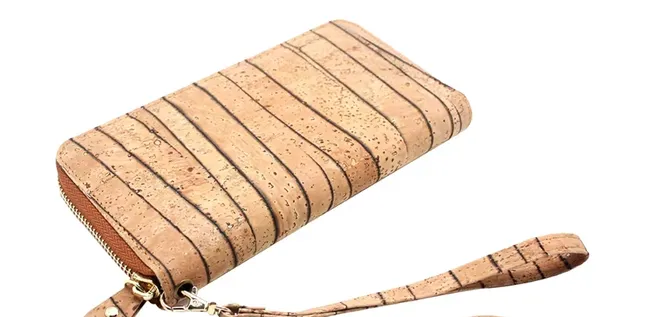
Yes, cork leather is an excellent innovative material. It offers a unique combination of sustainability, durability and aesthetic appeal, making it a powerful choice for both everyday and avant-garde fashion bags.
| Advantage | Why It’s Good for Bags |
| Eco-Friendly & Sustainable | The harvesting process protects cork oak trees, which absorb more CO₂ as they regenerate. This is a major selling point for environmentally conscious brands and consumers. |
| Highly Durable & Water-Resistant | Its natural waxy substance (suberin) and laminated fabric backing make it naturally waterproof, stain-resistant, and scratch-resistant. This ensures a bag can handle daily use and unexpected spills. |
| Lightweight & Flexible | Cork leather is significantly lighter than traditional animal leather. This makes for a comfortable bag to carry, even when fully packed. |
| Unique Aesthetic | No two pieces are identical. It has a beautiful, natural grain pattern that provides a high-end, artisanal look, helping products stand out. |
| Vegan & Cruelty-Free | As a plant-based material, it appeals directly to the growing market of vegan and ethically-minded shoppers. |
| Disadvantage | Consideration for Bag Making |
| Premium Cost | It is generally more expensive than synthetic leathers and can be comparable to mid-range genuine leather. This impacts the final price point. |
| Not as “Precious” as Full-Grain Leather | It doesn’t develop the same patina over time as high-quality animal leather. Some consumers highly value this characteristic. |
| Can Be Scratched | While durable, the surface can be scratched. However, minor scratches can often be smoothed out with light pressure. |
| Limited Stretch | It has less give than some leathers, which can influence complex design choices and the break-in period for structured bags. |
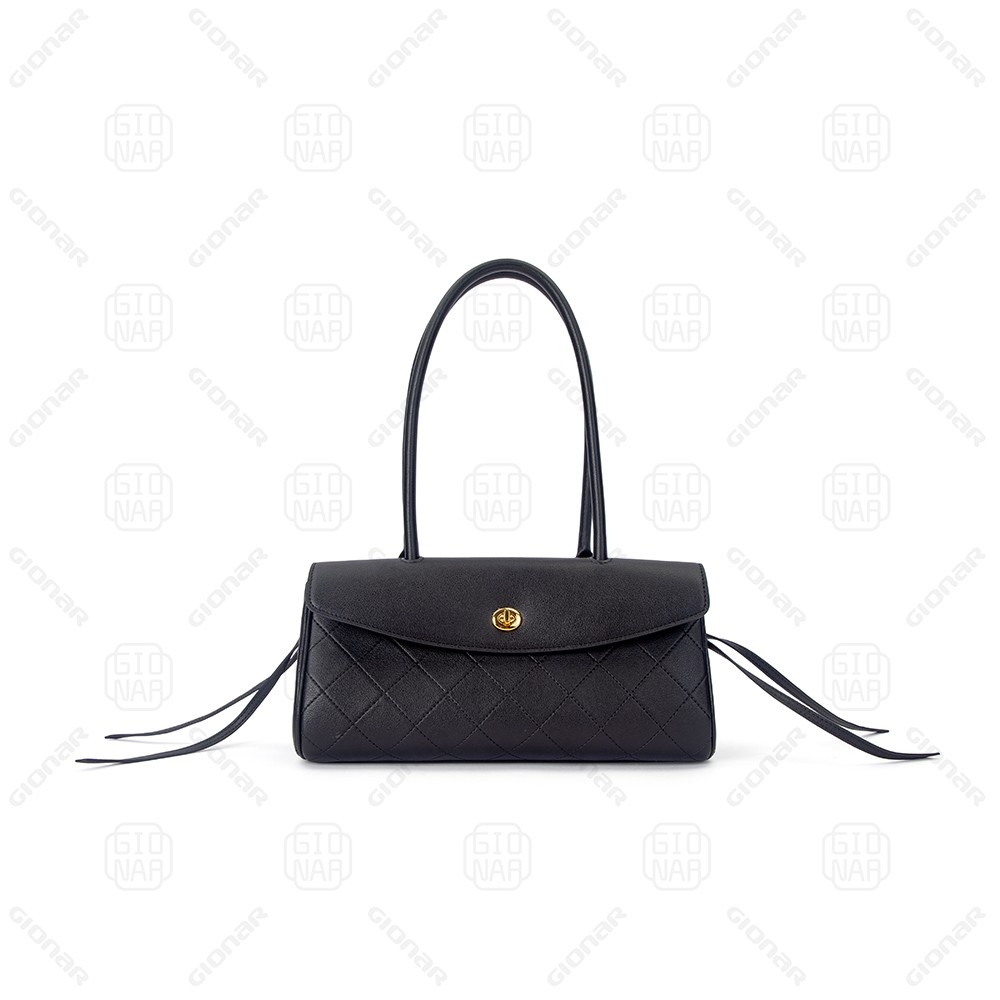
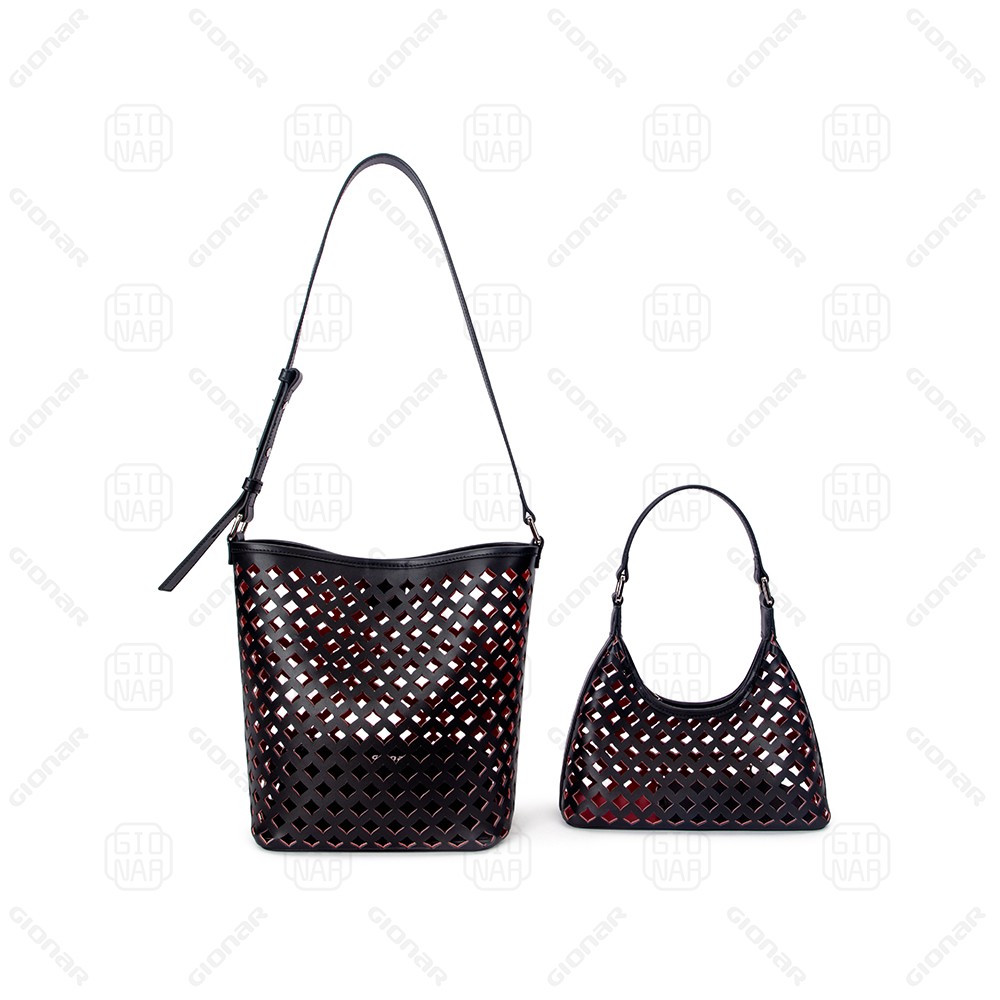
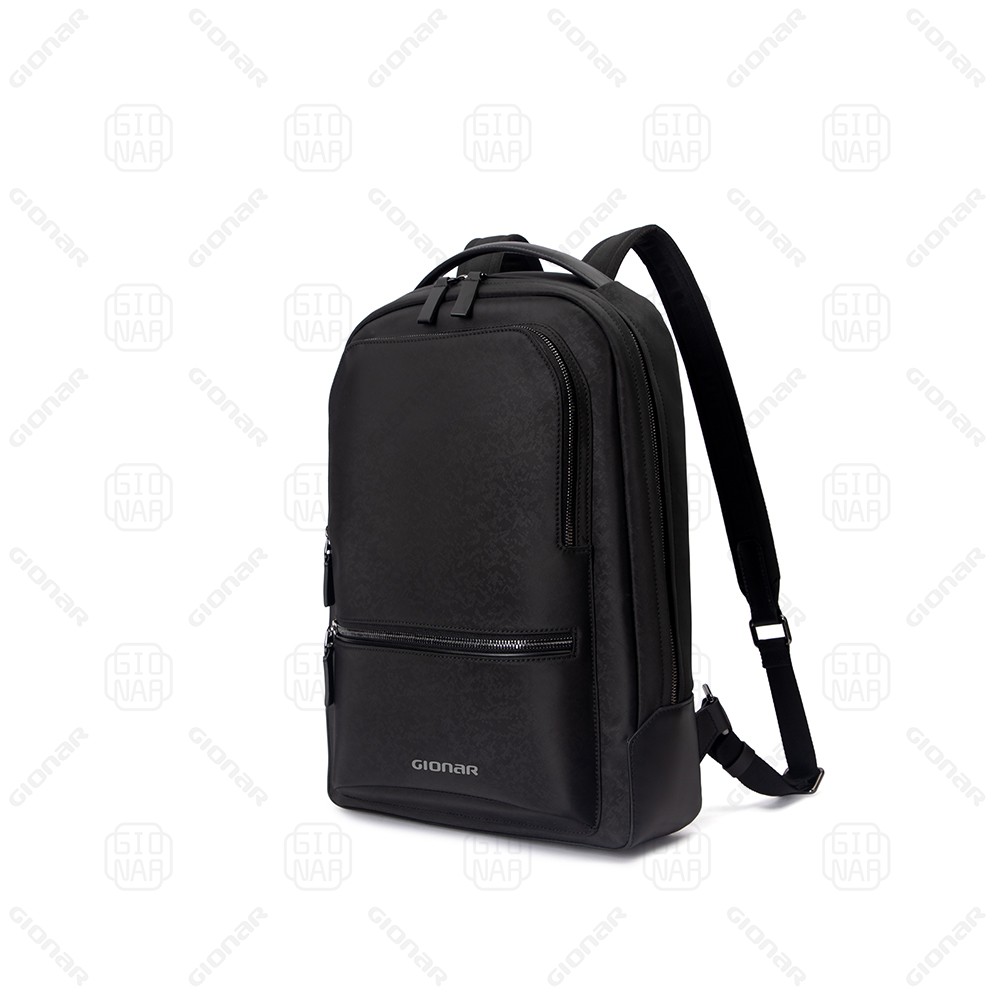
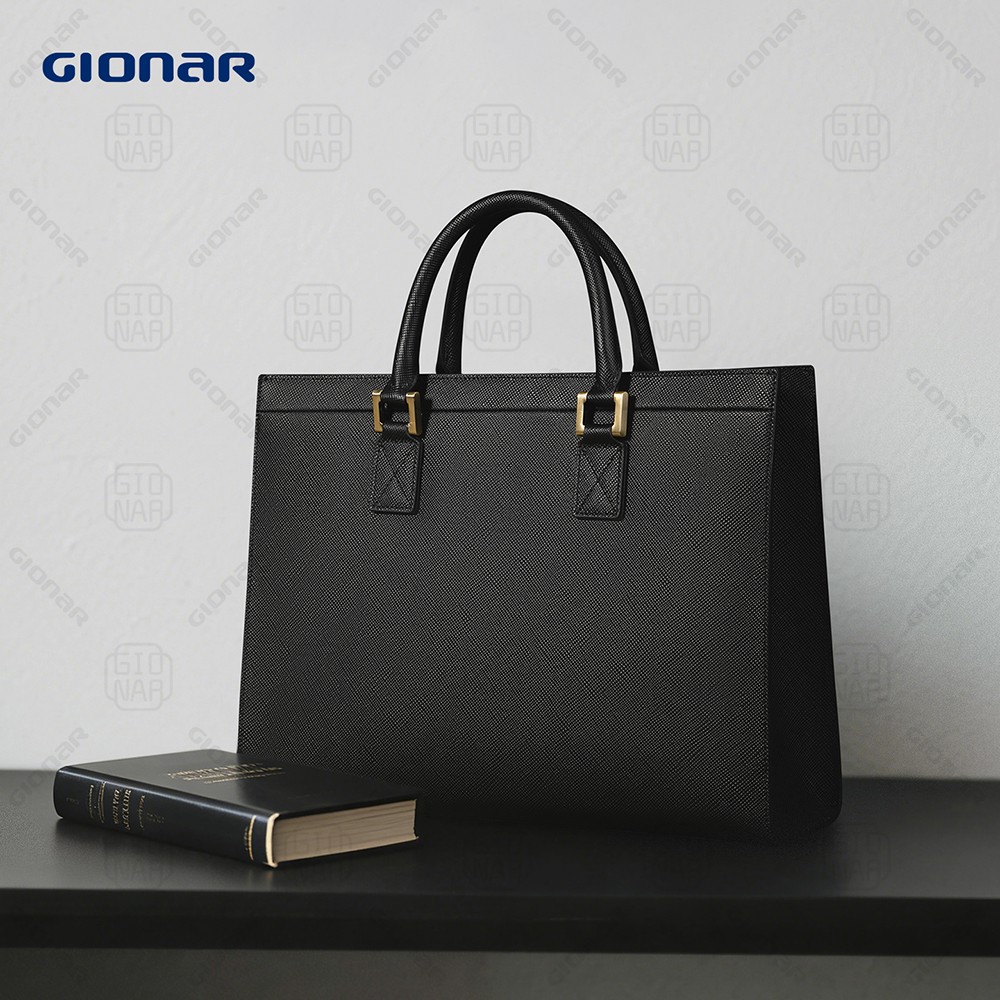
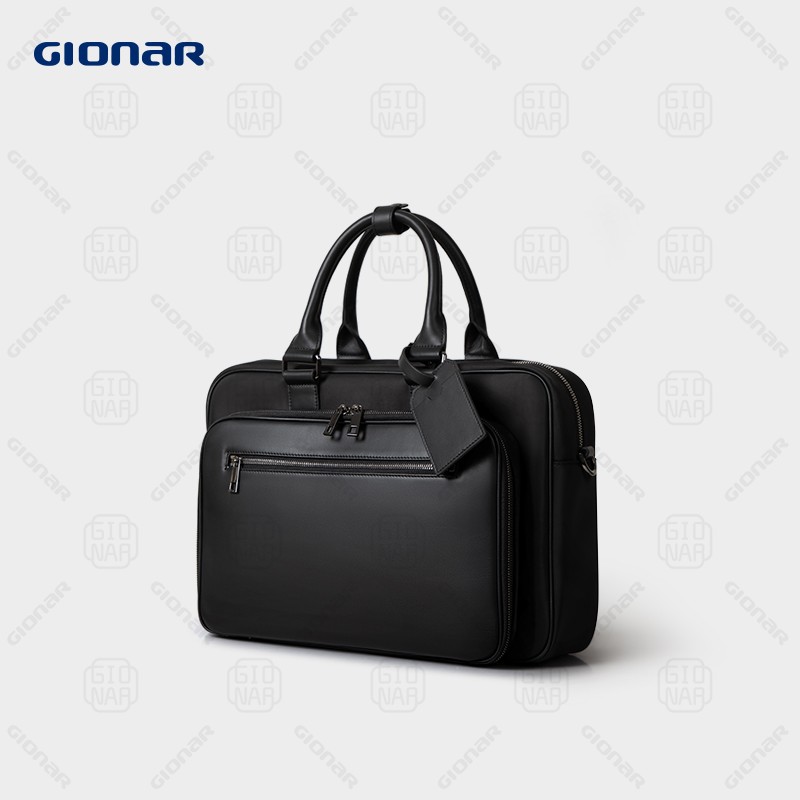
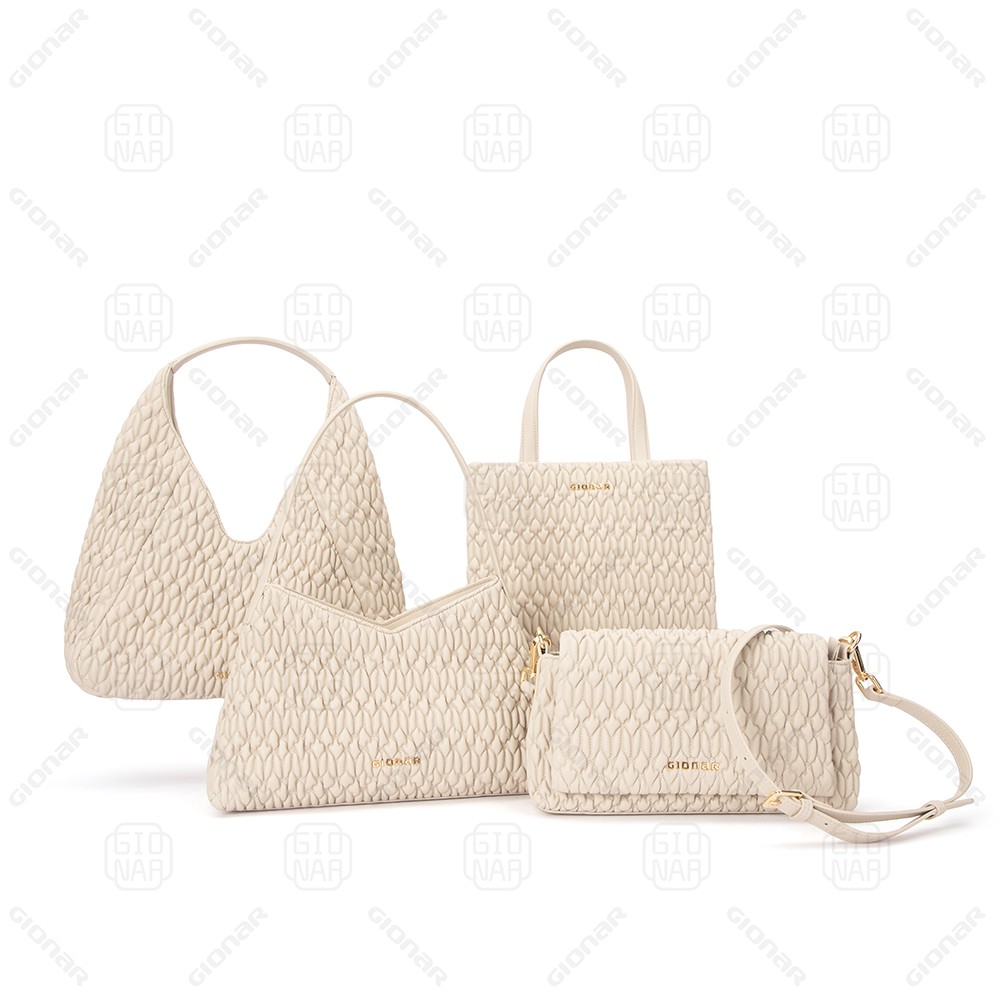
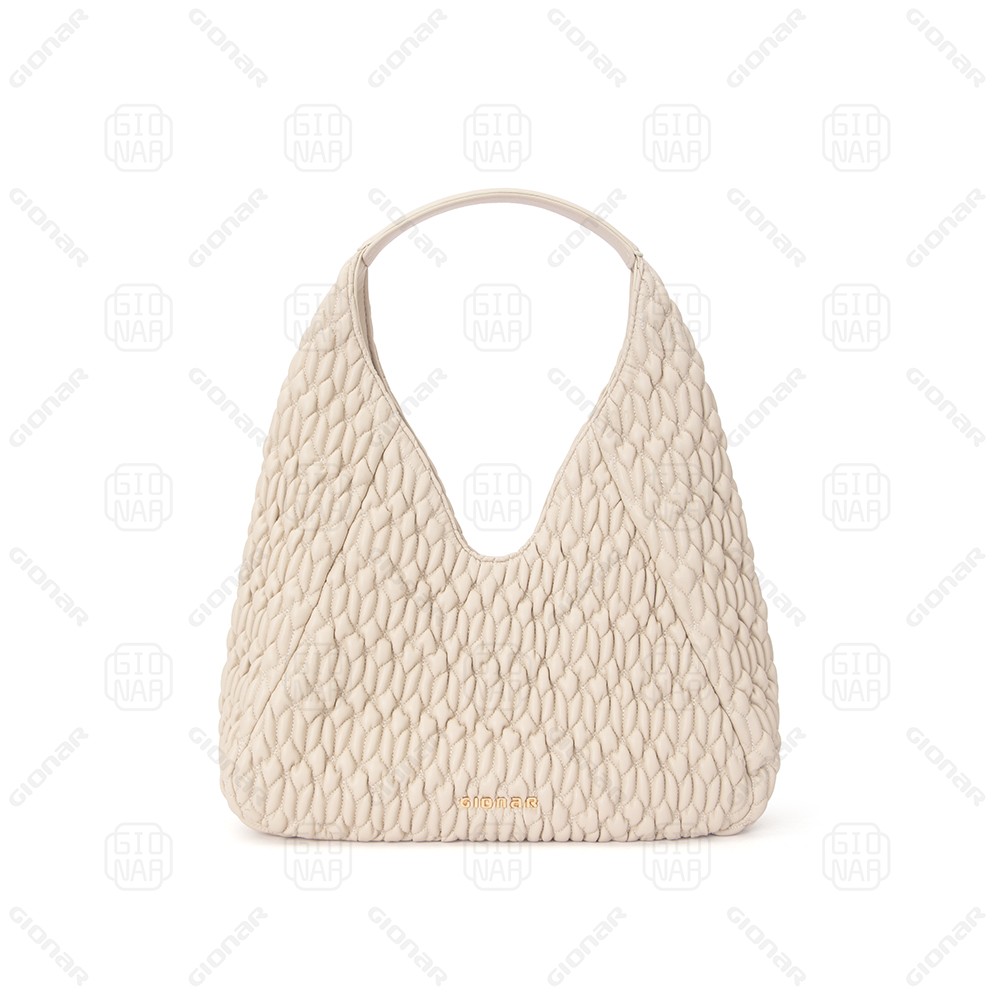
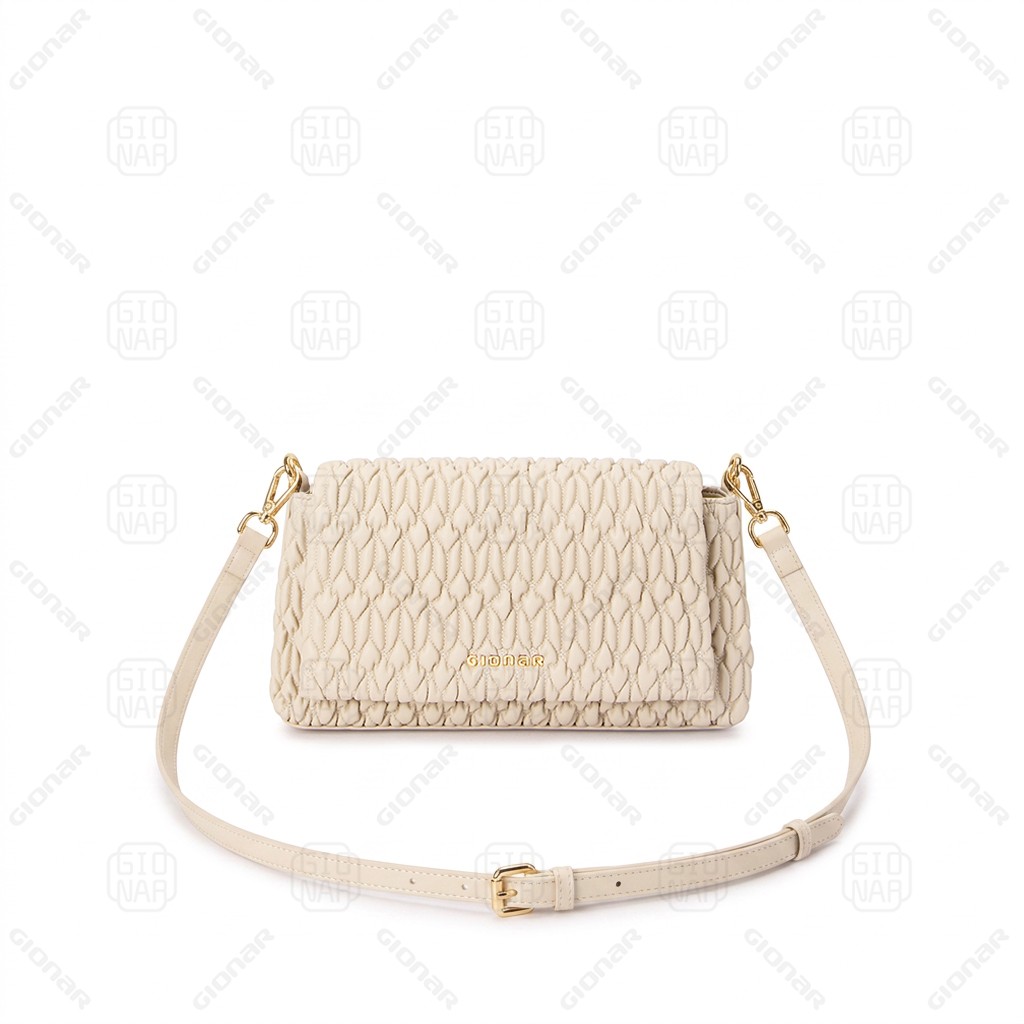
Cork leather is highly suitable for making handbags, crossbody bags, backpacks and handbags. It offers the look and feel of high-quality leather with a much smaller environmental footprint. For eco-friendly shoppers who pursue fashion, functionality and ethics, cork leather bags are a wise and future-oriented choice.
Cork leather represents the perfect blend of sustainability, innovation and style. Its eco-friendly production process, combined with its durability and aesthetic appeal, makes it an attractive choice for both consumers and designers. As the demand for sustainable materials grows, cork leather will play a significant role in shaping a more environmentally friendly future. By choosing cork leather products, we can enjoy high-quality, time-tested fashionable items while contributing to the protection of our planet.
If you are running your own bag business and considering using a sustainable leather material to make bags, the excellent performance of cork leather indicates that this material is very suitable for making bags. Welcome to contact Gionar to discuss more details about your bag manufacturing and cooperation.



Mobile Website

Inquires Whatsapp