- +86 13922774531
- info@gionar.com

English


English
April 26 , 2025
Luxury handbags represent top-notch craftsmanship and status symbols. The three top luxury brands, Hermes, Chanel and Louis Vuitton, mainly feature handcrafted rare leathers (such as crocodile leather and calfskin), and Classic models like Birkin and Classic Flap are always at a premium. So, where are these luxury bags made? Does anyone have this doubt?
The following are the top ten luxury bag brands of 2025 ranked by heritage, craftsmanship, iconic design and market influence:
Iconic bags: Birkin, Kelly, Constance
Why? French handcrafted, rare leathers (such as crocodile skin, ostrich skin), a waiting list of 1-2 years, unparalleled resale value.
Classic Pack: Classic Flap, 2.55, Boy Pack
Why? Eternal quilting + sheepskin/caviar leather, French craftsmanship, annual price increase.
Iconic bags: Speedy, Neverfull, Capucines
Why? The durability of Monogram canvas, a French tradition, is globally recognized.
Iconic bags: Lady Dior, Book Tote, Saddle
Why? Cannage stitching, bold design, and the modern style of Maria Grazia Chiuri.
Iconic bags: GG Marmont, Dionysus, Jackie
Why? The magnificence of Italy, the revival of the Michel era, and the appeal of the logo craze.
Iconic bags: bags, cassette tapes, Judy
Why? “Quiet luxury”, interior weaving, no logo, exquisite Italian leather.
Iconic bags: Reissue, Galleria, Cleo
Why? Minimalist nylon/suede, intellectual aesthetics.
Iconic bags: Jigsaw Puzzle, Door, Flamenco
Why? Spanish avant-garde design, butter leather, and the creativity of Jonathan Anderson.
Iconic bags: Sac de Jour, LouLou, Kate
Why? Parisian fashionable rocks, smooth contours, and durable textured leather.
Iconic bags: brilliant, Tempete
Why? The oldest luxury handbag brand (1829), Belgium.
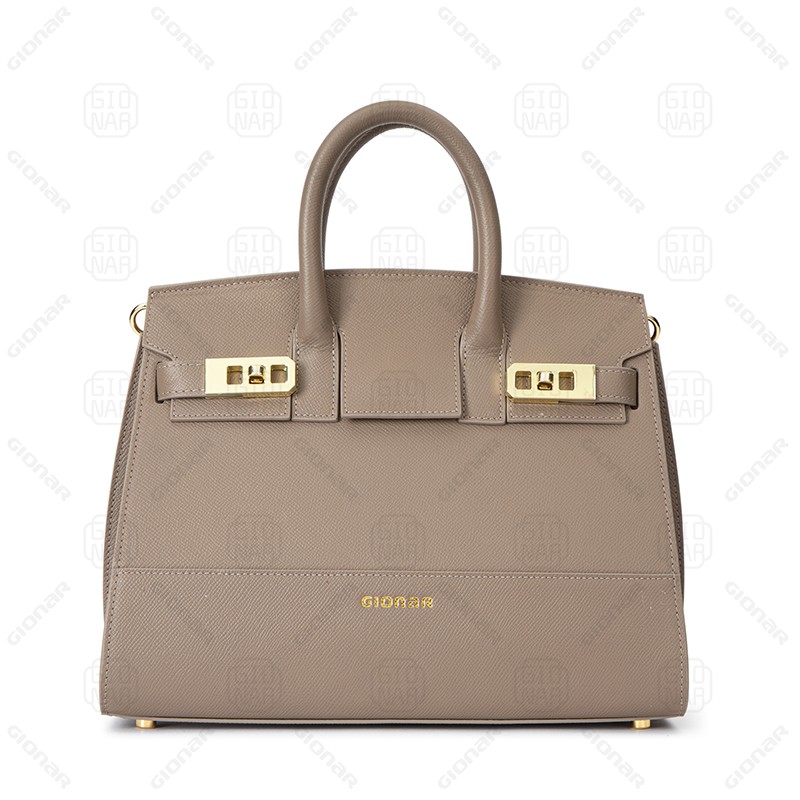
Classic styles: Birkin, Kelly, Constance
Features: Handcrafted, produced in France/Italy. Customization waiting time can reach several years.
Classic styles: Classic Flap, 2.55, Boy Bag
Features: Made in France, made of lambskin/tweed, with an annual price increase.
Classic models: Speedy, Neverfull, Capucines
Origin: France, Spain, the United States (some parts are manufactured in China).
Classic styles: Lady Dior, Book Tote, Saddle
Features: Made in Italy/France, the rattan checkered stitching is the signature.
Classic styles: GG Marmont, Dionysus
Origin: Italy/China (for some series).
Classic models: Re-Edition, Galleria
Features: Made in Italy, the nylon bag is the representative work.
Classic styles: Sac de Jour, Kate
Origin: Italy/France, mainly in dark style.
The most luxurious bag brand is Hermes, renowned for its unparalleled exclusivity, craftsmanship and investment value.
Birkin & Kelly bags require years of waiting list or VIP purchase history.
Each bag is elaborately made by a French craftsman (each bag takes more than 20 hours).
Use the rarest leathers (such as those from Borusus crocodiles and Nile Tyx lizards).
The birkin bag appreciates by 10-20% annually (outperforming stocks/gold).
The price of an antique hermes at an auction is 2 to 3 times its retail price.
Never offer discounts – unlike Chanel /LV, which offer discounts in discount stores.
There is no signature package of e-commerce (strict premium policy).
Although many top brands claim to be produced in places like Italy and France, it has been pointed out that many luxury bags have some production lines in China, which are responsible for manufacturing some leather products. According to him, many luxury bags are actually made in China, but brands seldom publicize this fact.
Why choose to produce high-end bags in China? Superb craftsmanship: Chinese artisans are skilled in leather making (workers have been trained in Guangzhou/Dongguan factories for many years).
Cost efficiency: Labor/operating costs are lower than those in Italy/France.
Supply chain advantage: 70% of the global leather goods hardware (zippers, chains) comes from China.
Brand exploitation of loopholes: Bags assembled in Italy with parts made in China can legally be labeled “Made in Italy”.
For example: A bag “Made in Italy” might use Chinese leather, hardware, and even pre-sewn panels – only the final assembly is carried out in Europe.
Check the “Country of Origin” label hidden in the pocket (usually sewn under the lining).
Investigate the factory information of this brand, but it will be very limited.
The reasons why luxury bags are not produced in China involve multiple factors such as brand premium strategy, consumer psychology and historical image building. The following is a key analysis:
Traditional narrative: The core value of luxury goods is based on the “European craftsmanship spirit” (such as French handcrafting and Italian leather), and “Made in China” will break this century-old narrative.
Consumer bias: Some buyers still believe that “Made in China = poor quality”, despite the fact that Chinese factories have been able to produce top-quality leather (for example, Guangdong contract manufacturers supply several luxury brands).
Price contradiction: If a Chinese-made bag is priced at 3,000 US dollars, consumers may question, “Why not buy one made in Italy?”
Label game: The EU /US stipulates that the “major processing location” determines the origin label. When the brand transports the semi-finished products produced in China to Italy for the final sewing, it can legally label “Made in Italy”.
Industry secret: According to the “Truth about Luxury Goods” report, over 60% of “Made in Italy” bags rely on Chinese OEM components.
Avoid imitation: Publicly disclosing Chinese contract manufacturers may raise the risk of plagiarism (for instance, the speed at which Baiyun District in Guangzhou once replicated best-selling products was extremely fast).
Bargaining power: Not disclosing the contract manufacturer can prevent competitors from poaching high-quality supply chains.
Regional differences: The same brand may exclusively supply its Chinese production lines to the Asian market, while selling European production lines in Europe and America (such as Coach’s US version vs.) (Asian version)
Case: A certain British brand was exposed for producing a secondary line in China, while the main line was still labeled as “British handmade”.
There are also some people who insist that “not acknowledging ‘Made in China‘” is essentially a marketing strategy to maintain the illusion of the scarcity of luxury goods. However, with the upgrading of Chinese craftsmanship and the improvement of consumers’ awareness, this strategy is slowly disintegrating.
The cost of making a luxury bag varies greatly depending on the brand, materials and labor force. The cost of a luxury bag approximately includes the following three aspects:
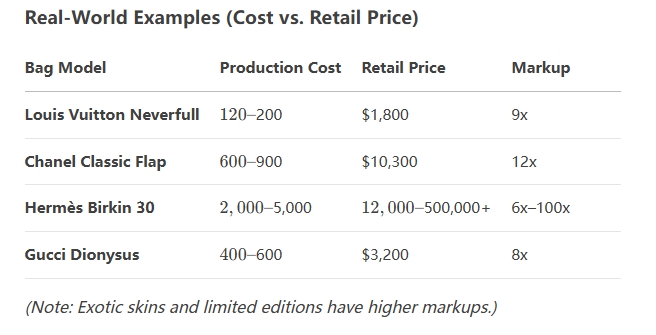
Scarcity strategy: Hermes artificially restricts the Birkin bag to boost demand.
Brand equity: Consumers pay for trademarks and traditions.
Retail experience: Premium staff, packaging, and after-sales service increase costs.
It is worth noting that the highest cost lies in brand value!
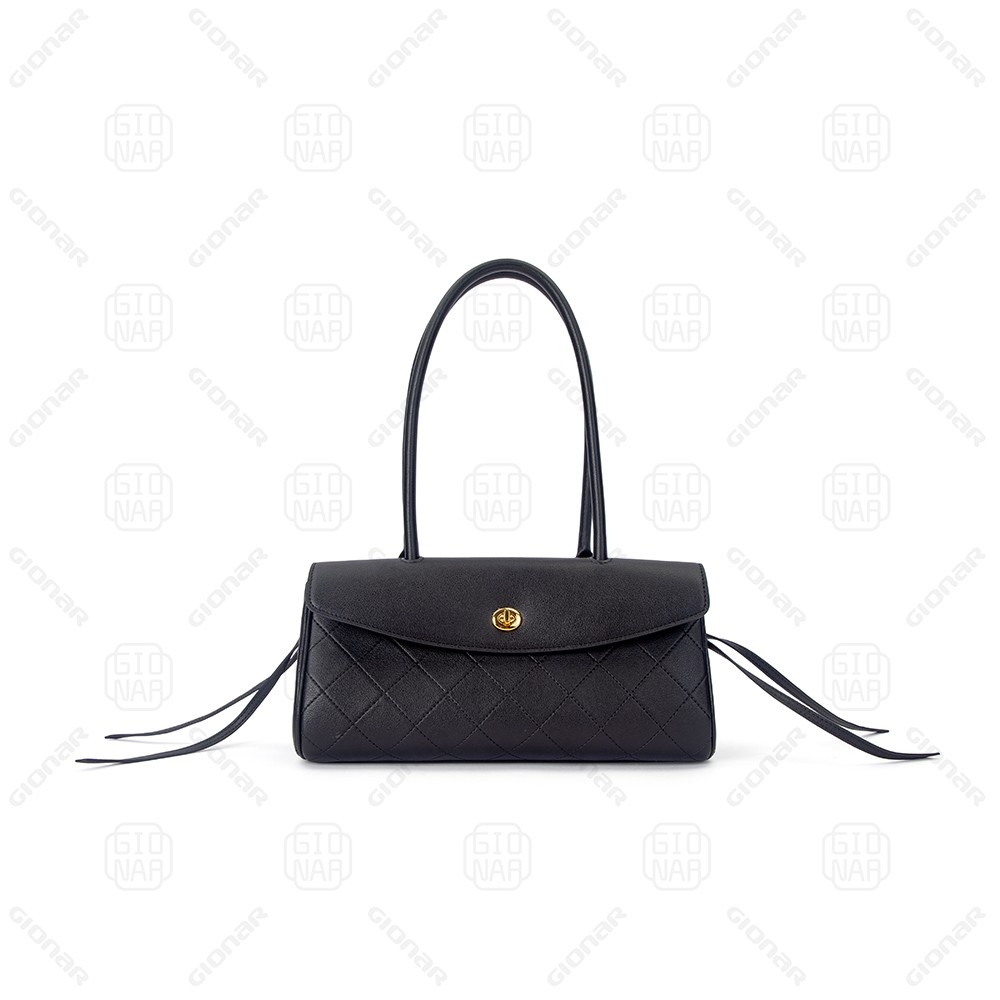
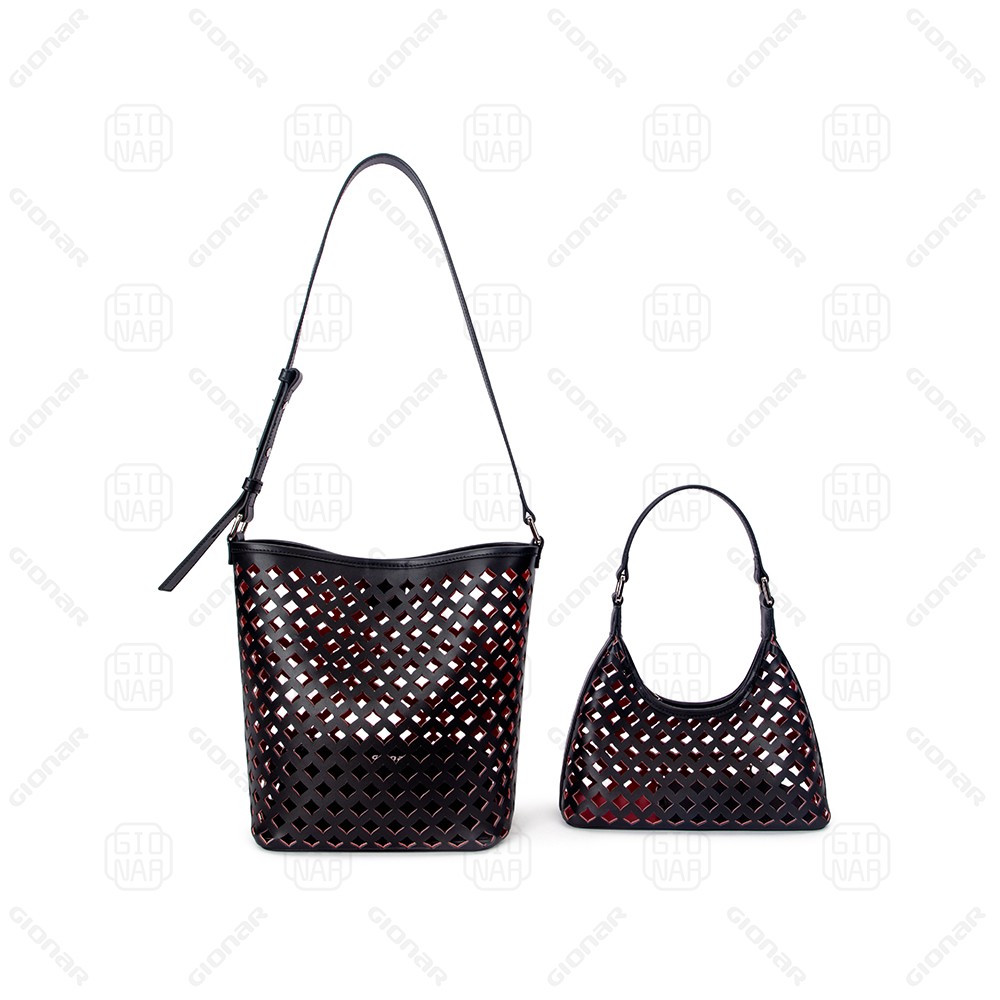
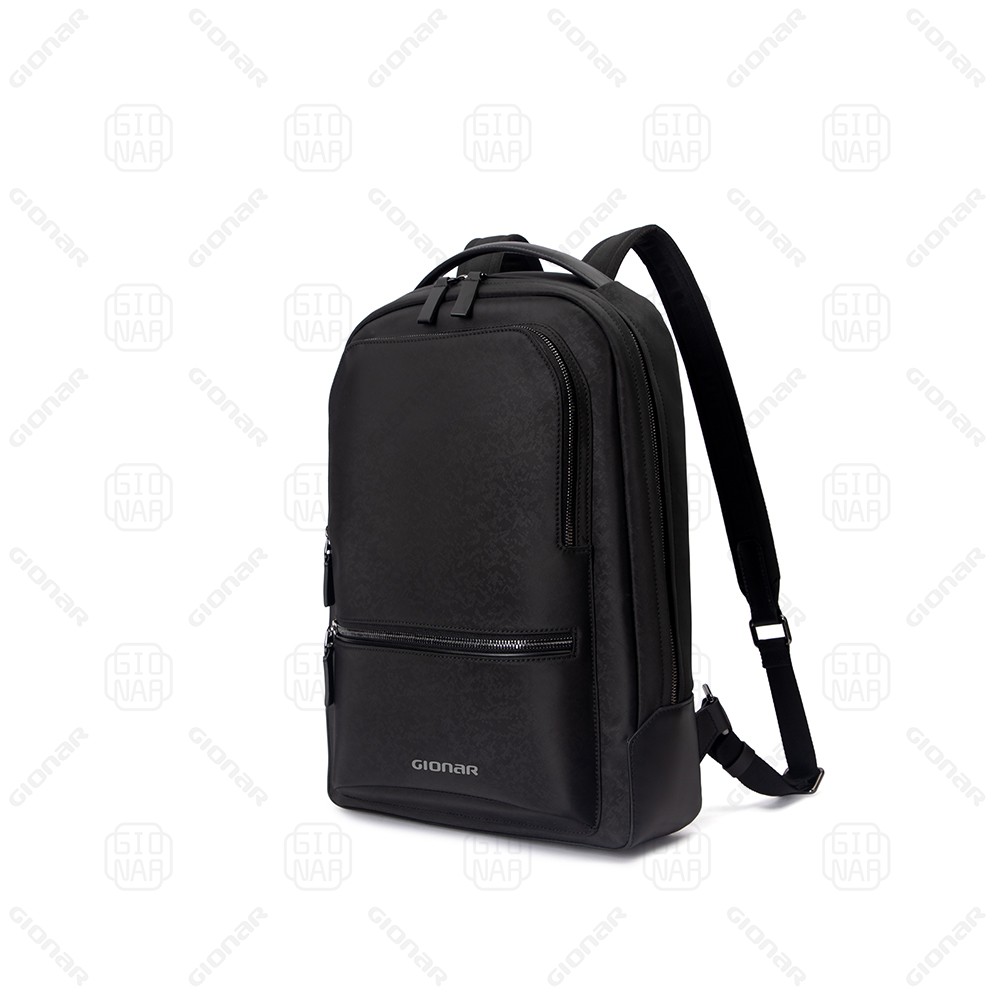
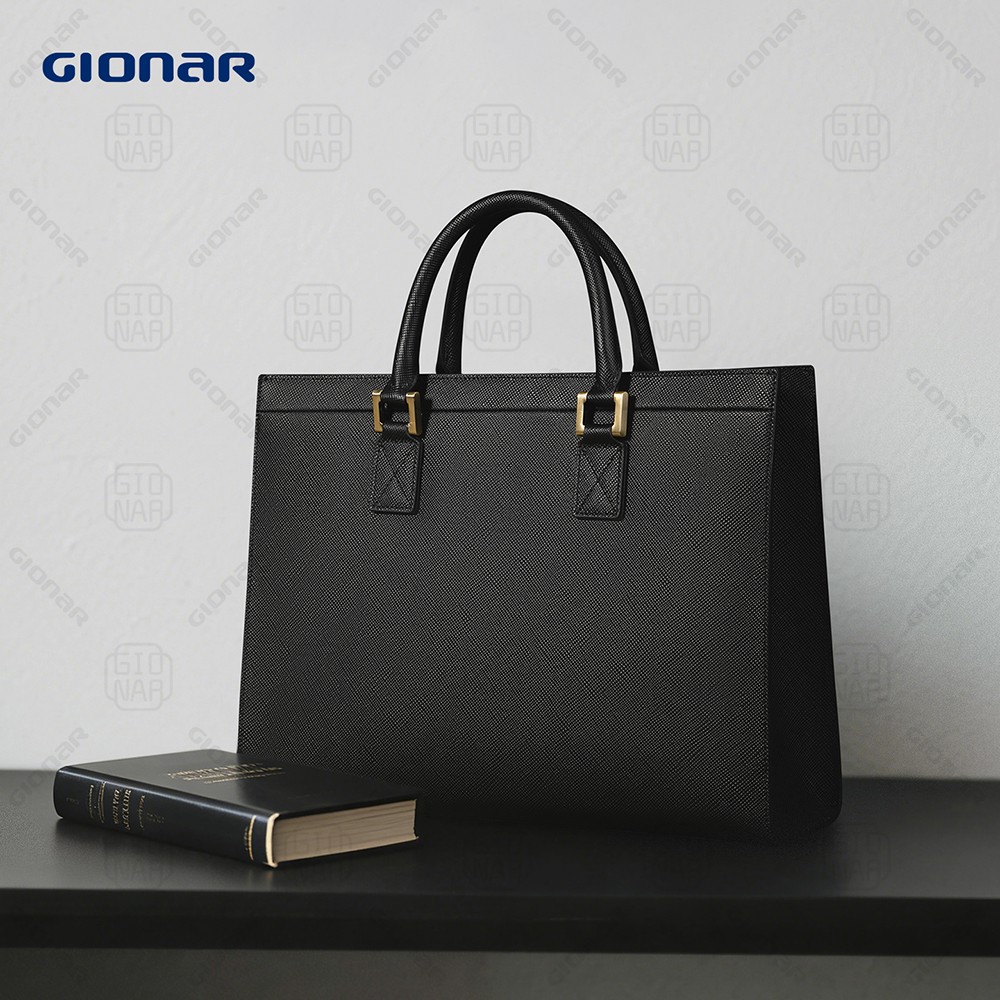
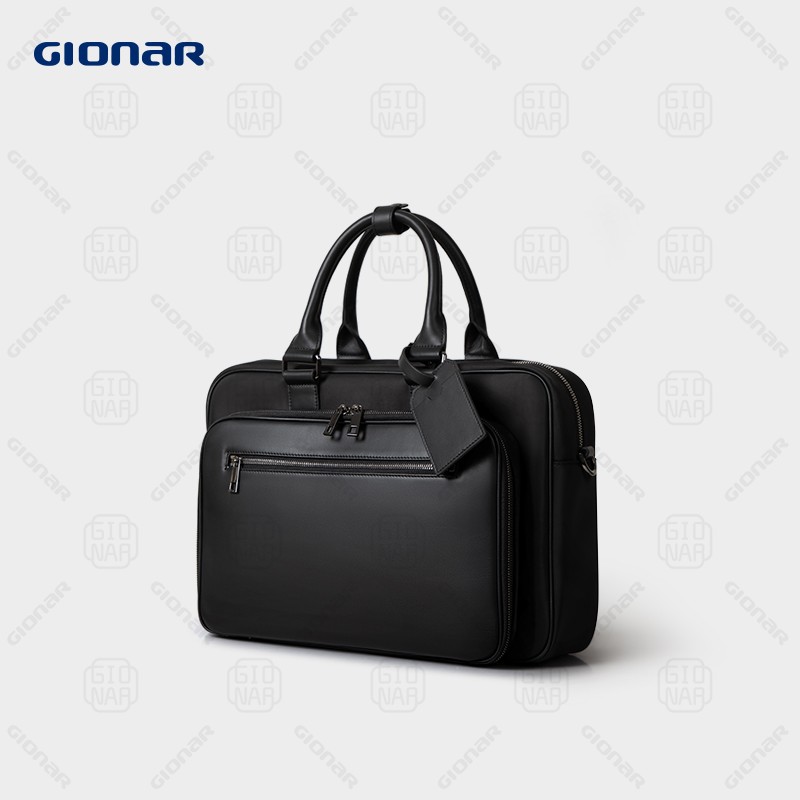
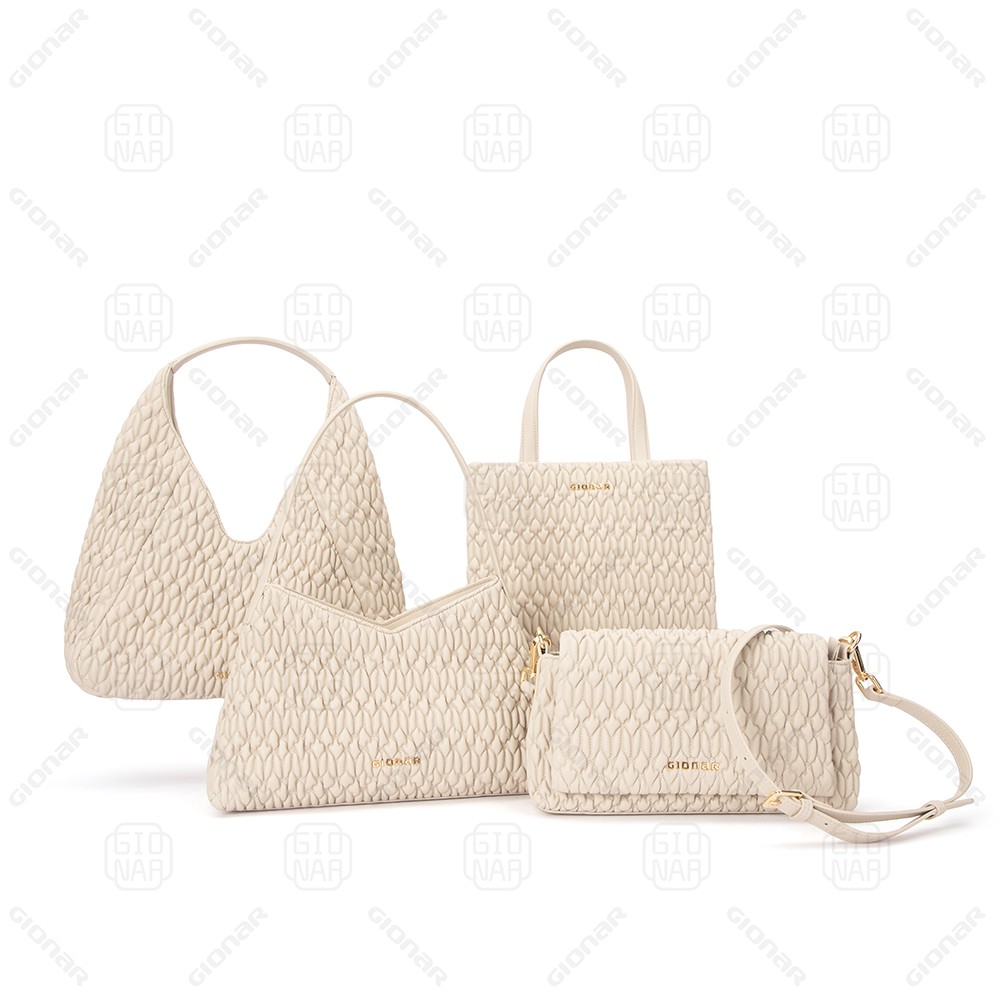
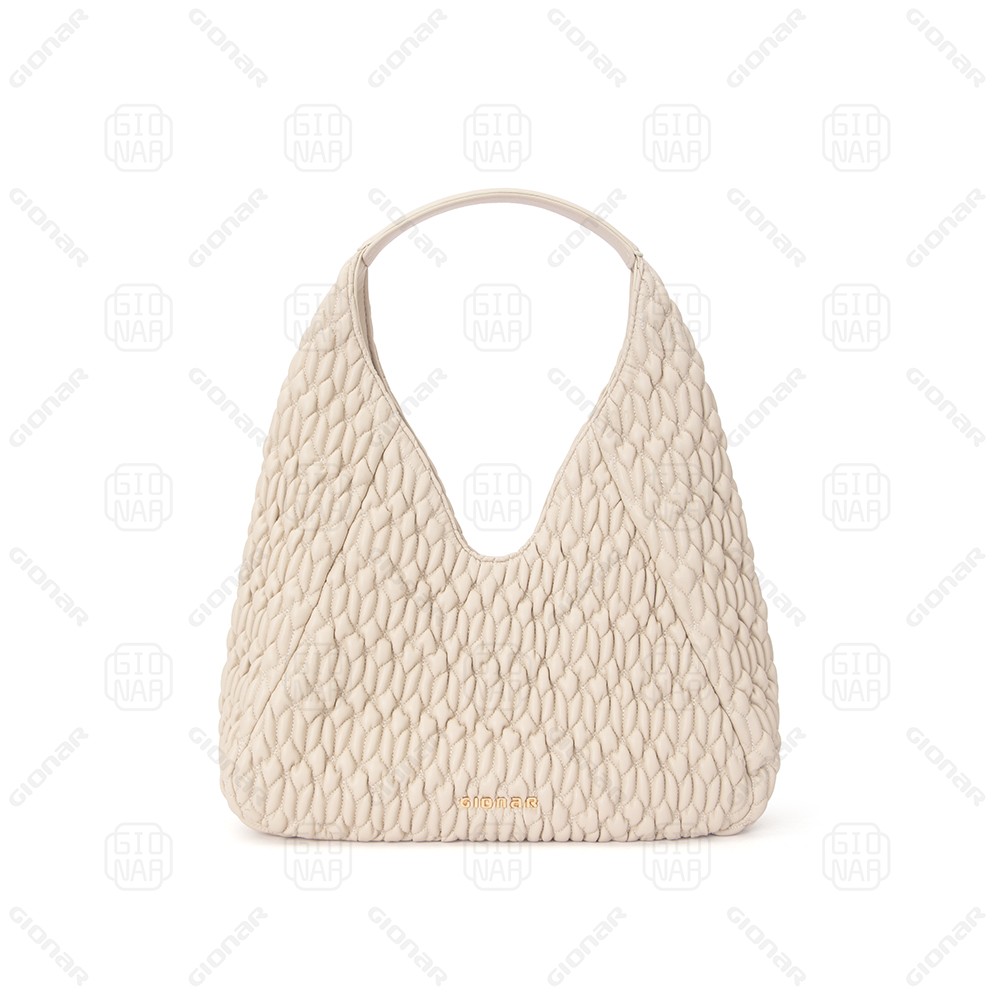
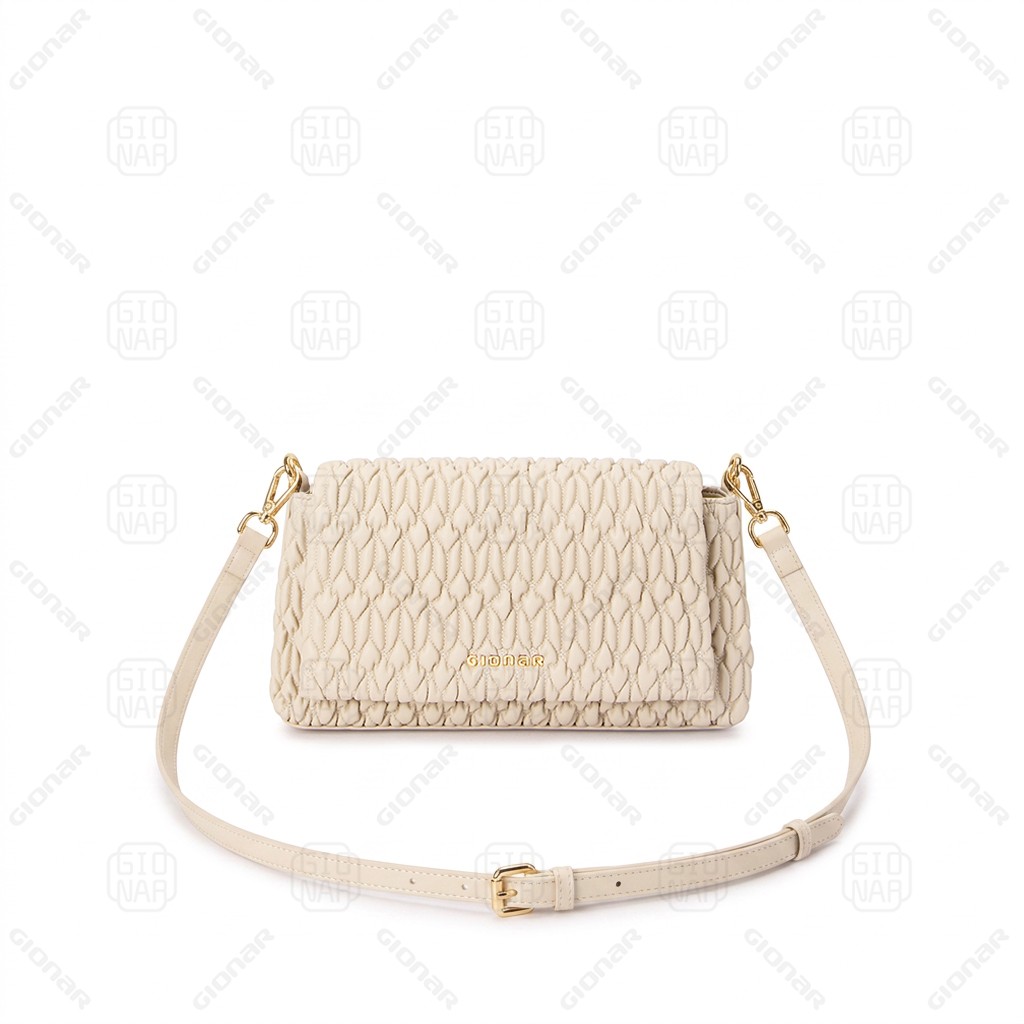
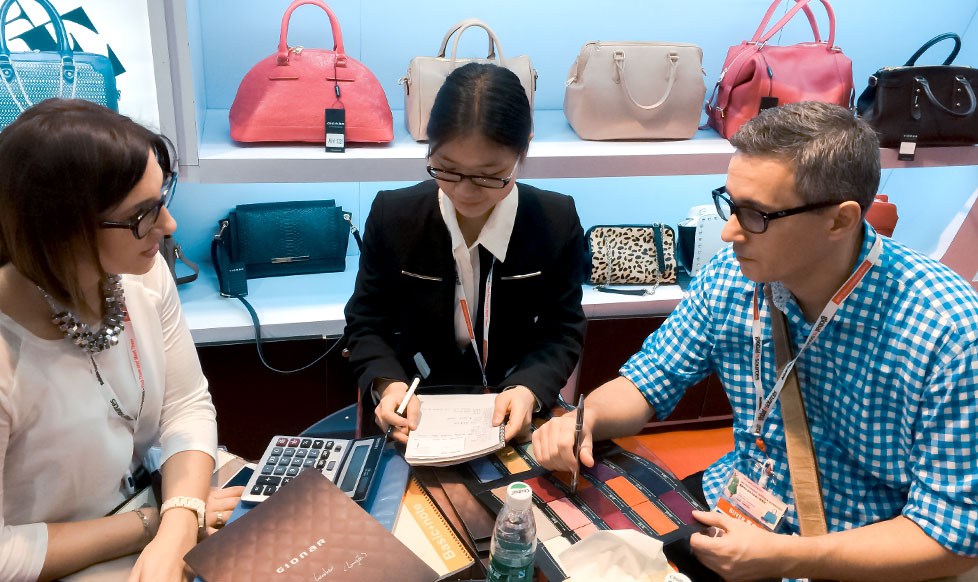
High-end bags can be custom-made at Gionar, a leather bags manufacturer in Baiyun District, Guangzhou. Over the past 19 years, we have custom-made bags for global brands, ensuring high quality.
Material selection: According to customer requirements, materials such as mushroom leather (mycelium base), calfskin, and crocodile embossing can be provided.
Craftsmanship level: The factory is renowned for its mid-to-high-end contract manufacturing, making it suitable for light luxury or niche brand customization. However, the details (such as stitching and hardware) can rival those of European workshops.
Supports: engraving, color adjustment, and accessory replacement (shoulder strap/lock).
MOQ (Minimum Order Quantity) : Usually 100 to 300 pieces (also very suitable for niche brands or group orders).
Gionar is suitable for brands that pursue cost performance or personalized customization.
Related customized services:

Mobile Website

Inquires Whatsapp