- +86 13922774531
- info@gionar.com

English


English
September 13 , 2025
Apple leather is an environmentally friendly material made from apple processing waste (such as peels and pits), produced by blending plant fibers with a small amount of synthetic agents (such as polyurethane). Its texture is close to genuine leather, soft and durable, and also waterproof. It is widely used in fashionable bags, shoes, accessories and other fields.
Apple leather is an excellent material for making bags because it performs well in terms of softness, durability, sustainability and aesthetics, and is increasingly popular among consumers. Many luxury brands have already adopted this new type of material. Therefore, for brands and companies that focus on both fashion and functionality, apple leather is a great choice.
This post will introduce the characteristics of apple leather and explore whether it is suitable for making bags. If you haven’t learned about this material yet, this post will be helpful to you.
The apple is a widely cultivated and consumed fruit, belonging to the genus Malus of the Rosaceae family. It originated in Central Asia (the Almaty region of Kazakhstan) and was spread around the world via the Silk Road. It is usually round or slightly oval, and its color varies depending on the variety, including red, green and yellow.
Nutritionally speaking, apples are a good source of fiber, vitamin C and antioxidants, and they have very low calories, making them a healthy snack. Apples have a sweet, sour or balanced taste and have health benefits such as lowering cholesterol and promoting digestion.
There are over 7,500 varieties of apples in the world, adapting to different climates.
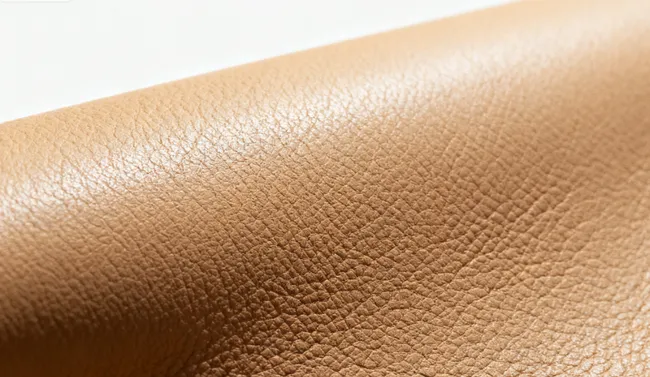
Apple leather, also known as apple fruit leather or Apple-based vegan leather, is a sustainable, innovative and environmentally friendly plant-based material, mainly made from apple waste (such as peels, pits and pulp) left over from juice and food production. It is designed as an eco-friendly alternative to animal leather and traditional synthetic leather, in line with modern values of environmental protection and animal welfare.
Many brands use apple leather to meet the growing demand for ethical and sustainable products. Because apple leather is durable, waterproof and has a texture similar to genuine leather, it has become a popular choice in green fashion.
| Material | Apple Leather | Animal Leather | PU/PVC Leather |
| Base Composition | Apple waste + PU | Animal hide | Petroleum-based plastics |
| Eco-Friendliness | Moderate (reduces waste) | Low (resource-intensive) | Low (non-biodegradable) |
| Durability | Moderate (2–5 years) | High (decades) | Low (peels easily) |
| Cost | Moderate to high | High | Low |
Apple leather is quite durable, with strong resistance to wear and tear, tensile stress and normal abrasion. It is durable enough for daily necessities, although not as durable as high-quality animal leather. In terms of flexibility and wear resistance, it usually performs better than other plant-based leathers.
With proper care (avoiding direct sunlight and irritating chemicals), apple leather products such as handbags or wallets can last for 2 to 5 years. Moreover, the durability of apple leather depends on its manufacturing method and the mixed materials.
| Vegan Leather Type | Main Components | Durability Characteristics | Abrasion Resistance | Weather Resistance (Heat/Light) | Common Applications |
| PU Leather | Polyurethane coating + base fabric | Fair, but prone to damage as the coating peels | Medium | Medium | Furniture, footwear, bags |
| PVC Leather | Polyvinyl Chloride + plasticizers | Stiff and inflexible; prone to brittleness over time | Medium | Poor (can harden and crack in cold) | Low-cost shoes, luggage |
| Plant-Based Synthetic Leather | Wheat, soybean, corn protein, etc. | Excellent; modern automotive tests withstand 85°C/500 hours (varies by brand/process) | High | High | Automotive interiors, furniture |
| Piñatex (Pineapple Leather) | Pineapple leaf fibers | Medium; may wear with prolonged use | Medium | Medium | Shoes, bags, accessories |
| Apple Leather | Apple waste + polyurethane | Medium; avoid scratches and excessive folding | Medium | Medium | Small leather goods, accessories |
| Mushroom Leather | Mycelium | Early stage; durability under evaluation | To be determined | To be determined | Conceptual products, accessories |
Yes. Apple leather has a certain degree of water resistance. As apple leather itself contains natural wax from apple fibers, it can provide basic protection against light rain, splashes and spills. Apple leather has natural water resistance.
Combining apple leather with polyurethane (PU) or other adhesives during the production process can also form a better waterproof surface, but it is not suitable for complete immersion or prolonged exposure to water.
Many manufacturers use protective coatings or finishes to enhance the water resistance of apple leather. These include:
To maintain the water resistance of your apple leather items:
Compares apple leather’s water resistance with other common materials:
| Material | Water Resistance | Key Notes |
| Apple Leather | Good resistance to light moisture and splashes; not fully waterproof | Performance depends on the specific blend and treatments used by the manufacturer. |
| Genuine Leather | Generally poor unless specially treated; can stain, warp, or become brittle | Requires regular conditioning and waterproofing treatments. |
| PU/PVC Leather | High resistance; often fully waterproof | Entirely synthetic, offering a reliable barrier but less breathable. |
| Piñatex | Moderate resistance; can handle brief exposure | Natural fibers may absorb moisture over time. |
Yes. Apple leather is a great material for making handbags, especially for brands in the consumer market that prioritize sustainability and animal welfare. However, its applicability depends on the positioning of your bag brand, as well as specific requirements for durability, maintenance, cost and environmental impact.
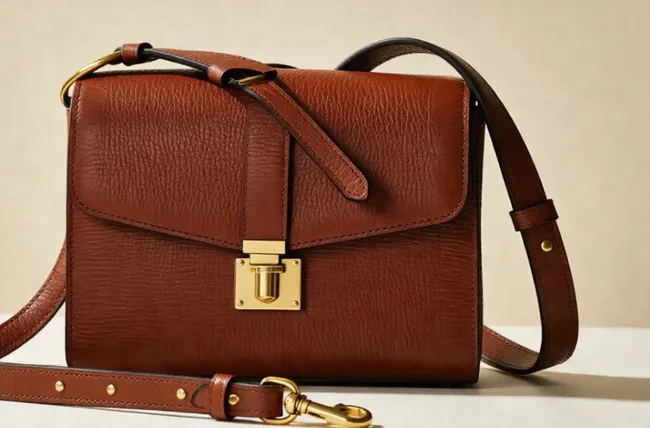
Apple leather is highly suitable for making bags and excels in terms of sustainability, durability and style. It performs best in light to medium applications (such as handbags, backpacks, crossbody bags) and offers a viable alternative to animal leather.
Apple leather is made from apple waste (such as the peels and pulp from the juice production process), and compared with traditional leather, it reduces agricultural waste and environmental burden. Many brands have already adopted it to produce carbon-neutral materials and reduce carbon dioxide emissions.
As a vegetarian and cruelty-free alternative, it is in line with moral fashion choices. Products are usually PETA-certified.
Although apple leather reduces food waste, its PU content (typically 36-50%) limits its biodegradability. Fully biodegradable versions are emerging, but synthetic coatings are needed to enhance strength.
Apple leather is usually waterproof or water-resistant, and thus is very suitable for daily use. Some brands emphasize its durability, although it may not match the long-term elasticity of high-quality animal leather.
Apple leather can withstand a force of 500-700 N/5 cm, exceeding the automotive interior standard (200 N/5 cm). This makes it suitable for bags that require carrying capacity, such as backpacks.
It can be embossed with textures (such as crocodile patterns) and completed in various colors, providing a luxurious look without the use of animal skin.
Apple leather has a soft and smooth feel, very similar to genuine leather. It can be made in various colors and textures, allowing designers to create a wide range of styles from classic to modern.
Many high-quality vegetarian brands use apple leather in their products, positioning it as a high-quality and innovative material. This gives the final product a sense of luxury without the environmental or moral costs associated with animal products.
Although some brands claim that apple leather is durable, its durability may not be as good as that of full-grain animal leather. Over time, it is prone to peeling or cracking, especially when used in large quantities.
Most apple leathers contain polyurethane (PU) or polyester blends (for example, 30-50% synthetic materials) in terms of structure and durability. This reduces biodegradability and relies on plastic.
Due to the limited supply of raw materials and the complex production process, the price of apple leather bags is often very high. For example, the retail price of Mansur Gavriel’s apple leather bucket bag is $495.
Although waterproof, it may require gentle cleaning and avoidance of irritating chemicals to maintain its appearance. Unlike animal leather, apple leather is not easy to repair if damaged.
| Aspect | Apple Leather | Traditional Leather |
| Sustainability | Reduces food waste; lower carbon footprint | Involves animal farming, chemical tanning, and high water use |
| Biodegradability | Partially biodegradable (if plant-based dominant) | Takes decades to decompose; often pollutes landfills |
| Performance | Comparable durability with proper care | Generally longer lifespan but prone to ethical concerns |
Apple leather, as an environmentally friendly, durable and beautiful material, is highly suitable for making fashionable bags and has broad application prospects. However, at present, it also faces challenges, such as high production costs, relatively expensive product prices, and geographical restrictions on raw material supply.
In the future, with the continuous advancement of technology and the gradual development of the industry, apple leather is expected to occupy a more important position in the fashion market.
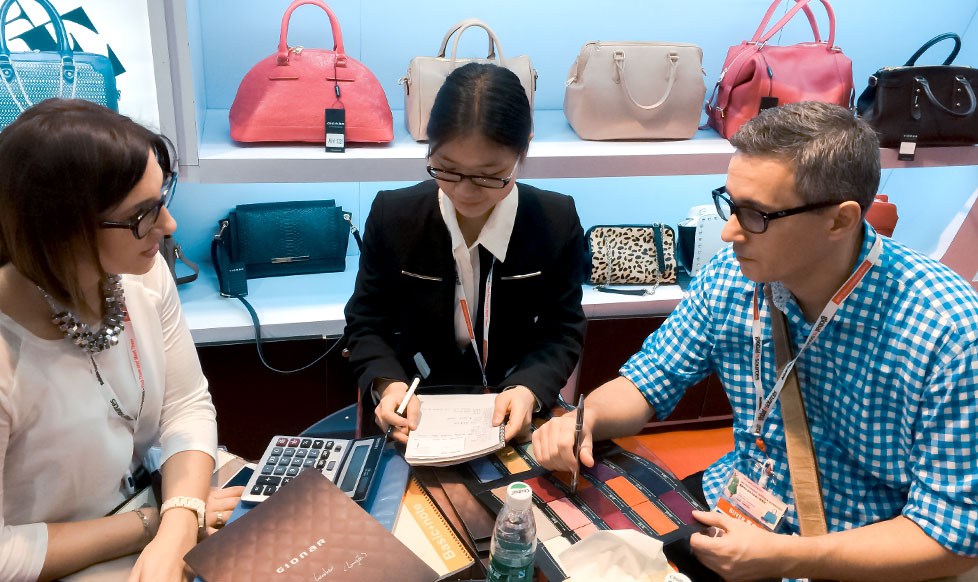
If you are running or planning to start a bag business and are considering using apple leather to create your own brand of bags, please feel free to contact Gionar. Let’s work together to create miracles for your bag business. Gionar is a leather bag manufacturer based in Guangzhou and has been dedicated to the production of vegan leather bags for many years.
Tags :

Mobile Website

Inquires Whatsapp