- +86 13922774531
- info@gionar.com

English


English
March 19 , 2025
People are becoming more environmentally conscious and the quest for sustainable and ethical materials has led to some remarkable innovations. One such innovation is pineapple fibre leather, a material that is both fun and environmentally friendly. But what exactly is pineapple fiber leather, and can it really be used as a bag? In this article, we’ll explore the origins, production process, benefits, and limitations of pineapple fiber leather, and determine whether it’s a viable option for crafting stylish, durable bags.
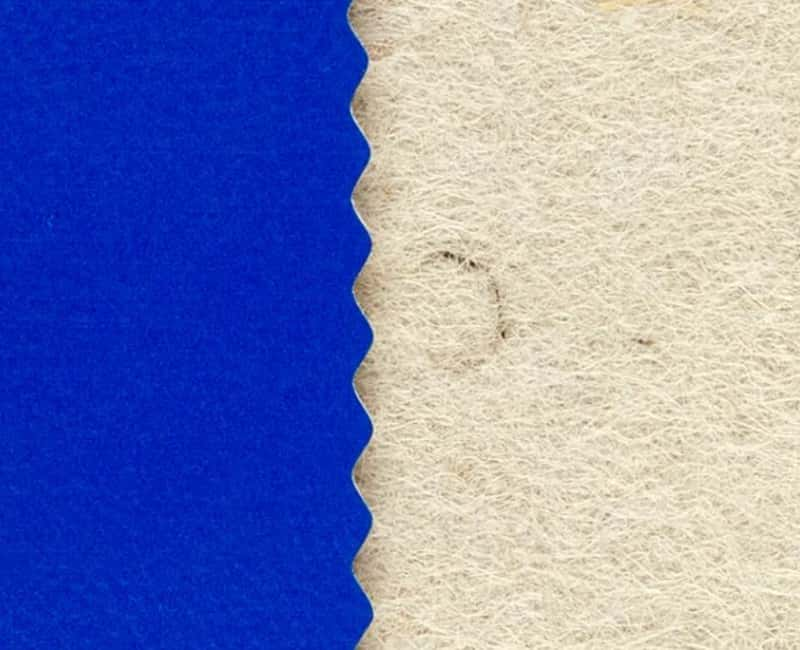
What is pineapple fiber leather? Pineapple fiber leather, also known as Pinatex, is a revolutionary material made from pineapple leaf fibers. As a sustainable and cruelty-free alternative to traditional leather. It imitates the appearance and feel of animal leather while being environmentally friendly. Pinatex is made by processing the long fibers in pineapple leaves into a non-woven fabric web, then combining it with a resin made of polylactic acid (PLA) and coating it with a protective layer to create a durable leather-like material.
Yes, both the fruit and the leaves of pineapples contain fibers. Fruits themselves contain fiber, but the fiber used in the production of textiles and leather comes from the leaves of the pineapple plant, not the fruits.
Pineapple leaves are rich in long and strong fibers, which can be extracted and processed into yarn or non-woven fabric. These fibers are naturally strong and durable, making them ideal materials for manufacturing sustainable materials, such as Pinatex.
Yes, pineapple does have fiber—both in its fruit and its leaves. The fruit itself contains dietary fiber, which is beneficial for digestion and overall health. However, the fiber used in textiles and leather production comes from the leaves of the pineapple plant, not the fruit.
Pineapple leaves are rich in long, strong fibers that can be extracted and processed into yarn or non-woven fabrics. These fibers are naturally strong and durable, making them ideal for creating sustainable materials like Piñatex. The use of pineapple leaf fiber is a great example of how agricultural waste can be repurposed into valuable resources, reducing waste and promoting sustainability.
The fiber content of pineapples depends on whether you are referring to the fruit or the leaves. Among fruits, every 100 grams of pineapple contains approximately 1.4 grams of fiber.
On the other hand, the leaves of the pineapple plant contain a higher concentration of structural fibers, which are extracted and used to make textiles and leather substitutes.
Pineapple leaves are packed with long, strong fibers. On average, pineapple leaves contain about 2.5% to 3.5% fiber by weight. This might not sound like a lot, but considering that a single pineapple plant can produce a significant number of leaves, the total fiber yield can be quite substantial. For example, one hectare of pineapple plants can yield around 25 to 30 tons of leaves, which translates to roughly 500 to 1,000 kilograms of fiber.
Pineapple is a good source of fiber. Pineapple leaves are an excellent source of strong and durable fiber, which can be used to make sustainable materials. This makes pineapple a valuable resource for eco-friendly fashion and design.
Pineapple leaf fiber has the potential to replace cotton in certain applications, but it’s not a one-size-fits-all solution. Cotton is widely used because of its softness, breathability, and versatility. However, cotton production is resource-intensive, requiring large amounts of water and pesticides.
Pineapple leaf fiber, on the other hand, is a byproduct of pineapple farming, meaning it doesn’t require additional resources to grow. It is also strong, lightweight, and biodegradable, making it an attractive alternative for sustainable textiles. While it may not completely replace cotton, it can certainly complement it by offering a more eco-friendly option for specific uses, such as in the production of durable fabrics and leather alternatives.
How to make pineapple leather? The process of making pineapple leather, or Piñatex, involves several steps:
Harvesting: Pineapple leaves are collected as agricultural waste after the fruit is harvested.
Fiber Extraction: The long fibers are extracted from the leaves using a scraping process.
Washing and Drying: The fibers are washed to remove impurities and then dried.
Non-Woven Mesh: The fibers are processed into a non-woven mesh, which forms the base of the material.
Coating: The mesh is coated with a resin made from polylactic acid (PLA) and a protective layer to create a durable, leather-like material.
Finishing: The material is dyed, textured, and finished to achieve the desired look and feel.
This process is not only sustainable but also creates a high-quality material that can be used in a variety of applications, from fashion to furniture.
Yes, pineapple leather is durable and can last for several years with proper care. While it may not be as long-lasting as high-quality animal leather, it is still a strong and resilient material. The durability of pineapple leather depends on how it is used and maintained. For example, a well-made pineapple leather bag can withstand daily wear and tear, but it may not hold up as well in extreme conditions.
To extend the life of pineapple leather products, it’s important to clean and store them properly. Avoid exposing the material to excessive moisture or heat, and use a gentle cleaner to remove dirt and stains. With the right care, pineapple leather can be a long-lasting and sustainable alternative to traditional leather.
Pineapple leather contain a small amount of plastic in the form of a resin coating, which is used to give the material its durability and water resistance. However, the plastic used in pineapple leather is typically derived from polylactic acid (PLA), a biodegradable and plant-based plastic made from corn starch or sugarcane.
While the use of plastic in pineapple leather is minimal, it is still a point of concern for some eco-conscious consumers. However, compared to synthetic leathers like PVC or PU, pineapple leather is a much more sustainable option due to its biodegradable nature and use of agricultural waste.
Pineapple leather works by combining the natural fibers from pineapple leaves with a biodegradable resin to create a durable, leather-like material. The fibers provide strength and texture, while the resin coating adds water resistance and flexibility. This combination makes pineapple leather suitable for a wide range of applications, from fashion to furniture.
The material is lightweight, breathable, and has a unique texture that closely resembles animal leather. It can be dyed, embossed, and finished to achieve different looks and feels, making it a versatile option for designers and manufacturers.
If you’re storing pineapple leather (Piñatex) products, it’s important to keep them away from direct sunlight and moisture to prevent damage. Use a dust bag or cloth cover to protect the material from scratches and dust.
Yes, pineapple leather is biodegradable. The natural fibers from pineapple leaves break down over time, and the PLA resin used in the material is also biodegradable. This makes pineapple leather a much more eco-friendly option compared to synthetic leathers, which can take hundreds of years to decompose.
Pineapple leather is water-resistant but not fully waterproof. The resin coating provides some protection against moisture, but prolonged exposure to water can damage the material. To maintain the quality of pineapple leather products, it’s best to avoid getting them wet and to clean them with a damp cloth if necessary.
Sustainable: Made from agricultural waste.
Cruelty-Free: No animals are harmed in its production.
Biodegradable: Breaks down naturally over time.
Lightweight and Durable: Strong yet easy to carry.
Versatile: Can be used for a wide range of products.
Limited Durability: Not as long-lasting as high-quality animal leather.
Water Resistance: Not fully waterproof.
Cost: Can be more expensive than synthetic alternatives.
Plastic Content: Contains a small amount of biodegradable plastic.
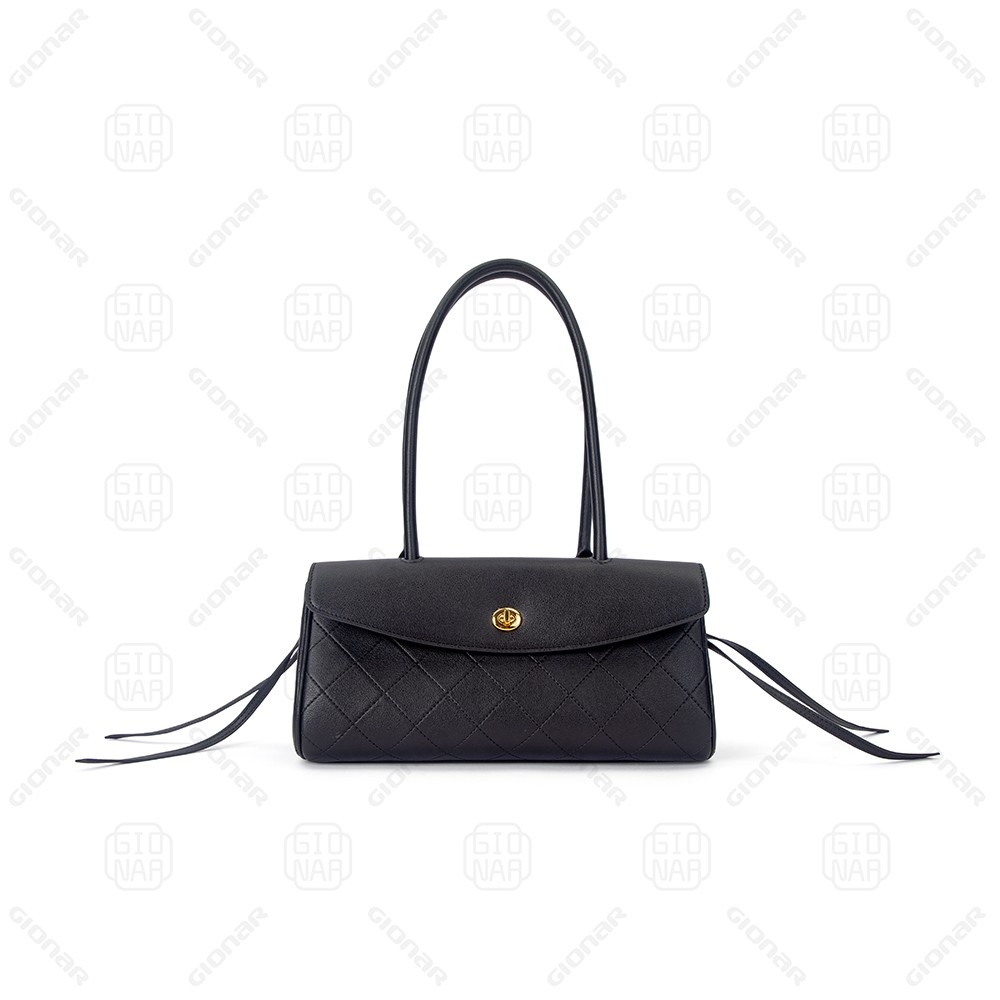
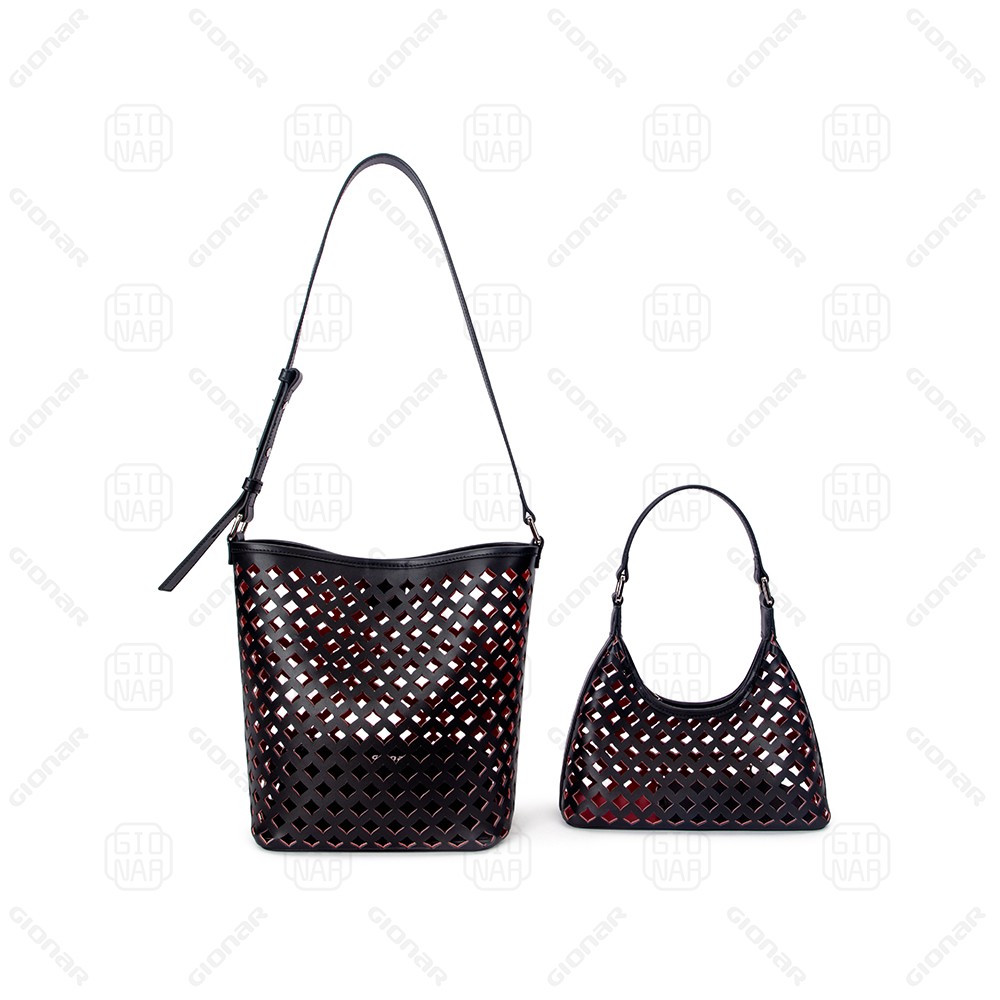
Absolutely, pineapple leather can make a bag—and not just any bag, but a stylish, durable, and eco-friendly one! Pineapple leather, also known as Piñatex, is a revolutionary material that’s gaining popularity in the fashion and accessories industry as a sustainable alternative to traditional leather. But what makes it so special?
Durability: Pineapple leather is strong and resilient, making it suitable for everyday use. While it may not be as long-lasting as high-quality animal leather, it can still withstand the wear and tear of daily life.
Lightweight: One of the standout features of pineapple leather is its lightweight nature. This makes it ideal for bags, as it won’t add unnecessary weight to your load.
Eco-Friendly: Pineapple leather is made from agricultural waste, reducing the need for additional resources. It’s also biodegradable, making it a more sustainable option compared to synthetic leathers like PVC or PU.
Cruelty-Free: Since no animals are harmed in the production of pineapple leather, it’s a great choice for those who prioritize ethical fashion.
Aesthetic Appeal: Pineapple leather has a unique texture that closely resembles animal leather. It can be dyed, embossed, and finished to achieve a variety of looks, from sleek and modern to rugged and outdoorsy.
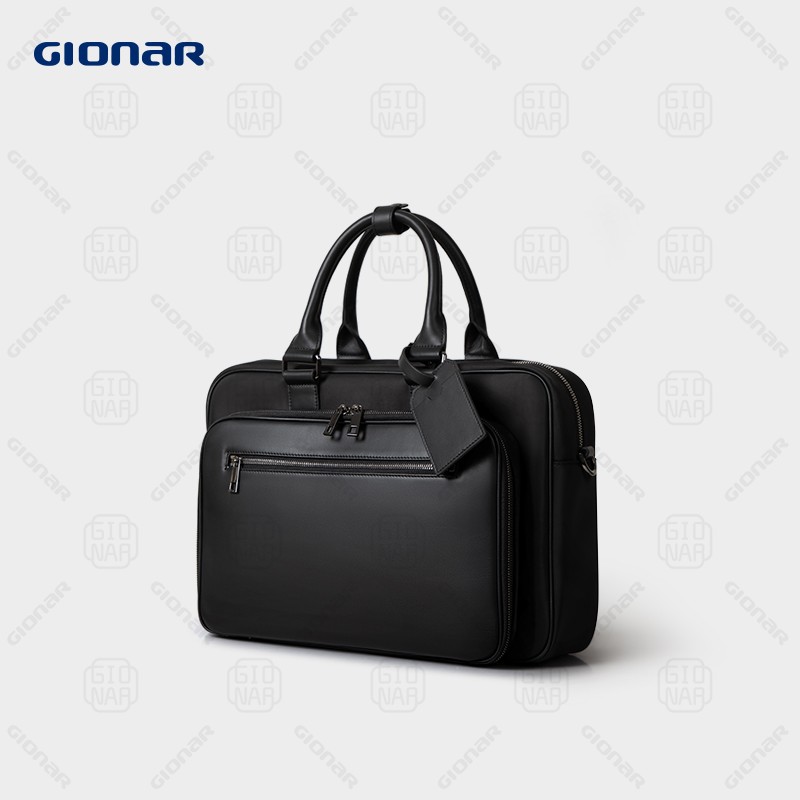
Pineapple leather is versatile and can be used to make a wide range of bags, including:
Tote Bags: Perfect for everyday use, tote bags made from pineapple leather are stylish and functional.
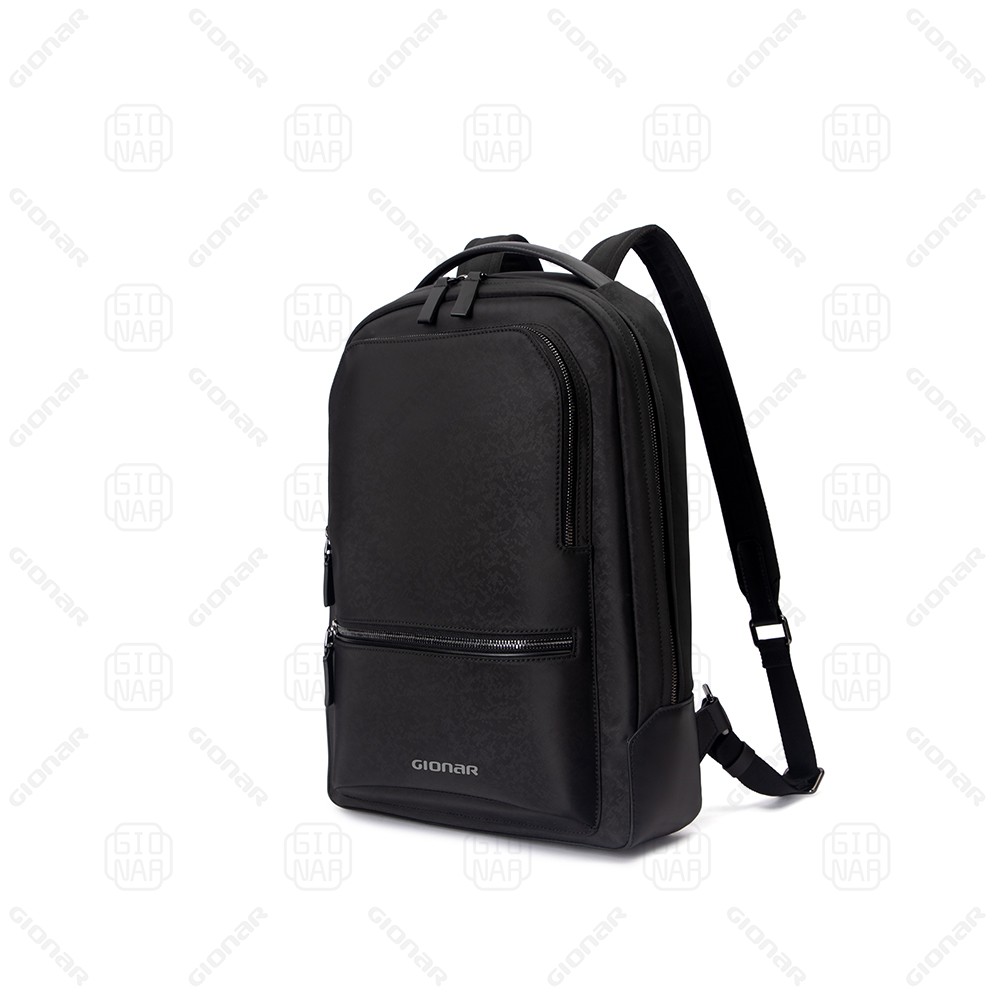
Backpacks: Lightweight and durable, pineapple leather backpacks are great for school, work, or travel.
Crossbody Bags: These compact bags are ideal for carrying just the essentials, and pineapple leather adds a touch of eco-friendly elegance.
Clutches and Evening Bags: For a more formal look, pineapple leather can be used to create chic clutches and evening bags.
To clean a pineapple fiber leather bag, use a damp cloth to wipe away dirt and stains. Avoid using harsh chemicals or abrasive materials, as these can damage the material.
Store your pineapple fiber leather bag in a cool, dry place, away from direct sunlight and moisture. Use a dust bag or cloth cover to protect it from scratches and dust.
With proper care, a pineapple fiber leather bag can last for several years. While it may not be as long-lasting as high-quality animal leather, it’s still a durable and sustainable option for everyday use.
China’s manufacturing sector is renowned for its efficiency, scalability, and ability to adapt to new trends. With a strong infrastructure and access to advanced technology, Chinese manufacturers are well-equipped to produce pineapple leather bags on a large scale.
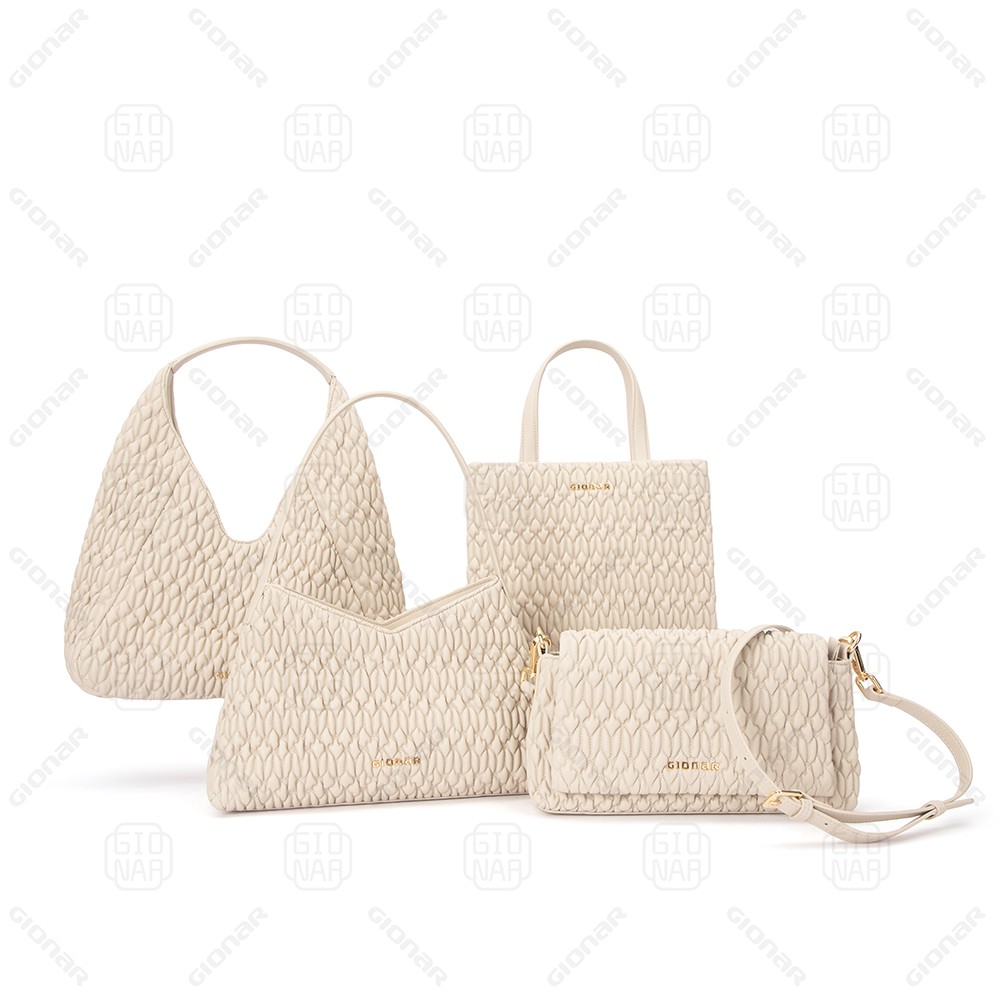
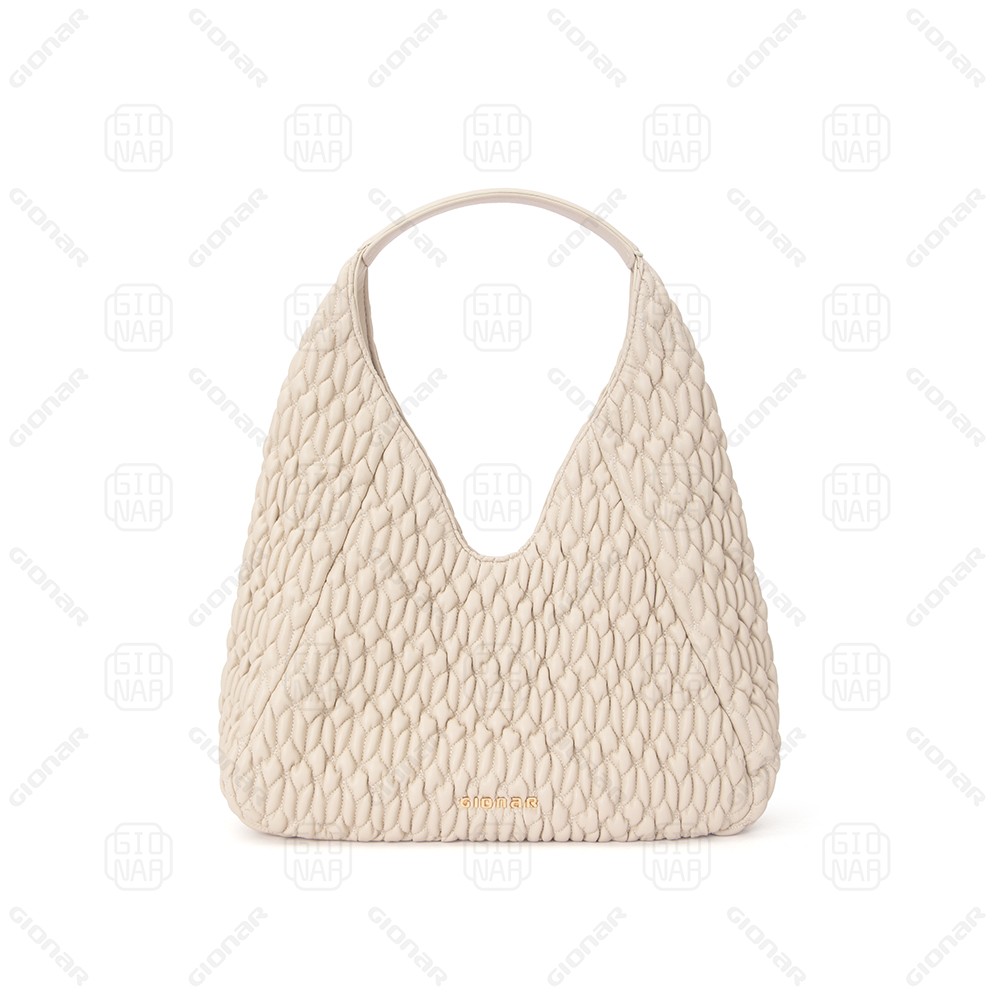
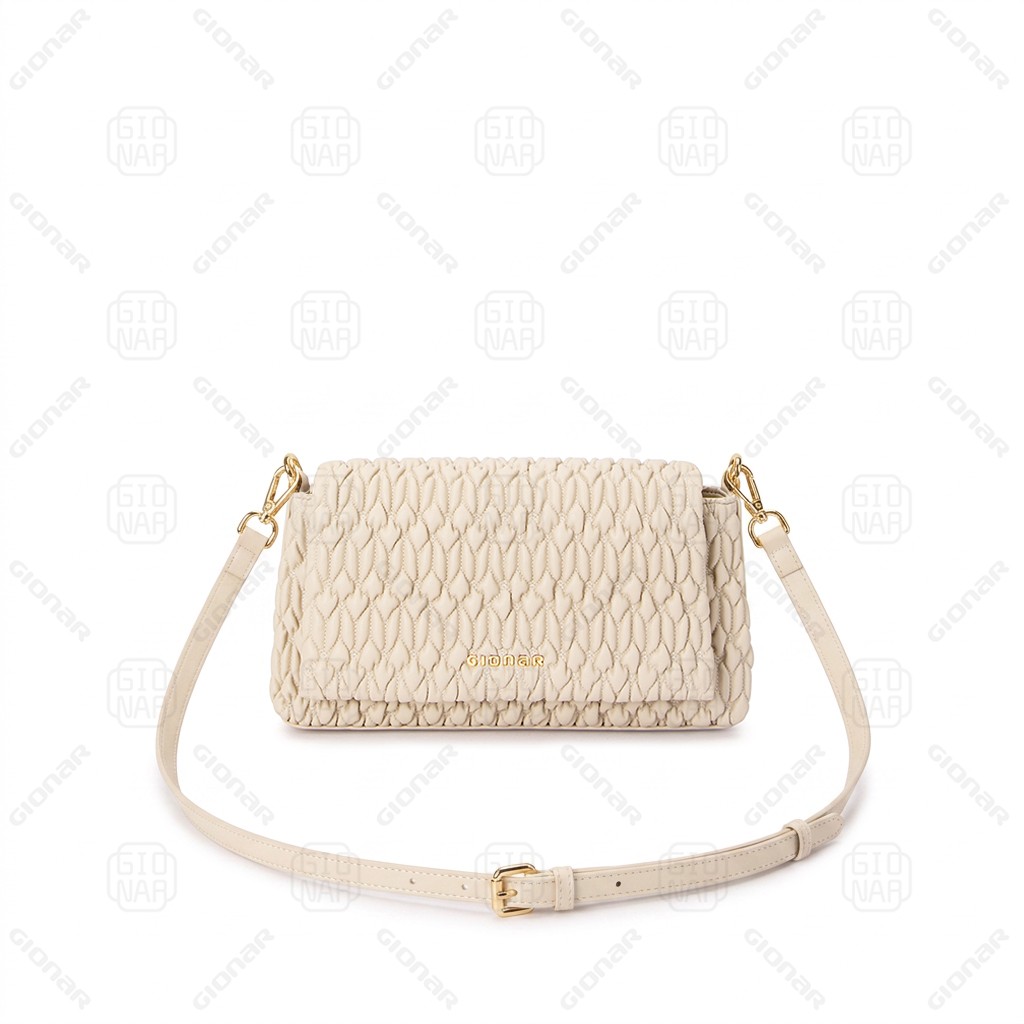
Such as the Chinese manufacturer Gionar can produce pineapple peels (also known as Pinatex) and turn them into stylish, practical handbags. Manufacturer Gionar use state-of-the-art equipment and sustainable practices to produce high quality pineapple leather bags that meet global standards.
So, is pineapple fiber leather suitable for making bags? Absolutely! It’s a durable, lightweight, and eco-friendly material that’s perfect for a wide range of bag styles. With its unique texture and aesthetic appeal, the pineapple fiber leather bag is not just a functional item, it is also your pursuit of sustainability and ethical fashion.
Some of the customized services:


Mobile Website

Inquires Whatsapp