- +86 13922774531
- info@gionar.com

English


English
March 17 , 2025
Do you ever found yourself staring at a sweater tag that says “100% acrylic” and wondered, “What material is acrylic?” Well, you’re in the right place. Acrylic fabric is one of those materials that’s everywhere but doesn’t always get the spotlight it deserves. Is it good? Is it bad? Is it secretly plotting to take over the world? Okay, maybe not the last one, but we’re here to answer all your burning questions about acrylic fabric. So, grab a cup of coffee (or tea,), and let’s dive into the knowledge of acrylic!
Acrylic is a synthetic polymer material, with its chemical name being Polymethyl Methacrylate (PMMA). It was first synthesized by German chemist Otto Röhm in 1901 and was commercially produced by Rohm and Haas Company in 1933, under the trade name Plexiglas. It is one of the most transparent and weather-resistant thermoplastic materials, and is often referred to as “organic glass” or “acrylic”.
| Property | Value/Performance | Comparison Reference |
| Transparency | Light transmittance 92% (3mm thickness) | Superior to glass (90%), far exceeds polycarbonate (88%) |
| Density | 1.18–1.20 g/cm³ | Approximately half of glass (2.5 g/cm³) |
| Impact Resistance | 6–17 times higher than ordinary glass | Inferior to polycarbonate (250 times higher impact resistance) |
| Weather Resistance | UV stable, no significant yellowing after 10 years outdoor use | Superior to polystyrene, PVC |
| Heat Deflection Temperature | 85–105°C | Lower than polycarbonate (135°C) |
| Processing Temperature | 160–200°C (thermoforming) | Easy vacuum forming, heat bending |
| Surface Hardness | Pencil hardness 2H–4H | Prone to scratching, requires protective film or coating |
| Type | Characteristics | Typical Applications |
| Extruded Acrylic | Lower cost, large thickness tolerance (±10%), lower molecular weight | Signage, display racks, simple forming |
| Cast Acrylic | Higher cost, precise thickness (±5%), higher molecular weight, more durable | High-end displays, optical lenses, art installations |
| Impact Modified | Rubber toughening agents added, enhanced impact resistance | Safety barriers, protective covers |
| Optical Grade | Extremely low birefringence, ultra-high transparency | Lenses, optical fibers, precision optics |
| Colored/Textured Acrylic | Pigments or patterns embedded | Decorative panels, brand signage |
| Form / Application | Main Component | Key Characteristics | Common Uses |
| Acrylic glass / Plexiglass | Poly(methyl methacrylate) (PMMA) | High transparency (>92%), lightweight, weather-resistant, shatter-resistant, easy to shape. Called the “Queen of Plastics”. | Signage, architectural windows, aircraft canopies, sanitary ware, protective shields, sculptures. |
| Acrylic fiber | Polyacrylonitrile (PAN) | Soft, fluffy, wool-like feel, good insulation, light-fast, abrasion-resistant, wrinkle-resistant. Known as “artificial wool”. | Clothing, sweaters, scarves, carpets, blankets, outdoor sportswear. |
| Acrylic coatings & adhesives | Acrylic resin | Good film-forming, water-resistant, weather-resistant, strong adhesion, no blistering or cracking. Subdivided into thermoplastic and thermosetting. | Automotive paints, architectural coatings, wood finishes, pressure-sensitive adhesives (e.g., tape), fabric coatings. |
| Leather processing | Acrylic polymer | Selective filling, improves leather fullness, flexibility, and light fastness; used to replace or reduce chromium tanning agents. | Retanning agent in the tanning industry to upgrade leather quality and performance. |
| Superabsorbent material | Polyacrylic acid (PAA) | Extremely high water absorption – can absorb hundreds of times its own weight in water. | Diapers, sanitary napkins, water-retention agents. |
| Process | Description | Applicability |
| Laser Cutting | High precision (±0.1mm), polished edges | Complex shapes, signage, models |
| CNC Engraving | Three-dimensional shaping, depth control | Relief, molds, art pieces |
| Heat Bending | Heated to softening point, mold-shaped | Curved displays, furniture, lampshades |
| Vacuum Forming | Heated then vacuum-attached to mold | Packaging, trays, simple curves |
| Bonding | Special solvents (chloroform, dichloromethane) dissolve and join | Display cases, aquariums, structural parts |
| Polishing | Flame polishing or mechanical polishing restores transparency | Edge treatment, scratch repair |
| Printing/Coating | UV printing, screen printing, back painting | Brand logos, color effects |
| Feature | Acrylic | Glass |
| Weight | Lighter | Heavier |
| Impact resistance | Higher | Lower |
| Scratch resistance | Lower | Higher |
| Clarity | Very high | Very high |
| Cost | Often lower | Varies |
Acrylic fabric is a synthetic fiber made from acrylic. It’s a man-made material that’s been around since the mid-20th century, and it’s been making waves ever since. Why? Because it’s cheap, versatile, and can mimic the look and feel of natural fibers like wool. So, if you’ve ever worn a cozy sweater that didn’t cost an arm and a leg, chances are it was made from acrylic.
No, acrylic fabric is not natural. It is a 100% synthetic material extracted from petrochemicals. Acrylic fabric is a synthetic imitation of natural fibers rather than natural materials.
| Feature | Acrylic | Natural Fibers (e.g., Wool, Cotton) |
|---|---|---|
| Source | Petrochemicals (polyacrylonitrile) | Plants (cotton, linen) or animals (wool, silk) |
| Production | Lab-made through polymerization | Grown and harvested organically |
| Biodegradable | No (microplastic pollution) | Yes (if untreated with chemicals) |
| Breathability | Low (traps heat/sweat) | High (cotton breathes; wool regulates temperature) |
Is acrylic a cheap material? Yes! Acrylic became a cheap alternative to wool, offering the softness and warmth of wool at a fraction of the price, so it was often used in knitwear, blankets and winter accessories. Why can acrylic become a cheap fabric? There are several reasons for this:
Made from petroleum-based synthetic fibers (polyacrylonitrile), the raw material is relatively low-cost and cheaper than natural fibers such as wool, cashmere or cotton.
It can be mass-produced in factories and dyed easily, reducing labor costs and thus production costs per unit of product, and does not require farming (unlike cotton or wool).
Price Comparison (Per Yard)
| Fabric | Acrylic | Polyester | Cotton | Wool | Cashmere |
| Average Cost (USD) | $3 – $8 | $2 – $6 | $5 – $12 | $15 – $50+ | $30 – $100+ |
Okay, science time! Acrylic is made from a polymer called polyacrylonitrile. Sounds fantastic, right? Basically, it’s a type of plastic derived from petroleum. Yep, the same stuff that fuels your car can also keep you warm in winter. The process involves spinning the polymer into fibers, which are then woven or knitted into fabric. It’s like magic, but with more chemicals.
Acrylic is the Swiss Army knife of fabrics. It’s used in a ton of different products, from clothing to home goods. Here’s a quick rundown:
Basically, if you need something that’s durable, lightweight, and affordable, acrylic is your go-to.
So, you’ve got an acrylic sweater, and you’re wondering how to dry it without turning it into a doll-sized version of itself. Good news: acrylic is pretty low-maintenance. You can machine wash it on a gentle cycle, but when it comes to drying, air-drying is your best bet. If you must use a dryer, go for a low heat setting. High heat can cause acrylic to shrink or even melt, and nobody wants a melted sweater.
Is acrylic fabric safe to wear? Yes! Acrylic is made from petroleum, which isn’t exactly eco-friendly, but is it toxic to wear? The short answer is no, not really. Once it’s made into fabric, acrylic is generally safe to wear. However, the production process can release harmful chemicals, so it’s not the most environmentally friendly option out there. If you’re concerned about toxicity, look for acrylic fabrics that are certified by organizations like OEKO-TEX, which ensures they’re free from harmful substances.
Ah, the million-dollar question. Is acrylic a good or bad fabric? Well, it’s a bit of both. What are the pros and cons of acrylic material? Let’s break it down.
Affordable: Acrylic is cheaper than natural fibers like wool, making it a budget-friendly option.
Durable: It’s resistant to wear and tear, so your acrylic sweater will last you a good while.
Lightweight: Acrylic is lighter than wool, making it great for layering.
Colorfast: It holds dye well, so your bright red sweater won’t fade to pink after a few washes.
Not Breathable: Acrylic doesn’t breathe as well as natural fibers, so it can get a bit sweaty.
Environmental Impact: As mentioned earlier, the production process isn’t exactly green.
Pilling: Over time, acrylic can develop those annoying little balls of fuzz known as pills.
| Fabric | Breathability | Warmth | Eco-Friendly? | Skin-Friendly? |
| Acrylic | ❌ Poor | ✅ Very warm | ❌ No (microplastics) | ❌ Can irritate |
| Cotton | ✅ Excellent | ❌ Not warm | ✅ Biodegradable | ✅ Gentle |
| Wool | ✅ Good | ✅ Warm | ✅ Natural | ❌ Can itch |
| Polyester | ❌ Poor | ✅ Warm | ❌ Microplastics | ❌ Traps sweat |
Is acrylic a bad material? Acrylic fabric is widely used in affordable clothing, but is it really bad to wear? The answer depends on quality, skin sensitivity and environmental influences. What are the potential health and comfort concerns because acrylic materials are not breathable and pilling easily?
Synthetic fibers are not very breathable → may absorb sweat and cause itching.
Low-quality acrylic can feel rough (like a cheap sweater).
People with eczema or sensitive skin may have an allergic reaction to plastic fabrics.
Unlike cotton or wool, acrylic does not absorb moisture.
Do you feel stuffy in warm weather.
Does bacterial buildup add to body odor.
Fluffy balls form quickly after washing (pilling).
Static electricity is common in dry climates.
There is no strong scientific evidence that acrylic fabrics directly cause cancer, and acrylic itself (polyacrylonitrile) is not listed as a carcinogen by major health organizations. Potential health concerns include:
Acrylic acid is made from petroleum-based chemicals, and workers (not consumers) in acrylic acid plants may face health risks if they are exposed to raw chemicals without protection.
Washing acrylic releases microplastics that contaminate water and enter the food chain. May indirectly pose health risks? Microplastics can carry toxins and may enter the human body, but have not been linked to cancer in humans.
It is safe for most people – there is no immediate cancer risk when wearing it. Acrylic fabrics are not directly carcinogenic, but the chemicals involved in their production can pose a risk with high industrial exposure. For everyday wear, the risk is minimal.
If you’ve ever worn an acrylic sweater, you know it can feel soft and cozy—almost like wool. However, it doesn’t have the same natural texture, so some people find it a bit “plasticky.” It’s not as breathable as wool, so it can feel a bit clammy if you’re wearing it for a long time.
Allergies to acrylic are rare, but they can happen. If you’ve got sensitive skin, you might experience some irritation, especially if the fabric is rough or poorly made. If you’re prone to skin issues, it’s always a good idea to do a patch test before committing to an acrylic garment or bag.
Is acrylic fabric good for skin? This is a common concern, especially for people with sensitive skin. While acrylic can be soft, it’s not as naturally smooth as wool, so some people find it itchy. If you’re worried about itchiness, look for high-quality acrylic blends that include softer fibers like cotton.
Acrylic fibers are plastic-based (polyacrylonitrile), lower quality acrylic fibers are rough, hard, rub the skin, and unlike natural wool, it has no natural scales that soften over time.
Trapping heat and sweat on the skin will cause irritation. It does not absorb moisture like cotton or wool.
It is easy to produce static electricity, causing a “tingling” feeling, which is worse in dry climates/winter, so it is easy to cause itching.
| Fabric | Itchiness Level | Best For |
| Low-quality acrylic | High (like cheap sweaters) | Budget items |
| High-quality acrylic | Moderate | Winter accessories |
| Wool | Medium-High (depends on type) | Cold weather |
| Cotton | None | Sensitive skin |
| Polyester | Low-Medium | Activewear |
| Cashmere | None | Luxury knits |
Yes, acrylic can be soft, especially when it’s well-made. However, it’s not as naturally soft as cashmere or merino wool. If softness is a priority, look for acrylic blends that include other soft fibers.
Acrylic isn’t super stretchy on its own, but it can be blended with other fibers like spandex to add some elasticity. So, if you’re looking for a stretchy acrylic garment or bag, check the label to see if it’s a blend.
Nope, acrylic isn’t waterproof. It can repel water to some extent, but it’s not going to keep you dry in a downpour. If you need something waterproof, look for fabrics specifically designed for that purpose, like nylon or polyester with a waterproof coating.
Acrylic fabric has limited breathability. Compared with natural fibers such as cotton or linen, acrylic fabrics have relatively low breathability, but their breathability also depends on the blending and weaving structure of the fabric.
Low breathability: Acrylic is a synthetic polymer (based on plastic), which absorbs heat and moisture, making people feel stuffy and hot in warm weather.
Sweating: Unlike wool or cotton, it does not absorb sweat well and can cause dampness.
The way to increase breathability is to use blends (such as acrylic + cotton) to improve breathability. Or it is slightly better to use loose knitted goods than tight ones.
The best uses of acrylic: Winter clothes (sweaters, scarves) – it can retain heat very well.
Acrylic resin should be avoided in hot climates or during high-intensity exercises. Choose natural fibers or moisture-absorbing synthetic fibers (such as polyester fibers) as substitutes.
Good for winter clothing. Why? Is acrylic material warm? Absolutely! Acrylic retains heat well (like wool but cheaper), is a great insulator, making it perfect for winter wear. It’s lightweight, warm, and holds up well in cold weather. Used in coats, scarves, and blankets. Just remember, it’s not as breathable as wool, so you might get a bit sweaty if you’re layering up.
This is where acrylic falls a bit short. As a petroleum-based product, it’s not the most sustainable option out there. The production process is energy-intensive and can release harmful chemicals. If sustainability is a priority for you, consider natural fibers like wool or cotton, or look for recycled acrylic options.
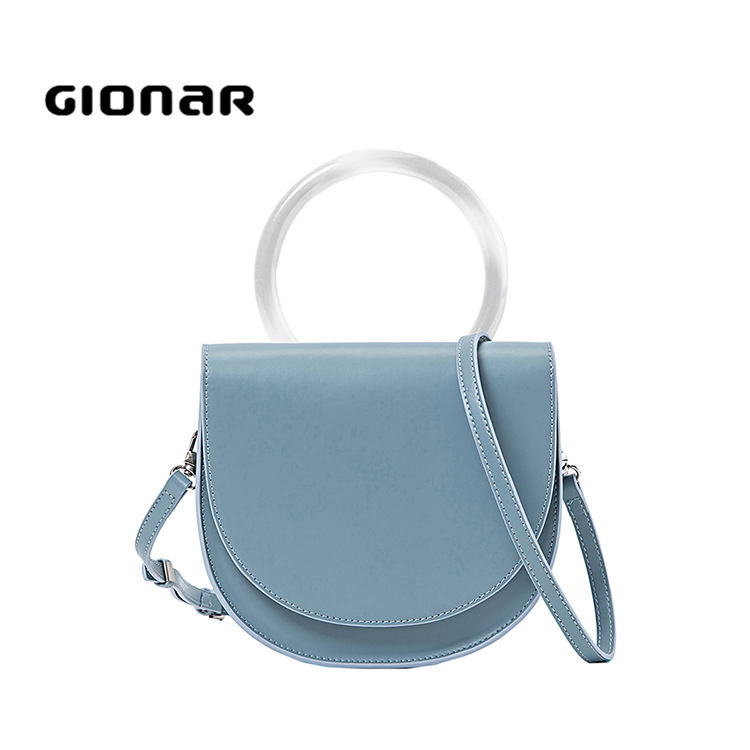
Acrylic can be a good material for bags, especially if you’re looking for something lightweight and durable. It’s often used in backpacks and tote bags because it’s easy to clean and holds up well to wear and tear. However, it’s not as strong as materials like nylon or canvas, so it might not be the best choice for heavy-duty use. If you want to customize your bag or backpack, you can find the right bag customization and backpack manufacturer.
So, there you have it—everything you ever wanted to know about acrylic fabric (and probably a few things you didn’t). Is it perfect? No. But it’s affordable, versatile, and can be pretty darn cozy. Whether you’re rocking an acrylic sweater or carrying an acrylic bag, now you know exactly what you’re dealing with. So go forth, fabric warriors, and may your acrylic adventures be soft, warm, and pill-free! Get creative with acrylic fabric and make custom bags.

Related customized services:


Mobile Website

Inquires Whatsapp