- +86 13922774531
- info@gionar.com

English


English
April 11 , 2025
Bio-based leather is a next-generation eco-friendly material made from renewable biological sources (plants, fungi, or lab-grown cells) instead of animal hides or synthetic plastics. Bio-leather durable, flexible, and unique in appearance, while they offer the perfect combination of sustainability and functionality.
Leather has long been a long-term fashion direction, but its production comes with huge environmental and ethical costs. Bio-based leather will gradually become a substitute for traditional animal leather. Bio-leather, also known as faux or synthetic leather, has become a revolutionary force in the fashion world, capturing the imagination of designers, consumers and sustainability advocates.
what is bio leather? Bio based leather is a next-generation eco-friendly material made from renewable biological sources (plants, fungi, or lab-grown cells) instead of animal hides or synthetic plastics. It mimics traditional leather’s look and feel while drastically reducing environmental harm.
The basic concepts underpinning bio-leather are rooted in several scientific disciplines:
Biotechnology provides tools and techniques to manipulate biological systems for material production.
Materials science provides an understanding of the properties and characteristics of different materials, allowing the design of biocleathers with specific performance properties.
Environmental science provides a framework for assessing the sustainability of different production methods and materials.
Historically, there have been ways of utilizing plant fibers, fungal growth, and even animal by-products in many places that can be considered the precursors of modern bio-leather. However, these traditional approaches are often localized and lack the scalability and technical complexity of today’s approaches.
It gained attention in the late 20th and early 21st centuries with advances in biotechnology and materials science. The term “bio-leather” is beginning to appear more frequently in scientific literature and industrial publications, reflecting the growing interest in sustainable alternatives to traditional leather.
Initially, bio-leather mainly appealed to environmentally conscious consumers. Now, driven by consumer demand and corporate sustainability initiatives, bio-leather is becoming increasingly mainstream.
What is biodegradation? Biodegradation is when a product is discarded and can be broken down by fungi, bacteria and other microorganisms, such as in the natural environment or in soil.
Bio-based leather, can be biodegradable quickly! Bio-based leather products can be sent to compost at the end of their useful life. This is a process that breaks down organic material and can be reused as fertilizer.
Biobased leather takes six months to a year to decompose in landfills and one to two years in the environment.
Bio soft leather is a type of leather that has been processed using environmentally friendly or sustainable methods, often incorporating natural, biodegradable ingredients to soften the leather.
Bio soft leather is a more eco-conscious alternative to traditional leather, with an emphasis on sustainability, softness, and reducing environmental harm during the manufacturing process.
what is plant based leather made of? Plant-based leather is a synthetic leather made from materials of natural plant origin. Unlike traditional leather, which is made from animal hides, plant-based leather uses materials derived from plants or plant by-products to create a similar texture, appearance and durability.
Piñatex (Pineapple Leaves), mushroom Leather (Mycelium), apple Leather, cork Leather, Coconut Leather, algae Leather, hemp Leather, banana Leather (Banana Fiber).
How Is Bio-Based Leather Made? Bio-based leather is produced using innovative methods:
Source: Cactus, pineapple leaves, apple peels, coconut, or grape waste.
Process: Fibers are extracted, processed, and bonded with natural or bio-polymers.
Source: Mycelium (mushroom roots).
Process: Grown in labs on agricultural waste, then compressed into sheets.
Source: Animal cells cultivated in labs (no slaughter).
Process: Cells multiply into collagen, forming real leather without livestock.
How to make plant based leather? Methods of growing bio-leather, usually involving the use of microorganisms, fungi, or plant-based materials. Here’s an overview of some of these approaches:
Mycelium, the root structure of fungi, is one of the most prominent materials being researched for bio-leather production. It is grown by cultivating fungal mycelium in controlled environments, which can then be processed into leather-like materials.
Cultivation: Mycelium is grown on a substrate (like agricultural waste, sawdust, or other organic matter) in a controlled environment.
Maturation: The mycelium grows and forms a dense, leathery mat.
Drying and Processing: After reaching a sufficient size and texture, the mycelium is harvested, dried, and treated (often with natural oils, heat, or other treatments) to stabilize it and enhance its durability.
Another method involves using bacteria to produce cellulose, a natural polymer. Bacteria are cultivated in liquid culture mediums (often from a sugar source), where they secrete cellulose to form a biofilm. This biofilm can be processed into a leather-like material.
Bacterial Cultivation: Bacteria, like Acetobacter xylinum, are placed in a nutrient-rich solution to ferment and create a cellulose biofilm.
Harvesting: The cellulose biofilm is collected, cleaned, and dried to form a thin, flexible sheet.
Tanning and Treatment: To enhance properties like strength and flexibility, the material may be tanned with vegetable-based treatments or treated with oils to make it more durable and leather-like.
Some bio-leathers are created from plant-based materials like pineapple leaves (Piñatex), apple skins, mushrooms, or coconut husks. These materials are processed and treated to create leather-like textures.
Extraction and Processing: Fibers or cellulose from plants (e.g., pineapple leaves, apple skins, etc.) are extracted.
Binding and Molding: The fibers are then combined and processed into sheets or mats, which are pressed, dried, and sometimes dyed or treated for durability and texture.
Final Treatment: These plant-based materials might be coated or treated to mimic the feel and appearance of animal leather.
Algae is also being used to create bio-leathers. Algae-based bio-leather is made from algae blooms that are harvested, processed into a gel-like substance, and then treated into leather-like sheets.
Harvesting Algae: Algae is harvested from water sources (often from marine or freshwater sources).
Processing: The algae is then processed into a material that can be molded into sheets and treated to achieve the necessary texture and durability for leather-like applications.
There is a more advanced and experimental approach that involves using animal cells to grow leather-like tissue in a lab. This is often referred to as cultured leather or lab-grown leather, where the cells of animals (like cows or pigs) are cultivated in a lab and encouraged to grow into a leather-like material.
Cell Cultivation: Animal cells are harvested and cultured in a nutrient-rich medium.
Tissue Formation: Over time, the cells grow and form tissue layers that can resemble leather.
Harvesting and Treatment: The tissue is processed, treated, and tanned to stabilize the material.
No deforestation or methane emissions (unlike cattle farming).
Uses 90% less water than traditional leather.
No animal exploitation (vegan-friendly).
Biodegradable (Most Types)
Plant-based versions decompose naturally (if free from PU coatings).
Can be engineered for softness, thickness, or water resistance.
Unlike PU/PVC faux leather, bio-leather avoids fossil fuels.
Scientists are working on:
100% biodegradable binders (to replace PU).
Scaling production to lower costs.
Closed-loop recycling for end-of-life disposal.
Bio-leather is still in its infancy and has difficulties withm scalability, production costs, and market acceptability despite all of its benefits.
As fashion brands increasingly adopt bio-based leather, it will shape the future of the industry by reducing its environmental footprint, driving innovation and meeting the needs of the ethically conscious market. Bio-leather isn’t just a trend; It is a transformative force that has the potential to redefine fashion as we know it, infusing it with sustainability, ethics and a bold vision for the future.
Bio-based leather is neither entirely “good” nor “bad”—its sustainability depends on how it’s made, used, and disposed of. Below is a balanced analysis of its pros and cons to help you decide:
Made from plants (cactus, pineapple, apple waste) or fungi (mushroom mycelium), reducing reliance on animal hides and plastic.
Uses far less water than cow leather (e.g., cactus leather needs ~90% less water).
Plant-based options (like Piñatex®) generate fewer greenhouse gases than livestock farming.
Mushroom leather (Mylo™) is grown in labs, avoiding deforestation.
No animal slaughter, appealing to vegans and ethical shoppers.
Can be engineered for softness, durability, or water resistance.
Brands like Stella McCartney and Hermès now use it for luxury products.
Some brands blend plant fibers with PU (plastic) for durability, reducing biodegradability.
Example: Many “cactus leather” products still contain 20–30% synthetic binders.
Generally less long-lasting than high-quality animal leather (may wear out in 3–5 years).
Not ideal for heavy-duty use (e.g., work boots, car seats).
More expensive than conventional leather due to small-scale production.
Limited styles compared to traditional options.
Only 100% plant-based versions (no PU) decompose fully. Most commercial bio-leathers cannot be home-composted.
Yes, bio-leather (or plant-based leather) can be very durable, but its longevity and strength depends on the specific material used, how it is processed, and how it is disposed of after production. How durable is plant-based leather? Bio-leather is often designed to be as strong and durable as traditional animal leather, and some types are more durable than others.
Pinatex: Pinatex (pineapple peel), strong, flexible and elastic, is therefore very durable. It is already used in products such as shoes, bags and furniture. Although it is lighter than traditional leather, it resists wear and tear well.
Cork leather: Cork leather is very durable, waterproof and lightweight. It is made from the bark of cork oak trees, which regenerates after harvesting. Cork leather is particularly tough in the face of moisture and is often used in products that need to withstand everyday use, such as purses, belts, and even some outerwear.
Banana leather: Banana leather is made from the fiber of the banana plant and is very strong and naturally flexible. The fiber of banana is known for its toughness, and when processed properly, the durability of banana leather can rival that of traditional leather. This material can also be treated with natural oils or waxes to increase its strength and resistance to water and dirt.
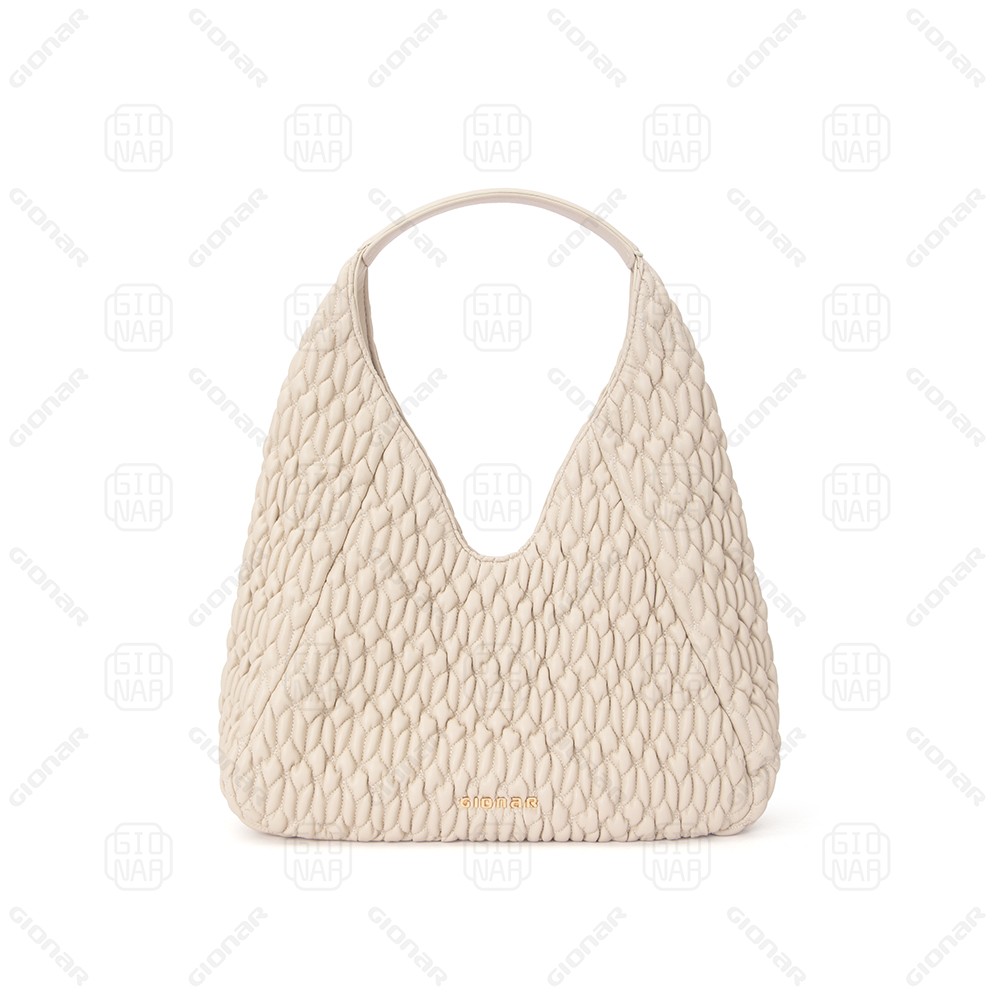
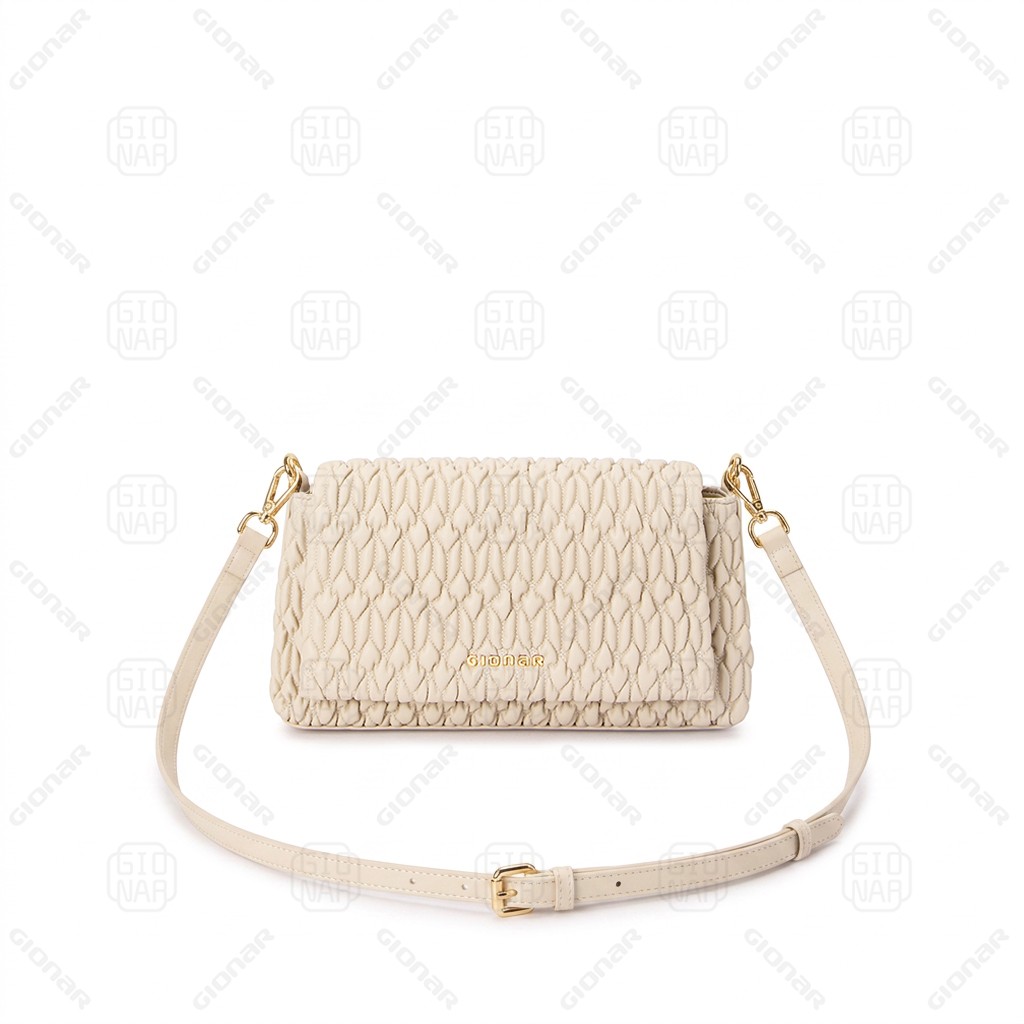
Yes, bio-leather is a great material for making bags! In fact, several types of plant-based leathers are already being used to make handbags, purses and other accessories for high-end eco-friendly fashion brands.
Eco-friendly: Unlike traditional leather, bio-leather is made from renewable resources, such as pineapple leaves (Pinatex) or mushrooms. This makes them a more desirable type of product for environmentally conscious consumers.
Biodegradable: Most bioleathers are biodegradable, which means they don’t cause long-term waste, unlike synthetic leather made from petroleum-based products.
Variety of textures and colors: Bio-leather comes in a variety of textures, from smooth and polished (like cork leather) to more matte and textured (like mushroom leather). Many of these materials can also be dyed and textured well, and a variety of colors and textures can exist.
Natural look: Many bio-leathers retain a natural look, which is very unique. For example, Pinatex often has a woven, textile-like texture, and cork leather may develop a natural patina over time.
Durable: Properly treated bio-leather can be durable, resistant to wear and tear, suitable for frequently used bags. Many types of biocleathers are waterproof, and with regular care, they can last for many years.
Elastic: Materials such as Pinatex and cork leather are particularly durable and handle wear and tear fairly well for everyday use. They can be reinforced with wax or oil for added protection.
If you want to customize a bio-leather bag, you can contact gionar. Guangzhou Gionar Leather Co., Ltd. is a bag manufacturer which offer OEM, ODM service on leather products more than 19 years. We can design and manufacture bags of various materials according to your needs.
All in all, bio-leather provides a cruelty-free alternative to traditional leather, thus solving ethical problems. The emergence of bio-leather is a big step towards a more ethical and sustainable fashion and materials industry. Bio-leather will disrupt traditional leather production technology and provide a more ecological and friendly alternative.
Related customized services:


Mobile Website

Inquires Whatsapp