- +86 13922774531
- info@gionar.com

English


English
March 11 , 2025
Hey there! So, you’ve probably heard the terms “faux leather” and “vegan leather” thrown around, especially if you’re into fashion, sustainability, or just curious about materials. But what exactly are they? Are they the same thing? And why should you care? Well, buckle up, because we’re about to dive deep into the world of faux leather and vegan leather. By the end of this, you’ll be a pro at distinguishing between the two, understanding their pros and cons, and maybe even making more informed choices the next time you’re shopping for a new bag, or pair of shoes.
Alright, let’s break it down. Faux leather is essentially a synthetic material designed to look and feel like real leather. The word “faux” itself is French for “false,” so faux leather literally means “false leather.” It’s made to mimic the texture, appearance, and even the smell of genuine leather, but without using any animal products. So, if you’re someone who loves the look of leather but doesn’t want to use animal-derived materials, faux leather is a great alternative.
Now, you might be wondering, “How do they make this stuff?” Well, faux leather is typically made from a plastic base, which is then treated with wax, dye, or polyurethane (a type of plastic) to give it that leather-like appearance. The most common type of plastic used is PVC (polyvinyl chloride), but you’ll also find faux leather made from PU (polyurethane). Both materials have their pros and cons, which we’ll get into later.
The process usually involves coating a fabric base (like polyester) with these plastic materials, and then embossing it to create the texture of leather. Some high-quality faux leathers even have a backing that mimics the suede side of real leather. It’s pretty impressive how close they can get to the real thing!
Faux leather isn’t exactly a new invention. It’s been around since the early 20th century, but it really gained popularity in the mid-1900s when plastics became more widely available. During World War II, there was a shortage of natural materials like leather, so people started looking for alternatives. That’s when faux leather really took off.
In the 1960s and 70s, faux leather became a symbol of the futuristic, space-age aesthetic. Think shiny, PVC-coated jackets and go-go boots. It was all about embracing synthetic materials and pushing the boundaries of fashion. Fast forward to today, and faux leather has evolved into a more sophisticated material that’s used in everything from high-end fashion to furniture.
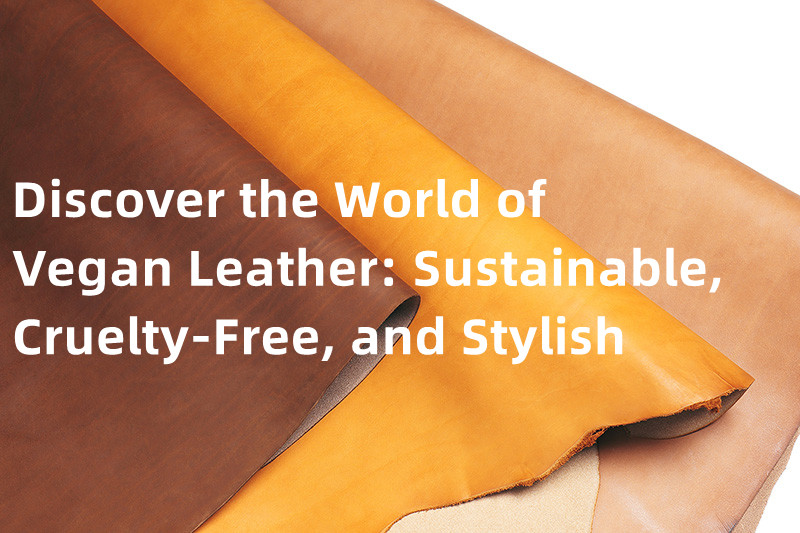
Okay, so now that we’ve covered faux leather, let’s talk about vegan leather. At first glance, it might seem like these two terms are interchangeable, but there are some subtle differences.
Vegan leather is essentially any type of leather alternative that doesn’t use animal products. So, in that sense, faux leather is a type of vegan leather. But here’s the thing: not all vegan leathers are made from synthetic materials like PVC or PU. Some vegan leathers are made from natural, plant-based materials like cork, pineapple leaves, apple peels, or even mushrooms. Cool, right?
So, while all faux leather is vegan (because it doesn’t use animal products), not all vegan leather is faux leather. Vegan leather can be made from a variety of materials, both synthetic and natural.
Vegan leather has been gaining a lot of traction in recent years, and for good reason. As more people become aware of the environmental and ethical issues surrounding animal agriculture, there’s been a growing demand for cruelty-free alternatives. Plus, with advancements in technology, vegan leathers made from natural materials are becoming more durable, stylish, and accessible.
Brands are jumping on the vegan leather bandwagon, offering everything from shoes to handbags to jackets. It’s not just a niche market anymore—vegan leather is going mainstream.
Alright, so now that we’ve established that faux leather is a type of vegan leather, let’s dig a little deeper into the differences between the two.
As we mentioned earlier, faux leather is typically made from synthetic materials like PVC or PU. These materials are derived from petroleum, which is a non-renewable resource. On the other hand, vegan leather can be made from a variety of materials, including synthetic ones (like faux leather) as well as natural, plant-based materials.
So, if you’re looking for a more eco-friendly option, you might want to opt for vegan leather made from natural materials rather than synthetic ones. But we’ll get into the environmental impact a bit later.
When it comes to durability, faux leather can be hit or miss. Lower-quality faux leathers made from PVC can crack, peel, or wear out quickly, especially if they’re exposed to heat or moisture. However, higher-quality faux leathers made from PU can be quite durable and long-lasting.
Vegan leathers made from natural materials can also vary in terms of durability. For example, cork leather is known for being lightweight, water-resistant, and durable, while pineapple leather (made from pineapple leaves) is still relatively new and may not be as long-lasting as traditional leather or high-quality faux leather.
One of the biggest challenges with faux leather is making it look and feel like real leather. While high-quality faux leathers can come pretty close, they often lack the natural variations and imperfections that give real leather its unique character. Vegan leathers made from natural materials, on the other hand, can have their own unique textures and appearances that set them apart from both real leather and faux leather.
For example, cork leather has a distinctive, slightly textured surface, while apple leather has a smooth, matte finish. These unique characteristics can be a selling point for people who want something different from the traditional leather look.
In general, faux leather tends to be more affordable than real leather, which is one of the reasons it’s so popular. However, the cost can vary depending on the quality of the material. High-quality faux leathers made from PU can be more expensive than lower-quality PVC options.
Vegan leathers made from natural materials can also vary in price. Some, like cork leather, are relatively affordable, while others, like mushroom leather, can be quite expensive due to the complexity of the production process.
Alright, let’s talk about the elephant in the room: the environmental impact of these materials. This is a big one, especially if you’re someone who cares about sustainability and reducing your carbon footprint.
As we mentioned earlier, faux leather is typically made from synthetic materials like PVC or PU, which are derived from petroleum. The production of these materials involves the use of fossil fuels, which are non-renewable resources. Additionally, the manufacturing process can release harmful chemicals into the environment, including dioxins, which are toxic and can have serious health and environmental impacts.
Another issue with faux leather is that it’s not biodegradable. Once it reaches the end of its life, it can sit in a landfill for hundreds of years, contributing to the growing problem of plastic waste.
That said, not all faux leathers are created equal. Some manufacturers are taking steps to reduce the environmental impact of their products by using more sustainable production methods or recycling materials. For example, some companies are using recycled PVC or PU to make faux leather, which can help reduce the demand for new petroleum-based materials.
Vegan leathers made from natural materials are generally considered to be more environmentally friendly than synthetic faux leathers. For example, cork leather is made from the bark of cork oak trees, which can be harvested without harming the tree. This makes it a renewable resource that’s also biodegradable.
Similarly, pineapple leather (made from pineapple leaves) and apple leather (made from apple peels) are byproducts of the food industry, so they make use of materials that would otherwise go to waste. These materials are also biodegradable, which means they won’t contribute to plastic waste in landfills.
However, it’s worth noting that not all vegan leathers are created equal in terms of their environmental impact. Some vegan leathers may still involve the use of synthetic materials or chemicals in the production process, so it’s important to do your research and choose products from companies that prioritize sustainability.
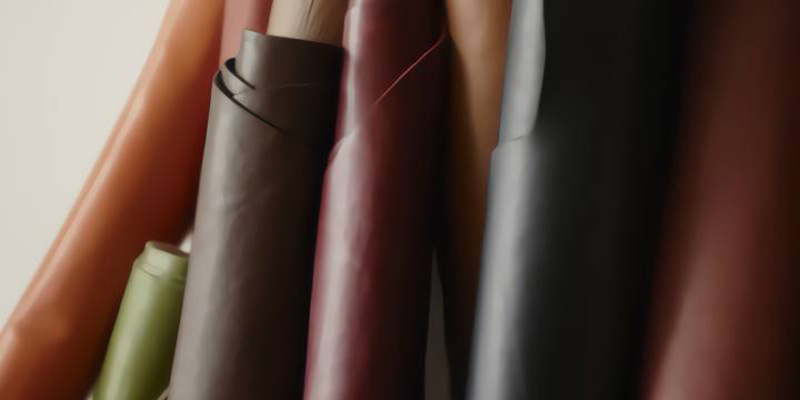
When it comes to the environmental impact, it’s important to consider the bigger picture. Real leather, while a natural material, has its own set of environmental and ethical issues. The production of leather involves the use of toxic chemicals (like chromium) in the tanning process, which can pollute waterways and harm workers. Additionally, the livestock industry is a major contributor to greenhouse gas emissions, deforestation, and water pollution.
So, while faux leather and vegan leather may have their own environmental challenges, they can still be a more sustainable choice compared to real leather, especially if they’re made from recycled or plant-based materials.
Alright, let’s shift gears and talk about the ethical side of things. Why might someone choose faux or vegan leather over real leather?
For many people, the decision to choose faux or vegan leather comes down to animal welfare. Real leather is made from the hides of animals, typically cows, but also sheep, goats, and pigs. The production of leather is closely tied to the meat industry, as the hides are often a byproduct of meat production.
For those who are opposed to animal cruelty or who follow a vegan lifestyle, using real leather is a no-go. Faux and vegan leathers offer a way to enjoy the look and feel of leather without contributing to the demand for animal products.
Another ethical consideration is the treatment of workers in the leather industry. The tanning process, in particular, is known for being hazardous to workers’ health due to exposure to toxic chemicals. In some countries, labor laws are lax, and workers may be subjected to unsafe working conditions and low wages.
By choosing faux or vegan leather, you can avoid supporting industries that exploit workers. However, it’s still important to research the companies you’re buying from to ensure they have ethical labor practices in place.
One of the challenges with both faux and vegan leather is that the industry isn’t always transparent about how these materials are made. Some companies may claim their products are “eco-friendly” or “sustainable” without providing much evidence to back up those claims. This is known as “green washing,” and it’s something to be aware of when shopping for faux or vegan leather products.
To avoid falling for green washing, look for companies that are transparent about their production processes and that have third-party certifications to back up their claims. For example, some companies may be certified by organizations like PETA (People for the Ethical Treatment of Animals) or the Global Organic Textile Standard (GOTS), which can give you more confidence in their products.
Alright, let’s break it down. Here are some of the pros and cons of faux leather to help you decide if it’s the right choice for you.
Now, let’s take a look at the pros and cons of vegan leather.
Alright, so you’ve decided to go with faux or vegan leather. Now what? How do you take care of it to make sure it lasts as long as possible?
Faux leather is relatively easy to clean, but there are a few things to keep in mind:
The care instructions for vegan leather will depend on the specific material, but here are some general tips:
So, what does the future hold for faux and vegan leather? Well, it’s looking pretty bright.
As technology advances, we’re seeing more and more innovative materials being developed for vegan leather. For example, companies are experimenting with materials like mushroom leather, algae-based leather, and even lab-grown leather. These materials have the potential to be more sustainable, durable, and versatile than traditional faux leathers.
As consumers become more aware of the environmental and ethical issues surrounding real leather, the demand for faux and vegan leather is likely to continue growing. This increased demand is driving innovation and making these materials more accessible and affordable.
Many companies are also taking steps to make their faux and vegan leather products more sustainable. This includes using recycled materials, reducing water and energy consumption in the production process, and ensuring ethical labor practices.
Finally, we’re seeing more collaboration and transparency in the industry. Companies are working together to develop new materials and share best practices, and consumers are demanding more transparency about how products are made. This is leading to a more sustainable and ethical industry overall.
So, after all that, which one should you choose? Well, it really depends on your priorities.
If you’re looking for an affordable, animal-friendly option and don’t mind that it’s made from synthetic materials, faux leather might be the way to go. Just be sure to choose a high-quality product that’s durable and long-lasting.
On the other hand, if you’re more concerned about sustainability and want a material that’s made from natural, renewable resources, vegan leather might be a better choice. Just keep in mind that it can be more expensive and may not be as widely available.
Ultimately, the most important thing is to do your research and choose products from companies that align with your values. Whether you go with faux leather or vegan leather, you can feel good knowing that you’re making a more ethical and sustainable choice.
And who knows? Maybe in a few years, we’ll all be wearing jackets made from mushroom leather or carrying bags made from algae. The future of fashion is looking pretty exciting, and faux and vegan leather are leading the way.
So, what do you think? Are you team faux leather, team vegan leather, or are you still on the fence? Either way, one thing’s for sure: the world of leather alternatives is only going to get more interesting from here.
Because of the cost performance of artificial leather, it was the first choice for leather substitutes in the past, but it also brought environmental problems such as microplastic pollution. With the development of science and technology, green leather made of plant-based materials has been developed and gradually recognized by the market, unfortunately, plant-based leather can not be 100% biodegradable due to the use of chemicals such as coatings, but major plant-based leather companies have achieved initial success in green dye.
Vegan leather is generally more environmentally friendly, especially plant-based and recycled leather.
Vegan leather is expensive to produce, and some materials are still in the research and development stage.
The durability of faux leather varies from material to material and also depends on the maintenance. In general, high-quality faux leather can last 3 to 5 years with proper care. Regular cleaning, avoidance of harsh chemicals, and avoidance of direct sunlight can help extend its durability.
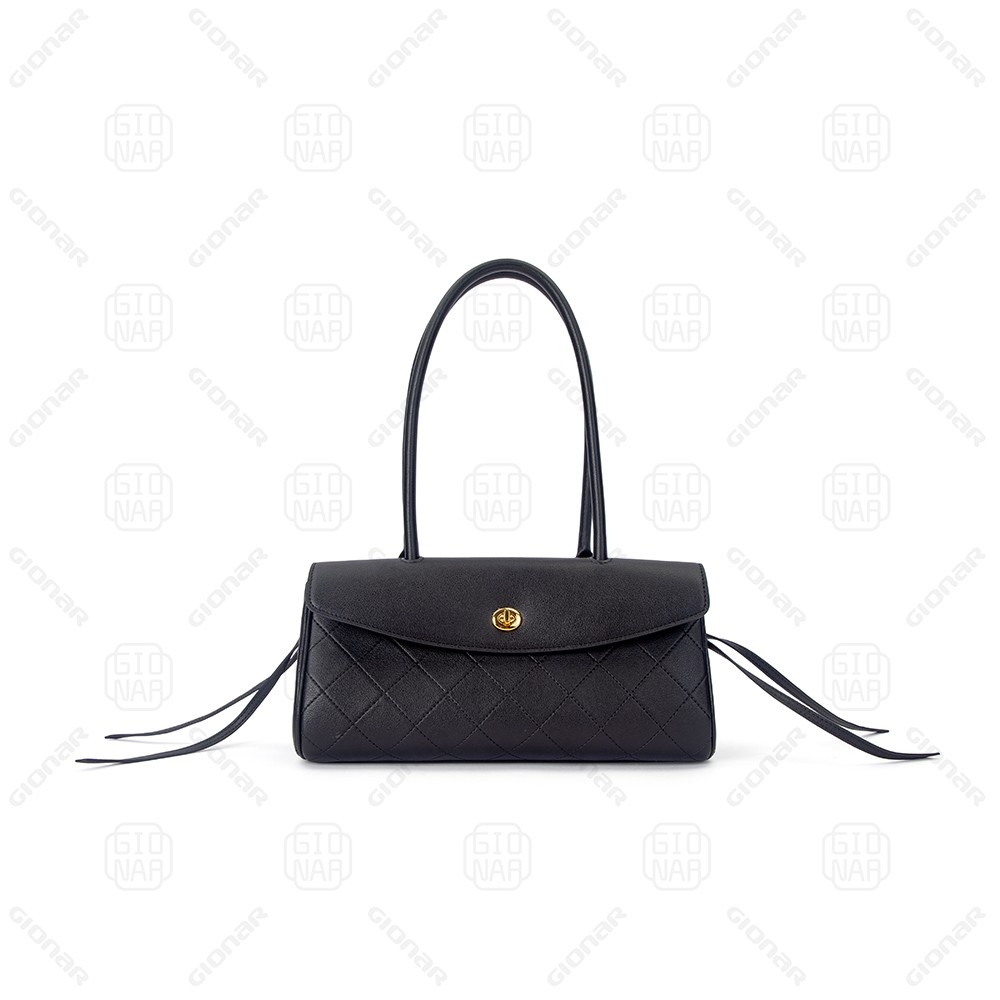
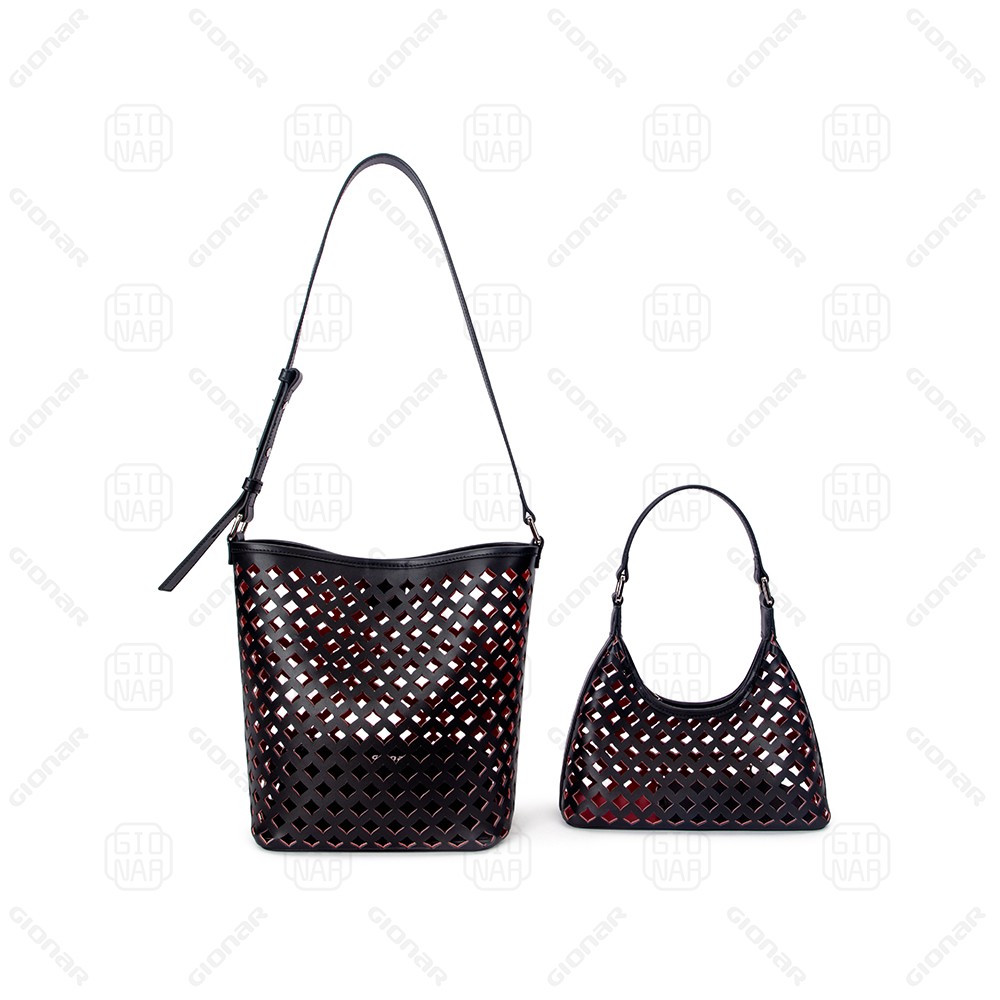
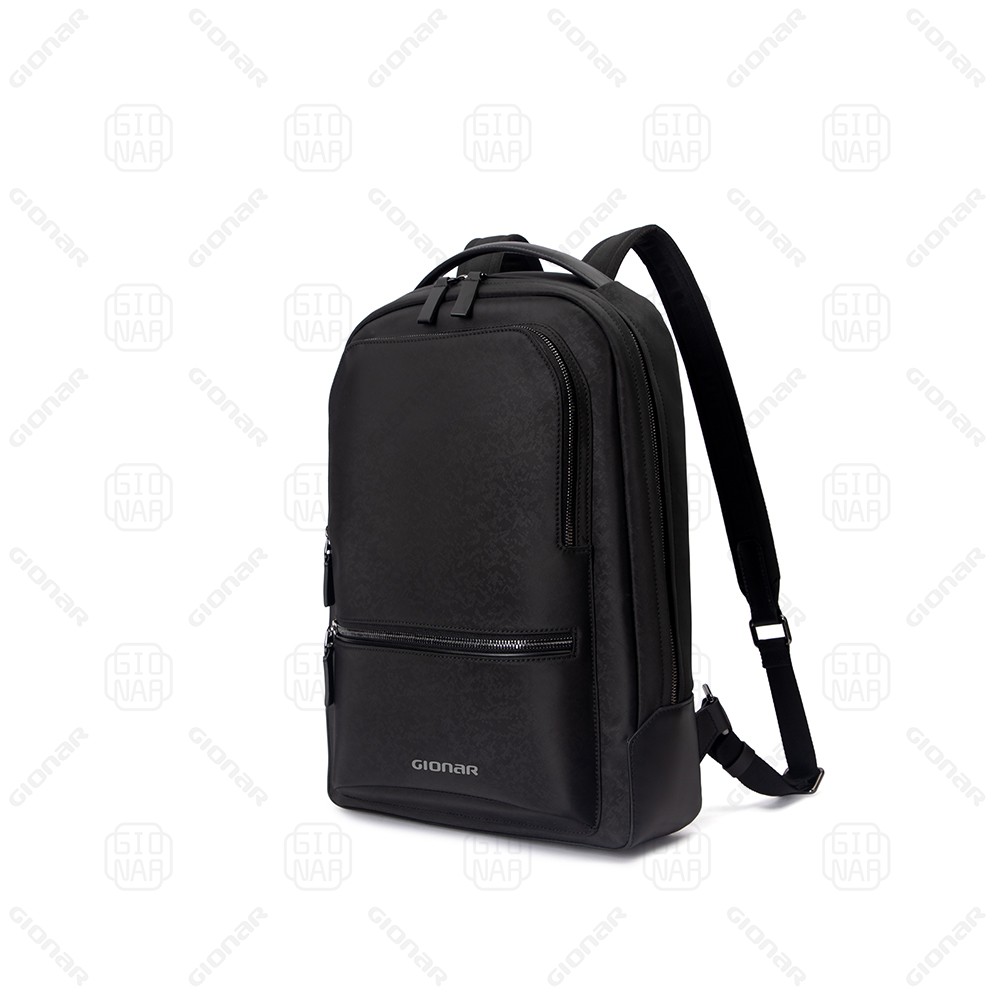
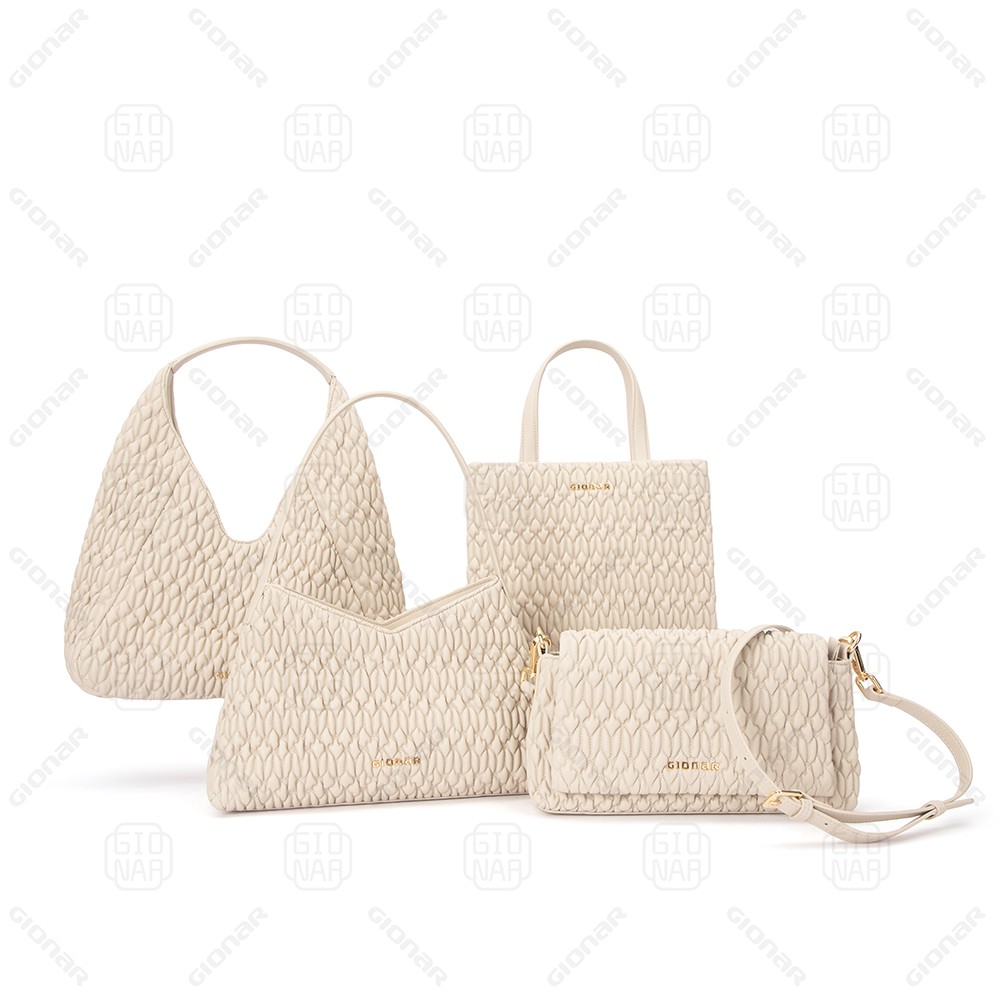
Gionar, a leather bags manufacturer, mainly chooses the right materials to produce bags and customize bags according to the requirements of customers. Faux leather, vegan leather and so on will be used.


Mobile Website

Inquires Whatsapp