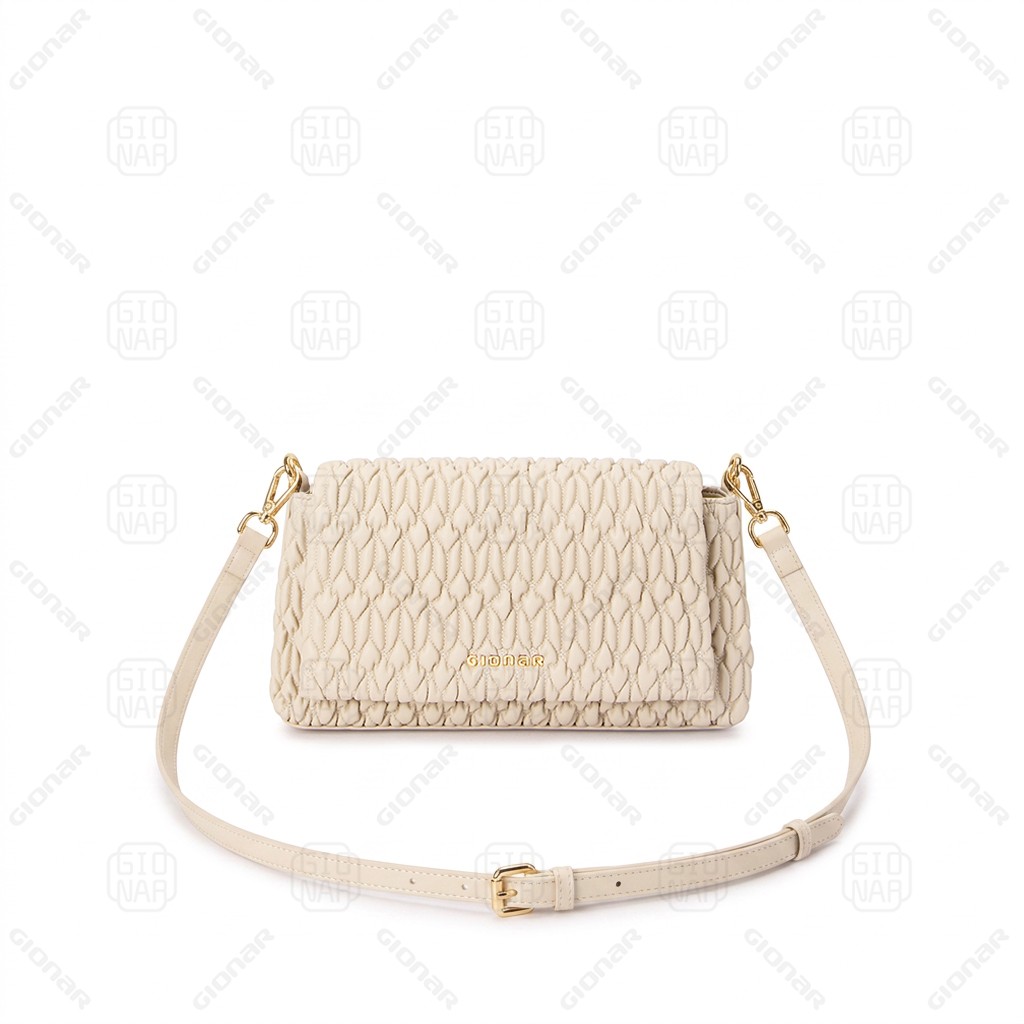
Bag interior materials shape functionality, user experience, durability, and quality — including lining, structure, base, pockets, zippers, trims, and labels.
Bag lining materials play a crucial role in the functionality, user experience, durability, and overall quality of a bag. The term “lining” refers to more than just the fabric on the inside. It can also include structural interlinings, base panels, pockets, zippers, binding, labels, and other interior components.
Why do so many people choose a bag based solely on its exterior material — such as leather or canvas — only to discard it a few months later when the lining starts to pill or the seams begin to come apart? One reason is that the lining is often overlooked, even though it acts as the hidden framework that contributes significantly to a bag’s actual lifespan. Whether you are buying a bag or developing a custom bag, it is important to pay attention to the materials and quality of the interior.
If you are a consumer, consider your intended use, budget, and personal needs when choosing a bag. A good lining should be durable, easy to maintain, gentle on the items inside, and appropriately lightweight without compromising its structure. If you are a bag brand, selecting the right lining for a custom bag requires balancing multiple factors, including brand positioning, target price, intended use, weight, durability, user experience, maintenance, and sustainability. For example, casual bags may prioritize cost-effectiveness, travel bags may require water resistance, while high-end handbags often place greater emphasis on a refined look and luxurious feel.
What Are Bag Lining Materials?
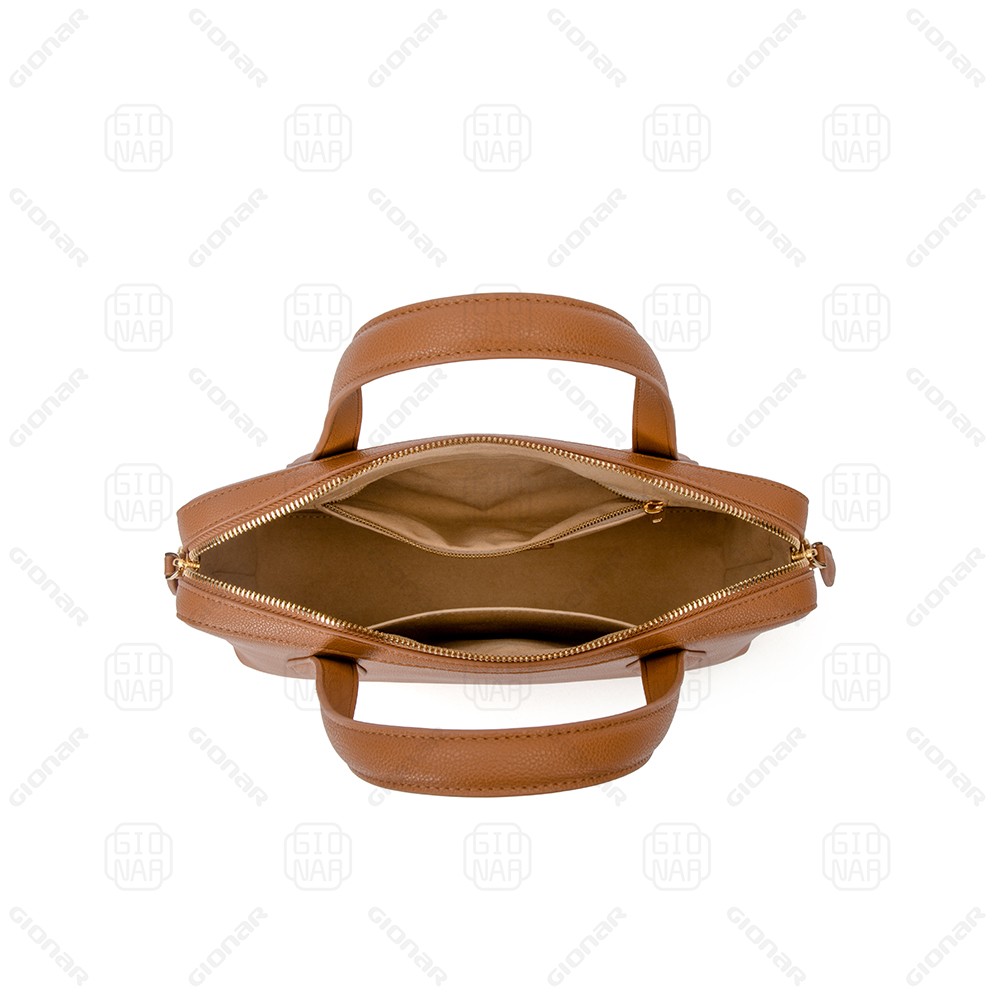
Bag lining materials, commonly referred to as lining fabrics or interior materials, are the fabrics and components used inside a bag to protect its contents, provide structural support, improve organization, and enhance the overall look and feel. A well-designed interior provides a smooth surface that makes it easier to insert and remove belongings. Depending on the bag’s construction, interior materials can also provide additional structure, reinforcement, or cushioning. These components may include lining fabrics, structural interlinings, pocket materials, zippers, edge binding, and reinforcement materials.
Natural Fibers
- Cotton — affordable, soft, and breathable, cotton is widely used in casual bags. It is relatively easy to clean, but can wrinkle and fade over time. Cotton linings are well suited to everyday totes, beach bags, and other casual styles.
- Linen — lightweight and naturally moisture-absorbent, linen has a distinctive texture that can give a bag a refined, premium appearance. While durable, it may shrink after washing, making it more suitable for premium or handcrafted bags where proper care can be maintained.
- Canvas — thick, sturdy, and highly tear-resistant, canvas provides excellent durability and protection. It is often treated with a water-resistant coating for additional protection, making it particularly suitable for backpacks, weekender bags, and other styles designed to carry heavier loads.
Synthetic Materials
- Polyester — affordable, lightweight, and wrinkle-resistant, polyester is a popular choice for mass-produced bags. It offers water resistance and is easy to clean, although it can retain heat. It is commonly used in crossbody bags, laptop bags, and travel accessories.
- Nylon — known for its high strength, durability, and excellent water resistance, nylon is particularly suitable for outdoor and travel bags. It is lightweight and quick-drying, making it a practical choice for backpacks and larger-capacity bags.
- PVC — water-resistant and easy to wipe clean, PVC is often used for rainwear bags, beach bags, and other accessories that require moisture protection. However, it has a relatively high environmental impact and may become brittle after prolonged use.
- PU Leather — a synthetic leather alternative that offers a fashionable, leather-like appearance at a lower cost. It is durable and easy to clean, although the surface may peel or crack with prolonged use.
Premium Materials
- Genuine Leather — known for its premium appearance, durability, and distinctive tactile quality, genuine leather develops a natural patina over time. It has a soft, luxurious feel but requires regular care and maintenance. It is often used in high-end handbags, briefcases, and premium accessories.
- Suede — soft and velvety to the touch, suede adds a sophisticated and luxurious feel to a bag’s interior. However, it is more susceptible to stains and requires specialized care, making it more common in luxury accessories and designer bags.
- Silk — smooth, elegant, and exceptionally refined, silk is often used for luxury evening bags and sophisticated clutches. Its delicate texture requires careful handling and professional cleaning, making it less suitable for everyday bags.
Sustainable Materials
- Recycled Polyester — made from recycled plastic bottles, recycled polyester can help reduce the environmental impact associated with virgin polyester while maintaining similar levels of durability and performance. It is commonly used by sustainable fashion brands and in eco-conscious bag collections.
- Hemp Fiber — a renewable and biodegradable fiber, hemp is strong and highly durable. It also has naturally moisture-resistant and antimicrobial properties, making it an attractive option for bags designed with sustainability in mind.
- Organic Cotton — grown without synthetic pesticides or fertilizers, organic cotton is soft, breathable, and a more environmentally conscious alternative to conventional cotton. It is well suited to sustainable tote bags and casual accessories.
Summary of the Main Lining Fabrics
Summary of the Main Lining Fabrics
| Material |
Characteristics |
Pros |
Cons |
Common Use |
| Cotton |
Natural, soft, breathable |
Durable, pleasant feel, eco-friendly |
Wrinkles, stains, not water-resistant |
Mid-range to luxury bags |
| Canvas |
Sturdy woven cotton/linen |
Very durable, structured, casual |
Heavy, can fray, not luxurious |
Totes, travel bags, casual bags |
| Polyester |
Synthetic, smooth |
Cheap, strong, water-resistant, colourfast |
Not breathable, can feel plasticky |
Mass-market, outdoor, affordable bags |
| Nylon |
Synthetic, lightweight |
Very strong, water-resistant, abrasion-resistant |
Can be noisy, less luxurious |
Sporty, travel, practical bags |
| Satin / Silk |
Smooth, glossy, luxurious |
Elegant feel, gentle on contents |
Delicate, snags easily, expensive |
Evening bags, luxury clutches |
| Viscose / Rayon |
Semi-synthetic from wood pulp |
Soft, silky, drapes well |
Weak when wet, prone to wrinkles |
Fashion bags, linings |
| Cupro |
Regenerated cellulose |
Silky, breathable, anti-static |
Expensive, delicate |
High-end linings |
| Tencel / Lyocell |
Eco-friendly wood pulp |
Sustainable, soft, moisture-wicking |
More expensive, less common |
Sustainable luxury brands |
| Suede |
Brushed leather or synthetic |
Soft, luxurious, grip |
Stains easily, adds weight |
Premium bags, pockets |
| Leather (Lambskin, Goatskin, Calfskin) |
Animal hide |
Extremely durable, luxurious, ages well |
Heavy, expensive, needs care |
Hermès, Chanel, high luxury |
| Microfiber |
Fine synthetic fibres |
Soft, durable, water-resistant, leather-like |
Can feel synthetic, less breathable |
Mid-range to premium bags |
| Jacquard / Grosgrain |
Woven patterned fabric |
Branded look, durable, elegant |
Can snag, limited colours |
Chanel, Dior linings |
| Mesh |
Open weave synthetic |
Breathable, lightweight, visible organization |
Not protective, casual |
Sport bags, pockets |
Professional tip: Match the lining class to the price tier before anything else. A cheap polyester lining inside a luxury bag undermines perceived value instantly, while an unnecessarily heavy leather lining in a lightweight raffia bag destroys the very quality that justifies its price.
Interior Structural Components: More Than Just Fabric
Bag interiors are made up of more than just lining fabric. Hardware, trims, and structural components also play an important role in the bag’s functionality and durability.
- Pocket Fabric — often made from the same material as the main lining, or from a stronger blended fabric to help pockets retain their shape.
- Zippers and Magnetic Closures — zippers, including premium options such as YKK or Excella, as well as magnetic closures, provide secure and convenient access to the bag’s contents.
- Binding / Edge Tape — cotton, tweed, or leather binding can be used to finish and protect raw edges while creating a clean, refined appearance.
- Leather Base Panels / Reinforcement Pieces — leather patches may be added to the base, corners, or key attachment points to reinforce high-stress areas.
- Interior Labels — heat-stamped leather labels or woven rayon labels can be used for branding and product identification.
- Reinforcement / Interlining Layers — non-woven fusible interlinings or thin foam layers placed between the outer fabric and lining can provide structural support, improve shape retention, and help protect the outer shell.
Structural & Functional Interior Materials
Structural & Functional Interior Materials
| Component |
Material |
Function |
| Interlining / Padding |
Foam, felt, Pellon, sailcloth |
Adds shape, softness, protection |
| Base Shaper |
PE board, leather board, plastic |
Keeps bag bottom flat and structured |
| Edge Binding |
Grosgrain ribbon, leather, fabric |
Finishes raw edges, prevents fraying |
| Pockets |
Same as lining or leather |
Organization for phone, cards, keys |
| Zippers |
Nylon, metal, plastic |
Security and closure |
| D-Rings / Key Leash |
Metal, leather, webbing |
Attachments for straps, keys |
| Labels / Tags |
Woven, leather, metal |
Branding, authenticity, care info |
Key Considerations When Choosing Bag Lining Materials
- Functionality — consider water resistance, durability, abrasion resistance, and ease of cleaning and maintenance.
- Aesthetics — consider the material’s texture, color, finish, and how well it complements the bag’s design and brand positioning.
- Sustainability — consider environmentally conscious materials and production choices that align with the expectations of increasingly sustainability-minded consumers.
- Cost — balance material quality and performance with production costs and the target price of the finished product.
What Bag Lining Material Provides Insulation?
If you are designing a bag that requires thermal insulation, you need an insulated lining material that helps maintain the temperature of the contents inside.
High-Performance Insulated Lining Materials
- Aluminum Foil / Metallized Film (Reflective Layer) — reflects radiant heat to help keep hot items hot and cold items cool. It is typically laminated with a foam layer to enhance thermal insulation and overall performance.
- Polyethylene Foam, EPE, XPE, or EVA Foam — lightweight closed-cell foams that trap air and slow down heat transfer. They are commonly used in insulated lunch bags, cooler bags, and thermal carriers.
- Neoprene — offers excellent thermal insulation combined with high flexibility and cushioning. It is commonly used for smaller insulated bags, bottle holders, lunch bags, and other compact applications.
- PEVA / EVA Linings — water-resistant and leak-resistant, with a smooth surface that is easy to wipe clean. These materials are particularly suitable for food and beverage applications where hygiene and easy maintenance are important.
- Thermal-Insulating Nonwoven Fabric / Felt / Wool — made from natural or synthetic fibers, these materials provide a combination of thermal insulation and softness. However, their moisture resistance is generally lower than that of closed-cell foam or coated materials.
- Thinsulate™ or Similar Synthetic Insulation Materials — soft, flexible, and lightweight, these synthetic insulation materials are designed to provide high thermal performance without adding excessive bulk, making them suitable for high-performance insulated bags.
Comparison of Five Major Types of Insulated Lining Materials
Comparison of Five Major Types of Insulated Lining Materials
| Material Type |
Representative Material |
Insulation Principle |
Insulation Performance |
Weight |
Softness |
Cost |
Typical Applications |
| Foam Rubber |
Neoprene |
Closed-cell structure traps heat |
⭐⭐⭐⭐⭐ Excellent |
Medium |
Good, elastic |
High |
Thermos sleeves, diaper bags, outdoor cooler bags |
| Foam Plastic |
EVA / EPE pearl cotton |
Foam pores trap heat |
⭐⭐⭐⭐ Good |
Ultra-light |
Average, somewhat stiff |
Low |
Takeout cooler boxes, cheap cooler bags, wine bags |
| Reflective Insulation |
Aluminum foil |
Reflects radiant heat |
⭐⭐⭐ Moderate (weak alone) |
Ultra-light |
Poor, brittle and hard |
Very low |
Often combined with foam as inner lining of insulation layer |
| Fiber Fill |
Hollow fiber, Thermolite, down-alternative cotton |
Still air between fibers traps heat |
⭐⭐⭐⭐ Good |
Light |
Good, soft |
Medium |
Winter warm bags, laptop bags (shock absorption & insulation) |
| High-End Functional |
Aerogel / PCM (Phase Change Material) |
Nano-porous insulation / phase change heat absorption & release |
⭐⭐⭐⭐⭐ Top-tier |
Ultra-light |
Average |
Very high |
High-end outdoor, medical cold chain, luxury limited editions |
Detailed Analysis of Leading Insulation Materials
1. Neoprene (Wetsuit Material) — A Versatile Insulation Solution
- How it works: neoprene is a foamed synthetic rubber with a large number of independent closed cells. These cells trap air and help slow down heat transfer, providing effective thermal insulation.
- Advantages: excellent thermal insulation, high elasticity, water resistance, abrasion resistance, and a soft hand feel. Neoprene can also be used where the material contacts food, subject to the appropriate food-contact grade and regulatory requirements.
- Limitations: heavier and more expensive than many alternative insulation materials. It may also feel slightly warm or less breathable in hot weather.
- Common thicknesses: 2 mm, 3 mm, and 5 mm. In general, thicker neoprene provides greater insulation.
- Typical thermal performance: 5 mm neoprene can typically maintain cold temperatures for approximately 4–6 hours and retain heat for approximately 2–4 hours, depending on bag construction, ambient temperature, contents, and usage conditions.
- Typical applications: diaper bags, wine bags, lunch bags, outdoor insulated bags, and bottle holders.
- Estimated cost: US$1.39–US$3.47 per bag for a medium-sized bag.
2. EVA / EPE Pearl Cotton — A Cost-Effective Insulation Option
- How it works: EVA and EPE are foam materials with cellular structures that help trap air and reduce heat transfer.
- Advantages: extremely lightweight and economical. Their moderate rigidity also provides structural support and shape retention, while the closed-cell structure offers good moisture resistance.
- Limitations: generally firmer to the touch, with a less premium feel. Thermal insulation performance is moderate, and the material may age, become brittle, or break down over extended use.
- Common thicknesses: 3 mm, 5 mm, and 10 mm.
- Typical thermal performance: approximately 2–4 hours for cold retention and 1–2 hours for heat retention, depending on construction and environmental conditions.
- Typical applications: food-delivery insulated bags, budget promotional bags, and disposable or short-term thermal packaging.
- Estimated cost: US$0.28–US$0.69 per bag.
3. Aluminum Foil Laminated Fabric — An Essential Reflective Layer
- How it works: the aluminum foil layer reflects radiant heat, helping reduce heat transfer through radiation.
- Advantages: very economical, extremely lightweight, water-resistant, and easy to wipe clean.
- Limitations: the material can be prone to creasing, folding damage, and tearing. When used alone, its insulation performance is limited and it should be combined with a foam or fiber insulation layer.
- How it is used: typically applied as the inner-facing layer of an insulated bag, with the reflective side facing inward. When combined with EVA or EPE foam, it forms a more effective thermal barrier.
- Typical applications: incorporated into the lining systems of a wide range of insulated bags, including lunch bags, cooler bags, food-delivery bags, and thermal carriers.
- Estimated cost: US$0.14–US$0.42 per bag.
Common insulation construction: outer fabric + EVA/EPE insulation layer + aluminum foil inner layer = a complete insulated bag system. Each layer serves a different function: the outer fabric provides durability and appearance, the foam layer provides the primary insulation and structure, and the aluminum foil layer helps reflect radiant heat.
4. Hollow Fiber / Thermolite® — Lightweight Thermal Insulation
- How it works: hollow fibers trap still air within their structure, using a principle similar to the insulation mechanism of down-filled garments.
- Advantages: extremely lightweight, soft, breathable, compressible, and capable of providing good thermal insulation without adding significant weight.
- Limitations: generally not waterproof. When saturated with water, its insulating performance can be significantly reduced. Its lofted structure can also add volume to the finished bag.
- Typical applications: winter bags, insulated laptop bags requiring both thermal protection and cushioning, and lightweight outdoor thermal bags.
- Estimated cost: US$0.69–US$2.08 per bag.
5. Aerogel — Advanced High-Performance Insulation
- How it works: aerogel features a highly porous, nanoscale structure composed of more than 90% air in some formulations. Its extremely low thermal conductivity makes it an exceptionally efficient insulation material.
- Advantages: among the highest-performing solid insulation materials available, aerogel can deliver strong thermal insulation in a very thin profile. In certain applications, a 2 mm aerogel-based insulation layer may provide performance comparable to a much thicker conventional foam layer, depending on the specific formulation and construction.
- Limitations: significantly more expensive than conventional insulation materials. Some aerogel materials can also be brittle, and processing and manufacturing requirements can be more demanding.
- Typical applications: premium technical outdoor bags, medical cold-chain bags, and experimental or luxury applications where high thermal performance and a thin profile are priorities.
- Estimated cost: US$6.94–US$27.78+ per bag, with current use in consumer bags remaining relatively limited.
Common Insulation Lining Combinations
Common Insulation Lining Combinations
| Bag Type |
Typical Insulation Lining |
Why It Works |
| Lunch bag |
Aluminum foil + PE foam + PEVA |
Reflective + foam + leak-proof |
| Cooler bag |
EPE/XPE foam + foil + PEVA |
Thicker foam for longer cold retention |
| Bottle bag |
Neoprene or foil + foam |
Flexible, shock-absorbing, insulated |
| Diaper bag |
PE foam + water-resistant lining |
Keeps bottles warm/cool, easy clean |
| Delivery bag |
EPE foam + aluminum foil + Oxford |
Heavy-duty heat retention |
Key Factors Affecting Thermal Insulation Performance
Thermal performance depends on more than just the insulation material. Five key factors can significantly affect how long a bag can maintain the desired temperature:
- 1. Insulation Thickness — in general, thicker insulation provides better thermal performance, but it also adds weight and bulk to the finished bag.
- 2. Closure and Seal — a fully closed bag generally retains temperature much more effectively than an open-top design. Zippers, hook-and-loop closures, or a combination of both can help minimize heat exchange and reduce temperature loss.
- 3. Fill Capacity — a fuller bag can generally maintain a more stable internal temperature because there is less air exchange inside the compartment. However, the actual performance depends on the contents, packing configuration, and insulation structure.
- 4. Pre-Cooling / Pre-Heating — pre-conditioning the bag and its contents (for example, pre-cooling the bag in a refrigerator or pre-heating it with hot water) can help extend the effective temperature-retention time.
- 5. Frequency of Opening — repeatedly opening the bag allows warm or cold air to escape and accelerates temperature changes. Minimizing the number of openings can significantly improve overall thermal performance.
Insulation Material Selection: What to Watch For
- Don’t evaluate the material alone — consider the complete structure. Aluminum foil by itself provides limited insulation, while foam alone may not deliver optimal thermal performance. A properly engineered combination of foam insulation + a reflective aluminum foil layer can provide a more effective thermal barrier.
- Thicker does not always mean better. For many everyday applications, a construction such as 5 mm EVA foam combined with an aluminum foil layer can provide a practical balance of insulation, weight, and flexibility. Excessive thickness can make the bag unnecessarily bulky and compromise the lightweight, natural feel of materials such as raffia.
- Food-contact safety is essential. For bags designed to carry food, the interior surface that comes into direct contact with food should use appropriate food-grade PEVA or food-contact-rated aluminum foil that complies with applicable regulations. Low-quality materials with strong or persistent odors should be avoided.
- Closure design matters. Open-top insulated bags can experience significantly greater temperature loss. For better thermal retention, consider incorporating a zipper, hook-and-loop closure, or another secure closure system.
- Test before mass production. Thermal performance can vary significantly depending on materials, construction, sealing, stitching, and manufacturing processes. We recommend developing prototypes and conducting real-world thermal tests before moving into mass production, to validate the required insulation time and optimize the construction before committing to production volumes.
Manufacturing Recommendations
For high-performance insulated bags, a multi-layer construction is commonly used to balance thermal performance, durability, weight, and ease of maintenance.
- Outer Layer: durable fabrics such as nylon, polyester, or nonwoven fabric provide abrasion resistance and structural durability.
- Insulation Layer: EPE foam or polyester fiberfill provides thermal buffering and helps slow down heat transfer.
- Reflective Layer: aluminum foil or metallized film helps reflect radiant heat and reduce thermal exchange.
- Inner Lining: PEVA or other food-contact-rated lining materials provide a smooth, easy-to-clean interior surface and are suitable for food-related applications when the appropriate grade is selected.
This layered construction allows each material to perform a specific function while maximizing thermal performance without unnecessarily increasing weight or bulk.
Why Bag Lining Material Matters
The materials used inside a bag may not be visible to others, but they are among the components that users interact with every day. An attractive exterior may capture a buyer’s attention, but the interior materials often determine whether a bag feels comfortable and convenient to use — or becomes a source of frustration over time. Bag lining materials are one of the key factors that influence a bag’s perceived quality, durability, and overall user experience. In the fashion industry, there is a simple principle: to understand the quality of a bag, look inside.
Directly Impacts Product Durability
- High-friction areas: every time items are placed into or removed from a bag, the lining is exposed to friction and abrasion. Low-quality nylon linings may pill, snag, or even tear after extended use, while high-quality polyester or microfiber linings can provide significantly better long-term durability when properly selected and constructed.
- Provides structural support: firm interior materials, such as PVC reinforcement panels or felt interlinings, can help maintain the bag’s shape and prevent soft bags from collapsing or becoming deformed. Proper structural support can therefore contribute to the overall service life of the product.
- Protects the outer material: a well-designed lining helps cushion the contents of the bag and reduces pressure and abrasion against the outer leather or fabric. This helps prevent situations where the exterior remains in good condition while the interior has already become worn or damaged.
Determines User Experience and Functionality
- Smooth access to contents: smooth polyester or nylon linings allow items to be inserted and removed easily with minimal snagging. Rough fabrics or low-quality synthetic leather can cause items to catch or become difficult to remove.
- Organization and storage: the design of the interior has a direct impact on how efficiently users can organize their belongings. Multiple compartments (phone pockets, zippered pockets, pen holders, key clips) make everyday essentials easier to organize and access, whereas minimal interior organization lets items become mixed together, making it harder to quickly find keys, cards, or other essentials.
- Impact on overall weight: lightweight linings, such as nylon, add very little weight to the finished product. Heavier interior materials, such as genuine leather, can substantially increase the overall weight of a bag and may add to the load carried on the shoulders and neck.
Affects Cleaning and Maintenance
- Stain resistance: light-colored linings make stains, ink marks, and cosmetic residue more visible. Darker linings tend to conceal everyday marks more effectively, although some materials may be susceptible to color transfer. Leather linings can often be wiped clean, while certain fabric linings may require specialized cleaning. Suede and other napped materials are particularly sensitive to staining and can be more difficult to maintain.
- Water resistance: water-resistant linings, such as nylon or PVC, can help contain accidental spills and make cleaning easier. For example, coffee or cosmetic products can often be wiped away before they penetrate deeper into the bag. Absorbent cotton linings, by contrast, can retain moisture and allow liquid to reach the outer layers.
- Ease of cleaning: smooth synthetic-fiber linings are generally easy to maintain and clean. Some natural-fiber linings may be more susceptible to pilling, staining, or shrinkage and can be more difficult to repair or restore.
- Breathability and odor retention: the lining material can also influence moisture management and odor retention. Some synthetic materials may retain odors more readily, while many natural fibers offer better breathability. Material selection should therefore take into account the intended use and storage conditions of the finished bag.
Aesthetic Appeal and Brand Identity
The interior of a bag is an important part of the overall quality perception of leather and textile products. The choice of interior material, color, texture, and pattern can work together to enhance the visual and tactile experience of the product. Custom-designed linings featuring a brand logo, signature pattern, or distinctive artwork can further strengthen brand identity, increase perceived product value, and create a more memorable experience for customers. For brands, the lining is therefore not simply a functional component — it can also become an important part of the product’s visual language.
Connecting the Lining to Brand Values
- Sustainability-focused brands: recycled nylon, rPET-based fabrics, organic cotton, and other more environmentally conscious lining options can reinforce a brand’s sustainability positioning.
- Craft-focused brands: natural cotton fabrics, artisanal materials, and carefully constructed or hand-finished linings can help communicate craftsmanship and tell a more authentic product story.
- Premium and luxury brands: premium leather linings and other high-quality interior materials can create a sense of consistency between the exterior and interior, supporting a refined and luxurious product experience.
Impact on Resale Value
For pre-owned luxury bags, the condition of the interior can be an important factor in determining perceived value. Visible stains, tears, excessive wear, or persistent odors may negatively affect resale appeal and can lead to lower resale prices, depending on the brand, model, condition, and market demand. A well-preserved lining that retains its original material, construction, and branded details can also provide useful evidence of the bag’s originality and authenticity when assessed alongside other identifying features. For this reason, lining quality should not be viewed as a secondary detail — from durability and functionality to maintenance, brand identity, and long-term product value, the right interior materials can have a meaningful impact on the overall performance and perception of a bag.
Affects the Safety and Protection of Items
Lining Material Protection Effects
| Lining Material |
Protection Effect |
Suitable For |
| Microfiber |
⭐⭐⭐⭐⭐ Anti-scratch & shock-absorbing |
Phones, glasses, cameras, jewelry, and other valuables |
| Nylon |
⭐⭐⭐ Abrasion-resistant but stiff |
Documents, wallets, and daily items |
| Cotton |
⭐⭐⭐⭐ Soft and skin-friendly |
Clothing, cosmetics, etc. |
| Suede |
⭐⭐⭐⭐⭐ Luxuriously soft |
High-end luxury bags, precious items |
| PVC / Plastic |
⭐⭐ Waterproof but hard |
Beach bags, waterproof bags |
It Is the “Hidden Touchstone” of Brand Grade
The Hidden Touchstone of Brand Grade
| Tier |
Interior Configuration |
User Psychology |
| Top-tier Luxury |
Genuine leather lining + refined stitching + brand print + metal logo plate |
“Expensive for a reason” |
| Affordable Luxury |
Polyester/nylon lining + brand jacquard + multiple compartments |
“Good quality, worth the price” |
| Fast Fashion |
Thin nylon/polyester + simple divider + many loose threads |
“It’s only worth this price” |
| Low-end White Label |
Fabric so thin it’s translucent + no thread trimming + no design |
“Feels too cheap” |
Concerning Costs and Pricing Strategies
Lining Cost by Product Tier
| Lining Material |
Added Cost per Bag |
Corresponding Product Tier |
| Thin Nylon |
¥2 – ¥5 (≈$0.28 – $0.69) |
Fast fashion, low-end white label |
| Polyester Jacquard |
¥5 – ¥15 (≈$0.69 – $2.08) |
Mid-range, affordable luxury |
| Microfiber |
¥10 – ¥25 (≈$1.39 – $3.47) |
Mid-to-high-end, designer brands |
| Genuine Leather Lining |
¥30 – ¥80 (≈$4.17 – $11.11) |
High-end, luxury |
| Suede |
¥20 – ¥50 (≈$2.78 – $6.94) |
High-end artisan brands |
The Hidden Details: Weaves, Coatings, and Treatments of Bag Interior Materials
Weaves: The Structural Foundation
Weave Types
| Weave Type |
Characteristics |
Common Fibers |
Typical Use |
| Plain Weave |
Tight, flat, durable, low stretch; inexpensive |
Nylon, polyester, cotton |
Basic linings, taffeta, budget bags |
| Twill Weave |
Diagonal pattern; stronger than plain weave; hides stains well |
Cotton, polyester, nylon |
Mid-range bags, structured interiors |
| Satin Weave |
Smooth, lustrous, drapes beautifully; prone to snags |
Acetate, viscose, silk, polyester |
Luxury linings, evening bags |
| Jacquard |
Complex woven patterns or logos; higher cost |
Polyester, nylon, viscose |
Branded linings, premium bags |
| Ripstop |
Reinforced grid pattern; tear-resistant, lightweight |
Nylon, polyester |
Outdoor, travel, technical bags |
| Oxford |
Basket-weave; durable, textured, slightly heavier |
Nylon, polyester, cotton |
Casual bags, totes, utility interiors |
| Dobby |
Small geometric patterns; lighter than jacquard |
Cotton, polyester |
Decorative linings, mid-tier bags |
Key takeaway: a plain-weave nylon lining may be cheap and functional. A jacquard-woven polyester lining signals brand investment. A satin lining feels luxurious but requires careful use.
Coatings: Performance on the Surface
Coating Types
| Coating |
Benefits |
Drawbacks |
Best For |
| PU (Polyurethane) |
Flexible, soft, water-resistant; can be breathable |
May peel or degrade over time |
Mid-to-high-end bags, everyday linings |
| PVC (Polyvinyl Chloride) |
Fully waterproof, durable, easy to wipe clean |
Stiff, heavy, less eco-friendly |
Beach bags, waterproof pouches, budget bags |
| Acrylic |
Water-repellent, softer than PVC, moderate cost |
Less durable than PU/PVC |
Casual bags, cotton-blend linings |
| Teflon |
Stain- and water-repellent; breathable; thin |
Can wear off with abrasion |
Premium linings, light-colored interiors |
| Silicone |
Soft, water-repellent, durable, temperature-resistant |
Expensive; limited color options |
High-end technical bags, outdoor gear |
| Wax |
Water-repellent, vintage feel, develops patina |
Can transfer to contents; needs reapplication |
Heritage, artisan, and canvas bags |
| Calendering |
Smooths surface, increases water resistance, adds sheen |
Can stiffen fabric; may reduce breathability |
Nylon/polyester linings, down-proof fabrics |
Key takeaway: a PU-coated jacquard lining is a strong mid-luxury signal. PVC is functional but cheap-feeling. Teflon and silicone are premium performance coatings.
Treatments: The Finishing Touch
Treatment Types
| Treatment |
Function |
Common Application |
| Anti-Bacterial |
Inhibits odor-causing bacteria |
Diaper bags, gym bags, cosmetic bags |
| Anti-Static |
Reduces dust attraction and static cling |
Electronics bags, camera bags |
| Water-Repellent (DWR) |
Causes water to bead and roll off |
Outdoor bags, travel linings |
| Stain-Release |
Makes stains easier to wipe away |
Light-colored linings, kid-friendly bags |
| Softener |
Improves hand feel and drape |
Cotton and linen linings |
| Calendering |
Smooths and flattens surface |
Nylon taffeta linings |
| Embossing |
Creates raised texture or pattern |
Faux leather, decorative linings |
| Brushing / Sueding |
Creates soft, napped surface |
Suede-like linings, premium interiors |
| Foiling |
Adds metallic or reflective finish |
Fashion-forward linings |
| Laser Perforation |
Adds breathability and visual detail |
Sporty, technical bags |
Key takeaway: treatments are often invisible but highly functional. Anti-bacterial and stain-release treatments justify higher price points in diaper and travel bags.
Sustainable Fabrics, Coatings, and Treatments
Environmentally conscious alternatives are becoming increasingly popular in the bag industry as brands and consumers place greater emphasis on responsible material choices.
- Recycled Polyester Fabrics — made from recycled plastic bottles, recycled polyester can offer durability and performance comparable to conventional polyester while helping reduce reliance on virgin raw materials.
- Water-Based Coatings — can provide water resistance with lower levels of volatile organic compounds (VOCs) than many conventional solvent-based coating systems. They are an increasingly popular option for brands looking to reduce the environmental impact of their products and manufacturing processes.
- Plant-Based Treatments — natural ingredients such as beeswax and soybean oil can be used in certain leather care and textile treatment applications as alternatives to some conventional synthetic chemicals, depending on the desired performance and end use.
Impact on Bag Performance and Brand Value
- Durability: strong weaving or construction techniques combined with protective coatings can improve resistance to wear and environmental exposure, potentially extending the service life of a bag and reducing the need for frequent replacement.
- Functionality: water-resistant and stain-resistant treatments can make bags more practical for everyday use, improving protection against moisture, spills, and everyday dirt while enhancing the overall user experience.
- Perceived quality: premium fabrics with refined finishes, such as satin, and high-quality leather materials can communicate craftsmanship and attention to detail, contributing to a more elevated product experience and supporting premium positioning.
- Sustainability: environmentally conscious fabrics, coatings, and treatment processes can support brands in responding to growing consumer interest in more responsible products. Thoughtful material selection can also help differentiate a brand and reinforce its sustainability positioning.
Budget / Mid / Luxury of Bag Interior Materials
The grade of a bag lining material can have a significant impact on production cost, durability, hand feel, weight, ease of maintenance, and potential resale value. Depending on the target budget and brand positioning, bag lining materials can generally be categorized into three tiers: Budget, Mid-Range, and Luxury. Each tier differs significantly in material selection, manufacturing standards, design priorities, and functional requirements.
Budget Tier
Core objective: control production costs while meeting the basic functional requirements of the bag.
- Standard Polyester — cost: low, approximately ¥5–15 per meter. Abrasion-resistant and wrinkle-resistant, but generally less breathable. Lower-grade polyester may show signs of aging or degradation after prolonged use. Applications: fast-fashion backpacks, promotional bags, and giveaway products.
- Recycled Polyester — cost: slightly higher than standard polyester, approximately ¥8–20 per meter. Provides a more sustainable material option and may be available with certifications such as GRS, depending on the supplier and material source. Performance can vary by fiber specification and manufacturing process. Applications: affordable bags developed around a sustainability-focused product concept.
- Nonwoven Fabric — cost: very low, approximately ¥2–5 per meter. Lightweight and economical, with good resistance to moisture in certain constructions. However, it is generally more susceptible to tearing and has a shorter service life than woven fabrics. Applications: disposable event bags, exhibition giveaways, and short-term promotional packaging.
Design trade-offs — functionality focuses primarily on basic abrasion protection, with limited emphasis on advanced functions such as antimicrobial treatments or thermal regulation. Construction is simplified with fewer finishing details, such as reduced seam binding or edge treatments, to minimize manufacturing costs.
Mid-Range Tier
Core objective: achieve a practical balance between cost efficiency, durability, functionality, and user experience.
- Nylon — cost: mid to high, approximately ¥20–50 per meter. Lightweight, durable, and highly tear-resistant. Performance-oriented nylon fabrics, such as Cordura®, can provide enhanced durability, while water-resistant coatings can further improve functional performance. Applications: outdoor backpacks, commuter bags, laptop bags, and functional everyday carry products.
- Cotton Blends — cost: moderate, approximately ¥15–30 per meter. Offer good breathability and a soft hand feel, while blended fibers can improve durability and dimensional stability compared with some 100% cotton fabrics. Applications: casual canvas bags, lifestyle totes, and bags with a natural or artisanal aesthetic.
- EVA Foam-Laminated Fabric — cost: mid to high, approximately ¥30–60 per square meter. Provides cushioning, impact absorption, and additional protection. Often incorporated into structured compartments and protective interior panels. Applications: camera bags, photography equipment bags, electronics cases, and other protective applications.
Design highlights — enhanced functionality through water-resistant or stain-resistant coatings such as PU treatments, which improve protection and contribute to longer product life; refined details such as bound seams, reinforced stitching, and metal hardware improve durability while providing a more refined opening and closing experience.
Luxury Tier
Core objective: communicate brand value and deliver a highly refined product experience.
- Silk — cost: very high, approximately ¥100–300 per meter. Offers a natural luster, exceptionally smooth hand feel, and premium appearance. Due to its delicate nature, careful cutting and sewing techniques are required to minimize snagging and damage. Applications: evening bags, limited-edition collections, and haute couture-inspired handbags.
- Microfiber Leather — cost: high, approximately ¥80–200 per meter. Designed to replicate the look and feel of genuine leather while offering good abrasion resistance. It can also serve as an alternative to animal leather for brands seeking different material or sustainability positioning. Applications: premium business briefcases, executive bags, and high-end accessories.
- Customized Functional Materials — cost: highly variable depending on material specification and manufacturing process, typically ¥200+ per meter. Examples include thermoregulating fibers (materials incorporating phase-change technology to help regulate temperature, such as Outlast®) and antimicrobial treatments (specialized surface treatments, including silver-ion technologies). Applications: technology collaborations, innovative product lines, and smart luxury bags incorporating advanced functional materials.
Luxury design philosophy — exceptional craftsmanship: hand-cut components, concealed stitching, precision finishing, and carefully engineered construction can create a seamless transition between the lining and the outer shell. Material storytelling and exclusivity: material traceability, such as sourcing premium linen from specific regions, combined with limited-edition numbering, custom branding, or engraved details can strengthen the product story and reinforce a sense of exclusivity. Ultimately, the right lining material should be selected not only according to its unit cost, but also according to the brand positioning, intended use, target price, durability requirements, manufacturing process, and desired customer experience.
Bag Interior Material Tiers
Bag Interior Material Tiers
| Tier |
Typical Lining Materials |
Coating / Finish |
Details & Hardware |
Added Cost per Bag (USD) |
Best For |
| Budget |
190T polyester taffeta, 210D nylon, basic cotton, nonwoven |
Basic PU coating, standard dyeing, no special finish |
Simple slip pockets, plastic or basic nylon zipper, minimal branding |
$0.28–$0.56 |
Fast fashion, white label, e-commerce traffic style |
| Mid |
230T twill polyester, oxford, cotton twill, viscose, microfiber |
Fluorocarbon DWR, anti-mildew, pre-shrunk, colourfast |
Logo jacquard, suede microfiber phone pocket, hidden zipper pocket, YKK zipper, leather trim |
$1.11–$2.08 (retail uplift $11–$21) |
Designer brands, accessible luxury, niche brands |
| Luxury |
Ultrafine microfiber suede, silk satin, cupro, lambskin / goatskin / calfskin, suede, grosgrain, jacquard |
Nano-level fluorocarbon, antibacterial, hand-finished |
Full lining, contrast lining, hand-rolled edges, metal brand plate, multiple compartments, riri / Lampo zippers |
$4.17–$11.11+; full leather lining $20–$100+ |
High-end artisan brands, luxury entry lines; benchmark: Loewe, Celine, Hermès raffia interiors |
Material-by-Material Tier Guide
Material-by-Material Tier Guide
| Material |
Tier |
Key Traits |
| Polyester taffeta / nylon |
Budget |
Cheap, strong, water-resistant, but plasticky and less breathable |
| Cotton / canvas |
Budget–Mid |
Natural, durable, casual; can stain and wrinkle |
| Twill polyester / oxford |
Mid |
Durable, structured, good printability, often used with DWR |
| Viscose / rayon |
Mid |
Soft, silky, drapes well; weak when wet |
| Microfiber |
Mid–Luxury |
Soft, durable, leather-like, water-resistant |
| Suede / microfiber suede |
Luxury |
Soft, luxurious, grip; stains easily, adds weight |
| Silk / satin |
Luxury |
Elegant, gentle on contents; delicate and expensive |
| Cupro |
Luxury |
Silky, breathable, anti-static; expensive |
| Leather (lambskin, goatskin, calfskin) |
Luxury |
Extremely durable, ages beautifully; heavy and costly |
| Grosgrain / jacquard |
Luxury |
Branded, durable, elegant; can snag |
| Tencel / organic cotton / recycled PET |
Mid–Luxury |
Sustainable, soft, eco-friendly; cost varies |
Key Trade-offs by Tier
Key Trade-offs by Tier
| Factor |
Budget |
Mid |
Luxury |
| Durability |
Fair |
Good |
Excellent |
| Feel |
Synthetic |
Soft / structured |
Luxurious |
| Weight |
Light |
Light–medium |
Medium–heavy |
| Maintenance |
Easy |
Moderate |
High |
| Resale impact |
Low |
Moderate |
High |
| Sustainability |
Usually low |
Improving |
Often high |
Bag Lining Construction Strategies by Product Tier
The right lining configuration should reflect the brand’s positioning, target price, intended use, and desired product experience. Below are three reference lining packages designed to balance cost, functionality, durability, and perceived quality across different product tiers.
1. Entry-Level — Retail Price Below Approximately US$28
- Fabric: plain-weave polyester (190T)
- Coating: basic PU water-resistant coating
- Finishing: standard dyeing with no additional performance treatment
- Estimated additional cost: approximately US$0.28–US$0.56 per bag
- Recommended for: fast-fashion brands, private-label products, and entry-level bags designed for e-commerce or high-volume promotional campaigns. This configuration focuses on essential functionality and cost efficiency while providing a clean and practical interior finish.
2. Mid-Range — Retail Price Approximately US$42–US$139
- Fabric: twill polyester or Oxford fabric (230T) with a tone-on-tone jacquard logo
- Coating: fluorocarbon-based water-repellent treatment
- Finishing: colorfastness treatment, mold/mildew resistance, and pre-shrinking
- Additional interior details: suede-like microfiber phone pocket and concealed zippered pocket
- Estimated additional cost: approximately US$1.11–US$2.08 per bag
- Recommended for: designer brands, accessible luxury brands, and niche or independent labels. A more refined lining construction can create a noticeable upgrade in tactile quality and functionality, potentially supporting a retail price increase of approximately US$11–US$21, depending on the overall product design, brand positioning, and market.
3. Premium / High-End — Retail Price Above Approximately US$208
- Fabric: microfiber suede, silk satin, or genuine leather lining
- Coating: nano-scale stain-resistant and antimicrobial treatment, where appropriate
- Finishing: comprehensive finishing processes combined with hand-finished edge binding
- Interior details: full lining, contrast lining fabric, custom metal brand plaque, and multiple functional compartments
- Estimated additional cost: approximately US$4.17–US$11.11 per bag
- Recommended for: premium handcrafted brands and entry-level luxury collections. This configuration places greater emphasis on material quality, craftsmanship, detailing, and the overall tactile experience of the interior. It is suitable for brands seeking a more elevated and distinctive product presentation.
Choosing the right lining configuration. The appropriate lining package depends on more than the retail price of the finished bag. Brands should also consider target market, product positioning, expected usage, production volume, durability requirements, customer experience, and desired level of customization. A well-engineered lining does not necessarily require the most expensive materials — the objective is to select the right combination of fabric, coating, finishing, structural components, and interior details to achieve the desired balance between cost and perceived value.
How to Choose Bag Interior Materials for Your Brand?
Choosing the right interior materials for a bag requires careful consideration of multiple factors, including cost, durability, hand feel, weight, functionality, and brand positioning. Bag interior materials are much more than simply the “inside” of a bag — they play an important role in determining the product’s everyday performance, service life, and overall user experience. For brands, the right interior construction should strike a balance between functionality, aesthetics, manufacturing cost, and perceived value, while remaining consistent with the product’s intended use and brand identity.
Start With Brand Positioning & Price Point
Interior Direction by Price Tier
| Tier |
Retail Price (approx.) |
Interior Direction |
| Budget |
Under $30 |
Polyester taffeta, basic PU coating, simple pockets |
| Mid |
$40–$150 |
Twill polyester/oxford, DWR, logo jacquard, suede phone pocket |
| Luxury |
$200+ |
Microfiber suede, silk satin, leather trim, hand-finished edges |
Rule: Never put a cheap polyester lining in a luxury bag. It immediately undermines perceived value.
Match the Interior to the Exterior Material
Interior Matching by Exterior Material
| Exterior |
Recommended Interior |
Avoid |
| Raffia / straw |
Lightweight cotton, polyester taffeta, microfiber |
Heavy leather (adds weight, mismatched) |
| Canvas |
Cotton canvas, twill, polyester |
Silk (too delicate) |
| Leather |
Suede, microfiber, leather, jacquard |
Cheap nylon (feels inconsistent) |
| Nylon / synthetic |
Nylon, polyester, mesh |
Leather (heavy, unnecessary) |
| Evening / satin |
Silk, satin, suede |
Canvas (too casual) |
Consider the Bag’s Primary Use
Interior Recommendation by Use Case
| Use Case |
Priority |
Recommended Interior |
| Everyday tote |
Durability, easy clean |
Cotton canvas, twill polyester, microfiber |
| Work bag |
Organization, laptop protection |
Padded microfiber, multiple compartments, YKK zipper |
| Travel bag |
Water resistance, strength |
Nylon, polyester, mesh pockets |
| Evening clutch |
Luxury feel |
Silk, satin, suede, leather |
| Beach / raffia bag |
Lightweight, water-resistant |
Polyester taffeta, microfiber, cotton |
| Backpack |
Abrasion resistance |
Nylon, polyester, mesh |
Consider Your Customer & Use Case
Interior Choice by Customer Profile
| Customer Profile |
Best Interior Choice |
Why |
| Beach / vacation |
Waterproof nylon or PU-coated polyester |
Sand and water resistance is non-negotiable |
| Office commuter |
Structured twill + laptop sleeve + multiple pockets |
They carry a lot and need organization |
| Weekend / casual |
Soft cotton or rPET with simple pockets |
Relaxed feel matches the casual vibe |
| Eco-conscious buyer |
rPET or organic cotton with natural dyes |
Reinforces the sustainability narrative |
| Luxury collector |
Full leather or microfiber suede with logo jacquard |
Tactile luxury justifies the price tag |
| Mom / family |
Waterproof + easy-to-clean + multiple compartments |
They spill stuff, carry everything, need order |
Compare Common Lining Materials
Compare Common Lining Materials
| Material |
Durability |
Feel |
Water resistance |
Best for |
| Polyester |
High |
Smooth |
Good |
Everyday bags |
| Nylon |
Very high |
Smooth/light |
Very good |
Backpacks & travel bags |
| Cotton |
Medium |
Natural/soft |
Low |
Casual & eco-focused bags |
| Cotton twill |
High |
Structured |
Low–medium |
Totes & premium casual bags |
| Microfiber |
High |
Soft/luxurious |
Medium |
Handbags & luxury interiors |
| Suede/micro-suede |
Medium |
Very soft |
Low |
Premium/luxury bags |
| PU-coated fabric |
High |
Smooth |
Excellent |
Cosmetic & wet-use bags |
| Felt |
Medium |
Soft/padded |
Low |
Protective compartments |
Specify Weave, Coating, and Treatments (The Execution Layer)
Spec Example: Mid-Tier Raffia Tote
| Spec Element |
Example for a Mid-Tier Raffia Tote |
| Base fiber |
100% organic cotton twill, 280 gsm |
| Weave |
3/1 twill (durable, hides dirt) |
| Coating |
Water-based PU, 0.02 mm, one side only (wipe-clean, still breathable) |
| Treatment |
Fluorine-free stain repellent, OEKO-TEX 100 Class I/II |
| Interlining |
80 g non-woven fusible on side panels; 2 mm EVA foam at base for shape |
| Pockets |
1 zip pocket + 2 open pockets in same lining, reinforced with binding |
| Trim |
Vegetable-tanned leather key strap, contrast cotton binding |
Evaluate Key Performance Factors
Key Performance Factors
| Factor |
What to Look For |
| Durability |
Tight weave, high denier, reinforced seams |
| Water resistance |
PU, DWR, or fluorocarbon coating |
| Abrasion resistance |
Nylon > polyester > cotton > silk |
| Colourfastness |
Test for rub-fastness, especially dark linings |
| Weight |
Leather > suede > cotton > microfiber > nylon |
| Breathability |
Cotton, cupro, Tencel > polyester, nylon |
| Maintenance |
Leather wipes clean; fabric may need professional cleaning |
| Sustainability |
Organic cotton, Tencel, recycled PET, biodegradable options |
Evaluate by 7 Core Criteria
Evaluate by 7 Core Criteria
| Criterion |
What to Ask |
Weight |
1 (Poor) |
3 (Average) |
5 (Excellent) |
| Durability |
Will it last 2+ years with daily use? |
20% |
Thin 190T polyester |
230T twill polyester |
Microfiber suede / leather |
| Touch / Feel |
Does it feel premium when you reach inside? |
20% |
Rough, scratchy nylon |
Smooth cotton blend |
Silky microfiber / satin |
| Functionality |
Does it meet my bag’s specific needs? |
15% |
No pockets, no structure |
3 pockets + key clip |
5+ organized sections + padded pockets |
| Cost |
Does it fit my budget? |
15% |
Over budget |
Right at budget |
Under budget + great value |
| Weight |
Will it make the bag too heavy? |
10% |
Adds >150g |
Adds 50–100g |
Adds <30g |
| Brand Story Fit |
Does it align with my brand values? |
10% |
Cheap plastic feel |
Generic neutral fabric |
rPET eco-friendly / organic cotton |
| Ease of Care |
Is it easy to clean and maintain? |
10% |
Stains permanently, pills easily |
Wipe-clean, decent stain resistance |
Stain-resistant, machine washable |
Climate & Geography Factors
Climate & Geography Factors
| Climate |
Must-Have Treatments |
Materials to Avoid |
| Hot & humid |
Anti-mold, anti-bacterial, fast-drying |
Thick cotton (holds moisture, molds easily) |
| Dry & sunny |
UV-resistant, color-fast |
Low-quality dyed fabrics (fade fast) |
| Rainy / temperate |
Water-repellent coating |
Uncoated natural fibers |
| Cold / winter |
Soft, flexible at low temps |
PVC (cracks in cold) |
Consider the Weight
The lining should not make the finished bag unnecessarily heavy. For lightweight handbags and totes, a thin polyester or nylon lining may be more suitable than a heavier cotton fabric. For structured bags, however, a slightly heavier lining or reinforcement layer can help the bag maintain its shape and structural integrity.
Consider Functional Treatments and Coatings
- Water and stain resistance: for bags designed to carry cosmetics, outdoor equipment, or other products exposed to moisture, treatments such as PU or PVC coatings can provide additional protection. Other water-repellent finishes may also be considered depending on the material and application.
- Antimicrobial and anti-mold treatments: silver-ion technologies and other antimicrobial treatments can help control odor and microbial growth. These treatments can be particularly useful for bags made with moisture-absorbing natural fibers and for products intended for use in humid environments.
- Anti-static properties: anti-static treatments can reduce static buildup and help prevent small items such as keys, cards, or accessories from clinging to the lining.
- Cushioning and impact protection: foam or EVA laminations can add structural rigidity while providing cushioning and protection for electronic devices in laptop bags, camera bags, and other protective applications.
Consider Manufacturing and After-Sales Factors
- Sewability: some delicate natural materials may fray or develop loose fibers during cutting and sewing, potentially increasing rework and production costs.
- Shrinkage: materials may require pre-washing or pre-shrinking to minimize dimensional changes after cleaning.
- Care and maintenance: clear care instructions should be established before production. Leather and linen linings generally require more careful maintenance than polyester linings.
Consider Ease of Cleaning
Ask a simple question during material selection: what happens when the inside of the bag gets dirty?
- Easy to clean: nylon, polyester, and coated fabrics.
- Moderate cleaning requirements: cotton blends and microfiber.
- More difficult to clean: untreated cotton, suede, and felt.
For bags designed to carry cosmetics, food, footwear, or liquids, prioritize materials with a wipe-clean surface or suitable water resistance. This can significantly improve everyday usability and simplify product maintenance.
Don’t Overlook the Interior Details
The lining fabric is only one part of the interior construction. A well-designed bag may also require the following components:
- Interlining / Padding — foam, felt, Pellon®-type materials, and other interlinings can provide additional structure, cushioning, and softness.
- Base Reinforcement — PE boards, leather boards, or other rigid materials can help keep the bottom of the bag flat and stable.
- Edge Binding — tweed, leather, or custom-woven binding can protect exposed edges from fraying and abrasion while providing a finished appearance.
- Pockets — slip pockets, zippered pockets, card slots, key rings, and other organizational features improve functionality and usability.
- Zippers — options from suppliers such as YKK, Riri, and Lampo are available in metal and synthetic constructions, depending on the required look, performance, and budget.
- Labels — woven, leather, and metal labels can be used for brand identification, product information, and, where appropriate, authentication or anti-counterfeiting purposes.
What to Specify in an OEM Tech Pack
For brands sourcing bags, the lining specification should include:
- Fiber content: 100% polyester, nylon, cotton, etc.
- Weave: plain, twill, satin, jacquard, ripstop
- Coating: PU, PVC, acrylic, Teflon, silicone, none
- Treatment: anti-bacterial, water-repellent, stain-release, etc.
- Weight: GSM or denier (e.g., 210D nylon, 70D polyester)
- Abrasion resistance: Martindale cycles (e.g., ≥ 20,000)
- Colorfastness: dry/wet crocking grade (e.g., 4–5)
- Pilling resistance: grade 4+
- Dimensional stability: shrinkage ≤ 3%
- pH value: 4.0–7.5 for skin contact
- Seam strength: minimum pulling force
Ensure Environmental and Safety Compliance
For products intended for international markets, regulatory compliance is essential. Brands should request appropriate third-party testing and documentation to verify material safety and compliance with applicable requirements.
- Chemical safety: depending on the target market and product category, materials may need to comply with standards and regulatory frameworks such as REACH, OEKO-TEX® STANDARD 100, or ZDHC requirements. Testing can help verify that materials are free from restricted or harmful substances, including formaldehyde and certain heavy metals.
- Flammability: travel bags, luggage, and products intended for specific transportation or aviation-related applications may be subject to applicable flammability or safety requirements. Requirements should be confirmed according to the target market and intended use.
- Sustainability: for brands targeting environmentally conscious consumers, consider recycled materials, recycled polyester, certified fibers, and plant-based or bio-based materials where their performance and supply-chain requirements are appropriate.
Sample, Test, and Calculate the Actual Cost
Never select a lining based solely on a swatch book. Whenever possible, order fully constructed prototypes and evaluate the actual finished bag. We recommend conducting at least the following tests:
- 1. Weight Test — weigh bags of the same size and construction to compare the impact of different lining options. For example, adding 200 grams of a premium lining may undermine the lightweight positioning of a raffia or woven-fiber bag. The objective is to determine whether the additional weight delivers enough functional or perceived value to justify it.
- 2. Blind Hand-Feel Test — open the zipper, place your hand inside the bag, and simulate searching for everyday items such as keys. Evaluate the lining’s smoothness, softness, friction, and overall tactile quality.
- 3. Color Transfer Test — wipe the lining with a damp white cloth. You can also place a light-colored fabric inside the bag for an extended period, such as 24 hours, and check for any visible color transfer. If significant dye transfer occurs, the material or colorfastness performance should be reviewed before production.
- 4. Structural Test — fill the bag with paper, clothing, or typical daily-use items and leave it loaded for approximately 48 hours. Check whether the bag maintains its intended shape and whether the lining develops excessive wrinkling, sagging, or deformation.
- 5. Cleanability Test — apply representative contaminants such as coffee, cosmetics, or sand to the lining. Wipe the surface and check whether visible stains remain. Where relevant, rinse the material and evaluate how quickly it dries and whether prolonged moisture exposure creates conditions that could contribute to odor or microbial growth.
- 6. Cost Validation — calculate the complete interior cost per bag, including lining fabric, fasteners, trims, decorative components, and additional labor. Then verify that the final cost remains within the target cost established during product planning. If the cost exceeds the target, adjust individual components rather than compromising the entire construction — for example, replace full leather trim with a smaller leather key-ring detail while retaining the desired premium touch.
Common Mistakes to Avoid
- ❌ Using low-cost polyester in a premium or luxury bag without considering the overall product positioning
- ❌ Pairing a lightweight woven or raffia-style bag with an unnecessarily heavy leather lining
- ❌ Overlooking potential color transfer from dark-colored linings
- ❌ Failing to specify appropriate water-resistant protection for travel or outdoor bags
- ❌ Underestimating zipper quality and its impact on the overall user experience
- ❌ Failing to test odor retention, particularly for synthetic or coated materials
- ❌ Prioritizing visual appearance at the expense of functionality, durability, or ease of maintenance
Ultimately, the best interior material is not necessarily the most expensive option. The right choice is the one that delivers the appropriate balance of weight, durability, functionality, aesthetics, manufacturability, compliance, and cost for the product and its target market.
Common Mistakes and How to Avoid Them
| Mistake |
What Happens |
How to Avoid |
| Choosing the cheapest option |
Lining tears, pills, or fades in 6 months → bad reviews, returns |
Spend the extra ¥5 per bag for 230T fabric. It’s worth it. |
| No water-repellent on raffia bags |
A little rain ruins the bag → customer complaints |
C6 water-repellent costs only ¥3–5 more per bag. It’s a no-brainer. |
| Skipping color fastness test |
Dark lining bleeds onto white phones / light clothes → refunds, brand damage |
Always test with the rubbing method, and require grade 4+ dry/wet rubbing fastness. |
| Too many fancy pockets |
Increases cost and complexity, adds weight |
Start with 3 core pockets (phone, zip pocket, key clip) — that’s all most people need. |
| Mismatched brand story |
“Sustainable” brand with virgin plastic lining = hypocrisy |
If you claim eco-friendly, use rPET or organic cotton lining. Walk the talk. |
| Ignoring weight |
Lining + structure adds 200g → bag is heavy even empty → doesn’t sell |
Keep total interior weight under 80g for a medium tote. |
| No anti-mold for southern markets |
Inventory gets moldy in storage → huge losses |
Specify anti-mold treatment, and include desiccant packs in packaging. |
Are Unlined Bags a Good Choice?
Yes. An unlined bag can be a well-designed, high-quality product. Whether an unlined construction is appropriate depends on the bag’s intended use, material selection, construction, and manufacturing quality. An unlined bag does not automatically mean “cheap” or “low quality.” In fact, some premium minimalist designs intentionally use an unlined construction to highlight the natural character of the material and simplify the overall aesthetic. However, an unlined construction does come with several practical considerations that brands should evaluate during product development.
What Does “Unlined” Mean?
An unlined bag does not have a separate lining fabric. Instead, the reverse side of the outer material forms the interior surface of the bag. Examples include:
- Leather bags: the natural flesh or suede side of the leather is exposed on the inside.
- Canvas bags: the reverse side of the canvas forms the interior.
- Raffia / straw bags: the reverse side of the woven material is visible inside.
- Coated canvas: the interior surface may have a protective coating rather than a separate lining fabric.
Some bags are self-lined, meaning the outer leather or fabric is folded inward to create the interior finish. This is different from a truly unlined construction and can provide a cleaner, more refined interior appearance.
Advantages of Unlined Bags
- Lightweight: without an additional lining fabric, padding, or reinforcement layer, an unlined construction can significantly reduce the overall weight of the bag.
- Lower production cost: using fewer materials and reducing sewing and assembly processes can help lower material and labor costs.
- Natural breathability: natural materials can retain their inherent breathability when their reverse side is left exposed.
- Fewer lining-related failure points: eliminating a separate lining avoids common issues such as lining tears, peeling, seam separation, or excessive wear.
- Natural aging and character: unlined leather can develop a distinctive patina over time, while unlined canvas and woven materials can retain a more natural, authentic tactile character.
- Simplified repair: with fewer material layers and construction steps, certain repairs or refurbishment processes may be simpler.
- Minimalist aesthetic: an unlined interior can complement minimalist design concepts, understated luxury, and craftsmanship-focused products by allowing the natural material and construction to remain visible.
Potential Drawbacks of Unlined Bags
- Reduced structural support: without an additional lining or reinforcement layer, the bag may have less structure and can be more prone to sagging or losing its shape.
- Exposed seams and raw edges: unfinished seams, raw edges, or exposed construction details may be more visible and can fray, split, or wear over time if not properly finished.
- Greater exposure to stains and odors: untreated interior surfaces can absorb liquids, ink, cosmetics, and odors more readily, making maintenance more difficult.
- Potential snagging: keys, zippers, jewelry, and other sharp or small objects may catch on exposed suede, loose fibers, or woven surfaces.
- Limited organization: unlined designs often have fewer built-in organizational features, such as pockets, dividers, or key clips, unless these components are specifically incorporated into the construction.
- Less protection for contents: rough or untreated interior surfaces may create friction against delicate items such as smartphones, sunglasses, or other personal accessories.
- Potential impact on resale appeal: for certain premium and luxury products, buyers may expect a clean, well-finished interior with branded details. The condition and finish of an unlined interior can therefore influence perceived value in the pre-owned market.
- May feel less luxurious in certain applications: while an unlined construction can be a deliberate expression of understated luxury, it may not provide the plush, refined interior experience expected from certain formal, premium, or luxury handbag categories.
Is an Unlined Construction Right for Your Bag?
There is no universal answer. The decision should be based on the material, product positioning, target price, intended use, desired weight, structural requirements, and customer experience. For minimalist leather goods, handcrafted canvas bags, raffia bags, and other products where material authenticity is part of the design concept, an unlined construction can be an intentional and effective choice. For bags that require greater structure, organization, protection, moisture resistance, or a more refined interior finish, a dedicated lining may be the better solution. The key is not whether a bag has a lining, but whether the interior construction is appropriate for the product’s functional and brand requirements.
Unlined vs. Lined
Unlined vs. Lined
| Factor |
Unlined |
Lined |
| Weight |
Lighter |
Heavier |
| Cost |
Lower |
Higher |
| Structure |
Less |
More |
| Protection |
Lower |
Higher |
| Organization |
Minimal |
Pockets, dividers |
| Durability |
Depends on material |
Lining may wear out first |
| Luxury feel |
Casual, natural |
Premium, finished |
| Resale |
Generally lower |
Generally higher |
When Are Unlined Bags a Particularly Good Choice?
Unlined leather bags are particularly well suited to designs that aim for a lightweight, casual, yet premium aesthetic. The interior can be carefully burnished, polished, or edge-finished to create a smooth, refined appearance, allowing the bag to maintain a high-end look without the need for a separate lining. For structured handbags, work bags, laptop bags, and bags designed to carry fragile or delicate items, a dedicated lining is generally recommended — a lining can provide additional protection, improve organization, support the bag’s structure, and create a smoother interior surface for everyday use.
When Unlined Bags Are GOOD ✅
When Unlined Bags Are GOOD
| Scenario |
Why It Works |
| Full-grain vegetable-tanned leather (smooth, sealed flesh side) |
Shows hide quality, breathable, lightweight, ages beautifully; common in heritage/minimalist leather goods |
| Unlined cotton canvas totes (utility/boat-tote style) |
Canvas is tight-woven with no gaps; rugged, washable, classic — just keep pockets minimal |
| Rustic / artisan market or bread baskets (shallow, open) |
Traditional look; buyer expects to use a linen liner or pouch |
| Small leather goods / pouches |
A lining would add unnecessary bulk |
| Budget or entry-level minimalist designs |
Keeps FOB low while edges are still cleanly finished |
When Unlined Bags Are BAD ❌ / When Should You Avoid an Unlined Bag?
- Your brand is positioned in the luxury or premium segment.
- The bag requires multiple compartments or pockets for organization.
- The outer material is delicate or prone to fraying, such as untreated natural palm fiber.
- Your target customers place greater emphasis on durability and practicality than on a minimalist or sustainability-focused design concept.
FAQ About Bag Interior Materials
What Is the Best Material for Bag Lining?
There is no single “best” lining material — the right choice depends on the brand positioning, intended use, target price, and performance requirements. Luxury products may use genuine leather, suede, silk, or jacquard fabrics to create a premium tactile experience, although these materials can be heavier and more expensive. Mid-range bags often use twill polyester, Oxford fabric, or microfiber, combined with water-repellent, anti-mold, or other functional treatments to balance durability, performance, and cost. Entry-level bags commonly use polyester taffeta or nylon because these materials are lightweight, practical, water-resistant, and cost-effective. When selecting a lining, brands should consider the overall balance of durability, water resistance, weight, hand feel, organization, ease of maintenance, and sustainability.
What Is the Most Durable Bag Lining?
For high-frequency use, high-denier nylon and high-density polyester are among the most practical and durable lining options, particularly when combined with suitable PU or water-resistant coatings, protective treatments, and reinforced stitching. These materials can offer good tear resistance, abrasion resistance, moisture resistance, colorfastness, and relatively low weight. Microfiber linings provide a useful combination of softness and durability, making them popular in mid-range and premium bags. Leather linings can also be highly durable and provide a luxurious appearance, but they are generally heavier and more expensive and may be more susceptible to scratches and color transfer. Cotton canvas can be durable but is more prone to staining, while silk requires significantly more careful handling. As a general reference: high-denier nylon / high-density polyester > microfiber > leather > cotton canvas > silk, although actual performance depends heavily on material specification, construction, finishing, and usage conditions.
Is Polyester Good for Bag Lining?
Yes. Polyester is one of the most widely used and cost-effective lining materials in the bag industry. As a lining material, polyester offers several advantages, including low cost, good strength, abrasion resistance, moisture resistance, mold resistance, colorfastness, lightweight construction, and easy maintenance. It is suitable for budget bags, travel bags, outdoor products, raffia bags, promotional bags, and many everyday applications. However, polyester can have lower breathability than some natural fibers and may develop a more synthetic hand feel. Depending on the material specification and finishing, it can also be susceptible to static buildup or pilling. For luxury products where tactile quality is a key part of the customer experience, higher-grade polyester, microfiber, silk, or other premium lining materials may be more appropriate.
Is Cotton Good for Bag Lining?
Yes. Cotton is a comfortable and natural option that works particularly well for casual, lifestyle, and sustainability-oriented bags. Cotton linings offer a soft hand feel, good breathability, and a natural tactile experience. They can also be a suitable choice for brands that prioritize natural fibers and more environmentally conscious material sourcing. Typical applications include casual bags, canvas totes, raffia bags, and lifestyle accessories. However, cotton is generally more susceptible to staining, color transfer, wrinkling, water absorption, shrinkage, and mildew than synthetic materials. It may also have lower abrasion resistance than polyester or nylon, making it more demanding to clean and maintain.
Do Luxury Bags Always Have Leather Linings?
No. Not all luxury bags use leather linings. Leather linings — including lambskin, goatskin, and calfskin — are used in many high-end products and can provide a luxurious tactile experience, durability, and a premium appearance. However, luxury brands also use a wide range of other interior materials, including suede, silk, satin, jacquard, cotton, microfiber, and high-density polyester. The appropriate lining depends on the design concept, product category, construction requirements, and desired customer experience. In many luxury products, the lining is carefully selected to complement rather than simply replicate the exterior material.
Are Unlined Bags Better for Summer?
Not necessarily. Whether an unlined bag is better for summer depends on the material, design, and intended application. An unlined construction can offer several advantages in warm-weather applications: it can reduce weight, improve breathability, dry more quickly, and eliminate the additional layer that may feel warm or bulky. This makes unlined construction particularly suitable for beach bags, vacation bags, market totes, and other casual summer styles. Raffia, straw, canvas, and other natural woven materials can also benefit from an unlined design when their natural texture is part of the product concept. However, there are several trade-offs: less structural support (which may cause the bag to sag or lose its shape), fewer built-in pockets and compartments, rough interior surfaces that may scratch or catch on items such as smartphones and sunglasses, untreated materials that may absorb sweat, moisture, and stains more readily, and unfinished edges that can be more susceptible to abrasion and fraying if they are not properly bound or reinforced. The key consideration is therefore not whether a bag is lined or unlined, but whether the interior construction is appropriate for the product’s intended use.
Conclusion
Bag lining materials are an often-overlooked but highly important component that can influence a product’s perceived quality, user experience, durability, and long-term performance. A well-designed lining protects the outer material from friction, dirt, and wear while creating a cleaner, more comfortable, and more functional interior.
Lining quality depends on more than the base fabric. Weave structure, material density, surface coatings, finishing treatments, reinforcement, and overall construction all contribute to the final performance of the interior. When selecting lining materials, brands should evaluate them in relation to their brand positioning, outer material, target price, intended use, manufacturing requirements, and customer expectations. The right lining can enhance a product’s premium perception and perceived value while supporting consistent quality and long-term usability.
If you are developing or manufacturing a new bag collection and need help selecting the right lining materials or interior construction, feel free to contact our team. We can help evaluate different material and construction options based on your product requirements, target cost, and brand positioning.