Chanel bags are the symbol of global luxury brands, highly respected for their timeless designs, exquisite craftsmanship, and a century-long heritage.
The production origin is the core of Chanel’s brand identity. The brand has two major manufacturing centers in France and Italy, both of which have a long tradition of high-end leather goods production and experienced artisans. France specializes in structured handbags, while Italy excels in soft leather designs.
The brand also has a production base in Spain (for producing small leather goods and sandals), but China is not the production location for Chanel bags – any “Made in China” label is clearly a counterfeit product.
This post will explore the production locations of Chanel bags in detail.
Where Are Chanel Bags Made?
Chanel bags are mainly produced in France and Italy. Both of these countries have a long tradition of leather craftsmanship, which is crucial for the brand to maintain its status as a luxury brand. Chanel does not have bag production factories in other countries such as China and Spain (except for some shoes).
Chanel allocates production tasks between France and Italy based on the series, style, and complexity of the bags.
France: The Cradle of Classic and Haute Couture
France is the spiritual home of the Chanel brand. Many iconic classic models and the highest-end product lines are produced here.
- Core production base: The main leather goods workshop is located in Verneuil-en-Halatte, in the Oise province of northern Paris. This workshop has been the production base for Chanel bags since 1991 and employs over 400 professional artisans. It can produce 100 to 250 handbags per day.
- High-end series: The brand’s topmost Haute Couture and Métiers d’Art collections of bags are usually handcrafted by skilled artisans in specialized workshops within France, such as the le19M artisan center.
- Classic bag styles: Many of the most classic bag styles are produced in France, such as:
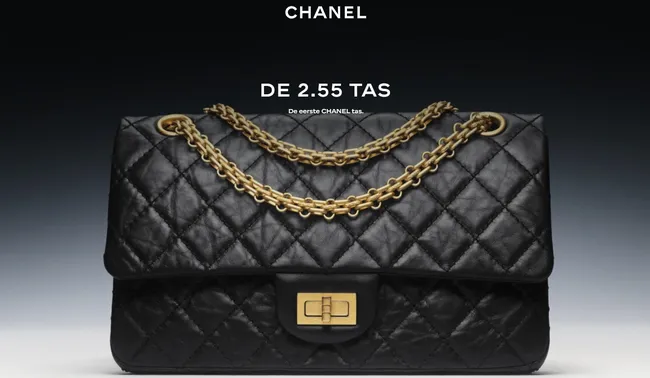
- 2.55 Reissue: To preserve its historical production techniques, most are handmade in France.
- Classic Flap: The traditional lambskin version is often produced in France. In the second-hand market, Classic Flap produced in France is more common than those from Italy.
Italy: Exquisite Craftsmanship and Modern Production
Italy boasts a strong leather industry cluster and advanced leather processing technology, making it another important production center for Chanel.
- Strategic investment: Chanel is continuously increasing its investment in the Italian supply chain. For instance, it plans to invest approximately 100 million euros to build a comprehensive base integrating quality inspection, logistics, and office facilities in Serravalle Pistoiese, Tuscany. Additionally, the brand has established close partnerships with local leather manufacturers in Italy (such as Renato Corti), hardware manufacturers, and tanneries through equity investments and other means.
- Classic and modern bags: Many classic and modern styles are produced in Italy.
- Classic Flap: Its caviar leather version is often made in Italy.
- Boy Bag: It is produced in both France and Italy.
- Gabrielle: This bag needs a combination of structure and soft leather. It’s made in Italy because Italian leather artisans specialize in this process. Other styles, such as the Deauville Tote, also have a “Made in Italy” logo.
- Entry-level products: The brand’s more approachable small leather goods and mini bags, such as Wallet on Chain (WOC), are also mainly produced in Italy.
Official Production Country Matrix (As Stated by Chanel)
| Product Category |
Country of Production |
Label Seen by Buyers |
| Handbags |
France, Italy |
“Made in France” or “Made in Italy” |
| Shoes |
Italy |
“Made in Italy” |
| Small Leather Goods (SLG) (cardholders, wallets) |
Italy, Spain |
“Made in Italy” or “Made in Spain” |
| Espadrilles |
Spain |
“Made in Spain” |
| Knitwear |
France, Italy, Scotland |
Depends on specific style |
Key Points of Chanel’s Production Standards
- Vertical integration: Chanel owns approximately 60% of its manufacturing facilities, enabling strict quality control and supply chain transparency. The remaining 40% is produced by long-term cooperative factories, which undergo annual audits to ensure compliance with Chanel’s guidelines on ethics and environmental protection.
- No outsourcing to Asia: Unlike many luxury brands, Chanel has never outsourced handbag production to Asia. All genuine Chanel handbags are marked with “Made in France”, “Made in Italy”, or “Made in Spain”, without exception.
- Craftsmanship training: Chanel places great emphasis on craftsmanship training and offers a three-year apprenticeship program to teach traditional techniques such as hand quilting, saddle seat sewing, and hardware assembly. This ensures that every handbag meets the brand’s strict standards, such as the production of classic flap bags requiring over 180 individual processes.
Common Misconceptions Clarification
Misconception: “Italian/Spanish manufacture implies lower quality”
False. Chanel strictly adheres to unified global craftsmanship standards in all its European workshops worldwide. The origin label merely indicates the product category and does not relate to quality grades. The reason why classic French-style bags have higher resale value is purely because of their iconic status, not because of superior craftsmanship.
Misconception: “A genuine Chanel bag is made in China” – Completely incorrect.
The final assembly of all leather products (including bags and wallets) is completed in France, Italy, or Spain. Any bag labeled “Made in China” is counterfeit.
Raw Material Explanation: High-quality calfskin, lambskin, and exotic leathers all come from tanneries in France and Italy, and are then transported to European workshops for cutting and hand assembly.
How to Identify the Origin of a Chanel Bag?
Look for the label “Made in France” or “Made in Italy” inside the bag. The country of origin is usually stamped on the inner side below the Chanel logo.
Does the Country Affect the Quality?
Usually, no. Whether the Chanel bags are made in France or Italy, they all maintain the same quality standards. Collectors may have personal preferences, but genuine Chanel bags from both countries are regarded as the same genuine products and are meticulously crafted according to the brand specifications.
Are Chanel Bags Made in France?
Yes, many Chanel bags are indeed manufactured in France.
France is an important production center for Chanel, carrying the brand’s core craftsmanship and history. Chanel has several own and cooperative leather goods workshops in France, and its iconic handbags are produced exclusively in France.
Core Production Base in France: Verneuil-en-Halatte
One of Chanel’s most important leather goods workshops is located in Les Ateliers de Verneuil-en-Halatte (AVH) in the Valois region of northern Paris. This workshop has been in operation since 1990 and currently employs over 400 professional artisans.
- History and scale: This workshop has been in operation since 1990 and currently has a workforce of over 400 professionals.
- Production responsibilities: This is the core base for producing the brand’s iconic 11.12 handbag (i.e., the classic flaps). The workshop is also responsible for the production of some special styles and high-end custom handbags.
The Ultimate French Craftsmanship
The craftsmanship of the French workshop forms the cornerstone of Chanel’s luxurious positioning.
- Strict training for artisans: An artisan needs at least 4 to 5 years of training to master all the production processes and techniques for all bag models.
- Complex production procedures: The creation of each classic bag requires over 180 precise procedures and takes at least 15 hours.
Continuous Strengthening of the French Domestic Layout
In recent years, Chanel has been further enhancing its production capacity and supply chain control in France through a series of strategic measures:
- Expanding the production network: The brand has expanded its production network in several regions of France (such as Auvergne-Rhône-Alpes, Brittany, etc.) to consolidate its “Made in France” tradition.
- Acquiring cooperative workshops: Chanel acquired five French leather goods manufacturers in 2025, including Société de Maroquinerie du Berry in the Ardennes region, which has 300 employees, and Manufacture des Trois Provinces in Nantes with over 550 employees. This indicates that the brand is incorporating more key production capacity under direct control.
Not All Bags Are Made in France
It should be noted that “Made in France” does not apply to all Chanel bags. The brand also has production bases in Italy. Some classic models (such as Classic Flap and 2.55) are produced in both France and Italy. Therefore, when purchasing, it is best to check the “MADE IN FRANCE” or “MADE IN ITALY” labels inside the bag to confirm.
What Is Made in France?
| Category |
Examples |
| Classic Flap |
The brand’s most iconic bag; traditionally French-made |
| 2.55 Reissue |
Coco Chanel’s original design; Parisian atelier production |
| Boy Bag |
Core collection; primarily French manufacture |
| High leather goods |
Premium wallets, card holders, small accessories |
Why Chanel bags Are made in France?
The reason why Chanel bags are produced in France is the inevitable outcome of a combination of factors such as the brand’s history, craftsmanship, quality control, and brand narrative – rather than simply the “France = nobility” sentiment.
History and Legacy: The Extension of Brand DNA
The soul of Chanel is deeply intertwined with France. Placing production in France is a return and safeguarding of its brand roots.
- Authenticity: In the minds of consumers, “Made in France” is a symbol of pure and noble brand lineage. Chanel’s CEO Bruno Pavlovsky has also emphasized that keeping production in Europe is the key to ensuring quality.
- Process Protection: By maintaining control over the production process, Chanel is able to protect the unique techniques and knowledge that define the essence of the brand.
Exquisite Craftsmanship and Quality Assurance
France has a centuries-old tradition of leather craftsmanship, making “Made in France” a symbol of top quality.
- Strict Craftsmanship Training: In Chanel’s core workshops, a craftsman needs at least 4 to 5 years of training to fully master the production process of all bag styles.
- Complex Production Processes: A classic Chanel bag, from cutting to sewing, requires over 180 precise processes and takes at least 15 hours to complete.
- Top Quality Materials: The brand selects the finest leather materials in France and other European countries.
Vertical Integration and Strategic Control of the Supply Chain
In recent years, Chanel has been building a “full-chain self-control system” from raw materials to finished products through large-scale acquisitions and investments.
- Locking in core production capacity: In 2026, Chanel made a one-time acquisition of 5 French leather goods workshops, aiming to secure high-end leather goods production capacity and ensure product quality.
- Expanding the local network: The brand has expanded or built new production bases in regions such as Auvergne-Rhône-Alpes and Brittany, reviving traditional craftsmanship areas.
- Full-chain control: Through a series of investments and acquisitions, Chanel now directly manages nearly 75 suppliers, achieving ultimate control over quality, traceability, and aesthetic consistency.
Adapting to the Challenges of Globalization
In the tide of economic globalization, Chanel chose a path against the current.
- Defending against counterfeiting: The “Made in France” label itself is an insurmountable barrier and one of the most intuitive signs to distinguish genuine products from counterfeits.
- Diversifying risks: Establishing localized industrial clusters helps ensure supply, stabilize the supply chain, and accelerate the product launch speed.
- Dealing with cost pressure: Facing continuous price increases and market doubts about high prices, Chanel explains the high value of its products by showcasing its complex production process and the high cost of “Made in France”.
Legal and Regulatory Basis
Although EU law does not mandate that luxury handbags must be manufactured in France, the “EU Non-Opposition Rules on the Origin of Goods” (Regulation No. 2658/87) stipulates that the “essential characteristics” of a product should be determined by its final actual processing stage. For Chanel, the core value-added processes such as final assembly, quilting, hardware installation, and quality control are only carried out in France or Italy. This complies with the EU origin label standards and legally protects the claim of “Made in France” from being diluted or misinterpreted.
The Economic Logic of Controlled Scarcity
Chanel’s pricing power relies on “perceived exclusivity”. The fact that it is produced in France – with high labor costs, strict labor regulations, and a well-developed artisan training system – ensures a limited production volume. The 19M workshop in Paris can only produce approximately 1,000 classic clamshell bags per month. This scarcity resulting from French manufacturing supports its resale value (usually higher than the retail price) and brand reputation. If production were shifted to regions with lower costs, the luxury pricing model would completely collapse – not because of a decline in quality, but because “value perception” is inherently closely linked to “French origin”.
Cultural Sovereignty in the Context of Globalization
In the current era of global supply chains, Chanel’s decision not to outsource its business to China, Vietnam, or Turkey is a clear act of cultural sovereignty. This move conveys the message to consumers: “We choose tradition, not efficiency; we choose heritage, not scale.” This stance aligns with the growing number of luxury consumers who value authenticity over convenience. Such consumers are increasingly concentrated in markets like Guangzhou, where authorized boutiques require full traceability, while resale platforms like Redbloom insist on using NFC + stamping as an unnegotiable standard.
Are Chanel Bags Made in Paris?
Some of the Chanel bags are manufactured in Paris, but not all. Their main production bases are located in the suburbs of Paris. Main production bases: the Verneuil-en-Halatte workshop, and the advanced workshop center: le19M.
At the Factory Near Paris
All the iconic classic clamshell bags, the 2.55 series, and the exotic leather collection bags are all handcrafted in two major French workshops, both of which are located in the suburbs/rural areas far from the center of Paris: Verneuil-en-Halatte (AVH Factory)
This flagship leather workshop is located in the Oise region, about 90 minutes’ drive north of the center of Paris. It produces most of the classic permanent flap bags and has over 400 professional artisans. Each bag here undergoes 180 handcrafted processes. The workshop was established in 1990 and has over 400 artisans. It is the birthplace of iconic bag models such as the 11.12, 2.55, and Boy Chanel.
Pantin Workshop
Located in the northern suburbs of Paris (outside the city center), it is mainly responsible for the embroidery, decorative details and auxiliary leather assembly work for high-end fashion show bags.
Workshops in the City of Paris
The workshops located in the center of Paris only undertake design, custom clothing production, and decoration and embellishment, but do not carry out complete bag assembly:
31 Rue Cambon (Paris)
This brand’s historic flagship store and haute couture clothing workshop; only dresses and tweed suits are produced here, and handbags are not made.
Le 19M Creative Center (Paris)
This is the creative center created by Chanel in the 19th arrondissement of Paris in 2021. It is not a traditional factory, but rather the headquarters that gathers 11 high-end workshops (such as embroidery, gold and silver workshops, beadwork, and metal accessories, etc.) and mainly focuses on the most top and limited works of the Métiers d’Art haute couture workshop series.
The role of le19M is craftsmanship research + haute couture decoration, not the final assembly line of Classic Flap. It serves:
- Métiers d’art workshop series (annual brand-exclusive event)
- Decorative techniques in haute couture such as embroidery, feathers, and gold and silver inlay
- Providing high-end decorative components for handbags (such as embroidered surfaces, camellia accessories)
So a more accurate statement is: Paris is Chanel’s “crafts brain” and “decoration heart”, while the “body” of French-made handbags is assembled in Verneuil-en-Halatte.
Parisian Manufacturing Specifics
| Aspect |
Detail |
| Location |
Workshops in Paris proper and surrounding areas (Île-de-France region) |
| Heritage |
Coco Chanel established her first boutique at 31 Rue Cambon, Paris, in 1918; leather goods tradition rooted here |
| Artisan training |
Craftspeople trained within the French atelier system; years of apprenticeship required |
| Prestige |
“Made in Paris” carries the highest brand cachet; often reserved for core classic pieces |
What Is Made in Paris vs. Elsewhere in France
| Category |
Typical Production |
| Classic Flap |
Parisian ateliers |
| 2.55 Reissue |
Parisian ateliers |
| Limited editions / haute maroquinerie |
Paris or nearby specialized workshops |
| Standard seasonal bags |
May be produced in other French regions or Italy |
Are Chanel Bags Made in Italy?
Yes, many of Chanel’s bags are manufactured in Italy. In fact, Italy plays a crucial role in Chanel’s global production network. Its production volume and the number of employees even exceed those in France itself.
The Role of Italy in the Chanel Production Network
Chanel collaborates with Italian artisans and suppliers to produce specific bag series, focusing on the following three key areas:
- Exotic Leather Craftsmanship: Italy is renowned for its long-standing tradition of processing exotic leathers such as crocodile, lizard, and python. Chanel collaborates with tanneries in Tuscany and Umbria regions to purchase and produce luxurious handbags made with these materials. These regions have professional workshops that are skilled in delicate processes such as leather treatment, dyeing, and surface treatment, ensuring that Chanel’s exotic leather series reaches the highest quality.
- Limited Edition and High-Precision Works: Italian workshops produce limited edition Chanel bags with meticulous details, such as hand-stitched patterns, custom metal hardware, and hand-colored finishes. For example, the annual “Métiers d’Art” series of Chanel, which launches works commemorating traditional craftsmanship, is usually produced in Italy. These works showcase the essence of Italian artisan skills, such as gold thread sewing, bead decoration, and leather engraving.
- Vertical Integration and Supply Chain Control: Chanel further consolidates its market position in Italy through strategic partnerships and acquisitions. The brand has invested in Italian suppliers, including jewellers and leather workshops, to ensure a stable supply of high-quality materials and control production quality. This integration enables Chanel to acquire professional skills, thereby compensating for its lack of manufacturing capacity in France.
Italy: Chanel’s “Second Home”
Chanel has a very deep connection with Italy. Its CEO, Bruno Pavlovsky, even once said, “Chanel is half French and half Italian.”
- High production volume: According to Italian media reports, more than half of Chanel’s global products are manufactured in Italy.
- Extensive layout: By the end of 2024, Chanel had 29 subsidiaries in Italy, covering multiple fields such as production, distribution, and logistics, and employing over 2,500 people.
- Continuous investment: The brand is continuously strengthening its supply chain layout in Italy through acquisitions and self-establishment.
Which Chanel Bags Are “Made in Italy”?
Many classic and popular styles have “Made in Italy” versions, including:
- Classic Flap bag: Some (especially those with caviar leather and other materials) are produced in Italy.
- Boy Chanel bag.
- Gabrielle bag.
- Deauville tote bag.
- Wallet on Chain (WOC) and other small accessories.
Important note: The same bag (such as Classic Flap) may have different origins (France or Italy) depending on the batch. The most reliable method is to check the origin label inside the bag, which will clearly state “MADE IN FRANCE” or “MADE IN ITALY”.
Why Does Chanel Attach Such Great Importance to “Made in Italy”?
- Unreplaceable craftsmanship: Italy boasts the world’s top leather-making traditions and supply chain. Chanel acquires tanneries (such as Samanta, Nuova Impala) and leather goods factories (such as Renato Corti) to secure high-quality raw materials and core production capacity.
- Building its own comprehensive base: Even further, Chanel announced that it will invest approximately 100 million euros to build its first own comprehensive production base in the Tuscan region of Italy. This base integrates quality inspection, logistics, and office facilities. It is not a traditional factory but aims to strengthen its ultimate control over product quality and supply chain.
Core Production Philosophy: A Delicate Contrast between French and Italian Craftsmanship
Chanel divides production based on the unique strengths of each country’s artisans:
- French workshop: Specializes in stiff, structured leather craftsmanship, precise diamond-shaped stitching and meticulous bag shapes, perfectly matching the square and timeless classic flap bags.
- Italian workshop: Renowned for its exquisite soft leather processing techniques, relaxed and unconstrained shapeless contours, and the production of large-capacity handbags – these techniques are highly suitable for the Chanel 22 bag, which embodies a casual and leisure style.
Why Italy
| Factor |
Significance |
| Leather expertise |
Italy has centuries of leatherworking tradition, particularly in Tuscany |
| Tannery quality |
Italian vegetable-tanned and finished leathers are world-renowned |
| Technical capability |
Specialized treatments and finishes for exotic skins |
| Supply chain efficiency |
Proximity to premium material sources |
| Scalability |
Additional production capacity beyond French ateliers |
A Common Misconception: “Italian Manufacturing Implies Lower Quality”
This statement is completely incorrect. Chanel strictly enforces uniform global production standards for all European workshops. Whether it’s a bag made in France or Italy, they all undergo the same rigorous multi-stage quality inspections.
The only difference lies in the product positioning: classic structured bags from France are more suitable for resale as collectibles, while the soft handbags produced in Italy are designed for daily casual wear and are not suitable for investment collection.
Are Chanel Bags Made in Spain?
Chanel bags are usually produced in France and Italy, but some products are indeed made in Spain. It is important to note that Spain is not the main production location for Chanel bags. It mainly produces small leather goods (SLGs) and straw sandals.
Chanel’s Role in the Spanish Manufacturing Ecosystem
Chanel has established manufacturing facilities in Spain to meet the global demand for the brand’s popular and affordable handbag collection while maintaining its consistent high-quality standards.
- Scale Production: Spain houses Chanel’s largest manufacturing plant, specializing in the production of 22 bags and Gabrielle Chourbo and other mass-produced styles. These handbags are designed for daily use and require efficient production processes to meet the diverse needs of consumers.
- Sustainable Innovation: In 2024, Chanel opened a sustainable manufacturing plant in Seville, Spain, which cost 50 million euros. The plant uses 100% renewable energy and recycles materials in production and packaging. This facility aims to launch eco-friendly versions of 22 bags, using recycled nylon and vegetable-tanned leather, aligning with Chanel’s commitment to sustainability.
- Automation and Craftsmanship Combined: The Spanish factory combines advanced automation technology with exquisite craftsmanship to achieve a balance between efficiency and quality. High-volume components are processed using automatic cutting and sewing equipment, while the handcrafted finishing processes ensure that each handbag meets Chanel’s strict standards.
The Main Styles Produced in Spain
Chanel produces several popular bag series in its Spanish factory:
- Chanel 22 Bag: Launched in 2021, the 22 Bag is one of Chanel’s most popular contemporary styles, known for its minimalist design and drawstring closure. This product is mainly produced in Spain and meets global market demands through an expandable manufacturing model.
- Gabrielle Hobo Bag: This bag is named after Coco Chanel (born Gabrielle Bonheur Chanel), featuring a structured yet relaxed silhouette and a leather-embroidered chain shoulder strap. It is also another series produced on a large scale in the Spanish factory.
- WOC (Wallet on Chain): This small WOC combines the functions of a wallet and a small crossbody bag, and is also produced in Spain due to its efficient production capacity.
- Small Leather Goods (SLGs) & Accessories: Many wallets, card cases, small purses, etc., as well as the brand’s woven shoes, are labeled “Made in Spain”.
- Ready-to-Wear and Fabrics: Some haute couture ready-to-wear garments and tweed fabrics may also come from Spanish cooperative workshops.
How to Identify a Chanel Bag Made in Spain?
To determine if a Chanel bag is made in Spain, pay attention to the following key features:
- Internal label: Authentic Chanel bags made in Spain usually have the “Made in Spain” logo, which is heat-pressed and located near the serial number or authenticity card inside the bag. This logo is clear and accurate, without any blurriness or misalignment.
- Serial number and certification: Since 2021, Chanel has started using NFC microchips instead of serial number stickers. By scanning this chip with the Chanel app, you can confirm the origin of the bag, including whether it was made in Spain.
- Style and design clues: Large-capacity, modern-style bags, such as the 22 Bag and Gabrielle Hobo, are more likely to be produced in Spain; while classic-style bags, such as the Classic Flap and 2.55, are still mainly manufactured in France.
Why Chanel Chose to Produce in Spain?
Chanel’s decision to manufacture certain bags in Spain was primarily based on the following key factors:
- Cost-effectiveness: Spain offered a cost-competitive structure for production, enabling Chanel to produce large quantities of styles at a lower cost without sacrificing quality. This allowed the brand to sell these bags at more affordable prices compared to its handcrafted French products.
- Production capacity: The large factories in Spain provided the production capacity needed to meet the global demand for popular styles such as the 22-inch bag. This scalability is crucial for maintaining the brand’s supply capacity and consumer satisfaction.
- Sustainability leadership: The sustainable factory in Seville enabled Chanel to advance its environmental goals and reduce the environmental impact of production. Spain’s emphasis on renewable energy and sustainable practices aligns with Chanel’s commitment to sustainability.
Comparison with French Production
Although Spain plays an important role in Chanel’s production network, France remains the core of the brand’s manufacturing operations:
- Capacity and core style: Most of Chanel’s iconic handbag styles, including the classic flap bags, the 2.55 series, and the 19 series, are all produced in France. The brand’s largest factories are located in regions such as Auvergne-Rhône-Alpes and the suburbs of Paris, where vertical integration and advanced manufacturing technologies are employed to meet global market demands.
- Inheritance and brand identity: “Made in France” is a core part of Chanel’s brand heritage and identity. Founded in Paris, the brand’s most representative designs also originated in France, making this brand a symbol of luxury and tradition.
- Sustainability initiatives: Chanel has made significant investments in sustainable manufacturing in France, including plans to open an environmentally friendly factory in Aubervilliers in 2025, which will cost 100 million euros. This facility is dedicated to reducing the environmental impact of the production process and is in line with Chanel’s brand philosophy.
Clarification on Common Misconceptions
Misconception: “Cheap Chanel Bags Made in Spain”
False. Spanish factories only produce small wallets and do not produce any full-sized handbags at all. Product types are classified based on styles, not quality grades. All European Chanel workshops follow exactly the same strict production standards.
Misconception: Shoulder Bags labeled “Made in Spain” are genuine products
Any full-sized handbags with “Made in Spain” (Spanish made) printed on them are counterfeit products because Chanel has never assembled full-sized handbags in Spain.
The Authentic Chanel Production Distribution
| Product Category |
Country of Production |
Is “Made in Spain” Normal? |
| Handbags |
France, Italy |
❌ Not normal — 100% counterfeit |
| Shoes |
Italy |
❌ Not normal |
| Espadrilles |
Spain |
✅ Normal |
| Small Leather Goods (SLG) (cardholders, wallets, coin purses) |
Italy, Spain |
✅ Normal |
| Knitwear |
France, Italy, Scotland |
❌ Not normal |
In simple terms: If you purchase a small piece of leather goods or accessory, encountering “Made in Spain” is normal. However, if a main handbag (such as Classic Flap, Boy Bag, etc., classic models) is labeled “Made in Spain”, you should be cautious. The most reliable method is to check the origin label inside the bag, which will clearly state “MADE IN FRANCE”, “MADE IN ITALY”, or “MADE IN SPAIN”.
Are Chanel Bags Made in China?
No, the genuine Chanel bags are not produced in China.
The core handbag production of the Chanel brand is limited to France and Italy. Any Chanel bag labeled “Made in China” is regarded as a counterfeit.
The Main Production Bases of Chanel
- France: The spiritual home of the brand, producing haute couture, haute couture workshop series, as well as the most core classic items such as 2.55, Classic Flap (leather version), etc.
- Italy: An important production base, producing some Classic Flap (caviar leather version), Boy Chanel, Gabrielle and other styles, as well as Wallet on Chain (WOC) and other small leather goods.
- Spain: Mainly responsible for producing straw sandals (Espadrilles) and some small leather goods, but not handbags.
China’s Role: Sales, Logistics, and Consumption — Not Manufacturing
Although China is Chanel’s largest growth market, with over 30 boutiques (including flagship stores in Guangzhou, Shanghai and Beijing), its domestic business is strictly limited to the following areas:
- Retail and customer service
- Warehousing and distribution through the China Channel Trading Co., Ltd. (registered in the Shanghai Free Trade Zone)
- Marketing and brand experience activities (such as the 2024/25 High-End Customization Exhibition in Hangzhou)
The company has over 32,000 global employees, but its handbag production facilities are not located within China.
Why Does Chanel Refuse to Manufacture in China?
Two-thirds of Chanel’s bags are produced in its own controlled factories, while one-third are sourced from independent suppliers – all of these factories are located in France and Italy.
“Only the iconic handbags (Classic Flap) are exclusively produced in France”, the core factory is Verneuil-en-Halatte (AVH) 1.5 hours’ drive north of Paris, with 300 artisans and 180 production processes, resulting in 11.12
Pavlovsky said: “If we don’t show why it’s so expensive, people won’t know” – Chanel regards “European workshops + French/Italian manufacturing” as a premium moat and will not relocate.
The brand has continuously acquired tanneries (Conceria Gaiera Giovanni, Nuova Impala) and leather goods factories (Mabi International) in Italy, deeply integrating the European supply chain rather than shifting to low-cost production areas in Asia.
Chanel does not manufacture handbags in China to protect intellectual property and exclusivity – locking production in Europe ensures that the production standards and brand narrative are not diluted.
Be Vigilant Against the Claim of “Chinese Contract Factories”
There is a rumor circulating online that Chanel has “contract factories” or “original production orders” in China. However, this is not true. Relevant reports and industry experts have pointed out that this is mostly a marketing tactic or a misunderstanding of the production chain. The so-called “original orders” are mostly counterfeit products. In fact, the company Chanel has in China is a distributor or trading company, responsible for sales rather than production.
How to Identify Chanel Bags and Avoid Counterfeit Products?
To ensure that you are purchasing genuine Chanel bags rather than Chinese imitations, please follow these steps:
- Check the origin label: Look for clear and accurate “Made in France”, “Made in Italy”, or “Made in Spain” stamps inside the bag. The font should be consistent with the official Chanel brand logo, without any blurriness or misalignment.
- Verify the serial number/NFC chip: Since 2021, Chanel has replaced serial number stickers with NFC microchips. By scanning the chip with the Chanel app, you can confirm the origin and authenticity of the bag. For bags produced before 2021, check the serial number inside the bag and verify it through a trusted authentic verification service.
- Check the craftsmanship details: Genuine Chanel bags have exquisite craftsmanship, including smooth stitching, high-quality hardware, and high-quality materials. Counterfeit bags usually have uneven stitching, cheap plastic hardware, and a stiff or shiny artificial leather feel.
- Buy from authorized retailers: Chanel bags can only be purchased at official boutiques, the brand’s official website, or authorized luxury retailers such as Neiman Marcus, Saks Fifth Avenue, etc. Avoid purchasing from online marketplaces, social media platforms, or unauthorized third-party sellers.
Conclusion
The final assembly, stitching, hardware installation and quality certification of Chanel bags are completed in France and Italy. Both locations have brand-exclusive high-end workshops (atelier) that carry on the century-old craftsmanship. Some products of Chanel bags are produced in Spain, but there are no genuine products made in China.
The value of a Chanel bag lies not only in its appearance, but also in the brand history, craftsmanship and its preservation value. However, whether it is “worth buying” still depends on which aspect you value more – collection, sense of identity, or cost-effectiveness.
If you are starting a luxury bag brand like Chanel bag, please feel free to contact us. We have over 20 years of experience in manufacturing mid-to-high-end leather bags and possess skilled techniques and a quality control system, which are sufficient to ensure the quality for your brand.