- +86 13922774531
- info@gionar.com

English


English
May 19 , 2025
Faux leather replicates the aesthetics of leather. It looks like genuine leather but contains no animal ingredients. Although faux leather is not as durable as genuine leather or has the effect of natural aging, with proper maintenance and treatment, it can still present a sense of luxury. Meanwhile, faux leather is an ideal material that takes into account both fashion and moral choices. In this article, we explore what kind of material faux leather is, as well as whether it is durable and waterproof.
Faux leather (also known as synthetic leather or vegan leather) is a faux material designed to imitate the appearance and feel of real animal leather without using animal leather, providing a cruelt-free and affordable alternative to genuine leather for fashion, furniture and accessories. It is usually composed of a fabric base coated with polyurethane (PU) or polyvinyl chloride (PVC) (polyester/cotton), and in recent years, new plant-based versions (such as mushroom/cactus leather) have begun to emerge.
Traditional faux leather is non-biodegradable, but plant-based leathers (such as cork and apple peels) offer more environmentally friendly alternatives.
Is faux leather is real leather? No, faux leather is not real leather. It is a synthetic or plant-based alternative that imitates the appearance and feel of real animal leather. Faux leather looks like leather, but it does not use animal leather, so it does not have the same durability, aging properties or breathability. However, it is popular for being cheaper, vegetarian-friendly and easier to maintain.
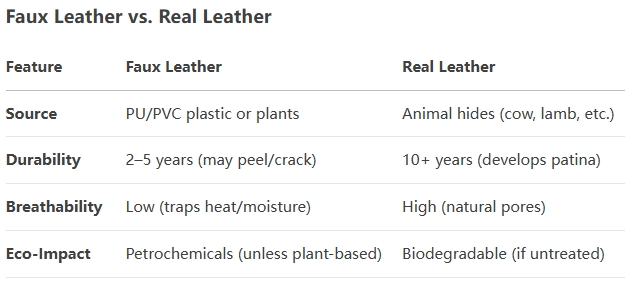
To make faux leather look more realistic and approach the aesthetic and tactile quality of genuine leather, you can focus on several key aspects: texture, color, surface treatment and overall presentation.
Start with high-quality faux leather materials. Choose thick, durable products with a good basic texture. High-quality faux leather is usually closer to the texture and feel of genuine leather.
Embossing: Using embossing techniques to add natural textures or patterns. Tools like texture rollers or embossing machines can create patterns similar to the pores, wrinkles or scales on genuine leather.
Hand processing (advanced users) : If you are skilled, you can hand process faux leather, adding complex designs or textures, just as artisans do with genuine leather.
Dyeing: Coloring faux leather with fabric or leather dyes. Choose plain tones like brown, tan or black, and consider adding subtle variations to the color to imitate the natural aging process of genuine leather.
Antique-style: Apply antique-style to complete dark cracks and protruding areas, giving faux leather a more ancient and realistic appearance.
Genuine leather usually has a matte or slightly satin finish rather than a high-gloss finish. Avoid overly shiny faux leather or use matte sealant to reduce the luster.
Weathering: Slight sanding or treatment of edges and highly worn areas can increase wear and a true appearance.
The edges of faux leather usually seem artificial. Use edge paint or leather edge coating to smooth and color the edges, making them similar to the finished edges of genuine leather.
Stitching: Use high-quality thread and stitching techniques to imitate the hand-stitched or machine-stitched details on genuine leather products. Consistent and even suturing enhances authenticity.
Hardware: Add buckles, rivets, or zippers to match the aesthetic of genuine leather products. High-quality hardware enhances the overall appearance.
Layering: For individual items like bags or jackets, you can consider layering faux leather to increase depth and size, similar to the production method of genuine leather.
Patina: Over time, genuine leather will develop patina (due to changes in color and luster caused by use and exposure). You can simulate this by applying a layer of wax or oil and polishing it to create a subtle luster.
Defects in the dermis – color changes, small scars or irregularity. Incorporate these elements into your faux leather project, deliberately adding some subtle variations or “flaws” to make it look more natural.
By using the above methods, faux leather can look more like genuine leather. These techniques can enhance its texture, color depth and overall realism.
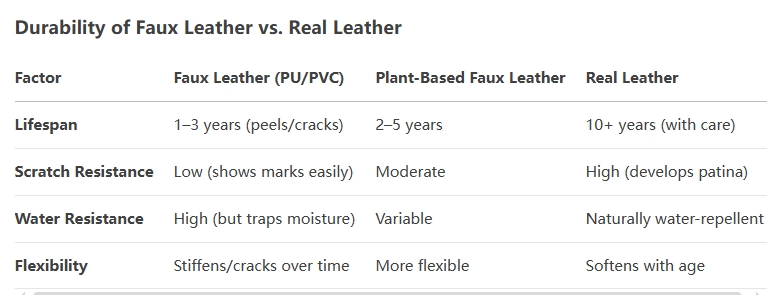
Yes. Faux leather is still durable, but not as durable as genuine leather. Its durability depends on the type and usage method of faux leather.
PU leather: As the most common faux leather in the market, it is made by applying polyurethane film to the fabric backing. PU leather is softer and more elastic, but it may crack or peel off over time – usually after 2 to 5 years of use.
Polyvinyl chloride (PVC) leather: It is made by coating polyvinyl chloride (PVC) film on the back of fabric. It is not as common as PU leather, but it is more durable and has a longer service life.
However, generally speaking, faux leather is not as durable as genuine leather, which can last for several decades. Faux leather may crack, peel off or fade over time, especially low-quality leather, which may only last for 1 to 3 years.
Keep away from heat sources and direct sunlight (to prevent cracking).
Clean with a damp cloth and avoid using irritating chemicals.
Store properly (do not crumple or fold for a long time).
For the bags, do not overload them – being too heavy will scratch the seams.
Faux leather is waterproof, but not completely waterproof.
Waterproof: Faux leather can resist slight moisture or rain without damage, making it suitable for daily use.
Not waterproof: If exposed to a large amount or prolonged immersion, water will eventually seep into the seams or damage the material over time – especially low-quality faux leather.
Among PU (polyurethane) leather, the highest PU has an excellent waterproof protective coating. However, prolonged exposure or stress (for example, sitting on a damp surface) can cause water to seep in.
PVC (polyvinyl chloride) leather is more water-resistant than PU due to its plastic-like composition. For this reason, it is often used in outdoor furniture or raincoats.
Some plant-based alternatives (such as pineapple peels) may absorb water more easily, while others (such as recycled polyurethane) have better water resistance.
Avoid prolonged exposure: Do not place faux leather items in the rain or submerge them in water.
Use waterproof spray: Use silicone or acrylic waterproof spray to enhance waterproof performance (test it in a small area first).
Wipe off spills immediately: Quickly clean up the liquid to prevent absorption.
Proper storage: When not in use, please keep faux leather items in a dry place.
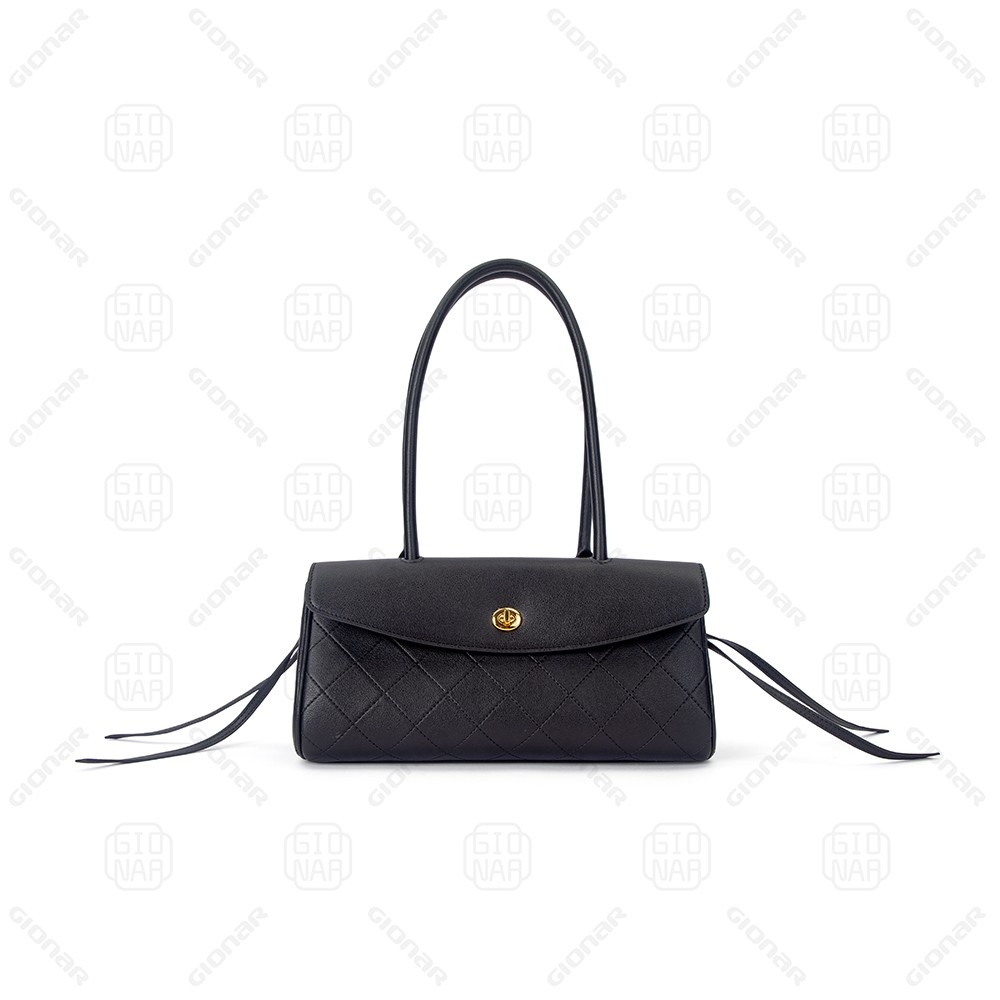
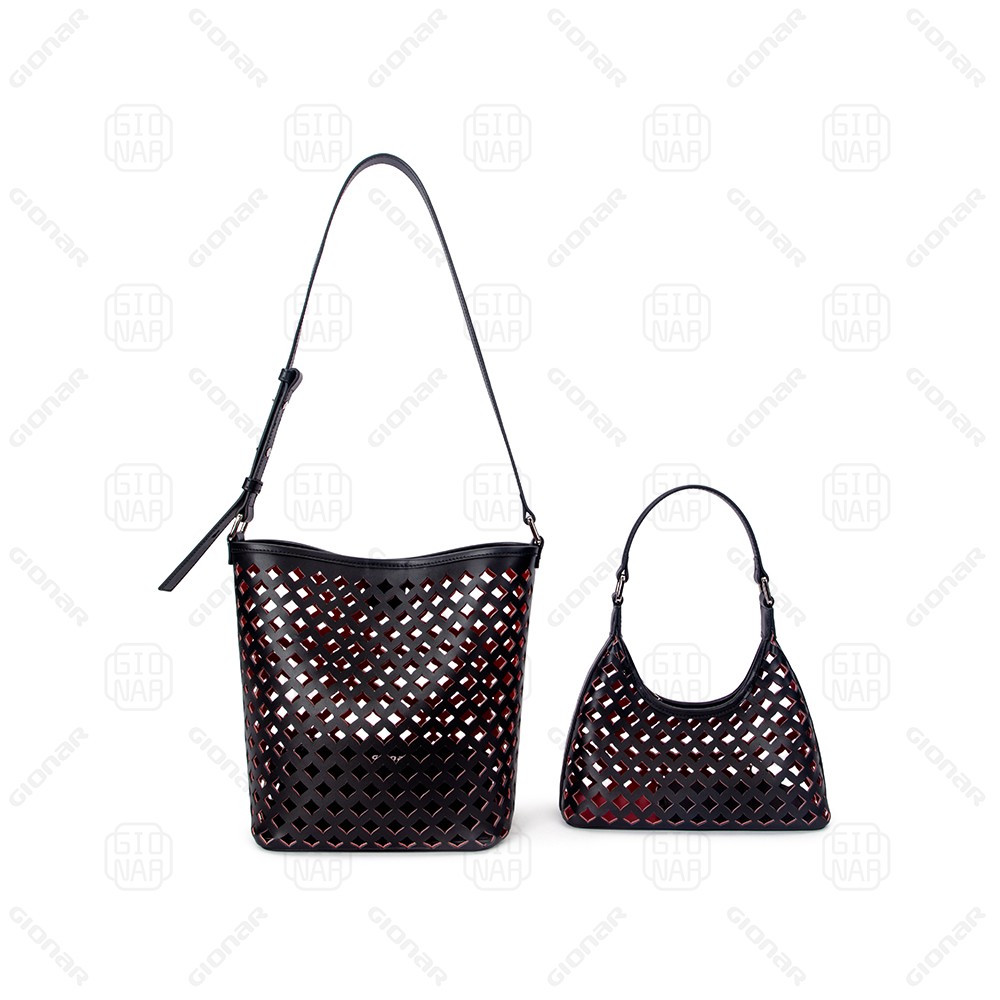
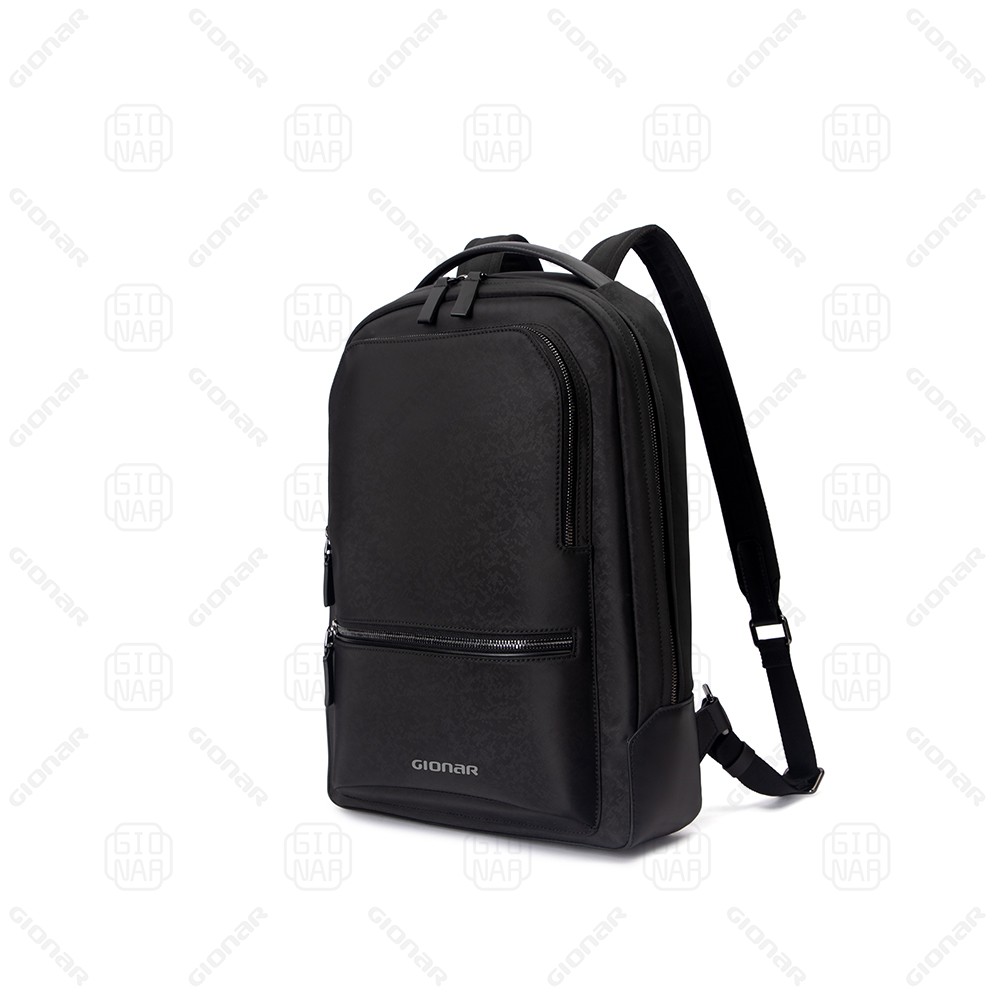
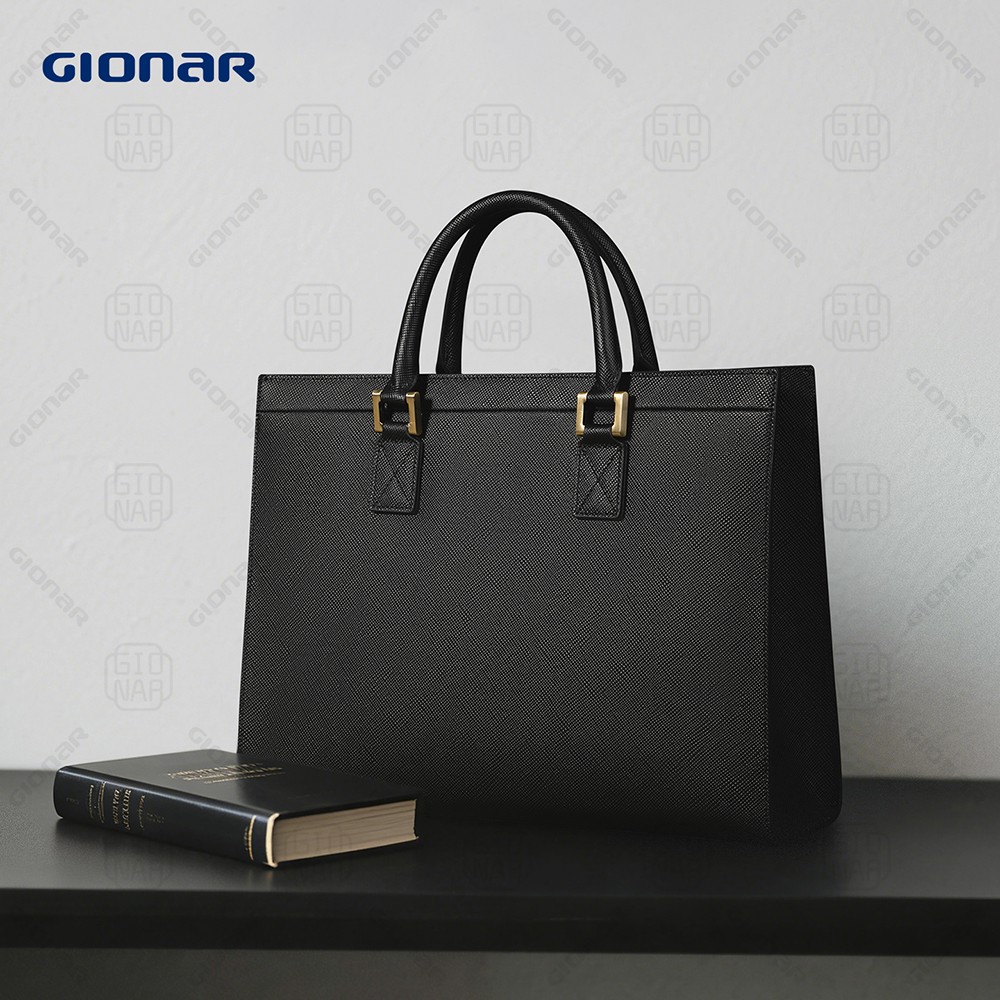
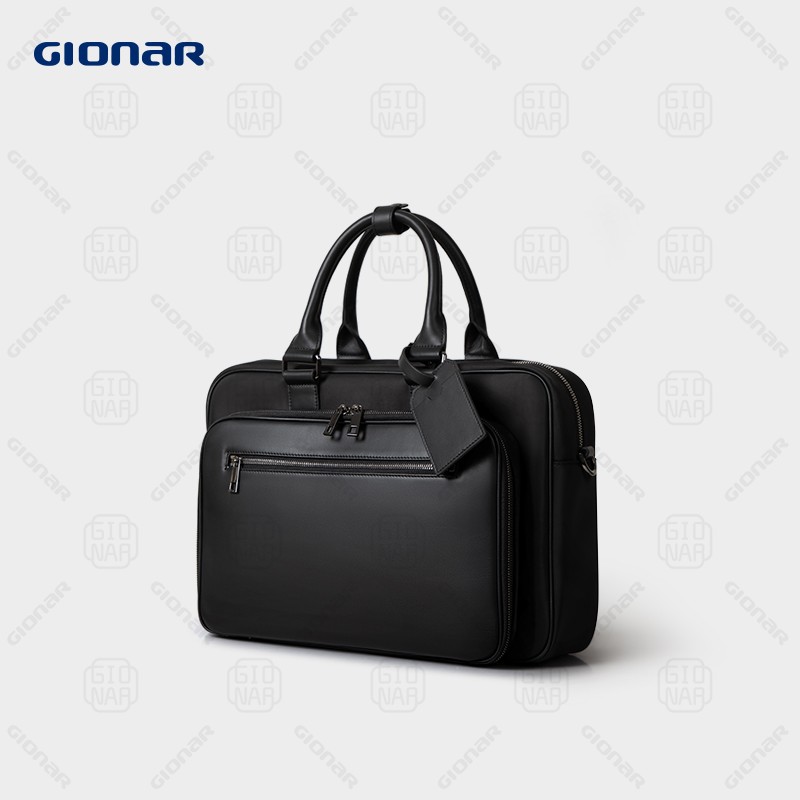
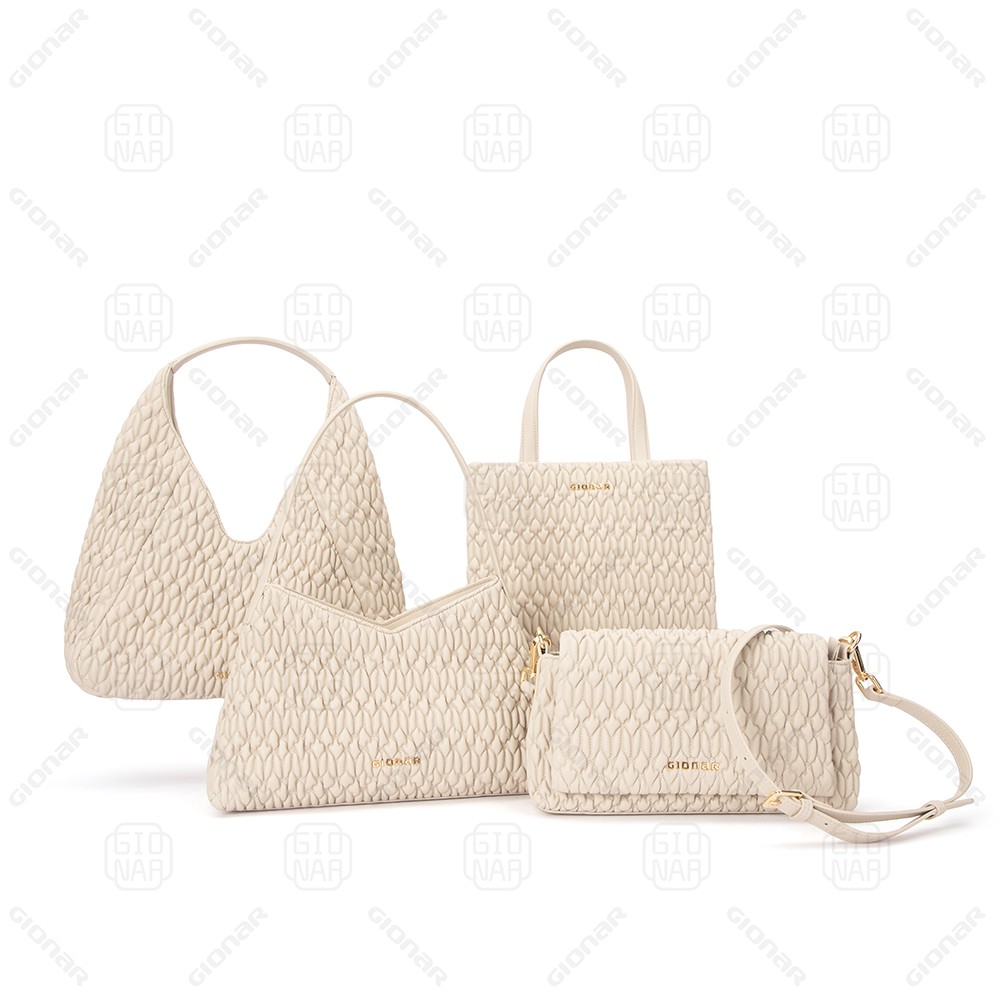
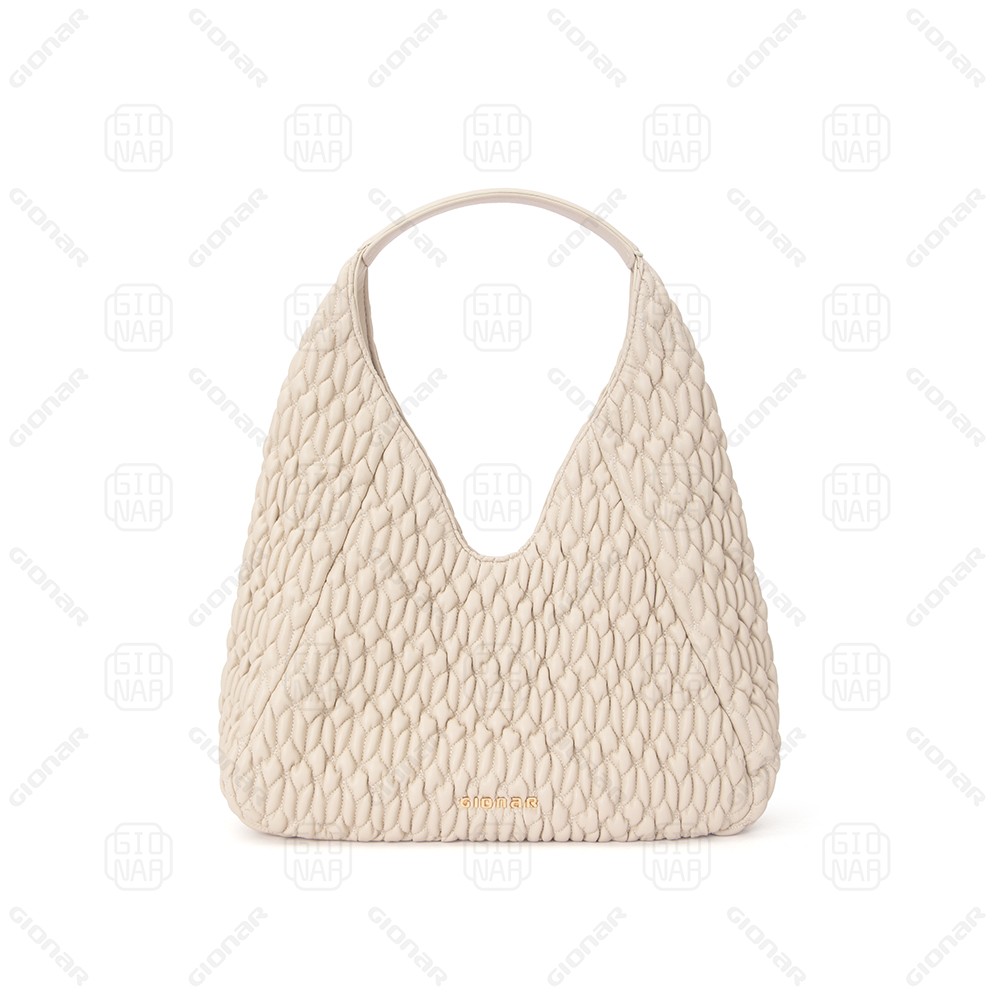
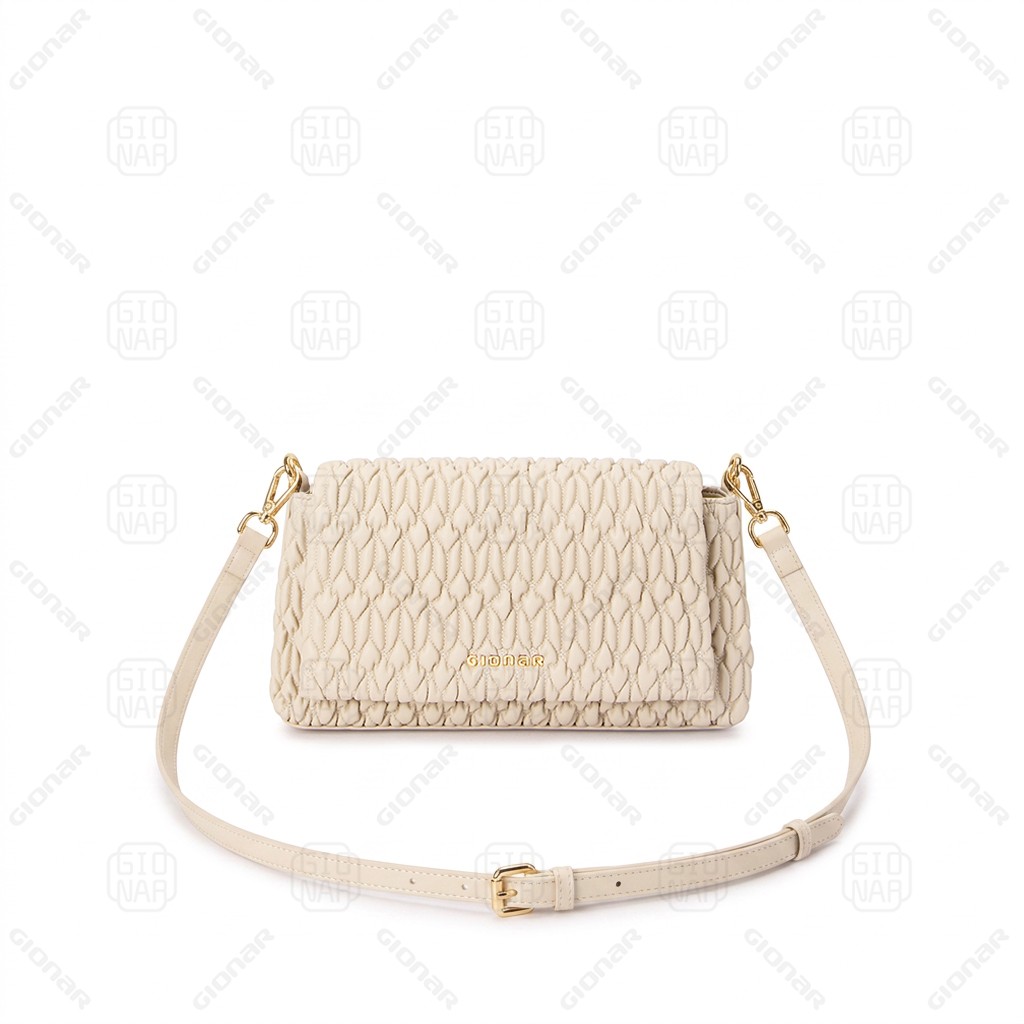
Yes. Faux leather is a great material for making bags and can be used to create some vegetarian bags. Of course, these depend on the positioning of your bag brand and the preferences of your customer base. Faux leather can be a good choice because compared with genuine leather, faux leather has obvious advantages and limitations.
Cost-effective: 50-80% cheaper than genuine leather.
Zero cruelty: No animal products (ideal choice for vegetarians).
Easy to maintain: Wipe clean, usually waterproof.
A wide variety: Optional colors/prints, genuine leather cannot be replicated.
Consistent appearance: Uniform color and texture (without natural flaws), making it highly suitable for fashionable and modern designs.
Lightweight: Faux leather is usually lighter than genuine leather, enhancing the comfort of daily use.
Poor durability: It will peel off or crack after frequent use for 1 to 3 years.
Weak seams (straps/handles usually fail first).
Poor breathability: It has poorer breathability than genuine leather.
Plastic feel: Lacks the softness and natural scent of genuine leather.
Ecological issue: Most are PVC/PU (non-biodegradable, unless plant-based).
Aesthetic limitations: Over time, it may lack the rich luster and depth of genuine leather. Some high-end faux leathers now imitate the aging effect, but they are not exactly the same.
Faux leather is an excellent choice for making fashionable bags, casual bags or trendy items. If you are looking for a luxurious and long-lasting investment, genuine leather is usually a better choice, but some high-end faux leathers are narrowing these gaps.
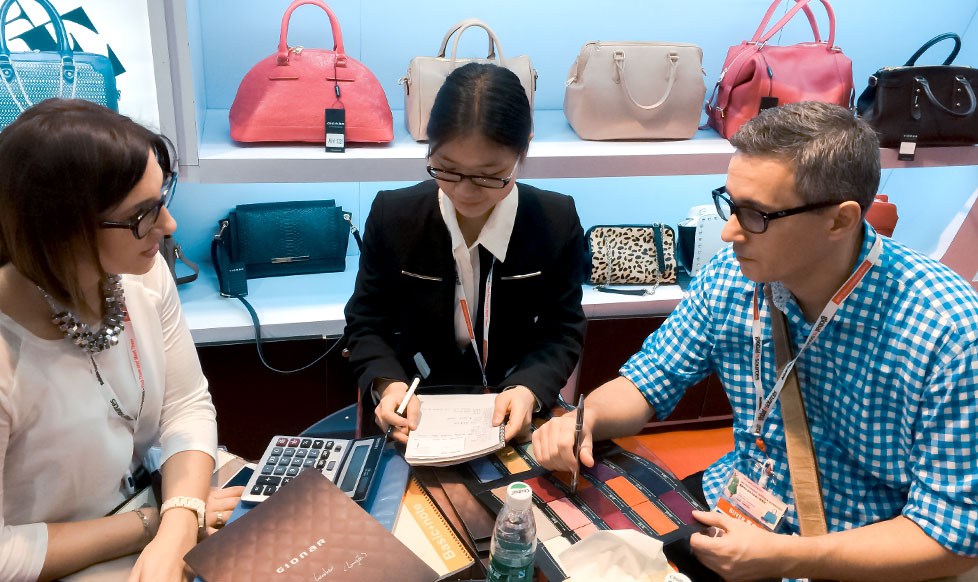
If you want to do business in leather bags and customize faux leather bags, welcome to choose Gionar, a leather bag manufacturer. Gionar can offer leather bags made of various materials with custom logo options, accept OEM/ODM orders, and provide samples upon request.
Gionar is a Chinese manufacturer specializing in custom handbags, offering fast production at affordable prices with a minimum order quantity of 100 to 300 pieces.
Related leather bags customized services:
Tags :

Mobile Website

Inquires Whatsapp