- +86 13922774531
- info@gionar.com

English


English
April 23 , 2025
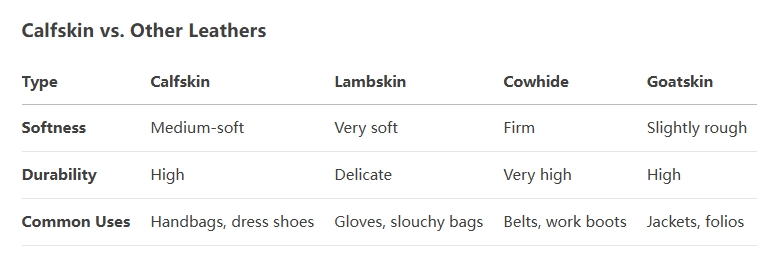
Calfskin leather is made from the skin of calves and has become a representative of high-quality leather due to its fine and tight fiber structure. This kind of leather has a natural fine texture on its surface. It feels soft and smooth to the touch yet retains its toughness. It is thinner and lighter than adult cowhide and more wear-resistant than sheepskin.
Calfskin leather is a premium leather derived from the hide of young calves (typically under 1 year old), prized for its fine grain, softness, and durability. It’s a favorite in luxury fashion for its balance of elegance and resilience.
Softness: Thinner and more flexible than cowhide, with a smooth, silky feel.
Tight texture: A denser fiber structure than that of adult cattle, giving it a uniform and fine surface texture.
Smooth surface: The smallest natural particles are visible (unless they are all particles), and with proper care, a rich luster will develop over time.
Uniform appearance: Usually slightly polished/matte (top texture) to maintain consistency.
Good flexibility and light weight: Suitable for delicate items such as gloves or soft bags.
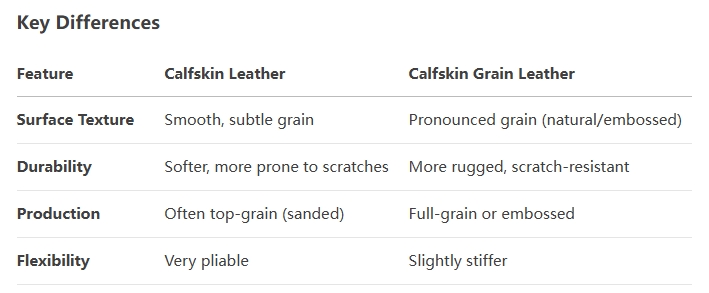
Calfskin Grain Leather refers to a premium type of leather made from the hide of young calves, characterized by its distinctive natural grain pattern, durability, and soft yet structured feel.
Source: From calves (young cattle), it is renowned for having finer and tighter fibers than adult cowhides.
Texture: Retains the natural texture (visible pores and wrinkles), presenting a genuine, slightly textured surface.
Thickness: Thinner than cowhide, but stronger due to the dense fiber structure.
Flexibility: Softer than full-grain cowhide but maintaining a good shape (ideal for structural bags, shoes).
Textured surface: Visible pores, wrinkles or artificial embossing (such as pebble, ostrich embossing).
More durable: Retain the full particle layer (if all particles), and have better scratch resistance.
Structural sense: The shapes of the bag and briefcase are well maintained.
Why is calfskin leather used in so many luxury brands?
Calfskin leathe can fix the seams and hardware better than fragile sheepskin.
Resistant to minor scratches (unlike boxes).
Age gracefully and acquire personality over time.
Cost: More expensive than cowhide or synthetic substitutes.
Unbreakable: If left untreated, it may get scratched or stained (unlike coated leather).
Too perfect: Genuine calfskin has subtle natural flaws.
Plastic feel: Genuine calfskin is warm and slightly porous.
Smell: Genuine leather has a strong earthy smell (without any chemicals).
The elegance of aesthetics: smooth surfaces and subtle natural patterns (no two are the same).
Durability: More scratch-resistant than lamb skin, but it will develop patina over time.
What is calfskin leather made of? The production of calfskin is a meticulous process that transforms raw leather into luxurious and durable materials. The following is its production process from the ranch to the finished product:
Source: Cowhide comes from young calves (usually under 12 months old), and is highly valued for its fine and flawless skin.
Pickling/Fresh cooling: Leather should be stored with salt or refrigerated to prevent spoilage during transportation.
Hydration: Soak in water for 24 to 48 hours to remove salt/dirt and restore flexibility.
Lime: Soak the leather in a lime solution (or treat it with enzymes) to relax the hair and epidermis.
Hair removal: A machine scrapes off the hair and any remaining flesh to expose the dermis.
pH adjustment: Neutralize lime with acid/ammonium salt.
Enzyme treatment: Proteolytic enzymes soften fibers (which is crucial for the softness of calfskin).
Plant tanning: Using natural tannins from tree bark (such as oak and chestnut) to produce environmentally friendly and rust-prone leather.
Chrome tanning: Faster, more common; Chromium salts are used for waterproofing and flexible leather (which requires strict chemical management).
Mixed method: Some tanneries combine the two to achieve a balance (for example, semi-vegetable tanning).
Split: Split the animal skin horizontally until it reaches a uniform thickness (top layer = whole calfskin); The lower layer becomes suede or bonded leather.
Shaving: Precision machines ensure uniform thickness (calfskin is usually 0.8-1.2mm thick).
Aniline dyeing: Transparent dye highlights natural texture (luxury standard).
Pigment coating: Opaque color, uniform appearance (low premium).
Pebble pattern: embossed for texture.
Glazed: Polished for luster (commonly seen in formal shoes).
Napa: Super soft, aniline dyeing finishing (for high-end gloves/bags).
Inspection: Grade the animal skin based on defects (scars, insect bites). High-end calfskin is exclusive to luxury brands.
Test: Check color fastness, tensile strength and chemical compliance.
Luxury goods: handbags, shoes, watch straps.
Yes, calfskin leather is regarded as a high-quality and luxurious material, highly praised for its soft, smooth texture and durability.
Calfskin has the characteristics of smoothness and fine grains, with a tight and uniform texture and an elegant appearance, making it suitable for manufacturing luxurious high-end products. Because calfskin is light and flexible, it is also very suitable for making items such as handbags and wallets that require durability and comfort.
Calfskin is an excellent choice for luxury goods, high-end leather accessories and high-end bags. In these fields, calfskin combines softness, elegance and durability. If properly maintained, it can last for decades while developing a beautiful patina.
Yes, calfskin leather is usually expensive and is often regarded as a luxurious material due to its high quality, softness and exquisite treatment. However, its price may vary due to factors such as grade, tanning process and brand.
The limited supply – from young calves (not adult ones) – makes it even rarer.
Labor-intensive processing – careful tanning and finishing are required to maintain its fine texture.
High demand for luxury fashion – top brands are used for high-end products.
Superior quality – smoother, lighter and softer than standard cowhide.
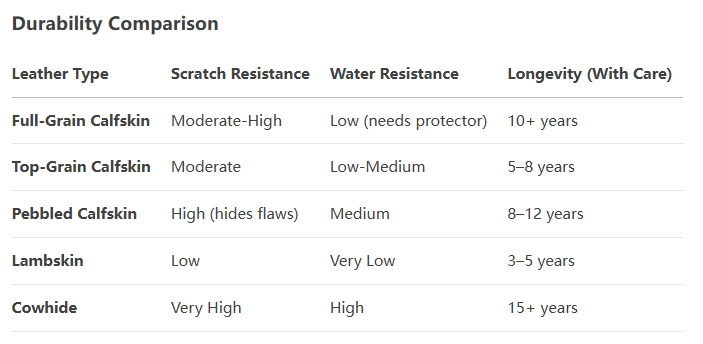
Calfskin has medium durability – softer than cowhide but more elastic than lamb skin – and its lifespan largely depends on the type, surface treatment and care.
Full-Grain Calfskin: Most durable (retains natural grain fibers). Resists scratches and develops a protective patina.
Top-Grain Calfskin: Lightly sanded; slightly less rugged but more uniform in appearance.
Corrected-Grain: Coated/embossed; scratch-resistant but less breathable.
Calfskin is usually 0.8 to 1.2 millimeters thick (thinner than cowhide but with a denser fiber structure).
Thicker cuts (such as over 1.5mm) are used for shoes/bags that require structure.
Scratches: It is more prone to scratches than cowhide (but more prone to scratches than lambskin). Pale traces can be mixed into a bronze color.
Water stains: Prone to staining; Untreated leakage may cause permanent darkening.
Edge wear: Thinner edges (for example, the handle) may wear out faster than cowhide.
Regular maintenance: Nourish once every 3 to 6 months.
Waterproofing: Use rain and stain repellent (test first).
Proper storage: Stuff paper towels in the bag and place it in a dust-proof bag (avoid plastic bags).
Rotational use: Avoid daily wear and tear and reduce the force on the seams.
Calfskin is a luxurious leather that strikes a balance between softness and durability. It is not as resistant to severe wear and tear as cowhide, but its performance is superior to that of lambskin. It is ideal for those who prioritize elegance and are willing to maintain it.
Cleaning calfskin requires gentle care to avoid damaging its soft and delicate surface. How can calfskin leather be cleaned better?
Soft, dry microfiber or lint-free fabric
Leather cleaner (Specifically for smooth calfskin, excluding suede)
Leather conditioner (ph balanced, non-greasy)
Small soft-bristled brush (optional)
Distilled water (if necessary)
Gently brush off the loose dirt with a soft-bristled brush or a dry microfiber cloth.
Always wipe in one direction (do not make circular movements) to avoid scratches.
For minor stains, use a damp (non-wet) microfiber cloth and distilled water.
For more stubborn stains, use a small amount of leather cleaner (test it first in an inconspicuous area).
Gently pat (do not rub) until the stain disappears.
Never use a heat source (such as a hair dryer) to dry the skin of a calf. Let it air dry at room temperature.
Once it dries, apply a thin layer of leather conditioner to keep it soft.
Gently wipe with a clean cloth to restore the luster.
Ink stains: Use a special leather ink remover (test first).
Oil stains: Sprinkle cornstarch and baking soda, let it stand overnight, and then brush it off.
Water stains: Absorb immediately and let it dry naturally before making any adjustments.
Avoid using irritating chemicals (alcohol, acetone, household cleaners).
Do not soak or wet the calfskin too much, as it may develop water marks.
Do not use silicon-based polish (they can clog pores).
How to take care of calfskin leather bag? A Guide to the care of calfskin leather bags:
Calfskin leather requires careful and simple care to maintain its softness and elegance.
During daily use, it is necessary to avoid contact with water, oil and sharp objects, and immediately dry it with a microfiber cloth. Store in a breathable dust-proof bag, away from damp heat, and fill with paper towels to maintain shape.
Every month, gently brush off the dust with a horsehair brush and then wipe it with a slightly damp cloth.
Use a pH-neutral leather conditioner every 3 to 6 months to prevent dryness and cracking, with a focus on high-wear areas such as handles. To prevent stains, use a leather protector spray (test first in the hidden area). Avoid direct sunlight to prevent fading.
If there are scratches, use a leather eraser or your fingertips to gently polish them – the natural patina can enhance your personality.
For stubborn stains, please consult a professional. DIY cleaners may damage surfaces.
The requirements for pebble or embossed calfskin are relatively more lenient.
With proper care, calfskin leather handbags will age gracefully and develop a rich luster over several decades.
Yes, calfskin leather is more prone to scratches than thicker and harder leathers such as full-grain cowhide or water buffalo leather.
Thinner and softer – Calfskin comes from young animals, making it naturally more delicate.
Tight and smooth texture – although elegant, it lacks the ruggedness of textured leather.
Minor scratches show more – due to its smooth surface, the marks are more obvious than those on pebbles or textured leather.
Avoid rough surfaces – be careful of sharp objects (keys, rings, nails).
Proper storage – Use dust bags to avoid overcrowding in bags/closets.
Regular maintenance (every 3 to 6 months) – Keep the leather soft and less prone to cracking.
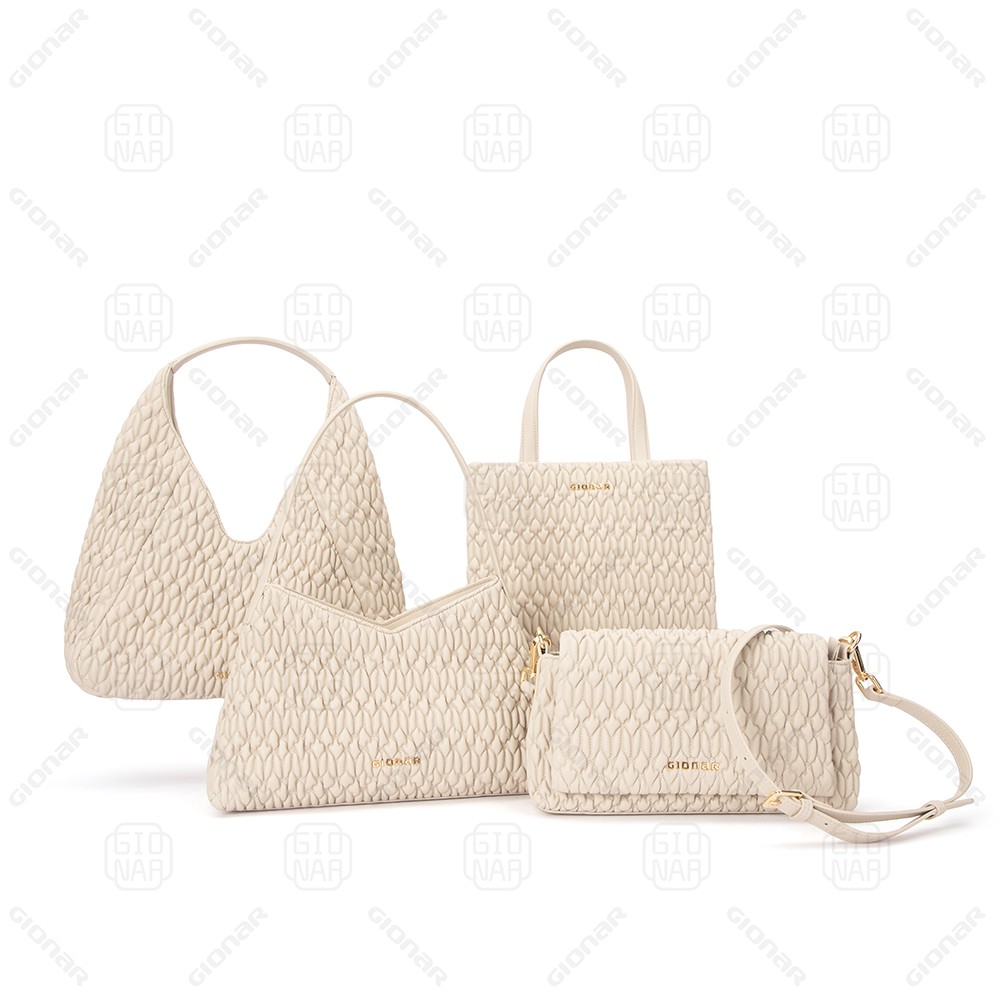
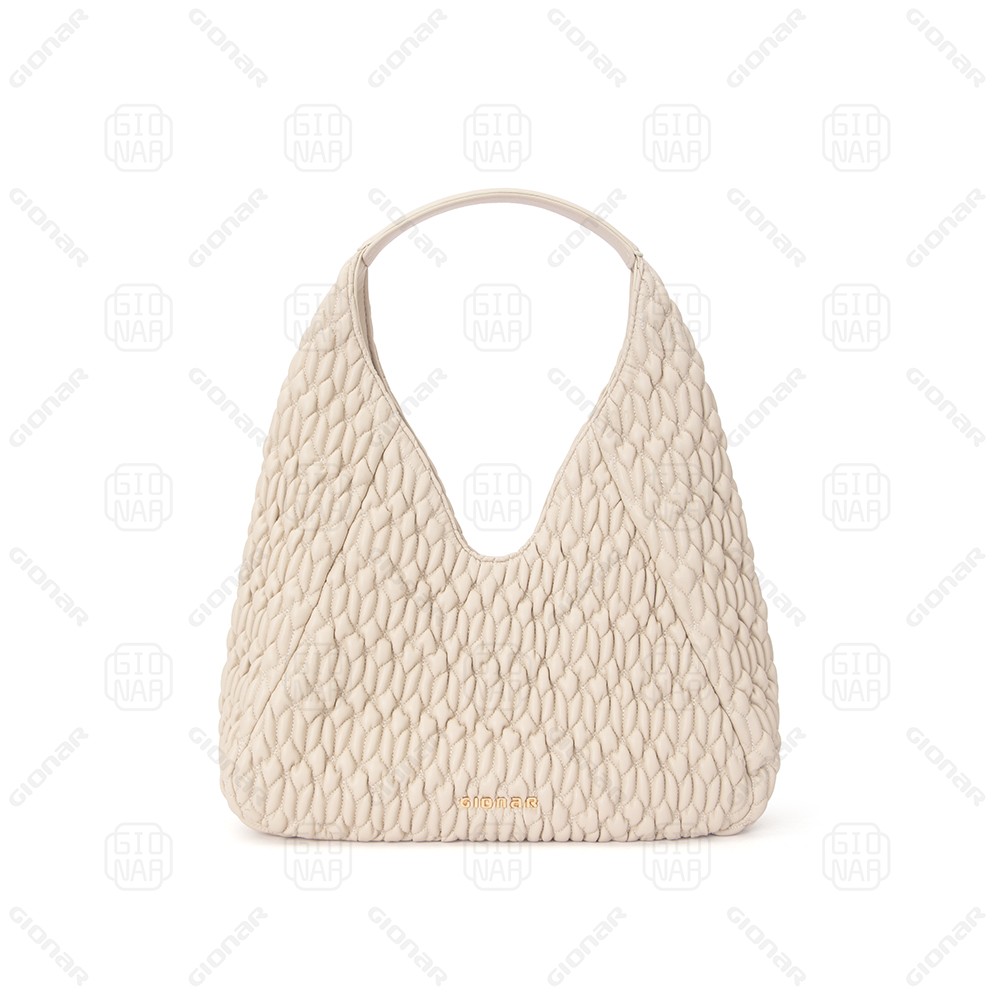
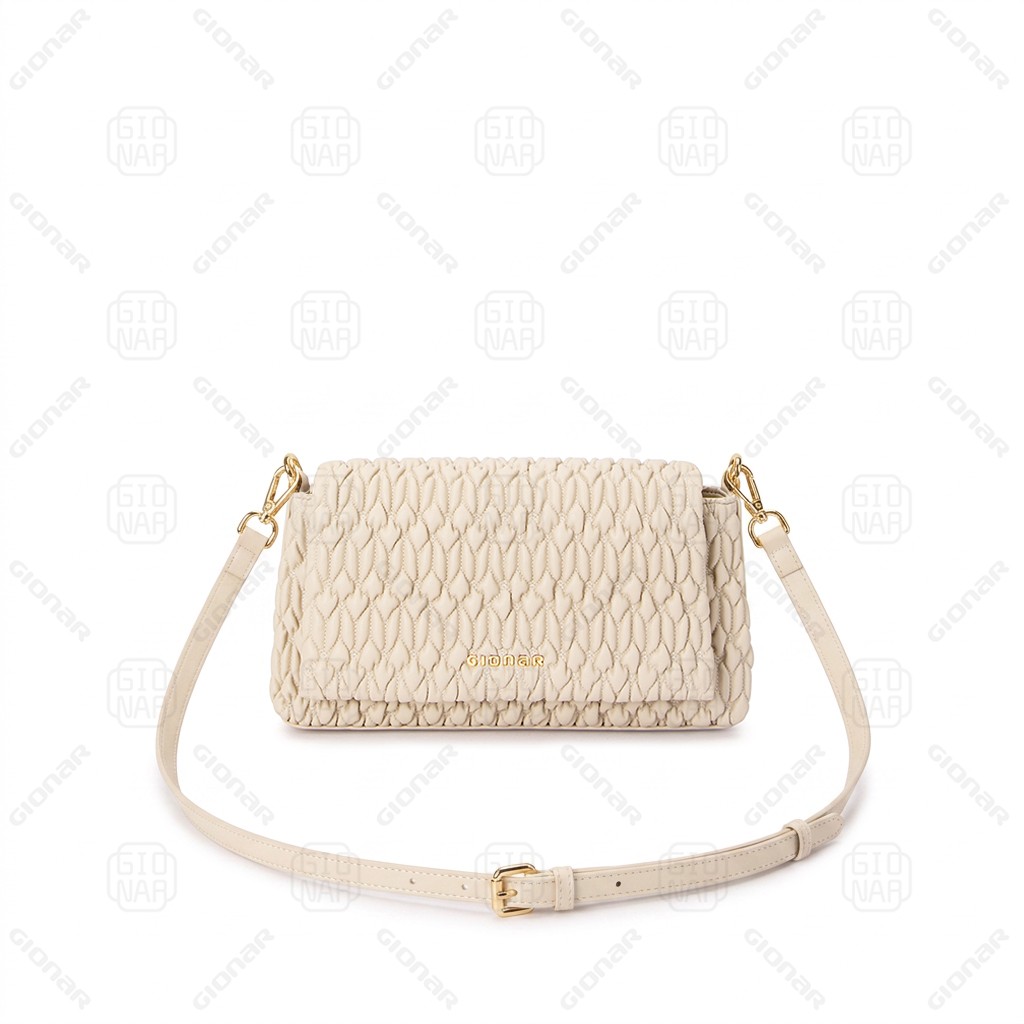
If you want to customize calfskin leather bags, and MOQ is 100-300pcs, please contact Gionar.
Guangzhou Gionar Leather Co., Ltd. is a leather bag manufacturer which offer OEM, ODM service on leather products more than 19 years.
Related customized services:


Mobile Website

Inquires Whatsapp