- +86 13922774531
- info@gionar.com

English


English
March 12 , 2025
In recent years, microfiber leather has become a popular alternative to traditional leather, combining durability, affordability and aesthetics. Therefore, microfiber leather has also gained the favor of many consumers in the fashion handbag industry. But what exactly is microfiber leather and how is it made? What are its outstanding features compared with genuine leather?
Microfiber leather, also known as synthetic leather or faux leather, is a man-made material designed to mimic the look and feel of genuine leather. It is composed of ultra-fine fibers, typically made from polyester and polyurethane, which are woven together to create a fabric base. This base is then coated with a layer of polyurethane to enhance its durability and give it a leather-like texture.
No, microfiber leather is not real leather. This is an artificial substitute designed to imitate the appearance and feel of genuine leather, but it is entirely made of plastic materials. The composition of microfiber leather is made by bonding microfiber polyester/nylon fibers with polyurethane (PU) or polyvinyl chloride (PVC). Embossing is carried out on the surface to imitate the texture of leather (for example, pebbles, smooth).
Microfiber leather is a synthetic material that imitates genuine leather, mainly composed of superfine polyester fibers and coatings.
Base layer: Ultra-fine polyester/polyamide fibers, woven into a dense fabric-like base material (similar to ultra-fine fiber cleaning cloths). The main function is to provide structure and flexibility.
Coating: Polyurethane (PU) or polyvinyl chloride (PVC). PU is softer and more environmentally friendly (used for high-end artificial leather). PVC is cheaper, but it contains harmful phthalates. The main function is to create a surface similar to leather, usually with embossed textures (for example, pebbles, smooth).
What is manufacturing process of microfiber leather? The production of microfiber leather involves several key steps:
Fiber Production: Ultra-fine fibers are created through a process called melt-spinning, where polyester and polyurethane are melted and extruded into fine threads.
Weaving: These fibers are then woven into a fabric base, which serves as the foundation for the leather-like material.
Coating: The fabric base is coated with a layer of polyurethane, which provides the material with its leather-like texture and durability.
Finishing: The final product undergoes various finishing processes, such as embossing, dyeing, and polishing, to achieve the desired appearance and feel.
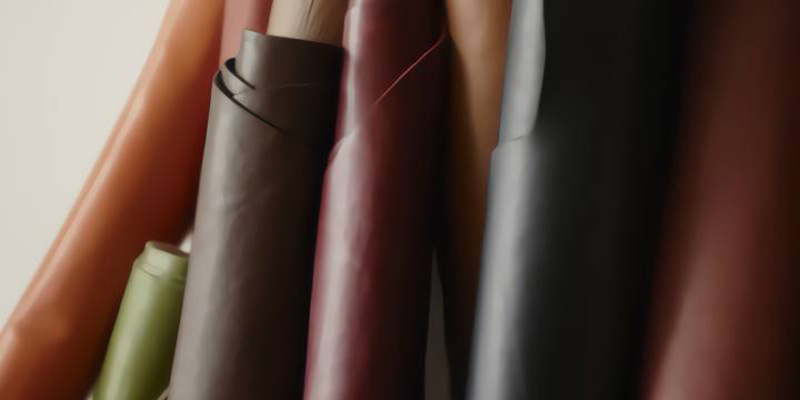
Not necessarily. The question of whether microfiber leather is better than genuine leather is subjective and depends on various factors, including personal preferences, uses, and moral considerations, etc.
The durability, scratch resistance, stain resistance and fading resistance of microfiber leather are better than those of real leather, while maintaining the consistent softness and flexibility of comfort. Microfiber leather is cost-effective and more friendly to vegetarians. It avoids the use of animals but relies on petrochemical products. Due to the shedding and non-biodegradability of microplastics, it has caused environmental problems.
Genuine leather, derived from animal leather, boasts an unparalleled natural texture, breathability and aging potential. It develops with use but requires maintenance to prevent damage from moisture or ultraviolet rays. Its cost is higher and the moral issues are more serious, but if it is tanned by plants, it is biodegradable.
For budget-conscious or vegetarians, microfiber leather is practical, while leather appeals to those who value lifespan, authenticity and sustainability.
Yes. Durability is one of the main selling points of microfiber leather. Due to its polyurethane coating, microfiber leather has a very high wear resistance. If properly cared for, microfiber leather can be used for many years, and it usually takes 2 to 5 years before signs of peeling or cracking appear.
However, it should be noted that the service life of microfiber leather depends on the quality of the material and the way it is used. In addition, proper care can extend its usability, such as avoiding high temperatures, sharp objects and rough cleaning agents.
It can be said that microfiber leather is not very eco-friendly.
The production of microfiber leather requires the use of petrochemical products derived from fossil fuels, and the manufacturing process generates waste and emissions, further intensifying its environmental impact.
Microfiber leather is a synthetic material. Its notable drawback is that it is not biodegradable and can exist in the environment for hundreds of years.
Yes. Because microfiber leather has a polyurethane coating, it has excellent waterproof performance. This coating creates a barrier to prevent water from penetrating the material, making it less vulnerable to water damage. Although microfiber leather is waterproof, it can still cause damage when exposed to water for a long time, especially if the material is not properly cared for.
Yes. Microfiber leather is entirely made of synthetic materials, which means it does not involve the use of animal leather. Therefore, microfiber leather is a vegetarian material. However, the production of microfiber leather involves the use of petrochemical products, which has raised concerns about environmental sustainability.
Not very good. The breathability of microfiber leather is usually not as good as that of genuine leather. Polyurethane coating endows microfiber leather with durability and water resistance, but it also limits its ability to allow air to pass through. Although microfiber leather may not be as breathable as genuine leather, it is often used in the production of bags and car seats, where breathability is not an issue.
Products made from this material are non-toxic and safe to use, especially when used in well-ventilated areas.
Microfiber leather is made of polyester and polyurethane, both of which are synthetic materials extracted from petrochemical products. During the manufacturing process, some chemical substances may be released, which may pose some safety issues. For those who are concerned about potential health risks, it might be worth considering alternative materials such as genuine leather or plant-based leather.
One of the advantages of microfiber leather is its ease of maintenance, which makes it a popular choice for items that are subject to frequent use and exposure to dirt and stains.
Microfiber leather is generally easy to clean and can be maintained with simple household cleaning products. A damp cloth is often sufficient to remove dirt and stains, and more stubborn stains can be treated with a mild soap solution. It’s important to avoid using harsh chemicals or abrasive cleaners, as these can damage the material’s surface.
The polyurethane coating on microfiber leather provides a protective barrier that helps prevent stains from penetrating the material. This makes it easier to clean and maintain than genuine leather, which can absorb stains and require more intensive cleaning methods.
To keep microfiber leather looking its best, it’s important to clean it regularly and avoid exposing it to harsh conditions. For example, it’s a good idea to wipe down microfiber leather furniture and car seats on a regular basis to remove dust and dirt. Additionally, it’s important to avoid placing microfiber leather items in direct sunlight for extended periods, as this can cause the material to fade or become discolored.
The quality of microfiber leather can vary depending on the manufacturing process and the materials used. However, when produced to a high standard, microfiber leather can offer a number of advantages over genuine leather.
As mentioned earlier, microfiber leather is known for its durability and resistance to wear and tear. High-quality microfiber leather can last for many years with proper care, making it a cost-effective choice for items that are subject to frequent use.
High-quality microfiber leather can closely mimic the appearance and texture of genuine leather, making it a suitable choice for those who want the look of leather without the associated cost or ethical concerns. Additionally, microfiber leather can be produced in a wide range of colors and finishes, allowing for greater design flexibility.
While microfiber leather may not be as breathable as genuine leather, it can still offer a high level of comfort, particularly when used in items like furniture and car seats. The material is often softer and more pliable than genuine leather, making it more comfortable to sit on or wear for extended periods.
The question of whether microfiber leather is as good as real leather is subjective and depends on the specific needs and preferences of the consumer.
In terms of appearance, high-quality microfiber leather can closely resemble genuine leather, particularly when it is embossed with a natural grain pattern. However, some consumers may prefer the unique character and patina that develop over time with genuine leather.
Microfiber leather is generally more durable than genuine leather, particularly in terms of resistance to wear and tear. However, genuine leather can develop a unique patina over time, which some consumers find appealing.
Genuine leather is generally more breathable than microfiber leather, making it a more comfortable choice for items like shoes and jackets. However, microfiber leather can be softer and more pliable, making it more comfortable for items like furniture and car seats.
For those who are concerned about animal welfare and environmental sustainability, microfiber leather offers a cruelty-free alternative to genuine leather. However, the production of microfiber leather involves the use of petrochemicals, which raises concerns about its environmental impact.
The sustainability of microfiber leather is a complex issue that involves considering both the production process and the material’s end-of-life disposal.
As mentioned earlier, the production of microfiber leather involves the use of petrochemicals, which are derived from fossil fuels. This raises concerns about the material’s carbon footprint and its contribution to environmental degradation. Additionally, the manufacturing process can generate waste and emissions, further exacerbating its environmental impact.
One of the significant drawbacks of microfiber leather is that it is not biodegradable. Unlike genuine leather, which can break down naturally over time, microfiber leather is a synthetic material that can persist in the environment for hundreds of years. This raises concerns about the long-term environmental impact of microfiber leather, particularly in terms of waste management and pollution.
While microfiber leather is not biodegradable, it can be recycled in some cases. However, the recycling process can be challenging due to the material’s complex composition, which includes both polyester and polyurethane. As a result, much of the microfiber leather produced ends up in landfills, where it contributes to the growing problem of plastic waste.
In response to the environmental concerns associated with microfiber leather, some manufacturers are exploring more sustainable alternatives. For example, there are now microfiber leather products made from recycled materials, which can help reduce the demand for virgin petrochemicals. Additionally, some companies are developing biodegradable synthetic leathers that break down more easily in the environment.
Microfiber leather and PU leather are both synthetic alternatives to genuine leather, but they have some key differences that may make one more suitable than the other depending on the intended use.
Microfiber leather is made from ultra-fine fibers, typically composed of polyester and polyurethane, which are woven together to create a fabric base. This base is then coated with a layer of polyurethane to enhance its durability and give it a leather-like texture. PU leather, on the other hand, is made by applying a polyurethane coating to a base material, such as cotton or polyester.
Microfiber leather is generally more durable than PU leather, thanks to its ultra-fine fiber structure. This makes it more resistant to wear and tear, particularly in high-use applications like furniture and car seats. PU leather, while durable, may not hold up as well over time, particularly if it is subjected to frequent use or harsh conditions.
Both microfiber leather and PU leather can closely mimic the appearance of genuine leather, but microfiber leather is often considered to have a more realistic texture and feel. This makes it a popular choice for high-end applications where the look and feel of genuine leather are important.
PU leather is generally less expensive than microfiber leather, making it a more budget-friendly option for those who want a leather-like material without the associated cost. However, the lower cost of PU leather may come at the expense of durability and longevity.
Both microfiber leather and PU leather are synthetic materials that involve the use of petrochemicals, which raises concerns about their environmental impact. However, microfiber leather is often considered to be more sustainable than PU leather, particularly when it is made from recycled materials.
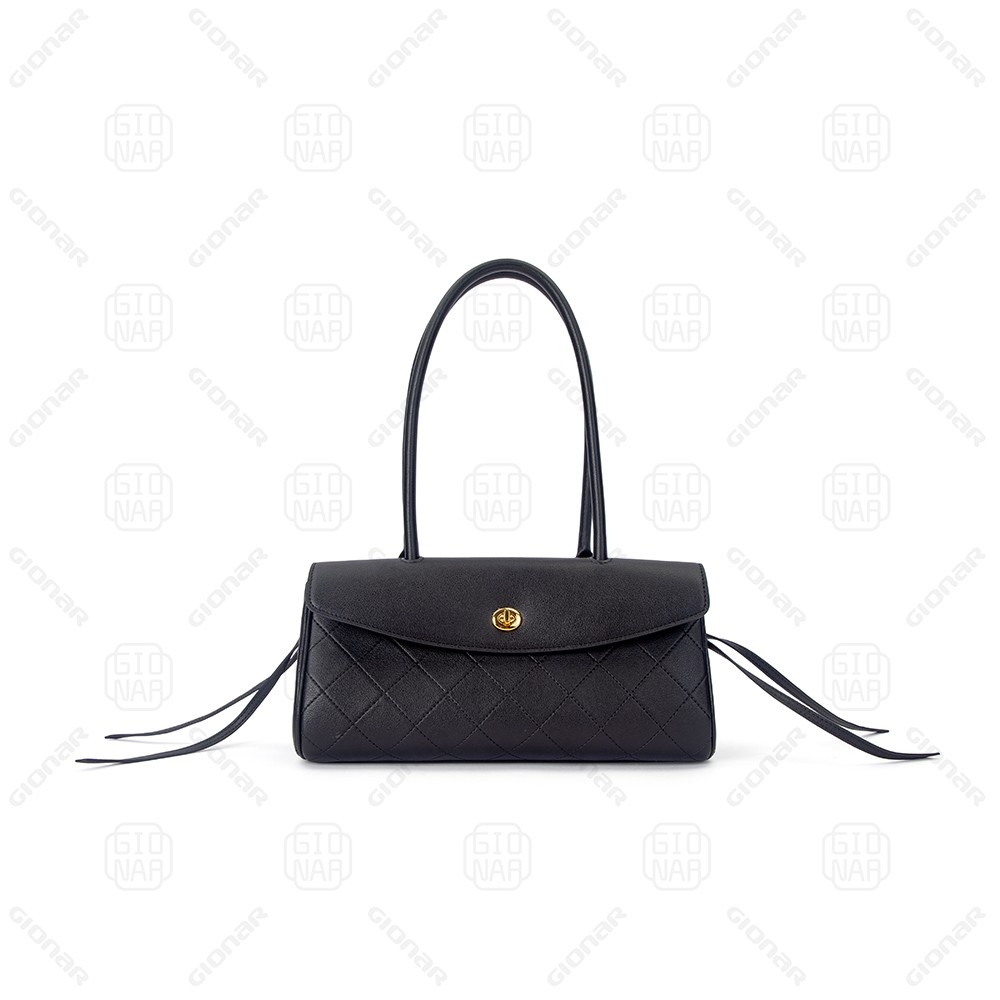
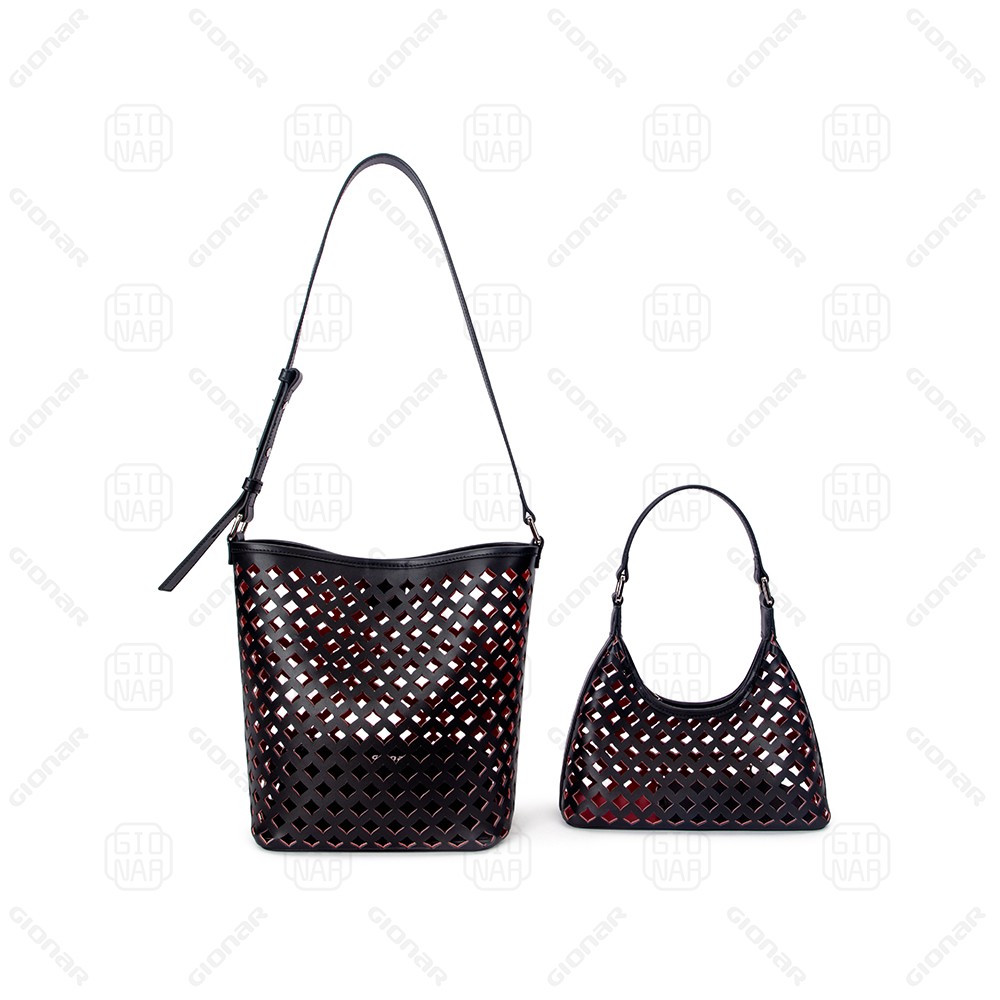
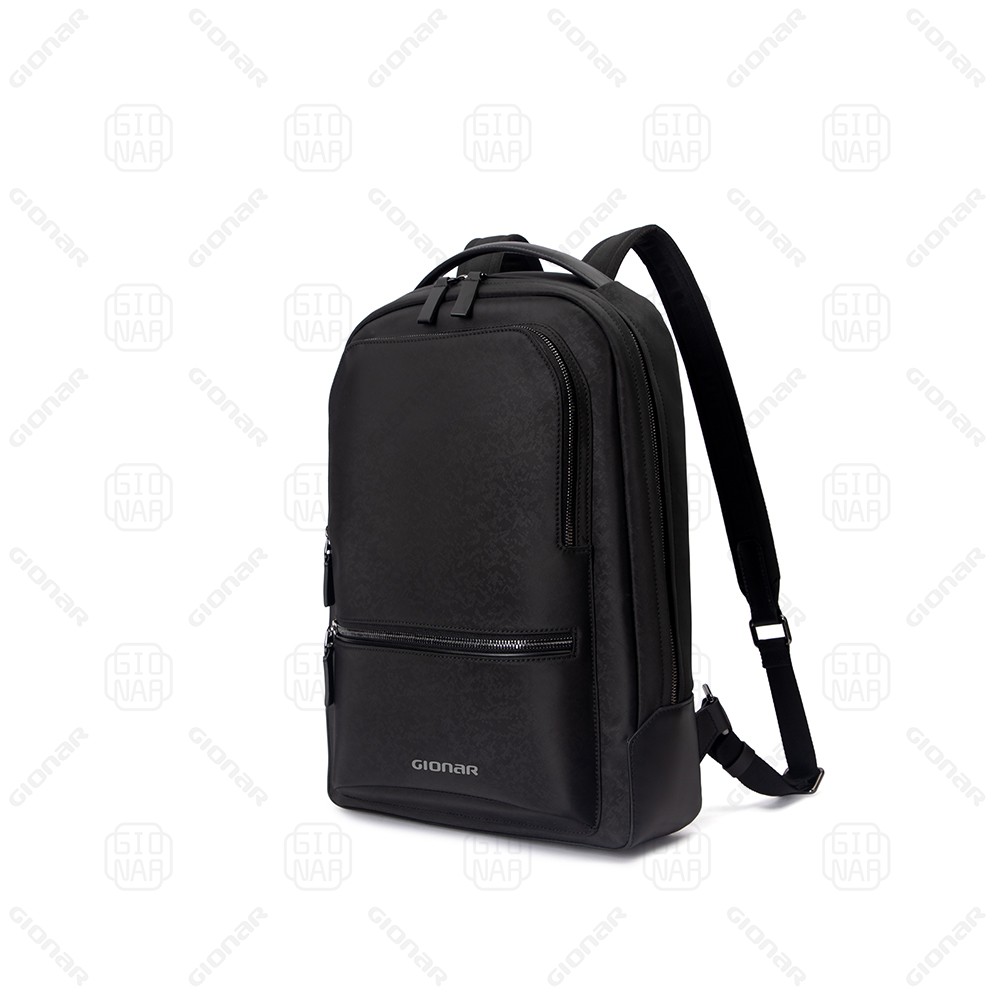
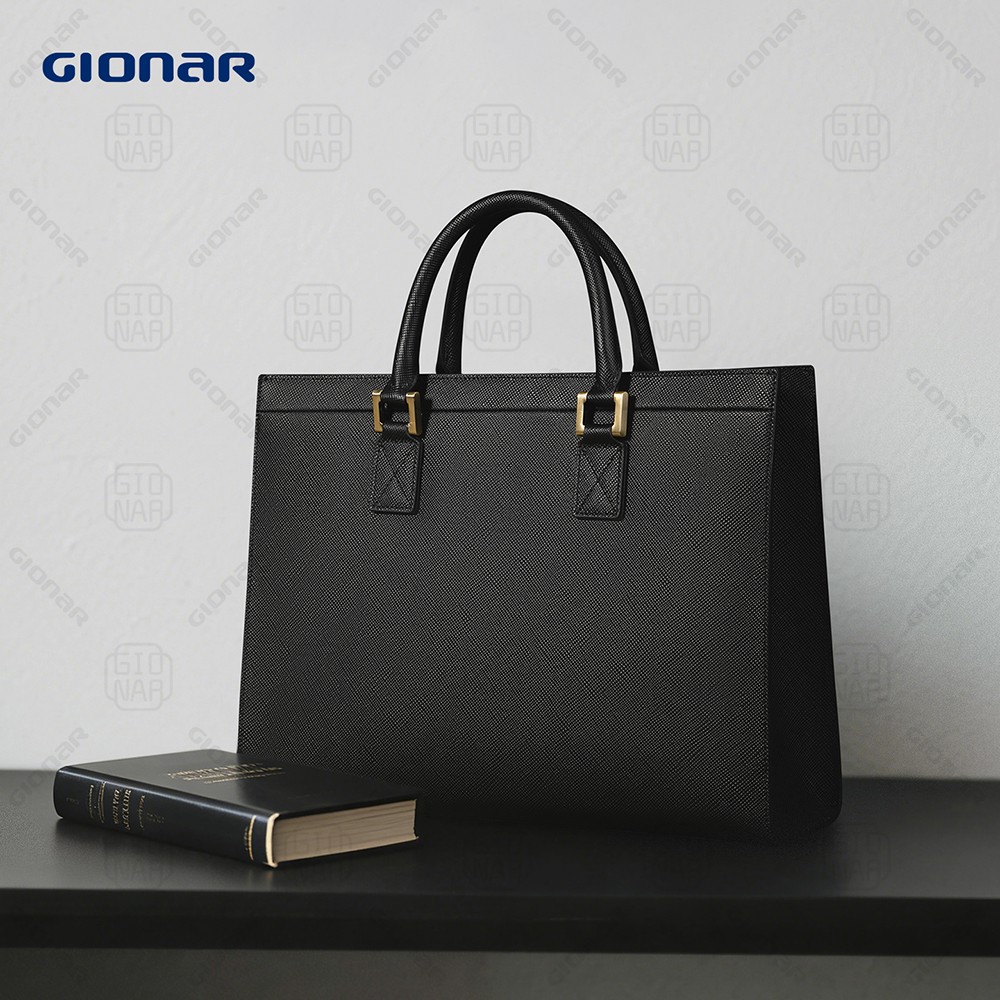
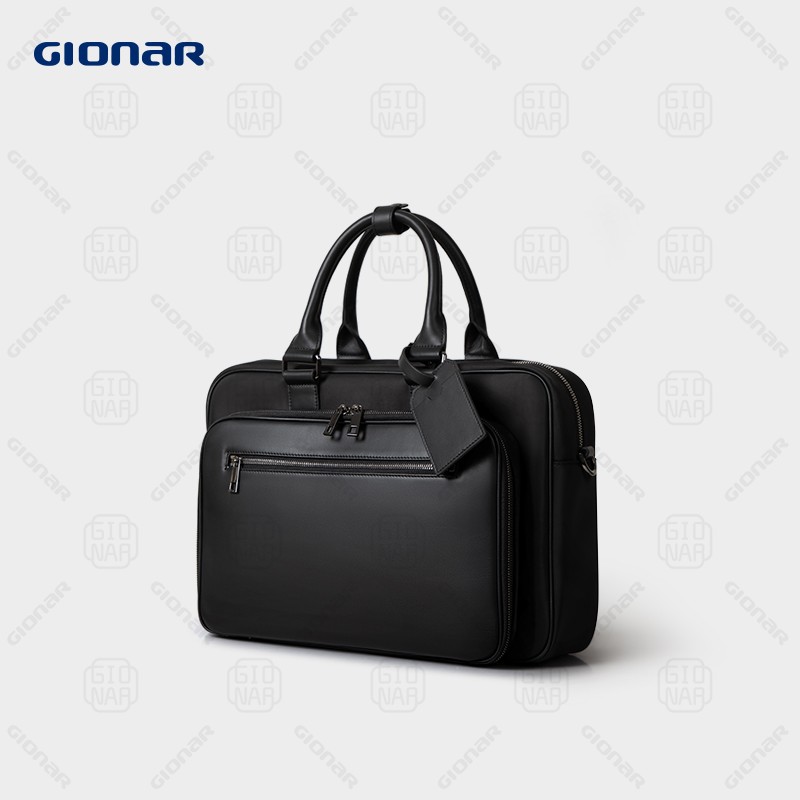
When it comes to choosing a bag, whether for daily use, travel, or fashion, microfiber leather is a material that often comes up as a viable option. But is a microfiber leather bag actually good? The answer depends on what you’re looking for in terms of durability, aesthetics, functionality, and ethical considerations.
Microfiber leather bags are known for their durability, making them an excellent choice for everyday use. The material is highly resistant to scratches, stains, and general wear and tear, which means your bag is likely to maintain its appearance over time. This makes microfiber leather bags particularly suitable for those who need a reliable bag for work, school, or travel. Additionally, the water-resistant properties of microfiber leather add an extra layer of practicality, as the bag can withstand spills or light rain without significant damage.
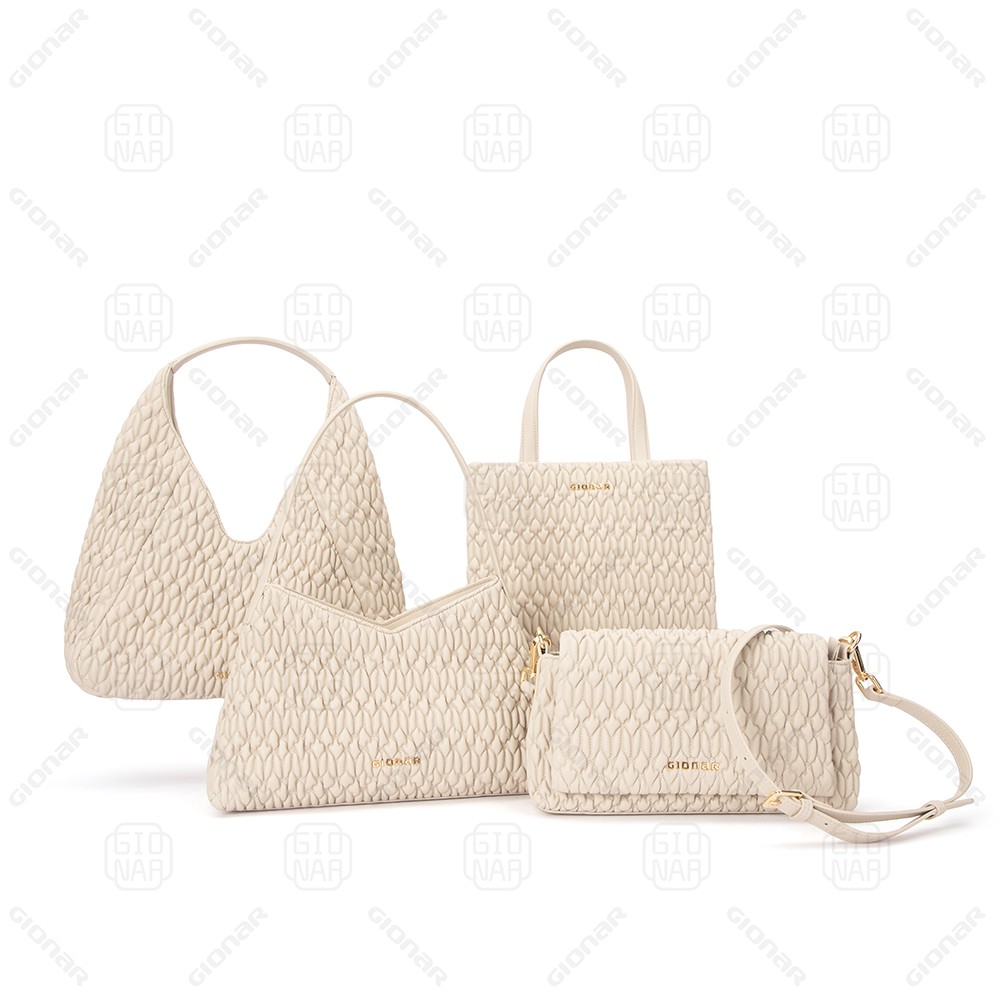
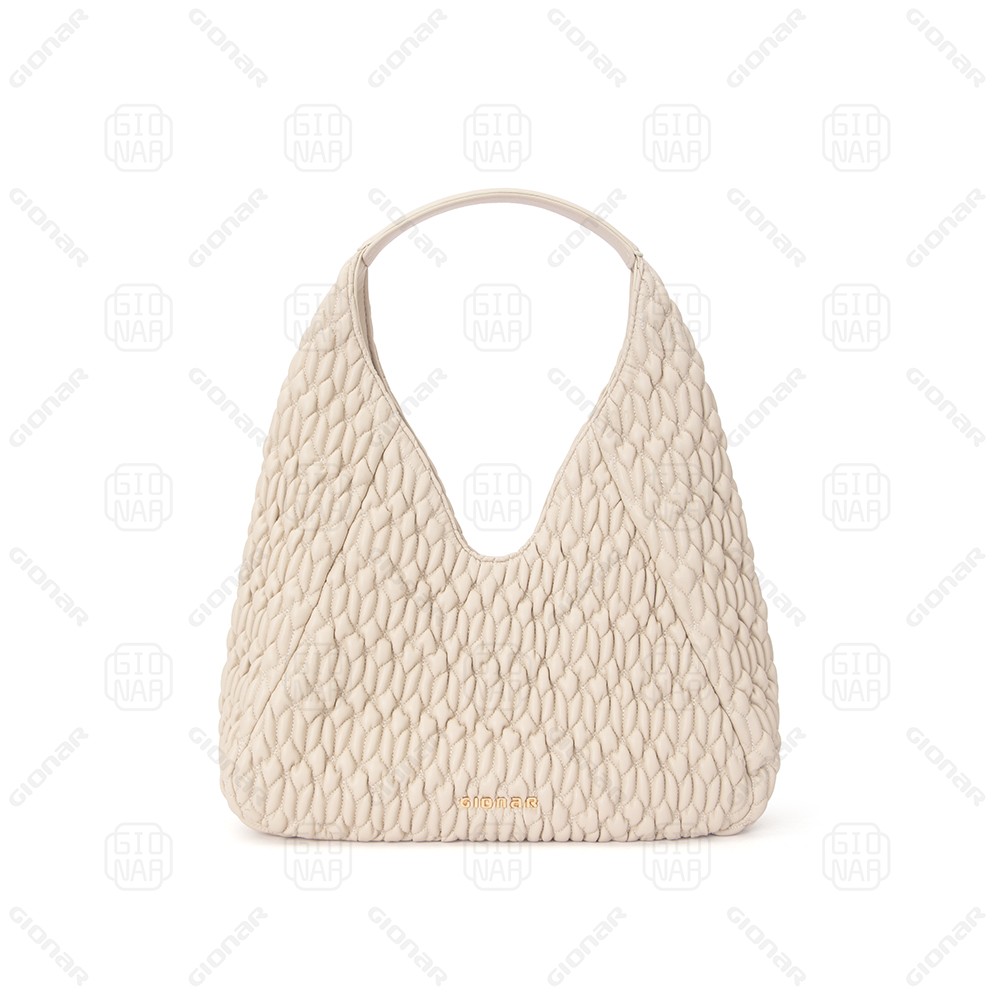
One of the standout features of microfiber leather bags is their ability to closely mimic the look and feel of genuine leather. High-quality microfiber leather can be embossed with textures that replicate the natural grain of leather, and it comes in a wide range of colors and finishes. This makes it a versatile option for fashion-conscious individuals who want a stylish bag without the high cost of genuine leather. Whether you prefer a classic black tote or a bold, colorful backpack, microfiber leather offers plenty of design flexibility.
For those who prioritize ethical consumption, microfiber leather bags are a cruelty-free alternative to genuine leather. They do not involve the use of animal hides, making them a suitable choice for vegans or anyone concerned about animal welfare. However, it’s important to note that microfiber leather is a synthetic material, and its production relies on petrochemicals, which can have environmental implications. If sustainability is a key concern, look for brands that use recycled materials or eco-friendly production methods.
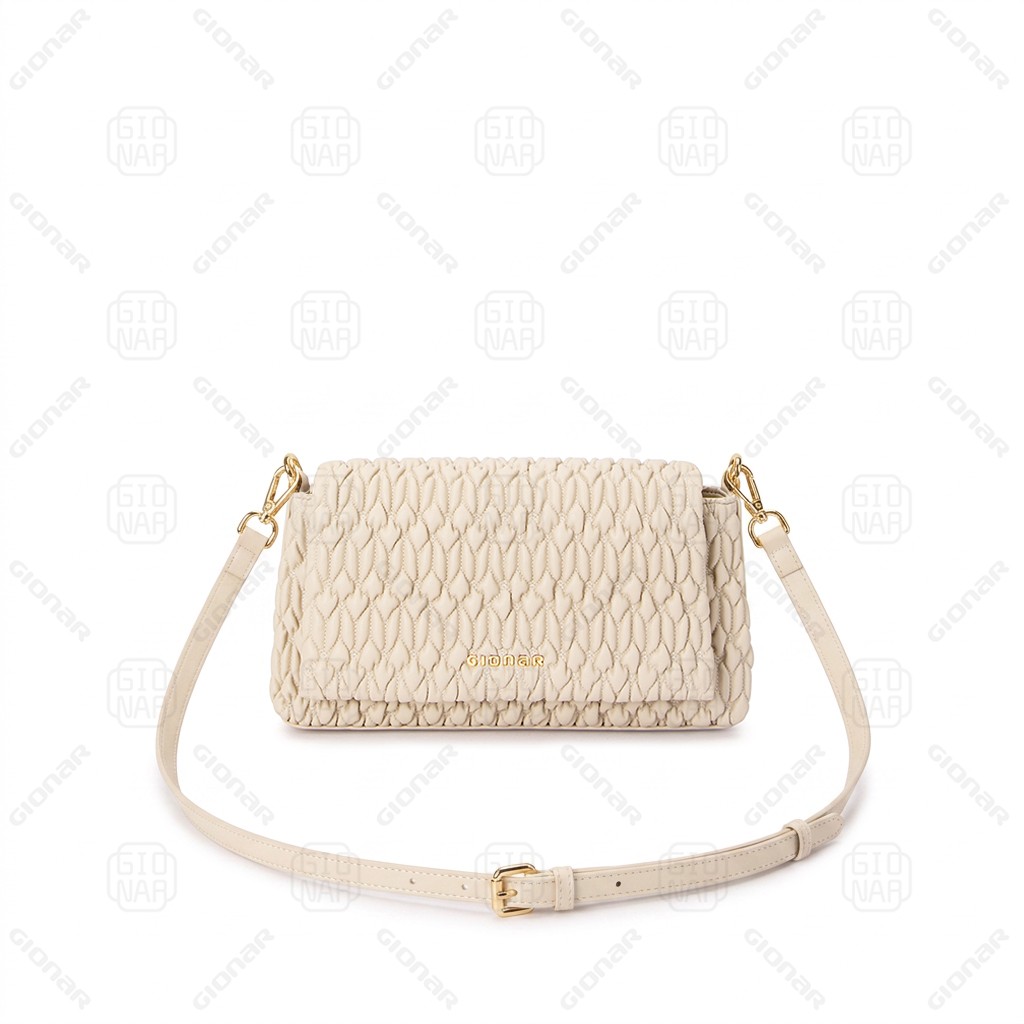
Microfiber leather bags are generally lightweight and easy to carry, which adds to their practicality. While the material may not be as breathable as genuine leather, it is often softer and more pliable, making it comfortable to use for extended periods. Many microfiber leather bags also come with functional features like multiple compartments, adjustable straps, and sturdy zippers, making them ideal for organizing your belongings.
One of the biggest advantages of microfiber leather bags is their affordability. Compared to genuine leather bags, which can be quite expensive, microfiber leather offers a similar aesthetic at a fraction of the cost. This makes it an attractive option for budget-conscious shoppers who still want a high-quality, stylish bag.
In summary, a microfiber leather bag can be a great choice if you’re looking for a durable, stylish, and affordable option. It’s particularly well-suited for those who value practicality and ethical considerations, though it’s worth weighing the environmental impact of synthetic materials. Whether for daily use, travel, or fashion, microfiber leather bags offer a compelling blend of functionality and aesthetics, making them a good option for a wide range of consumers.
Microfiber leather is a versatile and durable material that offers a number of advantages over genuine leather, including affordability, ease of maintenance, and ethical considerations. However, it is not without its drawbacks, particularly in terms of environmental impact and breathability. When choosing between microfiber leather and genuine leather, it’s important to consider your specific needs and preferences, as well as the intended use of the material. By weighing the pros and cons of each option, you can make an informed decision that aligns with your values and lifestyle.
Tags :


Mobile Website

Inquires Whatsapp