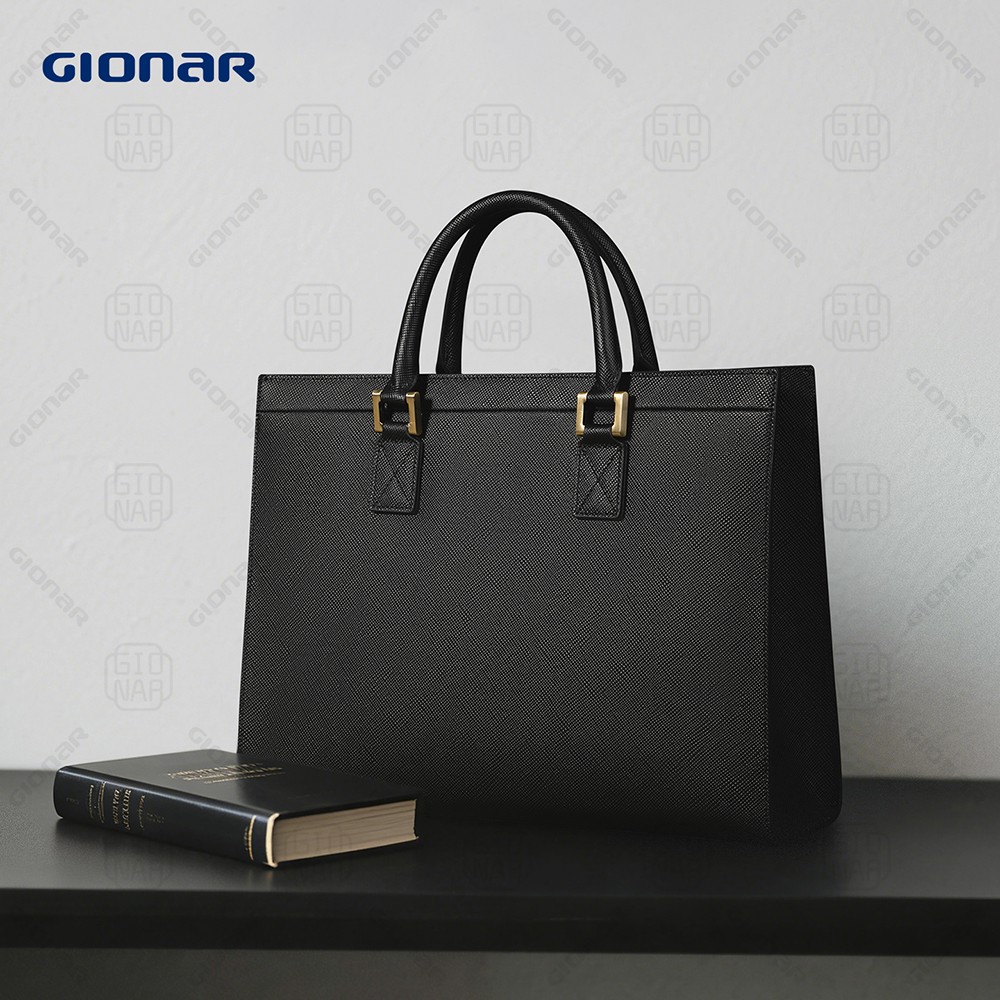
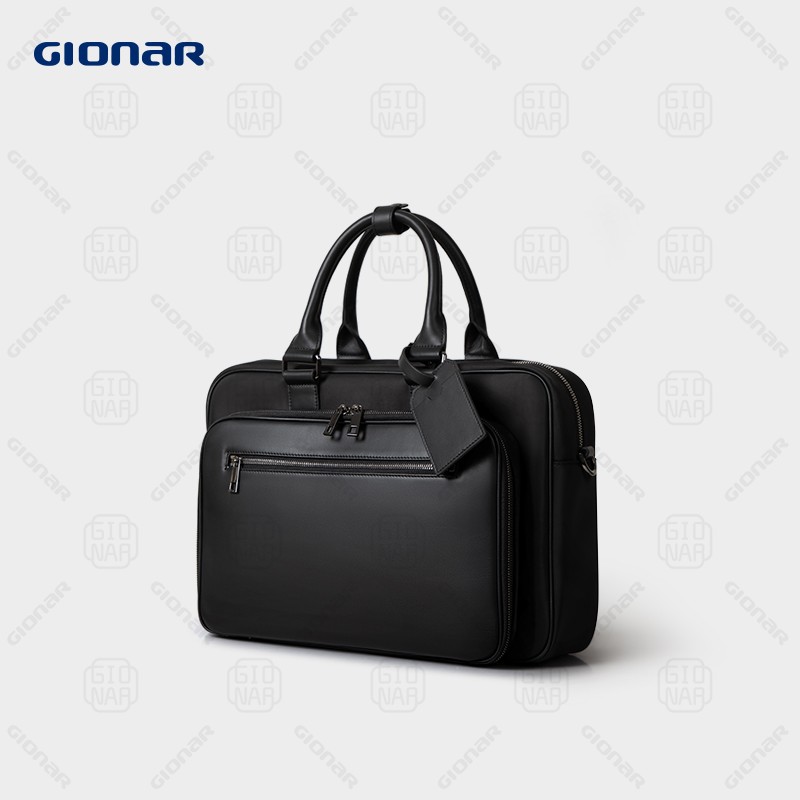
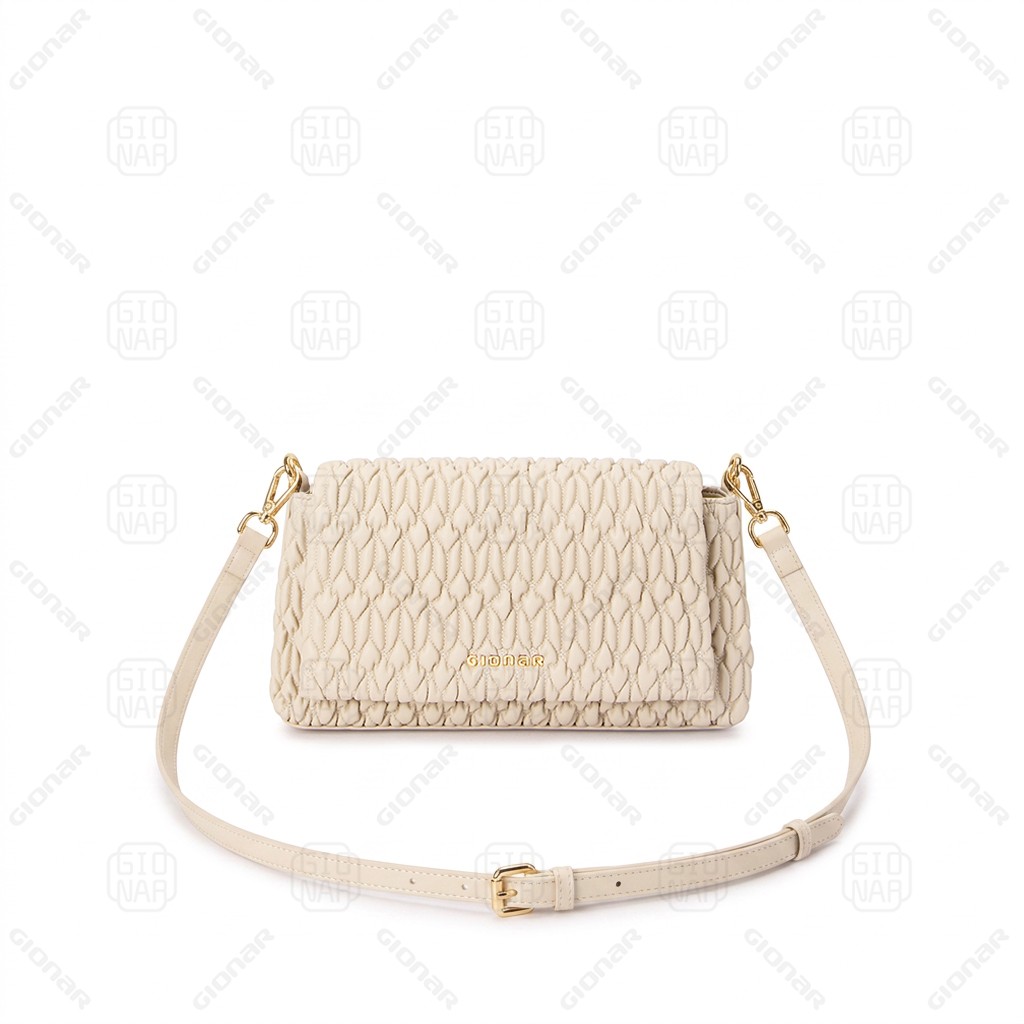
If you are a consumer and want to purchase a durable bag, its durability largely depends on the materials used – the strength of the material, its resistance to wear and tear, water resistance, tear resistance, and overall durability.
If you are planning to run your own bag business and want to customize a large number of durable bags, then you definitely need to understand the characteristics of various materials and their durability.
This article will explore the durability of various common materials used in bag manufacturing.
Comparison of the Most Durable Bag Common Materials
| Material Category |
Representative Materials |
Core Durability Characteristics |
Typical Lifespan |
Ideal Usage Scenarios |
| Premium Synthetic Fibers |
Cordura® Nylon, Ballistic Nylon |
Originally developed for military use, extremely abrasion-resistant and tear-resistant, with a high strength-to-weight ratio. |
10+ years |
Outdoor hiking, military-spec backpacks, high-intensity business travel, carrying heavy equipment. |
| High-Performance Synthetic Fibers |
High-Density Nylon (e.g., 1000D), Ripstop Fabric |
Lightweight, water-resistant, abrasion-resistant, strong yet flexible. Ripstop’s grid structure prevents tears from spreading. |
5-10 years or more |
Daily commuting, school, travel backpacks, gym bags, all-weather use. |
| Premium Natural Materials |
Full-Grain Leather, Cordovan (Horse Shell), Stingray Leather |
Inherently extremely strong, durable, and develops a beautiful patina over time. |
10+ years, can last generations with proper care |
Investment-grade handbags, briefcases, high-end footwear, accessories for those seeking texture and heritage. |
| Classic Natural Materials |
Heavyweight Canvas (e.g., Cotton Canvas, Waxed Canvas) |
Sturdy, holds shape well, high load-bearing capacity, good abrasion resistance, withstands daily wear and tear. |
5-10 years |
Commuter totes, tool bags, weekend bags, creating a vintage or casual style. |
| Other Common Materials |
Polyester, PU (Polyurethane) Leather |
Polyester offers good value and decent durability; PU leather is fashionable but has poor long-term durability, with the surface layer prone to cracking and peeling. |
Polyester: 3-5 years; PU Leather: 1-3 years |
Budget-friendly everyday bags, fashion accessories, short-term seasonal bags. |
1. Nylon
What Is Nylon?
Nylon is a synthetic (artificial) plastic fiber, belonging to a type of polyamide material. It is the first completely synthetic fiber ever created.
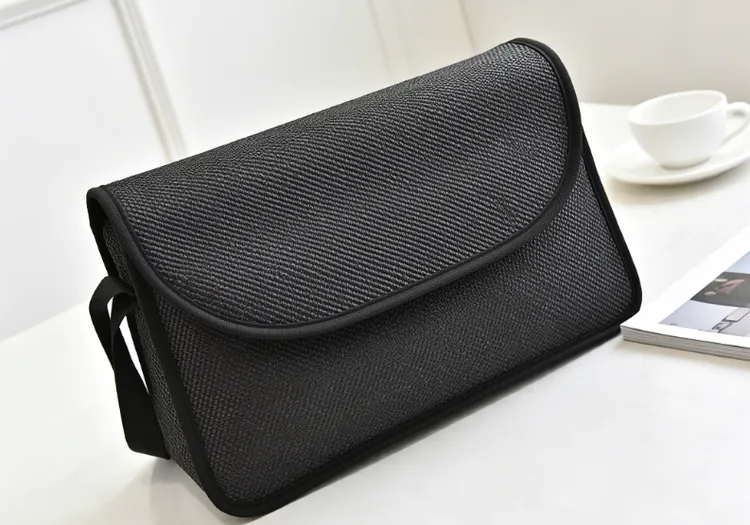
Nylon is a general term for a class of polyamide thermoplastic materials. It is synthesized from petrochemical raw materials and can be drawn into very fine threads or molded into hard solids. When used as fabric, it has the characteristics of being lightweight, highly durable, elastic, wear-resistant, quick-drying, and resistant to mold growth.
Advantages and Disadvantages of Nylon
Advantages:
- Extremely durable: highly resistant to wear and tear, and tear-resistant.
- Lightweight: much lighter than equivalent strength canvas or leather.
- Waterproof and quick-drying: does not absorb water easily, and retains strength even in damp conditions.
- Easy to clean: resistant to stains, usually just wiped with a damp cloth.
- Chemical-resistant: resistant to many chemicals, and not prone to moth damage.
Disadvantages:
- Poor heat resistance: It will melt easily when exposed to high temperatures (so be careful when smoking or near a fire source).
- Prone to aging: Long-term exposure to sunlight (UV rays) may cause fading and loss of strength.
- Feel: It lacks the warmth and sophistication of leather.
Applications of Nylon
- Textiles and Clothing: Nylon fibers are widely used in the production of socks, underwear, sportswear, and outdoor clothing due to their high strength, wear resistance, and softness.
- Industrial Products: Due to its high strength and wear resistance, nylon is used to manufacture mechanical components such as bearings, gears, pulleys, washers, and seals.
- Automobile and Aerospace: Due to its lightweight, heat resistance, and corrosion resistance, nylon materials are used in the automotive and aerospace industries to manufacture engine components, electrical connectors, piping systems, and body parts.
- Electronics and Electrical Equipment: Due to its insulating properties, heat resistance, and chemical resistance, nylon is used to manufacture sockets, connectors, switches, and insulating materials in electronics and electrical equipment.
- Consumer Goods: Due to its durability and wear resistance, nylon is often used to make bags, luggage, and other consumer goods.
- Fashion Products and Equipment: Best for backpacks, duffel bags, travel bags, and outdoor gear.
Common Nylon Types for Bags and Luggage
Backpacks, large suitcases, handbags: especially high-strength nylon (such as 420D, 600D, 1000D+)
Performance Fabrics:
- Ballistic nylon (1050D+): With military-level durability
- Ripstop nylon: Mesh weaving can prevent tear spread
- Cordura®: High-strength nylon under the brand name, used in outdoor equipment
It is usually coated with polyurethane (polyurethane) or undergoes laminating treatment to enhance water resistance
2. Polyester
What Is Polyester?
Polyester (polyester fiber) is a widely used synthetic fiber, formed by the polymerization of organic acids and alcohols derived from petrochemical raw materials. Like nylon, it is one of the significant chemical inventions of the 20th century. Currently, it is the most produced textile fiber globally.
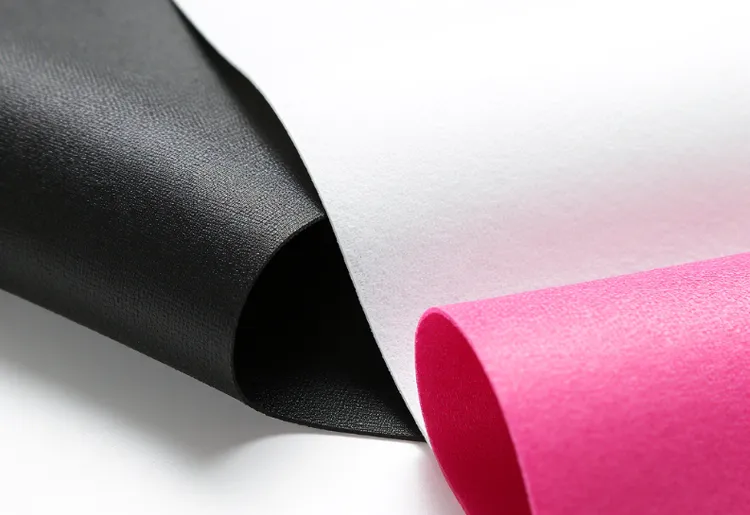
Polyester fiber (chemical name: polyethylene terephthalate, PET) is a thermoplastic polymer. It possesses high strength, high elasticity, good wrinkle resistance, and is resistant to deformation. In the textile industry, it is often used alone or blended with natural fibers such as cotton and wool to enhance the durability and wrinkle resistance of the fabric.
Advantages and Disadvantages of Polyester Fiber
Advantages:
- High cost-effectiveness: The price is usually lower than that of nylon and natural materials.
- Durable and easy to care for: Resistant to wrinkles, mold, and deformation, and can be machine washed.
- Good shape retention: The bags made from it are stiff and well-shaped, and do not sag easily.
- High color fastness: Good dyeing performance, bright colors and less fading.
- Environmental potential: Recycled polyester is an important direction for sustainable fashion.
Disadvantages:
- Poor breathability: Pure polyester fibers are not as breathable as natural fibers.
- Feel has a plastic-like quality: The texture is not as warm and luxurious as leather, nor as soft and smooth as nylon.
- Susceptible to high temperatures: It will melt when exposed to high temperatures (such as excessive temperature in the dryer may damage it).
- Long-term durability: It is not as wear-resistant as high-performance nylon (such as Cordura®) in extreme high-intensity friction scenarios.
Application
Textile Industry:
- Polyester fibers (polyester) account for over 75% of global synthetic fiber production, and are commonly used in making shirts, coats, curtains, etc.
- Blending with cotton can enhance wrinkle resistance and durability, and improve wearing comfort.
Packaging Materials:
- Polyester films (such as PET) are used in food packaging and beverage bottles, featuring high transparency and high temperature resistance.
- They can withstand pasteurization processes to ensure food safety.
Industrial Applications:
- Used for manufacturing ropes, tire cord fabric, filter materials, etc., relying on their high strength and wear resistance.
- They are also widely used in fields such as electronic component insulation layers, coatings, and adhesives.
Common Types of Polyester Fibers Found in Bags
- Common polyester fibers: Widely used in budget backpacks, shopping bags, and eco-friendly bags. Lightweight, colorful, and resistant to wrinkling.
- Recycled polyester fibers (rPET): Made from recycled plastic bottles, etc., with strong environmental attributes. Many sustainable brands (such as Patagonia, some products of Fjällräven) use them. Performance is comparable to that of virgin polyester.
- Polyester-cotton blend: Mixed with cotton, it combines the breathable feel of cotton and the crispness and wrinkle-resistance of polyester, commonly found in canvas-style handbags.
- Coated polyester: Surface covered with PVC or PU coating, making it completely waterproof, easy to clean, and often used in sports bags, beach bags.
- 600D polyester fibers: Often used in backpacks and luggage bags, offering good durability and weight advantages.
- 1680D polyester fibers: Thicker and more sturdy, suitable for heavy-duty bags and suitcases.
The reason for its durability: Polyester fiber is a synthetic fiber that possesses the advantages of high strength, light weight, resistance to stretching and shrinking, quick drying, and greater resistance to fading compared to natural fibers.
3. Canvas
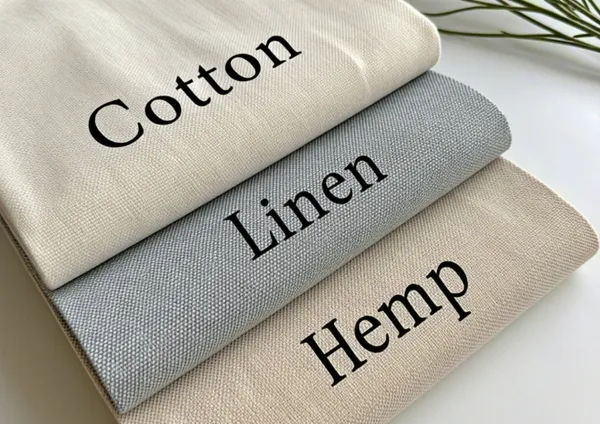
Canvas (a kind of fabric) is a thick woven fabric with a plain weave pattern. It is usually made of cotton, but can also be made from linen, hemp, or blended yarns. Its name comes from the Old French word “canevas”, meaning “hemp”. Historically, hemp fibers were indeed commonly used for its production. Canvas is renowned for its firmness, strength in bearing weight, and durability. It is a classic and practical fabric that lies between everyday fabrics and industrial materials.
What Is Canvas?
The core features of canvas are plain weave (where the warp and weft threads are interwoven alternately from top to bottom) and high-density yarns. This structure makes it thicker and more durable than ordinary cotton fabric. Depending on the yarn thickness and weaving density, canvas can range from lightweight canvases to thick tent materials.
- Main raw materials: The most common ones are cotton (soft, easy to dye), followed by linen (more resilient, breathable, but prone to wrinkling), hemp (very strong, environmentally friendly), and blends (such as adding polyester to increase wrinkle resistance).
- Key characteristics: Smooth and shaped, durable, good in load-bearing capacity, breathable (pure cotton canvas).
Advantages and Disadvantages of Canvas
Advantages
- Extremely durable: resistant to wear and tear, resistant to tearing.
- Excellent breathability: natural fibers allow air to pass through.
- Environmentally friendly: when made from natural fibers, it can be biodegradable.
- Wide range of uses: can be treated with wax or coating to enhance waterproofing performance.
Disadvantages
- Thick: Compared to synthetic fabrics like nylon, it may be more cumbersome and heavy.
- Water absorption: Unprocessed canvas will absorb water and becomes very heavy when damp.
- Hardness: Initially, it may be quite hard and requires an “adaptation period”.
The Canvas in The Bag: Types and Characteristics
In the field of bags, canvas is one of the oldest and most classic materials. From military use to fashion, it has always held a place.
| Canvas Type |
Main Characteristics |
Common Uses |
Advantages |
Disadvantages |
| Regular Cotton Canvas |
Natural or dyed cotton canvas without special treatment, offering a natural texture and medium stiffness/softness. |
Eco-friendly shopping bags, casual totes, student backpacks. |
Eco-friendly natural material, affordable, comfortable touch, printable. |
Absorbs moisture easily, gets dirty easily, less abrasion-resistant (compared to treated types). |
| Waxed Canvas |
Cotton canvas impregnated with paraffin or synthetic wax, creating a water-resistant, dirt-repellent layer that develops a unique patina over time. |
Messenger bags, tool bags, outdoor backpacks (e.g., Filson, Barbour). |
Water-resistant & dust-repellent, extremely durable, vintage look, improves with age. |
Heavier, surface may show scratches (seen as charm by some), requires periodic re-waxing. |
| Coated Canvas |
Surface coated with PVC, PU, or rubber for complete waterproofing and easy cleaning. |
Beach bags, sports bags, rain-resistant bags, budget fashion bags. |
Completely waterproof, easy to clean, vibrant colors. |
Not breathable, plastic-like feel, coating may crack or peel with age. |
| Recycled/Regenerative Canvas |
Woven from recycled fibers like reclaimed cotton or recycled plastic bottles (rPET), with strong eco-credentials. |
Tote bags, backpacks from sustainable fashion brands. |
Eco-friendly, reduces waste, performance comparable to regular canvas. |
Potentially higher cost, color options may be limited. |
Canvas Is Used in Bag Manufacturing
Canvas is widely used for:
- Handbags (such as reusable shopping bags, market handbags)
- Backpacks (especially casual or vintage styles)
- Luggage bags and weekend travel bags
- Laptop protectors and briefcases
Is The Waterproofing Good?
- Regular canvas: Water will seep through.
- Waxed canvas: Highly waterproof – suitable for rainy days or outdoor use.
- Coated canvas: Some brands use PVC or polyurethane coatings (for example, Louis Vuitton’s early letter logo bags), giving it a waterproof feature, but it is not very environmentally friendly.
The Sustainability of Canvas
- Organic cotton canvas: Grown in a pesticide-free environment; has a smaller impact on the environment.
- Recycled cotton canvas: An emerging option, but currently not very common due to the shortening of fibers.
- Biodegradable: Different from synthetic materials, untreated cotton canvas will naturally decompose at the end of its lifespan.
4. Leather: The King of Durability
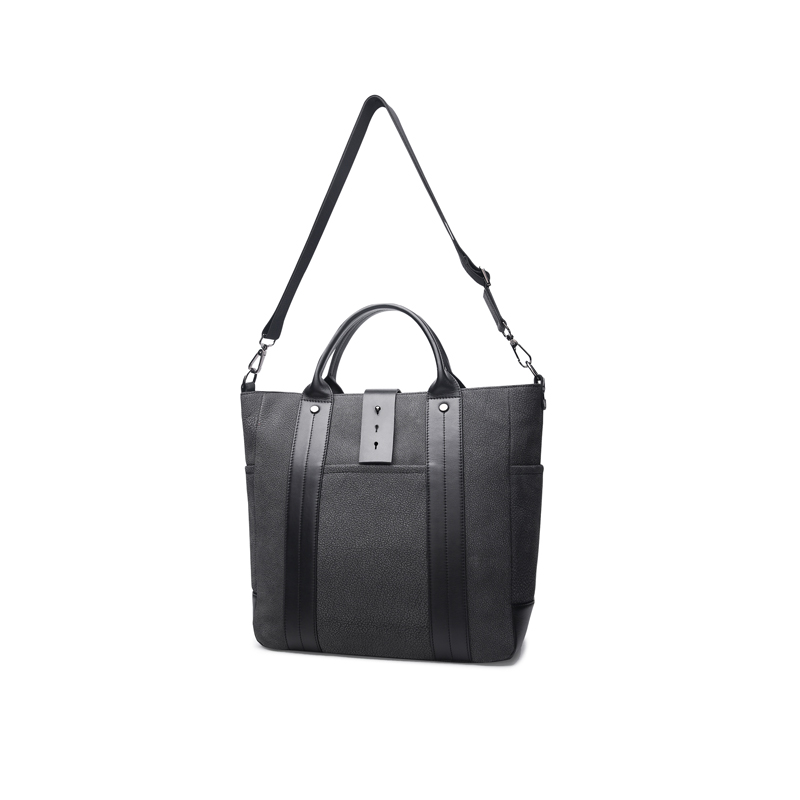
Leather is a durable and flexible material made from tanned animal skins and hides. It is one of the oldest and most widely used materials by humans, favored for its strength and durability, natural beauty, and the unique luster it develops over time.
What Is Leather?
Essentially, leather is the processed skin of an animal. This treatment process can be achieved through chemical means to keep it in a stable state and prevent it from decaying and deteriorating. If not treated with tanning, raw skin would rot and harden. The tanning process transforms it into a durable and long-lasting material.
- Primary Sources: The majority of leather raw materials come from cattle (cowhide), but there are also sources from sheep (sheepskin), goats (goatskin), pigs (pigskin), as well as rare animals such as crocodiles, ostriches, and snakes.
- Key Characteristics: Durability, flexibility, breathability, longevity, and the ability to retain its shape. High-quality leather also develops a unique luster and color changes over time with usage and the passage of years (known as the “aged texture”).
How Is Leather Made? (Simplified Production Process)
- Preparation stage: Clean the raw skin, soak it, and remove the hair.
- Tanning: This is a crucial step. Tanning agents (traditionally derived from tannins in plants, or modernly using chromium salts) are used to fix the protein structure in the leather, preventing it from decaying (i.e., preventing it from deteriorating).
- Surface hardening treatment: Leather that has undergone tanning can undergo thinning, coloring, and re-tanning to meet specific performance requirements.
- Surface treatment: Coating treatment can be applied to the leather surface to achieve protection, coloring, or texture effects. The degree of surface treatment determines the final type of leather (for example, full-grain leather versus corrected-grain leather).
Main Classifications of Leather
- Full-grain leather: This is the highest quality leather, retaining the natural texture and fibers, making it extremely durable and long-lasting. Full-grain leather is made from the outermost layer of the outermost skin layer and retains the natural texture. It is extremely tough, develops a beautiful luster over time, and can be used for decades with proper maintenance. Top luxury brands like Hermès and Louis Vuitton use it for their signature handbags.
- Top-grain leather: Slightly thinner than full-grain leather, it is slightly polished to remove flaws. It is still durable and more affordable than full-grain leather. It is often used in mid-range leather bags, offering a good balance of quality and price.
- Real leather: A lower-grade leather made from the remaining layers, with poorer durability. If not properly maintained, it may flake or crack over time.
Leather in Bags: Types and Grades
The quality and characteristics of leather vary greatly. In the field of bags, understanding these grades is crucial. They are arranged in descending order of quality:
| Leather Grade / Type |
Source / Process |
Key Characteristics |
Pros |
Cons |
Common Bag Uses |
| Full-Grain Leather |
The top layer of the hide, with the natural grain left intact, including all marks and scars. |
Highest quality. Develops the most beautiful patina over time. Very strong and breathable. |
Unique natural texture, ages beautifully, extremely durable. |
Most expensive, shows natural imperfections (not flaws). |
Investment-grade handbags, briefcases, high-end accessories. |
| Top-Grain Leather |
The top layer is sanded and refinished to remove imperfections. |
Second highest quality. More uniform appearance, easier to clean, but loses some natural character. |
More consistent look, good durability, slightly less expensive. |
Less breathable, doesn’t develop patina as richly as full-grain. |
Mid-to-high range handbags, belts, wallets. |
| Genuine Leather |
Made from the lower layers of the hide (the split) after the top layers are removed. |
Misleading name – it’s actually lower quality. Fibers are looser, less durable. |
Affordable, looks like leather. |
Less durable, can dry out and crack over time, feels less substantial. |
Budget-friendly bags, mass-market fashion items. |
| Bonded Leather |
Made from leather scraps and fibers bonded together with polyurethane or latex. |
Lowest quality. Contains very little actual leather. |
Very cheap, can be made in uniform sheets. |
Peels and cracks easily, not durable, lacks leather’s natural feel. |
Very cheap bags, book covers, furniture (often where durability isn’t key). |
| Suede |
Made from the inner split of the hide (the flesh side), buffed to create a nap. |
Soft, velvety texture, but delicate. Can be made from various leather grades. |
Extremely soft, unique matte aesthetic. |
Highly absorbent, stains easily, requires special care. |
Fashion bags, casual totes, decorative elements. |
| Nubuck |
Top-grain leather that is lightly buffed on the grain side to create a very fine, velvety nap. |
Looks like suede but is more durable and luxurious. |
Softer feel than top-grain, more durable than suede. |
Very expensive, still delicate and prone to staining. |
High-end casual bags, luxury footwear. |
Source of Animal Leather
- Cowhide: The most common type, featuring strength, ample supply and affordability.
- Lambskin/Sheepskin: Extremely soft, lightweight and elastic, but with poor durability. Often used for high-end fashion handbags.
- Goatskin: Extremely durable, elastic and with unique texture patterns. Previously used for book binding and glove making.
- Exotic Leathers (Crocodile, Ostrich, Python): Highly valued for their distinctive textures and patterns. Extremely expensive and require exquisite craftsmanship. Often used in investment-grade accessories.
Leather’s Advantages & Disadvantages for Bags
Advantages:
- Unique aesthetics: Made of natural materials, the texture is unique, warm, and full of personality. It remains beautiful over time.
- Excellent durability: If properly maintained, high-quality leather (full-grain leather) can be used for decades or even centuries.
- Breathability: Unlike synthetic materials, leather allows air to pass through, which helps regulate temperature and humidity.
- Applicable mold: Leather becomes softer over time and conforms to the shape of the user and the items they place.
- Eternal charm: Leather handbags are timeless classics that can stand the test of fashion trends.
Disadvantages:
- High cost: High-quality leather is expensive.
- Requires careful care: It needs protection from moisture, oil, and scratches. Regular maintenance is necessary to prevent drying and cracking.
- Heavy: The density and weight of leather are much greater than most synthetic materials.
- Sensitive to the environment: It is vulnerable to overheating, sunlight (UV rays), and moisture damage.
- Ethical considerations: Materials derived from animals worry some consumers.
Applications of Leather
- Fashion Clothing: Leather coats, leather jackets, leather pants, etc. Sheepskin is an ideal fabric for leather clothing.
- Footwear: Leather shoes, hiking shoes, etc. Cow leather is the most suitable material for making shoes due to its fine surface and high strength.
- Luggage: Leather bags, leather suitcases, leather purses, etc.
- Home Decor: Furniture such as sofas, beds, dining tables, etc. Leather not only has an elegant appearance but is also easy to clean and maintain.
- Automotive Interior: High-end automotive interiors, enhancing the car’s texture and luxury, with a comfortable touch.
- Recreational, Defense: Genuine leather footballs, basketballs, rugby balls, military combat boots, etc.
- Accessories: Watch straps, gloves, and book bindings.
- Industry: Tool kits, protective equipment, and mechanical belts.
- History/Culture: Armor, traditional clothing, and religious relics.
5. Dyneema (Ultra-High-Molecular-Weight Polyethylene)
What Is Dyneema?
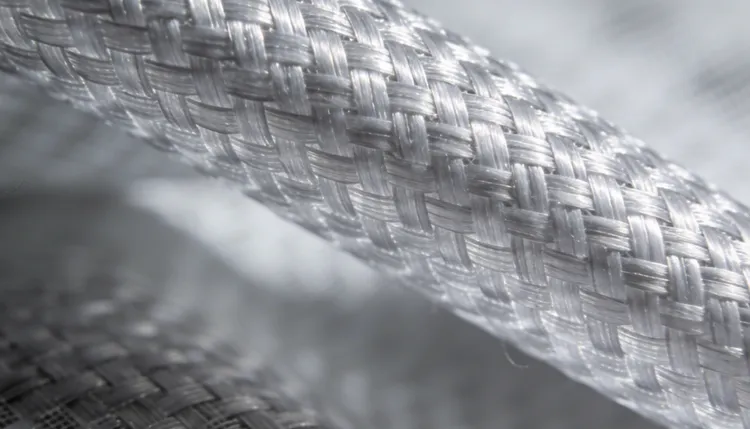
Dyneema is a brand name for ultra-high molecular weight polyethylene (UHMWPE) fibers, and is hailed as “the strongest fiber in the world™”. It has now become a benchmark in the field of high-performance materials.
The Core Characteristics of Dyneema
Amazing Strength
- The strength is 15 times that of high-quality steel (at the same weight).
- It is 40% stronger than aramid fibers (such as Kevlar®).
- The tensile strength reaches 1800 N/5cm, far exceeding that of ordinary nylon.
Extremely Light Weight
- Density is lower than that of water, allowing it to float on the water surface.
- The fabric weight is only 109 g/m², which is lighter than Cordura® nylon (121 g/m²).
- The backpack made of Dyneema (with a capacity of 23L) weighs only 256 grams.
Comprehensive Environmental Adaptability
- Fully waterproof: Does not absorb water, resistant to seawater corrosion.
- Ultraviolet resistance: More resistant to sunlight than polyester materials.
- Chemical resistance: Stable against most chemical substances.
- Wide temperature range: Becomes brittle only below -150°C, with a melting point of 144-152°C.
Outstanding Physical Properties
- Zero stretch: Will not sag or deform due to weight.
- Anti-puncture/tear resistance: Tensile strength of 72 N.
- Durable: Tested in the laboratory for over 20,000 cycles without any damage.
- Impact resistant: “No rupture” in explosion test (max 2060 kPa).
The Main Limitations of Dyneema
- High cost: The price of DCF fabric is 5-10 times that of ballistic nylon. Entry-level bags cost $300+, professional models cost $600-$1,200.
- Difficult to sew: The fibers have strong slippage properties, requiring special needles and heat-cut edges.
- Not resistant to high temperatures: It begins to soften above 130°C. Stay away from irons, campfires, and car sun exposure.
- The texture is relatively hard: DCF has a “plastic sheet” feel, lacking the warm touch of leather or canvas.
- Limited color fastness: Long-term exposure to UV rays will slowly degrade it. Dark colors are better than light colors.
Product Classification and Technology System
Fiber Product Series
- Dyneema SK75: High strength and good durability, suitable for kite surfing and paragliding ropes, aquaculture nets and fishing lines.
- Dyneema SK99: Maximum strength and modulus (42.5 cN/dtex and modulus 1590 cN/dtex), suitable for sailing ropes, kite surfing and paragliding ropes.
- Dyneema SK78: High strength, high safety and reliability, suitable for mooring ropes, sailing ropes, and general shackles.
- Dyneema DM20: Ultra-high creep resistance, no permanent elongation, suitable for towing ropes, mooring ropes and underwater fastening.
- Dyneema DM20XBO: Strong and lightweight, with excellent bending performance, suitable for crane ropes.
Composite Material Innovation
- Dyneema Woven Composite Materials: The new generation product launched in 2025, combining Dyneema cross-laminated woven core material with 100% Dyneema wear-resistant woven surface fabric, increasing wear resistance by 10 times, enhancing tear resistance by 5 times, and achieving a 34% weight reduction effect.
- Dyneema Carbon Fiber Blend: Combined with carbon fiber, it enhances structural strength without compromising rigidity and weight, used in high-end bicycle frames and other products.
- Biobased Dyneema: Comparable in performance to traditional Dyneema, but with a significantly reduced carbon footprint, already used in norda™001 off-road running shoes and other products.
Application
Protective and Safety Equipment
- Bulletproof protection: The bulletproof vest made of Dyneema is composed of multiple layers of fibers, with each layer oriented perpendicular to the adjacent layer, effectively dispersing the impact energy of bullets and resisting threats from AK47 rifles and IEDs.
- Industrial protection: When cut-resistant gloves are made with Dyneema composite yarns, the cut resistance strength can reach ANSI standards A2-A4 level, outperforming materials such as basalt.
- Personal protection: Used for personal bulletproof gear and clothing for police and military personnel, as well as safety gloves for the metal processing industry.
Marine and Engineering Applications
- Deep-sea cables: With a strength 1.5 times that of steel wires of the same diameter, its low elongation characteristic makes it the core material for sail rigging.
- Fishing nets and ropes: Used as important components of ropes, cables, and fishing nets in the fishing, shipping, and marine industries, they can prevent fish from escaping and extend the lifespan of the fishing nets.
- Heavy lifting: Used in lifting and restraint systems, with high strength and light weight, it improves operational efficiency.
Sports and Outdoor Equipment
- Fishing lines: Heavy-duty PE braided fishing lines (commonly known as PE lines or braided lines) have characteristics such as high strength, high wear resistance, no extensibility, fine diameter, softness, no memory, and non-water absorption, with a specific gravity of 0.97 close to water for buoyancy.
- Off-road running shoes: The 001 series of Canadian brand Norda™ uses bio-based Dyneema fibers, providing superior durability and lightweight structure. The upper is seamless, significantly enhancing the wear resistance and stretchability of the laces.
- Outdoor backpacks: In July 2025, Hyperlite Mountain Gear launched the first batch of backpacks using the new generation of Dyneema woven composite materials, which have undergone extreme environment tests in Alaska wilderness and mountain peaks.
Industrial and Special Applications
- Medical field: Used for surgical lines, bone fixation devices, and medical implants. Launched in 2017 as medical grade “Dyneema Purity Blackfiber”.
- Aerospace: For applications with high requirements for impact performance, such as antenna covers, radar covers, etc.
- Automotive industry: For sports equipment such as racing steering wheels, hockey sticks, and racing bicycles.
- Environmental applications: For renewable energy equipment, wind power and tidal power generation equipment.
6. Kevlar (Aramid Fiber)
What Is Kevlar?
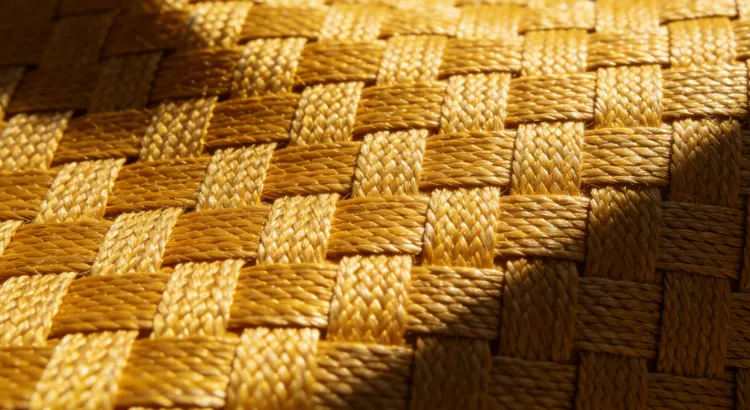
Kevlar is a registered trademark of the American DuPont Company, which was developed in the 1960s and officially commercialized in 1972. It is a para-aramid synthetic fiber. It is renowned for its extremely high strength, heat resistance and tear resistance, and is hailed as the “armor guardian”.
Core Properties of Kevlar
| Feature Dimension |
Kevlar® Fiber |
Comparative Explanation |
| Strength |
5-10 times stronger than steel weight-for-weight |
Tensile strength can reach 3.6 GPa |
| Density |
1.44 g/cm³, much lower than steel’s 7.86 g/cm³ |
Significant lightweight advantage |
| Heat Resistance |
Inherently flame retardant, withstands temperatures up to 426°C, does not melt or drip |
Limiting Oxygen Index (LOI) > 28 |
| Chemical Stability |
Resistant to most chemicals and organic solvents |
Usable across a wide temperature range (low temps up to 350°C) |
| Cut/Puncture Resistance |
Fully extended and aligned molecular chains provide a strong barrier against cuts |
Fibers are tightly woven, making them nearly impossible to separate |
Working principle: When a high-speed projectile such as a bullet strikes Kevlar, the fibers will “capture” the projectile, simultaneously absorbing and dissipating its energy, thereby preventing penetration.
The Advantages and Disadvantages of Kevlar
Advantages
- Outstanding durability: Resistant to cutting, tearing and puncturing.
- High-tech performance: The protection provided is unmatched by other materials.
Disadvantages
- Cost: It is much more expensive than standard materials such as nylon or canvas.
- Flexibility: It may not be as elastic as other fabrics, which might affect the comfort level.
- Ultraviolet sensitivity: Exposure to direct sunlight for a long time will cause aging (yellowing and weakening).
The Product Model System of Kevlar
- K29: Original series, with similar tensile properties, used for ballistic applications, ropes and cables, protective clothing, rescue equipment, and rubber reinforcement in tires and automotive hoses.
- K49: High modulus type, mainly used for optical fiber cables in marine sports equipment and aerospace applications, textile processing, plastic reinforcement, ropes, cables, and composite materials.
- K100: Produces colored Kevlar yarns, used for ropes and cables, tapes, binding straps, gloves and other protective clothing, as well as sports equipment.
- K119: With high elongation, flexibility, and fatigue resistance, used for mechanical rubber products (such as tires, automotive belts and hoses).
- K129: Lightweight, high-performance, high-strength yarns, used for motorcycle racing gears, rescue accessories, ropes and cables, and for high-pressure hoses in the oil and gas industry.
- KM2/KM2 Plus: Knitted into fabrics meeting the performance requirements of military helmets and vests, as well as high-performance UD35 for anti-peeling linings.
- Kevlar AP: Next-generation fiber, providing advanced performance, value, and increasing design flexibility in many applications.
Applications of Kevlar
Bulletproof Protection Applications
- Bulletproof vest: A Kevlar bulletproof vest is composed of multiple layers of fabric, typically 7-30 layers, with each layer of fibers oriented perpendicular to the adjacent layer, effectively dispersing the impact energy of bullets.
- Bulletproof mechanism: It is divided into three stages – the first stage mainly uses fiber shear failure to absorb bullet energy; the second stage mainly uses fiber tensile failure to absorb energy; the third stage mainly uses fiber tensile deformation to absorb bullet energy.
- Bulletproof performance: A Kevlar bulletproof vest can withstand standard bullet heads such as 9mm FMJ and 44 Magnum. The indentation depth (BFS) is usually required to be ≤ 44mm.
- Stab and cut protection: Stab resistance is tested according to NIJ 0115.00 or GA 68-2019 standards, and cut resistance is measured according to ISO 13997 or ANSI/ISEA 105 standards to determine the cutting resistance index (TDM value).
Industrial and Engineering Applications
- Aerospace: Used in aircraft, space shuttles, rocket engine casings, etc., to reduce weight and improve structural strength.
- Shipbuilding: Used to reinforce ship bodies, making ships lighter, stronger, and more resistant to damage, improving speed and reducing fuel consumption.
- Automotive industry: Used in drive shafts, brake rings, clutches, natural gas energy storage tanks, radial tires, aircraft tires of cars.
- Building reinforcement: Used as a cement reinforcement framework in high-rise large buildings to increase structural strength.
- Fiber optic protection: Used as a buffer layer or coating for transmitting optical fibers to protect fibers from damage.
Personal Protection and Consumer Applications
- Cut-resistant gloves: Kevlar 1021-based cut-resistant gloves, with high-density fiber layers added to the palm and fingertips, are lightweight, comfortable, and do not cause sweating, with no stickiness during bending.
- Firefighting equipment: Used for high-temperature rescue ropes, maintaining structural integrity in a 427℃ flame for 30 minutes.
- Sports equipment: Used in tennis rackets, snowboards, hockey sticks, car steering wheels, etc., to increase strength while reducing weight.
- Recreational products: Used for racing boat skins, composite armor, sports equipment, and recreational devices.
How It Compares to Dyneema
| Feature |
Kevlar |
Dyneema |
| Strength-to-weight ratio |
5x stronger than steel |
15x stronger than steel |
| Heat resistance |
Excellent (won’t melt up to 427°C) |
Poor (melts at ~150°C) |
| Cut resistance |
Very good |
Excellent (harder to cut) |
| Water absorption |
Low (0.8% of weight) |
Ultra-low (0.01% of weight) |
| Cost |
Moderate |
High (2-3x more expensive than Kevlar) |
Core Characteristics Comparison for The Six Most Durable Bag Materials
| Feature Dimension |
Nylon |
Polyester |
Canvas |
Leather |
Dyneema |
Kevlar |
| Material Type |
Synthetic fiber (Polyamide) |
Synthetic fiber (Polyester) |
Natural fiber (Cotton/Linen) |
Natural protein fiber (Animal hide) |
Ultra-High Molecular Weight Polyethylene |
Aramid fiber |
| Strength (weight-for-weight) |
High |
Medium |
High |
Extremely High |
15x stronger than steel |
5-10x stronger than steel |
| Weight |
Light |
Light |
Heavy |
Heavy |
Extremely Light |
Medium-Light |
| Water Resistance |
Excellent (quick-drying) |
Good |
Poor (regular type) |
Poor (vulnerable to water) |
Completely Waterproof |
Average (absorbent) |
| Abrasion Resistance |
Extremely High (Ballistic Nylon) |
Good |
High |
Extremely High (Full-Grain) |
Extremely High |
Extremely High |
| Tear Resistance |
High |
Medium |
High |
High |
Extremely High |
Extremely High |
| Heat Resistance |
Medium (melts) |
Medium (melts) |
Good |
Poor (cracks) |
Poor (low melting point) |
Excellent (resists 426°C) |
| UV Resistance |
Poor (prone to aging) |
Good |
Average (fades) |
Poor (cracks) |
Excellent |
Average (needs protection) |
| Feel/Texture |
Smooth, elastic |
Can be soft or stiff |
Sturdy, natural |
Warm, luxurious |
Stiff, prone to creases |
Relatively stiff |
| Care Difficulty |
Very Easy |
Very Easy |
Moderate |
Difficult |
Very Easy (do not wash) |
Moderate |
| Cost |
Medium |
Low |
Medium |
Expensive |
Expensive |
Expensive |
| Eco-Friendliness |
Petroleum-based |
Petroleum-based (recyclable) |
Natural, biodegradable |
Natural but tanning has pollution |
Bio-based options available |
Petroleum-based |
Classification of Durability of Bags Materials Based on Their Lifespan
Top Tier (20–50+ years)
| Material |
Core Properties |
Typical Applications |
Maintenance Tips |
| Full-Grain Leather |
Densest fiber structure, tear strength ≥20 MPa, self-healing scratches, develops patina |
Briefcases, motorcycle bags, travel duffels |
Condition every 6 months, avoid water and direct sun |
| Ballistic Nylon |
1050D or 1680D density, originally for bulletproof vests, abrasion resistance 3× higher than leather |
Tactical backpacks, camera bags, luggage |
Machine washable, zippers/hardware wear first |
| Cordura® Nylon |
Invista patented air-jet textured yarn, abrasion/tear resistant, lightweight |
Outdoor backpacks, military-spec bags, workwear |
Brush wash with warm water, avoid bleach |
| Waxed Canvas |
Cotton yarn impregnated with wax, waterproof yet breathable, scratches repairable with re-waxing |
Vintage messenger bags, camping bags |
Re-wax to restore waterproofing, avoid high-heat drying |
Premium Tier (10–20 years)
| Material |
Core Properties |
Typical Applications |
Maintenance Tips |
| Top-Grain Leather |
Lightly sanded grain, uniform appearance, slightly lower strength than full-grain but easier care |
Business totes, minimalist backpacks |
Regular conditioning oil, waterproof spray |
| Vegetable-Tanned Leather |
Tannin tanning, highly moldable, darkens and hardens with use, eco-friendly |
Handmade bags, vintage saddle bags |
Avoid water, frequent oiling to develop color |
| Ripstop Nylon |
Grid weave prevents small tears from spreading, ultralight |
Packable travel bags, lightweight backpacks |
Avoid sharp objects, repairable |
| Canvas + PVC Coating |
Waterproof and stain-resistant, easy to clean, low cost |
Commuter totes, shopping bags |
Avoid prolonged sun exposure, prone to stiffening with age |
Emerging Sustainable Materials (5–10 years, rapidly evolving)
| Material |
Core Properties |
Typical Applications |
Considerations |
| Mushroom Leather |
Bio-based, biodegradable, tear strength approaching mid-weight cowhide |
Designer handbags, footwear uppers |
Water-sensitive, requires protective coating, lifespan still being validated |
| Apple Leather |
50% apple fiber + PU, calfskin-like texture, 30% carbon reduction |
Vegan bags, premium totes |
Contains non-biodegradable PU, moderate abrasion resistance |
| Recycled PET |
Recycled plastic bottle yarn, tear resistant, vibrant colors |
Eco-friendly backpacks, athletic bags |
Microplastic shedding, long-term strength degradation |
Scenario-Based Selection Guide
| Use Case |
Top Recommendation |
Rationale |
| Daily commute + business formal |
Full-Grain Leather |
Texture, durability, improves with age |
| Outdoor hiking + extreme weather |
Ballistic Nylon / Cordura |
Lightweight, abrasion-resistant, waterproof, easy to clean |
| Vintage aesthetic + long-term patina |
Waxed Canvas / Veg-Tan Leather |
Repairable, develops character over time |
| Vegan + eco-priority |
Apple Leather / Mushroom Leather |
Zero animal, carbon-reduced, modern design |
| Budget-conscious + high-frequency use |
Ripstop Nylon / 1680D Polyester |
Best value, easily replaceable |
One-Sentence Summary
“Choose for Three Generations”: Full-Grain Leather + Ballistic Nylon
“Choose for Ten Years”: Cordura + Waxed Canvas
“Try Sustainable Options”: Mushroom Leather (Requires Care) / Apple Leather (Easy to Get Started)
Choose A Durable Bag That Suits You
Factors to Consider When Choosing Durable Bag Materials
- Usage purpose: Consider the usage environment and conditions of the bag. For outdoor adventures, nylon, polyester or Dyneema can be chosen. For fashion or daily use, canvas or leather may be more suitable.
- Weight: If a lightweight bag is needed, nylon or polyester can be selected. For more durable applications, canvas or leather may be more appropriate.
- Waterproofness: If the bag will be exposed to wet conditions, waxed canvas, nylon or Dyneema with a waterproof coating can be chosen.
- Maintenance: Leather requires regular maintenance and care, while synthetic materials such as nylon and polyester are usually easier to maintain.
- Aesthetics: Leather and canvas offer classic and timeless appearances, while synthetic materials such as nylon and polyester may have a more modern or sporty appearance.
How to Choose Based on Your Needs?
- If you are in pursuit of the “family heirloom” kind of texture: if your budget is sufficient, you can pay attention to full-grain leather or special horse-shoe leather, etc. They will become more charming as you use them, and are much more durable than suede.
- If you need a “all-weather warrior”: for daily commutes, business trips, and dealing with rain and wind, then high-density nylon (especially Cordura® or ballistic nylon) is your best companion. They are very lightweight and require almost no effort to maintain, and are far more durable than most leathers (including suede).
- If you prefer a natural retro feel: heavyweight canvas (especially waxed canvas) is a great choice. It has the texture of natural materials and is very sturdy, and will develop a unique aging effect as you use it, with excellent durability.
- In simple terms, the most durable choice: if you want to have a one-time solution for outdoor and commuting scenarios, choose Cordura® nylon or ballistic nylon; if you want to balance texture and heritage, choose full-grain leather.
Conclusion
Among the various materials used for bag durability, nylon, top-grain leather, and canvas with high durability properties have excellent performance. Nylon bags have strong resistance to tearing, weigh only one-third of top-grain leather, have excellent waterproofing, and are suitable for outdoor use. Top-grain leather bags have outstanding texture and can last for 8-10 years with regular maintenance. Canvas bags have high cost-effectiveness, with each bag capable of carrying up to 15kg, and are suitable for daily use.
After choosing the appropriate material for the bag, it is necessary to combine scientific use and maintenance to significantly extend the bag’s lifespan.
If you are running your own bag business and want to customize a batch of highly durable bags, please contact Gionar. Let’s work together to create miracles for your bags.