- +86 13922774531
- info@gionar.com

English


English
November 10 , 2026
Epsom leather is an embossed calfskin leather introduced by Hermès in 2004 to replace the discontinued Courchevel leather. It is named after Epsom, a famous horse-racing town in England.
It is worth noting that Epsom is often used as a style name rather than strictly as a material designation. When sourcing or selecting Epsom leather, it is important to verify whether the base material is genuine calfskin, as well as assess the embossing depth, coating flexibility, abrasion resistance, colorfastness, water and sweat resistance, and compatibility with the edge paint.
Epsom leather is known for its excellent structure, lightweight feel, and vibrant color reproduction. Its durability and shape retention are outstanding. If you prefer handbags with well-defined silhouettes, lasting shape, and vivid colors, Epsom leather is one of the best choices.
If your brand focuses on formal occasions and refined, high-end aesthetics, Epsom leather is an excellent option. It can be developed to offer a firmer feel, a more compact structure, enhanced scratch resistance, and easier cleaning. These qualities make it particularly suitable for designs with a structured silhouette and clean, defined lines.
Epsom leather is a type of embossed calfskin known for its excellent structure, lightweight properties, and vibrant color reproduction. It is one of Hermès’ signature leathers, commonly used for structured handbags such as the Kelly Sellier and Constance.
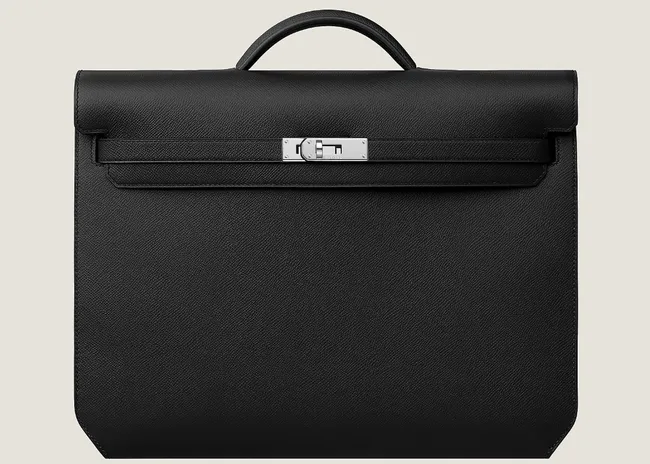
Origin of the Name: According to Hermès’ official description, Epsom takes its name from the town of Epsom in southeastern England, which is home to the famous Epsom Derby horse race. The name is therefore closely associated with British horse-racing culture.
Year of Introduction: Epsom leather was introduced in 2004 to replace the then-discontinued Courchevel leather. It quickly became one of the most widely used leathers by Hermès.
Epsom leather is made from calfskin. Unlike Togo leather, which develops its natural grain through a tumbling process in rotating drums, Epsom’s signature fine cross-hatched grain is artificially created through machine embossing using heat and pressure.
This embossing process fundamentally changes the physical properties of the leather. It makes the material firmer and more compact, significantly reducing its natural stretch and flexibility. As a result, Epsom leather provides handbags with exceptional structural support and shape retention.
Thanks to its firm structure, handbags made from Epsom leather are less prone to deformation or sagging and can maintain their clean, defined silhouettes over time. It is particularly suitable for styles that require sharp, structured lines, such as the Kelly Sellier (exterior-stitched version) and Constance.
Among Hermès’ structured leathers, Epsom is relatively lightweight, making handbags more comfortable to carry on a daily basis. Interestingly, its lightweight nature comes from its embossed construction, creating a striking contrast with its otherwise firm and structured appearance.
The evenly embossed surface allows dyes to be distributed uniformly, resulting in colors that appear vibrant, rich, and long-lasting. This makes Epsom particularly suitable for handbags in bright and vivid colors.
Its dense surface offers good scratch resistance, with some sources suggesting that it can be approximately 2–3 times more scratch-resistant than Togo leather.
Water droplets tend to bead up and roll off the surface. Minor stains, such as coffee or lipstick marks, can generally be removed with a damp cloth, making everyday maintenance relatively easy. Specialized leather conditioning oils are rarely necessary.
Due to its embossing and surface coating, Epsom does not feel as soft or supple as naturally grained leathers such as Togo or Clemence. Some users describe its texture as slightly plastic-like, lacking the warm, natural feel of traditional leather. Leather enthusiasts sometimes feel that it lacks a certain natural character or soul.
Although Epsom is generally considered scratch-resistant, some users point out that its limited flexibility means sharp objects can still leave marks that are difficult to repair. The corners and edges are also relatively prone to wear.
Although firmness is one of its defining characteristics, Epsom leather will gradually soften with prolonged and frequent use. However, this process is considerably slower than with leathers such as Togo.
The embossed surface helps protect against minor scratches, but deeper marks can be extremely difficult to restore. Because the leather is firm and has a relatively thick coating, its fibers cannot recover naturally in the same way as those of Togo leather. Professional color restoration is usually required, with repair costs ranging from several hundred to over a thousand RMB.
Although Epsom is generally water-resistant, cleaning becomes considerably more difficult once liquids penetrate the fine grooves between the embossed patterns. Impact marks and scratches on the corners are also largely irreversible.
Because Epsom is a coated leather, applying conditioning oil directly can cause residue to accumulate in the embossed grooves. Prolonged exposure to direct sunlight may also lead to fading.
For everyday care, it is advisable to use an appropriate bag insert or stuffing when storing the handbag to help maintain its shape. Avoid allowing hard objects to rub against the same area of the leather for extended periods.
| Property | Epsom | Togo | Clemence |
|---|---|---|---|
| Grain | Embossed cross-hatch | Natural raised pebbled | Natural flat/spread pebbled |
| Source | Calf | Bull calf | Calf (bull) |
| Weight | ⭐ Lightest | Medium | Heaviest |
| Structure | ⭐ Rigid, board-like | Excellent — holds shape with spring | ❌ Slouchy, collapses |
| Softness | Firm / rigid | Soft but structured | ⭐ Buttery soft |
| Scratch resistance | ⭐ Very good | ⭐ Very good (grain hides) | Good |
| Water | ⭐ Wipe-clean, beading | Some resistance | Poor — absorbs |
| Creases | ❌ Permanent | Recovers | Recovers |
| Feel | Smooth, pressed, slightly “plasticky” | Pebbled, organic, warm | Soft, spongy, relaxed |
| Best for | Kelly Sellier, large sizes, travel | Everyday Birkin 25/30 | Relaxed, slouchy look |
| Main flaw | Cracks at flex; permanent creases | Corner wear; heavier | Loses shape; very heavy |
Epsom leather is made from carefully selected calfskin and features its signature fine cross-hatched grain, which is embossed onto the surface using a machine-based heat-pressing process.
Epsom is made from calfskin, which Hermès officially identifies as “Epsom calfskin.” Many suppliers also use Italian calfskin, as it offers an excellent balance of strength and softness, making it particularly suitable for fine leather processing.
Although some sources occasionally refer to it more broadly as “cowhide,” Epsom is generally classified as calfskin within the luxury leather industry.
Epsom’s signature regular cross-hatched grain is not naturally occurring. Instead, it is artificially created through a machine embossing process.
This treatment fundamentally changes the physical properties of the leather, making it firmer and more compact while significantly reducing its natural stretch. As a result, Epsom leather provides handbags with exceptional shape retention.
The embossing process creates a compact leather structure, resulting in a relatively lightweight finished product. Its surface also offers good scratch resistance and is easy to clean.
The uniformly embossed surface allows dyes to be absorbed evenly, producing vibrant, rich colors. This makes Epsom particularly suitable for handbags in a wide range of colors.
Compared with naturally grained leathers such as Togo, Epsom has a drier feel and a more pronounced grain texture. Some users may find that it lacks the warm, supple feel associated with natural leather.
Thanks to its firm construction, Epsom is particularly well suited to handbags that require clean, defined silhouettes, such as the Kelly Sellier (exterior-stitched version) and Constance. It helps these bags maintain their original shape over time with minimal deformation.
| Stage | What Happens | Why It Matters for Epsom |
|---|---|---|
| 1. Beamhouse | Curing → soaking → liming/dehairing → deliming → bating → pickling | Cleans and prepares the pelt |
| 2. Chrome tanning | Basic chromium sulfate converts hide to stable “wet blue” leather | Chrome tanning gives Epsom its light weight, soft-but-stable base and good strength — faster and lighter than vegetable tanning |
| 3. Correction / buffing | Surface lightly sanded to remove natural grain & defects | Creates the perfectly smooth, uniform base needed for clean embossing |
| 4. Dyeing | Drum-dyed, then surface-pigmented | Epsom takes very even, saturated, vibrant colour with no blotching |
| 5. HEAT EMBOSSING ⭐ | Engraved plate presses the cross-hatch grid under heat + pressure | The defining step: densifies the surface, makes it non-porous, rigid and wipe-clean |
| 6. Finish | Semi-matte protective topcoat | Light sheen; adds water resistance and rub fastness; keeps the embossed pattern crisp |
Thickness: Typically around 0.9–1.2 mm, noticeably thinner and lighter than Togo leather (1.2–1.4 mm). This is one of the main reasons why Epsom leather bags are lighter in weight.
| Component | Details |
|---|---|
| Biological source | Calf hide (young cattle) |
| Layer | Top-grain — upper split, lightly corrected/sanded |
| Grain | Embossed cross-hatch grid — pressed in with heat, NOT natural |
| Tanning | Chrome-tanned (chromium III sulfate) |
| Key process | Heat + pressure embossing (densifies and seals the surface) |
| Finish | Semi-matte protective topcoat; lightly pigmented |
| Temper | Rigid / firm — “board-like” dimensional stability |
| Thickness | ~0.9–1.2 mm |
| Animal by-product | Yes — genuine leather, a co-product of the meat industry |
Epsom leather does not have the following characteristics:
Yes. Epsom leather is highly durable and is arguably one of the most low-maintenance leathers produced by Hermès. However, its durability has a specific meaning: Epsom performs exceptionally well in terms of scratch resistance, water resistance, colorfastness, and shape retention, but is less forgiving when it comes to repairing deep scratches and maintaining long-term flexibility.
Compared with the two leathers it is most frequently measured against — Togo and standard calfskin — Epsom is more of a “hard-shell” leather than a “self-healing” one.
One additional drawback is that Epsom leather can develop permanent cracks along areas that are repeatedly bent or folded.
Its heat-embossed cross-hatched grain, combined with a dense surface coating, gives Epsom a surface hardness approximately 2–3 times that of Togo leather. It is also said to develop approximately 70% fewer visible minor scratches than standard calfskin.
Everyday contact with keys, zippers, or table edges generally does not leave noticeable marks.
Its sealed surface allows water droplets to bead up and roll off naturally. Water can remain on the surface for up to approximately 15 minutes without penetrating the leather. Rain, coffee, and sauce stains can generally be wiped away easily with a damp cloth.
Its ease of cleaning is rated at approximately 9.5/10, making Epsom almost a “wipe-clean” leather.
Its uniformly embossed grain helps the dye adhere consistently to the leather. This is one reason Hermès uses Epsom for vibrant colors and two-tone designs.
Colors retain their saturation over the years without developing uneven fading.
Epsom leather is firm and compact, allowing it to maintain crisp, well-defined silhouettes. Even after approximately five years of use, a bag can retain its structured, boxy shape without requiring additional bag-shaping inserts or supports.
This is precisely why Epsom has become a standard choice for the Kelly Sellier, Constance, Mini Kelly, and small leather goods.
Its firmness comes from the embossing process rather than its weight. As a result, structured Epsom bags are lighter than most people would expect.
| Property | Why It’s Durable |
|---|---|
| Shape retention ⭐⭐⭐ | The best of any Hermès leather. The embossing compresses and densifies fibres, so Epsom does not stretch, sag, slouch or collapse — a Kelly Sellier in Epsom stays razor-sharp for decades. (Clemence permanently slouches; Togo softens.) |
| Scratch & scuff resistance ⭐⭐⭐ | The pressed, non-porous surface is very hard-wearing. Minor marks don’t penetrate the embossed film the way they do on Swift or Box calf. |
| Water & stain resistance ⭐⭐⭐ | The most water-tolerant Hermès leather. The embossing seals the pores, so rain and spills bead up and wipe off — far better than Togo, Clemence or Barenia. |
| Dimensional stability | No break-in, no stretching, no “growing.” Feels the same on day one as year twenty. |
| Colourfastness | Takes dye evenly and resists fading better than natural-grain leathers, because the pigment sits on a sealed, pressed surface. |
| Lightweight ⭐ | Thin calf (0.9–1.2 mm) + chrome tanning = the lightest Hermès leather. Less weight means less stress on handles and stitching over the bag’s life — a real durability multiplier for large sizes. |
Due to its firm structure and thick surface coating, Epsom leather cannot naturally recover from severe scratches caused by metal buckles or sharp edges. White scratch marks generally require professional color filling or restoration. Each repair typically costs USD 50–150 or more. Simply sanding the affected area or treating it with alcohol will only make the damage worse.
Although Epsom leather offers good scratch resistance, repeated folding or excessive pressure can cause permanent creases in the surface coating. These creases may not fully disappear even after the pressure is removed.
Because of its dense, relatively non-breathable surface coating, Epsom does not develop the warm, natural patina associated with aging genuine leather. Some leather connoisseurs describe its surface as having a slightly “plastic-like” feel.
Epsom should not be treated with leather conditioning oils, as conditioners can accumulate in the embossed grooves. Prolonged exposure to direct sunlight can also cause the leather’s color to fade.
| Weakness | What Happens | Severity |
|---|---|---|
| Flex-point cracking ⚠️ the main one | At repeatedly bent areas — handle attachments, flap folds, strap curves, gusset corners — the rigid embossed film can develop hairline cracks after years of flexing. The embossed grain is fixed and cannot flex with the leather. | Slow (years/decades), but permanent and unrepairable. |
| Permanent creases ⚠️ | Because the grain is heat-pressed, a crease or dent breaks the embossed pattern and cannot be massaged out. On Togo or Clemence you can often work a crease away; on Epsom it is there forever. | Cosmetic, but irreversible. |
| Corner wear | The four bottom corners abrade; because the grain is embossed rather than natural pebbling, worn corners can look flat/shiny. | Slow, cosmetic. |
| Heat sensitivity | Prolonged high heat (a hot car, 50°C+) can affect the pressed finish and, in extreme cases, relax or distort the embossing. | Avoid leaving in direct sun / hot cars. |
| Cannot be “healed” by conditioning | The sealed surface absorbs very little, so conditioner does almost nothing. Once cracked or creased, there is no recovery — unlike full-grain leather, which can be re-oiled and blends wear into patina. | Structural limitation. |
| Leather | Durability | Shape retention |
|---|---|---|
| Epsom | Excellent | Excellent |
| Togo | Very good | Good |
| Clemence | Good | Moderate |
| Swift | Moderate | Good |
| Box calf | Good, but scratches easily | Excellent |
| Leather | Scratch/Water | Shape Retention | Flex/Crack Risk | Overall Practical Durability |
|---|---|---|---|---|
| Epsom | ⭐⭐⭐ Best | ⭐⭐⭐ Best | ❌ Worst (cracks/permanent creases) | ⭐⭐⭐ Best low-maintenance |
| Togo | ⭐⭐ (grain hides marks) | ⭐⭐ (holds shape with spring) | ✅ Good (natural grain flexes) | ⭐⭐⭐ Best all-rounder |
| Chèvre (goat) | ⭐⭐⭐ | ⭐⭐⭐ | ✅ Excellent | ⭐⭐⭐ Best strength-to-weight |
| Clemence | ⭐ (absorbs water) | ❌ Slouches/collapses | ✅ Good | ⭐⭐ Heavy + loses shape |
| Box calf | ❌ Shows every scratch | ⭐⭐ Firm | ⭐⭐ | ⭐⭐ Structurally fine, cosmetically fragile |
| Swift | ❌❌ Scratches easily | ⭐⭐ | ⭐⭐ | ⭐ Least durable cosmetically |
| Dimension | Epsom (pressed, hard) | Togo (natural, soft) |
|---|---|---|
| Grain density | ~80–100 /inch², uniform | ~40–60 /inch², irregular |
| New-scratch likelihood | ~70% lower than ordinary calf | Normal, but hides wear well |
| Deep-scratch repair | Hard — often permanent | Softer, easier to refinish |
| Shallow-scratch self-heal | None | Yes — rub with fingertip, 90%+ |
| Water resistance | Strong — beads up, wipes clean | Weak — stains in 2–3 min |
| Shape retention | Rigid, ~5 years still crisp | Softens into a relaxed drape |
| Patina with age | None | Develops a warm patina |
| Best suited to | Structured bags (Sellier Kelly, Constance) | Drapey bags (Birkin Retourne) |
You can think of it this way: Togo is more forgiving in everyday use, as signs of wear tend to soften and blend into its natural texture over time. However, Epsom is the better choice if you want reliable moisture resistance and a structured shape that holds up for years.
Neither leather is objectively superior to the other — they simply perform differently and offer distinct advantages.
Stuff the bag to help maintain its shape, and never fold or flatten it, as folding can create permanent creases.
Do not repeatedly bend the handles or overstuff the side panels. The embossed surface layer in these areas can become damaged over time due to repeated stress and material fatigue.
Avoid placing the bag in a hot car, near radiators, or in direct sunlight for extended periods. Excessive heat can cause the embossed layer to loosen and the color to fade.
Simply wipe the surface with a soft, damp cloth — this is one of the key advantages of Epsom leather. Avoid solvents, alcohol, and harsh cleaning agents, as they may damage the surface finish and shine.
Its sealed surface does not readily absorb conditioning products, so excessive treatment may only leave residue in the embossed grain. Only condition the leather when its edges are genuinely dry, and even then, do so sparingly and gently.
Always set the bag down gently rather than dragging it across surfaces. This helps minimize wear on the corners.
Yes. Epsom leather is very firm and structured. This is its most defining physical characteristic and the fundamental reason it stands out among the many leathers used by Hermès.
Epsom leather has a dry, firm, and substantial feel. It is not as soft, supple, or buttery as Swift, Togo, or Clemence leather.
Although it is highly structured and lightweight, it does not soften significantly or develop much of a broken-in feel over time.
Epsom’s grain is not naturally formed; it is mechanically embossed, which gives the leather its characteristic firmness.
Epsom starts with dense, firm full-grain calfskin. A cross-hatched pattern is then pressed into the surface using heat and high pressure. This process makes the surface denser and locks the structure in place, creating a finish that is very different from the soft, porous texture of leathers such as Togo and Clemence.
A dense surface finish: A protective topcoat is applied over the embossed grain. This coating gives the leather its water-resistant, easy-to-clean properties and excellent color consistency. It also contributes to its firm, slightly shell-like feel, with very little flexibility.
The choice of base leather is crucial: Tanners deliberately select firm, compact, and structurally stable calfskin as the foundation for Epsom. The material must be able to retain its shape without collapsing. Its firmness is therefore built into every stage of the manufacturing process rather than being an incidental result.
This distinctive firmness gives handbags two particularly valuable advantages:
This is arguably the most highly regarded advantage of Epsom leather. Its rigid structure prevents bags from becoming slouchy or losing their shape. Even after years of use or extended periods in storage, the original silhouette can remain beautifully intact.
Hermès’ own description of how the leather changes with use emphasizes its ability to “remain firm and structured.”
Some even claim that an Epsom leather bag can retain its original shape for decades, even when left unused.
Its firm, compact surface makes Epsom more resistant to scratches than softer leathers. For anyone concerned about accidentally scratching a handbag with their fingernails or rings, Epsom offers greater peace of mind.
| Dimension | Epsom’s Behavior |
|---|---|
| Temper | Firm / rigid — the firmest of the Hermès “trinity” (Epsom, Togo, Clemence) |
| Drape | ❌ None — it does not flow, fold softly, or collapse |
| Slouch | ❌ None — it never sags or relaxes into a slouchy shape |
| Break-in | ❌ Almost none — feels the same on day one as year ten |
| Crease recovery | ❌ Poor — a crease is permanent (the embossed grain is broken) |
| Thickness | ⭐ Thin (~0.9–1.2 mm) — lighter than Togo (1.2–1.4 mm) |
| Weight | ⭐ Lightest Hermès leather |
The key lies in its construction: Epsom is lightweight yet durable. You can think of it as a piece of rigid cardboard or a laminated panel — light to the touch, yet uncompromising in its structure.
This combination of lightness and strength is precisely why Epsom has become a go-to leather choice for the Kelly Sellier and larger Birkin bags. It delivers the crisp, well-defined silhouette you want without the heavier feel of Togo or Clemence leather.
| Leather | Stiffness / Temper | Feel |
|---|---|---|
| Epsom | ⭐⭐⭐⭐⭐ Most rigid | Firm, pressed, board-like; no drape |
| Box calf | ⭐⭐⭐⭐ Firm | Smooth, glossy, structured but thinner-feeling |
| Chèvre (goat) | ⭐⭐⭐⭐ Rigid | Light but very shape-holding |
| Togo | ⭐⭐⭐ Medium — soft but structured | Soft to touch, pebbled, has “spring,” holds shape without collapsing |
| Swift | ⭐⭐ Soft | Smooth, fine, supple |
| Clemence | ⭐ Softest / slouchy | Buttery, spongy, collapses over time |
Of course, this firmness also comes with certain compromises in terms of feel and flexibility:
Epsom leather is often described as having a “dry,” rounded, and firm feel rather than a soft, supple, skin-friendly texture. Some users on online forums have put it quite bluntly, saying that it is “really quite stiff.”
If you prefer the soft, substantial, and supple feel of Togo leather, Epsom may not be the right choice for you.
Unlike leathers such as Togo or Clemence, which tend to become softer and more relaxed with use, Epsom retains its firmness over time. Some users believe that it “never really softens and will always remain stiff.”
Although the edges and areas exposed to friction may soften slightly after prolonged use, the overall structure and shape of the leather remain largely unchanged.
| Pros | Cons |
|---|---|
| Holds shape extremely well; resists sagging | Feels stiff and less plush than softer leathers |
| Keeps crisp corners and clean lines | Does not develop a relaxed, broken-in feel |
| Lightweight despite its structure | Can feel less “luxuriously soft” to some buyers |
| Scratch- and water-resistant | Deep creases or damage to the embossed surface can be permanent |
Yes. Epsom leather is water-resistant, but it is not completely waterproof. Its water resistance comes from its distinctive embossing process and surface treatment. It can handle everyday exposure to light rain and accidental splashes, but it should not be submerged in water for extended periods.
Epsom leather’s water resistance primarily comes from its physical structure and surface treatment.
Epsom is a mechanically embossed calfskin leather with a fine, regular cross-hatched or pebbled surface pattern. This dense embossed structure makes it more difficult for water and stains to penetrate the leather quickly.
The leather surface typically undergoes additional finishing treatments, such as pigment coating. This protective layer further improves its resistance to water splashes, making everyday care and maintenance easier.
Water droplets form beads on the surface and roll off rather than spreading out across the leather.
Liquids can reportedly remain on the surface for approximately 15–25 minutes without penetrating the leather, giving you enough time to find shelter from the rain or wipe the surface clean.
Rainwater, cream, sauces, and coffee stains can generally be removed by gently wiping the surface with a soft, damp cloth, without leaving visible marks or residue.
Splashes of substances such as soy sauce can reportedly be wiped away within approximately one minute, with almost no residue remaining. By comparison, Togo leather may absorb liquids in as little as approximately 20 seconds if they are not blotted promptly.
A single wipe takes approximately 3 seconds for Epsom leather, compared with around 30 seconds for Togo. This is because Togo’s fine, textured grain tends to trap dust and dirt, requiring preliminary cleaning with a soft brush.
| Step | Effect on water behavior |
|---|---|
| Top-grain correction (light sanding) | Removes the natural, irregular grain that would hold moisture |
| Heat embossing under pressure ⭐ | Compresses and densifies the fibre structure, closing the pores |
| Sealed pigment / semi-matte topcoat | Adds a non-porous film over the pressed cross-hatch |
| Chrome tanning | Dimensionally stable base that doesn’t swell readily |
“Water-resistant” does not mean “waterproof.” Epsom is a coated leather, not a waterproof rain shell, and a handbag is not a sealed container.
Prolonged exposure to water or heavy rainfall will eventually allow moisture to penetrate. A heavy downpour or leaving a thoroughly soaked bag in a sink can both result in water ingress. Water resistance simply buys you time to wipe the leather dry; it does not provide complete protection against water.
Moisture enters through the construction, not just the surface. The actual weak points include:
Do not wash or submerge it in water. Even Epsom leather should never be machine-washed or soaked. Clean it only with a slightly damp cloth.
Embossed grooves can trap liquids. If liquid gets beneath or into the surface coating, it may become trapped in the fine embossed texture, making it more difficult to remove than from a smooth leather surface.
Deep damage compromises the protective layer. Once the coating is cut or scratched through, the unfinished leather beneath becomes exposed. That area is no longer water-resistant and cannot repair itself naturally.
Dry it properly if it gets wet. Gently blot the moisture with a cloth rather than rubbing the surface. Allow the bag to air-dry naturally in a cool, shaded area. Avoid hair dryers, radiators, and direct sunlight. Excessive heat can cause the surface to contract and harden, leaving permanent marks. Never use alcohol or household solvents.
Heat and water are a particularly damaging combination. Hot water, a hot car, or a hair dryer can damage the heat-embossed cross-hatched surface, consistent with Epsom’s sensitivity to temperature. Never use heat to speed up the drying process.
Prolonged sun exposure can cause fading. Therefore, “water-resistant” should never be interpreted as “weatherproof.”
Leather conditioner will not help. The sealed surface absorbs very little oil or conditioner. Instead, these products tend to remain on the surface and leave residue trapped in the embossed grooves.
Given that Epsom is water-resistant rather than waterproof, the following precautions are recommended for everyday use:
If the leather gets wet, gently blot the moisture with a soft, dry cloth as soon as possible to prevent water from remaining on the surface for too long and potentially leaving marks.
Do not leave Epsom leather products, such as handbags, exposed to rain for extended periods. Avoid taking them into bathrooms or other persistently humid environments.
Follow the brand’s care recommendations and use suitable leather-care products when necessary to help maintain the protective properties of the surface finish.
| Dimension | Epsom | Togo |
|---|---|---|
| Surface | Heat-embossed cross-hatch + dense coating | Natural open pebble grain, uncoated pores |
| Water behaviour | Beads up, rolls off | Absorbs, spreads |
| Time before marking | ~15 min without penetration | 2–3 min dark stain |
| Cleaning | Damp cloth, ~3 sec, ~9.5/10 | Blot within ~20 sec, then brush + wipe, ~6/10 |
| Repairs if it does stain | Harder to lift from grain grooves | Can often be blotted out if caught fast |
| Best for | Rainy/humid climates, commuter and business use | Drier use, patina lovers |
Epsom and Saffiano leather are very similar in appearance and are frequently compared. Both feature fine cross-hatched patterns and belong to the category of structured leathers that are heat-embossed, coated, firm, and easy to wipe clean. Neither develops a natural patina over time.
However, the two differ fundamentally in their core manufacturing processes, standards for selecting the base leather, and long-term aging characteristics.
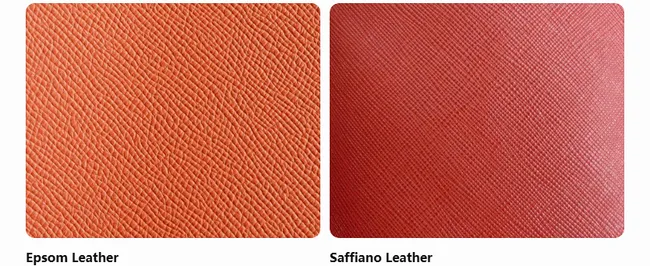
Epsom is Hermès’ version of a “lightweight, shape-defining embossed leather,” while Saffiano is Prada’s signature “thick, wax-finished coated leather.”
Saffiano was invented and patented by Mario Prada in 1913. In the same year, he opened the historic boutique in Milan’s Galleria Vittorio Emanuele II.
The technique involves heat-pressing a fine cross-hatched pattern into the leather and then sealing the surface with wax. It remained proprietary for nearly a century.
The patent expired around 2014, and Saffiano has since become a widely adopted industry standard. Today, it is used by Prada, Michael Kors, Coach, Kate Spade, and countless manufacturers worldwide. Quality varies considerably, ranging from premium calfskin to lower-cost coated split leather.
Epsom is a more recent and more narrowly defined leather style. Hermès introduced it in 2004 to replace the discontinued Courchevel leather. Since then, it has remained one of Hermès’ signature leathers rather than becoming a licensed or widely adopted industry style.
This difference in exclusivity is one of the biggest factors contributing to the price gap between the two.
| Comparison Dimension | Epsom (Hermès) | Saffiano (Prada) |
|---|---|---|
| Core Craftsmanship | Thin structural embossing: High-temperature and high-pressure embossing creates a cross-hatch grain. The coating is extremely thin; the purpose of embossing is structural and decorative, not to hide flaws. | Thick wax corrected-grain coating: A wax coating and high-temperature embossing are applied to the surface. It is a corrected-grain coated leather, relying on a thick coating to conceal scars and flaws on the raw hide. |
| Raw Hide Selection | Extremely high rejection rate: Selects top-grain calfskin, heavily discarding hides with scars, insect bites, and other flaws to retain high-quality raw hides. | Industrial mass-production standards: Severe defects are removed, but tolerance for minor flaws is higher. Raw hides are not selected at the highest grade. |
| Stiffness & Hand Feel | Stiff but relatively supple: Stiff to hold its shape, but slightly more supple than Saffiano. The hand feel is dry; some users feel it resembles “genuine leather.” | Stiffer, more “plasticky”: Generally perceived as harder than Epsom. More rigid and structured, but also closer to a “plastic” feel, lacking the warmth of genuine leather. |
| Scratch & Abrasion Resistance | Scratch and wear-resistant: The embossed surface provides protection; minor scratches do not easily reach the raw hide. | Dual protection: The coating plus embossing makes it extremely wear and scratch-resistant, resisting daily marks. |
| Flex & Crack Resistance | More flex-resistant and “forgiving”: Performs better in bending and creasing, less prone to coating cracks. | Risk of cracking: The thick wax coating on edges and corners can wear, peel, or even crack under long-term bending and friction, which is one of its main weaknesses. |
| Water Resistance | Water-resistant on the front, but vulnerable on the back; may deform after getting wet. | Superior water resistance: The thick wax coating provides excellent water and stain repellency; dirt wipes clean easily. |
| Aging & Patina | The grain slowly fades with long-term friction, but it does not suffer from large-scale coating peeling. Aging is relatively natural. | Coating wear and peeling cannot self-repair. The raw hide underneath is exposed and requires re-spraying; it almost impossible to form a natural patina. |
| Color Expression | The even surface locks in color well; colors are vibrant and full. | Even and saturated dyeing; can present rich colors. |
| Weight | Relatively lightweight; one of the lighter stiff leathers in Hermès. | Due to the thick coating, it usually feels heavier and denser. |
| Brand & Iconic Bags | One of Hermès’s signature leathers, often used in Kelly Sellier, Constance, and other bags requiring a stiff silhouette. | Prada’s signature leather (patented), commonly seen on commuter bags like the Galleria and Re-Edition (full leather version). |
| Leather Type | ✅ Strengths / Pros | ❌ Weaknesses / Cons |
|---|---|---|
| Epsom | • Sharp silhouette, ideal for luxury rigid handbags • Outstanding colour rendering • Lightweight despite stiffness • Less prone to fingerprint marks |
• Expensive • Deep scratches are highly visible and difficult to restore • Feels cold and less warm than natural grain leather • Low availability for bulk OEM orders |
| Saffiano | • More forgiving for daily heavy use • Wax coating resists dirt, oil and light abrasion • Wide price tier, easy to source for mass production • Great for promotional and corporate leather goods |
• Cheap imitations flood the market • Waxy surface can look artificial • The sharp crosshatch lines may crack if overbent during production • Less premium perceived value for high-end luxury buyers |
Saffiano generally offers better stain and moisture resistance due to its wax or resin coating. Epsom is also highly durable, but its strengths lie in its finer structure, lighter weight, more refined appearance, and greater visual consistency.
Neither leather is completely scratch-proof or waterproof. Sharp objects can still scratch the surface, and prolonged exposure to water can damage the finish, edges, or lining.
Epsom has a more understated, refined, and subtle appearance. It is often used for elegant, structured handbags with clean silhouettes.
Saffiano looks sharper, more design-driven, and more contemporary. It is commonly used in business-oriented and sporty designs.
Choose Epsom if you:
Choose Saffiano if you:
Genuine Epsom leather should not exhibit wax slippage. Its grain consists of uniform, rounded, fine pebble-like textures rather than intersecting lines.
Genuine full-grain Saffiano leather should retain visible natural pores beneath its cross-hatched pattern. Counterfeit or imitation Saffiano, by contrast, often looks entirely plastic-like, with no discernible natural leather characteristics.
Yes. Epsom leather is an excellent material for handbag production, particularly for bags that require a structured silhouette, lightweight construction, durability, and easy maintenance. It is widely used in the luxury goods industry, especially by Hermès.
However, Epsom is not the best choice for designs that emphasize softness, a relaxed, slouchy appearance, or substantial natural draping.
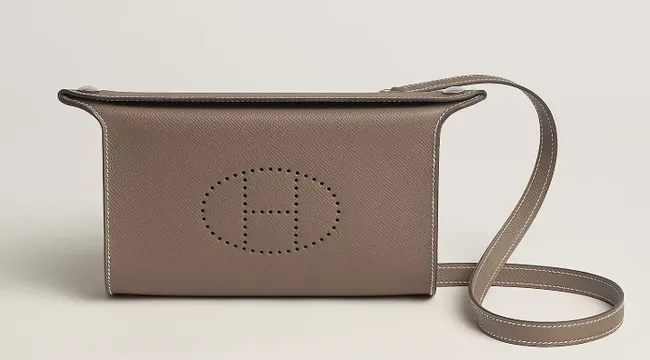
Epsom maintains clean, well-defined lines over time. Its firm and compact structure makes it particularly suitable for styles such as the Kelly Sellier, Constance, and Mini Kelly, as well as boxy tote bags and small leather goods.
These designs can retain their square shapes and architectural edges for years, even without the use of bag shapers or additional structural inserts.
This rigidity is fundamental to the appeal and purpose of Epsom leather.
Its embossed and coated surface makes everyday cleaning relatively easy. Rainwater, cream, coffee, and other common spills can generally be wiped away within seconds using a damp cloth.
For markets with humid and rainy climates, this can significantly reduce after-sales complaints and maintenance-related issues.
Its embossed cross-hatched surface is approximately 2–3 times harder than Togo leather and is highly resistant to minor surface scratches, making it particularly suitable for commuting and business use.
Its uniform grain structure also helps retain dye, making it an excellent choice for designs that require long-lasting color vibrancy and two-tone color combinations.
Its firmness comes from the embossing process rather than its weight. As a result, structured Epsom handbags often look heavier than they actually are.
This advantage becomes particularly important when producing larger handbag styles.
Epsom is particularly suitable for bags with polished and painted edges. Its firm structure allows for clean, precise edge finishing and sharper corner construction than softer, more supple leathers that naturally tend to drape.
| Feature | Specific Performance | Significance for Bags |
|---|---|---|
| Extremely Structured & Shape-Retentive | Embossed calfskin treated with high temperature and pressure; firm structure that resists slouching and deformation. | Perfect for architectural bag styles requiring sharp “square shoulders,” such as the Kelly Sellier and Constance. The bag maintains its crisp, angular silhouette over time. |
| Lightweight | Among Hermès’ commonly used leathers, Epsom is one of the lightest. | For larger bags (like the Birkin 35), it effectively reduces the bag’s own weight, enhancing the carrying experience. |
| Excellent Scratch & Water Resistance | The surface is sealed with a coating, effectively resisting daily spills and minor scratches. | Ideal for daily commuting and high-frequency use. Easy to maintain; simply wipe off stains with a dry cloth. |
| Strong Color Presentation | The uniform embossed surface absorbs dye well, resulting in rich, bright, and long-lasting colors. | Suitable for designs aiming for vibrant, pure colors; even light colors do not easily show dirt. |
| Feature | Specific Performance | Impact on Bags |
|---|---|---|
| Firmer Feel with a “Plastic” Sensation | Compared to natural-grained leathers like Togo, Epsom feels drier, firmer, and smoother, lacking the soft, fleshy feel. | If you prefer leather that is soft with natural pores and growth marks, you might feel it “doesn’t look like real leather.” |
| Irreversible Deep Scratches | Although scratch-resistant, deep cuts from sharp objects are very difficult to repair, and the marks will remain permanently. | Requires some care during use, avoiding direct friction with hard objects like keys or knives. |
| Will Not Develop a Patina | Due to the surface coating, Epsom will not develop a unique darkening or gloss (Patina) over time like vegetable-tanned or Box leather. | Enthusiasts who enjoy the process of “raising” leather might be disappointed. |
| Weight Can Be Substantial (Large Sizes) | Although officially described as lightweight, some user feedback indicates that Epsom can be heavier than Togo in the same size; large bags have noticeable weight even when empty. | If planning to buy a large size (like Birkin 35) for daily commuting, the burden of its own weight must be considered. |
Epsom handbags do not collapse, sag, or easily accumulate stains. As a result, relaxed silhouettes such as hobo bags, bucket bags, and Lindy-style designs are extremely difficult to achieve with this leather.
Additionally, because Epsom has very little elasticity, it offers slightly less usable volume per inch. It will not expand to accommodate overfilling, even when customers attempt to pack more into the bag.
Its firm surface and thick coating mean that scratches caused by metal buckles cannot heal naturally. Professional color filling and restoration are required to repair such damage.
These potential repair costs should be factored into your warranty policy.
The surface coating is non-breathable, so Epsom does not develop the warm, aged character associated with natural leather over time.
Customers who appreciate the development of a natural patina may find that Epsom lacks a certain depth and character.
Repeated folding can cause permanent creases in the surface coating. Epsom should not be treated with conditioning oils, as these products can accumulate in the embossed grooves. Prolonged exposure to direct sunlight can also cause fading.
Epsom is a “water-resistance” leather, not a “waterproof” material. Do not market it as a rainproof handbag material. Prolonged exposure to water can still lead to moisture penetration through seams and stitching.
Examples include the Kelly Sellier, Constance, and various box-shaped, structured clutches, wallets, and cardholders.
Examples include the Mini Kelly and Constance To Go. Smaller designs maximize Epsom’s refined, structured appearance while minimizing concerns related to the bag’s overall weight.
Those who value convenience, durability, and easy maintenance, and want their handbags to retain a like-new appearance for as long as possible.
Those who prefer architectural designs and clean, defined lines rather than relaxed, soft, and slouchy styles.
Those who appreciate handbags in vibrant colors with rich, highly saturated tones.
| Use Epsom-equivalent FOR | Why | Avoid it FOR |
|---|---|---|
| Kelly / Sellier-style sharp construction ⭐ | The classic use — holds razor-sharp corners | Slouchy hobos, soft bucket bags |
| Structured totes & top-handle bags | Crisp architecture without weight | Draped, folded, origami or roll-top designs |
| Large bags (35cm+) | Lightness is the deciding factor | Frequently flexed straps/handles |
| Travel / commuter pieces | Wipe-clean, water-resistant, colourfast | Evening clutches needing soft lustre (Swift/Box better) |
| Flaps, base panels, corner reinforcements, gusset stiffeners | Rigid, thin, dimensionally stable | Anything with a deep repeated crease line |
| Small leather goods (wallets, cardholders, organizers) | Thin, durable, vivid colour, no stretch | — |
| Humid / coastal / Middle-East resort channels | “Wipe clean” is a genuine, testable claim | Marketing it as “waterproof beach bag” |
Yes. Epsom leather is genuine leather. It is a high-quality calfskin that undergoes chrome tanning followed by mechanical heat embossing to create its distinctive fine cross-hatched grain.
Unlike synthetic materials such as PU or PVC leather, Epsom is made from natural animal hide, retaining the inherent durability and breathability of genuine leather.
The embossing process gives the calfskin excellent durability, a lightweight feel, and enhanced scratch resistance, making it a popular choice among luxury brands such as Hermès.
No. Epsom leather is highly water-resistant, but not entirely waterproof.
The heat-embossing process compresses the leather fibers, creating a dense, sealed surface that repels moisture more effectively than softer, more porous leathers such as Togo.
Light rain or accidental spills will generally form droplets on the surface, which can be easily wiped away with a dry cloth without leaving permanent stains.
However, prolonged exposure to moisture, soaking, excessive perspiration, or dye penetration can still cause damage.
No. Epsom leather is known for retaining its firmness and structured shape, with very little softening over time.
Unlike naturally grained, non-embossed leathers such as Togo, which gradually become softer and more relaxed with use, Epsom undergoes intensive heat embossing that locks its structure in place and significantly reduces its natural elasticity.
Although handles and high-stress edges may show minor signs of wear after prolonged use, the main body of the bag generally remains firm and structured.
Its greatest strength, therefore, lies in its ability to retain its shape. This makes it particularly suitable for structured handbags, wallets, and small leather goods, rather than soft, slouchy designs.
With proper care and maintenance, Epsom leather products can last for decades.
Its compressed surface and dense embossed grain provide excellent scratch resistance, abrasion resistance, and water resistance, making it one of the more durable leather options for everyday use.
Because Epsom retains its rigid structure so well, it helps prevent the sagging and excessive corner wear commonly seen in bags made from softer leathers, thereby extending their lifespan.
To maximize its longevity, simply avoid exposure to harsh chemicals and excessive heat, and regularly wipe the surface with a soft, damp cloth.
However, because its surface coating cannot repair itself, deep scratches, sharp impacts, and edge wear can be difficult to restore.
Neither is objectively better than the other. The right choice depends on your brand positioning and handbag design.
Epsom is firmer, more compact, more scratch-resistant, and easier to clean. It is particularly suitable for structured designs with crisp, well-defined lines.
Togo, on the other hand, is softer, more supple, and more forgiving. Its naturally pebbled grain helps conceal minor scratches and signs of everyday wear.
Togo is better suited to everyday use and softer, more relaxed handbag designs, while Epsom is ideal for formal, compact, and highly structured styles.
There is no absolute winner between Epsom and Saffiano; the difference lies in their positioning and intended applications.
Epsom represents premium luxury. It is made from high-quality leather, offers a refined texture, lightweight construction, and excellent color reproduction, while maintaining a firm and structured silhouette. It is particularly suitable for high-end luxury handbags designed to command a premium price.
Saffiano, by contrast, is known for its thick wax coating and exceptional abrasion and stain resistance. It is a popular choice for everyday work bags, commercial production, and large-scale manufacturing.
If you prioritize luxury, refined aesthetics, and premium material quality, choose Epsom. If practicality, durability, and production efficiency are your main priorities, Saffiano is the better option.
Epsom leather is a material designed around structure and practicality. It offers exceptional firmness, durability, and ease of maintenance. It retains its shape over time and resists deformation even after prolonged use, making it particularly suitable for Sellier construction and highly structured handbag designs.
If your brand prioritizes a soft, supple hand feel, the natural breathability of leather, and the distinctive character that develops with age, leathers such as Togo, Clemence, or Swift may be more suitable for your needs.
However, if your brand focuses on formal occasions, sophisticated styling, and premium luxury aesthetics, Epsom leather is an excellent material choice.
If you are looking for a reliable handbag manufacturer for your next collection, we welcome the opportunity to work with you. Let’s bring your designs to life.

Previous :
How to Evaluate a Manufacturer: Factory Visit vs. Canton FairNext :

Mobile Website

Inquires Whatsapp