- +86 13922774531
- info@gionar.com

English


English
May 16 , 2025
Bonded leather is an artificial material and a cheap alternative to genuine leather, but its quality is somewhat reduced. To identify bonded leather, one can check for uniform artificial textures and plastic-like edges that peel off when scratched. Bonded leather, is it an innovative and cost-effective choice in the leather products field, or a compromise product with poor durability? In this article, I will have a good discussion with everyone.
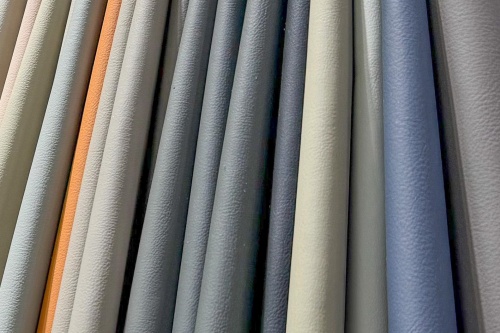
Bonded leather is a material made by blending genuine leather fibers with synthetic materials such as polyurethane or latex, and is often used in industries like fashion bags, furniture, and automotive interiors. Essentially, bonded leather is a kind of recycled leather that imitates the appearance and feel of genuine leather. It is made by cutting the remaining leather waste (20-30% genuine leather fibers) into small pieces, bonding them with polyurethane (PU) or latex onto a fiber or paper substrate, and then embossing and dyeing them with a leather-like texture to produce a type of leather.
| Pros | Cons |
| Affordable | Peels/flakes with use |
| Vegan-friendly (some types) | Weak heat/water resistance |
| Easier to clean | Lacks natural leather’s patina |
No, bonded leather is not genuine leather. Bonded leather is essentially a kind of recycled leather, which combines some leather fibers with synthetic adhesives to create an appearance and texture similar to that of real leather. Bonded leather is a low-cost alternative to partial leather rather than true whole leather.
No. Bonded leather imitates certain aspects of the appearance of genuine leather and looks like genuine leather, but bonded leather is inferior to real leather in terms of durability, natural beauty, quality and long-term value. Bonded leather is a low-cost alternative. If you want something durable, then buy genuine leather products.
Genuine leather is made from animal leather and processed through tanning to become durable. With proper use, it can last for over a decade or even several decades and is suitable for various products. Genuine leather retains the natural characteristics of animal skin, including unique texture patterns, texture variations and a more organic feel.
Bonded leather tends to crack and peel off over time. Although it contains some leather fibers, it lacks the natural properties that make genuine leather a high-quality material.
| Feature | Bonded Leather | Real Leather (Full/Top Grain) |
| Composition | 15–30% leather scraps + PU/glue | 100% animal hide (natural) |
| Durability | 2–5 years (peels/cracks) | 10+ years (ages beautifully) |
| Breathability | Non-breathable (plastic-coated) | Breathable (natural pores) |
| Appearance | Fake, uniform grain (embossed) | Unique texture, develops patina |
| Maintenance | Cracks if not conditioned | Improves with care (oils/waxes) |
| Cost | Cheap ($–$$) | Expensive ($$$–$$$$) |
Economical and practical decoration (infrequently used items such as photo albums, low-cost accessories).
Vegan leather alternatives (some bonded leather products avoid using animal products, such as bags).
Bonded leather usually has a smooth and uniform appearance. Visually, bonded leather is similar to genuine leather. At first glance, it looks like genuine leather, but its artificial texture, uniform appearance and synthetic substrate distinguish it from genuine leather.
Embossed pattern: Bonded leather usually has an embossed texture that mimics the texture of natural leather to enhance the sense of reality.
Uniformity: Bonded leather has a uniform and repetitive texture, often looking more consistent and “perfect”, without natural defects such as pores or scars.
Artificial luster: Bonded leather has a luster similar to plastic and may be more lustrous or uniform than genuine leather.
Dyeing consistency: The color is usually evenly distributed. If the color is too consistent, there will be no natural change.
Fiberboard/fabric padding: Upon careful inspection, the edges or undersides of the bonded leather may reveal fabric or fiberboard layers (used for structural support).
Thin layer: Bonded leather is usually thinner than full-grain leather, and its cross-section may show layers of adhesive or synthetic materials.
| Feature | Bonded Leather | Genuine Leather |
| Grain Pattern | Perfectly repeating | Unique, irregular |
| Edge Finish | Fuzzy, layered | Smooth, solid |
| Smell | Chemical/plastic odor | Earthy, organic scent |
| Flex Test | Cracks when folded sharply | Develops soft creases |
Bonded leather is an artificial material, mainly a composite material made by combining recycled genuine leather waste with synthetic adhesives. The following is its composition and manufacturing process:
Genuine leather fiber (15-30%) : Made from crushed leather scraps, dust, and leftover scraps and auxiliary materials from the production of genuine leather. These wastes are crushed into fine fibers or particles and used as base materials. These leather fibers are too small to be used alone, so they are mixed with adhesives.
Polyurethane (PU) or latex adhesive (70-85%) : It bonds leather fibers together like glue. Give the bonded leather a smooth plastic coating.
Fabric or paper base: A thin layer of polyester, cotton, paper or synthetic fibers forms the structure to enhance stability. Without this support, the material will crack.
Surface coating: Polyurethane or PVC layer, used to enhance durability, water resistance and aesthetics.
Pigments/dyes: Provide color and imitate the appearance of natural leather.
Texture embossing: Machines press patterns (such as crocodile patterns, pebble patterns) onto the surface to replicate the texture of genuine leather.
Waste collection: Collect leather accessories and waste from tanneries or factories.
Crushing: Grind leather waste into fine fibers.
Mixing: Fibers are mixed with PU/ latex glue to form pulp.
Pulping: Pressing the pulp onto the back of the fabric/paper.
Coating: Add a plastic surface layer (PU or vinyl) to increase durability.
Embossing: Printing false texture patterns on the surface.
How to identify bonded leather? The difference between bonded leather and genuine leather:
Observe the texture and pattern of the leather. Compared with genuine leather, bonded leather usually has a more uniform and artificial texture. It may lack the natural changes and defects of genuine leather. Smooth surface, without the pores and irregularities of genuine leather.
Genuine leather usually has a soft and gentle feel and a certain degree of elasticity. On the other hand, bonded leather may feel stiffer and less natural.
For high-touch items (such as handbags), press the surface with your thumb for 5 seconds. Genuine leather usually has slight indentations that rebound gradually and disappear quickly, while bonded leather may retain the indentations or feel more like plastic.
Scrape inconspicuous areas with a fingernail or a coin. When bonding leather, white fibers will appear and the surface coating may peel off. The genuine leather will not peel off, only with slight wear and tear.
Bonded leather, hard and may crack when folded violently. Genuine leather will form soft creases.
Genuine leather has a unique and natural leather smell. Bonded leather, as a composite material, may have more chemical odors or plastic-like odors (from the PU coating).
Drop a small drop of water on the surface of the leather. Genuine leather will absorb moisture over time, while bonded leather may repel moisture or absorb almost no moisture. When water droplets fall on the surface, the bonded leather will present beads (the plastic coating repels water). The genuine leather will be slightly absorbed and temporarily darken.
Look for any labels or certificates indicating the type of leather used. Some manufacturers may clearly indicate it on bonded leather products.
If possible, inspect the edges or the back of the leather goods. Genuine leather will have fibers and natural edges, while bonded leather may show layers or fabric backing.
The edges of the bonded leather are blurred, presenting a layered appearance (exposed fabric/paper back). Genuine leather has smooth and sturdy edges (usually painted or polished).
Compared with genuine leather, bonded leather is generally less durable. Since bonded leather is made by combining leather waste with synthetic materials, its strength and lifespan will be compromised. Bonded leather does not have good durability, and how long does bonded leather last? Its general lifespan is 2 to 5 years, while genuine leather can usually be used for more than 10 years.
Because the PU coating for bonding leather is prone to peeling/cracking. The edges of bonded leather are prone to wear and tear, and once worn, the back of the fabric will be exposed. Bonded leather fades rapidly under sunlight or high temperatures.
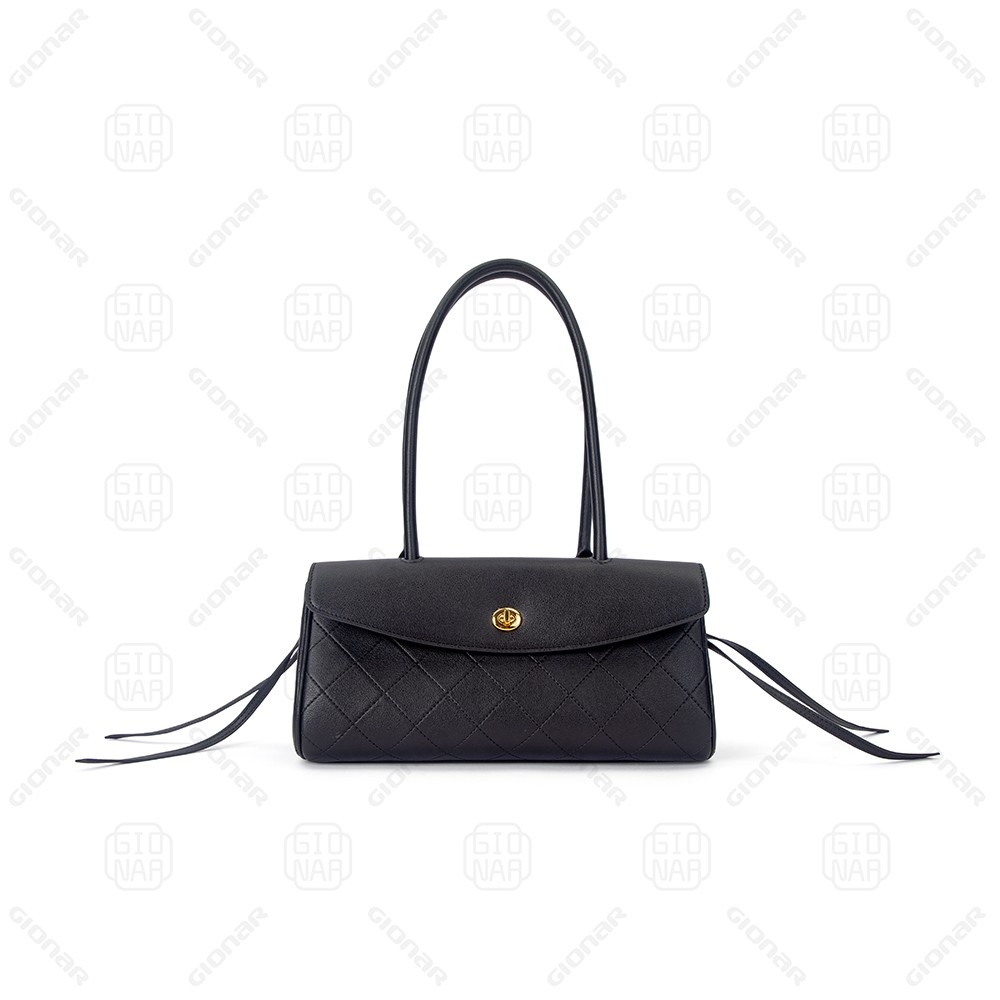
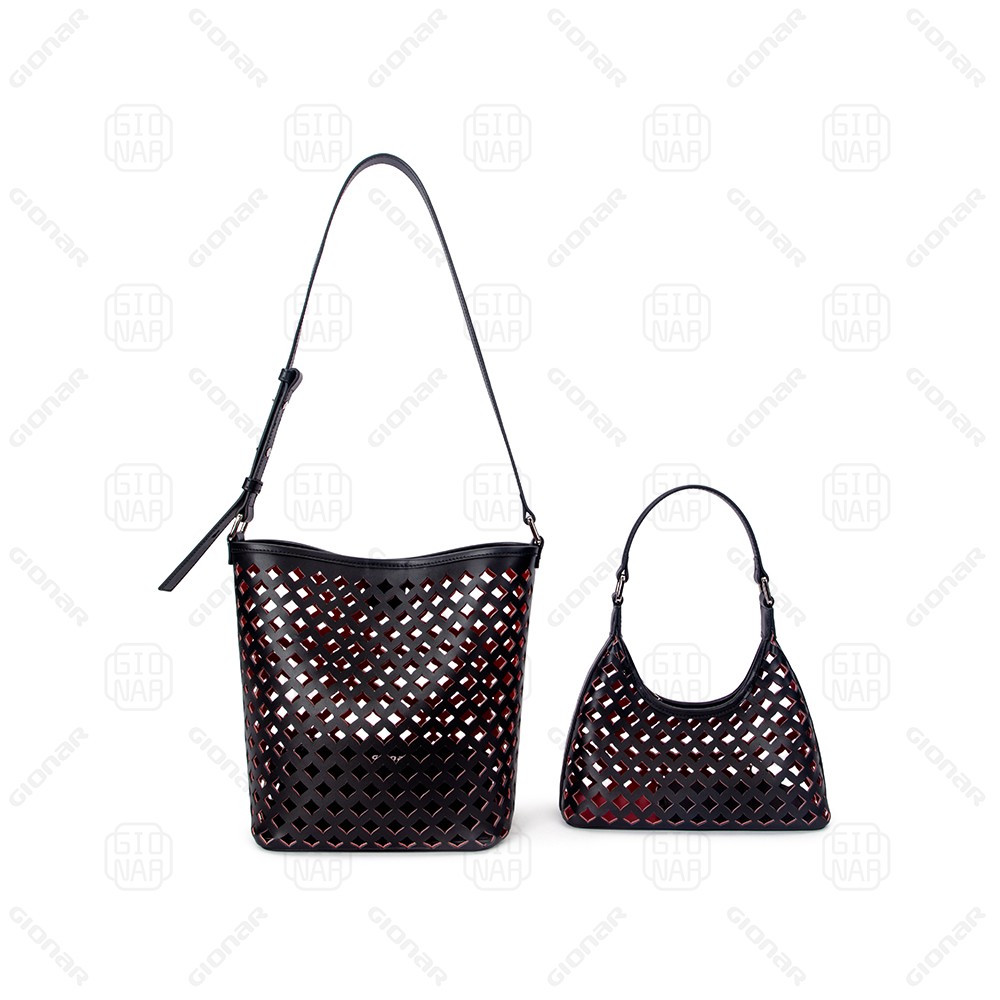
It is suitable for making economical and practical bags, as well as occasional use bags, such as evening handbags and decorative wallets. However, the lifespan of the bags is not very important.
Bonded leather is suitable as a choice for budget bags:
Bonded leather costs much less than full-grain leather or top-grain leather and is suitable for consumers with limited budgets who prefer the quality of leather. For example, a tote bag of the same size may cost over a thousand in genuine leather and 200 to 500 in bonded Leather.
Surface treatment technology can simulate the texture and luster of genuine leather, making it visually difficult to distinguish from low-end genuine leather. It is suitable for scenarios that have requirements for brand identity or design sense but have limited budgets (such as fast fashion brand accessories).
Youdaoplaceholder0 leather is lighter than thick whole grain leather and is suitable for making portable bags that require weight reduction, such as crossbody bags and clutch bags.
Short-term use: Fashionable items for temporary styling (such as evening bags).
Low-frequency use: Occasionally used storage bags (such as file folders, cosmetic bags).
Decorative requirements: Only used as decorative bags for indoor display (such as wall-mounted storage bags).
If you prioritize durability and longevity, there are better options available: genuine leather (for durability, full grain or full grain). There is also vegan leather (PU or plant-based materials, such as cork/mushroom leather).
Bonded leather is a cost-effective alternative to genuine leather that mimics the appearance of genuine leather. It is affordable, reduces waste and is suitable for making some discounted bags. However, it lacks the durability, natural beauty and easy aging of genuine leather. Bosses who want to make bags should choose adhesive leather materials or other appropriate materials according to the brand positioning.
If you want to know more about the relationship between brand positioning and materials, please read this article: How to start a bag business? Brand positioning & Material selection
Related customized services:
Tags :

Mobile Website

Inquires Whatsapp