- +86 (0) 20-86655668
- info@gionar.com

English


English
July 21 , 2026
Nubuck leather is a high-quality top-grain cowhide. It is renowned for its surface that has been lightly polished to create a velvety micro-textured finish. It originates from the top-grain layer, with tightly packed fibers, making it thicker and more durable than suede derived from the second layer of skin. It combines superior texture with excellent durability.
Nubuck leather has natural breathability, softness, and high quality. It is widely used in high-end shoes, handbags, wallets, furniture, and clothing products.
Due to its delicate nature, it is more suitable for gentle daily use scenarios and is not suitable for rainy and humid environments or careless users.
The core charm of nubuck leather lies in its gradual change over time. After long-term use, it will gradually develop a lustrous appearance, and surface scratches will form exclusive usage marks, regarded as the process of “leather growth”.
Nubuck is a high-end leather made by sandblasting the grain layer (outer layer) of the top layer of cowhide with extremely fine sandpaper. The surface forms short and dense velvet-like fur, giving a soft and delicate touch. It retains the strength and breathability of natural leather. It is one of the superior leather materials and is widely used in fields such as shoes and bags.
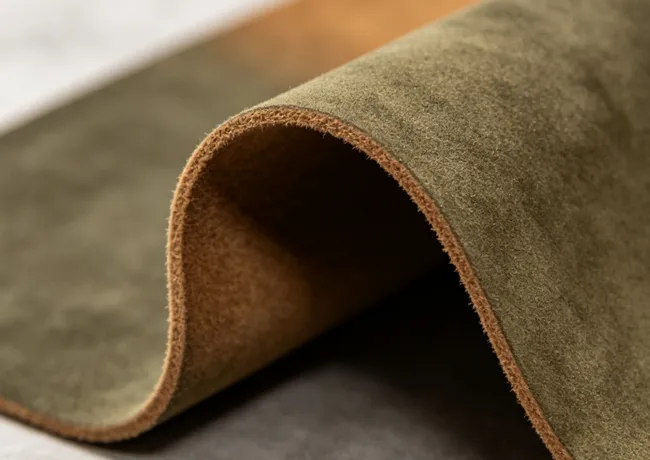
You can think of Nubuck as a type of “true suede“. The name “Nubuck” comes from this. Its manufacturing process is as follows:
Nubuck boasts a luxurious matte texture, with subtle luster that changes with the light. It offers a wide range of color options, from natural brown, black to bright colors, and can be embossed with various patterns while maintaining its soft velvet-like feel.
As it is top-quality leather, nubuck has high tensile strength, with the maximum tensile strength reaching up to 20 MPa. It is less prone to tearing than suede and can withstand years of daily use. However, its polished surface may still wear out due to friction.
Untreated suede is prone to absorbing water, which may cause stains and discoloration. However, it can be treated with waterproof spray to enhance its moisture resistance. As long as it is properly maintained, it can be suitable for outdoor use.
Nubuck leather has a smooth and velvety touch, softer than full-grain leather but harder than suede. Its fine fibers form a uniform surface, providing a comfortable feel and gradually developing a unique patina effect with daily use.
| Property | Description |
| Appearance | Matte, soft, with a fine, uniform nap |
| Feel | Velvety and smooth to the touch |
| Durability | Stronger than suede due to top-grain origin |
| Breathability | Good; natural leather pores remain open |
| Water resistance | Poor; absorbs moisture and stains easily |
| Aging | Develops patina; nap may flatten with wear |
| Feature | Nubuck | Suede |
| Side of hide used | Outer (top-grain) surface | Inner (flesh) split layer |
| Source leather grade | Higher quality; stronger fibers | Lower grade; softer but less durable |
| Texture | Fine, short nap; velvety | Longer, looser fibers; more plush |
| Durability | More durable; retains grain strength | Less durable; more prone to tearing |
| Price | Typically more expensive | Usually less expensive |
| Leather | Which Side | Nap | Strength | Price Anchor |
| Full-grain aniline (smooth) | Grain side raw | None | Highest | High |
| Pebble (Togo/Clemence) | Natural grain | None (bumpy) | High | High |
| Nubuck | Grain side buffed | Ultra-fine powdery nap | High (still full-grain) | High (10–20% more than same-grade smooth) |
| Suede | Flesh side raised | Longer nap | Medium (split or no grain) | Medium |
| Split suede | Split flesh side | Coarse nap | Low | Low |
The unique texture of Nubuck leather has both distinct advantages and disadvantages.
Nubuck leather is not a newly “created” material; rather, it is the result of a high-end processing technique applied to the surface of the top layer of cowhide. The essence of this process lies in preserving the natural structure of the dermal fibers and creating a fine velvet-like surface through mechanical grinding.
There is currently no publicly available standardized process for “plant-based Nubuck”, but based on the mature technologies of cactus leather (VELO) and pineapple leaf fibers (Piñatex), the potential manufacturing path can be deduced:
Yes, Nubuck is 100% genuine leather.
Nubuck leather is not artificial leather at all. It is actually a high-quality type of leather because it is made from the outermost layer of the cowhide (the most outer and dense grain layer), and the most common material is cowhide. After tanning, the surface of the particles is slightly polished to give it a soft, velvet-like texture. Due to its origin from the most durable part of the leather, nubuck is usually more durable than suede.
It feels “vague” rather than “like leather” – thus it is easily confused with suede or even synthetic suede (such as Alcantara/ microfiber, which is not real leather).
Commercial bags or shoes usually have a thin layer of PU/fluorine topcoat applied to the surface, so the surface may have a slightly “coated” feel, but the underlying layer is full-grain leather, not a PU sheet.
Look for labels marked “genuine leather”, “top-grain leather” or “natural nubuck leather”.
If you want genuine leather, avoid choosing products labeled “PU leather”, “synthetic leather” or “imitation suede”.
Leather has a natural, uneven texture with subtle differences in the pattern.
Synthetic imitation leather has a more uniform, artificial texture.
Real calfskin is soft and smooth, with a texture like velvet, and becomes smoother after use.
Synthetic calfskin may feel harder or have a plastic-like feel.
True nubuck leather has breathability, allowing air to pass through the material.
Synthetic nubuck leather is not breathable and may cause heat and moisture to accumulate.
| Check | Nubuck (real) | Synthetic Suede (fake) |
| Backside | Skin-colored fiber, irregular, smells like hide | Uniform woven/poly back, plastic smell |
| Edge cut | Dense fibrous, beige/brown, tapers | Clean machine cut, same color through |
| Burn test (if you dare) | Hair smell, ash | Chemical/plastic bead |
| Water drop | Absorbs (unless fresh topcoat) | Beads or slow |
| Feature | Natural Nubuck Leather | Synthetic Nubuck Leather |
| Material | Top-grain cowhide | Polyurethane (PU) |
| Durability | High (lasts 5-10 years with proper care) | Medium (lasts 2-5 years) |
| Breathability | Excellent | Poor |
| Water Resistance | Low (requires treatment) | Medium (naturally water-resistant) |
| Price | High (20−20−50 per square foot) | Low (5−5−15 per square foot) |
| Sustainability | Depends on tanning process | Can be made from recycled materials |
No, nubuck leather is not naturally waterproof.
The surface of nubuck leather is soft and has been polished, and it has a porous nature, which makes it prone to absorbing water. If it gets wet, water stains may appear. When it dries, it will become hard. If not properly maintained, it may also change color.
Yes. Manufacturers usually use waterproof sprays specially designed for mohair and sable fur. These treatments:
| Treatment | Effectiveness |
| Silicone-free spray protector | Moderate; creates a barrier without altering texture; must be reapplied regularly |
| Wax or oil treatments | Not recommended; changes the nap texture and appearance |
| Professional waterproofing | Some specialty treatments exist but are not foolproof |
Although it is not waterproof by itself, you can add a protective layer to your beloved Nubuck products through the following methods:
| Condition | How nubuck performs |
| Light splashes | Usually fine if wiped off promptly |
| Light rain | Can tolerate brief exposure but may absorb moisture |
| Heavy rain | Not recommended; water can soak into the leather |
| Full submersion | Can damage the leather and alter its appearance |
| Leather | Water Story |
| Smooth full-grain (Togo/Clemence, polished calf) | Naturally repels better (grain sealed), still not waterproof but handles drizzle fine |
| Pebble (Togo) | Grain + texture hides water spots better than nubuck |
| Nubuck | Thin topcoat, nap absorbs → water resistant with spray, not waterproof |
| Suede | Worse — split/flesh base + deeper nap, soaks faster; also usually thinner topcoat |
| Chromexcel / Essex (oil-tanned) | Surprisingly decent wet tolerance (oil/wax stuffed), but not waterproof either |
| Gore-Tex + leather (boot context) | That’s the boot being waterproof, not the nubuck — nubuck is the facing, membrane does the work |
Yes, it is extremely durable. Nubuck is more durable than suede, but not as durable as full-grain leather. It is a “selective durable” material.
| Dimension | Performance Rating | Description |
| Abrasion Resistance | ⭐⭐⭐⭐☆ (Good) | Denser than suede, with better friction resistance, suitable for daily wear; however, areas subject to long-term friction (e.g., shoe tongues, bag corners) will still thin over time. |
| Scratch Resistance | ⭐⭐☆☆☆ (Weak) | The napped surface is easily caught or flattened by sharp objects, leaving “white marks”. However, using a specialised nylon brush to brush against the nap can restore the texture and even develop a natural patina, which adds a unique aesthetic. |
| Water Resistance | ⭐⭐☆☆☆ (Poor in original state) | No inherent waterproof layer – water easily penetrates and leaves dark stains. Regular application of a dedicated waterproofing agent (e.g., Nubuck & Suede Protector) is essential, and can significantly improve protection. |
| UV Resistance | ⭐⭐☆☆☆ (Weak) | Prolonged exposure to sunlight causes colour fading and leather hardening; avoid leaving it in direct sunlight, such as near car windows or on balconies. |
| Environmental Adaptability | ⭐⭐⭐☆☆ (Moderate) | Suitable for dry to humid climates, but salt spray, mud, and de-icing agents accelerate fibre damage; extra protection is needed for winter outdoor use. |
| Maintenance Impact | ⭐⭐⭐⭐⭐ (Extremely high) | Regular cleaning + waterproofing is the key to extending lifespan. Brushing monthly and applying waterproofing spray every 3–6 months can increase lifespan by over 300%. |
| Breathability | ⭐⭐⭐⭐☆ (Good) | The napped surface structure improves air circulation, making it more breathable than smooth leather, especially suitable for footwear and other close-to-skin items, reducing stuffiness. |
| Tear Strength | ⭐⭐⭐⭐☆ (Good) | The tight fibres of top-grain leather give it better tear resistance than split-grain suede, although the sanding process slightly reduces strength – still higher than suede. |
| Stain Resistance (Oil/Water) | ⭐⭐☆☆☆ (Weak) | The napped surface readily absorbs liquids and oils, with stains quickly penetrating deep into the fibres, making them hard to remove completely; prompt treatment and protective sprays are necessary. |
| Cleaning Difficulty | ⭐⭐☆☆☆ (Difficult) | Cannot be washed; requires specialised brushes, erasers, and cleaners. Improper handling can cause the nap to flatten or damage the leather surface – much more complex care than smooth leather. |
| Softness | ⭐⭐⭐⭐☆ (Relatively soft) | After sanding, the fibres are looser, giving a soft feel, though not as fine as lambskin; initial softness is moderate, and with proper care and use, good hand feel can be maintained. |
| Leather | Structural Durability | Surface “Aging Gracefully” | Best For |
| Smooth full-grain (Togo/Clemence) | ★★★★★ | ★★★★★ (scratches absorbed into grain) | Commuter tote / daily handbag / heavy shoes |
| Pebble (Togo type) | ★★★★★ | ★★★★☆ (texture hides flaws) | Same, more casual |
| Nubuck | ★★★★☆ (full-grain base) | ★★☆☆☆ (bald spots / water stains show) | Light bag / Chelsea / desert boot / sofa |
| Suede | ★★☆☆☆ (often split) | ★★☆☆☆ | Fashion pieces / low load |
| Leather Type | Tensile Strength | Typical Lifespan | Key Durability Features |
| Natural Nubuck | 18-22 MPa | 5-10 years | Develops patina, tear-resistant, prone to scuffs |
| Synthetic Nubuck | 8-12 MPa | 2-4 years | Chemical-resistant, low maintenance, prone to cracking |
| Full-Grain Leather | 20-25 MPa | 10-20 years | Highest durability, deep patina, scratch-resistant |
| Suede | 10-15 MPa | 3-6 years | Soft texture, prone to staining, low water resistance |
To make your Nubuck leather product more durable, you can refer to the following points:
| Care Practice | Benefit |
| Apply silicone-free protector spray | Repels water and stains without altering texture |
| Brush regularly with crepe brush | Restores nap and removes surface dirt |
| Avoid wet conditions | Prevents water damage and staining |
| Store with shoe trees or stuffed | Maintains shape and prevents creasing |
| Professional cleaning for stains | Home remedies often worsen damage |
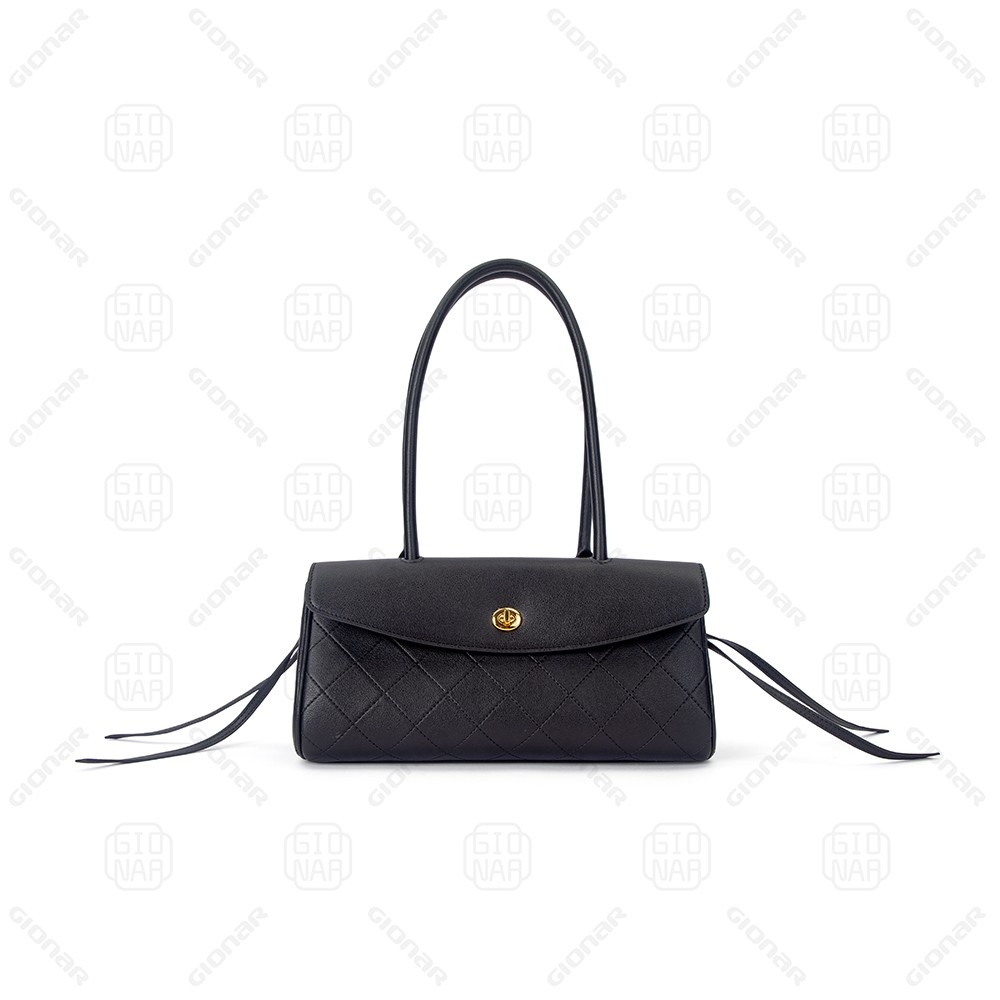
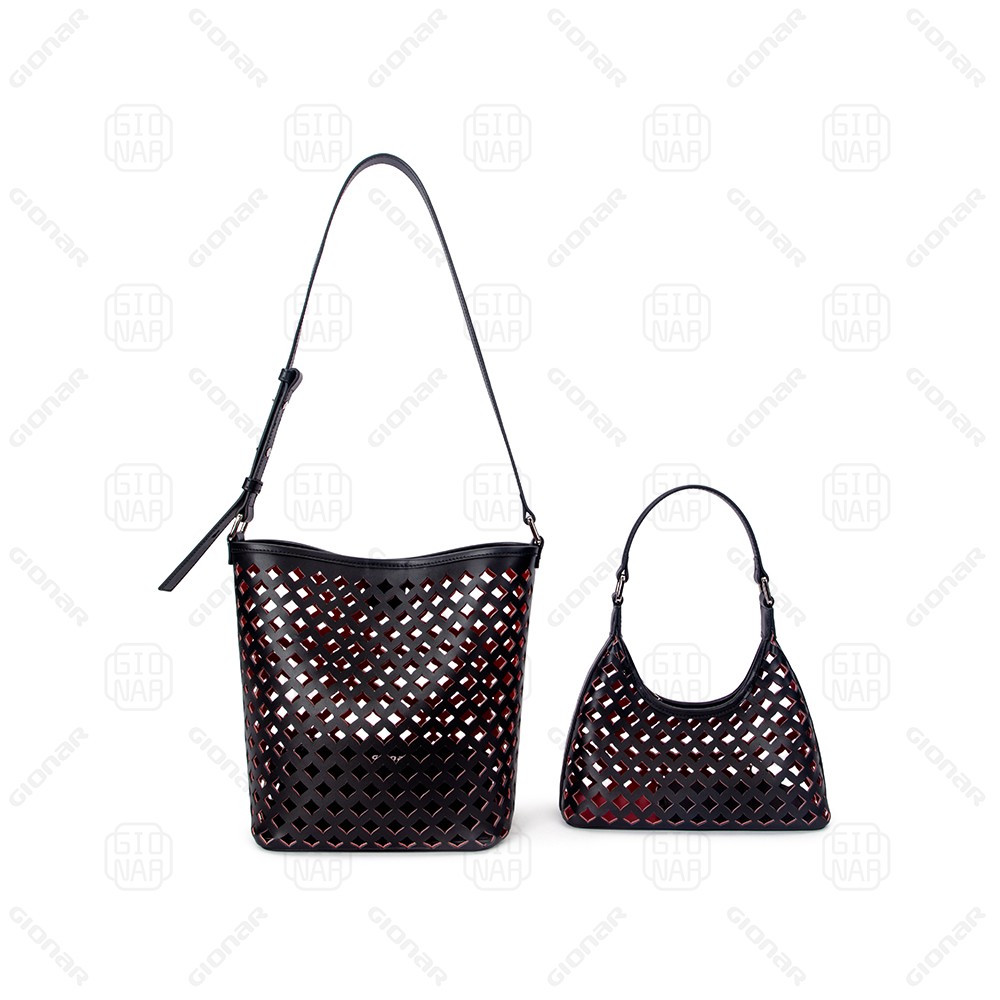
Yes. Nubuck leather is a highly distinctive type of top-grade cowhide. It is particularly suitable for making bags that aim for high-end texture and unique style. However, the prerequisite is that you can accept its “precious” aspect and are willing to invest effort in maintaining it.
Its unique suede texture and elegant temperament make it a favored choice for high-end fashion brands. But at the same time, it is also a material that requires “care”.
| Pros |
Cons |
| Premium texture, unique feel: The fine nap gives it a velvety softness, with a matte finish that is understated and luxurious. | Extremely water-sensitive: Not waterproof by nature – water easily leaves permanent dark stains. |
| More durable than suede: Made from top-grain leather, it is thicker and more robust than suede (which comes from split leather), offering better tear and abrasion resistance. | Attracts dirt and is hard to clean: The napped surface easily picks up dust and oil; cleaning requires specialised tools and products. |
| Good breathability: Compared to heavily coated smooth leathers, Nubuck‘s fibre structure allows better airflow, making it comfortable for close-to-skin use. | Poor scratch resistance: The fine nap can be easily scuffed or flattened by sharp objects, leaving marks that are hard to reverse. |
| Ages with character: Over time, Nubuck develops a beautiful natural patina – the colour deepens and the texture becomes richer. | Relatively expensive: Due to its material quality and production process, Nubuck products are generally pricier than regular smooth leather or suede. |
| Characteristic | Description |
Impact on Bag Design |
| Texture & Appearance | Top-grain cowhide lightly buffed to create a velvety micro-suede finish with a soft sheen and natural grain. | Imparts a sense of sophistication and artistry to the bag; suits minimalist, neutral-toned designs – e.g., the Prada Bonnie collection. |
| Abrasion Resistance | Denser and more compact than suede, with stronger fibre structure and better tear resistance than regular napped leather. | Withstands daily use, but vulnerable to scratches from sharp objects, and prone to pressure marks. |
| Breathability | Natural pores remain open; air circulation is better than PU or full-grain leather. | Enhances wearing comfort – ideal for summer or prolonged carrying. |
| Stain Resistance | Very poor – easily attracts dust, grease, and rainwater; stains penetrate deeply and are hard to remove. | Requires protective spray; daily use demands caution; not suitable for rainy seasons or urban commuting. |
| Maintenance | Requires a dedicated Nubuck brush + specialised care spray; water or general cleaners must not be used. | High maintenance cost; average users may make mistakes that cause permanent damage. |
| Bag Type | Suitable? |
Reason |
| Evening clutch / handheld / small chain bag | ✅ Sweet spot | Low load, low flex, photogenic; misty nap + gold hardware looks premium |
| SLG (cardholder / coin pouch / small wallet) | ✅ Sweet spot | Almost no flex; nubuck’s powdery nap shines best here |
| Light shoulder bag (<2kg, flap style) | ⚠️ Possible, but hinge needs reinforcement | Flap root + handle root are bald-spot hotspots; use double-layer flap or canvas reinforcement |
| Commuter tote (>3kg, daily carry) | ❌ Not recommended | Bottom edge rubs against desk/pants + hinge frequency → bald spots visible at 1–2 years; better to choose pebble |
| Travel / outdoor bag | ❌ Not recommended | Rain + dust + high-frequency zipper wear; nubuck’s topcoat can’t handle it |
| Style |
Suitability |
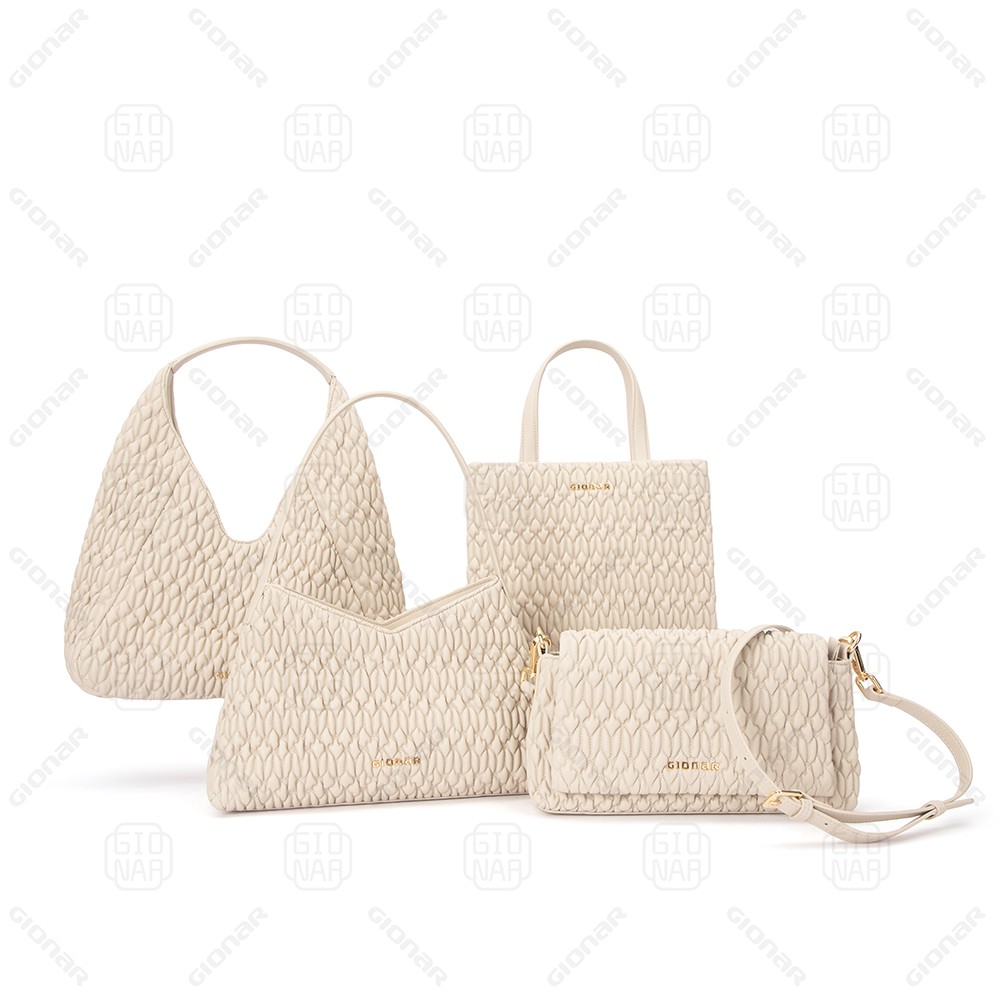
| Fashion handbags and totes | Excellent; texture elevates design |
| Clutches and evening bags | Very good; soft drape and matte elegance |
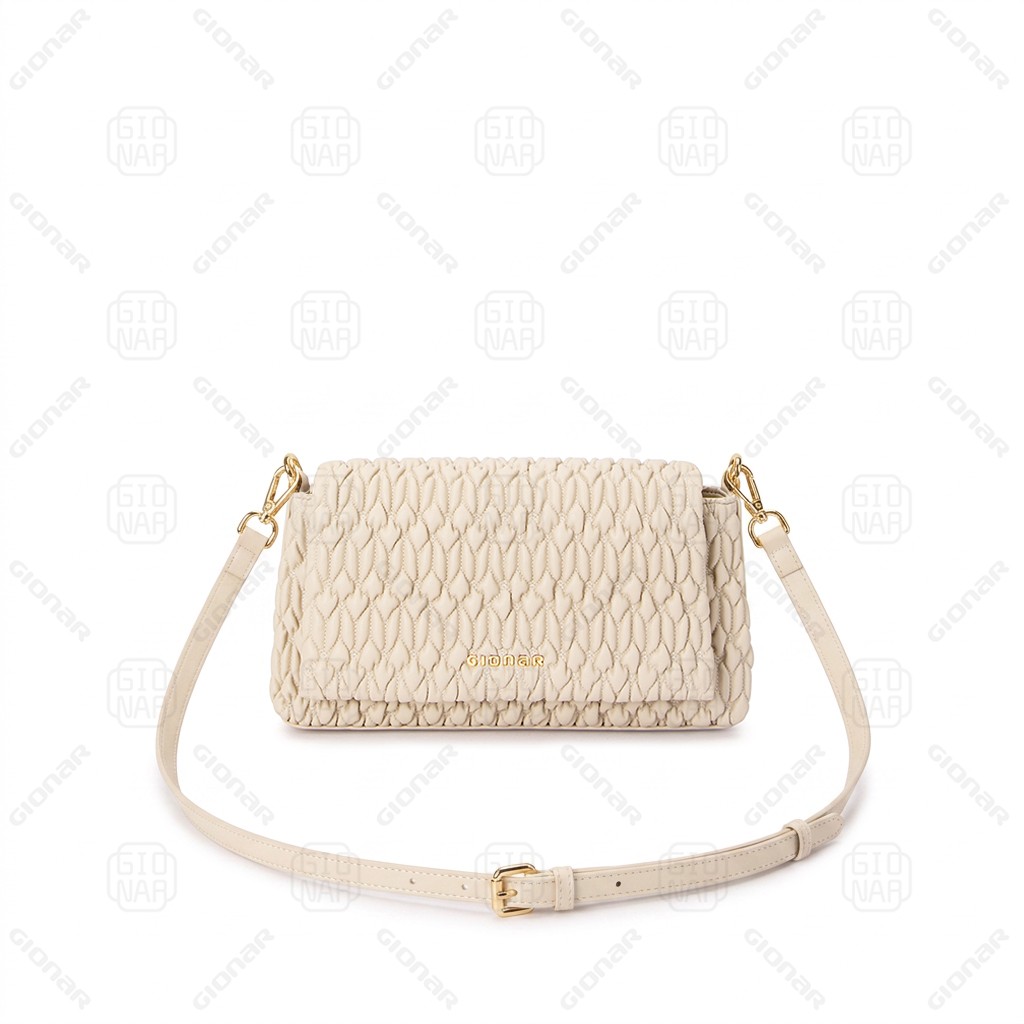
| Crossbody bags | Good; lightweight and comfortable |
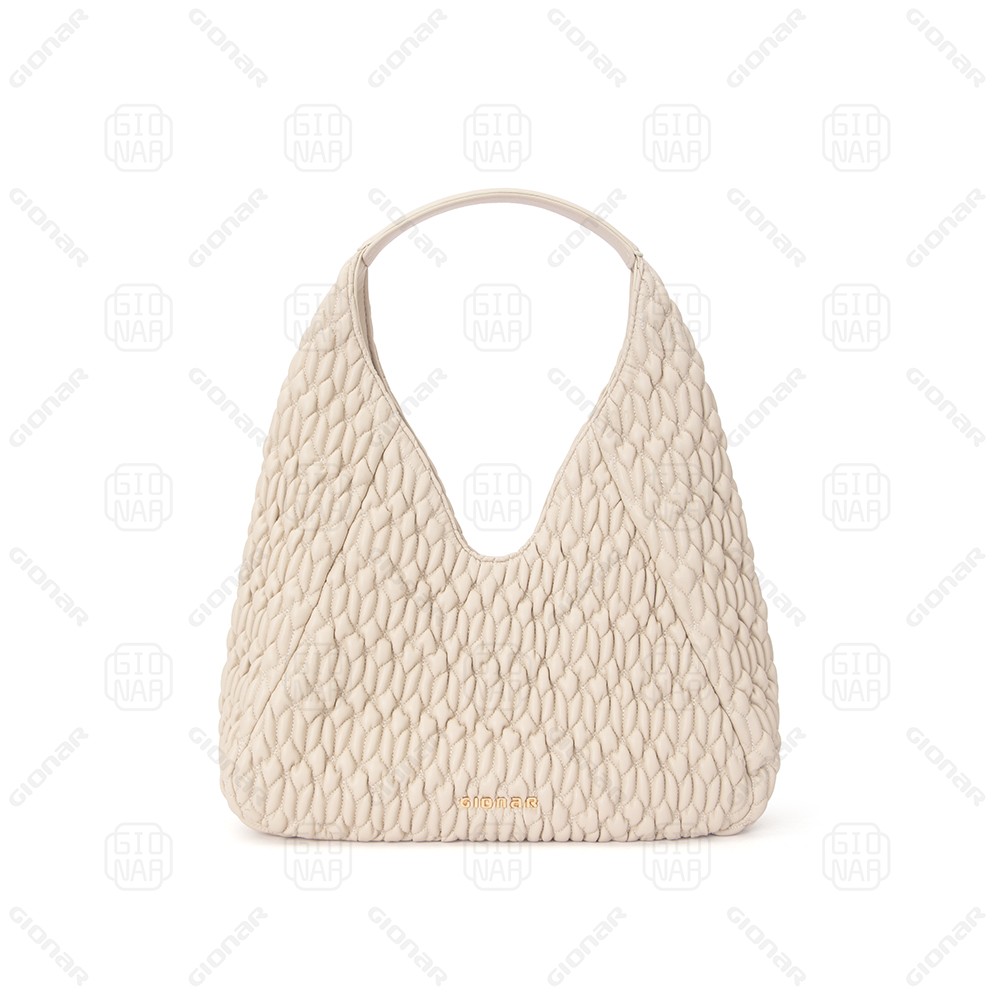
| Casual hobo or slouch bags | Good; relaxed silhouette suits nubuck’s softness |
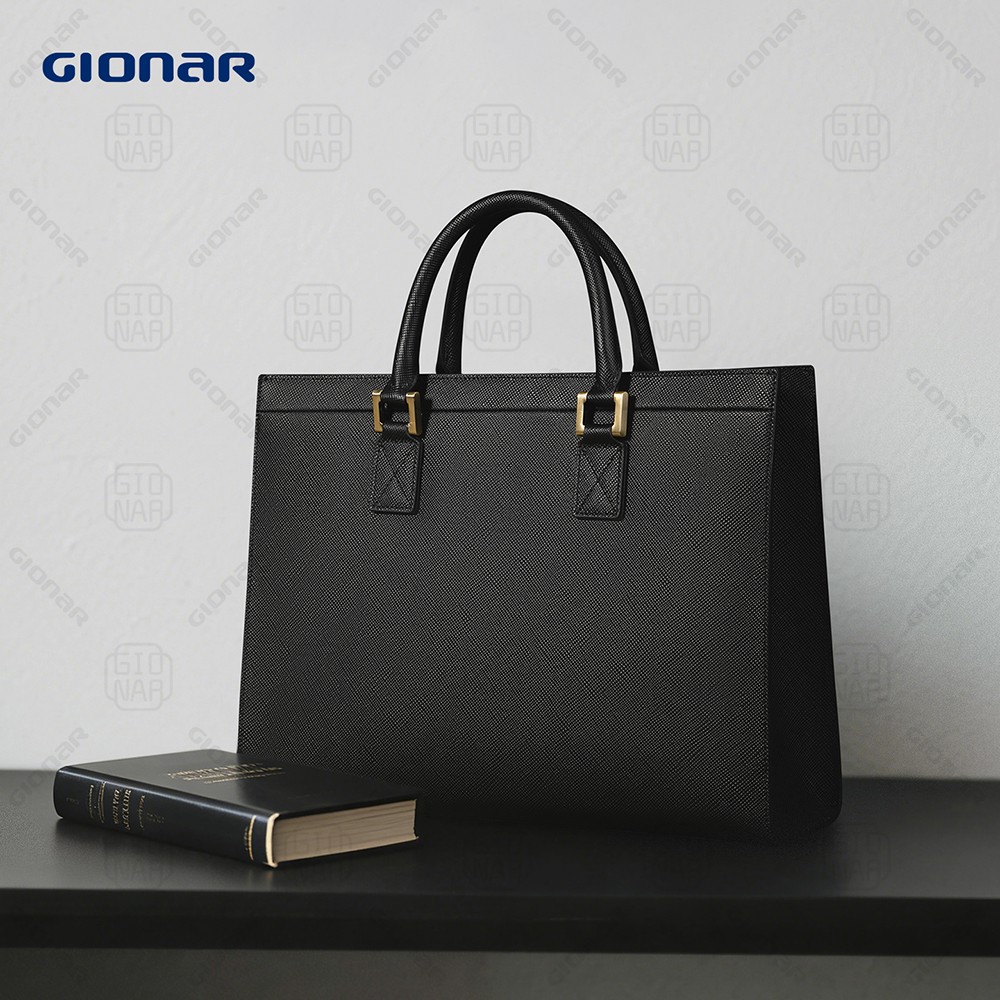
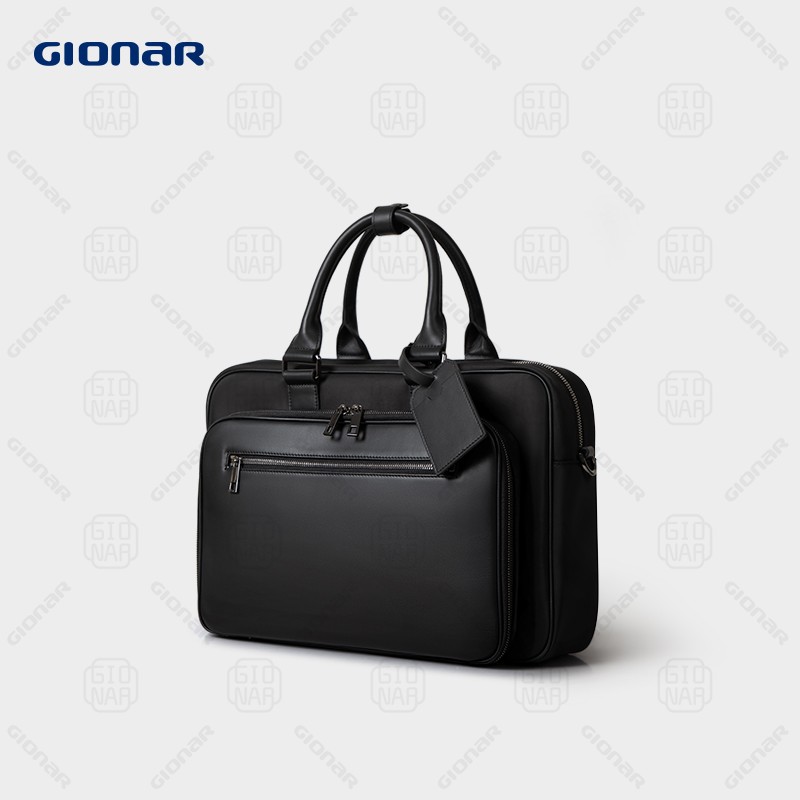
| Work bags / briefcases | Moderate; professional but requires careful handling |
| Travel or outdoor bags | Poor; vulnerable to weather and rough handling |
| Dimension | Nubuck | Pebble (Togo/Clemence) | Suede |
| Base | Full-grain, grain buffed | Full-grain, natural grain | Often split / flesh side |
| Bag sweet spot | Evening / SLG / light shoulder | Commuter tote / daily flap | Fashion small bag / decor |
| Flaw hiding | Poor (bald spots show) | Good (texture eats marks) | Medium |
| Maintenance | High (3–6 month fluorine spray) | Low (damp cloth wipe) | Medium-high |
| Price | Same-grade smooth +10–20% | Same-grade | 30–50% below nubuck |
Inner lining fabric or rPET non-woven 120g layer (single-layer nubuck 1.2–1.6mm will flatten the fur over time)
The flap is made of double-layer nubuck or nubuck on the outside + fabric inside – after single-layer bending for 6–12 months, light spots will appear
Handle base: Add a small veg-tan triangle or fabric reinforcement to the leather base, do not directly sew metal rings onto nubuck
The nubuck tote bottom edge scratches the tabletop/leg → The fastest way to develop light spots
Solution: Add a 3–5mm fabric/leather edge strip (welt) to the bottom or make a small wall at the bottom to prevent the nubuck main body from directly scratching; or simply make a hard bottom + foot spikes for a structured style, not following the soft tote route
Nubuck texture is most suitable for old gold/gun gold/dull gold hardware (Celine’s old money feel, Prada’s nylon + nubuck mix, BV’s nubuck Intrecciato)
Bright chrome gold + nubuck will be “too flashy”, fog gold is more appropriate
Colors: Camel, grayish brown, fog black, wine red are the base colors of nubuck; too flashy fluorescent/brilliant powder → The dye cannot penetrate well + the top coating is prone to flaking.
| Task |
Frequency |
| Spray with silicone-free protector | Before first use; reapply every few months |
| Brush with crepe brush | Weekly to restore nap and remove dust |
| Blot spills immediately | As needed; never rub |
| Professional cleaning | Once or twice yearly, or after major stains |
| Storage | In dust bag, stuffed to maintain shape; away from humidity |
The core advantage of nubuck leather lies in its unique matte leather texture, with a soft and natural luster, giving the bags a low-key yet luxurious appearance. It has better breathability than smooth leather or PU leather, making it suitable for close-fitting use. Over time, a natural patina (old age luster) will form on the surface (patina), and the bags will become more charming as they are used more frequently.
In bag applications, nubuck leather is suitable for fashionable handbags, clutch bags, and casual crossbody bags, which can significantly enhance the product’s grade. However, it is not suitable for outdoor or frequent exposure to harsh environments.
If you are running the mid-to-high-end bag business and are looking for a reliable bag manufacturer, please feel free to contact us to discuss cooperation. Gionar has over 20 years of bag manufacturing experience.



Mobile Website

Inquires Whatsapp