- +86 13922774531
- info@gionar.com

English


English
August 8 , 2025
Coconut leather is an eco-friendly, plant-based alternative leather material made from coconut waste through biological fermentation or fiber processing. It features natural texture and lightness, making it suitable for crafting fashionable items such as handbags and wallets. Currently, it is applicable to light-load designs and represents an innovative choice for eco-friendly brands.
This article will explore the characteristics and durability of coconut leather, as well as the types of bags it can be used to make, allowing you to learn more about innovative leather materials and offer more possibilities for choosing the right material for your brand’s bags.
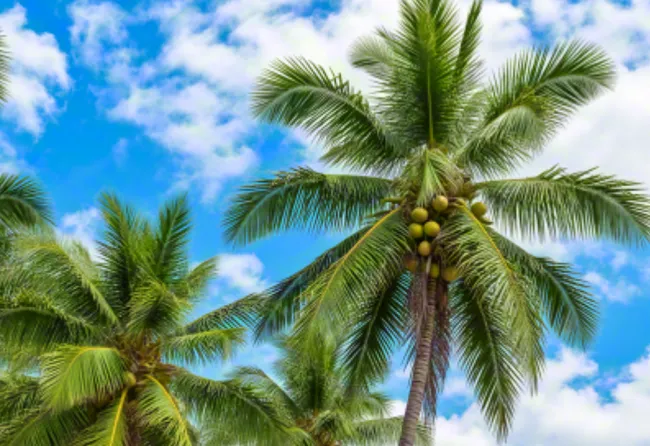
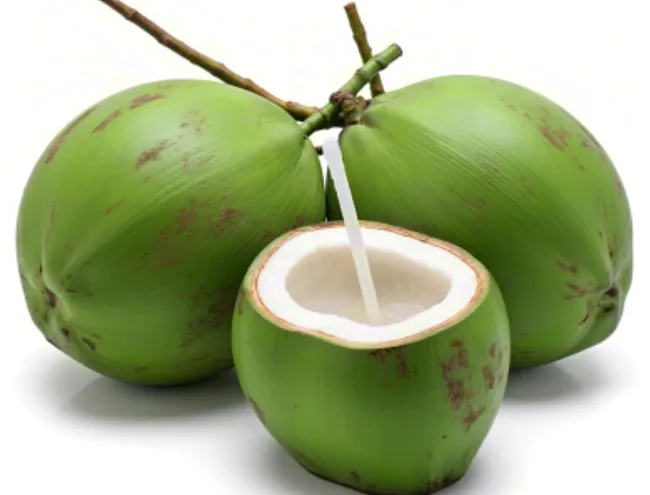
The coconut (Cocos nucifera) is a tropical fruit of the coconut tree. It is a large and hard fruit belonging to the Areca family and grows in coastal areas around the world. It is botanically classified as a drupe (stone fruit) and is renowned for its versatility, providing food, water, oil and raw materials.
Coconuts grow on tropical coasts such as the Philippines, Indonesia and India, symbolizing tenacity and resourcefulness. A coconut tree can produce 75 coconuts every year. Coconuts can float and cross thousands of miles of ocean, helping them spread to new islands.
Coconut is a tropical fruit with a wide range of uses, including edible meat and water, as well as many industrial and cultural applications. Its unique structure and wide application make it one of the most valuable plants in the world.
Coconut leather (also known as “coconut fiber leather” or “coco leather”) is an innovative plant-based material, a biodegradable, vegan alternative to traditional animal leather, made from coconut husk fibers, a by-product of the coconut industry, especially coconut water or leftover materials from meat production. It offers eco-friendly alternatives to animal leather and synthetic plastics.
Unlike many synthetic leathers that rely on plastic, coconut leather comes from natural and renewable resources. Coconut leather is becoming a leader in the sustainable fashion movement, offering a unique combination of durability, unique texture and a circular manufacturing process.
| Feature | Coconut Leather | Animal Leather | PU Leather |
| Source | Coconut husks | Cowhide | Petroleum |
| Eco-Friendliness | High (upcycled) | Low (high impact) | Medium (plastic-based) |
| Durability | Moderate | High | Low-Medium |
| Cost | $$ | $$$ | $ |
As the demand for sustainable fashion continues to grow, coconut leather, as a circular economy solution – transforming waste into luxury goods – is receiving increasing attention. Innovation may enhance its water resistance and affordability.
Yes, coconuts are good materials for making leather. Coconut leather, made from coconuts related materials such as coconut water and coconut shell fibers, features sustainability, durability and softness, and can be used as an alternative to traditional leather.
It is worth noting that coconut leather is suitable for specific lightweight applications, and its sustainability takes precedence over severe wear and tear. For long-lasting performance, traditional animal leather or advanced vegan materials may be better.
The production of Coconut Leather is mainly based on the sustainable utilization of coconut water or coconut shells. Through biological fermentation, fiber blending or environmentally friendly process treatment, it eventually forms a flexible and durable material similar to leather.
The following are two main methods for making coconut leather:
Collect the waste coconut water produced during the coconut processing and disinfect it to kill miscellaneous bacteria.
Disinfected coconut water is used as a nutrient base and specific bacterial cultures (such as Acetobacter) are injected to initiate the fermentation process.
Fermentation lasts for 12 to 14 days. During this period, bacteria secrete cellulose and form gel-like sheets.
The cellulose flakes after fermentation are harvested and impurities are removed through refining to retain the pure cellulose structure.
Mix cellulose with plant fibers (such as banana stem fibers, hemp fibers or teak leaf fibers) to enhance the toughness and durability of the material.
Add natural gums and resins to enhance the flexibility and plasticity of the material.
Press the mixed materials into sheets of the required thickness and texture, and let them air dry and set naturally.
Treat the surface with a waterproof formula that does not contain plastic coatings or synthetic components to enhance the waterproof performance.
The materials are endowed with diverse colors through natural dyeing processes, avoiding the use of chemical dyes.
Made entirely of natural materials, it is non-toxic, harmless and compostable.
It is more flexible than traditional leather, highly durable and customizable in thickness and texture.
The production process is low-carbon and environmentally friendly, in line with the concept of sustainable development.
Collect discarded coconut shells and clean them to remove surface impurities.
Break the coconut shells into small pieces and further grind them into fine powder or fiber fragments to increase the plasticity of the material.
A uniform slurry is formed by mixing water-based polyurethane and other environmentally friendly resins with coconut shell fibers.
The slurry is formed into leather-like sheet materials through coating, calendering or molding processes.
Crosslinking reactions are carried out using water-based curing agents to enhance the strength and wear resistance of the material.
Grind, embossing or surface treat the formed materials to simulate the texture and feel of leather.
Apply an environmentally friendly waterproof layer to enhance the practicality and durability of the material.
Make full use of discarded coconut shells to reduce resource waste and environmental pollution.
The material performance is close to that of traditional leather, and no toxic substances are emitted during the production process.
It is applicable to the manufacturing of fashionable products such as shoes and bags, meeting the demand for sustainable consumption.
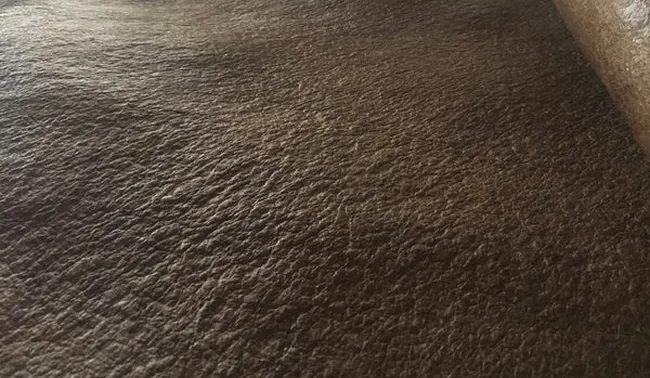
Coconut leather is a moderately durable and practical material. Unlike traditional animal leather, it is not durable and can generally be used for 2 to 5 years.
| Aspect | Performance |
| Tear Resistance | Moderate – suitable for light to medium use items like wallets or notebook covers. |
| Water Resistance | Varies – naturally limited, but can be improved with plant-based or synthetic coatings. |
| Flexibility | Good – often soft and bendable, similar to PU leather. |
| Longevity | Fair – lasts a few years with proper care, but not as long as high-grade leather. |
| Scratch Resistance | Low to moderate – may show wear with frequent abrasion. |
Coconut leather is durable enough for many daily-use products and is best suited for fashion and accessories rather than heavy industrial applications.
| Feature | Coconut Leather | Mushroom Leather(e.g., Mylo, Reishi) | Cactus Leather(e.g., Desserto) | Apple Leather |
| Main Material | Fermented coconut water or husk fiber | Mycelium (fungal root system) | Prickly pear cactus leaves | Apple pomace (waste from juicing) |
| Eco-Friendliness | ♻️ High – made from food/agro waste | ♻️ Very high – low water & energy use | ♻️ High – minimal water, no pesticides | ♻️ Medium – eco-friendly but uses some PU |
| Durability | Moderate – good for accessories | High – close to animal leather | Good – flexible & sturdy | Moderate – best for light use |
| Water Resistance | Variable – needs coating | Good – naturally resistant | Good | Fair – often coated with PU |
| Flexibility & Texture | Soft, slightly rubbery or fabric-like | Very soft, smooth, and leather-like | Smooth, leather-like | Soft, can be stiff without treatment |
| Biodegradability | Yes – if no synthetic coating | Yes | Yes | No – usually contains plastic binder (PU) |
| Common Uses | Bags, wallets, accessories | Luxury bags, shoes, interiors | Bags, shoes, fashion items | Wallets, cases, small accessories |
| Scalability | Small – niche production | Small – still scaling | Medium – growing market presence | Medium – used by brands like Veerah, Samara |
| Price | $$ (mid-range) | $$$ (premium/luxury) | $$ (mid-range) | $–$$ (varies) |
Yes, coconut leather is an excellent material for making bags because it has the advantages of sustainability, durability, and aesthetic appeal.
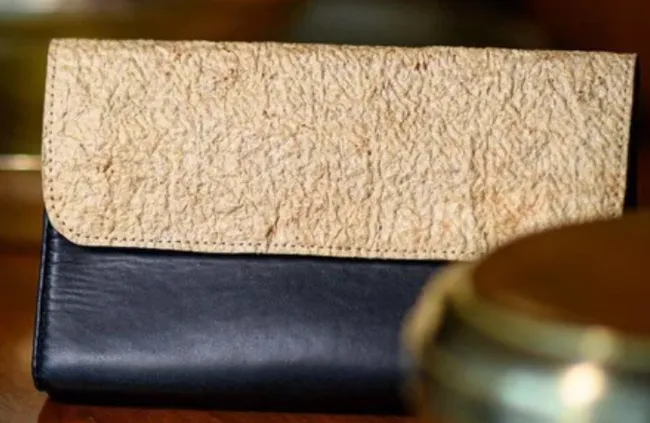
Coconut leather is highly suitable for making fashionable and lightweight handbags, with environmental friendliness and sustainability being key.
Coconut leather, as a new and innovative material, is an excellent choice for making bags. It stands out in terms of durability, environmental friendliness, aesthetics and customization capabilities. If you are choosing bio-base leather materials for your brand’s bags, then coconut leather is a great material. After choosing the materials, you can further select the bag manufacturer to cooperate with. Welcome to cooperate with Gionar to design and manufacture your brand bags together.


Mobile Website

Inquires Whatsapp