- +86 13922774531
- info@gionar.com

English


English
March 27 , 2025
Once upon a time, leather was simple. A cow lived, a cow died (questionable ethics notwithstanding), and then humans turned its skin into something you could sit on or wear while looking smug. But now? Now we have bamboo leather, a material so virtuous. What is bamboo fiber leather? Is it durable, waterproof, and biodegradable?
What is bamboo fiber leather? First of all, like all other vegetarian leathers, bamboo leather is purely botanical, similar to pineapple leather and apple leather, and the raw material of bamboo leather is the base of bamboo fiber.
Bamboo leather is made of bamboo pulp as the main raw material and processed by special technology, which not only retains the excellent characteristics of traditional leather, but also achieves breakthroughs in environmental protection, comfort and functionality, becoming a model of the perfect combination of modern fashion and ecological concepts.
This leather has many of the same characteristics as regular leather, but is softer and more durable. It is also more breathable and has antibacterial properties. It can be used to make a variety of products, including bags, shoes, accessories, purses, belts, clothing, car seats and upholstery.
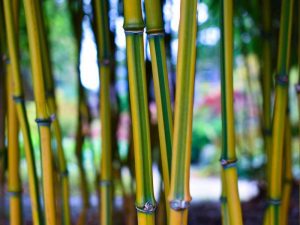
Bamboo leather is not simply the outer skin of bamboo; it is a material obtained through physical or chemical processes that transforms bamboo fibers into ones with leather properties. Depending on the process, it can be classified into several types:
Bamboo Veneer: Thin bamboo sheets produced through processes such as planing, often used for surface decoration.
Bamboo Fiber Leather: Made by extracting bamboo fibers and combining them with plant-based adhesives, it is the current mainstream form of “bamboo leather”.
Woven Bamboo Leather: Handcrafted products where bamboo strips are woven together and combined with materials such as plant tannins.
| Property | Detail |
| Softness | Up to 3× softer than conventional leather |
| Durability | Abrasion resistance of 50,000+ cycles(~10+ years of daily use) |
| Antibacterial | Retains ~98% of bamboo’s natural antibacterial properties |
| Breathability | Naturally “breathing” — more breathable than synthetic leather |
| Water-resistant | Yes, while remaining eco-friendly |
| Biodegradable | Fully biodegradable at end of life (when made without plastic coatings) |
| Chemical-free | Can be produced without toxic dyes or petrochemicals |
While bamboo leather seems like a modern innovation, the use of bamboo fibers dates back centuries:
| Pros | Cons |
| Renewable & fast-growing resource | Chemical processing may involve harmful substances (unless certified eco-friendly) |
| Soft, hypoallergenic, and antibacterial | Durability varies; prone to tearing if thin |
| Biodegradable base material | Coatings (PU/PVC) reduce eco-friendliness |
| Low water/land use vs. cows | Limited availability and higher cost than faux leather |
How to make bamboo leather? Bamboo is abundant and grows rapidly without the use of pesticides or fertilizers. Bamboo requires less water than conventional crops, making it ideal for arid regions.
After harvesting, bamboo is processed to extract long fibers and spun into non-woven materials through cleaning and refining processes. Bamboo leather is made by breaking down cellulose fibers in bamboo and combining them with natural resins.
Finally, the processed bamboo fiber is spun into yarn or thread, woven or knitted into fabric, and further processed and treated to obtain different textures, thicknesses and colors.
Through a series of processes, a strong, durable and environmentally friendly material can be created that can be used to make a variety of products, including clothing, accessories and household items.
During the processing process, bamboo fiber is processed through physical decomposition and biotechnology, completely abandoning the problem of heavy metal pollution in the traditional leather industry, so that the final product is 100% biodegradable and does not contain any harmful chemicals.
Fast-growing bamboo (a renewable resource, requiring no pesticides) is cut down and crushed into small pieces.
Place the bamboo strips in a temperature range of 120 to 150 degrees Celsius and boil them (for 2 to 4 hours) to decompose lignin and obtain bamboo pulp.
Clean and bleach the pulp (without using toxic substances), and extract long cellulose fibers using mechanical or mild chemical methods.
The fibers are cleaned, sorted by length (1 – 10 millimeters), and then dried.
Combine bamboo fibers (80 – 120 parts) with plant-based resin/PLA (polylactic acid) or biodegradable polyurethane as the adhesive.
Heat the mixture (35 – 60 degrees Celsius) and stir to form a uniform slurry.
Pour the slurry onto the conveyor belt, spread it evenly, and press it into thin sheet-like objects.
Remove the moisture through the drying/curing process, thereby forming a flexible and similar felt-like base.
The surface is treated with a plant-based topcoat (non-toxic, water-based) to enhance water resistance, improve durability, and create a texture similar to leather.
The surface is subjected to embossing/matting treatment to imitate cowhide, sheepskin or other textures.
A variety of colors are dyed using eco-friendly pigments.
The finished paper will undergo tests for strength, scratch resistance and biodegradability.
It is cut into rolls or sheets, which are used for making bags, shoes, interior decoration materials, etc.
| Challenge | How Manufacturers Address It |
| Bamboo fibers are stiff and brittle | Blending with softening agents and shorter fiber lengths |
| Hydrophilic fibers + hydrophobic binder | Surface treatment of fibers or use of coupling agents |
| Uneven dispersion | High-shear mixing and nano-sizing of bamboo particles |
| Odor | Deodorization during drying; encapsulation of volatile compounds |
| UV degradation | UV stabilizers in the binder or topcoat |
Not practically. Just like apple leather and other plant-based composite materials, bamboo leather requires the use of industrial equipment to extract fibers, perform high-speed mixing, apply evenly, and control the curing process. Even the homemade version can only produce a fragile and not very durable sheet – definitely not a practical leather substitute.
This careful process gives bamboo leather performance that rivals or even exceeds traditional materials. The table below compares bamboo leather (using high‑end Banbū® as an example) with other materials:
| Property | Bamboo Leather (e.g., Banbū®) | Traditional PU Vegan Leather | Traditional Cowhide Leather |
| Main composition | Natural bamboo fibre + plant-based coating | Petroleum-based polyurethane (PU) | Animal hide + chrome tanning |
| Biodegradability | ✅ Yes (<250 days) | ❌ No | Partially biodegradable, but chrome hinders it |
| Weight | Light (1/3 the weight of cowhide) | Moderate | Heavy |
| Durability | Very high – strong natural fibres resist tearing | Moderate – prone to ageing and cracking | Very high |
| Hand feel & ageing | Soft like lambskin, no odour; does not develop a patina | Plasticky feel; may fade and crack | Develops a rich patina over time |
Bamboo leather is a sustainable material! Bamboo has the characteristics of permanent use after afforestation, bamboo grows completely naturally, releases 35% more oxygen than forests, and is a renewable resource to replace hardwood. Bamboo is grown without pesticides and fertilizers, and can be naturally regenerated 3-5 times a year.
The bamboo leather made of bamboo fiber is better to push bamboo, a high-quality sustainable material, to a wider field. Bamboo fiber is recognized as a natural, healthy, degradable, environmentally friendly material!
Replace animal leather with vegetarian materials, which is both animal protection and not cruel; And protecting animals can also achieve the purpose of low carbon to some extent.
Although traditional PU is also plain, its basic material is chemical fiber; Bamboo leather is definitely a better choice, and degradable, which is difficult to compare with chemical fiber materials.
Bamboo leather itself is not waterproof. However, its water resistance can be improved by treatment or coating. The base material of bamboo leather is usually composed of bamboo fibers, which are porous. This means that without any additional treatment, bamboo leather will absorb water if exposed to moisture for a long time.
However, during the production process, the manufacturer will add a waterproof coating to the bamboo leather, just like the waterproof treatment for the umbrella fabric. Added coated bamboo leather bag, rainy days are not afraid to use!
Very environmentally friendly! Bamboo leather is biodegradable. It is made of bamboo fiber, a natural plant material. These fibers are biodegradable, which means that when exposed to the right environmental conditions (such as composting or soil degradation), that is, when buried in the soil for 1-2 years, they become fertilizers and do not pollute the environment like plastics do.
No problem with daily use! Bamboo leather is suitable for bags and handbags and is durable as long as it is properly maintained, such as scratch or moisture resistance. Its durability depends on the specific production process, the quality of the materials used and the intended use of the final product and other factors, as long as you do not use a knife, do not soak in water, use three to five years no problem.
Generally speaking, the durability of bamboo leather products is the same as that of traditional PU leather, but it can provide a durable alternative to traditional leather products.
Yes! Because bamboo leather is no less practical than traditional leather! Bamboo leather bags are a great choice for environmentally conscious consumers who value comfort and style while balancing robustness and durability. While not yet as hardy as top leather, advances in materials science are rapidly improving its quality! Bamboo leather has emerged as a promising sustainable alternative to traditional leather!
Surprisingly, bamboo leather is no less practical than traditional leather:
The fiber structure gives it a silky touch, completely bidding farewell to the initial stiffness of traditional leather
Laboratory data show that its tear strength is 30% higher than that of comparable cow leather
The unique microporous structure forms a natural air circulation system, which will not be stuffy when worn for a long time
Zhukun natural ingredients can effectively inhibit 99% of common bacteria, especially suitable for shoes, bags and other daily supplies.
| Aspect | Bamboo Leather (High-Quality) | Traditional Vegan Leather (PU/PVC) | Animal Leather |
| Raw material | Bamboo (renewable plant) | Petroleum-based (or with small amount of plant filler) | Animal hides (by-product of livestock) |
| Environmental impact | 33% lower CO₂ emissions; biodegradable | High carbon footprint, petroleum-based, non-biodegradable, polluting production | Methane emissions, high water use, tanning pollution (e.g., chromium) |
| Durability | Very high (abrasion 50,000 cycles) | Moderate – prone to wear, ageing, cracking | High (varies with quality; chrome-tanned is quite durable) |
| Breathability | Good (natural bamboo fibres) | Poor – plastic layer traps heat and moisture | Excellent – natural fibre structure |
| Weight | ~30% lighter than traditional leather | Light | Heavy |
| Overall cost | Medium-high (depends on process & environmental standards) | Low | High (especially for premium, imported hides) |
| Hand feel | Soft, smooth, pleasant | Stiff, plasticky | Soft, elastic, warm |
| Material | Source | Renewable | Biodegradable | Durability | Typical Lifespan |
| Genuine leather | Animal hide | No | No (tanned) | High | 10–30+ years |
| Bamboo leather | Bamboo + binder | Yes | Partial | Moderate | 2–5 years |
| Apple leather | Apple waste + PU | Partial | Partial | Moderate | 2–5 years |
| Mushroom leather (Mylo) | Mycelium | Yes | Partial | Moderate | 2–5 years |
| Cork | Cork oak bark | Yes | Yes | Moderate | 5–10 years |
| PU leather | Petroleum | No | No | Low–moderate | 1–3 years |
| PVC leather | Petroleum | No | No | Low | 2–4 years |
| Company / Material | Notes |
| Various Asian manufacturers | Produce bamboo fiber composites for fashion brands |
| Bamboo textile companies | Some extend into leather-like sheet materials |
| Emerging bio-binders | Research into using natural rubber or algae-based resins instead of PU |
From the fashion industry to the home sector, bamboo leather is shining:
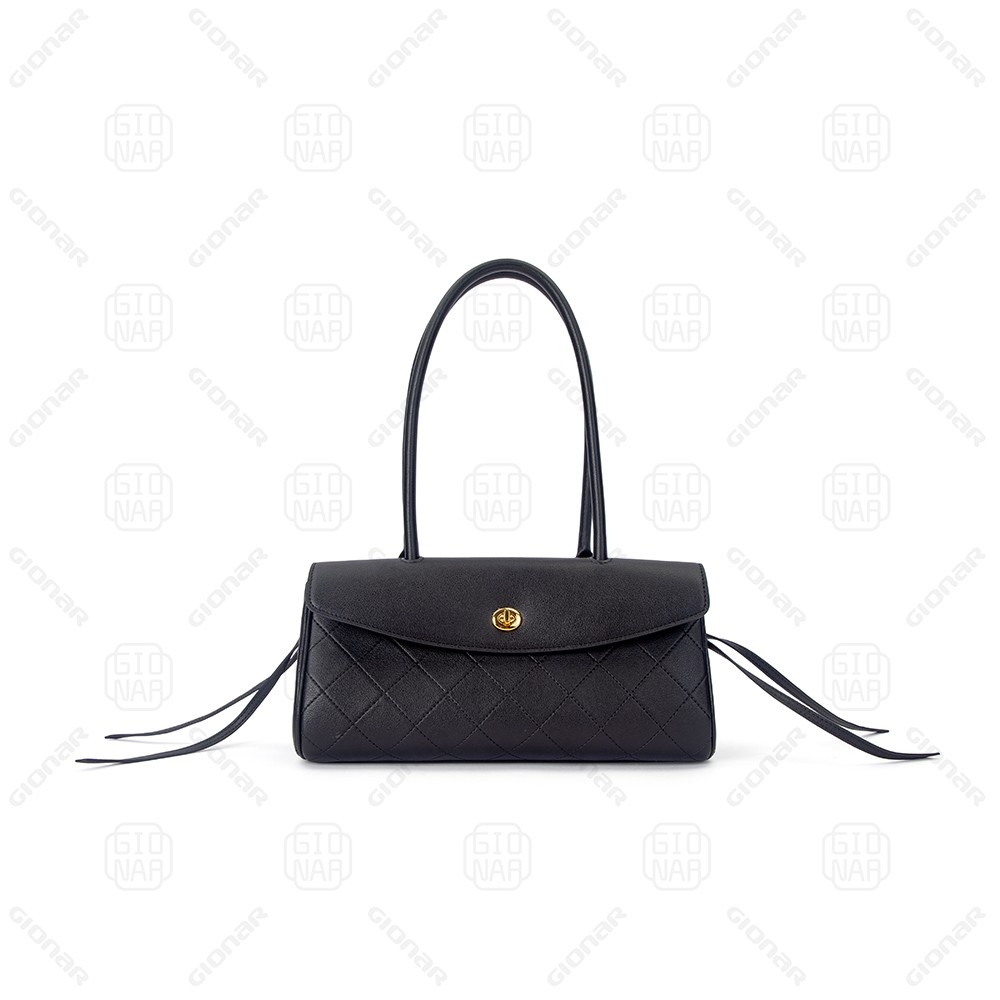
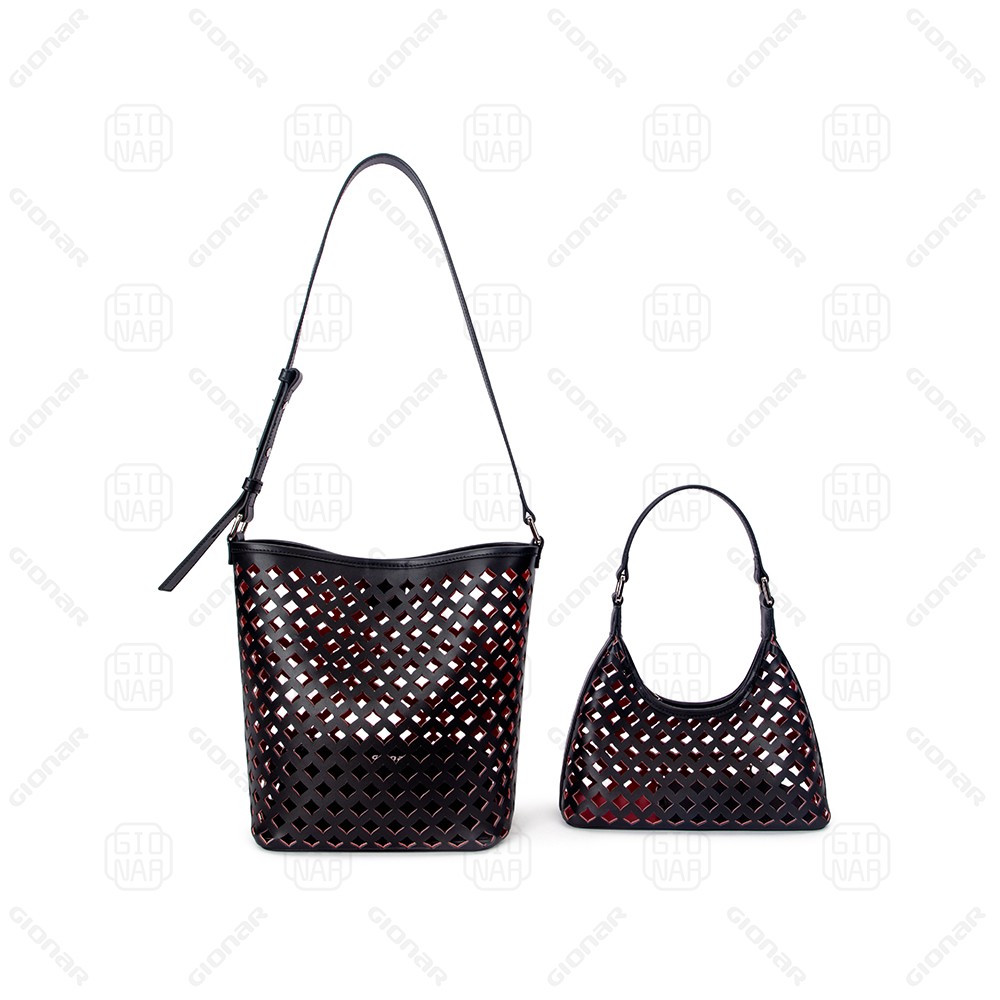
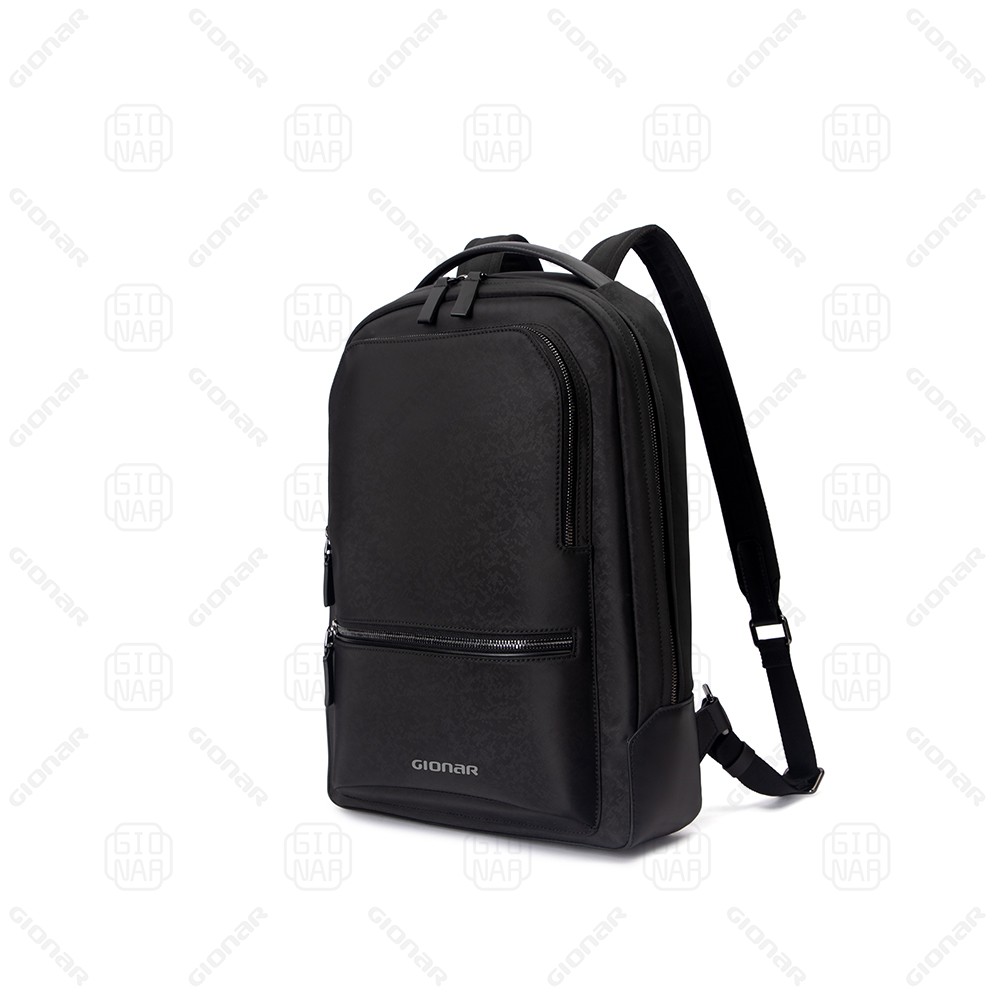
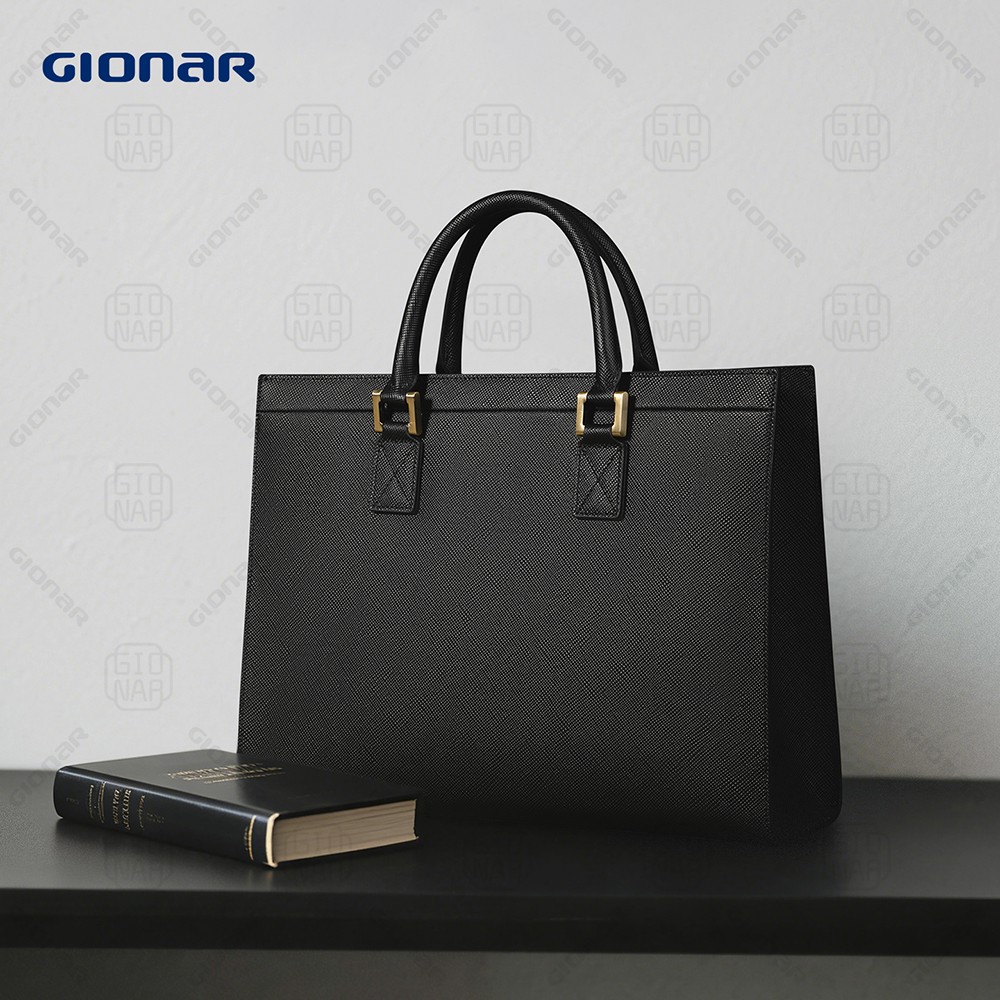
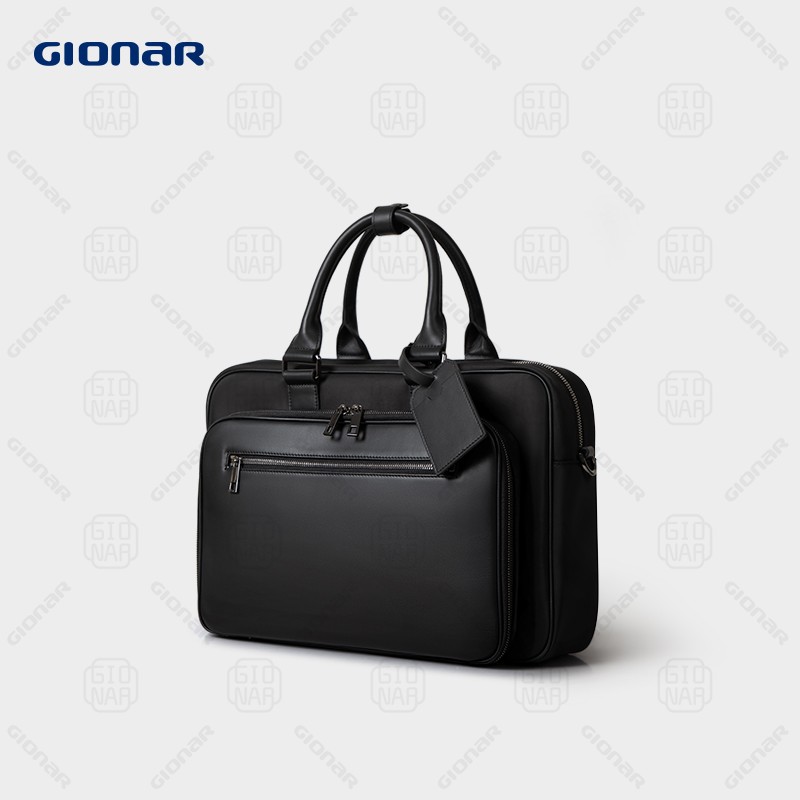
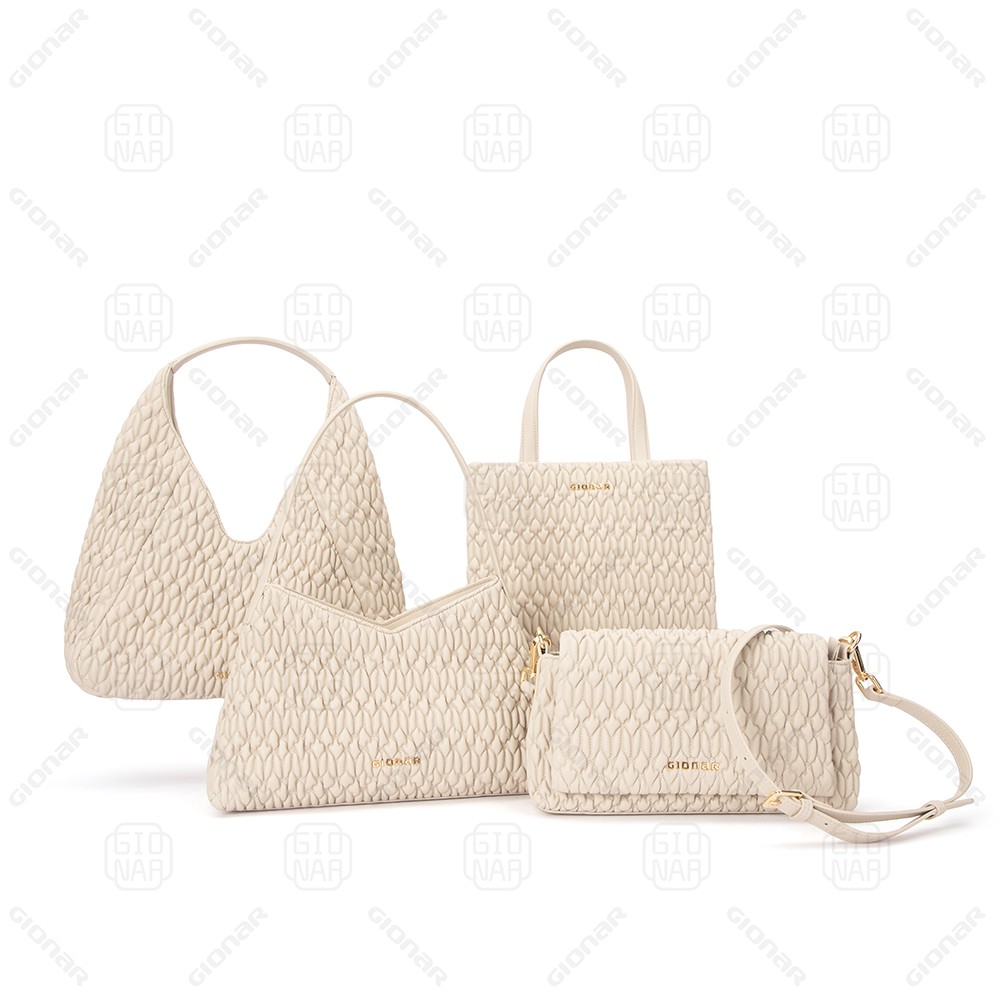
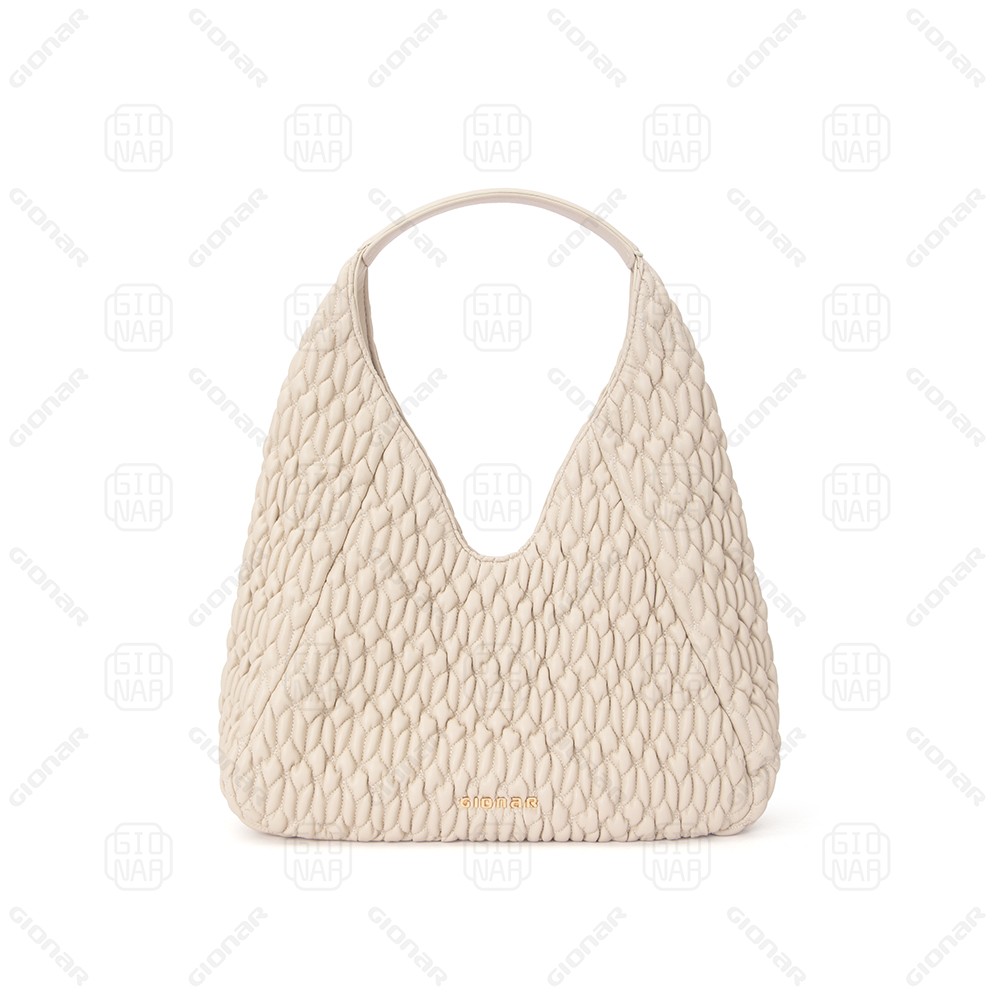
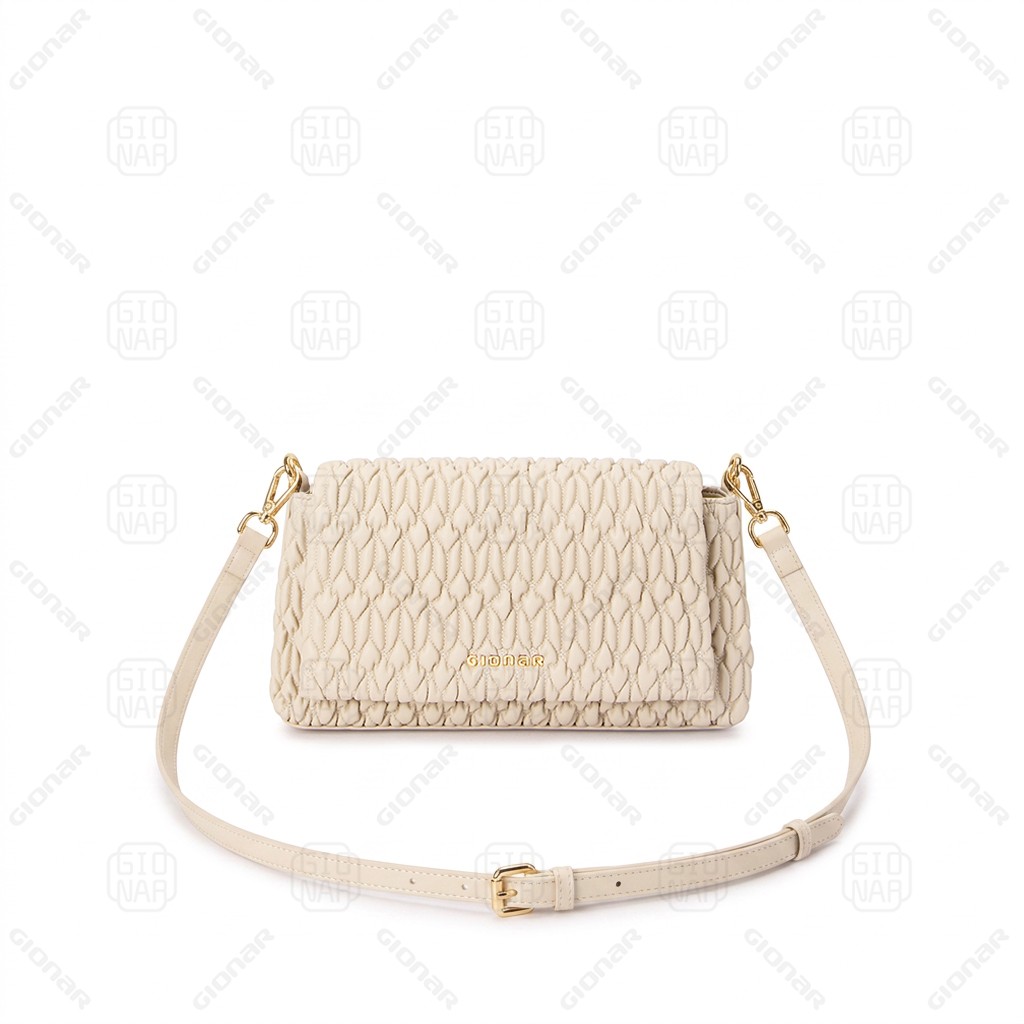
At Gionar, we offer a wide range of bags for you to choose from and customize. Our custom handbags and accessories include crossbody bags, totes, shoulder bags, clutches, hoitbags, mini purses, wallets, belts and more. As long as you have relevant needs, you can contact us to customize your bag. We also accept a wide range of customized services from our global partners, hoping to create the most suitable products to meet the unique vision of our partners.
More about bamboo leather bags customization services:


Mobile Website

Inquires Whatsapp