- +86 13922774531
- info@gionar.com

English


English
March 26 , 2025
The fashion and textile industries have been exploring sustainable alternatives to traditional animal leather and synthetic materials. One of the very innovative and environmentally friendly options is beech bark leather, a plant-based material extracted from the bark of beech trees. But what exactly is beech bark leather, and how is it made?
Beech (Fagus genus) is a deciduous tree in the Beech family native to subtropical (accessory forest element) and temperate (main element in mesophytic forests) Eurasia and North America.
The European beech Fagus sylvatica is the most common cultivated tree and can be used as a practical wood for furniture construction, flooring and engineering purposes, plywood and household items. The bark of beech trees can also be made into leather.
Beech bark leather is a natural, tree-based textile made from the outer bark of beech trees (Fagus sylvatica). Unlike traditional leather, which requires animal hides, this material is entirely plant-based and sustainable.
Beech bark is an excellent choice for tanning leather because it is rich in tannic acid – a natural ingredient that is crucial in the traditional leather tanning process. Studies have shown that the tannic acid content of beech bark is about 4%-7%, a ratio that makes it an effective vegetable tanning agent. Compared with other tanned materials, beech bark not only comes from a wide range of sources, but also has a fine texture and natural color after processing, which is favored by artisan leather enthusiasts and professional craftsmen.
If you are looking for an all-natural, efficient and environmentally friendly leather tanning solution, beech bark is certainly an option worth trying. Whether used for hand-made leather goods or small-scale leather processing, it can help you create high-quality leather products that are both beautiful and durable.
Biodegradable – Unlike synthetic leathers (e.g., PVC or PU), it decomposes naturally.
Durable & Flexible – When processed correctly, it can mimic the texture and strength of animal leather.
Eco-Friendly – No toxic chemicals or animal products are used in its production.
Why has the bark been preferred as the main material for leather tanning for thousands of years? Trees have irreplaceable natural advantages as tannin sources. First of all, trees are large and strong in structure, and the bark reserves of an adult tree can often reach tens of kilograms, which provides sufficient raw materials for large-scale tanning. Especially in areas rich in forest resources, people can easily obtain oak, willow, beech and other tannin-rich bark, which is economical and efficient. More importantly, the tannin concentration in the bark is usually maintained at a high level, in the case of beech, its tannin content can reach 4%-7%, this natural high concentration characteristics make it an ideal tanning material.
The production of beech bark leather involves several steps, from harvesting the bark to tanning and finishing the material.
Harvest the bark. By peeling off the outer bark of a beech tree, the tree can regenerate. And harvesting takes place in late spring or early summer, when the bark is easier to remove without harming the tree.
The harvested bark is washed and soaked to remove dirt and debris.
It is then flattened and dried to prepare for further processing.
Unlike traditional leather tanning (which uses chromium and other harmful chemicals), beech bark leather is tanned using plant-based tannins (e.g., oak gall, mimosa, or quebracho extracts).
The bark is soaked in these natural solutions to preserve and soften it.
After tanning, the bark is pressed to achieve a smooth, leather-like texture.
Optional coatings (such as natural waxes or oils) may be applied to enhance durability and water resistance.
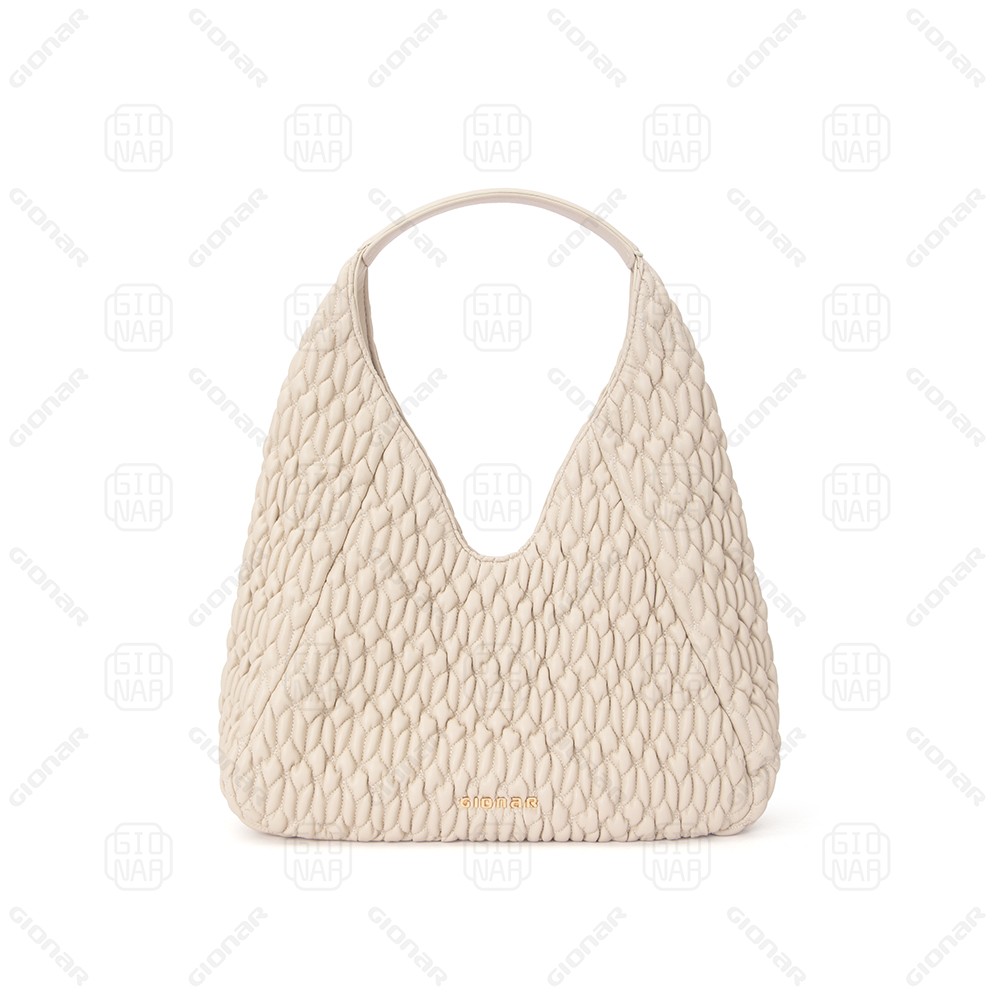
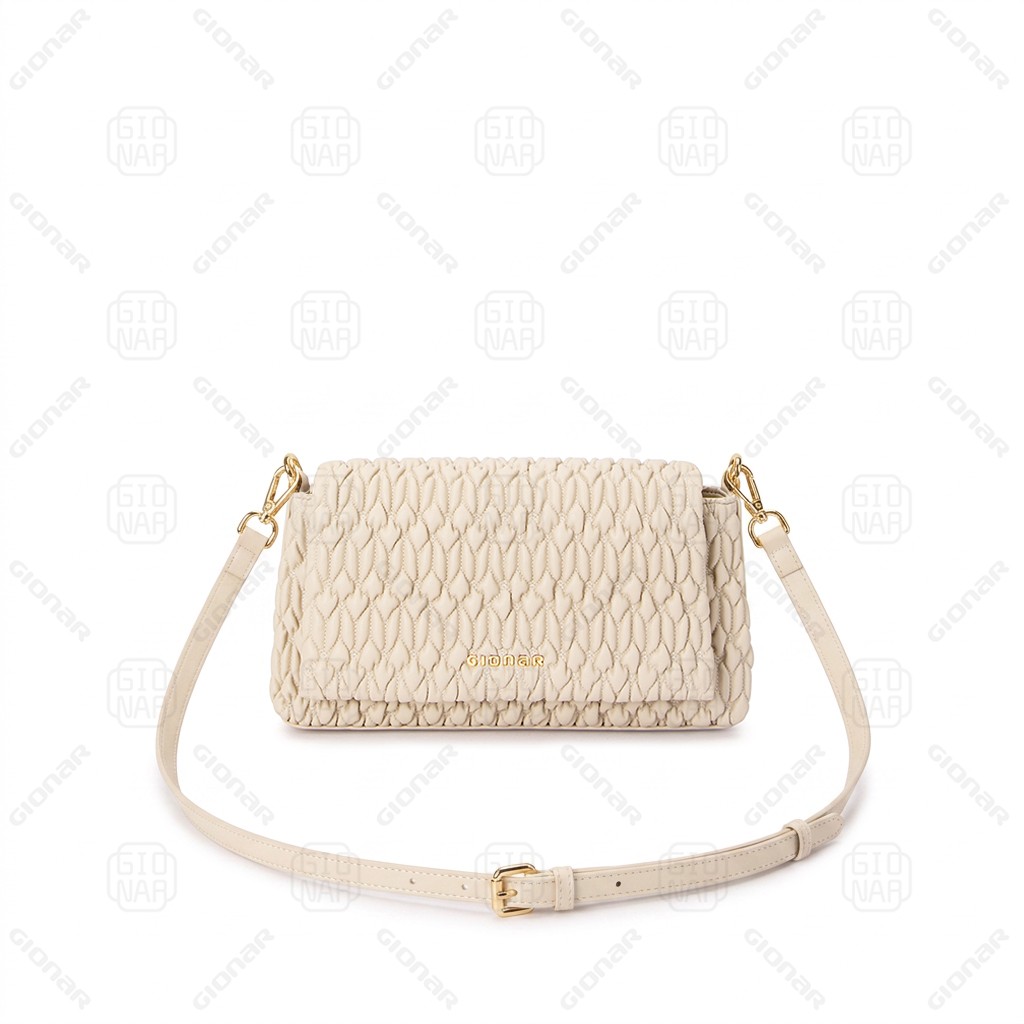
The finished material is then cut and shaped into bags, shoes, wallets, or upholstery, just like traditional leather.
✅ No Animal Cruelty – 100% plant-based.
✅ Low Carbon Footprint – Requires fewer resources than animal leather.
✅ Biodegradable – Unlike synthetic leather, it won’t pollute landfills.
✔ Breathable & Lightweight – More comfortable than plastic-based vegan leather.
✔ Naturally Water-Resistant – Due to the bark’s inherent properties.
✔ Unique Aesthetic – Each piece has a distinct, organic pattern.
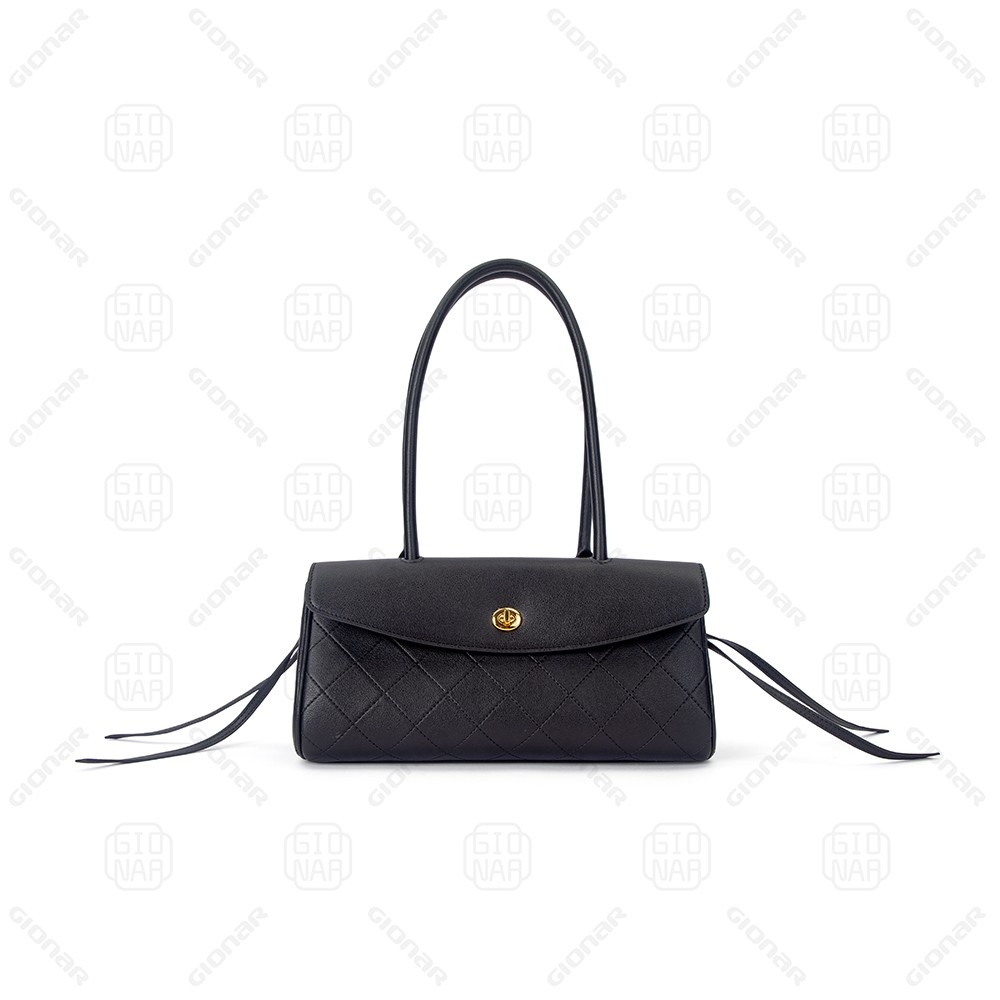
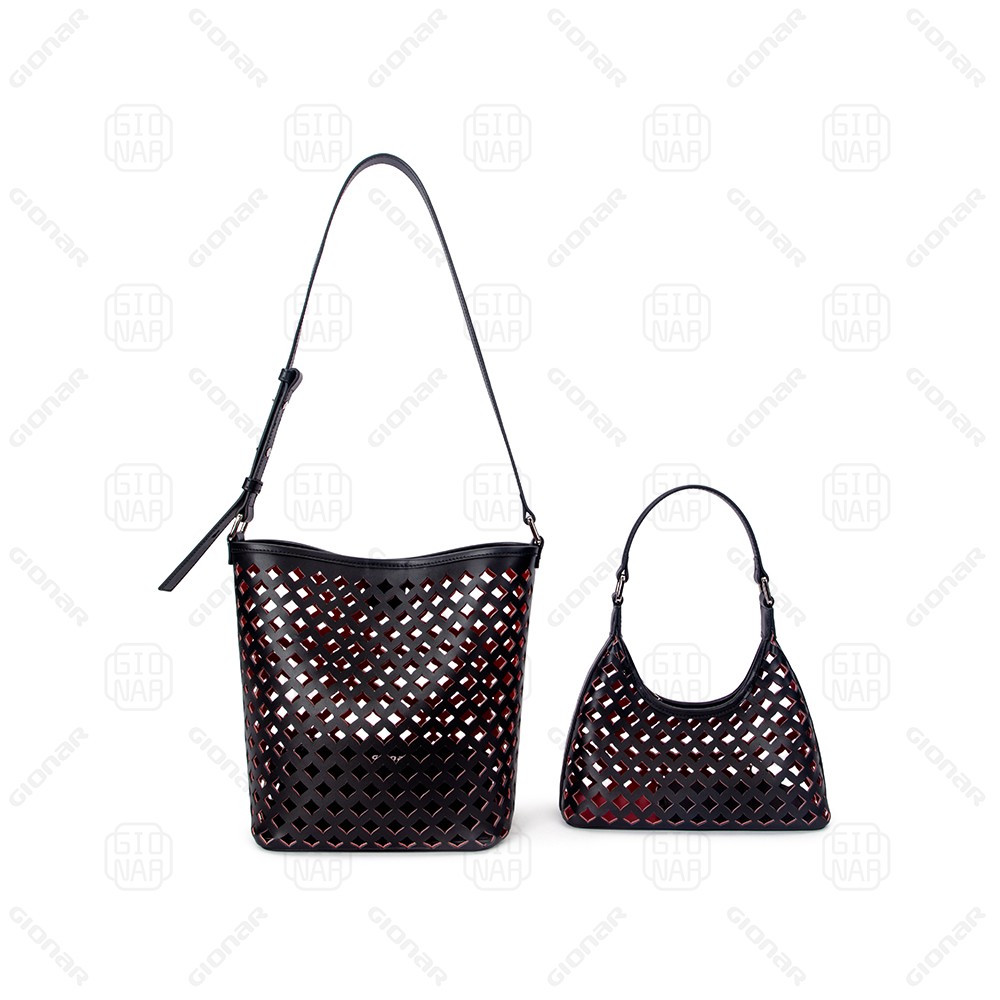
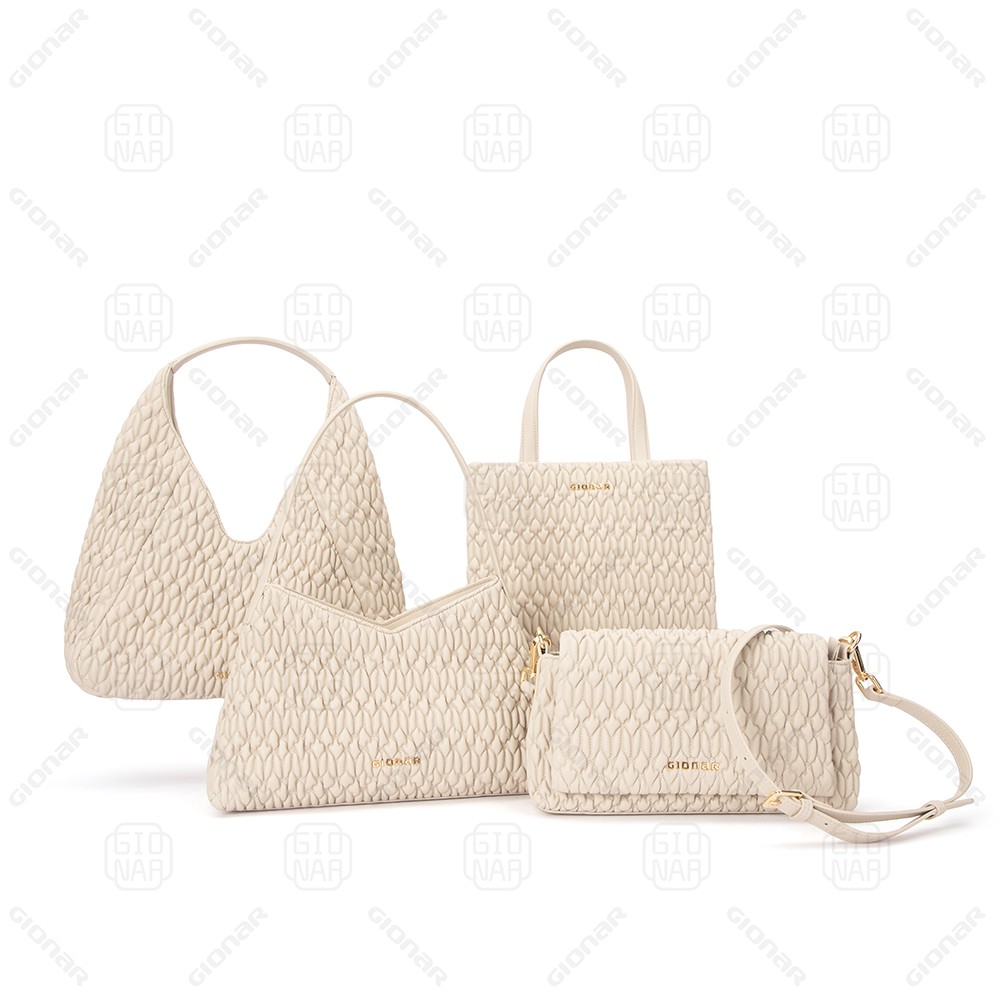
Fashion: Handbags, shoes, belts, jackets.
Furniture: Upholstery, decorative panels.
Accessories: Wallets, watch straps, phone cases.
Beech bark leather is also a vegan leather and is a revolutionary step in sustainable fashion, offering a cruelt-free, biodegradable and durable alternative to traditional leather. The production of beech bark leather is still in its early stages and will have greater potential for development in the future.


Mobile Website

Inquires Whatsapp