- +86 13922774531
- info@gionar.com

English


English
May 21 , 2022
The first layer of cowhide has the characteristics of very good air permeability, flexibility, plasticity and wear resistance, and is very high in gloss and has a very good sense of leather, so the clothes made of it are mainly “expensive”! What is Top Layer Cowhide Leather? Is it really worth the premium price tag? And why does that new leather smell trigger something primal in our brains?
Not all leather is created equal. When we talk about top layer cowhide leather, we’re referring to the Top-tier of the leather world. Imagine the hide is like a layered cake (albeit a very tough, hairy cake):
Top Grain (Our Star Player): The uppermost layer containing all the natural grain patterns
Split Leather: The lower layers separated to make suede or corrected leather
Bonded Leather: The “hot dog” of leathers – ground up bits pressed together
The densest collagen fiber network (nature’s perfect weave)
All the original pore structure (leather’s “fingerprint”)
The natural protective barriers that made it cow armor
Fun fact: The average cowhide provides just 8-12 square feet of usable top grain leather – barely enough to make two jackets! That’s why your leather goods cost what they do.
Modern tanning would make Cleopatra jealous. Today’s hides undergo:
Salt Baths (to prevent decomposition)
Hair Removal (using a lime solution that would make your skin crawl)
Pickling (in acids that sound like mad scientist formulas)
Tanning (using chromium or vegetable extracts)
Pro tip: The best tanneries recycle 95% of their water – making leather more eco-friendly than most fast fashion!
Barbed wire scars (cowboy chic or defect?)
Insect bites (nature’s unwanted embroidery)
Stretch marks (even cows have them!)
Full Aniline: The untouched supermodels of leather
Semi-Aniline: Light makeup to even complexion
Pigmented: The full-coverage foundation approach
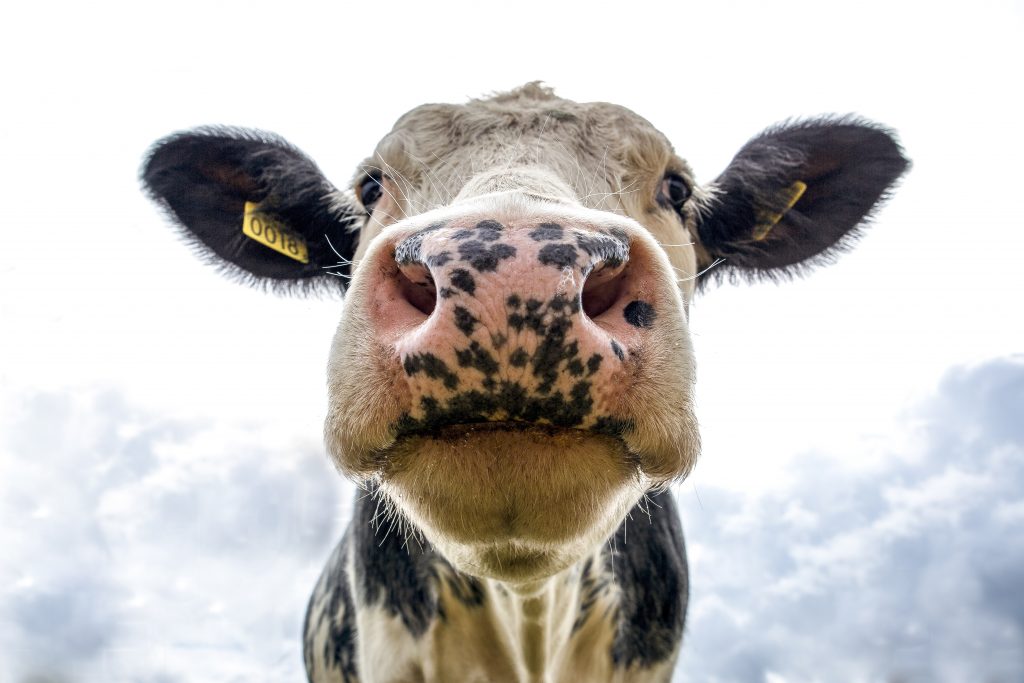
Why top layer cowhide leather is so expensive? Since the gloss and appearance of the two-layer cowhide are similar to that of the first layer cowhide, it is far inferior to the first layer cowhide in terms of wear resistance and air permeability. It is very easy to fall off and burst on the skin surface. Prices are also relatively cheap.
For recycled leather, it is mainly the recycled leather material produced by using leather or the edge and corner fragments continuously generated by recycled leather raw materials in the process of raw material processing, which is made after recycling and processing. It has the characteristics of PU and leather.
Artificial leather is also known as PU / PVC in terms of alias, which is very similar from the surface feel of leather. Because it is not as good as leather in terms of wear resistance and air permeability, it is also very easy to fade. It is relatively not as good as leather in terms of resilience and hand feel. It is very easy to fade, and it is also relatively not as good as leather in terms of resilience and hand feel.
And it will be very similar to the current fake and genuine products in principle. As leather is relatively expensive in terms of leather materials, fake leather and artificial leather will once be popular and will be widely used in bag and clothing making.
For high-quality leather clothes, in fact, it is best not to machine wash and hand wash, and do not wash frequently. For the consequences that are easy to cause cortical deformation; If it is necessary to clean, you can first take a soft cloth to wipe the dust on the surface of leather clothes, and then use a toothbrush to dip in and dilute the neutral lotion to clean the lining of leather clothes or bags.
After cleaning, the leather clothes or bags can not be directly exposed to the sun for drying. First, use a towel to absorb the water, and evenly apply a layer of Vaseline or glycerin on the water stains, and hang them on the hanger and place them in a ventilated and cool place for drying.
Tensile Strength: Stronger than steel ounce-for-ounce
Breathability: 10x more breathable than synthetic “pleather”
Thermal Regulation: Keeps you warm in winter, cool in summer
Aging Process: Develops a patina that tells your life story
At microscopic level, top grain leather is a marvel:
Collagen Fibers: Arranged in a 3D basketweave pattern
Natural Oils: Self-conditioning system
Pore Structure: Functions like miniature air conditioners
Real-world test: A 1940s leather jacket found in a WWII wreck was still intact and pliable after 70 years underwater!
✓ A rich, organic aroma
✓ Nothing like plastic or chemicals
✗ If it smells like a new car interior, it’s likely fake
Temperature Check: Real leather feels warm, synthetics stay cold
Wrinkle Test: Natural creasing vs. plastic-like folds
Edge Inspection: Look for rough, fibrous edges (synthetics are perfectly smooth)
A drop of water on real leather:
Absorbs slowly like fine whiskey
Leaves a temporary dark spot that fades
On fake leather? It beads up like a raincoat
Self-Healing Coatings: Microscopic capsules that repair scratches
Smart Leather: Embedded sensors for temperature control
Bio-Fabricated: Lab-grown leather without the cow
Modern tanneries are now:
Using solar power for production
Recycling 99% of chromium (the main tanning agent)
Creating biodegradable finishes
Fun fact: Leather is actually a byproduct of the meat industry – we’d be wasting millions of hides if we didn’t use them!
In our age of space-age materials and high-tech synthetics, top layer cowhide leather remains nature’s perfect material – a testament to sustainable ingenuity that improves with age.
Previous :
Processing process of international leather productsNext :


Mobile Website

Inquires Whatsapp