- +86 13922774531
- info@gionar.com

English


English
March 10 , 2025
Handbag, a product that many people are using, is a very common everyday item, which contains great commercial potential. With increasing environmental awareness and consumers’ pursuit of personalized products, the tote market is undergoing a revolution. From environmentally friendly shopping bags in supermarkets to luxury handbags in the fashion industry, handbags have become a diversified market, attracting the attention of countless entrepreneurs.
The creation of the handbag business is not only for profit, but also to meet market demand, promote sustainable development, and even realize personal entrepreneurial dreams. Whether you’re a designer, an environmentalist, or just passionate about the tote industry, handbag manufacturer gionar wants to provide you with detailed guidance to help you start your own handbag brand from scratch.
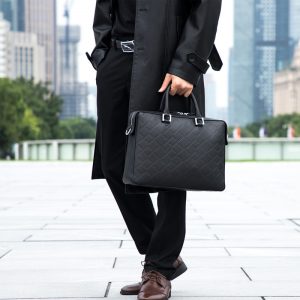
Before creating a tote business, you first need to conduct in-depth market research. This step is crucial because it will help you understand market needs, competitors, and industry trends to build a solid foundation for your business.
Identifying your target customer group is the first step in market research. Different customer groups have different needs and preferences for tote bags. For example, environmentalists may be more inclined to buy tote bags made from sustainable materials, while fashionistas may pay more attention to the design and branding of the tote bags.
You can use questionnaires, social media analysis, market reports, etc. to understand the needs and spending habits of your target customers. For example, you can design a simple questionnaire that asks potential customers what kind of tote bag they prefer, how much they are willing to pay for a tote bag, and where they usually buy a tote bag.
The similarities between men’s bags and women’s bags
Quality pursuit: Both male and female consumers pay attention to the quality and durability of bags.
Brand influence: Well-known brands have high appeal in both male and female markets.
Functional requirements: Multi-compartment design, portability and practicality are the common needs of both male and female consumers.
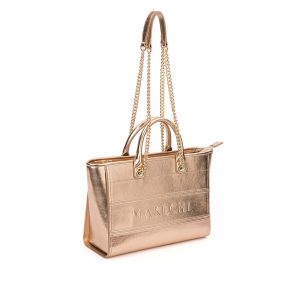
Design preferences: Men prefer simple, understated designs, while women are more focused on fashion and variety.
Consumption motivation: Male consumers are more rational and pay attention to practicality; Female consumers are more emotional and easily moved by design and emotion.
Price sensitivity: Male consumers are less sensitive to price and are willing to pay a premium for high-quality products; Female consumers are more concerned about value for money and promotions.
Knowing your competitors is another important aspect of market research. You need to study the product characteristics, pricing strategies, market positioning and marketing methods of existing tote brands. By analyzing the strengths and weaknesses of your competitors, you can find gaps and opportunities in the market.
For example, you can select several well-known handbag brands and analyze their product lines, price ranges, sales channels and customer reviews. You can also learn about their marketing strategies and market performance through social media and industry reports.
The tote industry is undergoing rapid change, and emerging trends such as environmentally friendly materials, sustainable design, smart features and more are changing the market landscape. You need to pay attention to these trends and think about how you can incorporate them into your product.
For example, in recent years, environmentally friendly materials such as organic cotton, recycled plastics, vegetable leather and so on have become more and more popular with consumers. You can consider using these materials to make tote bags to meet consumer demand for environmentally friendly products.
After completing the market research, the next step is to develop a detailed business plan. A business plan is a blueprint for your business that will guide you every step of the way, from product design to marketing.
Brand positioning is at the heart of your business. You need to identify your brand’s core values and target market. For example, you can choose to focus on eco-friendly tote bags, or focus on luxury handbags. Whatever positioning you choose, you need to make sure it matches the needs and preferences of your target customers.
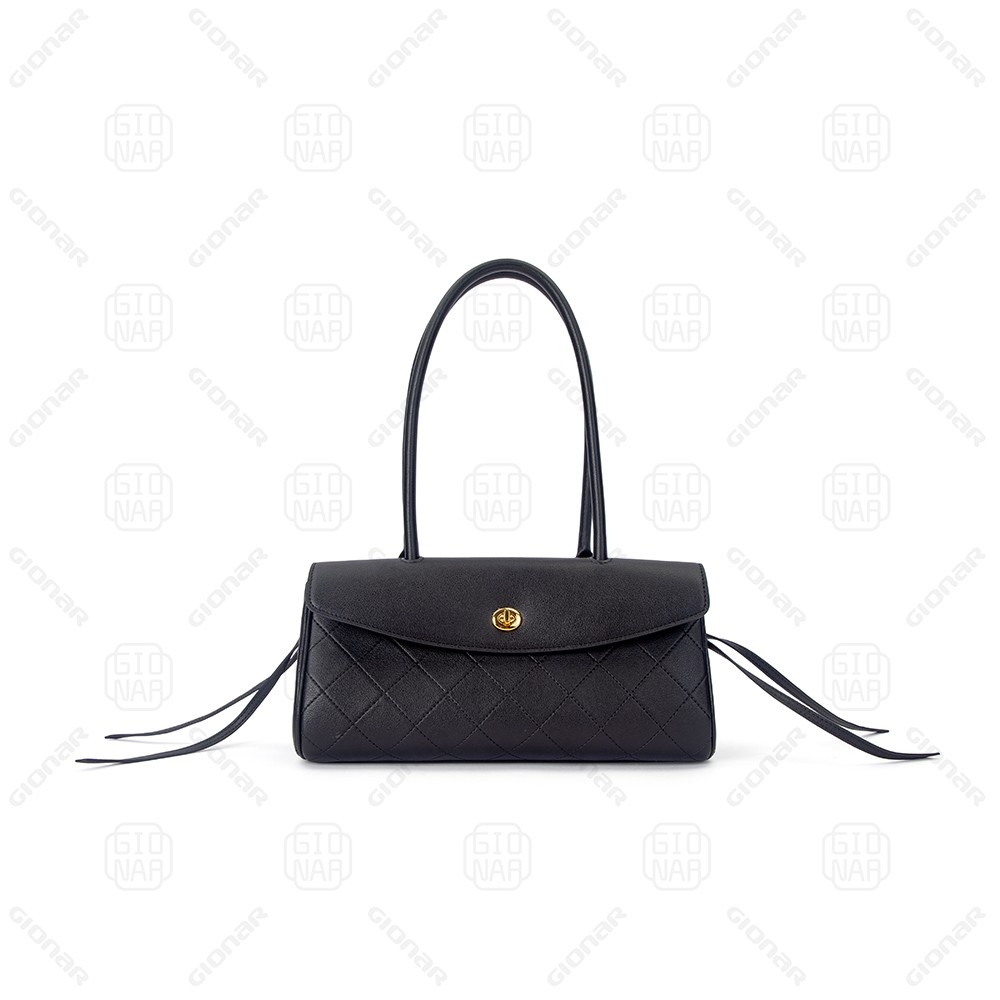
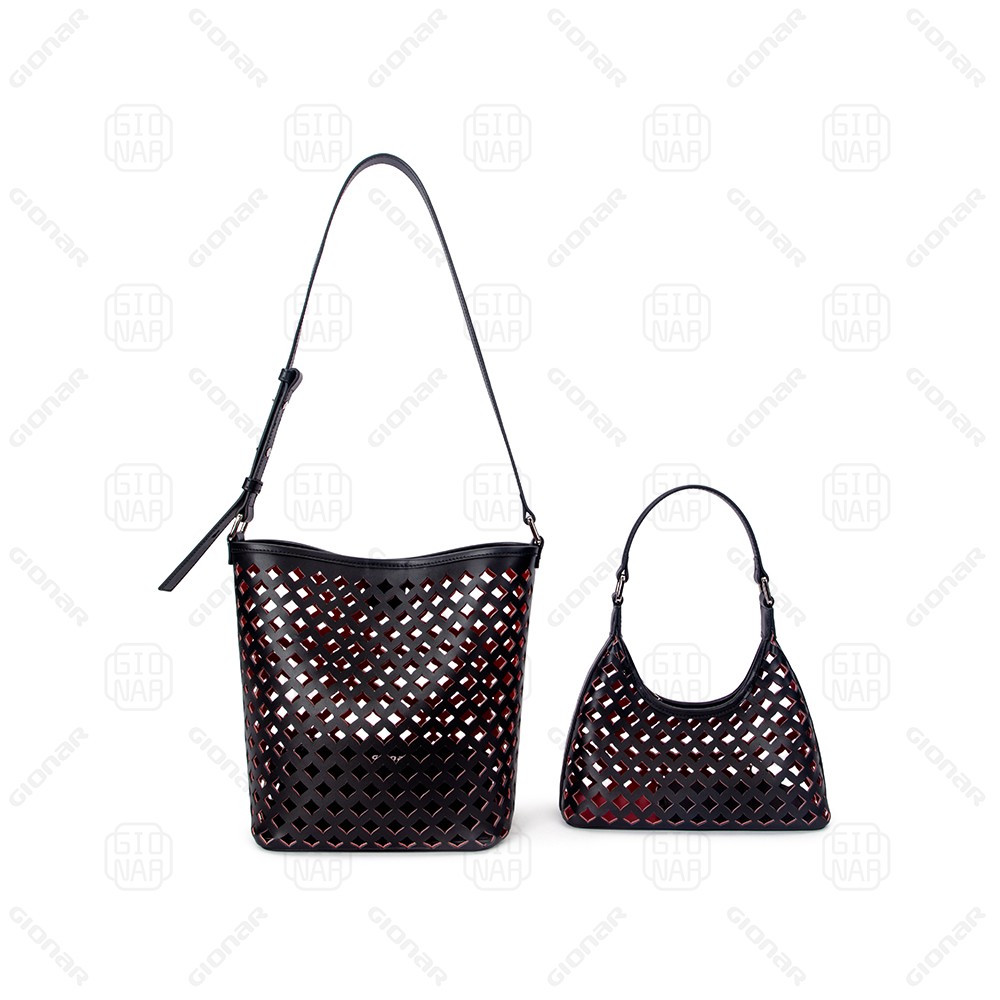
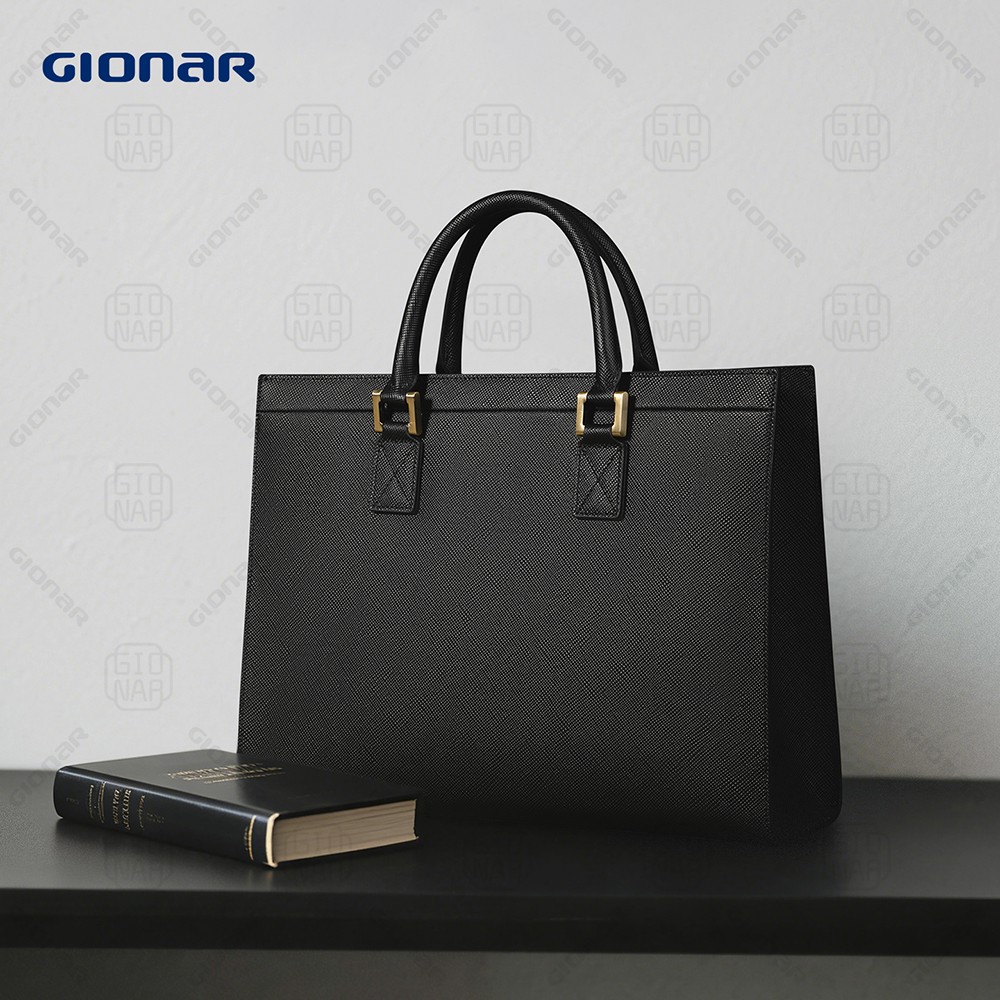
Product line planning is an important part of a business plan. You need to design a diverse product line to meet the needs of different customers. For example, you can design tote bags in different materials, sizes and styles, from simple eco-friendly shopping bags to luxurious leather handbags.
Financial planning is key to ensuring a sustainable business. You need to estimate start-up capital, production costs, pricing strategies, and profitability goals. For example, you can understand the market price of tote bags through market research, and then develop a pricing strategy based on production costs and profit margins.
Product design is at the heart of the tote business. You need to determine the overall style, functional design and material choice of the tote bag.
The design style of the tote bag should match the brand positioning. For example, if your brand positioning is environmentally friendly tote bags, then you can choose a simple, natural design style; If your brand is positioned as a luxury handbag, then you can choose a luxurious, sophisticated design style.
The functional design of the tote bag is equally important. You need to consider the utility of the tote bag, such as capacity, portability, durability, etc. You can also incorporate innovative features, such as foldable, waterproof, smart labels, etc., to enhance the competitiveness of the product.
Environmentally friendly materials are an important trend in the handbag industry. You can choose to use organic cotton, recycled plastic, vegetable leather and other sustainable materials to make the tote bag. This will not only help protect the environment, but also attract more and more environmentally friendly consumers.
The production process is the key to ensure product quality and cost control. You need to find reliable suppliers, make and test samples, and finally scale up production.
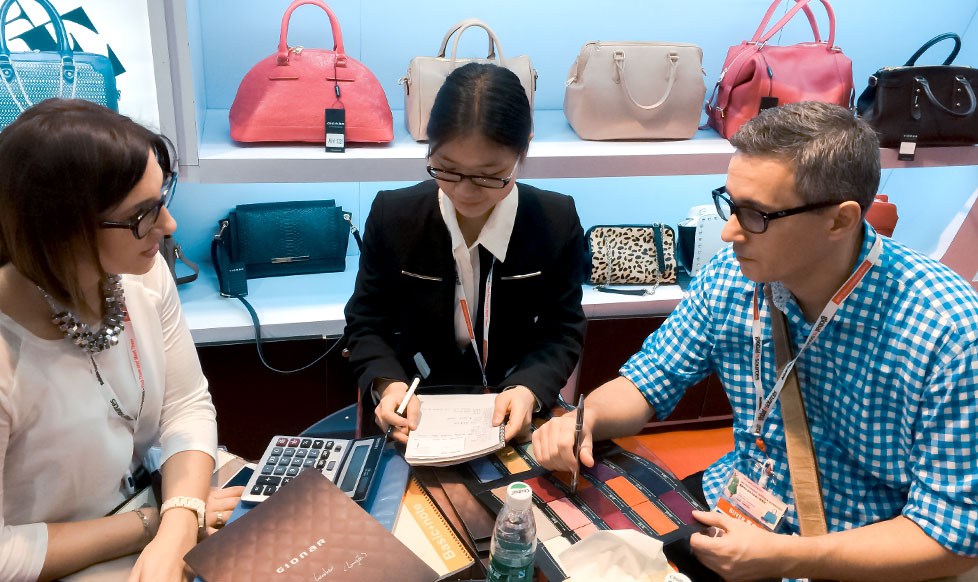
Selecting reliable raw material suppliers and manufacturers is the first step in the production process. You need to ensure material quality and productivity. For example, you can find suppliers through trade shows, online platforms and referrals.
Before large-scale production, you need to make samples and conduct quality tests. This helps ensure that products meet design requirements and customer expectations. For example, you can invite potential customers to try out samples and collect their feedback.
Once the sample has passed the test, you can go to scale production. You need to make production plans, optimize production processes, control costs and ensure product quality. For example, you can use production management software to track production progress and costs.
This part of the production process can be directly handed over to Gionar handbag manufacturers, Gionar is a leather goods wholesale and OEM, ODM production trader, with more than 19 years of history in the world.
Brand image is key to attracting customers and building loyalty. You need to design a unique brand name and logo, tell the brand story, and unify the visual style of the brand.
The brand name and logo are the core of the brand image. You need to design a brand name and logo that is unique and easy to remember. For example, you can choose words related to environmental protection, fashion or luxury as a brand name, and design a concise, recognizable logo.
Brand stories are an important way to convey brand ideas and values. You can tell the story of the original intention, philosophy and vision of the brand to enhance the emotional resonance of the customer. For example, you can tell a brand story through its website, social media and packaging.
Visual identity system is the key to unify the brand image. You need to design a consistent visual style, including packaging design, website design, social media presence, etc. For example, you can choose a dominant color and font and use it in all your brand materials.
Marketing strategy is an important means to promote the brand and attract customers. You can promote your brand through online and offline channels.
Social media promotion: Use Instagram, Pinterest, TikTok, facebook, Twitter and other platforms to showcase products and attract young consumers. For example, you can post photos and videos of stylish tote bags to attract followers’ attention.
Content marketing: Share handbag fashion collocation, environmental protection knowledge and other content through blogs, videos and other forms. For example, you could write a blog post about how to choose an eco-friendly tote bag or make a video about the process of making a tote bag.
E-commerce platform sales: Open stores on Amazon, Etsy, Taobao and other platforms to expand sales channels. For example, you can post product information on these platforms and offer coupons and discount codes to attract customers.
Pop-up stores and bazaars: Interact with customers through offline activities to increase brand awareness. For example, you could set up a pop-up shop at a fashion market or environmental trade show to display and sell tote bags.
Cooperative promotion: Cooperate with fashion bloggers, environmental organizations, and corporate customers to expand brand influence. For example, you can invite fashion bloggers to try out the tote bag and share the experience on social media.
Customer relationship management is an important means to enhance customer loyalty. You can build a membership system, provide personalized service, and enhance customer loyalty. For example, you can offer exclusive discounts, birthday gifts, and pre-emption rights to members.
Day-to-day operations are key to ensuring the smooth running of your business. You need to optimize inventory management, logistics and customer service.
Inventory management is the key to ensure product supply and cost control. You need to optimize your inventory system to avoid overstocking or shortages. For example, you can use inventory management software to track inventory levels and sales trends.
Logistics and distribution are key to ensuring that products reach customers in a timely manner. You need to choose an efficient logistics partner to ensure timely delivery of your products. For example, you can work with multiple logistics companies to choose the best delivery method based on customer needs and costs.
Customer service is an important means to improve customer satisfaction. You need to provide quality pre-sales and after-sales service to solve customer problems and improve customer satisfaction. For example, you can set up a customer service hotline and online customer service to respond to customer inquiries and complaints in a timely manner.
Brand expansion is an important means to enhance brand influence and market share. You can achieve brand expansion through product line expansion, international market expansion and brand partnerships.
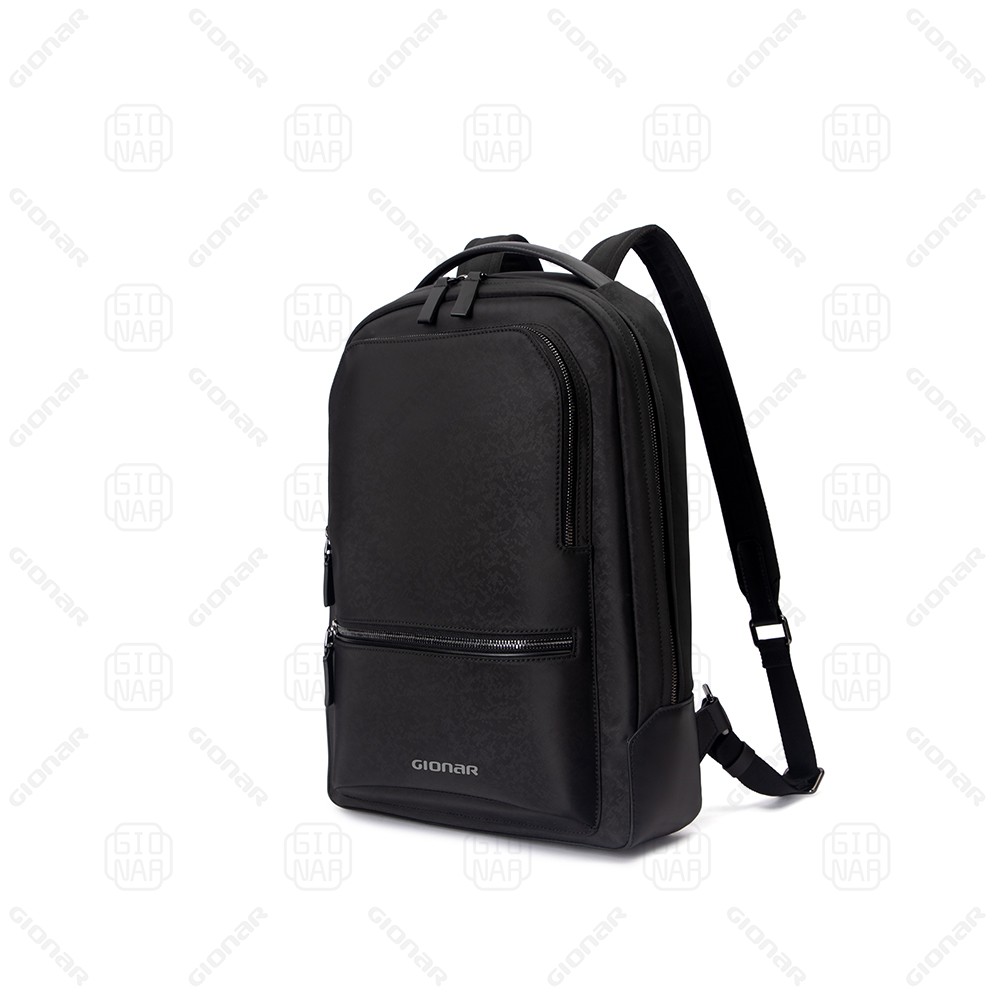
Product line expansion is an important way to meet market demand and enhance brand competitiveness. You can launch related products (such as backpacks, wallets, accessories, etc.) according to market demand to enrich the brand product line. For example, you can design new tote styles and features based on customer feedback.
International market expansion is an important way to enhance brand influence and market share. You can study the international market, develop a localization strategy, and gradually enter the global market. For example, you can access the international market through cross-border e-commerce platforms and overseas agents.
Brand cooperation and co-branding is an important means to enhance brand influence and attract new customers. You can collaborate with other brands or designers to launch a co-branded tote bag and increase your brand influence. For example, you can collaborate with a well-known designer to launch a limited edition tote bag that will attract the attention of fashionistas.
Successful brand case analysis is an important way to learn from experience and enhance competitiveness. You can analyze the cases of several successful handbag brands to understand their success secrets.
The eco-friendly tote brand has won the market through its eco-friendly concept and unique design. For example, Brand A uses organic cotton and recycled plastic to make tote bags, and promotes the brand through social media and environmental organizations, attracting a large number of environmentally friendly consumers.
Luxury tote brands have won the market through high-end positioning and sophisticated design. For example, Brand B uses top leather and hand-made craftsmanship to create luxury tote bags, and promotes the brand through fashion magazines and luxury fairs, attracting high-end consumers.
Personalized customization Handbag brand through customized services to meet the personalized needs of customers. For example, Brand C offers an online customization service, where customers can choose the material, color, pattern and text of the tote bag to create a unique tote bag, which appeals to consumers who pursue personalization.
Entrepreneurial experience sharing is an important way to learn from experiences and avoid mistakes. You can share your early challenges and solutions, as well as the secrets of brand growth.
The initial stage of entrepreneurship may encounter challenges such as shortage of funds and market competition. For example, you can raise capital through crowdfunding platforms and angel investors, and respond to market competition through differentiated positioning and innovative design.
The key to brand growth lies in innovative design, precision marketing and customer relationship management. For example, you can enhance the competitiveness of your brand through continuous innovation and optimization of product design; Increase brand loyalty and market share through precision marketing and customer relationship management.
Creating a tote business is a process full of challenges and opportunities. Through in-depth market research, detailed product design, effective brand building and accurate marketing strategies, you can create your own handbag brand and stand out in the competitive market. Whether you are a designer, an environmentalist, or just passionate about the tote industry and brave enough to take the first step in starting a business, you will have the opportunity to realize your entrepreneurial dream and bring unique and quality tote products to consumers.
Select materials according to brand positioning and customer needs, such as eco-friendly materials, leather, canvas, etc.
Pricing strategy based on production cost, market competition and target customers’ ability to pay.
Promote the brand through multiple channels such as social media, content marketing, e-commerce platforms and offline activities.
Read this article before starting your own handbag line. Gionar wants to provide you with valuable guidance and work with you to help you produce better bags, help you create a tote bag business and succeed in the tote industry!

Mobile Website

Inquires Whatsapp