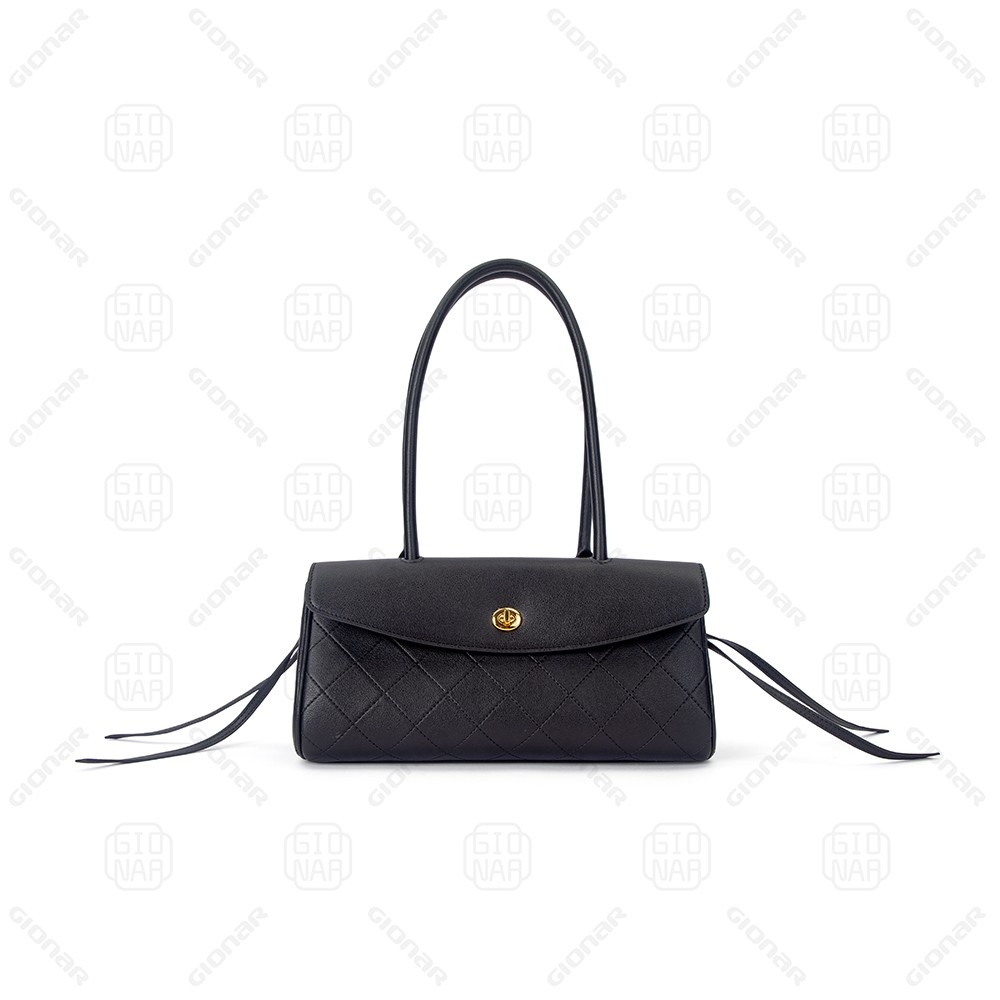
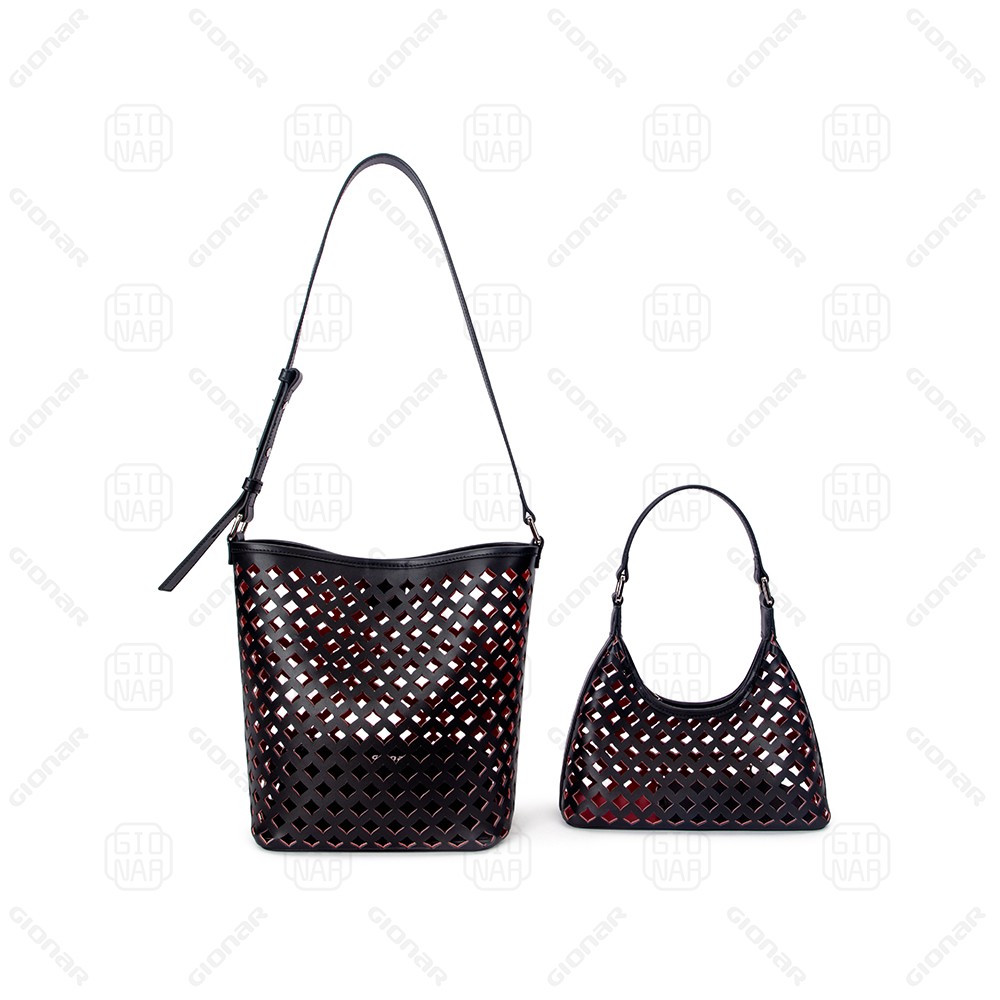
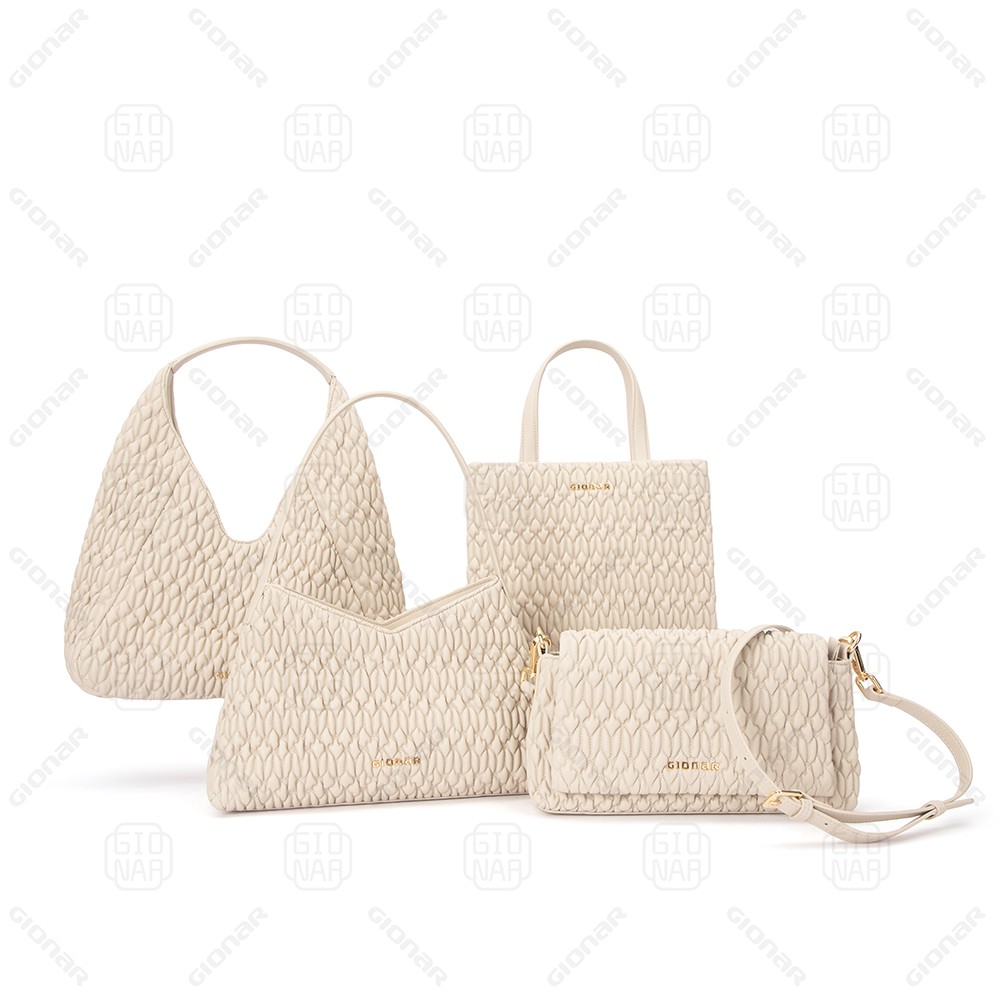
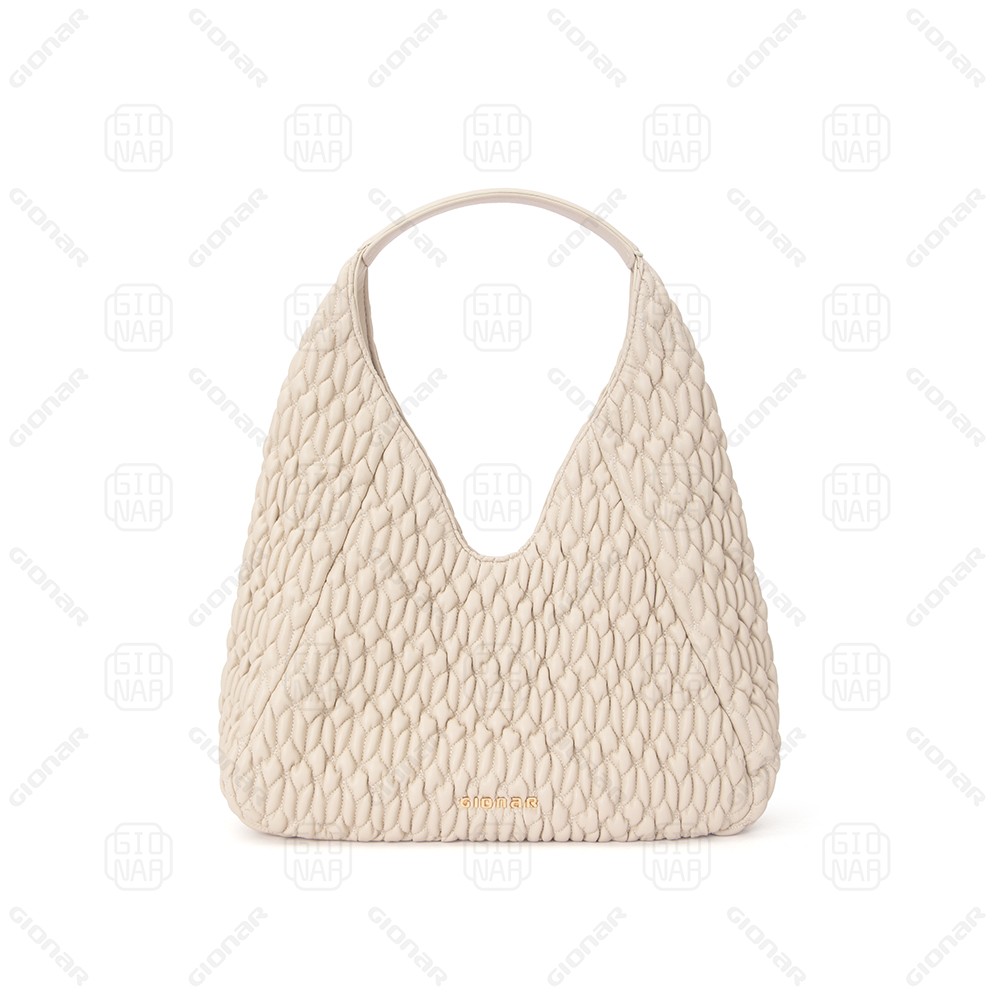
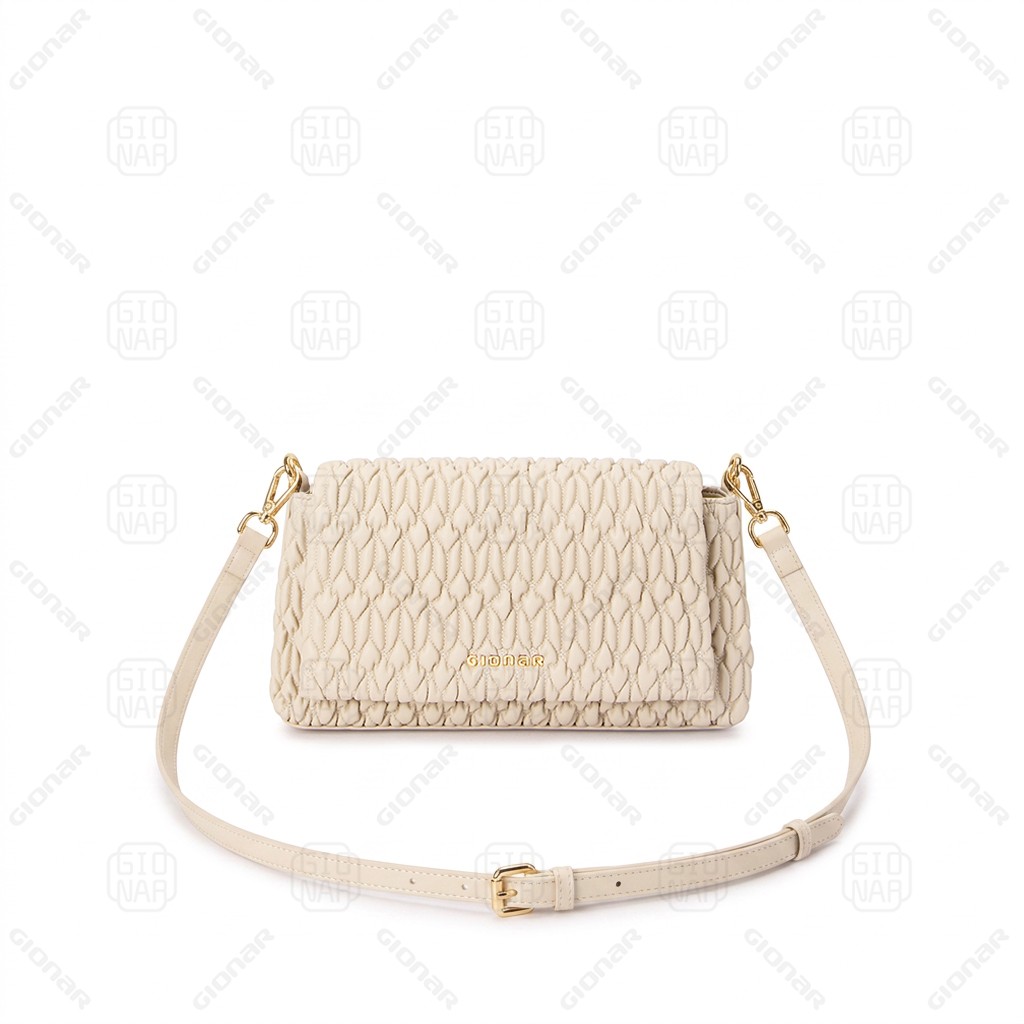
If you are interested in the field of fashionable leather materials, you might have heard of many new types of materials. And fish leather is one of them. Fish leather is a special type of leather made from fish skins (fish skins are by-products of the fishing industry) through tanning processes. It is sustainable and has unique aesthetics.
Fish leather is a new type of material and is hailed as the “green new favorite” in the fashion industry. Many luxury brands have already incorporated it into their high-end products, thereby increasing market acceptance.
The application of fish leather is very extensive. It can be seen in high-end bags, shoes, wallets, home furnishings, and car seats.
This post will explore what fish leather is, how it is made, as well as its features, durability, and sustainability.
What Is Fish Leather?
Fish leather is a type of leather made by tanning fish skins. It is a durable and versatile material. It is not a modern invention but a product with a long history. Indigenous people in the Arctic regions such as the Hezhen people of China have been using fish skins to make clothes for a long time to protect themselves from the cold. Nowadays, it is evolving from a traditional survival material to a new favorite in the high-end fashion industry.
Common Types of Fish Used for Leather Production
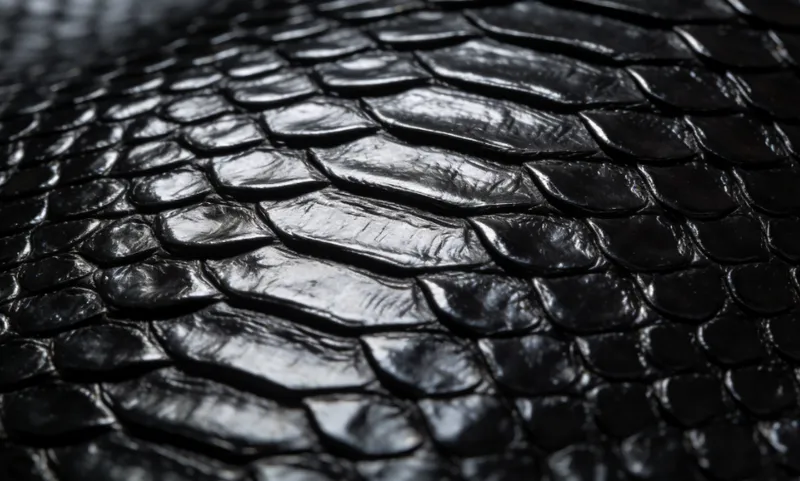
Fish leather can be made from various types of fish, and each type of fish skin has its own unique features, such as pattern of scales, thickness and texture. These features result in a wide variety of fish leather products.
- Salmon: The most common; soft sand-like texture, often dyed in bright colors.
- Sturgeon: Known for its unique hard, bony “scales” (similar to plate-like scales), forming a striking geometric pattern.
- Perch and Bass: Smaller and more uniform scale patterns.
- Pirarucu/Arapaima (Amazonian fish): Large scales forming a bold, armor-like appearance.
- Cod, Walleye, Eel: Also used, each has its own unique pattern.
The Characteristics of Fish Leather
The charm of fish leather lies in its ability to combine natural beauty with robust performance.
- Unique aesthetics: Each piece of fish leather retains the natural scale groove texture, forming a unique three-dimensional pattern, resembling dragon scales and having a visual impact that no artificial material can replicate.
- Outstanding physical properties: The fibers inside the fish skin are in a “layered” or “crossed” structure, rather than the parallel structure of traditional leather. This makes fish leather several times stronger in terms of tear resistance and durability than cow or sheep leather (some say it can be up to 9 times stronger), while also having excellent flexibility and elasticity.
- Natural lightweight: Fish skin itself is thinner, and the leather made from it is lighter than the same area of cow or sheep leather, reducing the burden on bags and shoes.
Summary of The Characteristics of Fish Leather
| Feature |
Description |
| Texture |
Naturally pebbled or scaled surface—each piece is unique. |
| Strength |
Surprisingly durable: fish skin fibers run in multiple directions (unlike cowhide’s linear grain), making it resistant to tearing. |
| Thickness |
Thin yet strong—ideal for wallets, watch straps, and small bags. |
| Appearance |
Luxe, exotic look with organic patterns; available in vibrant or natural tones. |
| Flexibility |
Soft and pliable after tanning, similar to lambskin. |
The Environmental Characteristics of Fish Leather
- Turning waste into treasure: It mainly utilizes the fish skins that would otherwise be discarded in the food industry. Every year, there are over 32 million tons of fish processing waste globally. Upgrading and reusing this waste as leather can significantly reduce the environmental burden.
- Ecologically friendly: Some modern processes use chrome-free tanning, plant tanning agents, and combine water circulation systems, further reducing the impact on the environment. There are also innovative companies that specifically catch invasive species (such as lionfish) that damage the ecosystem to produce leather, turning ecological crises into fashionable resources.
- Biodegradable: Especially during the plant tanning process.
- Supporting the circular economy: Converting food industry waste into high-value products.
The Main Limitations of Fish Leather
- Inconsistent raw material: Dependent on fishing seasons and yields, unable to achieve large-scale production expansion.
- Small sheet area: Each sheet is 0.2–0.8 m². Large packages require splicing, increasing labor time.
- Sensory acceptance: Some consumers are resistant to the association with “fish skin”, requiring market education.
- Moderate scratch resistance: The edges of the scales are prone to lifting, and caution is needed in high-friction scenarios.
- Difficult tanning: Collagen protein is highly sensitive to temperature, with strict requirements for temperature control.
What Is Fish Leather Used For?
Fish leather is widely used in numerous fields.
Fashion Industry
- Clothing: Fish leather is used to make high-end clothing such as jackets, coats and vests. Its lightweight and durable characteristics make it suitable for making outerwear, while its unique appearance adds a touch of luxury.
- Footwear: Shoes, boots and sandals made from fish leather are quite popular due to their unique texture and patterns. The strength of this material ensures its durability, and its waterproof properties (in some cases) make it an ideal material for shoes.
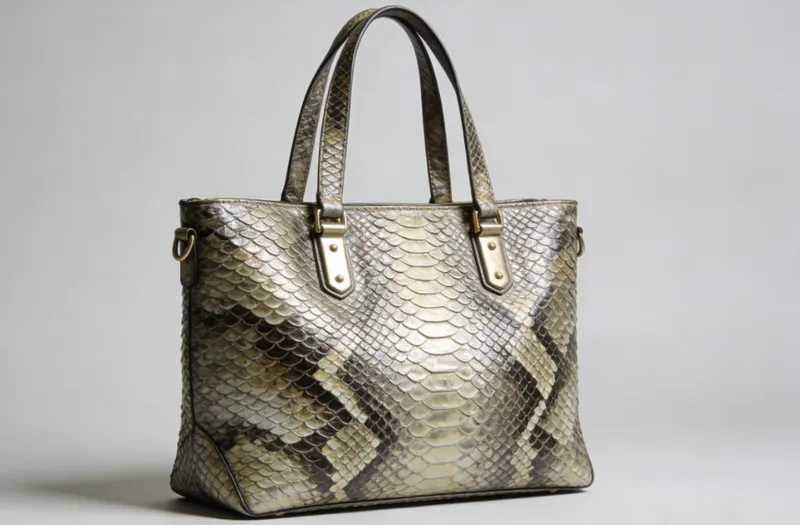
- Handbags and accessories: The unique appearance of fish leather makes it a popular material for making handbags, wallets, belts and other fashionable accessories. Designers often use it to create eye-catching works.
- Jewelry: By weaving or braiding the thin strips of fish leather, it can be made into bracelets, necklaces and earrings, providing a natural and environmentally friendly alternative to traditional materials.
Home Decoration
- Interior: Fish leather can be used to decorate furniture such as sofas, chairs, and stools. Its durability ensures that the furniture can withstand daily wear and tear, while its unique texture adds visual appeal.
- Wall Decor: Some designers use fish leather as a wall decoration material. By creating distinctive walls or entire rooms, they can create a luxurious and exotic atmosphere.
- Decor Accessories: Fish leather can be processed into decorative items such as lampshades, photo frames, and coasters, adding an elegant touch to any space.
Automotive Industry
- Interior Decoration: The durability and unique appearance of fish leather make it highly suitable for automotive interior decoration, such as dashboard covers, steering wheel covers, and gear shift handles. It offers a high-quality touch and can be customized in various colors and surface treatments.
- Seat Covers: In some high-end or customized vehicles, fish leather may be used for seat covers, providing passengers with a luxurious and unique riding experience.
Binding and Stationery
- Book Covers: The durability and flexibility of fish leather make it an ideal material for making book covers. It can protect the pages while adding a unique aesthetic appeal.
- Stationery Items: Notebooks, calendars, and planners bound with fish leather offer a durable and stylish option for those who value high-quality stationery.
Medical and Sports Equipment
- Medical Equipment: Due to its waterproof and durable properties, fish leather has potential applications in the medical equipment field, such as orthopedic braces and supports.
- Sports Equipment: Fish leather can be used to manufacture durable and lightweight sports equipment, such as the handles of tennis rackets or the grips of fishing rods.
Art and Craft Project
- Mixed Media Art: Artists can incorporate fish leather into their mixed media works, using its texture and color to add depth and interest.
- Craft Project: Fish leather can be used in various craft projects, such as making dolls, puppets or decorative items, offering a unique and natural material option.
Summary Table: Fish Leather by Use Case
| Product Category |
Why Fish Leather is Used |
Common Fish Types |
| Handbags & Clutches |
Unique aesthetics, lightweight, durability |
Salmon, Sturgeon, Tilapia |
| Small Leather Goods (Wallets, Straps) |
High tear strength, abrasion resistance (especially Stingray) |
Stingray (Pearl), Salmon |
| Footwear |
Breathable, durable, sustainable story |
Salmon, Lionfish (Inversa) |
| Furniture & Interiors |
Unique texture, durability, conversation piece |
Large skins (Pirarucu, Sturgeon) |
| Bookbinding |
Durability, tactile luxury |
Salmon, Sturgeon |
| Auto/Yacht Interiors |
Ultimate luxury, unique custom look |
Large, robust skins (Pirarucu, Sturgeon) |
Why Choose Fish Leather?
- ✅ Sustainability: Made from by-products of the food industry – no additional fishing required.
- ✅ Unique appearance: Each piece of leather has its own unique scale pattern and luster.
- ✅ Strong and flexible: The fibers are arranged in multiple directions, offering excellent tear resistance.
- ✅ Luxurious charm: It offers a unique option comparable to crocodile or snake leather, without the concerns of ethical issues (if sourced reliably).
Notable Brands Using Fish Leather:
- Hermès (limited collections)
- Prada (explored in sustainable lines)
- Bentley Motors (interiors)
- Woojoohyun (Korean designer known for salmon leather bags)
- Icelandic designers (e.g., using Atlantic Leather’s salmon/cod leather)
How to Make Fish Leather?
The production of fish leather is a complex and meticulous process that involves multiple steps and techniques. Here is a detailed, step-by-step guide to the production of fish leather:
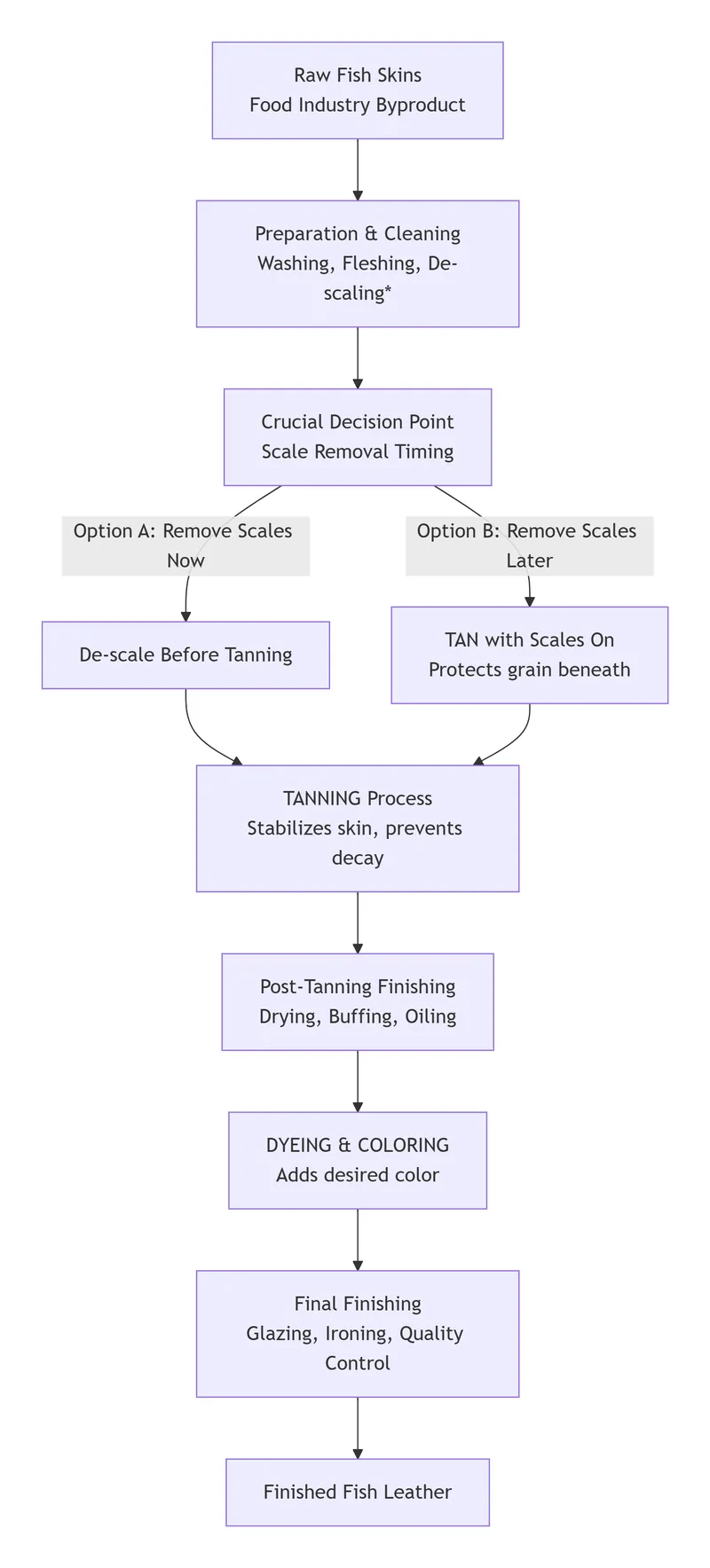
Step 1: Preparation and Cleaning
- Obtain fish skin: Use the skin of fish for food processing (such as salmon, cod, tilapia, bass, sturgeon), which is usually obtained as a by-product from the food industry.
- Cleaning and Skinning: Thoroughly clean the skin layer to remove dirt, blood, and bacteria. Any remaining meat or fat attached to the skin layer will be carefully scraped off using a skinning knife or machine.
- Skinning Treatment (Optional): At this stage, the skin layer can be removed mechanically. However, the key factor depends on the desired texture in the final product (please refer to Step 3).
Step 2: Tanning and Descaling
To prepare the leather for tanning, it needs to be treated to remove any remaining organic substances and to open up the fibrous structure.
Soaking treatment: The skin is immersed in a series of chemical solutions, which may include salt solutions (preservatives), calcium hydroxide (lime) and other alkaline substances, as well as enzyme substances. This process helps remove the surface (cuticle), any remaining flesh, and prepares the skin for receiving the tanning agent.
Step 3: The Critical Decision Moment: Should The Leather Undergo Degreasing Treatment?
This is a crucial moment that determines the final appearance of the leather.
- Option A (Removing the skin before tanning): Currently, the outer layer is removed using mechanical methods. This results in a smoother and more even leather surface, similar to the traditional calf leather effect. This is a method commonly used by many modern tanning factories.
- Option B (Tanning with scales): This method is described in an important patent. It involves tanning the skin with scales first. The scales act as a protective layer, protecting the complex folds and connective tissues beneath (i.e., “texture”). After tanning, the scales are removed, revealing a textured surface with raised, three-dimensional structures, which imitate the natural patterns of fish. This results in leather with a more exotic style and more “lively texture”.
Step 4: Tanning – Core Transformation
Tanning is a chemical process that permanently fixes the protein structure of the skin, converting the originally perishable substance into durable and non-perishable leather.
Usage: Prevents leather from rotting, making it durable and elastic.
Sun tanning agent: Various methods are used:
- Chromate tanning: Uses chromates. This method is fast and efficient, capable of producing soft, elastic and heat-resistant leather. It is a common industrial tanning method, including those used for treating rayfish skins.
- Plant tanning: Utilizes tannic acid naturally present in plants, such as tree bark (like juniper bark). This is a more ancient, traditional and environmentally friendly process. A study in 2021 successfully used plant tannic acid for leather tanning of paci fish (Alapaiama large fish).
- Alternative to “environmentally friendly” tanning methods: Modern tanneries are exploring sustainable processes. This includes using black tea and salt to tan the leather of tuna and sea bass, using carbon dioxide-based formic acid (as used in Nordic fish leather), and adopting water systems without chromium and with recycling (as used in the “Serious” project).
Step 5: Post-treatment and Surface Finishing
After the skinning process is completed, the leather undergoes a series of mechanical and chemical treatments to further enhance its performance and appearance.
- Drying treatment: Stretch the tanned leather and dry it to achieve a set shape.
- Grinding treatment: Lightly sand the surface to make the texture more uniform or enhance the contrast of the texture patterns.
- Oil/grease treatment: Apply oil and grease to the leather to make it soft, elastic, and resilient.
Step 6: Dyeing and Coloring
Add color to the leather. This can be a single, uniform color or a more complex process to highlight the natural texture of the leather.
- Primary dyeing: The entire leather is dyed with a base color.
- Secondary dyeing (highlighting effect): For leather with distinct textures (as shown in option B above), a secondary color can be carefully applied – usually by hand using a brush – only on the raised textures. This creates a clear two-color three-dimensional effect, making the texture patterns more prominent.
Step 7: Final Processing
The final step will impart the characteristics necessary for the leather’s ultimate use and prepare it for transportation.
- Finishing/Coating: A protective coating (such as glaze or varnish) can be applied to enhance durability, gloss, and water resistance.
- Flattening/Dipping Treatment: The leather is placed in a high-temperature and high-pressure environment for flattening treatment to make the surface smooth and complete the final surface treatment.
- Quality Control: The finished leather is inspected to confirm its thickness, color, texture, and for any flaws.
Artisanal vs. Industrial Production
| Aspect |
Artisanal/Small-Batch |
Industrial |
| Scale |
Small quantities, often single-skin processing. |
Large batches in drums. |
| Methods |
Emphasis on vegetable tanning, eco-friendly dyes. |
Primarily chrome tanning for efficiency. |
| Output |
Highly unique, variable textures; luxury focus. |
More consistent, aimed at fashion accessories. |
| Location |
Iceland, Scandinavia, Japan, niche USA tanneries. |
Larger operations in fishing hubs. |
Is Fish Leather Durable?
Yes, the durability of fish leather is extremely good. In fact, scientific research and industry experts have confirmed that compared to traditional cowhide or sheepskin of the same thickness, fish leather is often much stronger and has better tear resistance.
This strength stems from the unique cross-grid-like collagen fiber structure in fish skin, which gives products such as bags, shoes, and belts excellent physical properties.
The durability of fish leather can be attributed to multiple factors, including its natural structure, tanning process, and the specific type of fish used.
Why Does Fish Leather Have High Durability?
The Natural Structure of Fish Skin
- Collagen fibers: Just like the skin of other animals, fish skin is also composed of collagen fibers. These fibers are arranged in a cross-linked pattern, providing strength and elasticity to the material. The dense and interwoven structure of collagen fibers in fish skin helps to enhance its durability.
- Scales pattern: Many fish skins have scales on them, which add an additional protective layer. Although not all fish skins can retain their scales during processing, the underlying structure that supports the scales still contributes to the strength of the leather.
Tanning Process
- Stabilization: Tanning is a process where chemical substances are used to treat raw fish skin to make it stable and prevent decomposition. This process not only preserves the fish skin but also enhances its durability by making the collagen fibers more resistant to wear and tear and tear.
- Various tanning methods: Different tanning methods such as chrome tanning, vegetable tanning, and oil tanning can be used to process fish leather. Each method has its own advantages in terms of durability, flexibility, and water resistance. For example, chrome tanning is known for producing soft but durable leather, while vegetable tanning can produce harder but equally durable materials.
Fish Species
- Durability differences: The durability of fish leather varies depending on the type of fish used. Certain fish, such as sharks and eels, have naturally more resilient skin that can better withstand wear and punctures. While other fish, like salmon and trout, may produce mature but still durable fish leather, suitable for certain specific applications.
- Thickness and texture: The thickness and texture of fish leather also affect its durability. Thicker and more textured fish leather is generally more durable, while thinner fish leather may require additional treatment or reinforcement to achieve the same level of durability.
Comparison with Traditional Leather
- Cowhide: Cowhide is one of the most widely used and durable traditional leathers. Fish leather (depending on the type and processing method) has the same durability as cowhide in many applications. In some cases, fish leather may even outperform cowhide in terms of tear strength and tensile strength.
- Other animal leathers: Compared with sheepskin or goatskin and other animal leathers, fish leather is usually thinner and lighter, but still maintains high durability. This makes it suitable for applications where weight is a requirement, such as fashion accessories or footwear.
Durability in Practical Applications
- Fashion industry: Fish leather is increasingly being used in the fashion industry for making clothing, shoes, and accessories. Its durability ensures that these products can withstand daily wear and tear while maintaining their appearance and functionality.
- Home decoration: Fish leather is also used in home decorations, such as interior materials and wall decorations. Its durability makes it suitable for these applications as it can resist staining, fading, and damage caused by daily use.
- Outdoor and marine applications: Certain types of fish leather, such as those made from eel or shark skin, have natural waterproof properties. This makes them highly suitable for outdoor and marine applications, as these applications often involve exposure to water.
Durability of Different Fish Leathers
The durability of the leather from different fish species varies depending on the type of fish.
| Fish Species |
Tensile Strength (N/mm²) |
Tear Strength (N/mm or N) |
Key Durability Notes |
| Nile Tilapia |
~13.5 |
~53.9 N/mm |
Stronger than rabbit leather of greater thickness . |
| Atlantic Salmon |
~14.1 |
21.7 N |
Soft and flexible, but good strength for its weight . |
| Nile Perch |
~21.6 |
132.2 N |
Exhibits exceptionally high tear strength . |
| Paiche (Arapaima gigas) |
Data varies with tanning method |
Higher with vegetable tanning |
As one of the largest freshwater fish, its leather is thick and robust . |
| Stingray |
Not specified in tensile units |
Superior cut & abrasion resistance |
Known for extreme durability and hardness, used for high-wear items . |
Durability Compared to Other Leathers
| Leather Type |
Tear Resistance |
Flexibility |
Thickness |
Best For |
| Fish leather |
★★★★☆ (High) |
★★★★★ |
Thin–Medium |
Wallets, straps, fashion accents |
| Cowhide (full-grain) |
★★★★☆ |
★★★☆☆ |
Medium–Thick |
Bags, boots, jackets |
| Lambskin |
★★☆☆☆ (Delicate) |
★★★★★ |
Very thin |
Luxury gloves, linings |
| Kangaroo |
★★★★★ (Highest) |
★★★★☆ |
Thin |
High-performance gear |
| Ostrich |
★★★☆☆ |
★★★★☆ |
Medium |
Exotic fashion |
Notes:
- Not suitable for heavy-duty applications: Too thin for backpacks or luggage exteriors (but perfect for decoration or internal details).
- Requires basic maintenance: Like all natural leather, it may dry out if not cared for properly – apply a leather conditioner once every 6 to 12 months.
If improperly tanned, the edges may lift – but reputable manufacturers will ensure complete adhesion.
Is Fish Leather Sustainable?
Yes, fish leather is a material with high sustainability and is very environmentally friendly. Its environmental benefits are reflected in various aspects such as resource utilization, environmentally friendly production, social and economic benefits, and market demand. However, it also faces challenges such as perishable raw materials, high costs, and a lack of standardization.
Why Is Fish Leather Regarded as a Sustainable Product?
The sustainability of fish leather is the result of the combined effect of various factors, ranging from the source of the raw materials to the innovative processing methods.
| Aspect |
How It Contributes to Sustainability |
Key Examples & Practices |
| Source of Raw Material |
Made from upcycled food waste (fish skins), reducing landfill and avoiding the need to raise animals solely for their hides. |
The “100% Fish” concept in Iceland ; Kenyan innovators using skins from local filleting industries ; Japanese craftspeople rescuing skins from supermarkets . |
| Processing Innovations |
Development of tanning methods that eliminate harmful chemicals, reduce water/energy use, and close production loops. |
Chromium-free tanning (e.g., Searious, Aquaborne); CO₂-based formic acid replacing fossil-based chemicals; plant-based chemicals from cassava and banana leaves; 80% water/energy savings with new processes. |
| Energy & Resource Use |
Facilities powered by renewable energy with a focus on clean water and reduced emissions. |
Nordic Fish Leather uses 100% renewable energy and local well water. |
| Waste Valorization |
The principle of using every part of the fish extends beyond the skin. |
Fish meat donated to communities; bones used for fertilizer; fish donated for scientific research; fish pupils and bones used for jewelry. |
| Positive Environmental Impact |
Creating a commercial value for invasive species helps control their populations and protect native ecosystems. |
P448 uses lionfish, carp, and ta`ape (bluestripe snapper) for sneakers; scientific research confirms the potential of invasive pufferfish leather |
In short: Fish leather = very sustainable, ethical, and eco-friendly.
Carbon Footprint & Life Cycle Assessment (LCA)
| Indicator |
Fish Leather |
Cowhide Leather |
PU Synthetic |
PVC Synthetic |
| CO₂ Emissions (kg CO₂e/m²) |
2–5 |
15–25 |
10–15 |
20–30 |
| Water Consumption (L/m²) |
50–100 |
500–1,000 |
200–400 |
300–500 |
| Chemical Usage |
Medium (tanning agents) |
High (chrome tanning + dyes) |
High (solvents + plasticizers) |
Extremely high (chlorine + heavy metals) |
| Biodegradability |
Yes (natural fibers) |
Yes (slow) |
No (microplastics) |
No (dioxin risk) |
| Circular Economy Potential |
High (food chain closed loop) |
Medium (leather recyclable) |
Low (difficult to recycle) |
Extremely low |
Fish Leather vs. Traditional Cattle Leather
| Feature |
Fish Leather |
Traditional Cattle Leather |
| Primary Source |
Byproduct of existing food industry |
Animals often raised specifically for hides/meat |
| Land Use |
Minimal (uses existing fisheries) |
High (grazing land, feed crops) |
| Greenhouse Gases |
Low (methane from cattle is avoided) |
High (methane from cattle) |
| Chemical Use |
Innovations in chrome-free, bio-based tanning |
Traditional chrome-tanning is common and can be polluting |
| Strength |
Exceptionally strong (up to 9x stronger than cow leather) |
Standard |
Sustainable Comparison with Competing Materials
| Material |
Sustainability Score |
Main Shortcomings |
Best Scenarios |
| Fish Leather |
★★★★★ |
Scale limitations, tanning chemicals |
High-end accessories, limited fashion |
| Mushroom Leather |
★★★★☆ |
Performance to be verified, contains adhesives |
Vegan brands, conceptual products |
| Apple Leather |
★★★★☆ |
Contains 30–50% PU, non-degradable |
Fast fashion sustainable lines |
| Recycled PET |
★★★☆☆ |
Microplastic shedding, downcycling |
Sports bags, outdoor gear |
| Cowhide (LWG Gold) |
★★★☆☆ |
Livestock carbon emissions, land occupation |
Classic durable leather goods |
| PU/PVC Synthetic |
★★☆☆☆ |
Petroleum dependence, non-degradable |
Low cost, short-cycle use |
How to Determine The Sustainability of Fish Leather?
To confirm whether a certain fish leather product is environmentally friendly, you can identify it from three aspects:
- Raw material source: Preferentially choose brands that use by-products from the fishing industry or sustainably farmed fish as raw materials, such as Felsie Fish Leather which uses processed by-products of salmon;
- Tanning process: Select products that adopt eco-friendly tanning methods, such as vegetable tanning or oil tanning. These methods use natural plant extracts or fish oil as tanning materials, avoiding chemical pollution;
- Certification and traceability: Some high-end fish leather brands will provide MSC (Marine Stewardship Council) certification or raw material traceability information to ensure that the entire supply chain complies with sustainable standards.
The Future Development of The Fish Leather Industry
Market Potential
With the enhancement of environmental awareness, the fish leather market is experiencing rapid growth. Currently, only 1% of leather products worldwide use sustainable fish leather, but environmentalists hope that this proportion can significantly increase. It is projected that by 2026, the global market size of fish leather fibers will exceed 1 billion US dollars.
Technological Innovation Direction
- Process optimization: By optimizing enzymatic hydrolysis conditions (such as enzyme type, temperature, pH value), the extraction rate and purity of fish skin collagen can be improved.
- Material composites: Develop composite materials of plant-based mycelium cellulose leather and fish skin to further enhance performance.
- Circular economy model: Use anaerobic co-digestion of fish skin tanning wastewater and by-products to achieve resource utilization of waste and generate methane energy.
Challenges and Opportunities
Although fish leather has significant sustainable advantages, it still faces some challenges:
- Raw material perishability: Fish skins are prone to spoilage, and nearly 27% of raw materials are lost due to spoilage each year, increasing production costs.
- High cost: The production cost of fish leather is 28-32% higher than that of cowhide, limiting its large-scale application.
- Lack of standardization: There is a lack of unified quality standards for fish leather production, and inconsistent thickness of fish leather leads to inconsistent production and affects product quality and market acceptance.
- Inefficient supply chain: In some regions, over 65% of fish skins are discarded as waste, and the inefficient supply chain limits the growth of fish leather production.
- Consumer perception: Enhance public awareness and acceptance of fish leather as a sustainable material.
Conclusion
Fish leather is characterized by its durability, lightness, and water resistance. Its surface retains the unique texture and luster of the fish skin, providing a distinctive aesthetic option for fashion, home, and automotive industries. Many luxury brands have already incorporated it into their high-end products, enhancing market acceptance.
As consumers’ demand for sustainable products grows and technological innovations continuously optimize production processes, fish leather is expected to become an important alternative to traditional leather, making the leather goods industry more environmentally friendly.
If you are running your own bag business and want to customize a bulk of fish leather bags, please feel free to contact us. Let’s work together to achieve great products.