- +86 13922774531
- info@gionar.com

English


English
January 15 , 2026
Longchamp is a French luxury leather goods brand founded in Paris in 1948, renowned for its classic and practical designs, such as the iconic foldable Le Pliage “Foldaway Bag“.
Although the brand originated and is headquartered in France, not all of its bags are produced in France. Instead, it adopts a global production layout, setting up factories in multiple countries or collaborating with third-party production factories. Longchamp not only adheres to the essence of French craftsmanship but also can flexibly implement a global strategy to maintain its “affordable luxury” market positioning.
Regardless of where the production takes place, Longchamp ensures that they meet the brand’s unified quality standards. All genuine bags will clearly indicate “Made in…” on the inner label to specify the actual place of production.
This post will explore the production locations of Longchamp bags.
Longchamp is a French luxury brand, renowned for its practical and elegant travel bags and everyday bags, which blend tradition, craftsmanship and a low-key style.
Longchamp was founded by Jean Cassegrain in Paris in 1948. Initially, it focused on producing leather pipe cases, and later gradually expanded into leather handbags, luggage, shoes, travel accessories, and fashion accessories. The brand adheres to French elegance and exquisite craftsmanship, integrating traditional elements with innovative designs, and has become one of the world-renowned luxury brands.
The inspiration for the Longchamp brand name comes from the Longchamp Racecourse in Paris, symbolizing elegance and sport. It is reflected in its famous galloping horse logo. Under the leadership of Philippe Cassegrain (the son of the founder), Longchamp completely transformed the industry with its innovative design that combines lightweight and durability.
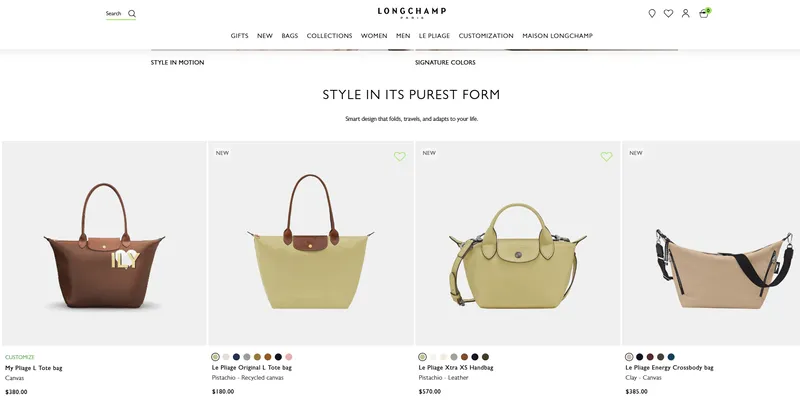
Compared to Michael Kors, which also positions itself as “reachable luxury“, Longchamp focuses more on simplicity, practicality, and classic French elegance rather than trends and logos. It offers a low-key, durable, and timeless style option, with prices typically lower than those of top luxury brands but higher than those of mass-market brand bags.
| Series | Key Features | Popular For |
| Le Pliage | Nylon fabric, foldable design, leather handles | Everyday use, travel, “it bag” status |
| Roseau | Bamboo-shaped clasp, trapezoidal silhouette | Work, formal occasions |
| Épure | Bucket bag style, vibrant colors | Casual outings, youthful style |
| Le Foulonné | Pebbled leather texture, timeless designs | Professional settings |
Where are Longchamp bags manufactured? Longchamp bags are produced using a global production network, but they maintain a core production base in France to preserve the exquisite leathercrafting techniques. To balance traditional craftsmanship with global demands, their production layout has a hierarchical structure.
Longchamp bags are mainly manufactured in the western part of France. The brand was founded in France. Many of their iconic works, such as Le Pliage, are produced in the brand’s studio (workshop) in France, ensuring the high-quality craftsmanship they are known for. At the same time, they are also produced in cooperative workshops in Tunisia, Mauritius, China, Romania, and Morocco.
Longchamp has six production bases in western France (Mayenne, Vendée, Manche-Lorraine, and Oise provinces). These bases employ over 800 workers and are spread across 25 workshops. Each craftsman possesses extensive professional knowledge and superb skills. These French workshops are the core production force of the Longchamp brand, undertaking the majority of handbag production tasks.
In addition to the local production base in France, Longchamp also has two international production bases in Tunisia and Mauritius to meet the demands of the global market.
Furthermore, the brand also collaborates closely with cooperative workshops in France, China, Romania and Morocco to jointly produce Longchamp handbags.
No matter which workshop the handbag is produced in, there is always the “Longchamp Manufactured” seal. Longchamp ensures that all its products in the global manufacturing network undergo strict quality control, are uniformly produced, and meet the same quality standards. The brand also clearly displays the assembly country/region information on the inner label of the handbag, making it convenient for consumers to understand the production background of the product.
| Production Type | Primary Location(s) |
| Brand-Owned Production Bases | France (in departments like Mayenne and Vendée), with a total of 6 production sites, forming the heart of the brand. |
| Overseas Owned Production Bases | Tunisia, Mauritius. |
| Partner Workshops (Outsourced) | China, Romania, Morocco. Plans to commence in Vietnam in the future. |
Yes, some of the Longchamp bags are manufactured in France, but not all. The brand employs a global mixed production network.
Longchamp was founded in Paris in 1948 and has grown from a small tobacco shop into a global luxury brand with a complex manufacturing footprint.
Longchamp has six factories in western France (Mayenne, Vendée, Maine-et-Loire, and Orne), employing over 800 workers in 25 workshops.
Historical Changes: Initially, Longchamp was just a French manufacturer. With the development of globalization, its production network expanded to meet global demands.
Longchamp bags are produced in France for the following reasons: to preserve exquisite craftsmanship, ensure superior quality, and strengthen the symbolic meaning of the brand:
Longchamp has six production bases in the western regions of France, employing over 800 skilled artisans. These artisans are distributed across 25 workshops, each of whom is proficient in a rare craft. Through generations of passed-down leather craftsmanship, Longchamp bags maintain their uniqueness and high quality.
The Longchamp bags produced in France follow strict standards in leather selection, sewing techniques, and detail handling. This pursuit of quality has earned French-produced Longchamp bags a high reputation in the market.
As a luxury brand from France, choosing the production location of Longchamp in France not only demonstrates the brand’s respect and inheritance of local culture, but also strengthens the symbolic meaning of the brand as a French luxury product. This symbolic meaning is of great significance for enhancing the brand image and attracting consumers’ attention.
Essentially, French manufacturing ensures that Longchamp delivers the French elegance it promises while meeting daily functions – the integration of traditional craftsmanship, quality control, and brand authenticity.
No, not all Longchamp handbags are made in France. Although France remains the core production center for the brand’s high-end and personalized products, Longchamp still maintains a global manufacturing network to meet global demands while preserving its luxury tradition.
These items are exclusively or primarily produced in Longchamp’s six French workshops:
These French facilities employ over 800 skilled artisans across 25 workshops, preserving four generations of leatherworking savoir-faire and holding the prestigious Entreprise du Patrimoine Vivant (EPV) labelLongchamp.
Longchamp has production bases outside France, especially in Tunisia and Mauritius.
In addition, the brand also collaborates with partner factories in China, Romania, Portugal, Vietnam and Morocco to produce some bags and components.
No matter in which country’s workshop the product is assembled, Longchamp guarantees to follow the same quality standards and will clearly mark the final assembly country on the label inside the bag. Therefore, checking this label is the only accurate way to confirm the specific origin of your bag.
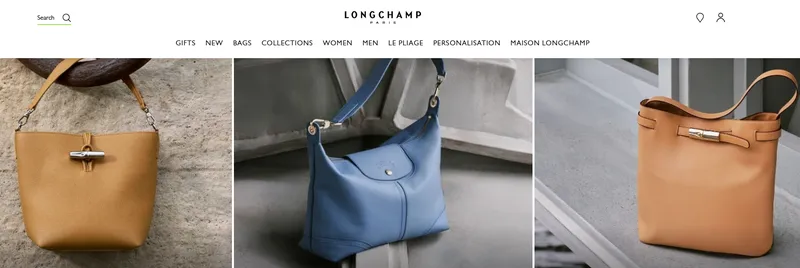
Longchamp’s approach reflects a common practice in the luxury industry, where brands maintain traditional production in their home country while expanding globally to meet demand. The brand strives to increase transparency through initiatives like “Expanding”, helping consumers make informed choices about the source of their purchases.
Regardless of whether the handbags are produced in France or elsewhere, all Longchamp handbags undergo the same strict quality control process to ensure the durability and reputation of the brand’s craftsmanship remain unchanged.
Yes, some of the bags from Longchamp are indeed manufactured in China, but not all of the brand’s products are produced in Chinese factories. According to the brand’s official information, China is one of the locations of its global cooperative workshops.
Longchamp has officially collaborated with a partner factory in China, so the production labels indicating “Made in China” on genuine bags are legitimate.
The brand ensures consistent quality standards at all locations, although customers may have different opinions on the quality.
Longchamp produces bags in China as a result of the dual drive of its global production strategy and its market strategy in China. This is not merely for cost reduction; it is a carefully considered brand and business decision.
The production of Longchamp bags in China is mainly based on three considerations: cost optimization, capacity expansion, and process adaptation. At the same time, strict quality control is adopted to ensure product quality:
Setting up cooperative workshops in China is directly related to Longchamp’s strong performance and strategic position in the Chinese market:
China’s manufacturing ecosystem provides competitive production costs for mass-market nylon and canvas bags such as Le Pliage (Original, Neo, Green), enabling Longchamp to:
The types of products manufactured in China include:
If your bag is marked “Made in China” but you bought it from a reputable retailer or directly from Longchamp, it may still be genuine. If it is purchased or resold through a third party, be sure to carefully check the details, such as:
Yes, some of Longchamp’s bags are indeed made in Tunisia. According to the brand’s official information, Tunisia is an important part of its global production network and is one of the two self-owned overseas production bases established by the brand outside France (the other being Mauritius).
Although the official has not elaborated on the specific reasons for the site selection, considering its global layout, it is usually aimed at optimizing costs, ensuring production capacity and diversifying supply chain risks. The brand emphasizes that no matter where the products are manufactured, they must follow the strict processes and quality standards of “Longchamp Manufacturing” to ensure the uniformity of global product quality.
Yes, some of the bags produced by Longchamp are indeed manufactured in Mauritius. Longchamp has two self-owned international production facilities outside of France: one in Tunisia and the other in Mauritius. In addition, it has a large network of production facilities in France.
The “Made in Mauritius” label is real – if the internal label of your Longchamp handbag reads “Made in Mauritius“, then this handbag is indeed produced by Longchamp’s factory in Mauritius. This is part of the company’s official production strategy, and such situations are not uncommon.
Quality control remains consistent – Longchamp states that regardless of where the product is manufactured, as long as it follows the “Longchamp Made” model, its production process will adhere to the same quality standards.
Mauritius has made significant efforts to cultivate a skilled workforce for the textile and leather goods industries. The country’s workforce is renowned for its exquisite craftsmanship and attention to detail, which aligns with the brand quality standards of Langgosh. Thanks to a stable working environment, the staff turnover rate of this brand is lower than that of other manufacturing centers.
Mauritius has signed favorable trade agreements with both the European and African markets. Its strategic location in the Indian Ocean enables it to access multiple markets while avoiding some of the tariffs and trade barriers faced by other manufacturing regions. This is particularly important for global product distributors like Longchamp.
Unlike the factories in Tunisia, these factories in Mauritius mainly serve the European market. However, from the perspective of Longchamp’s supply chain, these factories seem to play a more specialized role. The brand’s strategy is to allocate different product lines to different production locations based on the specific expertise of each factory. This “excellence center” model ensures that each product can be produced at the location that best meets its production requirements.
Bags produced in Mauritius include:
Yes, Longchamp does manufacture some of its bags in Morocco. According to the brand’s official information, Morocco is one of the locations of the “cooperative workshops” in its global production network. However, usually the production does not take place in Longchamp’s own factories; Longchamp mainly produces its products through its own factories and partner/outsource factories located around the world.
Longchamp has its own factories and cooperative factories in Morocco, which is an important part of its “global localization” manufacturing strategy. According to official information, the brand has established six production bases in the western part of France, and also has production facilities in Tunisia and Mauritius, and has cooperative factories with partners from France, China, Romania and Morocco. This strategic layout enables Longchamp to leverage the advantages of each region while maintaining centralized quality control.
Unlike the brand’s own factories in France, Tunisia, and Mauritius, Morocco is an external cooperative workshop. The decision to produce here is mainly based on the routine considerations of the brand’s globalization strategy:
Bags made in Morocco typically include:
Yes, according to the official information released by Longchamp, some of their handbags are indeed manufactured in Romania. This is part of the brand’s global production strategy.
The reasons for choosing Romania: Romania has skilled labor, competitive manufacturing costs, and close integration with the European supply chain. Its proximity to Western Europe enables Longchamp to maintain supervision while efficiently expanding production scale.
Romania is renowned for its high-quality leather production and textile manufacturing. This professional skill in leather products and textile manufacturing perfectly aligns with Longchamp’s product requirements, especially for its nylon and leather combination products.
Romania’s strategic location in Eastern Europe enables it to easily access the European and Middle Eastern markets. Its well-developed transportation infrastructure, including major ports on the Danube River and proximity to important European road networks, enables efficient distribution of goods across the European continent. This geographical advantage results in shorter transportation times compared to manufacturing in Asia, lower costs, and competitive labor costs.
Romania offers an excellent business environment for international manufacturers, with competitive labor costs and various investment incentives. As a member of the European Union, the country provides a duty-free channel for entering the EU market, and the EU is Longchamp’s main sales region. This trade-friendly environment makes Romania an ideal place for European luxury brands to optimize their supply chains.
Bags made in Romania typically include:
Yes, some of the Longchamp handbags are indeed produced in Vietnam.
This is part of the brand’s global production strategy. Currently, Vietnam is classified as an “external cooperative workshop” in Longchamp’s production network, which is different from the brand’s own factories in France, Tunisia, and Mauritius.
As one of the production locations for Longchamp, the products produced in Vietnam are also subject to strict quality control by the brand. Although Longchamp bags from Vietnam may be less common, once you come across them, consumers can rest assured to purchase them because they still represent the high quality standards of Longchamp.
Vietnam has become an important center for high-quality textiles and light industrial manufacturing, with skilled labor, cost-effectiveness, and a strong export infrastructure. As a significant Asian production base for Longchamp’s global operations:
Bags made in Vietnam typically include:
Quality Assurance: All Vietnamese-made products adhere to Longchamp’s “made by Longchamp” quality standards and feature clear “Made in Vietnam” labeling for full transparency
All Longchamp products are clearly labeled with their origin on the inner label, following a unified quality standard:
Different origins focus on different product lines:
Longchamp bags are not only produced in factories established in France, but also in other countries. Through a global production network, costs and quality are balanced. The core value lies in the French design and the spirit of family inheritance in craftsmanship, rather than a single production location. Consumers can choose based on personal preferences and product series, without worrying about differences in production locations, and without having to worry about quality issues.
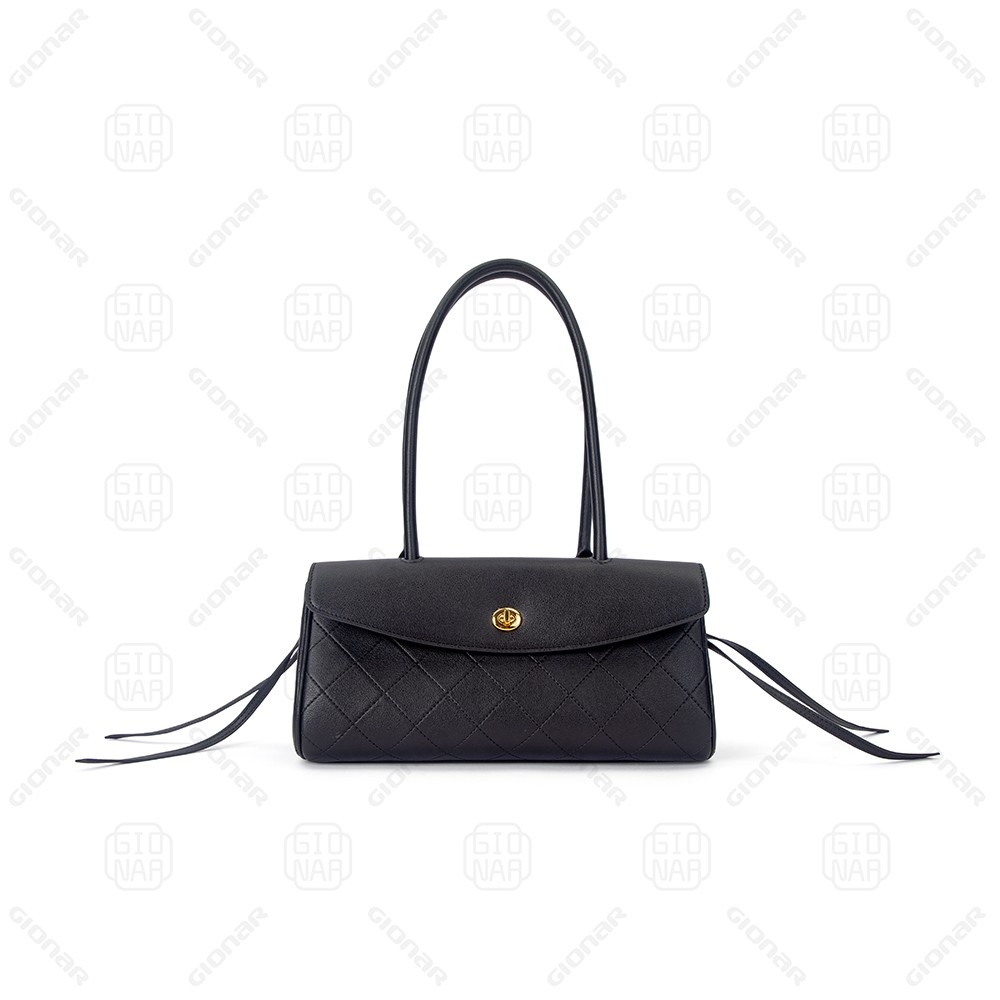
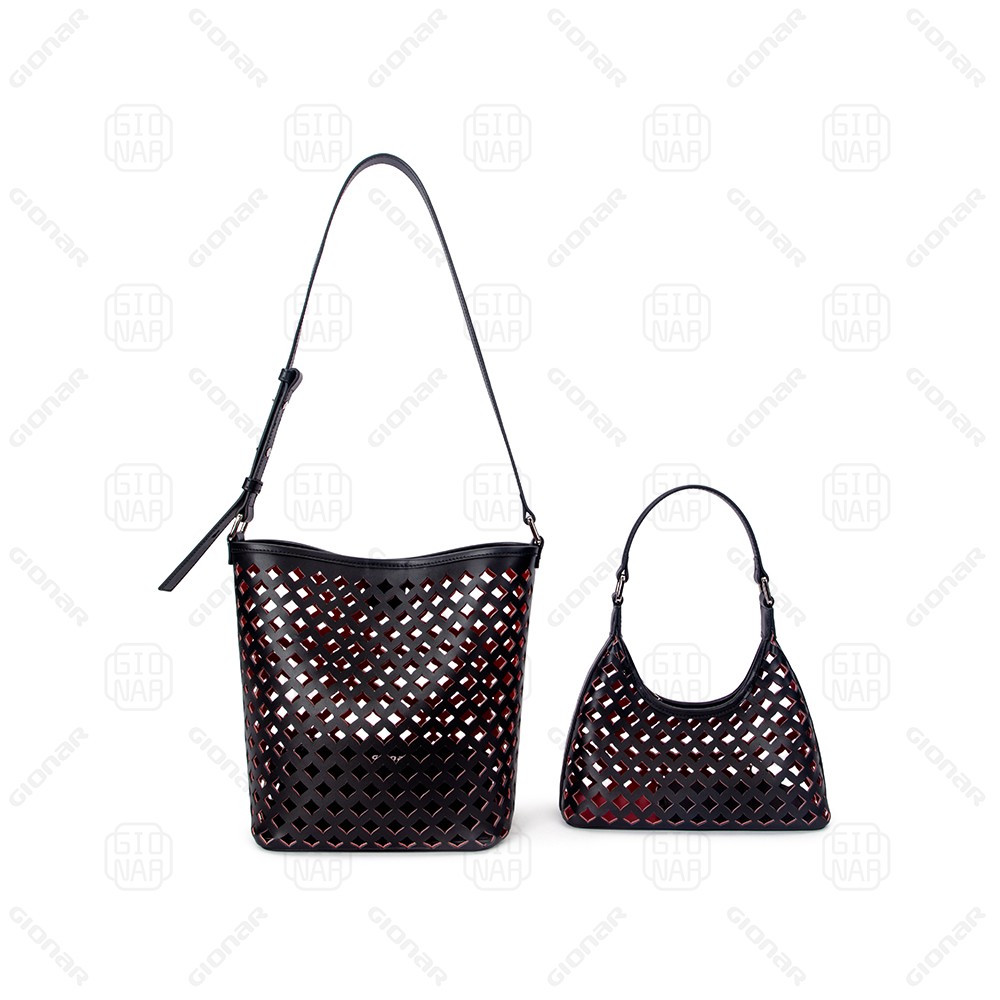
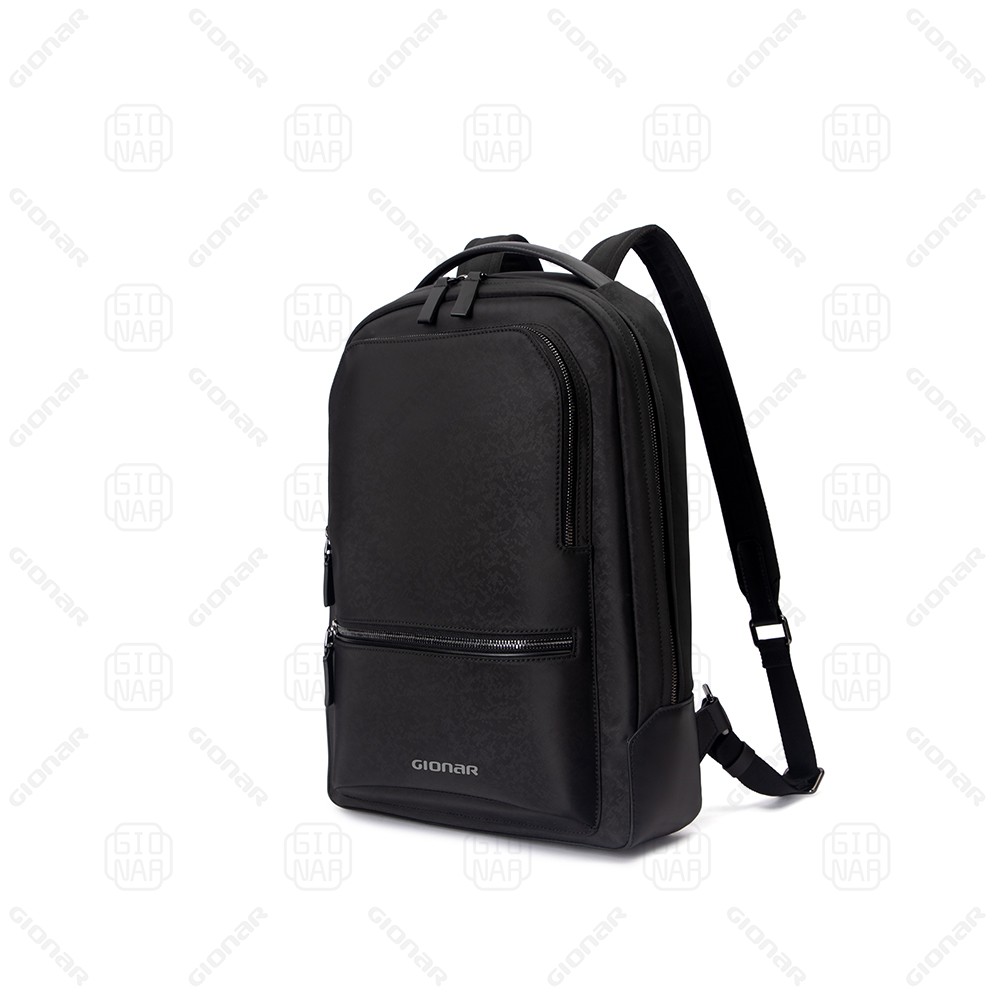
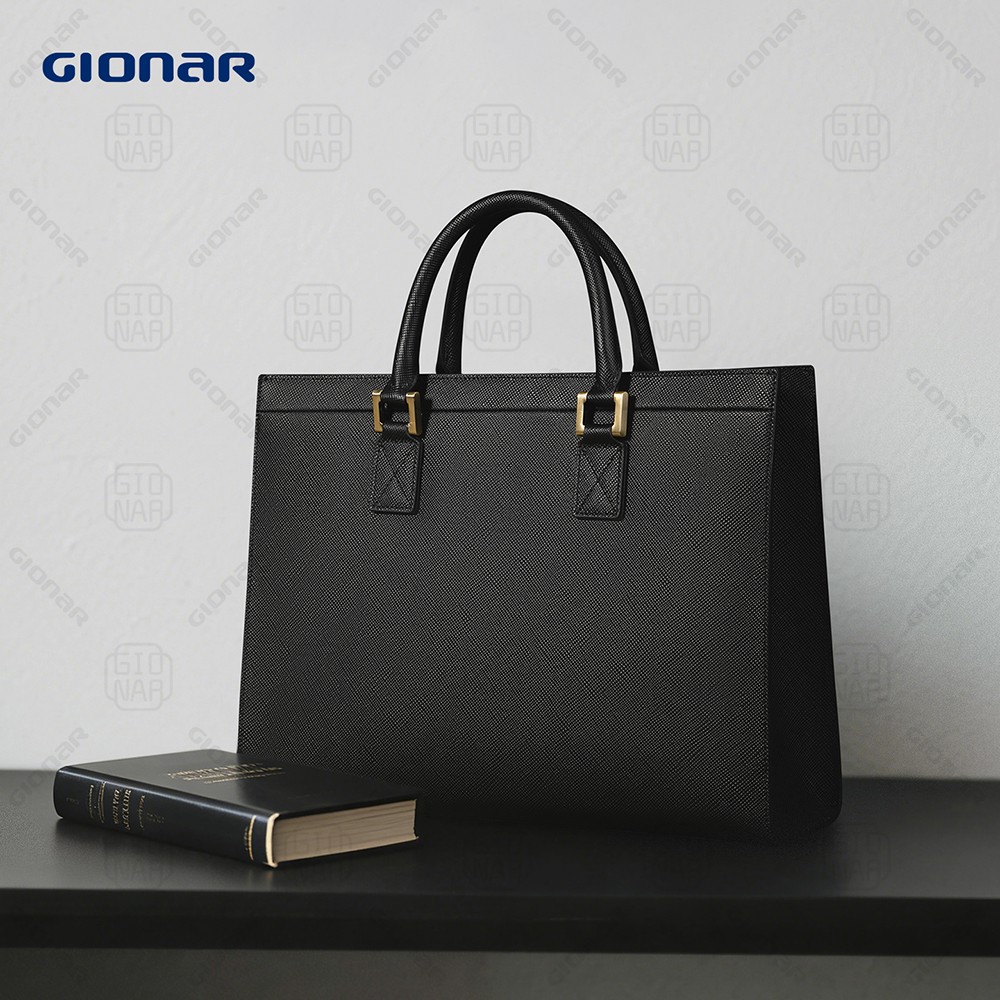
If you are running your own bag business and want to customize a batch of bags of the same quality as Longchamp bags, please contact Gionar. Let’s work together to create more possibilities for your bag series.

Tags :

Mobile Website

Inquires Whatsapp