Why do tote bag manufacturers all set a MOQ? The MOQ set by the bag factory is mainly based on the allocation of fixed costs and the control of variable costs, as small orders are difficult to cover the production start-up and operation expenses. Generally speaking, for custom handbags, the MOQ of bag factories usually ranges from 50 to 1,000 pieces, depending on the complexity of the design, the type of material and the process requirements.
This article will explore why handbag factories set MOQs, the types of MOQs. As a buyer, how can you negotiate with the factory to lower the MOQ threshold and quickly start your bag business?
What is MOQ?
MOQ = Minimum Order Quantity.
MOQ (Minimum Order Quantity) is the minimum quantity requirement that a factory or supplier can accept for orders. Whether it is custom handbags, shoes, clothing or other products, manufacturers usually set MOQ to ensure profitability, reasonable production costs and efficient production processes.
For instance, if the minimum order quantity of a handbag factory is 300 pieces, you must order at least 300 pieces instead of 50 or 100 pieces so that they can accept your order.
Why does the minimum order quantity exist?
To cover the production costs of the bag factory
Improve production efficiency
Avoid wasting materials and time
Common MOQ Examples:
|
Product Type
|
Typical MOQ |
|
Plain tote bags
|
50–200 pcs
|
|
Custom tote bags
|
300–1000 pcs
|
| Printed T-shirts |
100–500 pcs
|
Types of MOQs
Product-based MOQ
– Example: “Minimum 200 tote bags per order”
Price-based MOQ
– Example: “Minimum order value of $1,000”
Per SKU or Style MOQ
– Example: “100 bags per color or design”
Why handbag factories have MOQs?
There are several practical and economic reasons for handbag factories to set a minimum order quantity (MOQs)
1. Cost control
- Fixed costs: The fixed costs generated by the factory (for example, machine installation, labor and management expenses) are independent of the size of the order. The minimum order quantity ensures that these costs are spread across a sufficient number of units, reducing unit costs and enhancing profitability.
- Material efficiency: Only in the case of large orders can raw materials (such as fabrics, zippers, and leather) be purchased in bulk at a relatively low price. The minimum order quantity helps factories negotiate more favorable prices with suppliers and further reduce costs.
- Reduce waste: Smaller orders may lead to low material usage efficiency (for example, leftover fabric waste), increasing waste and costs. The minimum order quantity minimizes this situation by aligning production with the optimal material quantity.
2. Production efficiency and process streamlining
- Machine optimization: Factories often keep production lines running at full capacity to maximize efficiency. The minimum order quantity ensures the continuous operation of the machine without the need for frequent shutdowns and reconfiguration, reducing downtime and labor costs.
- Labor allocation: Workers are more efficient when dealing with large quantities of the same products. The minimum order quantity allows factories to assign dedicated teams to handle specific orders, thereby enhancing speed and quality.
- Quality control: Consistent output leads to better quality inspection. Factories can implement standardized inspection procedures for orders with the minimum order quantity to reduce defects and returns.
3. Supply chain stability and inventory management
- Demand forecasting: The minimum order quantity helps factories predict demand more accurately, enabling them to plan raw material procurement and production schedules in advance. This reduces the risk of out-of-stock or overstock.
- Inventory turnover rate: By setting a minimum order quantity, factories can maintain a stable order flow and ensure rapid inventory turnover. This will minimize storage costs and the risk of outdated inventory (for example, outdated handbag designs).
- Supplier association: Factories rely on suppliers to provide consistent material delivery. The minimum order quantity enables them to place reliable orders with suppliers, promoting long-term partnerships and favorable terms.
4. Profitability and risk mitigation
- Pricing power: The factory can offer a lower unit price for the minimum order quantity because fixed costs are allocated over more units. This way, it can not only attract bulk buyers (such as retailers and brand owners), but also maintain the profit margin.
- Risk allocation: Smaller orders may not cover production costs, resulting in losses. The minimum order quantity ensures that each order makes a positive contribution to the factory’s bottom line and reduces financial risks.
- Customer screening: The minimum order quantity helps factories filter out customers with low commitments and focus on those who take long-term cooperation and larger numbers of partners seriously.
5. Customization and order complexity
- Setup cost: Custom handbags (for example, those with logos and unique designs) require additional setup (such as screen printing and embroidery). The minimum order quantity justifies these upfront costs by ensuring the lowest return on investment. Smaller orders mean more frequent setting changes, increasing labor and time costs.
- Design consistency: For custom orders, the minimum order quantity ensures that the production run is large enough to maintain design accuracy and avoid errors during setting changes.
Summary: Why tote bag factories have MOQs?
| Reason |
Why It Matters |
| Economies of Scale |
Lowers cost per unit for factory and customer. |
| Setup Costs |
Fixed costs require larger batches to be profitable. |
| Material MOQs |
Raw materials also come with bulk requirements. |
| Profitability |
Small orders often aren’t financially viable. |
| Efficiency |
Keeps production streamlined and efficient. |
| Customization Costs |
Setup for printing or branding is expensive. |
The factors determining the MOQ for bag manufacturing:
In the tote bag factory, MOQs often depend on:
| Factor |
How It Affects MOQ |
| Material type |
Custom fabrics = higher MOQ |
| Customization |
Printed logos or dyed colors increase MOQ |
| Factory size |
Bigger factories = usually higher MOQs |
| Order type |
Stock bags = lower MOQs than custom |
Common MOQ ranges for handbag factories
- In stock/basic items: 50 to 200 pieces (no customization, direct inventory shipment)
- Simple customization (monochrome printing /LOGO) : 200 to 500 pieces
- Complex customization (special fabrics, multi-color printing) : 500 to 1,000 pieces or more
- High-end eco-friendly materials (organic cotton, recycled polyester) : Usually have a higher MOQ (1000+)
How to lower the MOQ requirements of bag factories?
If you want to customize your own bag, then how do you choose a product or manufacturer with a lower MOQ?
- Choose the standard style: Directly order the factory’s existing styles to avoid the minimum order quantity for customization.
- Joint order: Combine orders with other buyers to accumulate enough MOQ to meet the minimum requirements.
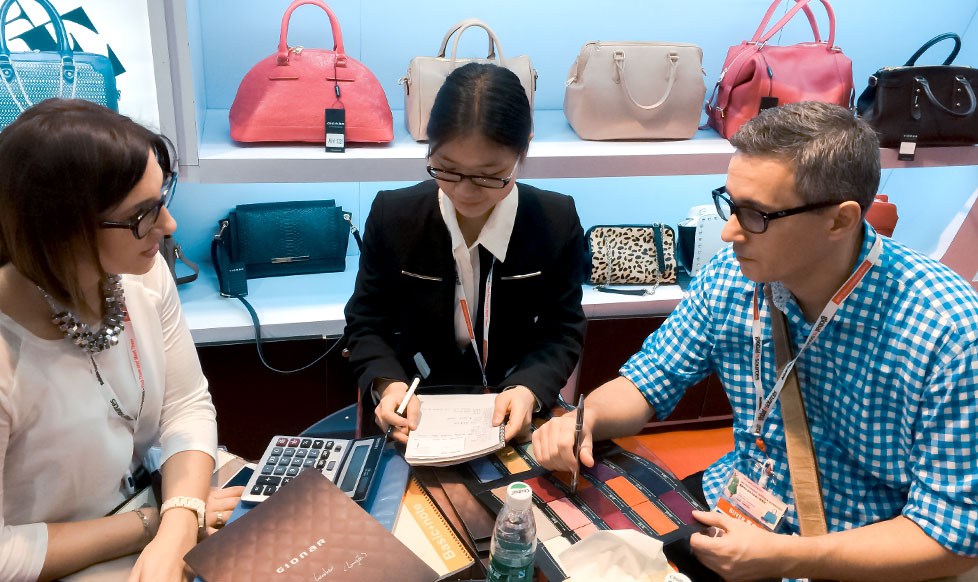
- Negotiate with the factory: Long-term cooperation or advance payment of a deposit may reduce the MOQ. Some factories are willing to lower the minimum order quantity to attract long-term customers.
- Looking for small-scale manufacturers with low MOQ: Small factories or local workshops offer lower MOQ (but the unit price may be slightly higher).
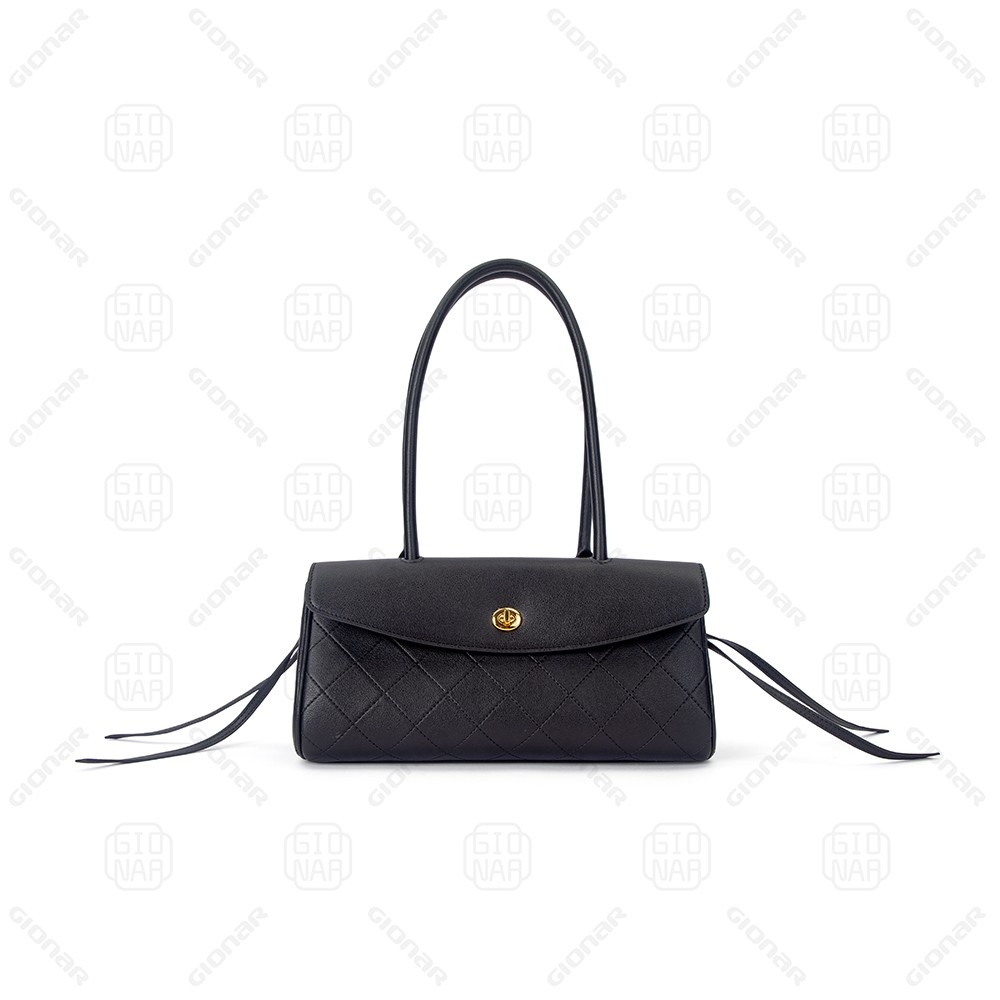
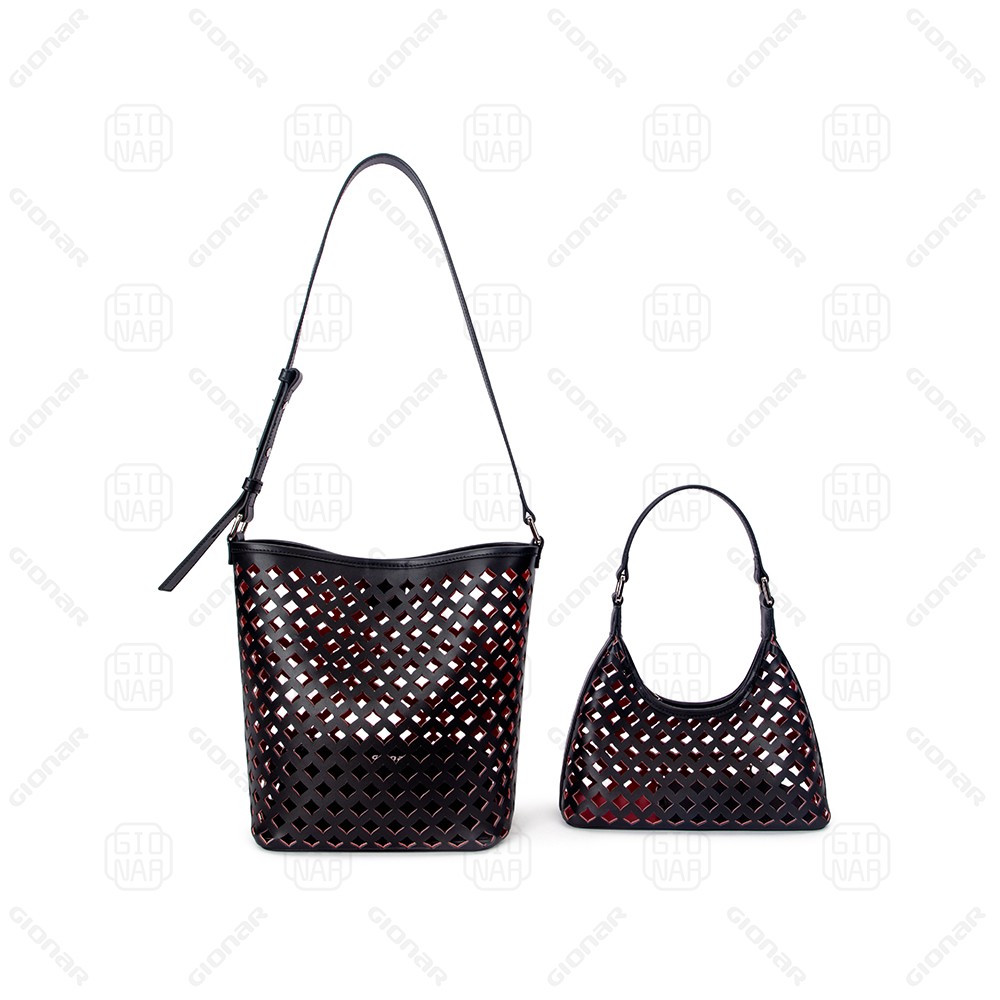
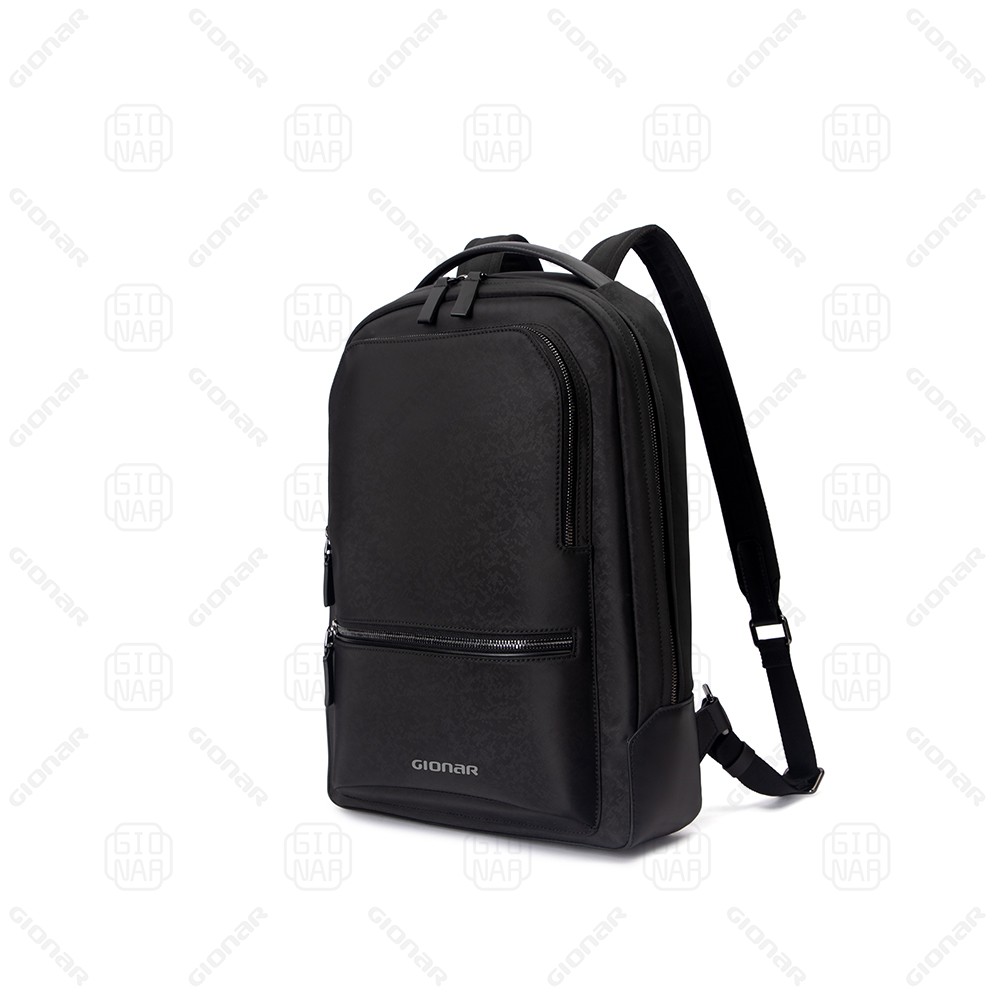
What is the MOQ of Gionar leather bag manufacturer?
Different design , different MOQ . The information for reference :
* Our Designs: You can select our design to custom color and your LOGO :
- 1) If Genuine leather products : 50pcs/color/style for 1st order ;
- 2) If non-leather products : 200pcs /style
*If your own designs: We can make designs accordding to your techpack ,drawing and the picture .
- 1) If Genuine leather products : 100pcs/color/style for 1st order ;
- 2) If non-leather products : 200pcs /style
Please contact with our sales to get the MOQ for different designs.
Conclusion
Every handbag factory has a MOQ. The setting of MOQ is usually to help the factory share the costs in production, thereby maintaining production efficiency and profitability. For customized products, MOQ can also cover the additional costs of processes such as printing or dyeing. Understanding MOQ can help you plan your budget and purchase volume reasonably, and is beneficial to the operation of your bag business.
Gionar, a bag manufacturer with low MOQ, hope that we can help some start-up bag brands. If you have just launched your own bag brand and are looking for a bag manufacturer with a low MOQ to test the market by customizing a small number of bags at low cost, please feel free to contact us.