- +86 13922774531
- info@gionar.com

English


English
April 3 , 2025
Traditional leather (real leather) production has a significant impact on the environment (water used, deforestation, chemical pollution) and traditional leather is an unsustainable product. Fortunately, there are many sustainable leathers that are emerging as alternatives to traditional leather. What kinds of leather are sustainable and recyclable?
What is sustainable leather? Sustainable leather refers to leather that, throughout its entire life cycle, from raw material procurement to production and processing, minimizes environmental impact and ethical considerations as much as possible. The following are some of its details:
Plant-based tanning of leather: It uses natural tannins from plants (such as bark and leaves) instead of toxic chemicals like chromium (used in traditional tanning). Biodegradable and non-toxic.
Chromium-free tanning: If plant tanning is not used, some brands will choose safer synthetic alternatives (for example, oxazolane).
Water and energy efficiency: Factories can reduce water usage, recycle wastewater, or use renewable energy (for example, solar tanneries).
Sustainable leather emphasizes durability (to reduce fast fashion waste) and scrap recycling (for example, upgrading waste into new products).
No leather is 100% sustainable! Even environmentally friendly options have environmental costs (for example, the use of water and methane emissions from cattle).
Can leather be sustainable? The sustainability of leather depends on how it is produced, sourced and treated. While durable and long-lasting, traditional leather has significant environmental and ethical concerns.
Deforestation: Livestock farming contributes to deforestation in the Amazon (80% of cleared land is used for livestock).
Water consumption: about 17,000 litres of water per 1kg of leather production (leather + cattle raising).
Chemical contamination: Chrome tanning releases toxic heavy metals (such as hexavalent chromium) into waterways.
Carbon footprint: Livestock is responsible for 14.5 percent of global greenhouse gas emissions.
Choose vegetable tanned leather (less toxic).
Look for tanneries that are environmentally certified (reduce water/chemical use).
Choose upcycled leather (less waste).
Is leather a sustainable material? No. Traditional leather is difficult to recycle, while causing deforestation, environmental pollution and high carbon costs, is not sustainable leather. If you still want to buy traditional leather, then choose high-quality, durable leather to offset the environmental impact of manufacturing leather.
Is real leather a sustainable material? Not really. The real leather bags are not sustainable. Because most traditional leather (real leather) has a great impact on the environment, and of course there are a lot of sustainable leather bags now.
Sustainable leather bags: an environmentally friendly and ethical choice
If you want a durable, stylish bag without the environmental hazards of traditional leather, choose a bag with sustainable leather.
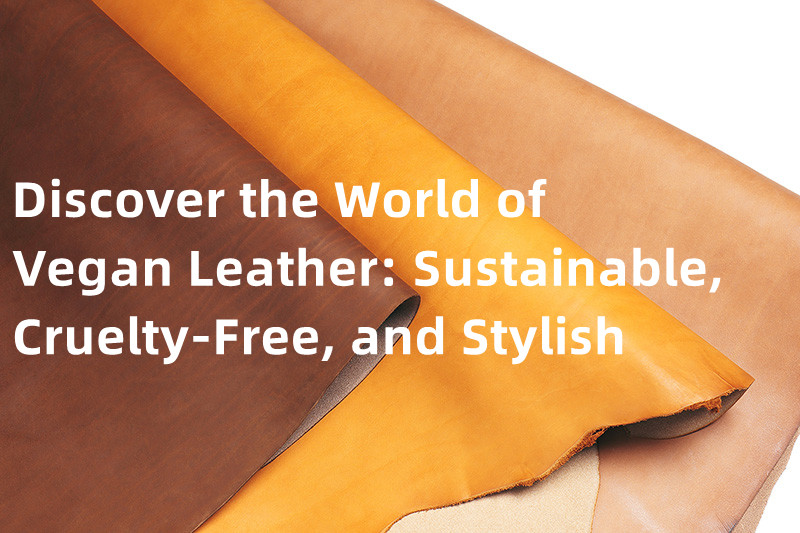
For less impactful leather bags, consider:
Cactus leather: drought resistant, durable.
Mushroom leather (Mylo) : lab-grown, compostable.
Pineapple leather (Pinatex) : made from fruit waste.
Apple leather: Use apple industrial by-products.
Pros: No harm to animals.
Cons: Most are plastic-based (PU/PVC), which sheds microplastics and is not biodegradable.
When choosing environmentally friendly leather bags, it is best to choose a high-quality, durable bag that can be used for many years.
Cactus leather are one of the most promising vegan leathers, most of which are biodegradable and absorb carbon dioxide as they grow. As technology advances, we may see 100% biodegradable cactus leather that no longer contains PU. Sustainable environmental benefits of cactus leather:
Low water use: Cactus grow in dry areas with little irrigation (unlike cotton or cow).
No deforestation: Grow on existing farmland, do not replace forest.
Pesticide free: Naturally resistant to pests and reduced use of chemicals.
Biodegradable (partially) : decomposes faster than plastic-based “vegan leather” (PU/PVC).
Faux leather (mostly vegan) is often marketed as an environmentally friendly alternative to animal leather, but its sustainability depends on the materials used.
Is PU leather sustainable? No. The material of faux leather used is polyurethane (PU) or polyvinyl chloride (PVC). The advantages are that it does not harm animals and is cheaper than real leather. The downside is that the materials are made from fossil fuels (non-renewable), the microplastics fall off after washing, and are non-biodegradable (it takes more than 500 years to break down).
There is also the problem of the potential release of toxic products.
Is mushroom leather sustainable? Yes! The main materials of vegan leather are cactus, mushroom, pineapple, apple or cork. The advantages are that it is biodegradable (or compostable in industrial facilities), uses less water and emits less carbon than animal leather. There are also some disadvantages, which are usually mixed with PU to improve durability (reduce biodegradation), and the need for higher costs.
Traditional artificial leather (PU/PVC) is mainly made of plastic and has very limited sustainability, while plant-based faux leather is the most environmentally friendly option, although it is still evolving.
Is real leather sustainable? No. The production of traditional leather is not sustainable as it has serious environmental, ethical and health implications.
Deforestation: Much forest destruction is caused by livestock farming, which threatens biodiversity and indigenous lands.
Water waste: It takes more than 17,000 litres of water to produce 1 kg of leather (equivalent to 100 bathtubs).
Chemical pollution: Chrome tanning (used in 80% of leather) releases toxic heavy metals (hexavalent chromium) into waterways and poisons ecosystems.
CO2 emissions: Livestock produce 14.5% of global CO2 gas (more than all transport combined).
Chrome tanned leather does not break down and release toxins in landfills.
Even “natural” vegetable tanned leather is treated synthetically to prevent biodegradation.
Did you know? Making a leather bag produces the same amount of carbon dioxide as driving a petrol car 350 miles, so leather is not sustainable. Would you switch to cactus or mushroom leather?
Does leather really more sustainable than plastic? In some cases, durability of real leathe is very good, such as: it is tanned by plants (without chromium), as a by-product of meat (not just farmed for leather), and can be used for decades (offsetting the high initial impact).
Otherwise, real leather will be worse than plastic artificial leather (PU/PVC leather).
PU leather is not a sustainable material because the base material of PU is plastic, and plastic is not sustainable. This is because plastic is made from non-renewable fossil fuels, and when PU leather is used, microplastics are discharged into the ocean. At the same time, plastic-based PU leather is not recyclable in most cases.
Compared to traditional leather or plastic alternatives, sustainable leather has significant environmental and social benefits.
Reduce deforestation and land use, save water, lower CO2 emissions, and recycle leather to reduce waste
There is no cruelty to animals, it is safer for workers and the manufacturing process is cleaner.
Is wild hide leather sustainable? It cannot be judged by whether it is sustainable, because wild hide leather may, in some cases, reduce waste. Wild leather from animals such as deer, elk, bison or wild boar is often more environmentally friendly than real leather from farmed animals. Wild hide leather is often derived from hunting, culling, or invasive species control (such as wild boar in the United States), supporting the recycling of the whole animal (meat + skin) and reducing waste. At the same time, it also avoids the water pollution, land degradation and overuse of antibiotics from factory farming.
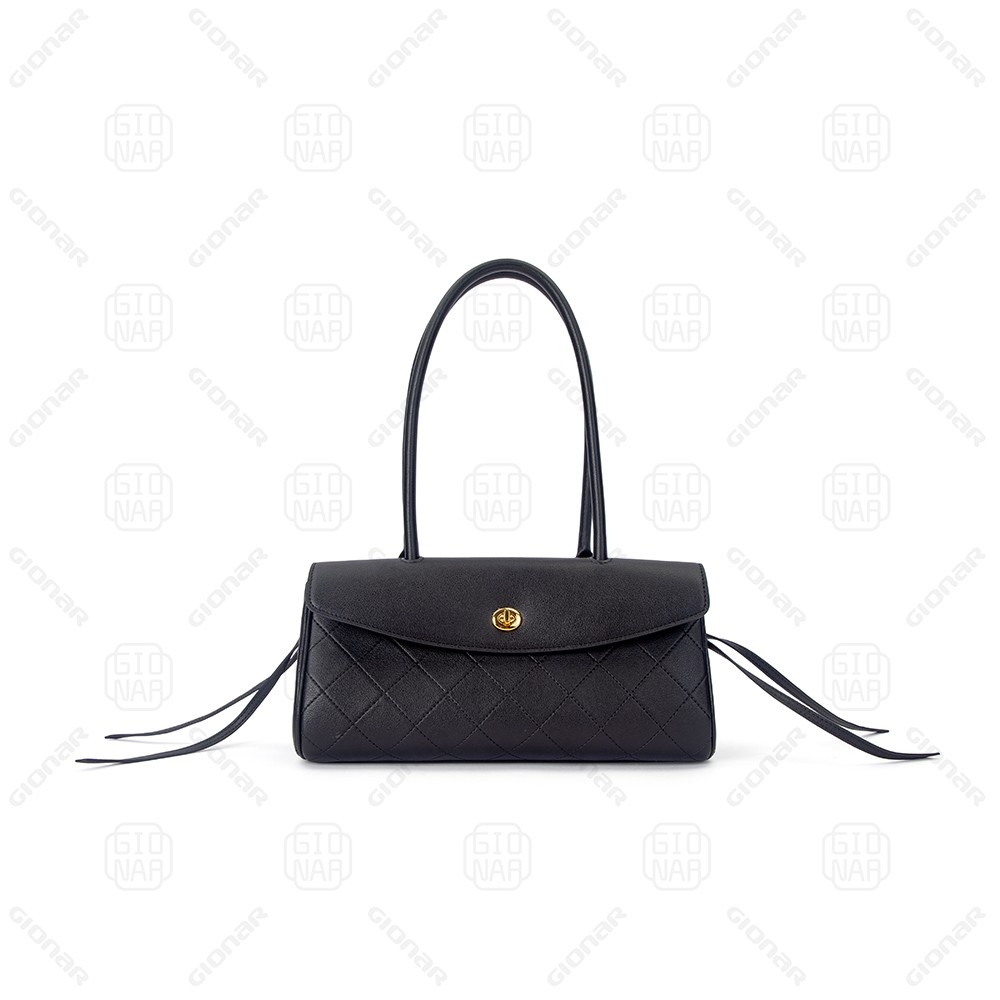
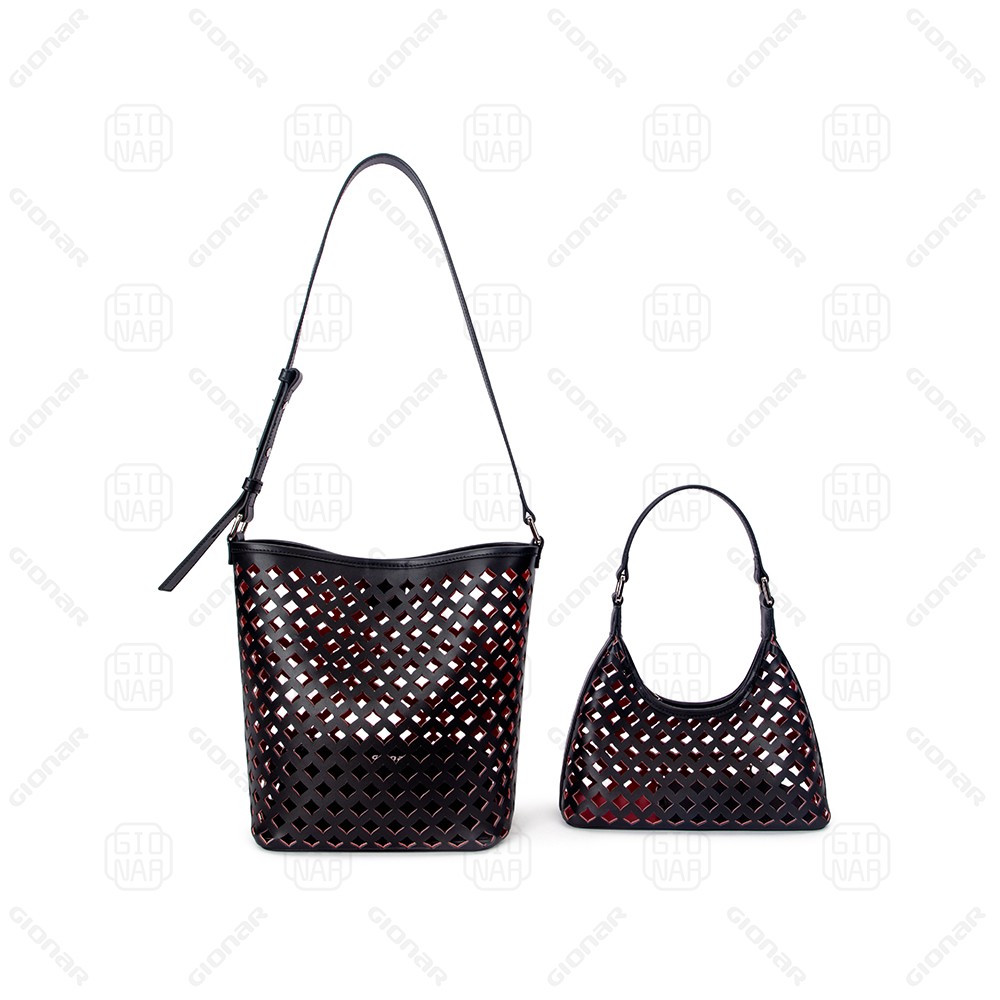
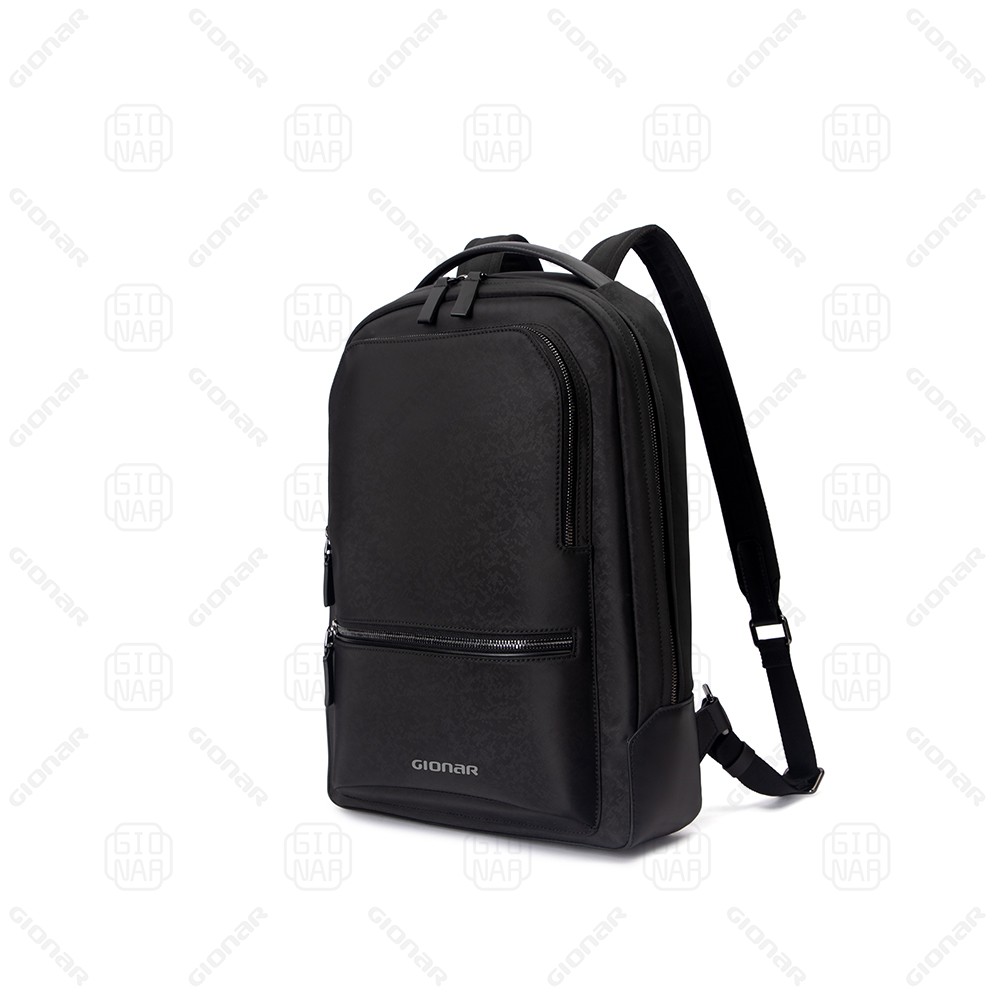
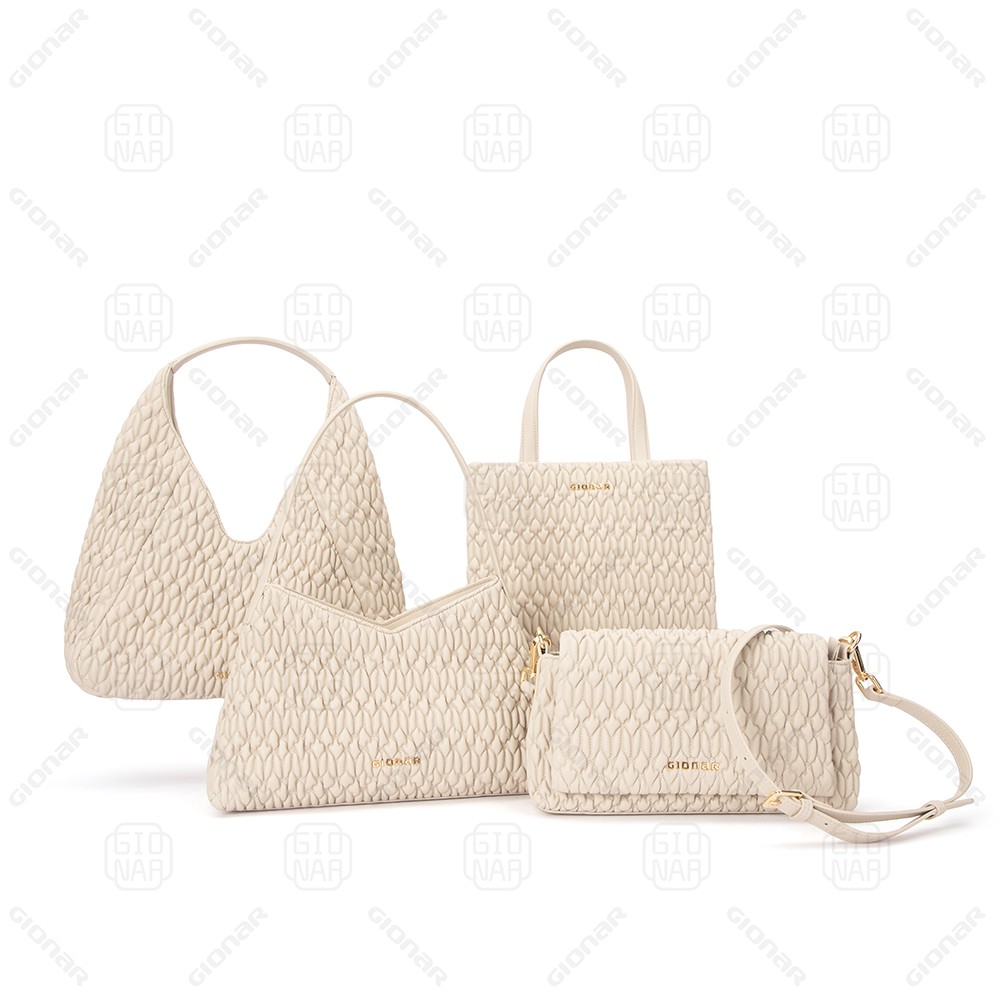
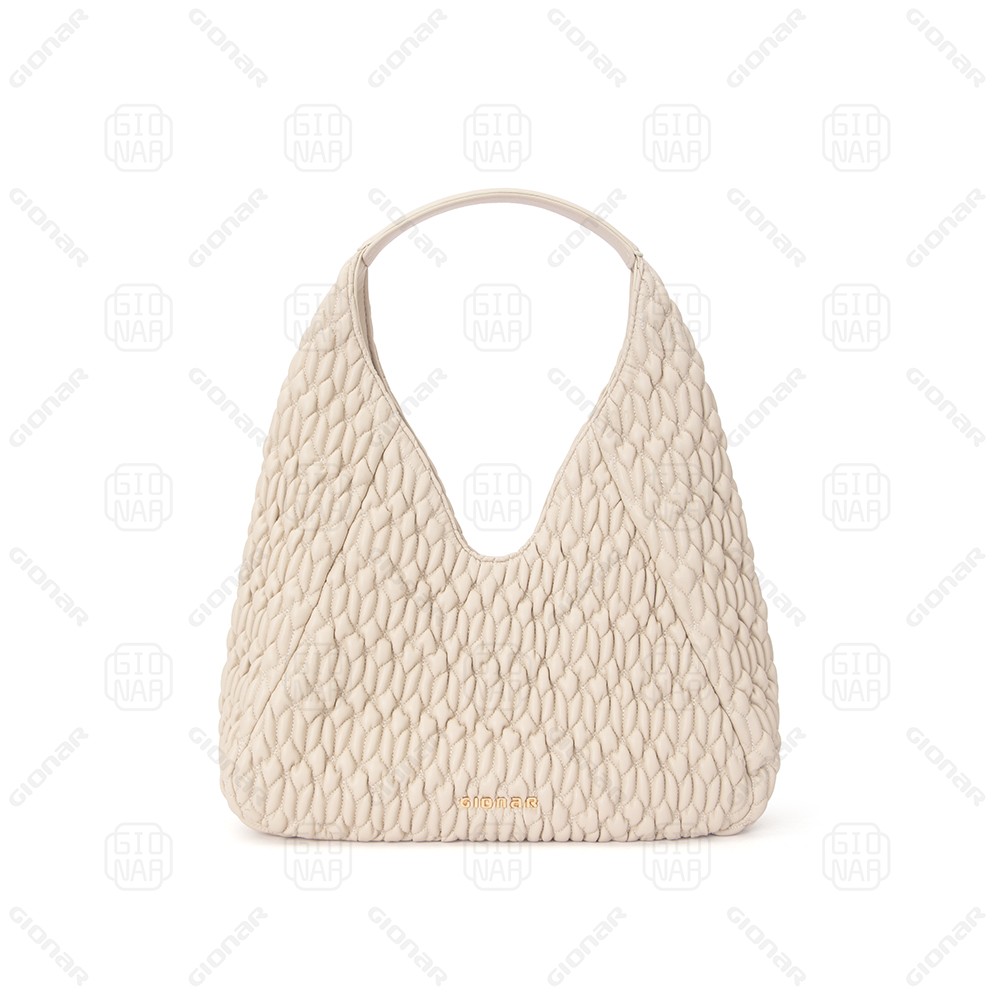
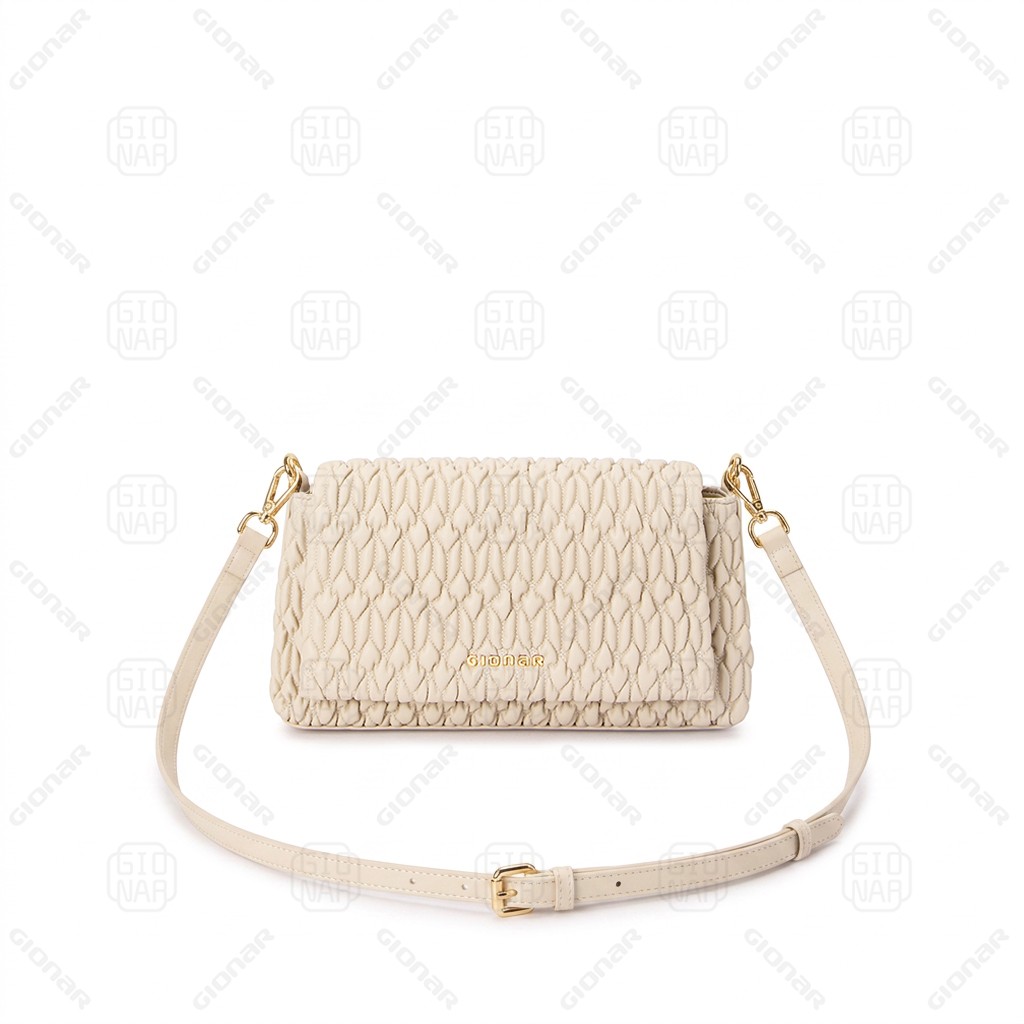
Specializing in luxury bags, Gionar can offer customized leather bags made from innovative, environmentally friendly materials. A variety of sustainable materials can be used, including cactus leather, apple or pineapple leather, mushroom leather, etc., to customize handbags, tote bags, backpacks, evening bags, purses and more.
Related customized services:


Mobile Website

Inquires Whatsapp