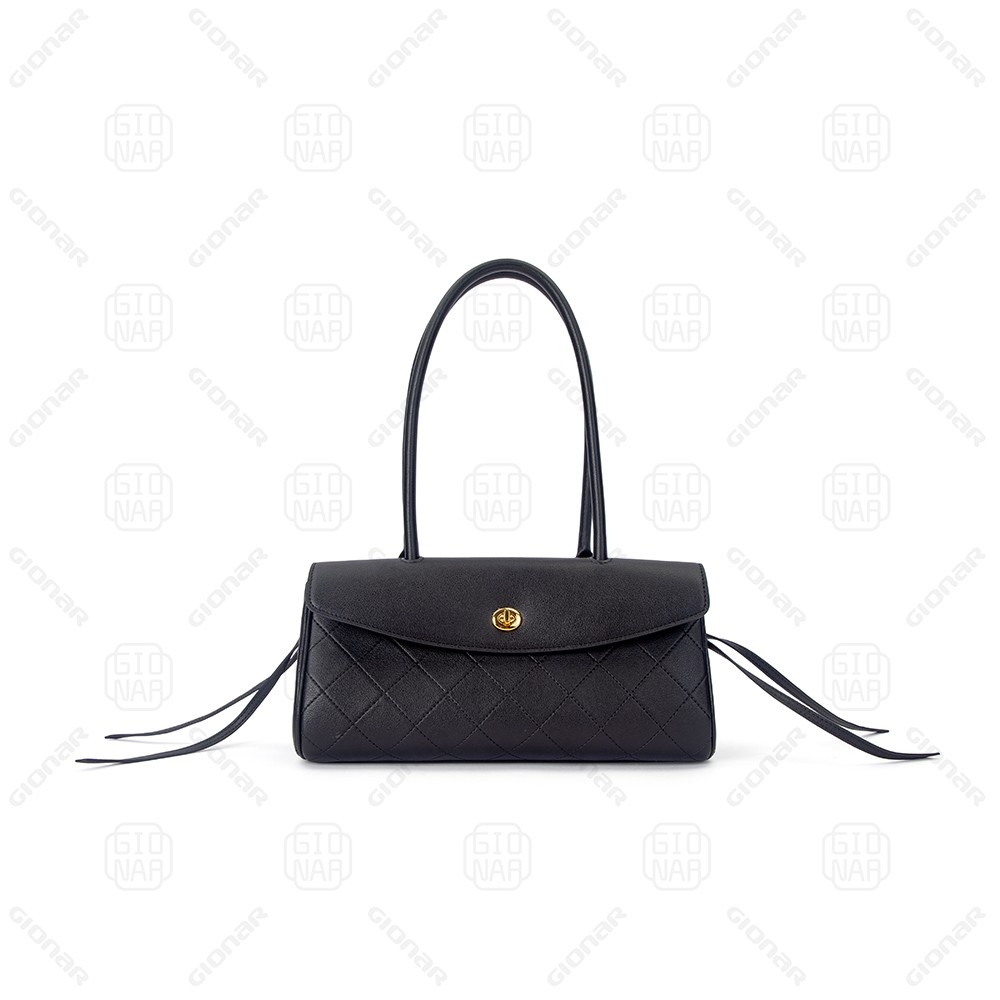
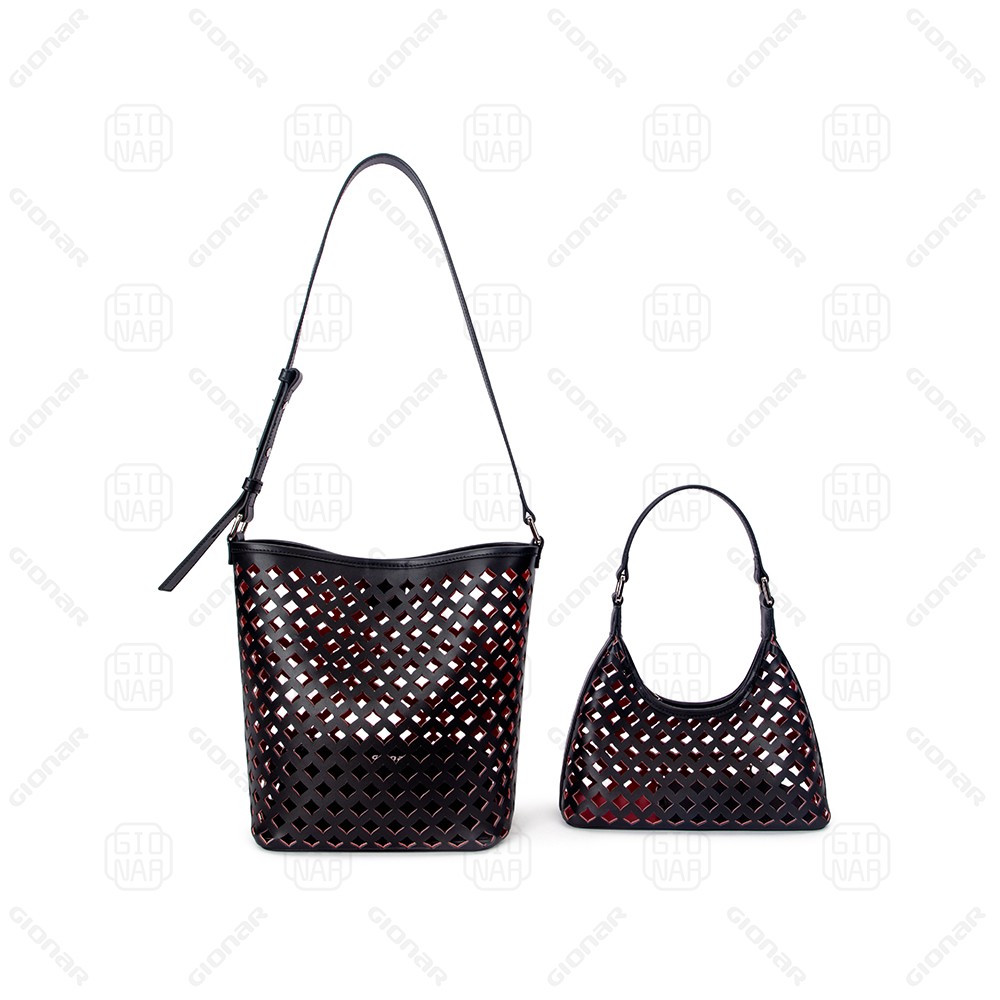
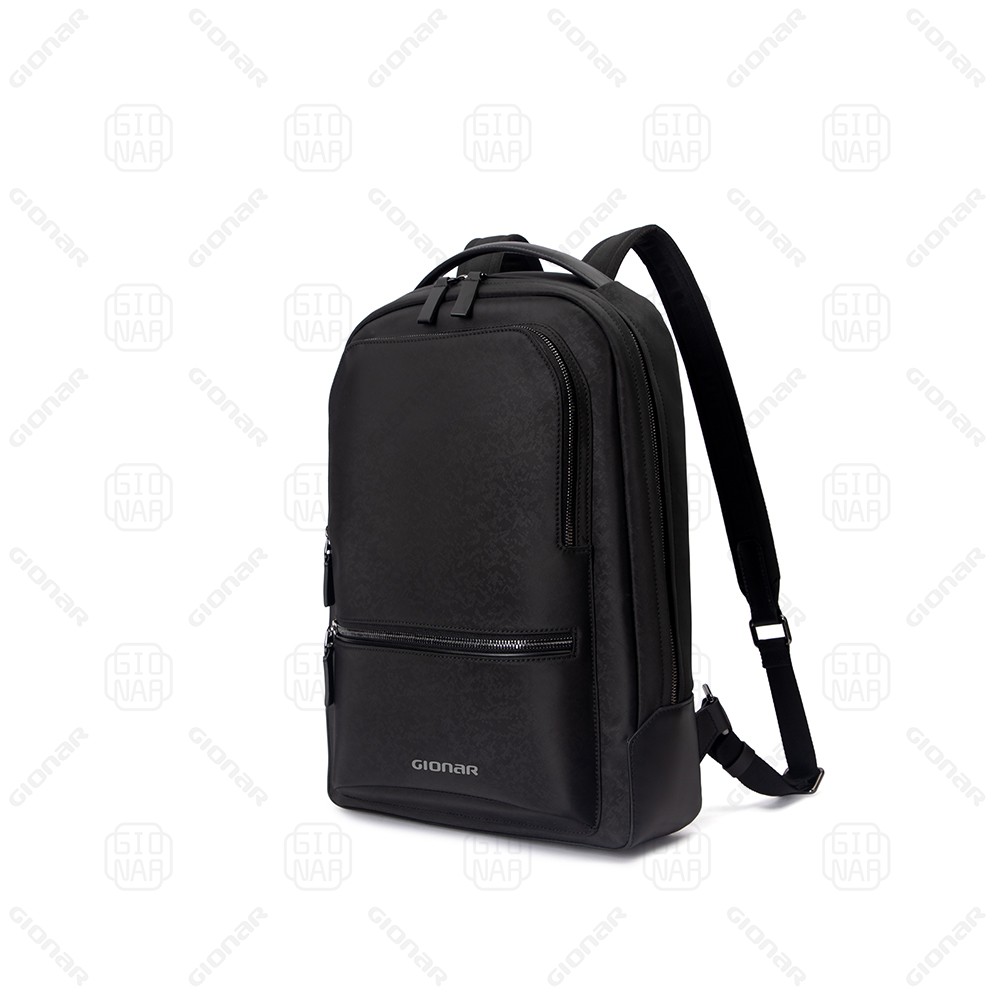
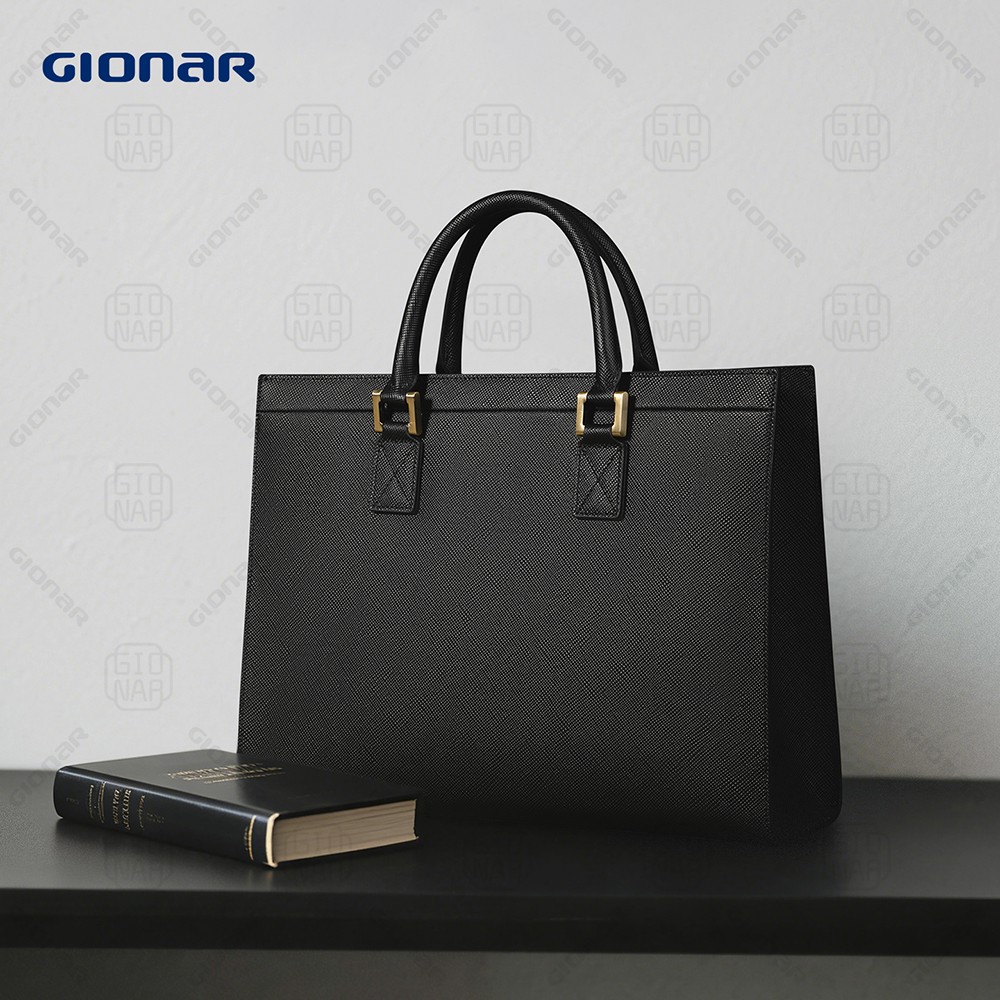
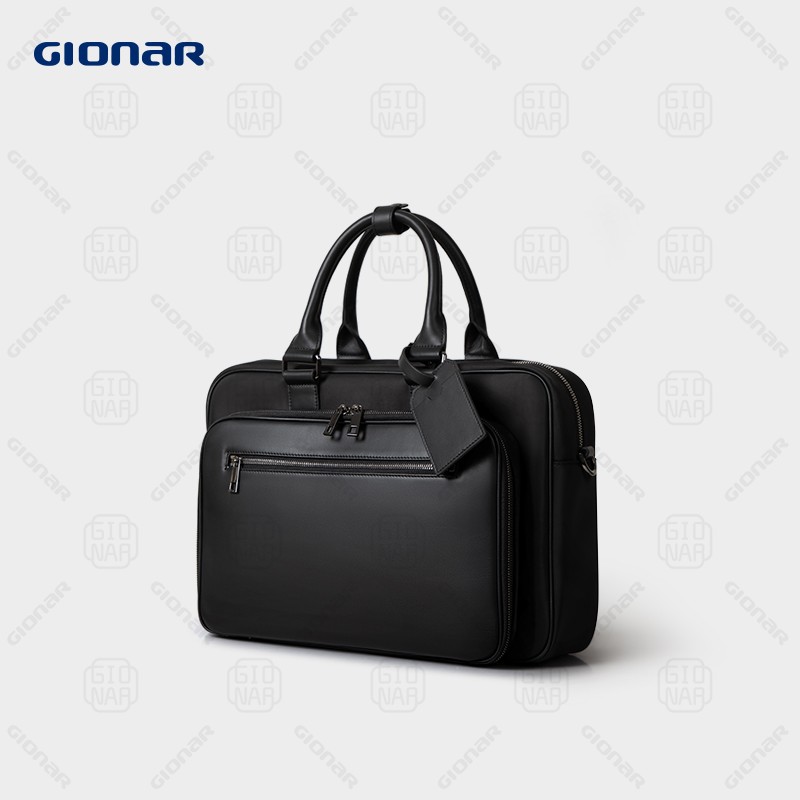
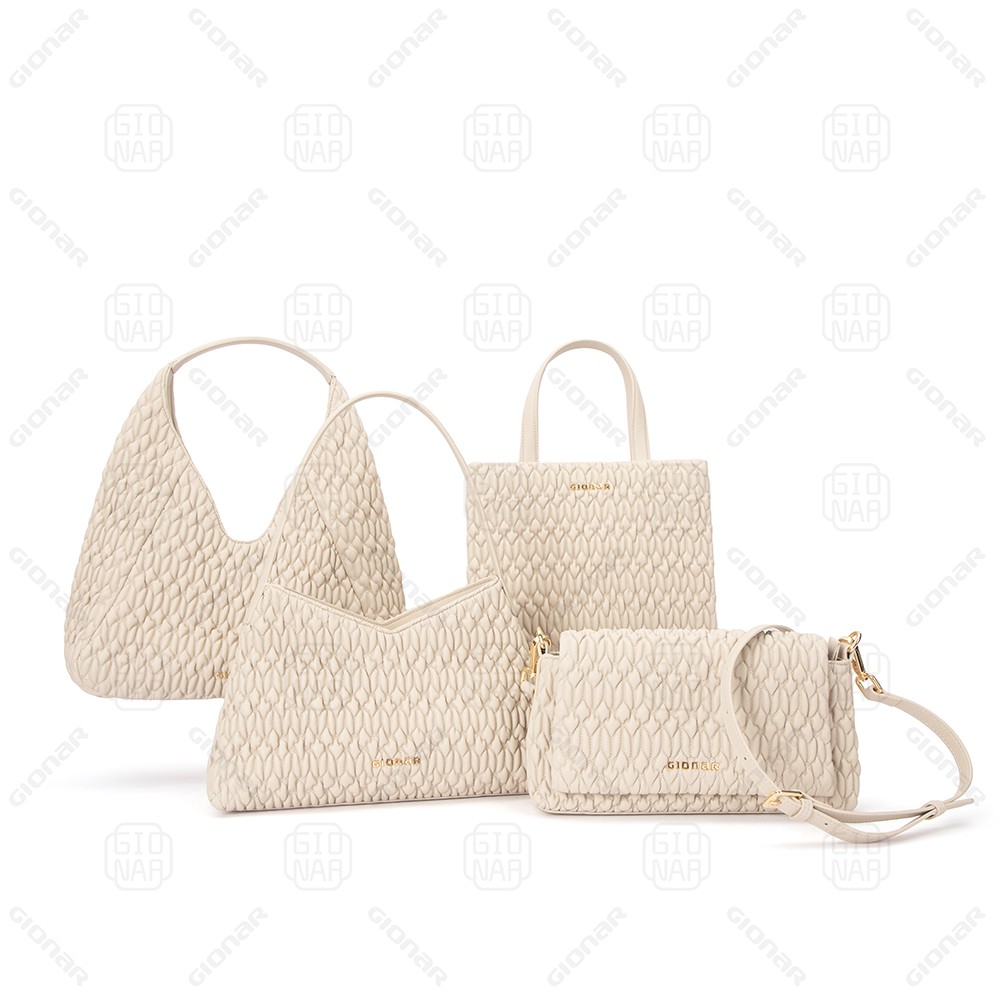
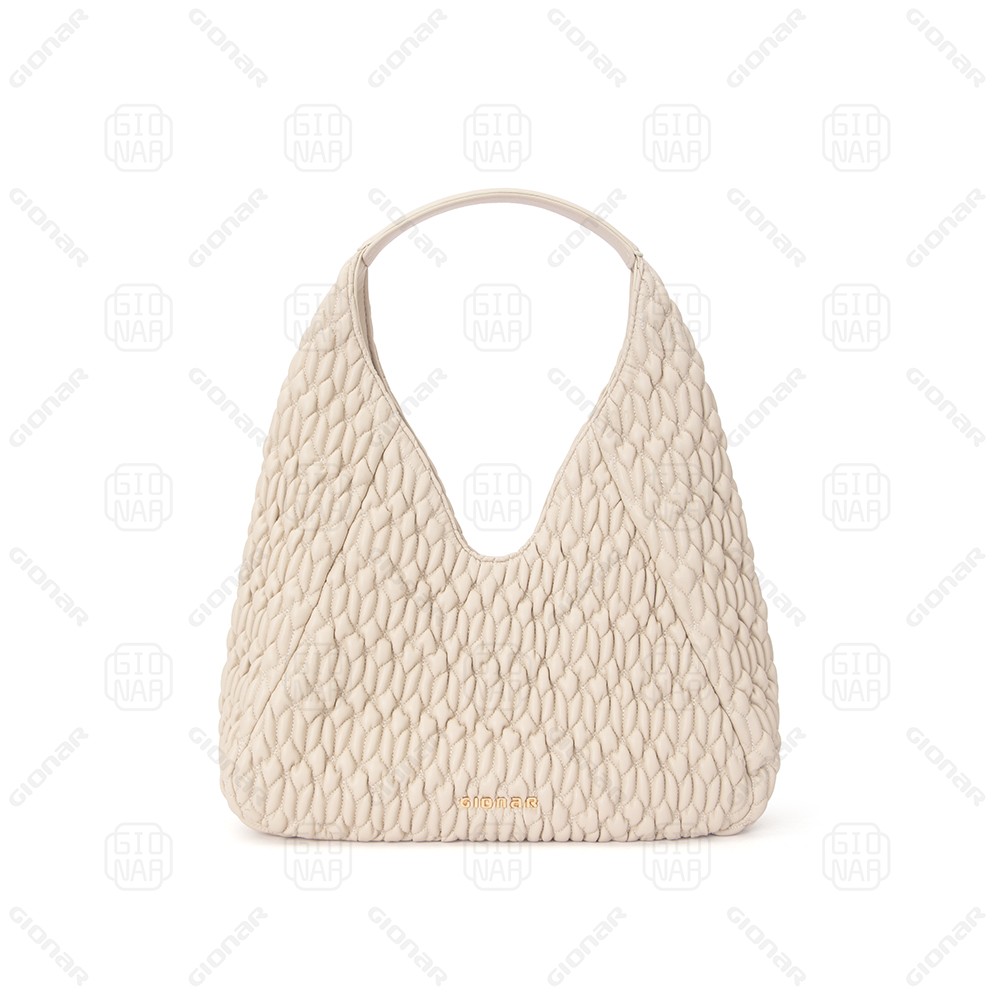
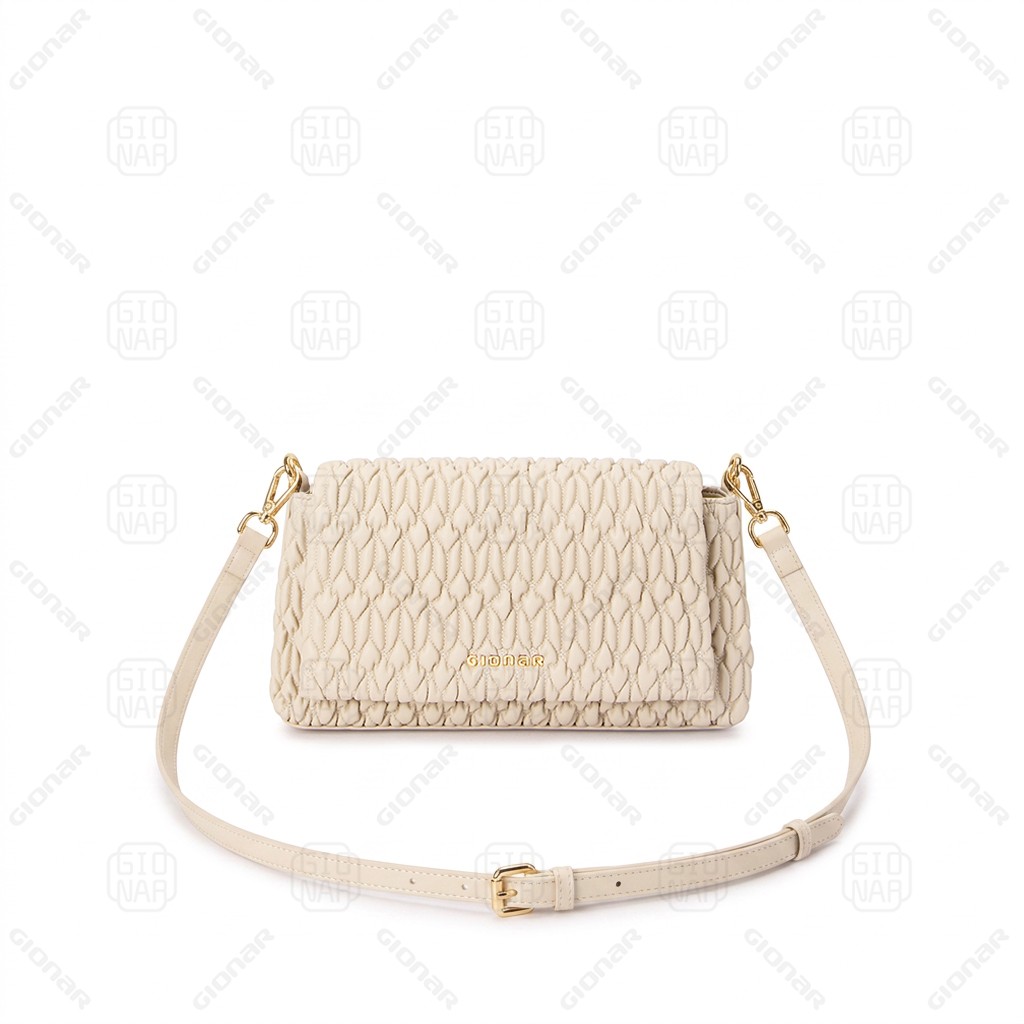
Alligator leather is a rare treasure among leathers. It is made from high-quality leather from the abdomen of alligators and is a material used by many luxury brands. Alligator leather is tough in texture. Although it has poor elasticity, it has extremely high strength and is very durable. It is often used to create high-end luxury goods, such as exquisite handbags, luxurious wallets, elegant belts and fashionable leather shoes, etc.
During Gionar’s many years of customizing bags for customers, many high-end brands have also specified the use of alligator leather as the material to manufacture high-end bags for them. Because products made of alligator leather can display an unparalleled noble temperament and luxurious style, they are symbols of status and taste.
What is alligator?
Alligators mainly refer to large reptiles of the genus Alligators, which have a close relationship with crocodiles and are renowned for their semi-aquatic lifestyle and unique physical features.
Species: There are two living species:
- American Alligator (alligator mississippiensis) – native to the southeastern United States.
- The Chinese alligator (alligator sinensis) – small in size and critically endangered, lives in the Yangtze River Basin.
The main characteristics of alligators:
Appearance
- Body: Strong, with a broad nose and a muscular flat tail, used for swimming and defense.
- Skin: Covered with hard, armor-like scales (bony skin) that provide protection.
- Color: Typical dark gray or black, and young fish usually have pale yellow stripes.
Size
- The American alligator can grow up to 13 feet (4 meters) in length and weigh over 1,000 pounds (450 kilograms).
- The Chinese alligator is relatively small in size, with a body length of about 7 feet (2 meters).
Habitat
Alligators live in freshwater environments such as rivers, lakes, swamps and marshes.
The American alligator is native to the southeastern United States, while the Chinese alligator is native to eastern China.
Behavior
- Diet: Carnivorous, feeding on fish, birds and mammals, and occasionally eating carrion.
- Hunting: Use ambush tactics, lie motionless in the water and launch a surprise attack on the prey.
- Social structure: Generally, they live alone except during the mating season.
- Communication: Make sounds like roaring and purring, especially during mating.
Reproduction
- Mating: It occurs in spring when females build nests on plants.
- Eggs: 20 to 50 eggs are laid and incubate for about 65 days.
- Parental care: The female guards the nest and may help the hatched chicks drink water.
Adaptability
- Eyes and nostrils: Located at the top of the head, they enable them to see and breathe most of the time underwater.
- Teeth: Sharp conical teeth, used for catching prey (unlike crocodiles, their teeth are more even).
- Cold-blooded animals: They regulate their body temperature by relying on external heat sources.
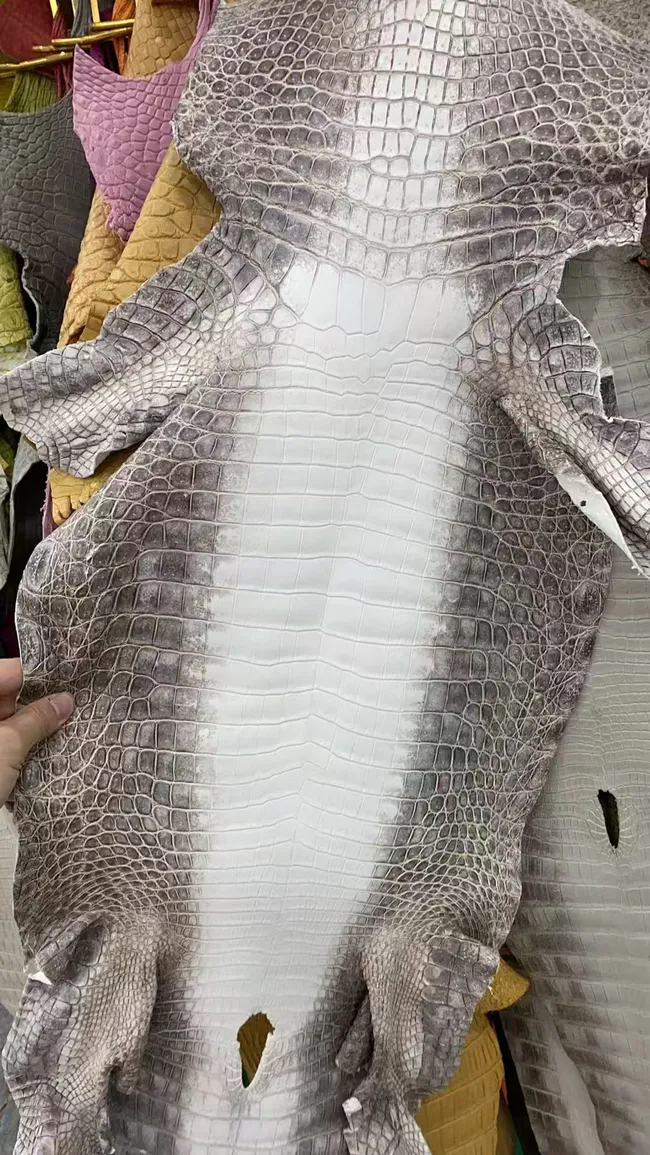
What is alligator leather?
Alligator leather is made from the skin of alligators (usually the abdomen), and is highly regarded for its unique scale pattern, softness, durability and rarity. It is a high-end and luxurious leather, often referred to as “the platinum of leathers”, and is a material for manufacturing luxury products.
The main characteristics of alligator leather
- Source of materials: Farmed alligators (mainly American alligators or Nile alligators).
- Appearance: Alligator leather features distinctive raised, irregular and asymmetrical abdominal scales. Natural color variations (from light cream to deep black) are usually enhanced with dyes. Glossy or matte finish, depending on the tanning process.
- Soft texture: tight and smooth, over time it develops a rich bronze color. The scales have a slight flexibility (unlike the stiff imitation of “crocodile relief”).
- Scarcity: Alligators are slow-growing animals with only a small part of their skin, mainly the abdomen, which is suitable for leather production. Coupled with the high breeding cost of alligators, it leads to their scarcity and high price.
- Good durability: It is extremely durable and long-lasting.
- Applied to luxury goods: handbags, wallets, watch straps, belts, shoes, jackets.
- Moral considerations: For the sake of protection, the trade of alligator leather is regulated. Consumers should ensure that products made from alligator skin comply with legal and ethical standards.
What is alligator grain leather
Alligator leather is not genuine alligator skin. Instead, it is a textured leather that has been embossed or processed, possibly made from cowhide or synthetic leather, imitating the unique scale patterns of real alligator skin. The characteristic of alligator leather is its unique, raised and symmetrical scales.
Key characteristics
- Material source: Generally, it is made of genuine leather (cowhide, calfskin or other animal leathers) or synthetic leather (PU/PVC) with embossed alligator scale patterns, not genuine alligator leather.
- Appearance: Use embossing or embossed patterns to imitate the raised and symmetrical scales on the skin of alligators. It can be on a glossy, matte, or metal-made texture surface like alligator skin.
- Price: Much cheaper than real alligator leather.
- Durability: Alligator leather based on cowhide is usually durable; Synthetic leather is relatively less durable.
- Usage: Luxury accessories, such as wallets, belts, shoes, handbags, watch straps, and furniture interiors.
How to identify?
- Real alligator leather: The scales are irregular, the texture is soft, and pores can be seen when enlarged.
- Alligator Grain Leather: Completely uniform scales, plastic texture (if synthetic).
Alligator Leather vs. Alligator Grain Leather
| Feature |
Real Alligator Leather |
Alligator Grain Leather (Imitation) |
| Material |
Authentic alligator hide |
Embossed cowhide or synthetic (PU/PVC) |
| Cost |
$500–$5,000+ (small items start at ~$1K) |
$50–$300 |
| Durability |
Extremely long-lasting (30+ years) |
2–10 years (depends on base material) |
| Ethics |
CITES-regulated farming |
Vegan (if synthetic) or cowhide |
| Scales |
Natural, irregular patterns |
Perfectly uniform (machine-pressed) |
How is alligator leather made?
The production of alligator leather is a meticulous and highly specialized process that combines traditional craftsmanship with modern leather-making techniques to transform raw leather into the world’s most luxurious leather material. The following is its detailed and complex technological production process from the farm to the finished product:
1. Purchase from the farm
Alligators are raised on professional farms with relevant licenses to ensure ethical treatment and sustainability. In addition, high-quality alligator skin requires that the leather be free of flaws, such as scars. Alligator skin is suitable for alligators aged 4 to 6 years (when the scales reach the optimal size/quality).
Wild logging is illegal and farms must abide by strict quotas.
2. Tanning process
The first step: Pickling
Leather is salted to prevent spoilage and then soaked in water to remove salt and debris.
The weight gain machine removes excess fat/muscle from the skin.
Decolorization, removing the pigments contained in alligator skin. If not removed, this may affect the subsequent dyeing process and the quality of the leather. Decolorization is usually achieved through oxidation or reduction methods.
Then the salted leather is dried in the sun and stored until it is ready for tanning.
Step Two: Tanning
- Chrome tanning (the most common) : Utilizing the flexibility and durability of chrome salts, the result is softer, softer leather, the most common fashion item.
- Vegetable tanning (premium) : Natural tannins are extracted from the bark, and leather tanned by plants is stronger (for high-end products).
- Compound tanning: A blend of chromium and vegetable tanning, balancing softness and structure.
- Oil tanning: Enhances softness (common for watch straps).
Step 3: Save
Skilled artisans hand-stretch and arrange the scales to maintain symmetry.
Leather is placed in large barrels and dyed with aniline dye (usually a rich hue like strong coffee or cognac), and then polished, buffed or glazed to enhance its luster and texture, which can produce alligator leather with a strong three-dimensional effect and a two-tone appearance.
3. Grading and cutting
Grading: Leather is classified by quality:
- Grade 1: Flawless abdominal scales (for luxury bags/wallets).
- Grade 2/3: Slight scars or irregularities (can be used for shoulder straps).
Cutting: Laser or manual cutting ensures that the scales are perfectly aligned in the finished product.
4. Produce luxury goods
Artisans sew and assemble items such as luxury handbags, and each piece usually requires more than 20 hours of handcrafting.
How to tell if alligator leather is real?
To identify whether it is genuine alligator leather, one can distinguish it from various aspects:
Appearance
- True alligator leather: The size and shape of the scales are naturally asymmetrical and irregular. Each scale has tiny holes (visible when magnified), and the ridges are slightly raised but flexible.
- Fake alligator leather: Completely uniform machine-pressed symmetrical scales, looking stiff and not so natural. It has no pores and looks like plastic. It’s just too “perfect”.
Color and luster
- True alligator leather: It will develop a richer luster over time due to the natural oils on the leather surface. It may look a bit dull at first, but it will become shiny over time.
- Fake alligator leather: Fake alligator leather may start to be overly shiny, but it will lose its luster and become dull when used.
Edge
- True alligator leather: The cut edges show fibrous, layered skin (like tree rings).
- Fake alligator leather: Smooth edges (if it is synthetic) or looks like standard leather (if it is cowhide).
Texture
- True alligator leather: elastic, soft, with a slightly uneven surface, but strong (not stiff). Scales bend when they bend; It feels very cold.
- Fake alligator leather: hard (PVC) or too soft (cheap PU) lacking elasticity, or overly smooth. It feels warm (plastic) or like ordinary leather (cowhide).
Flaw
- Genuine alligator leather: You may notice pore marks, slight scars, stretch marks, or color changes (signs of organic growth).
- Fake alligator leather: flawless, “too perfect” appearance.
Bottom surface
- Genuine alligator leather: The underside shows natural skin texture.
- Fake alligator leather: fabric or plastic substrate, or completely uniform finishing on the back, is common in synthetic leather.
Price
- Genuine alligator leather: Small items (wallets/watch straps) start at over $500; The bag is over 5,000 US dollars.
- Fake alligator leather: “Alligator” bags priced under 300 US dollars are definitely fakes.
Test
- Bending test: Real alligator leather have gentle creases; Fake alligator leather may crack or show white lines.
- Water test: The genuine alligator leather will absorb a drop of water (darkening the spots); Fake alligator leather will show water beads.
- Burning test (for waste materials only) : The genuine alligator leather is charred and smells like charred hair. The fake ones (especially PU) will melt and smell like plastic.
FAQs of alligator leather
Is alligator leather durable?
Yes, genuine alligator leather is very durable. If properly maintained, it is usually more durable than traditional cowhide. With proper care, genuine alligator leather can last for more than 20 years (cowhide can last for 10 to 20 years).
Is alligator leather ethical?
The morality of alligator leather is complex and controversial. It can be regarded as either moral or immoral. This depends on several factors, including the source of the leather, the way animals are treated, and an individual’s view on the use of animal leather. Generally speaking, if the alligator leather comes from a certified farm, it may be ethical.
Is alligator leather expensive?
Yes, alligator leather is extremely expensive. It is one of the most premium and expensive leathers in the world, usually 10 to 20 times more expensive than cowhide.
Alligators are slow-growing animals. Their skin is only a limited part, mainly the abdomen, which is suitable for making leather. The breeding and farming costs are very high. The tanning and processing of alligator skins require specialized techniques and materials, which also increases the costs.
Is alligator leather waterproof?
No, alligator leather is naturally waterproof, but not completely impermeable. Alligator leather itself is not waterproof. Prolonged exposure to moisture can damage the surface, smoothness and structure of the leather.
Conclusion
Alligator leather, with its unique three-dimensional checkered texture, is soft to the touch yet extremely tough, and combines beauty and durability. Its rarity and complex craftsmanship make it a common material for top luxury goods, widely used in high-end bags, leather shoes and accessories, symbolizing status and taste. With proper maintenance, it can be used for a long time and is a representative of luxury leather.
If you are running a high-end luxury bag business and also want to use alligator leather to make your brand bags, you are welcome to cooperate with leather bag manufacturer Gionar. For more than nineteen years, Gionar has been dedicated to customizing high-end leather bags.