- +86 13922774531
- info@gionar.com

English


English
April 29 , 2025
Mango leather is an eco-friendly vegan leather made from discarded mango pulp and natural binders. It is soft, lightweight and partially degradable, but has relatively weak wear resistance, making it suitable for creating sustainable fashion items.
Mango leather is a plant-based and sustainable alternative to animal skin, mainly made from mango pulp waste and other natural materials. This is part of the increasingly popular “fruit leather” trend (alongside apple leather, pineapple and cactus leather), aiming to reduce the environmental impact of fashion.
Is mango leather genuine leather? No, mango leather is not genuine (animal-derived) leather. This is a vegetarian and plant-based alternative, mainly made from mango waste and natural binders.
Mango leather is an innovative material that contains no animal ingredients or synthetic materials, but it is not true leather. This is the best sustainable accessory, and traditional leather remains the choice of heirloom quality.
No, mango leather does not use real (animal-derived) leather. This is a 100% plant-based vegetarian material made from mango waste and natural binders. Mango leather is a sustainable alternative to genuine leather, not a derivative of it.
Environmental protection:Biodegradable (unlike PVC vegan leather without PU coating). Save mangoes from landfills and reduce methane emissions.
Vegetarian and cruelty-free: No animal products.
Lightweight and flexible: Similar to soft leather, such as sheepskin.
It is not as durable as traditional leather (and is prone to scratches).
It is usually mixed with PU to enhance strength and reduce biodegradability.
Water-sensitive, unless coated
Small-scale production (limited supply)
It is more expensive than synthetic vegan leather
Step-by-step production process
Raw materials: Use imperfect, overripe or surplus mangoes (stems, peels and flesh) that have been rejected by the food industry.
Sustainable development impact: Transferring fruit waste from landfills to reduce methane emissions.
Mango waste is crushed into pulp and mixed with:
Natural binders: chitosan (from mushroom/fungal sources), AGAR or plant-based glycerin.
Optional reinforcing materials: Some brands blend with organic cotton or bamboo fiber to enhance strength.
The slurry mixture is spread in a thin layer on the mold or flat surface.
Drying: Air-dry or low-temperature baking to remove moisture (free of toxic chemicals).
Coating: It is usually treated for waterproofing with beeswax, cactus juice or plant-based polyurethane (PU).
Embossing: Imitating animal leather with embossing (such as crocodile embossing patterns).
Before cutting the product, the sheet should be tested for flexibility, tear resistance and color fastness.
Mango leather, as a sustainable and vegan alternative to traditional leather, is increasingly favored by people, and its application range covers fashion, accessories and even household items. The following is a breakdown of its current and potential uses:
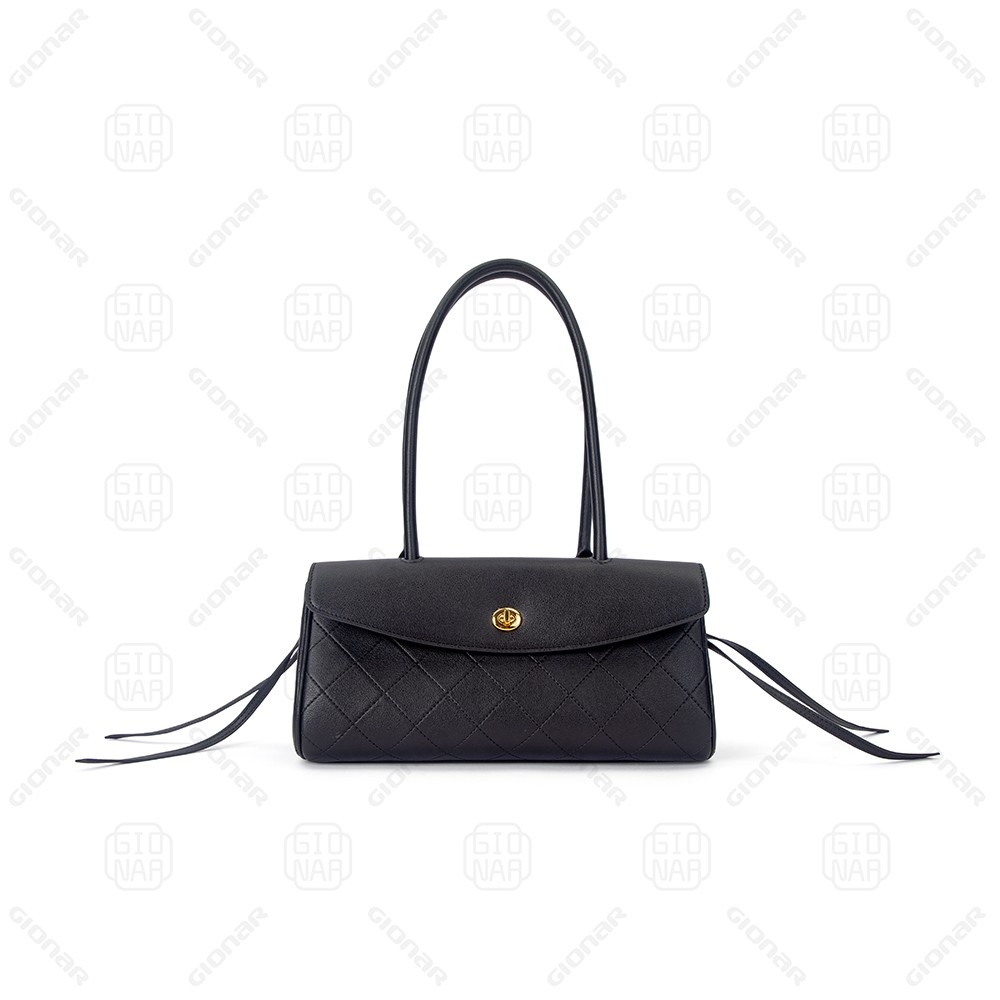
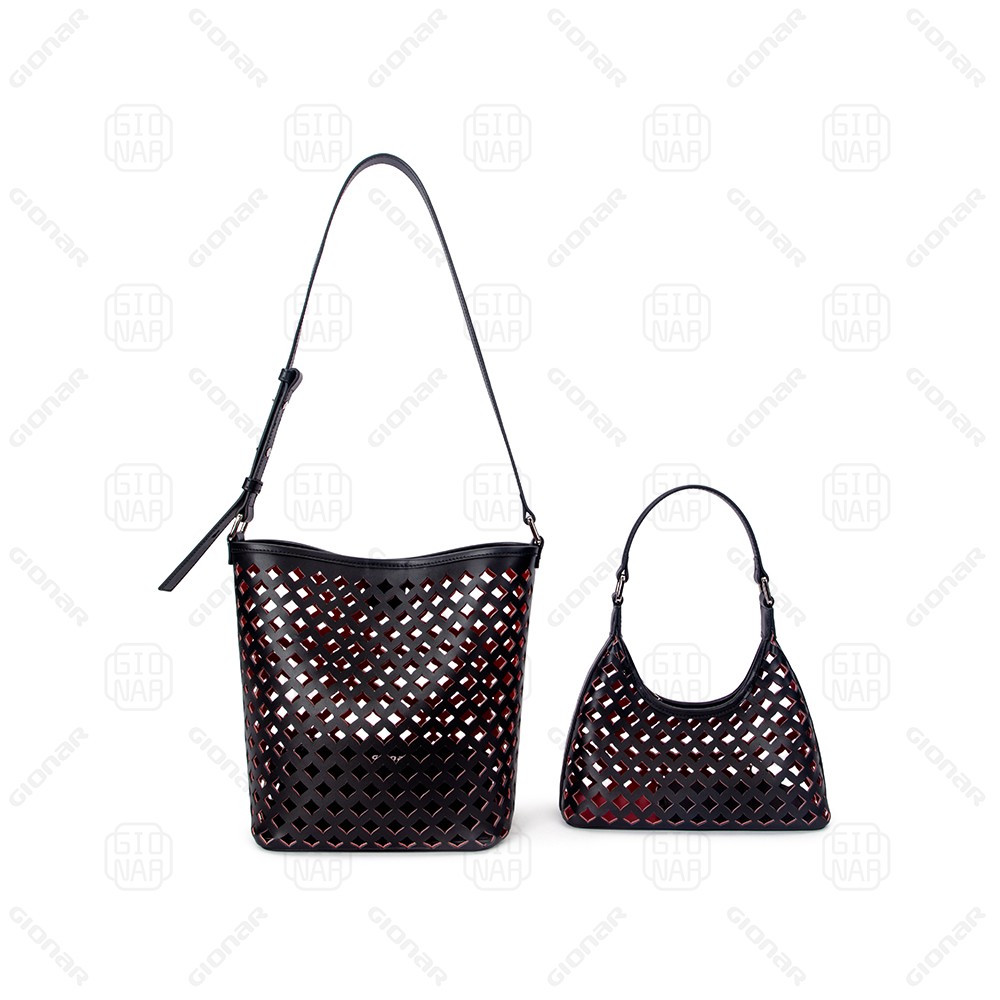
Handbags and crossbody bags: Lightweight and flexible.
Wallets and card holders: Thin, durable, and small enough leather goods.
Sports shoe style: Used for panels or linings.
Sandals/slippers: Soft in texture, suitable for lapping.
Upper garment trim: A patch or cuff used as decoration.
Belts and straps: Usually mixed with other materials to enhance strength.
Throw pillow: It adds a unique eco-friendly texture.
Workbench/roller coaster: The waterproof coating makes it practical.
Magazine cover: Vegetarian stationery brands are very popular.
Car seat features: Luxurious vegan interior (for example, Tesla’s synthetic leather option).
Laptop sleeves/phone cases: Lightweight protection.
Binding: For limited edition vegetarian books.
Art Installation: Biodegradable art project.
Medium durability. Mango leather offers a unique blend of sustainability and style, but its durability is moderate compared to traditional leather or synthetic alternatives.
Strengthening the stress point: Add fabric lining or thicker stitching.
Waterproofing: Apply plant-based waxes (such as small candlesticks) or algae-based coatings.
Mixed materials: Mix with cactus leather or mycelium to increase strength.
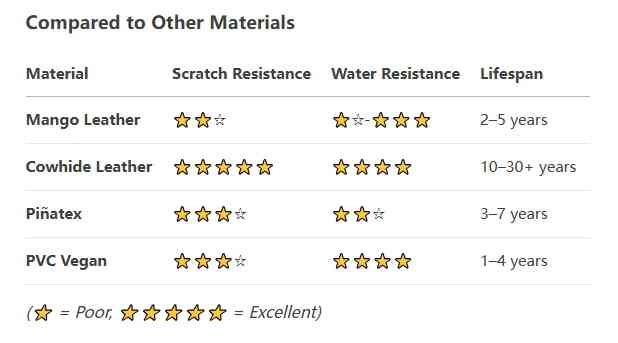
The service life of mango leather depends on its composition, usage method and care approach. Generally speaking, with proper care, it can be used for 2 to 5 years (comparable to mid-range vegetarian leather). If it is used frequently, it can be used for 1 to 3 years (scratches/fading may occur faster than animal leather).
Leather made purely of mango ingredients (without synthetic mixtures) is softer but less durable.
Fortified mixtures (such as mango + cactus or mycelium) have a longer service life (up to more than 5 years).
Uncoated: Biodegradable, but susceptible to water/stains (2 years).
Plant-based pu coating: More waterproof (3-5 years).
Gentle cleaning: Wipe with a damp cloth and mild soap.
Avoid water: Use plant-based waterproofing materials (such as beeswax).
Proper storage: Keep in a dust-proof bag and avoid direct sunlight.
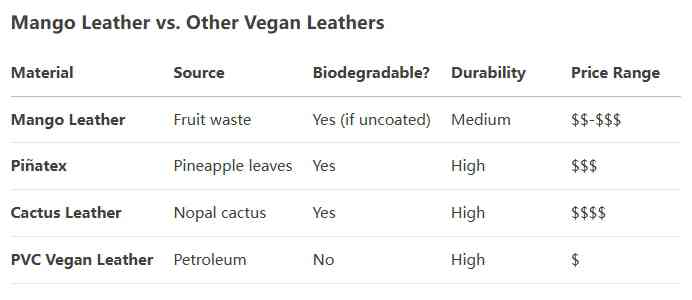
Yes, mango leather are biodegradable – but only if they don’t have synthetic coatings. The following are the key conditions for its ecological impact and biodegradability:
It is made purely from mango pulp + natural binders (for example, mushroom chitosan, plant starch).
Decompose in industrial compost for 3 to 6 months (ideally 90 to 180 days).
Treat with a sealant based on beeswax, cactus juice or algae (not the traditional PU/PVC).
Mix with synthetic polyurethane (PU) or plasticizers to enhance durability.
Blend with a polyester substrate (commonly found in inexpensive vegan leather).
Yes. Mango leather is an environmentally friendly and innovative bag material, but its suitability depends on your priorities.
Mango leather features sustainability, biodegradability (if not coated with synthetic materials), compliance with vegetarianism and ethics, lightness and softness, as well as a unique aesthetic appeal. It is an excellent material for making bags.
However, mango leather also has some problems, such as insufficient durability, limited Structural rigidity, higher cost, and limited production volume, which also restrict many bag brands from manufacturing bags made of mango leather.
Casual handbags: Lightweight and relaxed shapes (such as beach bags, shopping bags).
Minimalist clutch: Compact and low-pressure design.
Crossbody bag: Increase strength with cotton or recycled polyester lining.
Decorative items: Decorate or decal on larger bags.
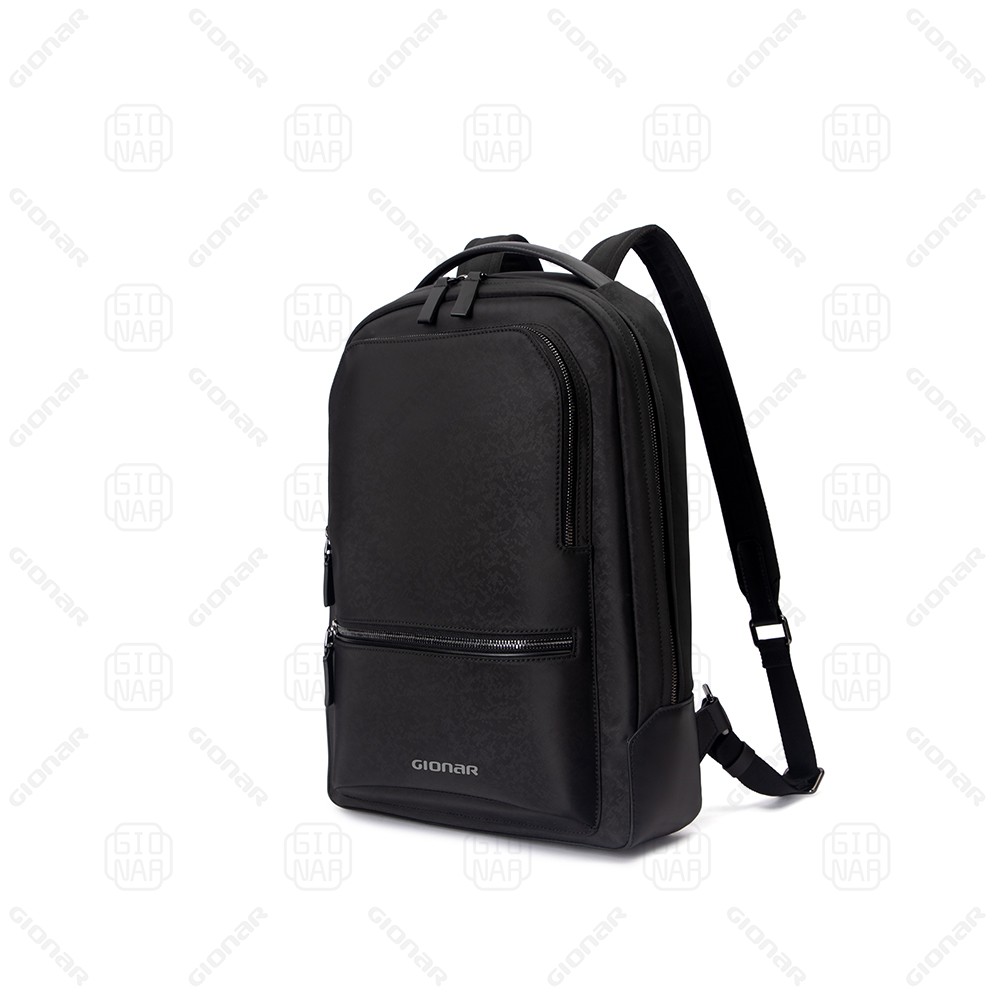
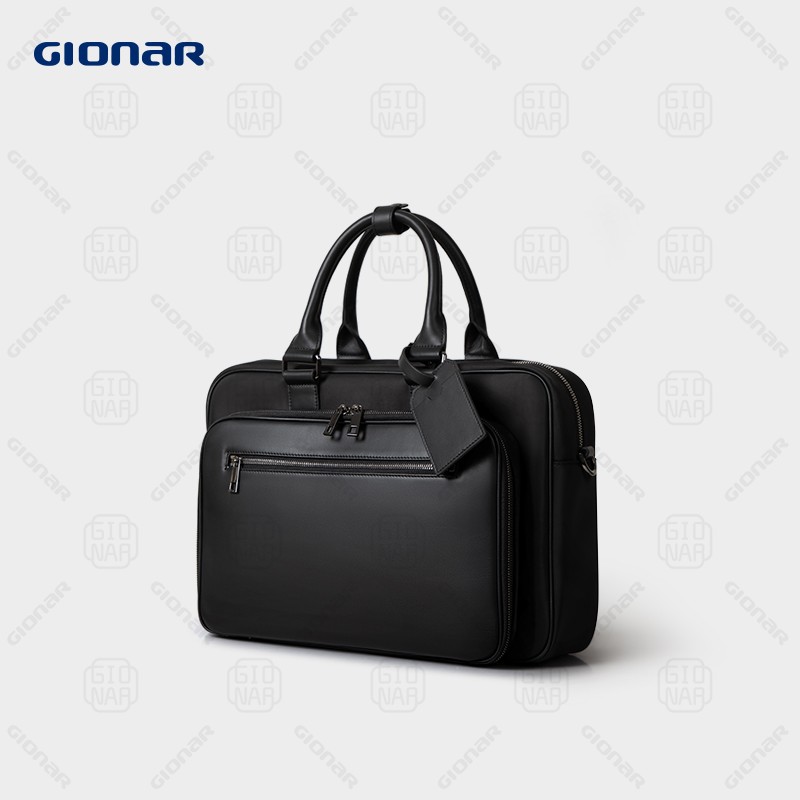
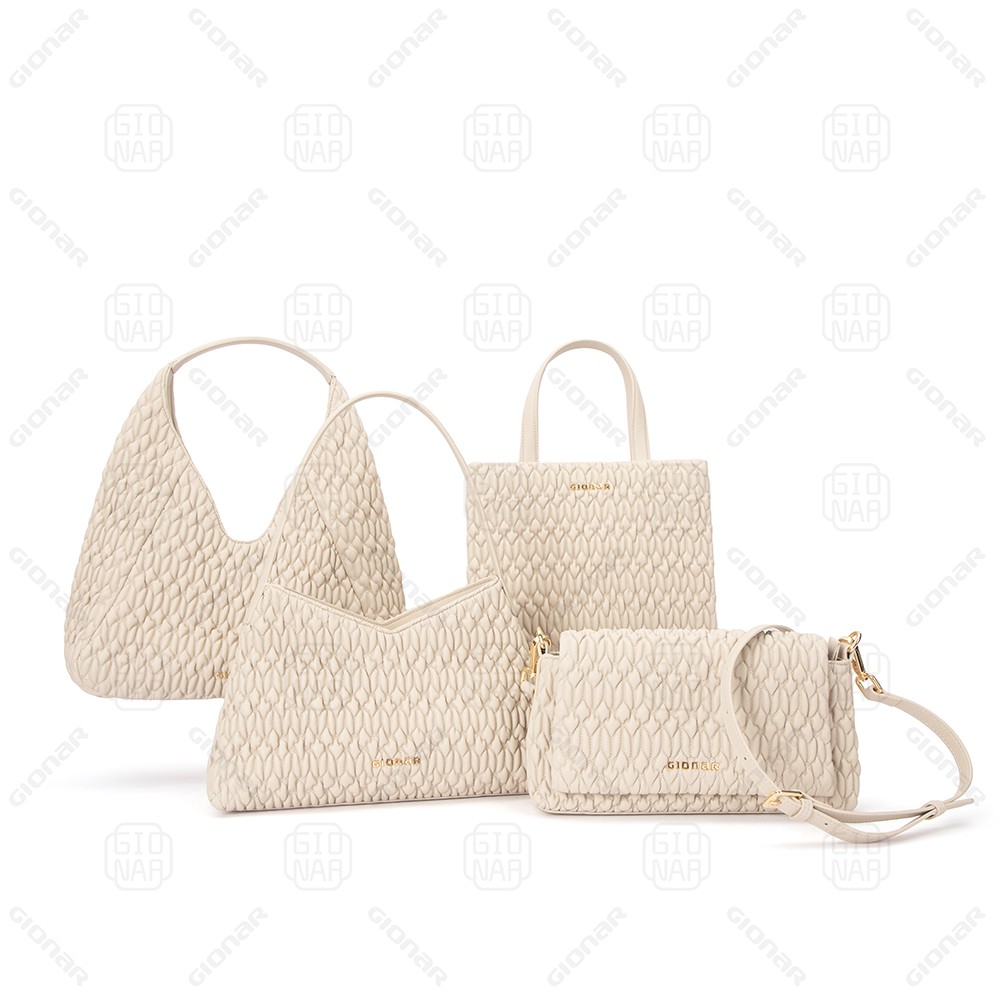
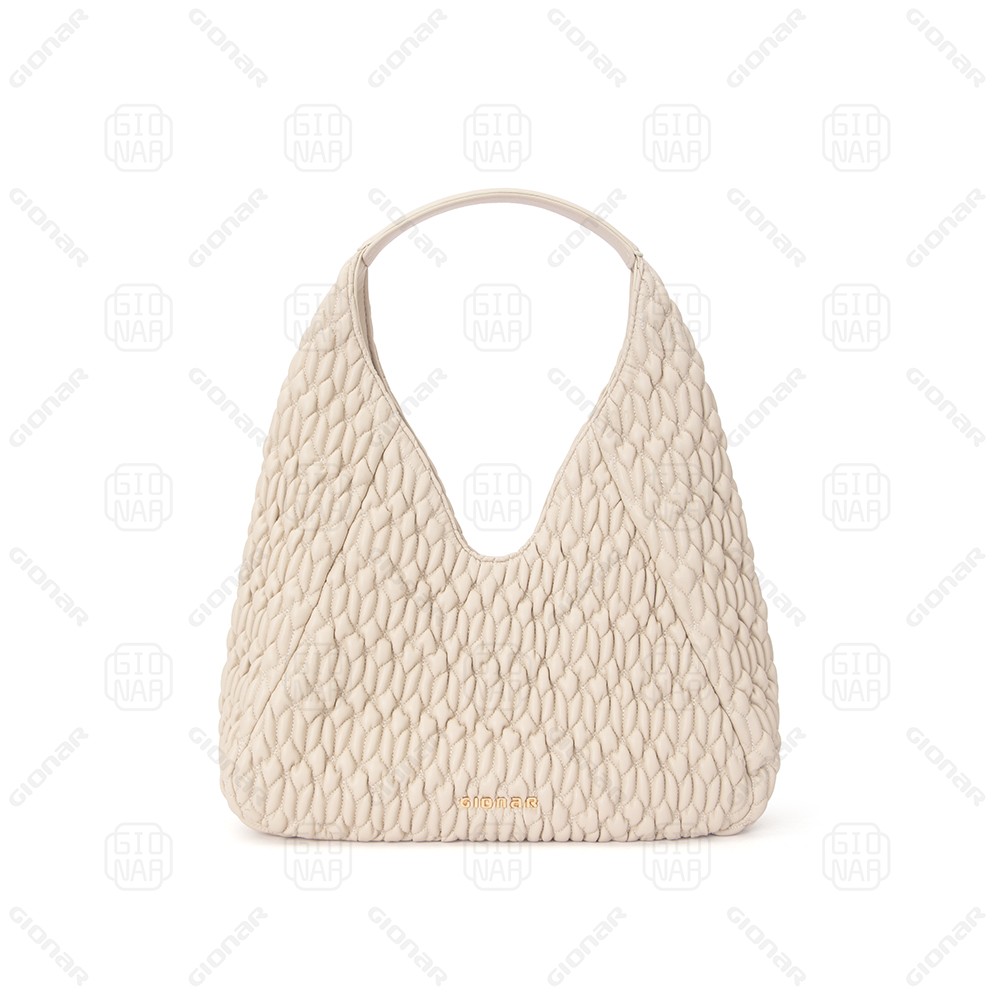
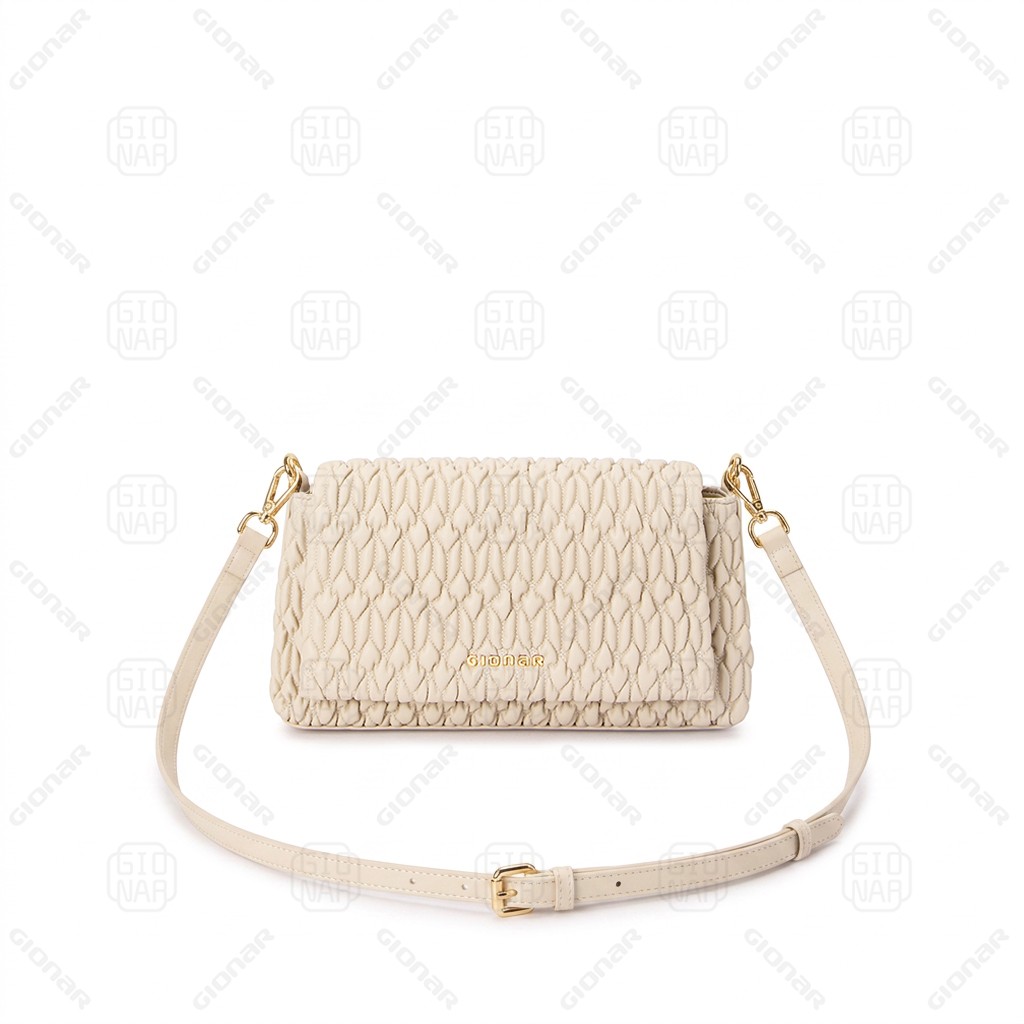
If you want to customize mango leather bags, you can choose Gionar, a leather goods manufacturer located in Baiyun District, Guangzhou City. Since 2006, Gionar has been providing OEM/ODM customization services for global leather product brand owners.
Gionar’s core business is OEM/ODM manufacturing of mid-to-high-end leather goods, specializing in handbags, briefcases, wallets, backpacks, etc. Products of different materials and styles can be customized according to the needs of customers.
Material composition: Is mango leather mixed with PU? (Affects biodegradability.)
Minimum order quantity: More than 100 pcs are required.
Delivery time: Our sample delivery cycle is 7 to 15 days, and the mass production time is 25 to 45 days.
Please feel free to contact us, and visit our factory for more information.
Related customized services:


Mobile Website

Inquires Whatsapp