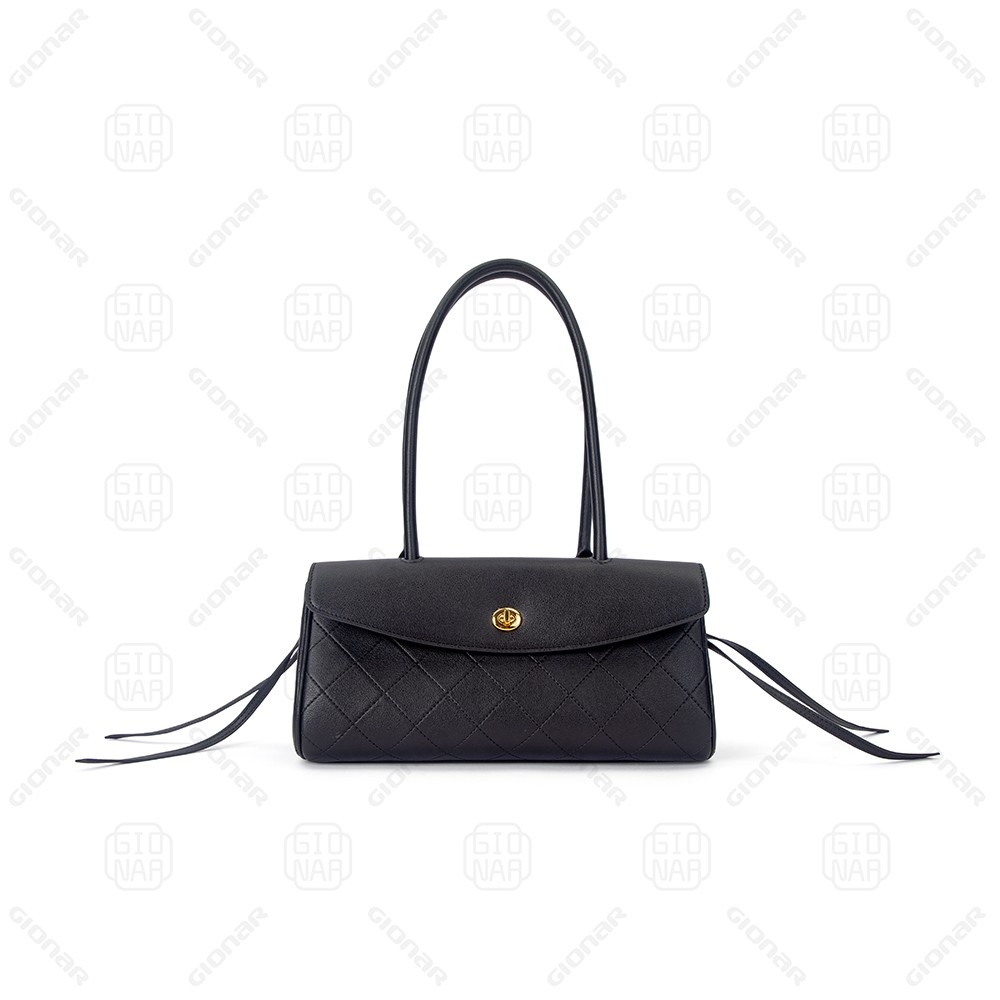
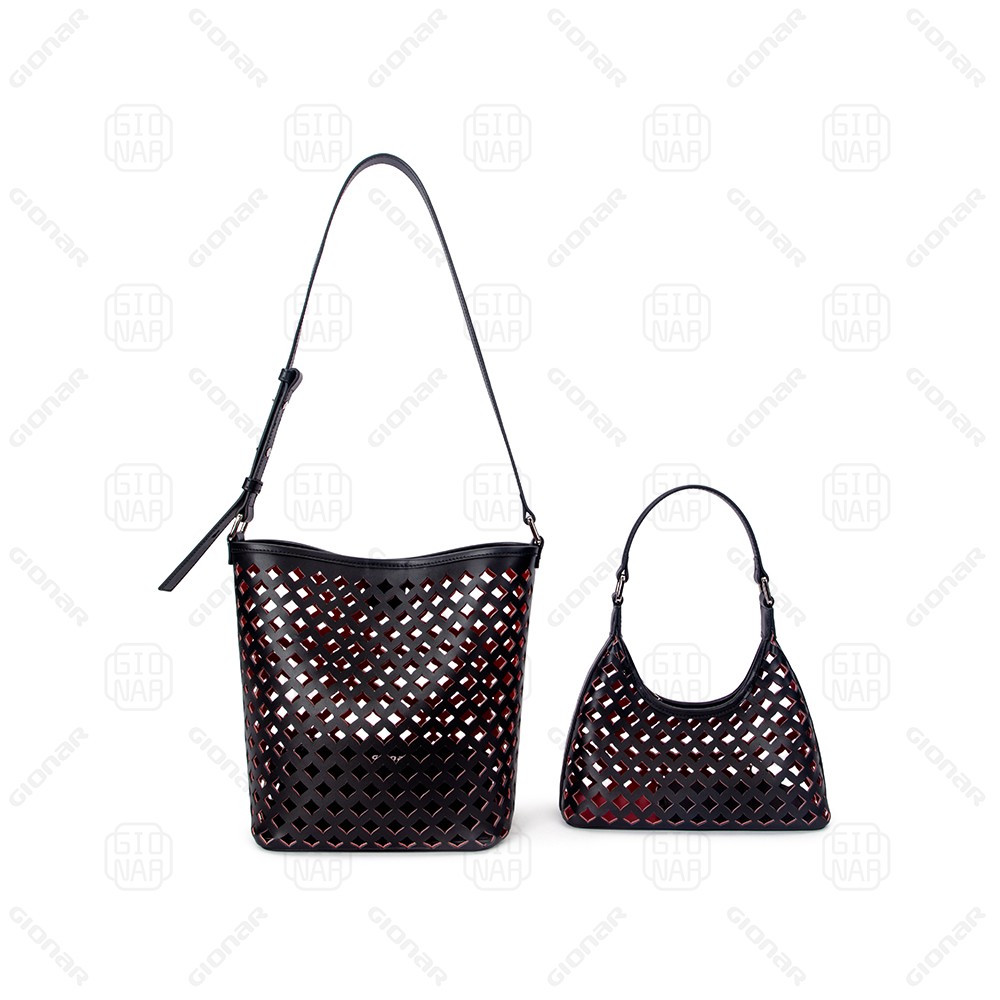
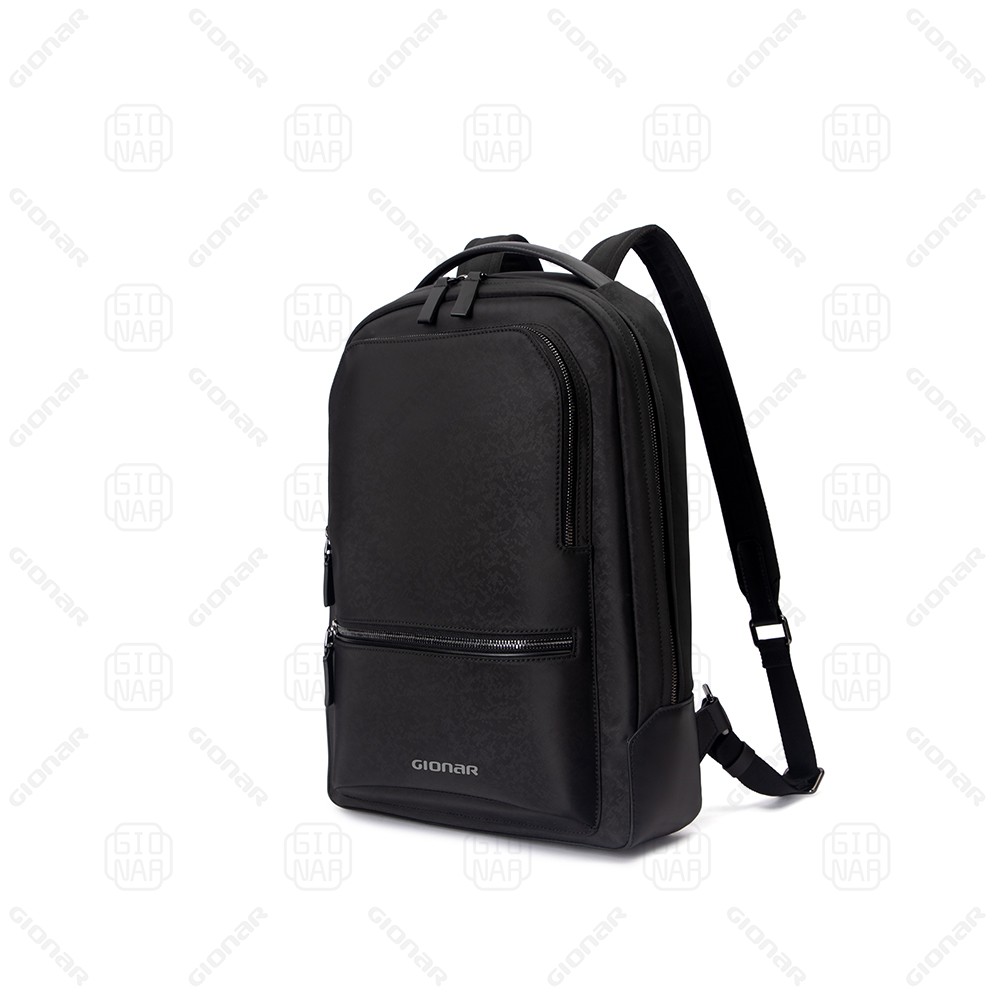
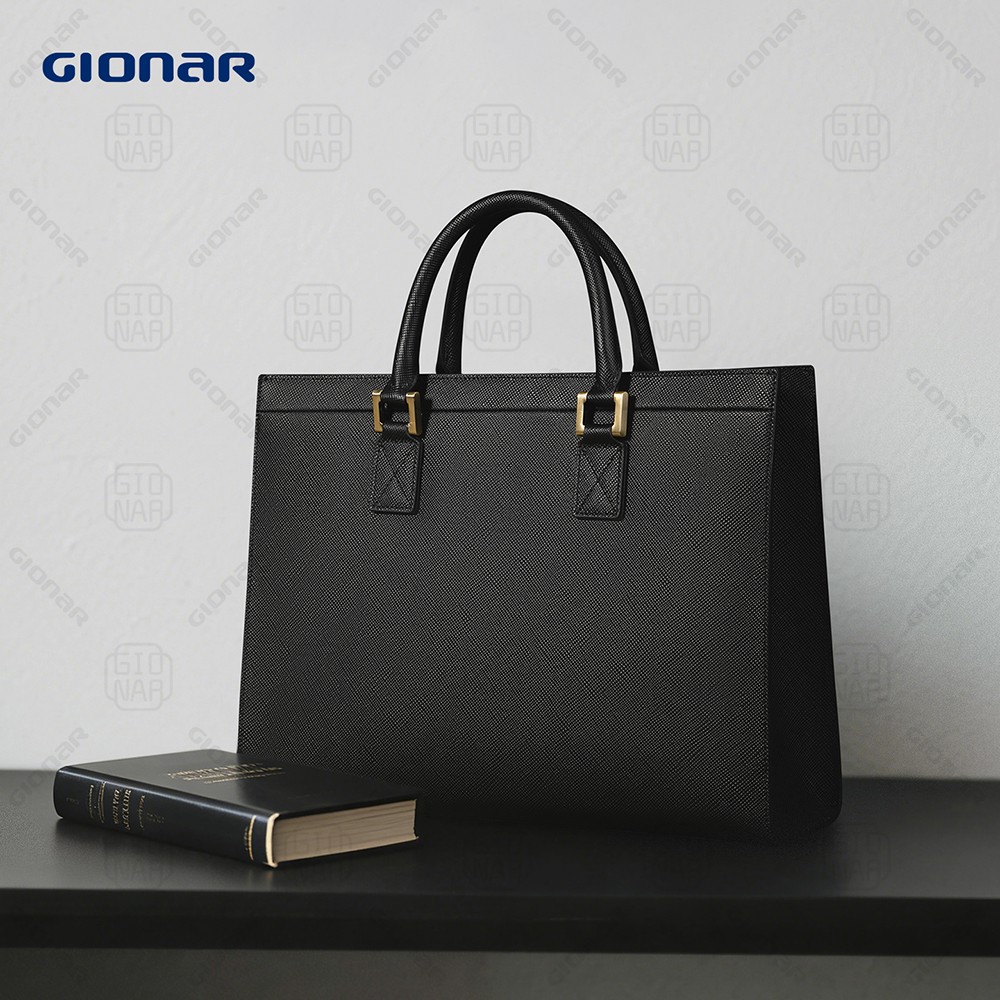
Mink is a small semi-aquatic mammal, and its fur is often used in various luxury products. Mink fur is also very suitable for making bags, combining luxury, durability and functionality. Because of its natural characteristics (softness and water resistance) and adaptability to various designs, it has become a major product in luxury fashion. Whether as a manifesto or a family heirloom, mink handbags are a testament to craftsmanship and enduring style.
This article will focus on introducing the characteristics of mink fur, the reasons for its high price and wide popularity, as well as whether it is suitable for making bags.
What is mink animal?
The mink is a small semi-aquatic mammal belonging to the Mustelidae family, which also includes otters, badgers and ferrets. This animal is renowned for its soft and luxurious fur. It is native to North America and is widely farmed for fur production. The use of mink fur has sparked controversy, leading many countries and fashion brands to ban or stop using genuine mink fur.
Scientific Classification
- Kingdom: Animalia
- Phylum: Chordata
- Class: Mammalia
- Order: Carnivora
- Family: Mustelidae (weasels, otters, ferrets)
- Genus: Neovison (e.g., American mink, Neovison vison)
Main features of mink animal
Appearance: Slender body, short legs, pointed face. Their fur is usually rich, shiny brown, and sometimes has white patches on the chin or chest.
Habitat: Minks are found near water bodies such as rivers, streams and lakes in North America and Europe.
Behavior: Living alone, having a sense of territory, and strong swimming ability. They are also carnivorous predators, feeding on fish, frogs, crayfish, small mammals and birds.
Types: There are mainly two types
- American mink (Neogale vision)
- European mink (weasel)
Important Note: The European mink is critically endangered, mainly due to habitat loss and competition with the American mink, which was introduced for fur farming.
Summary of mink
| Aspect |
Details |
| Scientific Name |
Neovison vison (American mink) |
| Diet |
Carnivorous (fish, small mammals) |
| Habitat |
Wetlands, rivers, coastal regions |
| Fur Use |
High-end fashion (coats, accessories) |
| Conservation Status |
Least Concern (IUCN), but invasive in some regions |
What is mink fur?
Mink fur is the soft and luxurious fur (skin with hair) of minks and is one of the most coveted and luxurious natural furs in the world.
Mink is a dense, soft and luxurious fur that is highly regarded in the fashion industry for its warmth, durability and elegant appearance. However, its production has been controversial due to animal welfare and environmental issues.
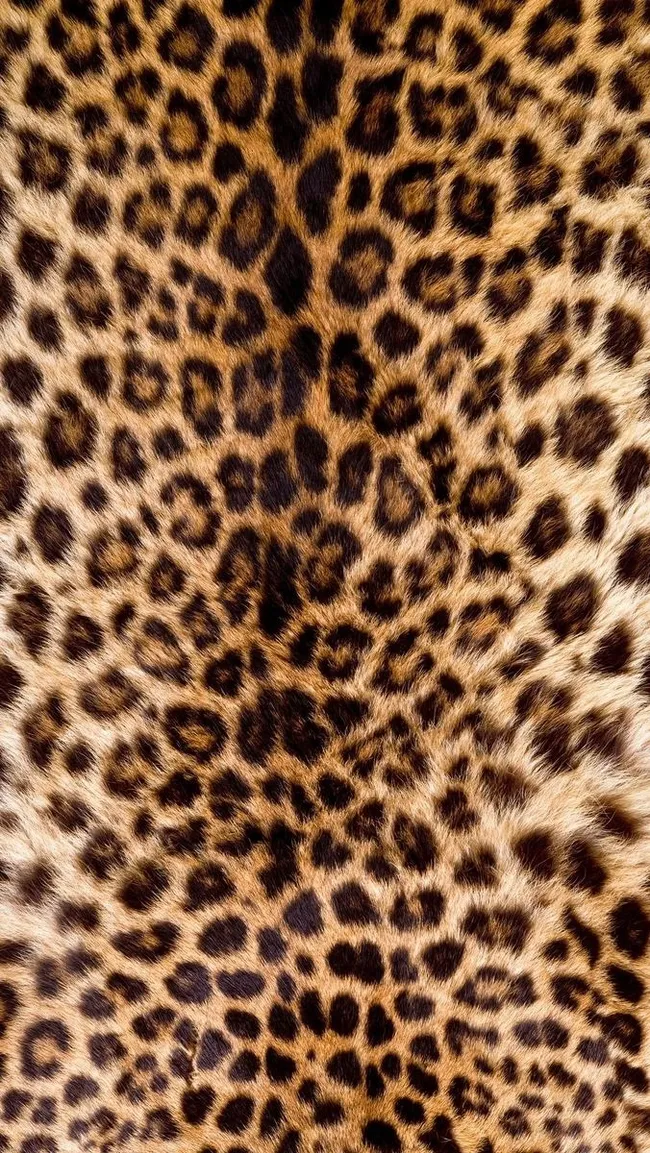
The main characteristics of mink fur
Mink fur is so precious because of its unique physical properties:
- Softness and density: Mink fur has a very high number of hairs per square inch. It consists of a very soft, thick and dense undercoat, with longer and more lustrous protective coat on top. This density provides it with a special warmth.
- Natural luster: Hair care has a natural, lustrous luster that can capture light. This luster is a sign of quality and is highly valued for its beautiful appearance.
- Durability and strength: Despite its light weight and soft feel, mink fur is very strong and elastic. A well-maintained mink coat can last for decades.
- Lightweight and warm: Its structure absorbs body heat very effectively, making it very warm without being heavy or cumbersome.
- Waterproof: As a semi-aquatic animal, the fur of minks has a natural waterproof property.
The application of mink fur
Mink fur is mainly used in high-end fashion and bags:
- Coats and jackets: The most common uses range from full-body coats to shorter “baby strollers”.
- Flanging: Used as the collar, cuffs or hood lining of wool or leather clothes.
- Bags: handbags, evening bags
- Accessories: Scarf, hat and cape.
- Lining: Used for luxury hoods or entire jackets.
The economic significance and demand of mink fur
- Symbolic meaning: In Northeast China, mink fur is one of the “Three Treasures”, symbolizing wealth and status. It remains the main material for winter insulation and social signaling.
- Demand: Surging among young consumers in cold regions (such as Northeast China) and those pursuing a minimalist design that is “clean and well-fitting”.
Mink fur is a natural material, renowned for its softness, warmth, durability and luster. It is at the top of the luxury fur market, but it is accompanied by major moral debates, leading to the widespread adoption of high-quality artificial alternatives.
Is mink fur real?
Yes, genuine mink fur is real – it is a natural material taken from the fur of minks (the intact skin of the fur), which are semi-aquatic carnivorous mammals (mainly the American mink, the most common source of fur production). However, it is crucial to distinguish genuine mink fur from synthetic “mink fur” (commonly known as “artificial mink” or “imitation mink”).
What is “genuine mink fur”?
True mink fur comes directly from live or harvested minks. Almost all commercial mink fur comes from commercial fur farms (over 95%, as mentioned earlier). A small portion may still come from regulated wild hunting, but this is already very rare today.
The key features for confirming its “authenticity” include:
- Biological source: Composed of natural animal hair, it features the unique double-layer structure of true mammalian fur (thick insulating underhair + long waterproof protective hair).
- Natural variation: Each type of fur has subtle differences in color, texture and hair length (for example, subtle differences in dark brown or luster), reflecting the individual biological characteristics of the animal.
- The tanning process: To become a usable material, mink fur undergoes chemical tanning to preserve the fur and prevent decomposition – a step unique to the processing of genuine animal leather.
How to distinguish genuine mink fur from synthetic mink fur?
| Feature |
Genuine Mink Fur |
Synthetic “Mink Fur” |
| Texture |
Soft, silky, and dense; slight “give” when touched. |
Often softer but less dense; may feel “plastic-like” or overly smooth. |
| Hair structure |
Visible underfur (short, fine) and guard hairs (longer, coarser) if parted. |
Fibers are uniform in length; no distinct underfur/guard hair layers. |
| *Burning test |
Burns like hair (smells like burning feathers; leaves brittle ash). |
Melts (smells like plastic; leaves a sticky, hard residue). |
| Labeling |
Legally required to state “genuine mink fur” or “mink fur” in most regions (e.g., EU, U.S.). |
Labeled as “faux mink,” “imitation mink,” “synthetic fur,” or “vegan fur.” |
Is mink fur legal?
Yes, mink fur is legal in many countries, but there are more and more restrictions, and in some places it is completely banned.
Mink fur is derived from minks and is a kind of natural animal fur material. From the perspective of the material itself, mink fur is not illegal. Its legality depends on whether the acquisition, processing, trading and usage processes comply with relevant laws and regulations. The legality of mink fur is a complex issue, which varies greatly from country to country, region to region and even city to city.
Countries that prohibit mink fur:
- The Netherlands: In 2013, the parliament passed a ban on mink farming, and by 2024, the production of mink fur will be completely banned.
- Luxembourg: In 2018, it passed an animal welfare law, prohibiting the breeding of all fur animals.
- Macedonia: A three-year transition period was initiated in 2014, and fur animal breeding was completely banned in 2017.
- Japan: In 2006, Japan passed the “Law on Countermeasures against the Invasion of Alien Species”, prohibiting the construction of new mink farms. Existing farms were required to strictly abide by the conditions, which led to the gradual withdrawal of the mink farming industry in Japan in 2016.
- New Zealand: According to the Hazardous Substances and New Organisms Act, the import of minks, foxes and beavers is prohibited, effectively prohibiting the acquisition of their furs from the source.
- Germany: In 2017, Germany revised its animal welfare law, requiring mink farms to expand their cage areas and add swimming pools, which led to the closure of the last mink farm in Germany in 2019.
- The European Union (EU) : The EU voted to phase out fur farming in 2025, and most member states (such as Denmark and Poland) will end mink farming by 2027. Romania and Bulgaria have banned this practice.
- The United States: As of January 1, 2023, California has become the first state in the United States to ban the sale of new fur products, including minks. Other American cities (such as San Francisco, Los Angeles, and Berkeley) also have local fur bans.
Summary
| Country |
Mink Fur Farming |
Mink Fur Sale |
Notes |
| USA |
Legal |
Legal (except in some states) |
California bans sale |
| UK |
Banned |
Legal (but under review) |
No farming since 2000 |
| Netherlands |
Banned (2021) |
Legal to sell |
Imports allowed |
| France, Italy, Ireland |
Banned |
Legal (limited) |
|
| China, Russia |
Legal |
Legal |
Major producers |
| Canada |
Legal |
Legal |
Declining market |
Is mink fur expensive?
Yes, mink fur is usually regarded as very expensive. The high price largely depends on factors such as quality, design style, brand and location.
Why is mink fur so expensive?
High breeding costs: Breeding minks requires a large amount of resources.
Special diet: Minks are carnivores and require high-protein, fresh food (usually including fish, meat and animal by-products), which is expensive.
Care: They need specific, clean and safe housing, water benefits, and protection of their fur quality. Veterinary care and labor are also significant expenses.
Scarcity and quality: Although farmed, high-quality mink skins are not mass-produced. The best furs, with perfect color, density and luster, are the most expensive. Rare natural colors (such as white or sapphire) are even more expensive.
Durability and lifespan: Mink fur bags are worth investing in as they can last for 30, 40 or even 50 years if properly maintained. Costs are amortized over a long life cycle, which is part of its value proposition.
Labor-intensive process: Turning fur into ready-to-wear clothing or bags requires many skilled steps:
- Peeling and tanning: The process of removing the fur and tanning it into a soft and durable one is complex.
- Classification and matching: Skilled workers must classify thousands of furs according to color, shadow, texture and gender to make a bag. This is a meticulous and time-consuming process.
- Hand-sewing and craftsmanship: Mink fur bags are not sewn like ordinary bags. It is made with a special technique, which requires well-trained and experienced fur traders.
The factors influencing the price of mink fur products
Product quality
- Grade: High-end mink fur, such as SAGA ROYAL, are relatively expensive due to their superior softness, density and luster.
- Types: Different types of mink fur (such as mahogany, black cross, and pearl) have different price points based on their rarity and aesthetic appeal.
Design and Technology
- Style: Well-designed coats or bags, such as those with hoods, fur trims or unique collars, tend to be more expensive.
- Construction: Complete fur-making techniques, showcasing the natural beauty of fur, usually result in a higher price.
Brand and reputation
Well-known brands such as Pologeorgis and Mailon Furs, which are renowned for their quality and luxury, usually have higher prices for their mink fur products.
Market supply
The price of mink fur fluctuates with supply and demand. For instance, the price of wild minks is affected by the insufficient supply of mink furs from pastures, resulting in higher average prices in some markets.
Approximate Price Ranges
Here are a few examples to show the range, to illustrate how much mink fur bags cost:
| Item |
Price / Currency |
What you get / notes |
| Yves Salomon mink fur & leather bag |
€790 |
Bucket style, leather and mink mix. |
| Mink pouch bag (Saga Furs) |
≈ €191~€251 |
Smaller bag, red mink, leather details. |
| Handmade real mink handbag (Haute Acorn, Greece) |
US $448 |
Larger bag, full pelts, real fur, etc. |
| Mink fur tote (Furby SD) |
€545 |
Handmade, good size tote. |
| Mink fur mini shoulder bag (Valentino) |
€1,592.25 (discounted from ~€2,895) |
Designer luxury bag, high-end brand. |
| Mink fur backpack (Manakas) |
€695 |
Backpack style, real mink, range of colours. |
Summary of factors influencing prices
- Brand: The designer label has added a huge premium.
- The quality of the leather: “Grade A” leather is the best and the most expensive.
- Color: Rare natural colors are more expensive than ordinary brown or dyed black.
- Production: The way a bag or coat is made can affect its price.
- Style: A floor-length coat uses more fur than a “baby carriage” (and buttocks) or a jacket.
Why is mink fur so popular?
The popularity of mink fur stems from its unique combination of inherent physical qualities, luxurious cultural symbols, practical value and adaptability to fashion trends, as well as its practical features such as warmth retention and durability. For more than a century, even in ethical debates, it has remained a major product in high-end fashion because it can satisfy both sensory desires and status-driven desires.
Unparalleled sensory and practical features
The popularity of mink fur primarily stems from its superior physical properties, which are difficult for synthetic alternatives or other furs to replicate:
- Luxurious softness and texture: Mink fur has an ultra-smooth, thick texture that feels indulgent to the skin. Unlike coarser furs (such as fox fur) or thinner artificial furs, its double-layer structure (fine undercoat + smooth protective coat) creates a “fluffy and light” feeling, which is the comfort that people highly pursue.
- Special insulation: Its dense underhair effectively captures body heat, making it an ideal choice for cold climates. Mink fur coats are both warm and do not require a lot of wool or down, making their silhouettes smooth and appealing – this is crucial for fashion-conscious consumers.
- Waterproof: The protective fur is naturally waterproof, safeguarding the fur (and the wearer) from light rain or snow. This practicality sets it apart from delicate furs that require frequent care, such as chipmunks.
- Diverse colors and customization: Through selective breeding, mink fur come in a variety of colors to choose from – from the classic dark brown and black to rare tones such as pearl white, silver blue or light pink. This diversity enables designers to create works that suit different aesthetic tastes, ranging from timeless elegance to bold modern styles.
Status symbol: Luxury and exclusivity
Mink fur is closely associated with wealth, success and exclusivity, a symbol cultivated by fashion culture and society over decades.
- The historical connection with prosperity: Since the early 20th century (for example, the “fashionable” era of the 1920s and the prosperity after World War II), mink fur has always been a symbol of upward mobility. Owning a mink coat or a mink bag indicates that a person can afford “luxury investment”, not just a piece of clothing or a bag.
- Luxury brand endorsements: Iconic fashion brands such as Fendi, Saint Laurent, Max Marla, and Chanel have long used mink in their collections – from long coats to handbags or the elaborate decorations on handbags. This connection with haute couture enhances its desirability as consumers seek consistency with the prestige of these brands.
- Celebrities and cultural influence: For decades, celebrities (such as Marilyn Monroe and Elizabeth Taylor) and public figures have worn mink fur in movies, on red carpets and in public appearances. This exposure consolidated its image as a “symbol of charm”, making it something that ordinary consumers dream of.
Durability and investment value
Unlike fast fashion, mink fur is regarded as a long-term investment – this quality attracts consumers who seek value beyond the trend.
- Long service life: With proper care (for example, professional cleaning and storage), mink fur handbags can be used for 20 to 30 years or even longer. This durability stands in sharp contrast to artificial fur (which pilling, fading or deteriorating after a few seasons) or cheap natural fur (which peels off or thins quickly).
- Eternal charm: The classic aesthetics of mink fur (for example, custom-made mink tote bags, simple shawls) rarely go out of style. It can be passed down from generation to generation, adding emotional value while being practical.
- Resale value: High-quality mink fur bags retain their value more than most luxury goods. The selling price of antique or second-hand mink fur items is usually a large portion of the original price, which makes them a “reliable asset” for some consumers.
The versatility of fashion
The adaptability of mink fur to constantly changing trends keeps it relevant for decades:
- Flexible design: It is suitable for any occasion – from formal events (a mink fur coat with an evening dress) to casual outings (a mink fur jacket with jeans). Designers also use it to make small accessories (such as mink fur handbags, scarves or hat pom-poms), making luxury goods smaller and more affordable.
- Seasonal appeal (plus style) : Although traditionally associated with winter, lightweight mink fur items (such as short-sleeved and sleeveless vests) can be designed for the cool spring or autumn, expanding their all-year-round use.
Regional demand drivers
The cultural preferences of major markets have magnified the popularity of mink fur:
- Asia (China, South Korea, Japan) : In many Asian cultures, mink fur is a symbol of “success and family prosperity”. It is usually a gift given for major life events (such as weddings, career milestones), or worn to indicate social status. China is the world’s largest consumer of mink fur, and an increasing number of middle and upper classes are seeking luxury goods.
- Cold climate: In regions with severe cold winters (such as Russia, Canada, and Northern Europe), the practical warmth retention of mink fur makes it even more popular – consumers view it as a fashion statement and a functional necessity.
Is mink fur good for making bag?
Yes, mink animal fur is regarded as an excellent material for making high-end luxury bags. Mink fur is extremely soft, with rich visual effects. Its luxurious texture, warmth retention, durability and cultural symbolic significance all contribute to its significant advantages as a material for high-end bags.
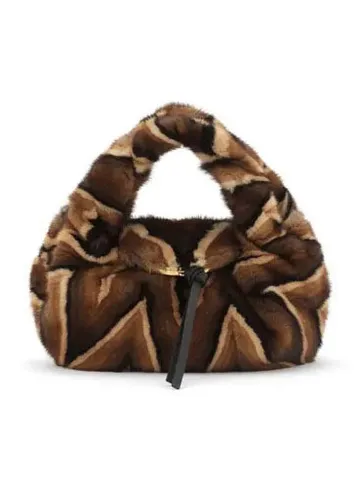
The advantages of making mink fur bags
- Unparalleled luxury and prestige: Mink fur handbags are an undeniable symbol of status. It conveys wealth, refinement and a taste for high-end, natural materials. The rich texture and luster are immediately recognizable.
- Incredible softness and lightness: Mink fur is renowned for its extremely soft touch and surprisingly light weight. This makes mink fur bags less portable and easier to handle than some heavier leathers or furs.
- Durability and lifespan: Mink fur is very strong and elastic. If properly maintained, a mink fur bag can last for decades, making it a potential family heirloom. The mink fur itself is very dense and can withstand a considerable amount of use without losing its luster, unlike the more delicate fur of foxes.
- Excellent craftsmanship: Bags made of genuine mink fur are usually meticulously crafted by skilled artisans. The process of color matching and fur sewing requires professional knowledge to produce high-quality products.
Comparison: Mink Fur vs. Other Materials for Bags
| Feature |
Mink Fur Leather Bag |
High-Quality Leather Bag |
Faux Leather Bag |
| Cost |
Very High ($$$$) |
Medium to High ($$ – $$$$) |
Low to Medium ($ – $$) |
| Durability |
Very Durable (if cared for) |
Very Durable |
Less Durable; can mat or shed |
| Maintenance |
High & Specialized |
Moderate & Easy |
Easy (often machine washable) |
| Weather Resistance |
Poor |
Good to Excellent |
Variable (often poor) |
| Ethical Consideration |
Highly Controversial |
Varies (vegan leather is an option) |
Cruelty-Free |
| Aesthetic |
Luxurious, “Status” Symbol |
Classic, Professional, Versatile |
Trendy, Fun, Luxe Look |
Conclusion
Mink animal fur is extremely soft and dense, with a natural silk-like luster. It is lightweight yet has excellent warmth retention, and is highly resilient and durable. It is a popular material in the light luxury and high-end markets. Bags made from mink fur endow them with an unparalleled luxurious texture and visual impact, serving as a distinct symbol of status. The mink bag is a top luxury choice that combines beauty, lightness and durability.
If you are running a high-end bag brand, you can try using mink fur to make luxury bags, making your brand appear more upscale. Welcome to contact Gionar to create more possibilities for your bags.
FAQs
Is mink fur real?
Yes, the mink fur is genuine. It comes from the fur of minks. Genuine mink fur feels extremely soft, light and dense. The undercoat is hard and shiny, while the undercoat is very soft. However, for moral reasons and marketing purposes, the term “mink fur” is also used to describe high-quality synthetic alternatives that imitate real mink fur. Be sure to check the label and instructions of the product.
Why is mink fur so popular?
The main reason why mink fur is popular is its luxurious texture, which is particularly soft, light, warm and durable. It has long been a symbol of wealth and status, and can be flexibly adapted to various fashionable designs, making it a choice that combines practicality and a sense of high-end.
How to tell the mink fur bag is genuine or fake?
A genuine mink animal fur bag feels very soft and lightweight, with naturally changing fur. To identify genuine bags, a burn test can be used (but finished products are not recommended) : genuine mink fur smells like burnt hair; The compound smells like plastic.
Where to customize mink fur bags?
Gionar, a leather bag manufacturer located in Guangzhou, China, has highly skilled artisans and offers high-end customization services for mink fur bags. If you are running a high-end bag brand, using mink fur to make bags can enable you to create a truly unique luxury bag brand. Collaborate with Gionar to create better high-quality luxury bags.