- +86 13922774531
- info@gionar.com

English


English
October 15 , 2025
In big cities, as long as you walk on the street, you are likely to see many fashionable women carrying Coach bags. Coach is very popular in many countries and regions and is regarded as an achievable luxury item or a “wise purchase”.
If you are a fashionable consumer, of course you will also pay for high-quality brands, that is, to purchase high-quality leather and structure at the same price.
If you are running your own bag business, have you considered learning some experience from Coach’s successful case so that your bag brand can also be liked and purchased by more people?
This post will explore the brand history of Coach and the reasons for its wide popularity.
Coach bags are a luxury handbag and accessory brand from New York, USA. They are renowned for their high-quality leather, classic American style, and relatively acceptable prices in the luxury market. It strikes a balance between timeless elegance and modern trends.
Coach was originally a family-run workshop that made small leather goods such as wallets. This heritage is at the core of its identity.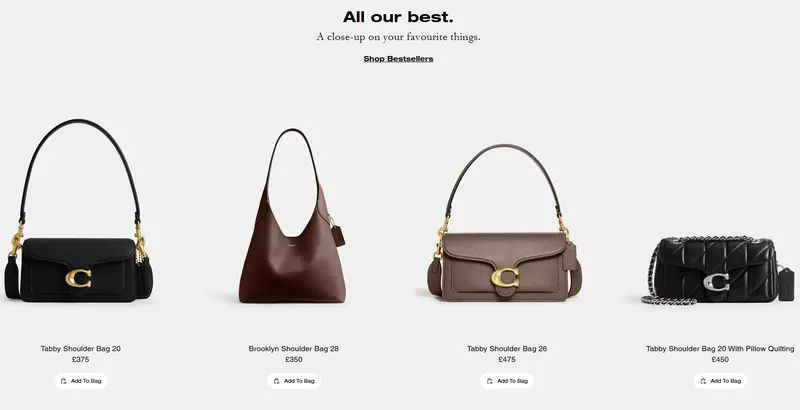
Coach is positioned as an “accessible luxury” brand. This means it offers the quality, design and prestige of luxury brands, but at a lower price than ultra-premium brands such as Chanel, Hermes or Dior. This makes it a popular “entry point” for luxury goods.
Coach is renowned for its durable, high-quality leather and outstanding craftsmanship, especially for techniques such as tanning leather with gloves. Over time, the leather has become softer and richer.
| Feature | Coach (Accessible Luxury) | Chanel/Hermès (High-End Luxury) |
| Price Point | More accessible, often under $1,000 | Very high, often $5,000 – $10,000+ |
| Brand Perception | Premium, stylish, practical | Exclusive, status-symbol, heritage-driven |
| Availability | Widely available in stores and online | Often limited, exclusive, with waitlists |
Coach was founded in New York in 1941. It has developed from a small family workshop into a globally renowned fashion brand. In 1941, six leather artisans opened a workshop in a loft in the Garment District of Manhattan, specializing in handcrafting leather goods such as wallets and wallets.
1946 was a crucial year. Miles Cahn, who later became the boss of the company, noticed that baseball gloves became increasingly soft with use. This observation led to the adaptation of tanning leather technology for gloves to bags and accessories, making durability and softness the hallmarks of Coach products.
In 1961, the Kearns officially renamed the company Coach and hired the first chief designer, Bonnie Cashin. Cashin has revolutionized the brand’s signature designs, such as the Cashin Carry handbag (inspired by paper shopping bags), and introduced some innovative features, such as detachable belts and the now famous rotary lock handbag. These designs combine practicality with modern elegance, establishing Coach’s leading position in the American luxury goods market.
| Year | Milestone | Significance |
| 1941 | Founded in New York City | Small workshop producing handmade leather goods |
| 1962 | Bonnie Cashin hired as first creative director | Introduced iconic design elements like the turn-lock clasp |
| 2001 | Signature “C” print launched | Became an iconic symbol, driving widespread popularity |
| 2013 | Stuart Vevers appointed Executive Creative Director | Revitalized brand with modern, youthful energy |
| 2017 | Coach, Inc. renamed Tapestry, Inc. | Reflected growth into a multi-brand fashion group |
Whether a Coach bag is “expensive” is subjective and depends on your budget. Coach bags are generally regarded as an approachable luxury brand. Their positioning lies between high-end European luxury brands and more affordable high street brands.
The price of Coach bags varies depending on the style, material and promotional activities. There are both relatively affordable styles and high-end models with higher prices. The overall price range is quite wide and cannot be simply defined as expensive or cheap.
Several factors can affect the final price of a Coach bag:
| Channel / Bag Type | Price Range (approx. in USD) | Examples |
| Official/Boutique (New Arrivals) | ~$650 – $925 | Tabby 26, CHARTER 24 Crossbody, HITCH Backpack |
| Outlet/Department Store Sale | ~$180 – $250 | SWINGER 20, ROWAN Mini Crossbody (discounted) |
| Second-hand Market (Poshmark) | ~$45 – $70 | Pre-owned styles in fair/good condition |
In the context of high-end luxury goods, Coach bags are not expensive, but compared with mass-market brands, they represent a huge investment.
Coach bags are produced in several countries rather than just one. Although Coach is an American brand, in order to balance quality, scale and cost, it produces bags in overseas regions.
The main production areas of Coach bags include Southeast Asian and South Asian countries such as China, Vietnam, the Philippines, Cambodia, India, and Thailand. The specific details are as follows:
| Country | Details |
| China | The majority of Coach bags are made here. China has high-end manufacturing facilities and skilled labor for leather goods. |
| Vietnam | Increasingly popular due to lower labor costs than China and rising production quality. |
| 🇵🇭 Philippines | Some bags and accessories are made here — often leather wallets and small goods. |
| 🇹🇭 Thailand | Used occasionally, especially for certain leather treatments. |
| India | Some leather goods, but not as common as the others. |
| USA | Rare — only a few limited-edition or vintage bags are made in the U.S., often labeled as “Coach NYC” or “Made in New York.” |
Coach bags have successfully become popular because they ingeniously adapt to the constantly changing tastes and values of today’s consumers, especially the younger generation. Their current success can be attributed to the powerful combination of fresh design, a relevant brand story and a sharp pricing strategy.
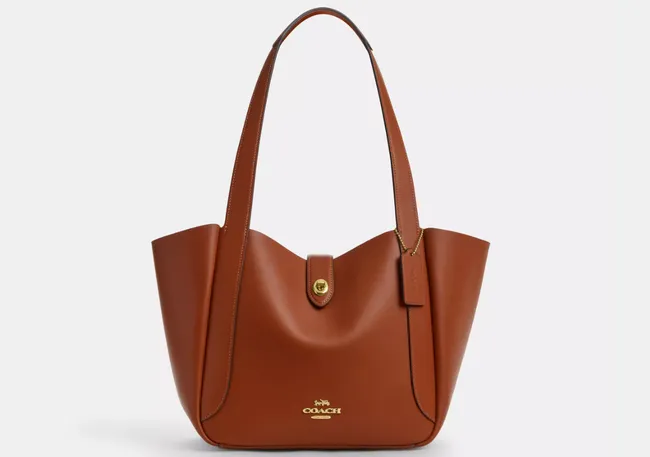
One of the key reasons why Coach bags are so popular is their innovative design, affordable prices, shrewd marketing strategies, and adaptation to the constantly changing values of consumers. The following is a detailed analysis:
Coach has been around since 1941. It was originally a small workshop in New York. Over time, it became renowned for its high-quality leather goods. Its history endows it with authenticity. People like brands that have tradition, craftsmanship and stories.
By integrating American traditional culture with contemporary aesthetics, Coach has successfully modernized its image. For instance, its 2025 “Miu” collection at New York Fashion Week reflected the minimalist revival of Miu Miu, while incorporating Coach’s signature retro patterns such as the checkerboard and saddle bag silhouettes. This approach has resonated with Generation Z and millennials, who are seeking unique wearable designs that stand out from mass-market brands.
Collaborating with many renowned designers has enhanced Coach’s cultural credibility, infusing its handbags with bold artistry and story-telling. In addition, Coach’s product range is diverse – including the Brookyn 39 (a flagship “clean and fitted” product) and the Tabby Cargo (an updated product inspired by the year 2000) – ensuring the appeal of different styles and price points.
Coach’s design team keeps up with the latest fashion trends. Every product is fashionable, versatile and practical, meeting the aesthetic needs of the general public. Coach also continuously launches new series, incorporating popular elements and offering a more diverse range of color schemes to meet the personalized needs of different consumers.
Coach positions itself as a bridge between luxury goods and affordable prices. Top brands of similar styles such as The Row cost more than $6,000, while Coach’s Empire Carryall is priced at $695 – a fraction of the cost, but with comparable craftsmanship. Outlet stores and seasonal sales (for example, 40% off) have further lowered the entry threshold, making the prices of iconic designs like Charlie under $1,000. This strategy has attracted first-time luxury buyers and middle-class consumers who are seeking a status symbol that they “dream of but can achieve”.
Coach uses social media influencers and UGC campaigns to expand its influence. Featuring celebrity endorsements, it has generated billions of views and user engagement on social media. Employees cultivate authenticity and humanize the brand by showcasing craftsmanship details and styling techniques. In China, collaborations with multiple social media platforms have also attracted younger people, positioning Coach as a cool and approachable luxury choice.
The Coachtopia sub-brand was launched in 2024, advocating for a circular economy by reducing carbon emissions by 80% through the use of recycled leather waste and hydrogen entanglement technology. Products like the Coachtopia x Bank&Vogue collection (made from upcycled materials) attract environmentally conscious consumers who are willing to pay a high price for ethical design. The (Re) Loved program refurbishes second-hand bags and offers trade-in points, which further strengthens Coach’s commitment to sustainability and creates a loyalty cycle.
Coach is actively expanding into emerging markets, especially China. Its target is wealthy but price-sensitive consumers, and the collaboration with local artists and limited edition collections (for example, Lunar New Year designs) resonates culturally. This global footprint ensures wide recognition and adaptability to regional tastes.
The story of Coach’s founding in 1941 and its roots in New York evoke nostalgia, and in 2022, it renamed the brand “Expressive Luxury”, emphasizing individuality over status. Activities such as “Courage to Be Real” celebrate self-expression through impartial design and inclusive storytelling, aligning with the values of Generation Z. By balancing tradition and modernity, Coach has avoided the “outdated” stigma that has plagued other brands such as Michael Kors.
Coach bags are renowned for their high quality, with meticulous attention to detail in both material selection and manufacturing techniques. Its leather products are durable and smooth. After special treatment, they are not prone to fading or wear. Daily maintenance is simple; just wipe them with a damp cloth to keep them in perfect condition. This unwavering pursuit of quality has enabled Coach bags to establish a good reputation among consumers.
Transparent quality control processes, such as centralized material procurement and multi-stage inspection, ensure consistency in production centers in China, Vietnam and Italy. This dual feature enables Coach to cater to both meticulous and luxury buyers at the same time.
| Factor | Description | Key Examples / Impact |
| Design & Product Revival | Shift towards minimalist, “quiet luxury” aesthetics, reducing prominent logos and introducing viral styles and customizable elements. | Empire, Brooklyn, and Tabby/Pillow Tabby bags; popular bag charms. |
| Brand & Marketing Shift | Rebranding from “accessible luxury” to “expressive luxury”; strong focus on digital/social media marketing and collaborations with Gen Z icons. | Targeting self-expression; successful TikTok/Social Media campaigns. |
| Strategic Pricing & Value | Offering “affordable luxury” with quality and design perceived as high for the price; positioned as a value-driven choice in uncertain economic times. | Seen as a “smart” alternative to inflated luxury prices; attracts price-conscious consumers. |
Whether you are a consumer or someone interested in business, Coach’s return offers valuable insights:
Yes, Coach is regarded as a designer bag brand. It is an American luxury brand renowned for its leather goods and is widely recognized in the fashion industry for its quality, design and tradition.
One key reason why Coach has become a luxury bag brand is that its strategic positioning is an “approachable luxury” brand. This means it offers the design, quality and prestige of luxury brands, but at a price that is more achievable than ultra-premium brands such as Louis Vuitton or Gucci. This strategy has made Coach a popular entry point for many consumers to purchase brand-name goods and has earned the reputation of “the first luxury bag” for young consumers.
Coach enjoys a high reputation and popularity worldwide. Its products are sold globally through brand boutiques, designated department stores, specialty stores and the official website, and are deeply loved by consumers. The brand has been continuously enhancing its influence through celebrity endorsements, recommendations from fashion magazines, and collaborations with fashion weeks, attracting the attention of a large number of young consumers.
| Aspect | Description |
| Brand Heritage | Founded in 1941 in New York City as a family-run workshop specializing in leather goods. |
| Market Position | Known as an “accessible luxury” or “attainable luxury” brand, offering high-quality products at a more approachable price point than European luxury houses. |
| Design Leadership | Led by creative directors with strong fashion credentials, such as former creative director Reed Krakoff and current Executive Creative Director Stuart Vevers, who previously worked for brands like Louis Vuitton and Loewe. |
| Product Focus | Primarily renowned for handbags, but has evolved into a full lifestyle brand offering ready-to-wear, shoes, and other accessories. |
Coach is mainly classified as an affordable luxury brand, positioned between the mass market and high-end luxury goods.
The price range of Coach products: The retail price of core handbags is between 250 and 900 US dollars, which is significantly lower than that of Gucci (over 1,000 US dollars) or Louis Vuitton (over 1,500 US dollars). The outlet store offers discounts of up to 50%, making it accessible to a wider audience.
Coach is a well-known brand and an affordable luxury brand. Coach is well-versed in the balance between classic and trendy. On the one hand, it adheres to leather craftsmanship techniques, emphasizing durability and practicality; On the other hand, it continuously launches iconic bestsellers like Tabby, perfectly blending retro and modern aesthetics, and constantly invigorating the brand.
Coach’s success is no accident. High-quality bags are the key factor for its success. If you are looking for a high-quality and reliable leather bag manufacturer, please feel free to contact us. We are a leather manufacturer located in Baiyun District, Guangzhou, with 20 years of OEM/ODM leather handbag experience.
Tags :

Mobile Website

Inquires Whatsapp