Coach is a renowned luxury fashion brand in the United States, specializing in high-quality handbags, accessories, ready-to-wear clothing and footwear. Coach was founded in New York City in 1941 and is renowned for its classic yet modern designs, durable craftsmanship and signature style.
Coach initially started by manufacturing high-quality men’s leather goods, positioning itself as “the entry-level luxury brand”. With its affordable prices, superior quality and meticulously designed styles, it has gained the favor of consumers of all ages.
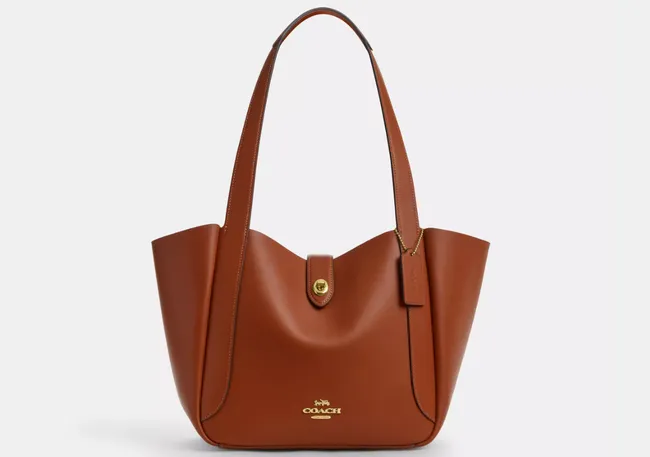
Where are Coach bags made? Is it produced in China, Vietnam, India and the Philippines? Or is it produced in the United States?
This article will explore in which countries Coach bags are manufactured.
Where are Coach bags made?
Coach bags are produced in many countries, with China, Vietnam, the Philippines and India being the main production centers. Coach has set up production plants in these places in response to the diversification of production demands, to meet high demands and optimize its supply chain, while ensuring that the products still maintain high quality.
Major producing countries:
- China: With its mature infrastructure, skilled labor force and the capacity to handle large-scale production, China is Coach’s main production center. It is the largest production base in history, although production has diversified.
- Vietnam: A major manufacturing center for many modern fashion styles.
- Philippines and India: Common leather goods and accessories of all kinds.
- Limited production in the United States: A few high-end, limited edition or custom bags are still handcrafted in Coach’s New York studio to maintain the brand’s tradition.
How to check?
Check if there is a label saying “Made in [Country]” in the bag. Most modern Coach handbags will indicate their country of origin there. This brand maintains consistent quality standards in all its factories around the world.
Are Coach bags made in China?
Yes, many Coach bags are made in China, especially the mid-range and entry-level ones. Moreover, China is one of the major production bases because it has advanced production technology and abundant labor resources.
Coach has factories in many cities in China, such as Dongguan, Shanghai, Guangzhou, etc. These factories adopt advanced production equipment and strict quality control standards to ensure the stability and consistency of product quality.
Will “Made in China” affect quality?
No. Coach implements strict quality control over its overseas factories.
You can find the label “Made in China” on many genuine Coach products. The country of origin is usually printed on the inner label of the bag.
The quality of a genuine Coach bag is achieved through strict quality control, regardless of the production location. It is a common misunderstanding that the label “Made in China” automatically implies counterfeit goods, but this is not the case.
Why choose to make in China?
-
Reduce production costs
- China has abundant labor resources and relatively low labor costs. Although they are on the rise, they are still lower than those in the United States or Europe.
- Exquisite craftsmanship and competitive prices: China has decades of experience in leather goods manufacturing.
- Economies of scale: Large factories can efficiently produce a large quantity of products and reduce unit costs.
-
It has a complete supply chain and infrastructure
- China has a mature manufacturing ecosystem for leather, textiles and hardware, a complete manufacturing industrial chain and advanced production equipment, which can meet the high standards of Coach bag production.
- Reliable materials (such as high-quality artificial leather, zippers and dyes), without long transportation delays.
- Many luxury brands (including Coach, Michael Kors, and even some Gucci/Prada products) rely on Chinese factories for continuous production.
-
High-quality craftsmanship (properly managed)
- Although “Made in China” was once a disgrace, nowadays many factories have reached the standards of luxury goods (Coach implements strict quality inspections).
- Chinese artisans have decades of experience in leather sewing, embossing and hardware assembly.
- Coach brand owners usually conduct strict supervision and quality control over their production plants in China to ensure that the products meet the brand’s quality standards and requirements.
- Tapestry Inc., the parent company of Coach, conducts audits on factories to ensure compliance with ethical and quality requirements.
-
Flexibility and speed
- China has a relatively high production efficiency. Chinese manufacturers can rapidly expand or reduce their production scale according to demand, which can meet the large-scale production needs of Coach bags.
- Compared with production in the United States/Europe, the new design has a faster turnaround time.
-
Avoid tariffs (in some cases)
- Some production was shifted to Vietnam or India to lower tariffs (for example, the impact of the Sino-US trade war).
- Coach bags are produced in China mainly because China has a complete manufacturing industrial chain, abundant labor resources, high production efficiency and relatively low production costs. At the same time, brand owners ensure that product quality meets standards through strict supervision.
Are Coach bags made in Vietnam?
Yes, Coach bags are produced in Vietnam. Due to skilled labor, cost efficiency and growing expertise in leather goods, Vietnam has become one of the key manufacturing centers for Coach (and other luxury brands).
Why are Coach bags made in Vietnam?
Coach’s establishment of a factory in Vietnam to produce handbags was driven by a combination of economic, strategic and supply chain factors.
1 Reduce production costs
- Labor costs: Manufacturing wages in Vietnam are significantly lower than those in China (historically about $1 per hour, while wages in China have risen to around $2-4 per hour). Compared with some European and American countries, the average wage level of Vietnamese workers may only be a fraction of that in Vietnam. This enables Coach to maintain its profit margin in global competition.
- Operating costs: The production and operation costs such as land leasing and water and electricity in Vietnam are also relatively low, which helps brands control costs in the production process and increase profit margins. The tax incentives offered by the Vietnamese government have further reduced costs. For instance, factories receive subsidies due to large-scale investment, thus making production more economical.
2 Establish a supply chain ecosystem
- Professional materials supplier: Taiwan Fulin Plastic (operating in Vietnam) provides 70% of Coach artificial leather, utilizing advanced PVC/PU technology. This local supply chain minimizes material logistics costs and delays to the greatest extent.
- Infrastructure growth: Northern Vietnam has developed industrial clusters focusing on leather goods, attracting brands like Nike and Adidas relatively early. Coach benefits from this mature and efficient procurement and production ecosystem.
3 Trade and geopolitical strategy
- Tariff evasion: During the Sino-US trade war, tariffs on goods made in China increased. Vietnam’s free trade agreements with the United States and the European Union make it a low-risk option for export-oriented production.
- Diversification: To reduce its reliance on China, Coach has a clear goal of cutting its production in China and shifting production to Vietnam, Cambodia and India.
4 Skilled labor and quality control
Vietnam has a large and highly skilled labor, as well as a large number of leather artisans who can meet Coach’s quality standards. The Vietnamese workforce is relatively diligent and conscientious in their work attitude, which can ensure the production quality and efficiency of products.
Although early “Made in Vietnam” products faced scrutiny (for instance, the quality dispute over Nike shoes), Coach’s strict regulation alleviated these problems. The production line of this brand manufactured in Vietnam has now reached global quality standards.
5 Market expansion demands
Vietnam is located at the center of Southeast Asia, surrounded by the rapidly developing Asian market. Producing bags in Vietnam is conducive to Coach’s rapid response to the demands of the Asian market, shortening the cycle from production to sales of products, and more accurately meeting the local consumers’ demands for product styles, functions and other aspects. At the same time, taking Vietnam as the production base is also convenient for radiating to other Asian countries and regions, further expanding the brand’s market share in Asia and even globally.
Are Coach bags made in the Philippines?
Yes, a portion of Coach bags are indeed manufactured in the Philippines. Just like China and Vietnam and other countries, the Philippines has become a key part of Coach’s global manufacturing. Coach’s establishment of a factory in the Philippines to produce handbag products is part of a global development strategy widely adopted by the fashion industry, which aims to optimize its supply chain without compromising the quality standards expected by customers, in order to gain economic and operational advantages.
If you want to confirm the origin of a certain Coach bag, you can: Check the label or tag inside: Most Coach bags have a leather or fabric label that clearly states the country of origin (for example, “Made in the Philippines”).
Why are Coach bags made in the Philippines?
The reason why Coach bags set up a factory in the Philippines is driven by economic factors, trade policies and the constantly changing consumer concepts. The reasons are as follows:
1 Reduce production costs
- Reducing labor costs: The wages of Filipino workers are approximately one-third lower than those of Chinese workers, while most of Coach’s previous products were manufactured in China. This significant cost savings enabled Coach to maintain a healthier profit margin.
- Overall cost efficiency: Apart from labor, other operating costs in the Philippines, such as land and public utilities, are also more competitive than those in China, which helps to reduce overall production costs.
2 Proficient skills and craftsmanship
- In some parts of the Philippines, a profound traditional handicraft culture is preserved. In leather processing, hand sewing and other aspects, artisans have passed down their exquisite skills from generation to generation. These traditional techniques are integrated into the production process of Coach bags, endowing the products with unique artistic charm and quality connotations.
- The Philippines offers relatively high worker stability, which is very attractive to manufacturers. This stability helps maintain consistent production quality and reduce interruptions.
- Although the initial measures were driven by cost considerations, the presence of experienced contractors ensured that the production of leather goods and handbags met the process standards.
3 Preferential trade policies
- The Save Our Industries Act (under discussion around 2010) proposes to lower tariffs on eligible clothing and goods exported from the Philippines to the United States. This makes the Philippines an attractive production base for the important US market.
- Moving production to the Philippines has also helped Coach ease the risks brought about by geopolitical tensions and trade disputes, such as the trade dispute between the United States and China, which could lead to tariffs.
4 Supply chain diversification
- To reduce its heavy reliance on China’s manufacturing industry (which once accounted for 85% of its global production capacity), Coach actively diversified its production bases to other Asian countries such as the Philippines, Vietnam and India from 2010 to 2015. This is an established corporate strategy aimed at reducing reliance on China to 40-50%.
- This diversification enables Coach’s supply chain to better adapt to regional disruptions, whether it be economic changes, epidemics or other unforeseen events.
5 The existence of a contract manufacturer has been established
Major manufacturing partners, such as Luen Thai Holdings from Hong Kong, have made significant investments (for example, $8.4 million) to establish dedicated handbag production facilities in the Philippines specifically for clients like Coach. This provides Coach with ready-made high-capacity production infrastructure.
6 Superior geographical location
- The Philippines is located in the core area of Southeast Asia and is one of the important transportation hubs in Asia. It is surrounded by many countries and regions with rapid economic development and huge potential consumer markets.
- Through convenient sea routes, Coach finished bags can be quickly transported to major consumer countries in Asia such as Japan and South Korea. With the help of a well-developed air transportation network, it can also be efficiently delivered to other regions around the world such as Europe and North America.
- This superior geographical location significantly shortens the cycle from production to sales of products, better meeting consumers’ timely demands for fashionable products and enabling new bags to quickly capture the global market.
Key Reasons why Coach bags are produced in the Philippines
| Factor |
Impact |
| Lower Labor Costs |
Significant savings compared to China |
| Favorable Trade Pacts |
Potential for reduced tariffs to key markets like the US |
| Supply Chain Resilience |
Reduced over-reliance on any single country, especially China |
| Skilled, Stable Workforce |
Reliable production quality and output |
| Strategic Brand Perception |
Aligning manufacturing location with luxury brand image |
Are coach bags made in India?
Yes, Coach does have factories in India and produces some of its bags. This is the route that the brand’s global production strategy is going to take.
Which Coach bags are made in India?
According to publicly available information, many Coach men’s bags and accessories are partially produced in India, such as:
- Men’s Warren lychee patterned tote bag
- Men’s black leather backpack (Model F11250 QB/BK)
- Men’s blue leather chest bag (Model F11236 QBDEN)
- A classic scratch-resistant card key coin purse
- Men’s Body Bag (Model C9869)
The labels or descriptions of these products all clearly indicate “Origin: India”.
Therefore, “Made in India” is just one link in Coach’s global supply chain. For the same style of bags, different production batches may also be manufactured in different countries. When purchasing, please refer to the physical label.
| Comparison with Other Production Hubs |
| Country |
Primary Products |
Focus |
| Vietnam |
Handbags, fabric bags |
Mass production, cost efficiency |
| Philippines |
High-quality leather goods |
Skilled labor, niche markets |
| China |
Broad range (handbags, wallets) |
Established infrastructure, scalability |
| India |
Custom accessories, specialty leathers |
Craftsmanship, small-batch luxury |
Why are coach bags made in India?
Like many major global brands, Coach has diversified its manufacturing bases, including several countries, to meet global demand, optimize production costs, and leverage professional craftsmanship. India’s manufacturing industry enables Coach to acquire a skilled and cost-effective workforce, diversify its production, and ultimately support its global business model.
Production type
The main products are custom accessories and small-batch production. The Indian factory is mainly responsible for customizing men’s accessories, wallets, belts and some jewelry. These products are made through hand-sewing, complex patterns and metal decorations, combining traditional craftsmanship with high-end skills.
Advantage of raw materials
India is the country with the largest number of cattle in the world, which provides a rich source of raw materials for the leather industry. Each year, India supplies approximately 3 billion square feet of leather, accounting for 13% of the global leather production. Moreover, Indian leather is of high quality and rich in variety, which can meet the diverse material requirements of Coach bags. Many Indian tanneries have obtained LWG (Leather Working Group) certification, and the leather they produce complies with the EU REACH regulation standards. This provides a solid material foundation for Coach to produce high-quality bags and ensures that the product quality meets the brand’s requirements.
Craftsmanship and Quality
- Traditional craftsmanship: India has a long and rich history in the production of leather and textiles. Indian artisans are renowned for their exquisite leather carving skills, ensuring that each product meets high-end standards. Coach collaborates with these artisans and employs traditional methods to endow its products with a unique and high-quality appearance.
- Small-batch production: Indian factories focus on small-batch high-value products, suitable for limited edition or luxury series, meeting the market’s demands for uniqueness and craftsmanship.
Supply Chain and Strategic Positioning
- Supply chain diversification: In response to changes in the global trade environment (such as the Sino-US trade war), Coach has shifted some of its production to Southeast Asian and South Asian countries, with India being one of them, aiming to diversify risks and take advantage of local cost advantages.
- Cost and skill balance: Although India’s labor costs are slightly higher than those of Vietnam, the skill levels and high-quality craftsmanship of its artisans make it an ideal choice for the production of specific products.
Comparison with other production sites
- The main production bases: Coach’s main production bases include Vietnam, the Philippines and China, which are responsible for large-scale standardized production of items such as handbags and wallets.
- India’s role: India plays a complementary role in Coach’s global production network, focusing on custom-made and small-batch products that require high craftsmanship rather than large-scale production.
Market adaptability
- Local market demand: As a populous country, India has a huge consumer market. Local production helps Coach stay close to the market, reduce transportation costs and respond quickly to consumer preferences.
- Export and global sales: Accessories produced in India may serve both the local market and exports, supporting Coach’s global distribution strategy.
India is a complementary center specializing in the production of high-precision, small-batch products, leveraging its traditional leather processing tradition. This approach ensures that Coach maintains global quality standards while adapting to geopolitical and market changes.
Are Coach bags made in USA?
Yes, a few Coach handbags are made in the United States, but the vast majority of modern Coach bags are produced overseas.
Many Coach Vintage bags produced in the 1990s or earlier (such as Vintage Coach bags) are marked with “Made in USA”. These bags are favored by vintage enthusiasts for their sturdy leather and durability, and are usually made of full leather and machine-manufactured.
Why are Coach bags made in USA?
Most of Coach’s production has been shifted overseas, but its parent company Tapestry still retains a small number of production lines in the United States to manufacture some high-end, limited edition or classic reissue series products.
Historical background
- The founding period (1940s to 1980s) : Coach initially produced all its bags in the United States, with factories located in New York and New Jersey. This brand is synonymous with American craftsmanship.
- Globalization Shift (1990s to present) : To cut costs and expand production scale, Coach has gradually shifted its production to Asia. By the 2010s, over 95% of production had shifted overseas.
The current output of the United States
- High-end/Custom Series: Coach has a workshop in New York dedicated to handling custom orders, such as personalized letter combinations or exclusive leather treatments.
- Inheritance Series: Some “Made in the USA” series such as Coach Legacy Collection are all domestically produced, emphasizing brand inheritance.
- Scale: The output of the United States accounts for less than 5% of the total output, mainly concentrated in niche markets rather than the mass market.
The reason for producing in the United States
Brand Identity and Traditional Marketing
Coach leverages its advertising roots in the United States, such as the “Born in New York” advertisement, to evoke nostalgia and craftsmanship associations.
- Products marked “Made in the USA” reinforce the brand’s luxury image and American tradition, although most of the products are manufactured overseas.
- Market segmentation: High-end limited edition products (such as those in collaboration with artists or designers) are produced domestically to cater to wealthy customers who seek exclusivity.
- Quality control: Small-batch production in the United States allows for strict quality inspections to ensure that the process complies with traditional standards.
Economic and trade considerations
- Cost efficiency: The labor and material costs in the United States are significantly higher than those in Asia, which makes large-scale production economically unfeasible.
- Tariff reduction: Although Coach has shifted its production to Asia to avoid tariffs between the United States and China, maintaining a minimum U.S. presence can prevent potential trade barriers for domestic goods.
- Supply chain flexibility: Domestic production can buffer global supply chain disruptions (for example, delays related to the pandemic).
Sustainable development and ethics
- Local procurement: Some materials (for example, leather from American tanneries) are sourced domestically to align with the Sustainable Development Goals.
- Transparency: Coach discloses the production location on product labels. Most products are marked with labels such as “Made in Vietnam”, “Made in the Philippines”, “Made in China”, or similar ones.
Comparison with Competitors
| Brand |
U.S. Production |
Primary Hubs |
| Coach |
Limited (heritage/custom lines) |
Vietnam, Philippines, India, China |
| Ralph Lauren |
Partial (apparel, some leather) |
China, Italy, Sri Lanka |
| Tumi |
None |
Vietnam, China |
| Michael Kors |
None |
China, Vietnam |
“Made in USA” vs. “Made Overseas”
| Aspect |
Made in USA |
Made Overseas (e.g., China, Vietnam) |
| Proportion |
A very small amount; limited editions |
The vast majority of mainstream styles |
| Craftsmanship |
Emphasis on traditional hand techniques |
Modern precision manufacturing, high standardization |
| Cost |
High |
Relatively lower |
| Price |
Premium |
Relatively affordable |
| Target Market |
Consumers valuing provenance/collectibility |
Mass market, fashion-conscious shoppers |
Due to cost and scalability reasons, Coach bags are mainly produced in Asia (Vietnam, Philippines, India, and China). However, the brand still retains a symbolic production base in the United States for traditional marketing and custom orders. For most consumers, Coach bags are not “Made in the USA”, but the brand strategically emphasizes its American roots to align with the concept of luxury goods.
Conclusion
Coach, as a classic American leather goods brand (founded in New York in 1941), has a globally distributed production base, mainly concentrated in the Asian region. Coach’s bag series are mainly produced in countries such as China, Vietnam, Cambodia, the Philippines, India, and Indonesia. Despite the relocation of production bases, Coach remains committed to maintaining the quality and craftsmanship of its products. Coach retains the production of some high-end and limited editions in the United States.
Leather bags made in China are renowned for their cost performance, mature industrial chain and efficient production capacity. Gionar, a leather bag manufacturer located in Baiyun District, Guangzhou City, possesses the technology and experience to produce high-quality bags and can meet the high standards of international brands for craftsmanship and quality. We welcome cooperation with Gionar.