- +86 13922774531
- info@gionar.com

English


English
February 3 , 2023
Hides are soaked in a solution of alum (aluminum potassium sulfate), salt, and natural binders (like egg yolk or flour). Creates a stiff, white leather that’s softer than vegetable-tanned but less flexible than chrome-tanned.
Alum-tanned leather (also called “tawed” leather) is one of the oldest leather tanning methods, using aluminum salts (usually potassium alum) instead of harsh chemicals like chromium or synthetic tannins.
Non-toxic (safe for crafts, no chromium).
Biodegradable (unlike chrome-tanned leather).
Unique vintage feel (popular for historical reenactments).
Not waterproof (re-wets easily, unlike veg-tan).
Less durable than modern tanning methods.
Rare today (mostly used by specialty artisans).
Alum-tanned leather is a eco-friendly antique method, but its water sensitivity limits modern use.
Does alum treated leather react with silver? Yes! Because alum-tanned leather can react with silver due to the aluminum salts (potassium alum) used in its tanning process.
Aluminum salts (potassium alum) are mildly acidic.
When in prolonged contact, they can accelerate tarnishing of silver (especially sterling silver or silver-plated items).
Moisture worsens this reaction (sweat, humidity, or water exposure).
Alum-tanned leather can tarnish silver over time, but with proper barriers or alternative leathers, you can prevent damage.
Borax (sodium borate) and alum (usually potassium alum) are natural mineral salts used in historic leather tanning to create a soft, lightweight, and non-toxic material.
Hides are soaked in a saltwater (brine) solution to remove blood, dirt, and fats.
Borax is added as a cleaning agent—it:
Kills bacteria.
Raises pH slightly (alkaline), helping fibers swell for better tannin absorption.
The hide is submerged in a mix of:
Potassium alum (aluminum potassium sulfate) – The main tanning agent.
Salt (sodium chloride) – Prevents bacterial growth.
Egg yolk, flour, or oil (optional) – Adds softness.
Alum binds to collagen fibers, stabilizing them without fully cross-linking (unlike chrome or veg tanning).
White or pale cream leather (can be dyed later).
Softer and more flexible than vegetable-tanned leather.
Less durable than chrome-tanned leather (not waterproof).
Borax and alum tanning is a safe, ancient method that is mainly suitable for non-waterproof, soft leather products.
Alum is a naturally occurring mineral salt that has many uses, one of which is tanning hides. Tanning is the process of preserving animal skins and hides to preserve softness while maintaining durability and strength. This can be achieved by using alum as it acts as a preservative, preventing the hide from spoiling and rotting over time.
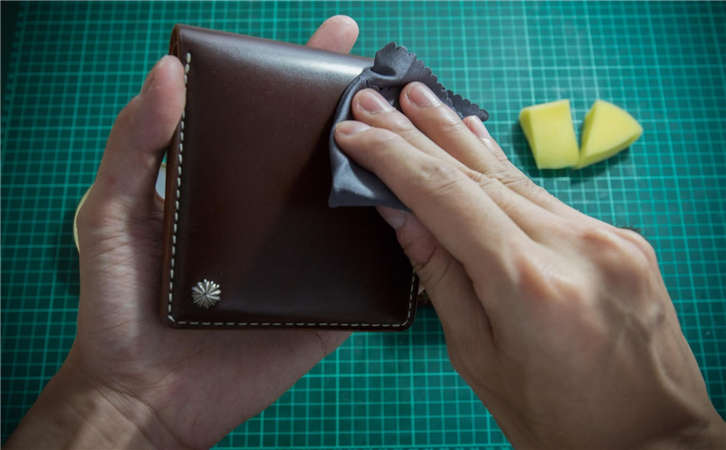
When used in tanning processes, alum helps to fix tannins into the hide’s protein structure, making it stronger yet more supple. The use of alum also provides light protection against water damage and UV rays that can cause the leather to fade or become brittle. It also serves as an antibacterial agent, helping protect hides from microbial growth.
Yes, alum can be used to tan hides. However, it is important to use the correct type of alum that is specifically designed for this purpose. Various types of alum exist, and the one used for tanning hides is Aluminum Sulfate (Al2SO4). This type has a low pH and is highly soluble, making it ideal for tanning processes.
Potassium Alum (KAl(SO₄)₂·12H₂O) is typically used in tanning processes as it has a higher percentage of aluminum content than other forms of alum. This allows for better absorption during the tanning process, resulting in a stronger and longer lasting hide. Potassium alum is also preferred as it can be easily dissolved in water, allowing more control over the tanning process. Additionally, potassium alum is less corrosive than other forms of alum and is considered to be safer for the environment.
Some of the customized services:


Mobile Website

Inquires Whatsapp