- +86 13922774531
- info@gionar.com

English


English
August 22 , 2025
London holds a leading position at the forefront of European fashion in the leather industry, characterized by high-end customization, innovative design and sustainable practices. Despite facing global competition and environmental pressure in its leather manufacturing sector, it maintains its competitiveness through technological upgrades and green transformation.
Multiple international exhibitions in London bring together the world’s top brands and designers, promoting the deep integration of leather goods and sustainable fashion. Institutions such as the British Leather Council have strengthened London’s role as a testing ground for leather craftsmanship innovation and environmental protection technologies through policy advocacy and industry collaboration.
In this article, we will explore the London leather market and leather exhibitions. Whether you are looking for a leather bag manufacturer or planning to purchase a bag, this article will be very helpful for you to make a choice.
For centuries, London has been a global leather center, especially in Bermondsey (where the 19th-century “Leather Market” building is located) and Southwark, where tanneries supply leather for luxury goods, bookbinding and equestrian equipment. The rise of synthetic materials and overseas manufacturing led to the decline of the leather industry, with the last large tannery closing at the end of the 20th century.
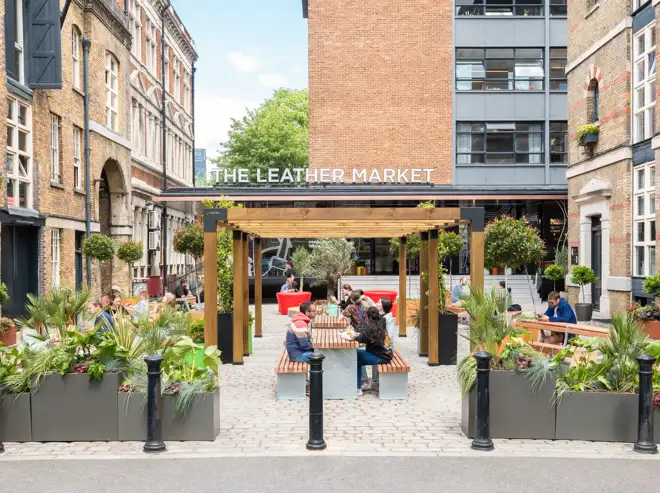
The “Leather Market” in London is located in the Bermondsey area of South London. It was established in 1832-33 and was originally the London Leather, Fur and Wool Exchange, concentrating on trading raw hides and finished products. This market was self-funded and built by local tanners. It once had about 50 trading stalls and was equipped with a U-shaped open-air trading platform to ensure ventilation.
In 1878, The annex building “London Leather, Hide & Wool Exchange” was completed. It was elaborately decorated with sculptures and included a membership club and a bar – The Leather Exchange – which is still in business today. During World War II, this area was bombed and some of its structures were destroyed, but commercial activities gradually shifted to northern England and declined by the 1960s. The last tannery was closed in 1997.
Today, some of the original warehouses and Exchange buildings have been protected as Grade II registered sites and transformed into modern office and creative Spaces, preserving their 19th-century industrial appearance and carrying historical memories while breathing new life into them. Today, the Leather Market is a landmark that blends historical culture with commercial vitality, embodying a model of London’s industrial transformation and urban renewal.
Today, the focus of the London leather market is on design, retail and craftsmanship rather than mass production.
At the Leather Lane Market in Holborn, one of the oldest leather markets in London, its history can be traced back to the 17th century. It is famous for its affordable leather jackets, belts and bags (mainly imported).
This street is home to a famous weekday market, featuring a wide variety of street food vendors as well as clothing, footwear and other goods.
Historically, the Leather Lane Market area, including the Leather and Wool Exchange Building (now offices and a bar called the Leather Exchange), has played a crucial role in London’s leather industry for centuries.
Today, Leather Lane Market is a popular lunch spot and a place to experience the fusion of London’s past and present.
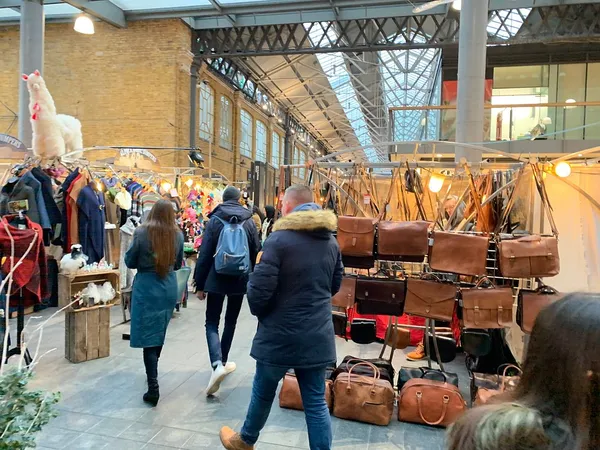
Old Spitalfields Leather Market brings together some of London’s top restaurants, fashion stores, boutiques and stalls. It is located in the heart of London’s East End and is one of the oldest markets in London.
The Old Spitalfields Market attracts visitors from all over with its unique charm. This historic market is open to the public seven days a week, offering tourists a unique experience away from the mainstream business district. Here, small producers, local creative workers, independent designers and some well-known brands coexist in harmony, jointly creating a vibrant market atmosphere.
Every day, the market gathers a group of carefully selected vendors, including artisans, artists and independent designers. They not only offer high-quality goods but also bring their own unique product stories. Old Spitalfields Market pays particular attention to showcasing the design concepts behind the products, the creative processes, and the creators who endow the products with souls.
This popular comprehensive market covers multiple fields such as fashion, handicrafts, leather goods, and food. Although it is open all year round, it is especially popular on weekends. The market area is composed of two connected parts: the east side is the historic original market, and the west side is the new district that was expanded in 1926.
It is worth mentioning that the Old Spitalfields Market holds an antique-themed market every Thursday. On some Fridays, there are special sessions for vinyl records, and art and handicrafts exhibitions and sales run throughout the weekend. This diverse arrangement of theme activities keeps this market fresh and attractive all the time.
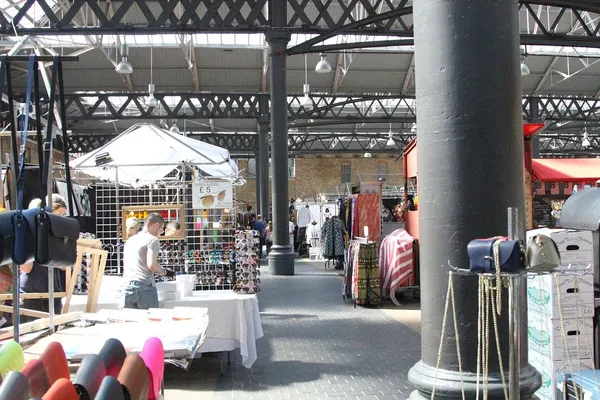
New Spitalfields Market is not a wholesale market for leather goods and there are few stores selling leather goods. The hall of this market has 115 trading units for fruit, vegetable and flower wholesalers to use. The market hall is equipped with modern facilities, including cold storage rooms, ripening rooms and palletized agricultural product shelves. In addition, the market also features a spacious parking lot for customers, delivery vehicles and market staff to use.
The nearest tube station is Leyton on the Central Line.
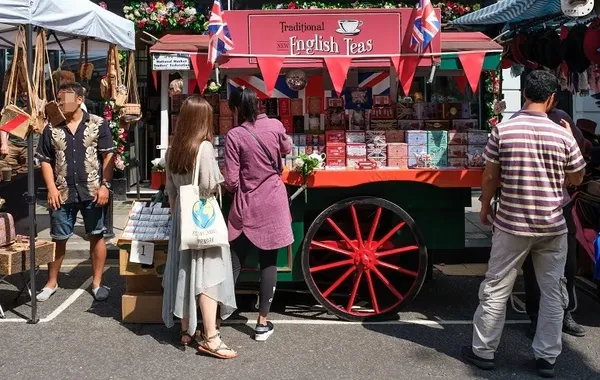
The history of Portobello Road Market can be traced back to the 19th century and it is one of the oldest markets in London. This market is famous for its antique stalls and is bustling every Saturday, with over 1,500 stalls competing to catch your attention. There are still many stalls in the market selling a wide range of goods, from vintage clothing, leather bags and jewelry to street food and artworks.
Saturday is the busiest time for the fashion market – but you can also browse through fashion items on Friday and Sunday.
Located in Notting Hill, the nearest subway station to Portobello Road Market is Ladbrooke Grove on the Hammersmith and City line. Notting Hill Gate Tube station is a 20-minute walk from the market and is located in Central, Circle and District lines.
Portobello Road Market is open daily (except Thursdays), from 8 a.m. to 7 p.m. in spring and summer, and from 9 a.m. to 6 p.m. in autumn and winter. It is open for half a day on Thursday, from 9 a.m. to 1 p.m.
Opening hours
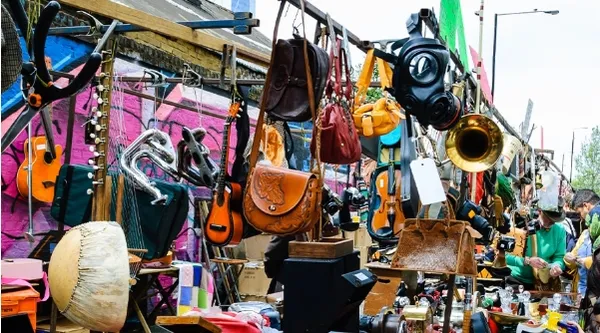
Brick Lane Market is located in the vibrant East End of London and is one of the most iconic and diverse markets in the city. This bustling market is renowned for its diverse culture, history and creativity, attracting thousands of tourists every week.
Brick Lane Market is not just one market, but six different markets that are open simultaneously on weekends. Each market has its own unique features and product range, and their opening hours also vary.
At Brick Lane Market, you can find almost all kinds of goods, ranging from international cuisine, new and vintage clothing, to interesting trinings and souvenirs. You can also see many works by young artists being sold to customers in various markets. Creative people and art lovers can find pleasure at numerous stalls selling handcrafted jewelry, artworks and other handicrafts. Artists also frequently attend, providing people with a unique opportunity to learn about their works and inspirations. In addition to the traditional stalls, there are also Spaces for street and live performances here, adding a vibrant atmosphere.
The opening hours of Brick Lane Market are from 11 a.m. to 6:30 p.m. from Monday to Saturday and from 10 a.m. to 6 p.m. on Sunday. However, it is mainly open from 10:00 a.m. to 6:00 p.m. on Sunday.
Due to the crowded crowd at Brick Lane Market, it is recommended that you arrive early to avoid the crowds and grab the most cost-effective goods.
Leather Exhibitions: such as Lineapelle London (International Leather Show) and Premiere Vision, attract global suppliers and designers.
LINEAPELLE is the most important international exhibition, dedicated to leather, accessories, components, synthetic materials and footwear, leather goods, clothing and furniture models.
Lineapelle has long been renowned for its consistent leadership in quality and style innovation, making it an indispensable part of the global leather demand.
The one-day exhibition event will attract the participation of the most exclusive leather, textile and synthetic materials, accessories and components manufacturers from Europe and the world. It is expected that the number of visitors will be approximately 500. There are 49 exhibitors participating in LINEAPELLE London, which is expected to become an important event for exchanging and showcasing the latest trends in these industries.
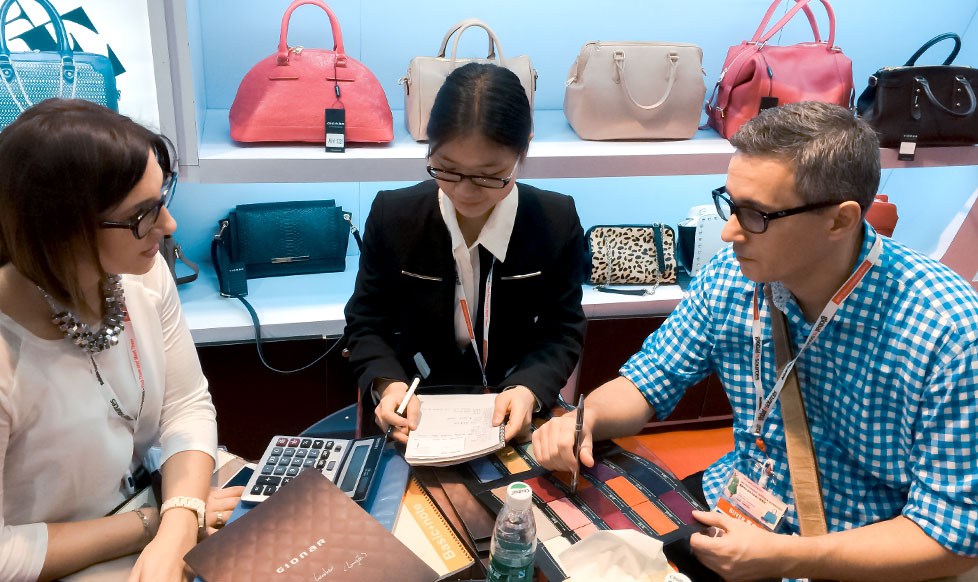
Premiere Vision has always been committed to gathering fashion professionals and accelerating their business development. It is at the core of a unique ecosystem of international leather products and textile trade fairs, gathering inspiration, creativity and opportunities. From yarn to fashion manufacturing, the Premiere Vision exhibition connects participants from all sides of the industry, showcases new products and innovative solutions from global suppliers, and provides support for designers and creative people to procure future collections.
Although London no longer mass-produces leather, its leather market, dominated by design, retail and cultural heritage, remains an ideal destination for seeking high-end bespoke, sustainable leather and vintage items, and still holds significant influence.
For wholesalers, trade shows are the main purchasing channels. For ordinary consumers, the various markets in London offer diverse channels for leather shopping.
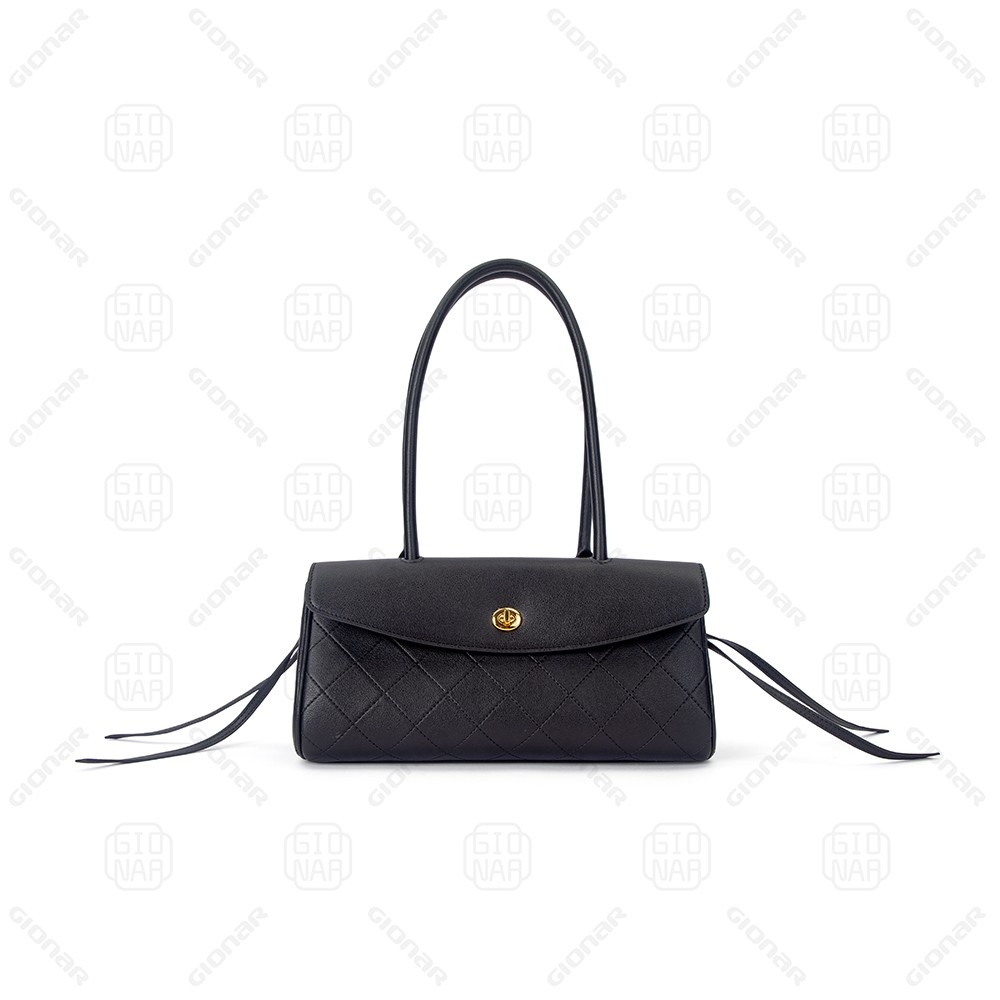
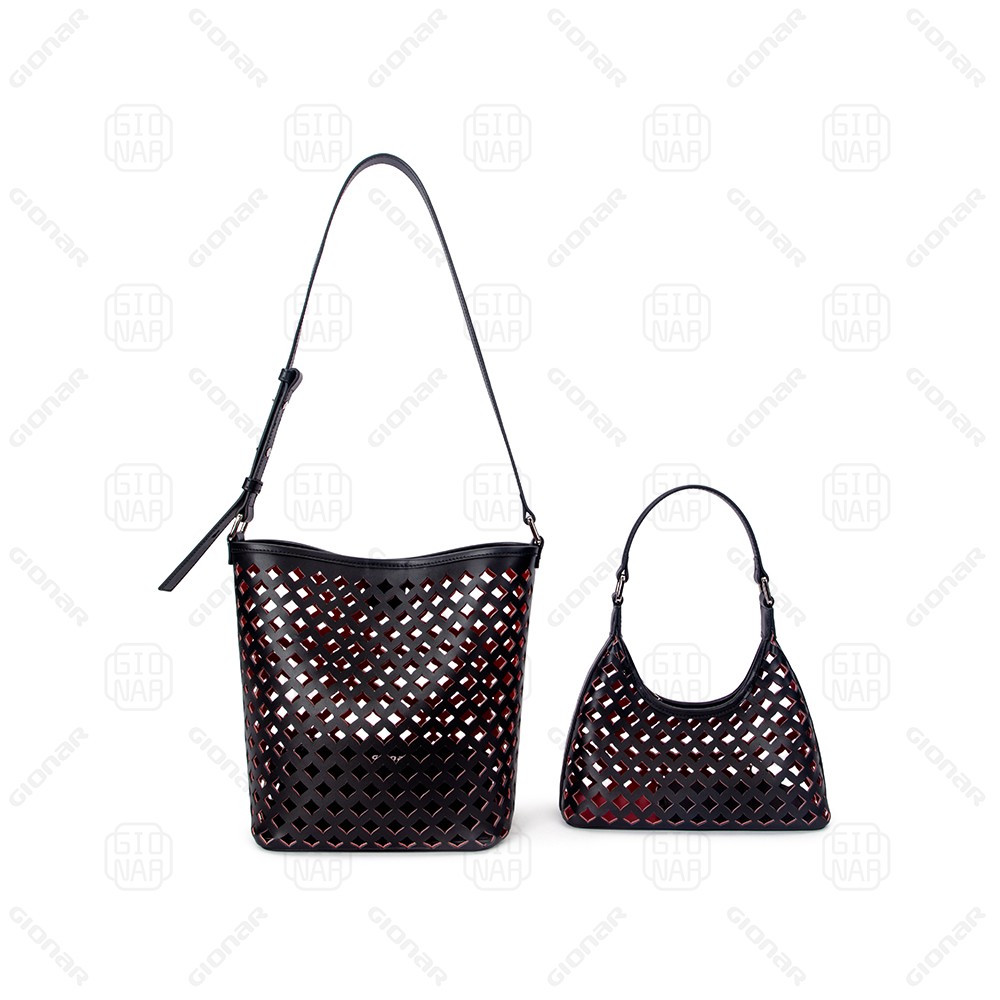
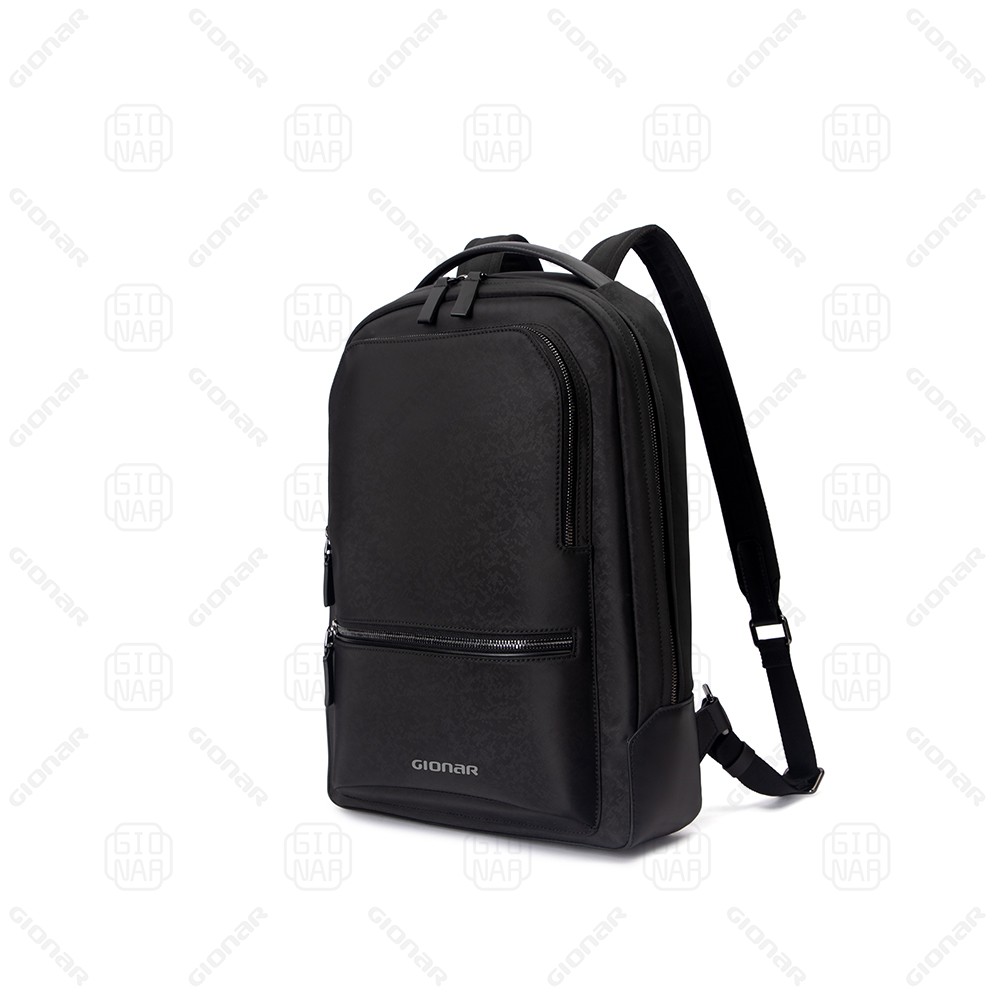
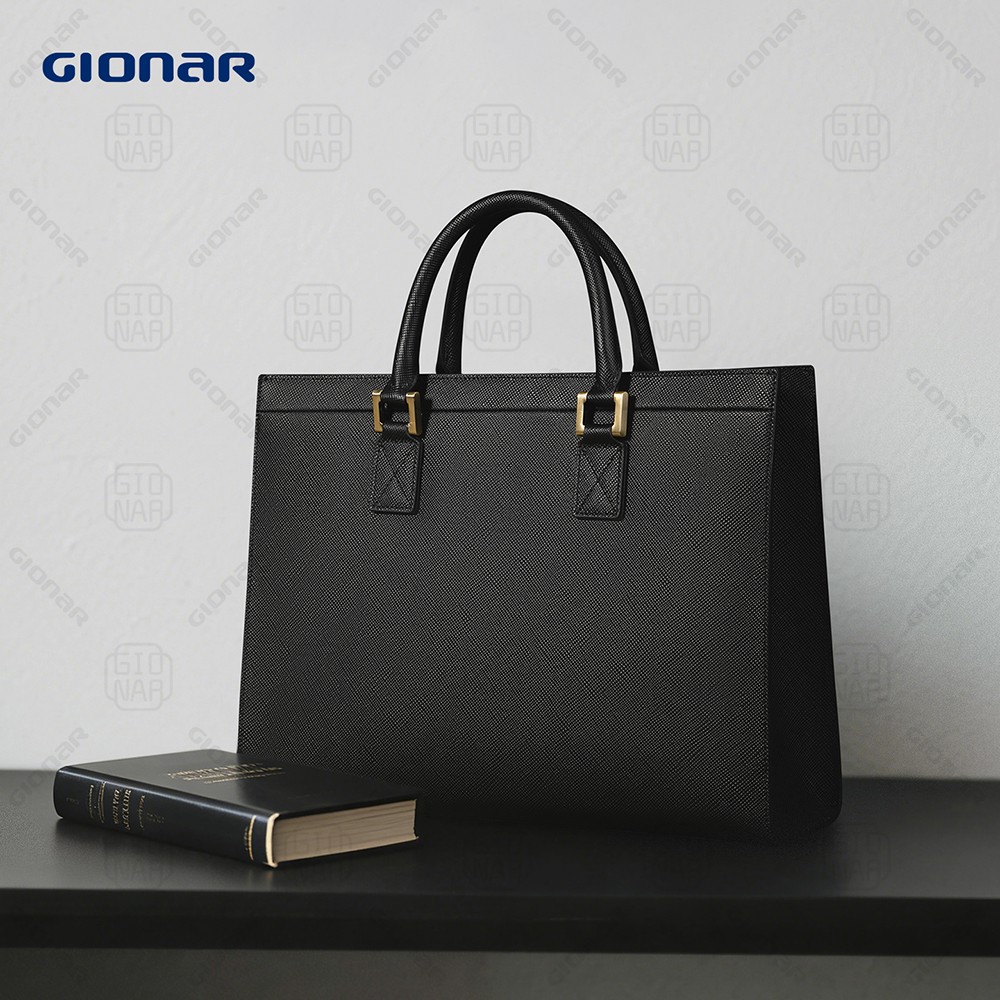
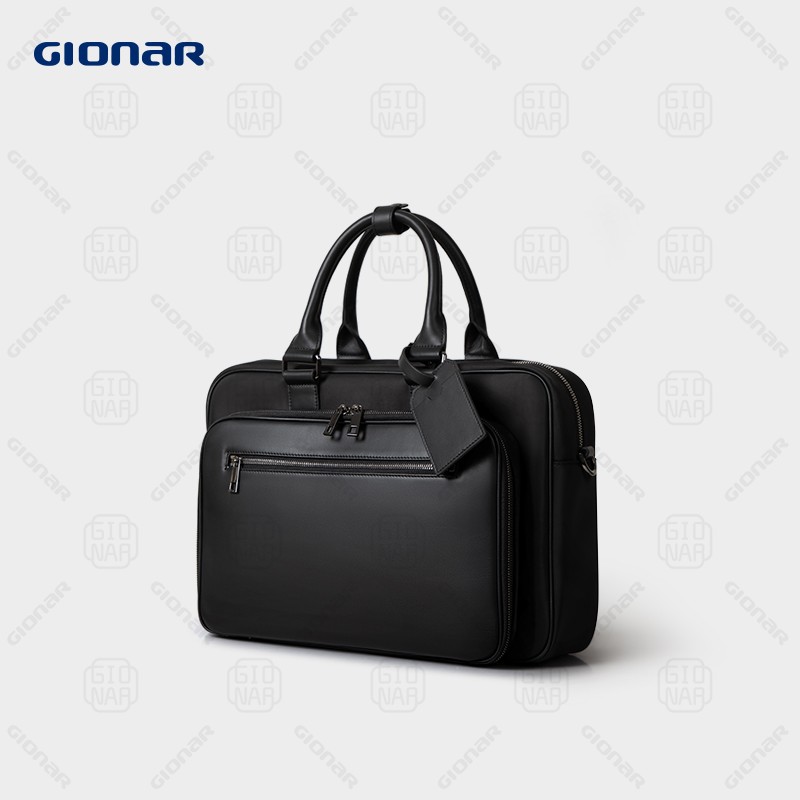
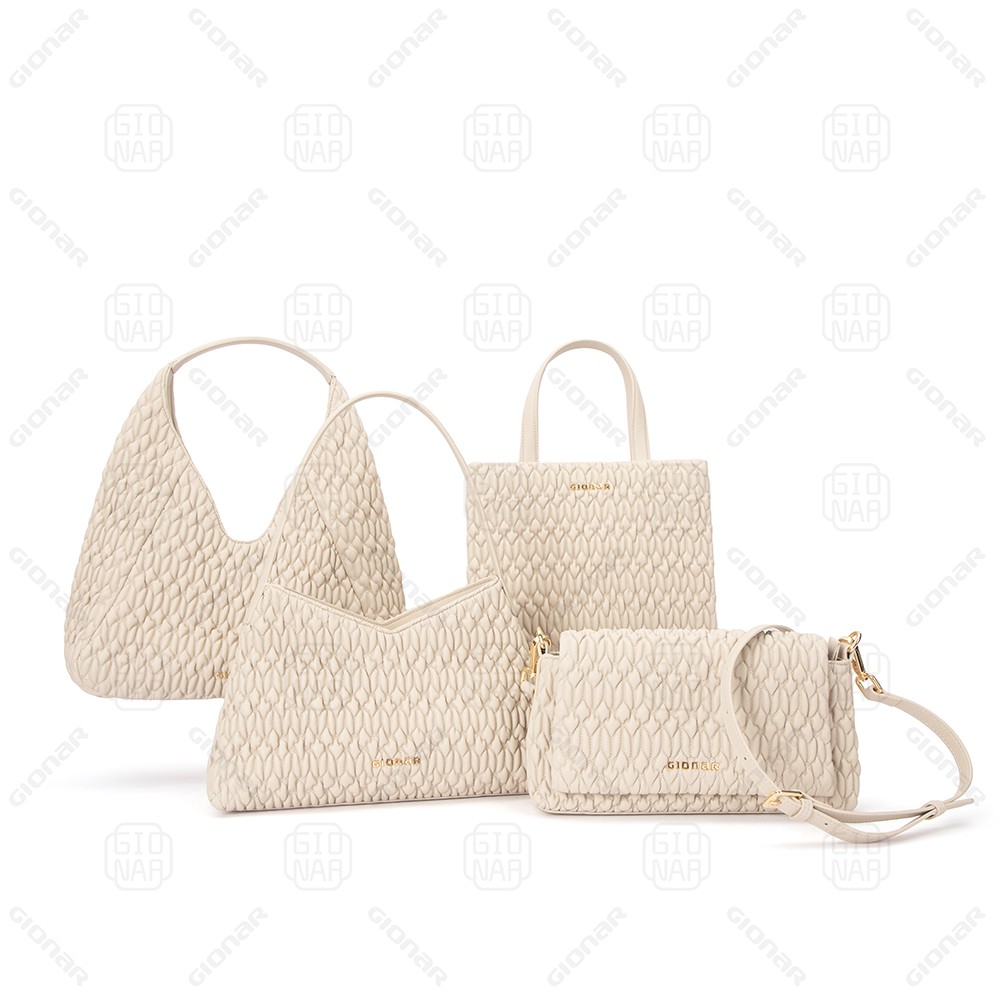
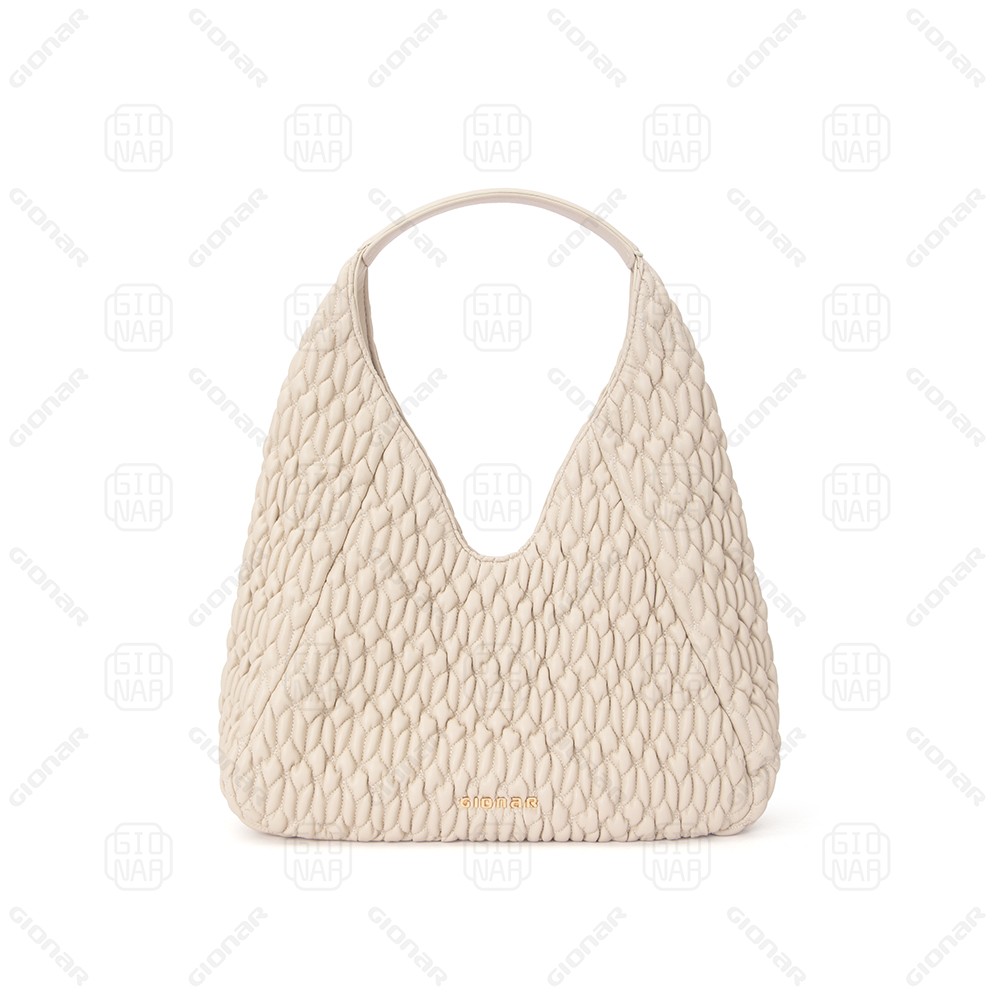
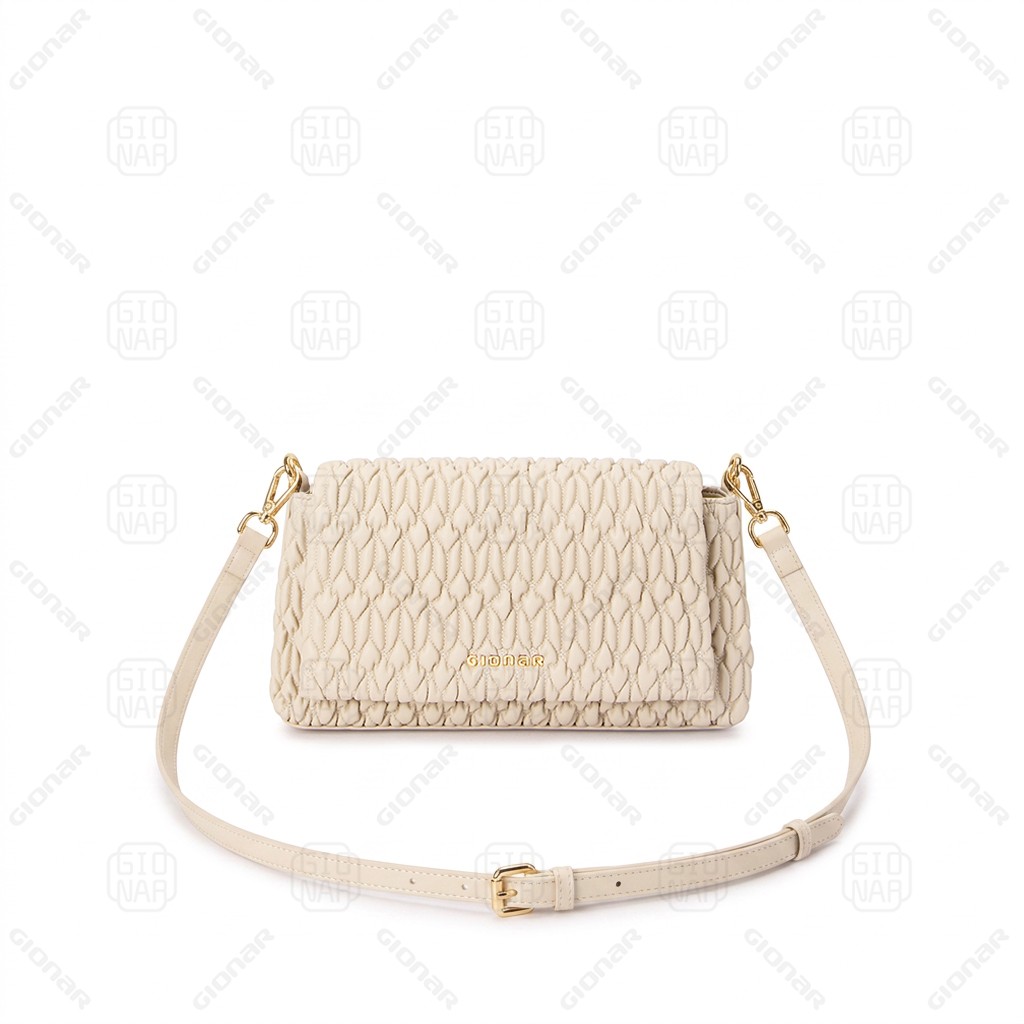
If you are looking for world-class high-end leather bag manufacturers, you can cooperate with the Chinese leather manufacturer Gionar to customize bags that belong to your brand.

Mobile Website

Inquires Whatsapp